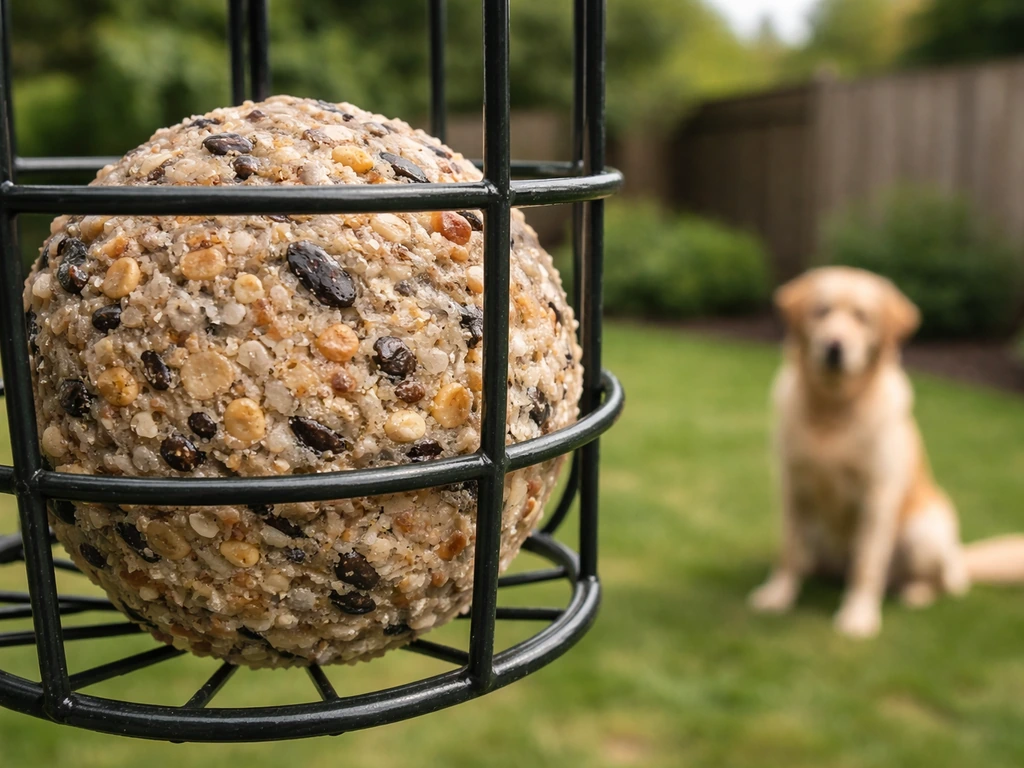
Dogs should not eat bird fat balls. They are not toxic in the way chocolate or xylitol is, but they are high enough in fat, and often contain enough added ingredients like salt, seasoning, or dried fruit, to cause real problems ranging from vomiting and diarrhea to a serious bout of pancreatitis. If your dog just ate one, stay calm, but do pay attention to how they're acting over the next 12 to 24 hours.
Can Dogs Eat Bird Fat Balls? Safety, Risks, and What to Do

Maya Henderson
4 May 2026
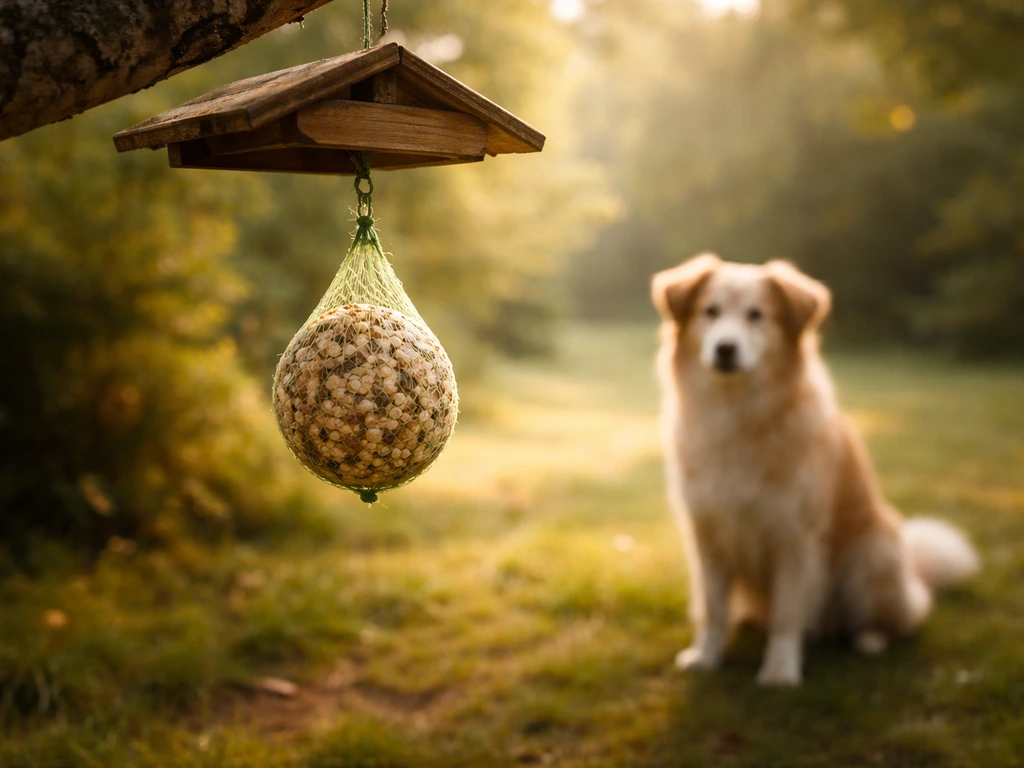
Are bird fat balls safe for dogs?
The short version: no, not safely. Bird fat balls are made for birds, not dogs, and the fat content alone is enough to cause GI upset in most dogs, especially smaller breeds or dogs with any history of digestive issues. One fat ball isn't going to be an emergency for every dog, but it's not something you want to shrug off either. The risk goes up considerably if the fat balls are old, have been sitting in a feeder for days, or contain ingredients like dried fruit, added salt, or mixed seeds that dogs shouldn't be eating in bulk.
What's actually in a bird fat ball?
Bird fat balls are essentially a concentrated calorie bomb designed to give garden birds lots of energy, especially in cold weather. The base is almost always suet or rendered animal fat, sometimes mixed with vegetable fat. Into that fat goes a mix of:
- Mixed seeds (sunflower seeds, millet, nyjer, safflower)
- Dried insects (mealworms are common in premium blends)
- Dried fruit such as raisins, sultanas, or cranberries
- Crushed peanuts or peanut meal
- Oats or cereal grains
- Added salt or flavorings in cheaper, non-bird-specific products
The fat content is the defining feature. A standard fat ball can be 40 to 60 percent fat by weight. That's a dramatically higher fat load than anything a dog should be eating as a snack. And if raisins or sultanas are in the mix, that's an additional serious concern, since dried grapes are toxic to dogs even in small amounts. Always check the ingredient list on the packaging if you can.
The real risks: fat overload, salt, and pancreatitis
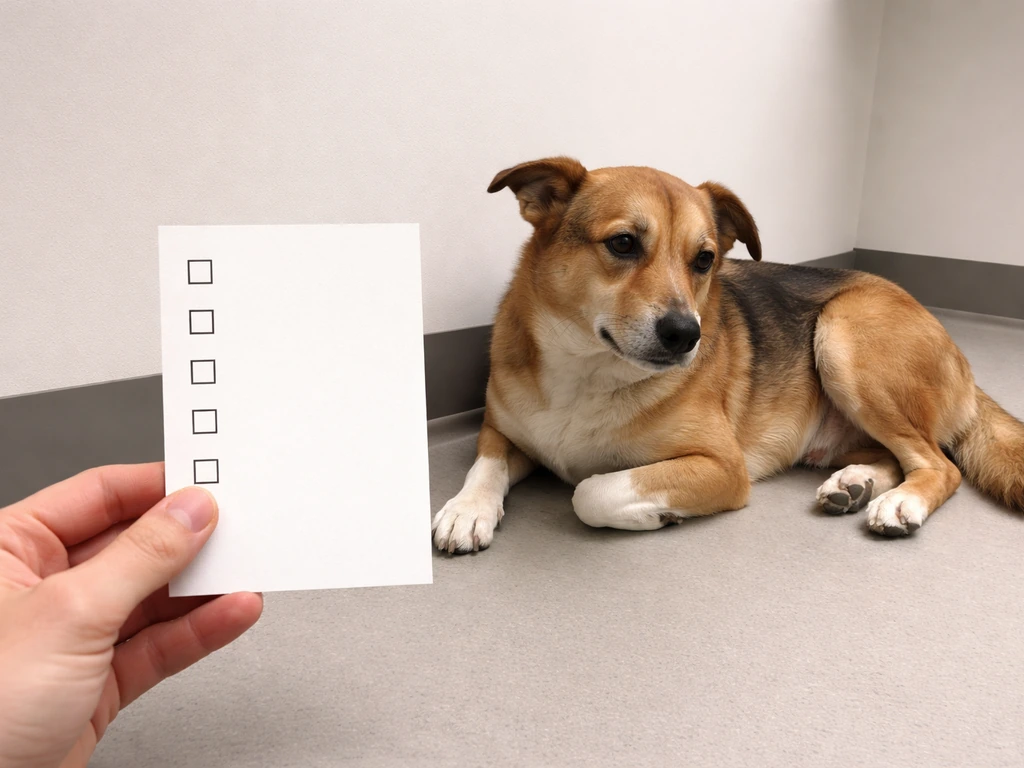
The biggest concern with a dog eating a bird fat ball isn't a single 'poison ingredient' in most cases. It's the fat load. According to the Merck Veterinary Manual, high-fat food ingestion is a well-established trigger for pancreatitis in dogs. The pancreas produces enzymes that help digest fat, and when it gets overwhelmed, those enzymes can start damaging the pancreas itself. Dogs that are already overweight, older, or have eaten a high-fat diet before are even more susceptible.
VCA Animal Hospitals lists the clinical signs of pancreatitis to watch for: nausea and vomiting, lethargy, abdominal pain (your dog may hunch up or be reluctant to be touched on the belly), diarrhea, fever, and loss of appetite. Mild cases can be managed with supportive care, rest, and a low-fat diet. Severe cases may require hospitalization and IV fluids. It's not something to wait out without monitoring.
Salt is the second concern. Budget fat balls or those not specifically designed for wildlife feeding can contain added salt. Dogs don't need much sodium beyond what's already in their food, and excess salt intake can cause increased thirst, urination, and in larger amounts, sodium poisoning. Seasonings or flavoring additives found in non-bird-specific products are another variable to watch out for.
Mold, rancidity, and contamination: the hidden danger
Here's a risk that doesn't get enough attention. Fat balls that have been sitting in a garden feeder through rain, warm weather, or humid conditions can go rancid or develop mold quickly. Store and manage bird food so it does not sit in conditions that reduce freshness, since bird foods can become rancid or otherwise problematic over time fat balls that have been sitting in a garden feeder through rain, warm weather, or humid conditions can go rancid or develop mold quickly. Rancid fat is genuinely harmful to dogs and can cause vomiting, diarrhea, and gastrointestinal inflammation beyond what you'd expect from fresh fat. Mold on bird food can contain mycotoxins, which are toxic compounds that can cause neurological symptoms, tremors, and serious illness.
You can usually spot bad fat balls by checking for these signs before or after a dog gets hold of one:
- Grayish, greenish, or black discoloration on the surface
- Visible fuzzy mold growth
- A sour, 'off', or strong rancid smell (fat that's gone bad smells noticeably different from fresh suet)
- Soft, slimy, or crumbling texture instead of a firm ball
- Fat balls that have been out for more than a week in warm or wet weather
If a dog ate a fat ball that was already degraded or moldy, treat the situation more urgently than if they grabbed a fresh one. Call your vet. The same applies if your dog has eaten bird suet or other high-fat bird food products that may have gone off, which is a risk covered in more depth in articles on related topics like whether bird suet is bad for dogs. Bird suet itself is also very high in fat, so it can upset a dog's stomach and raise pancreatitis risk even if it is not immediately toxic.
My dog ate a bird fat ball: what to do right now
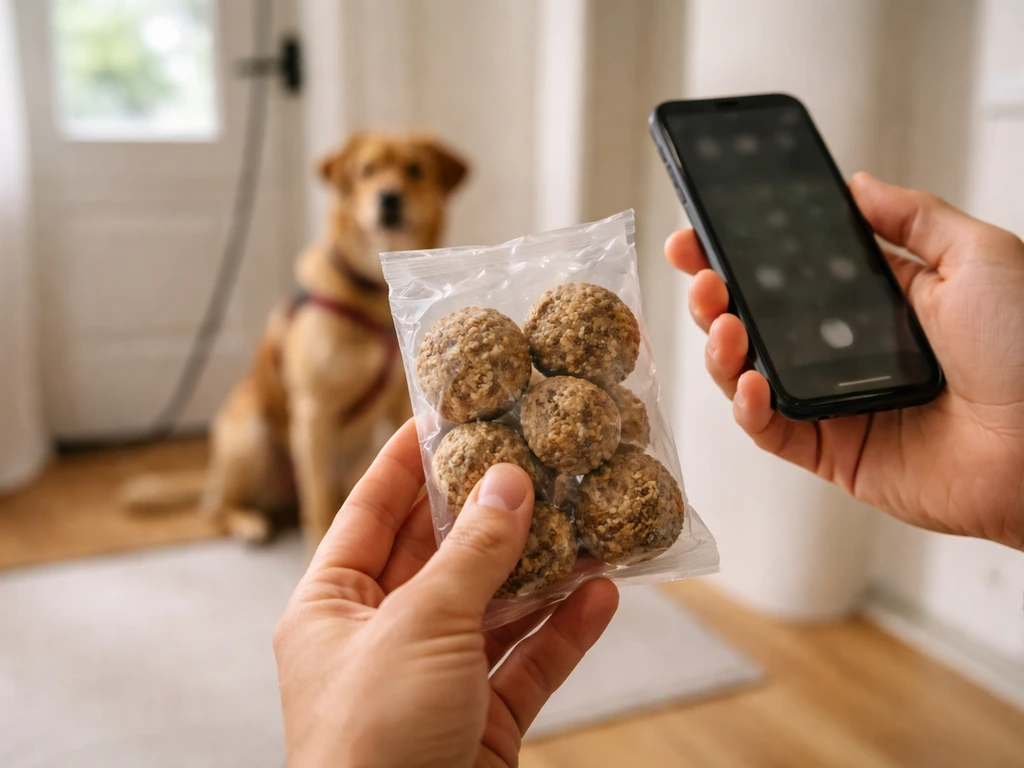
First, figure out what you're dealing with. How much did they eat, and what brand or type of fat ball was it? That information matters if you need to call a vet. A dog that stole half a fresh, plain suet and seed ball is in a different situation than one that ate three old, raisin-containing fat balls off the ground.
- Check the packaging if you still have it. Look specifically for raisins, sultanas, dried grapes, xylitol, macadamia nuts, onion, or garlic. If any of these are listed, call your vet immediately regardless of how the dog seems.
- Estimate how much was eaten and approximately when. Your vet will ask.
- Note your dog's weight. Portion relative to body size matters a lot.
- Watch closely for the next 12 to 24 hours: vomiting, diarrhea, lethargy, loss of appetite, abdominal discomfort, restlessness, or hunching.
- Offer water freely but don't push food for a few hours if your dog seems unsettled.
- Call your vet if symptoms appear or if you're uncertain about the ingredients.
When to call immediately: if your dog ate a fat ball containing raisins or dried grapes (toxic at any dose for dogs), if the fat ball was visibly moldy or smelled off, if your dog is already showing signs of distress, if they ate a large quantity relative to their body size, or if your dog is very young, elderly, overweight, or has a history of pancreatitis. ASPCApro also reports that grape and raisin toxicosis cases can be associated with renal lesions and acute kidney injury. In those cases, don't wait to see how it goes. Contact your vet or the ASPCA Animal Poison Control Center (in the US, that's 888-426-4435) and have the product name, ingredient list, your dog's weight, the approximate amount eaten, and the time of ingestion ready.
Keeping dogs away from bird feeders
Dogs are attracted to fat balls for an obvious reason: they smell like fat and meat. That's appealing to almost every dog. The key is not relying on your dog to make the right choice, because they won't. Prevention is about the setup, not the dog's willpower.
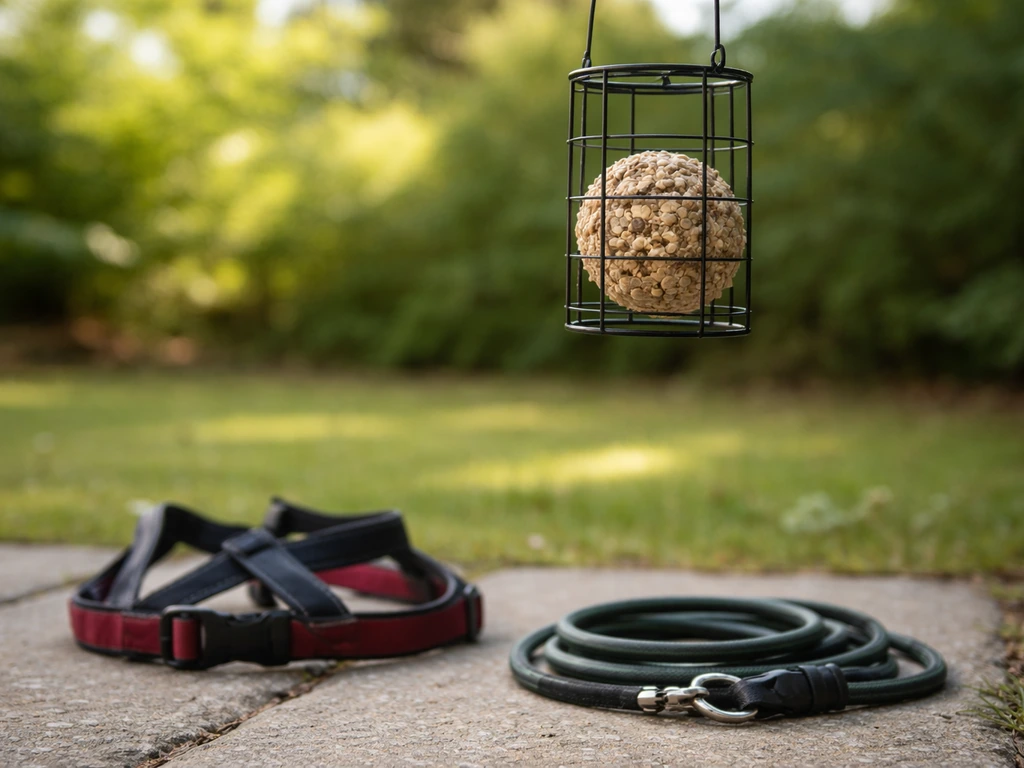
- Hang feeders at height. Fat ball feeders should be well out of jumping reach, ideally on a pole or hanging from a branch at least 5 to 6 feet off the ground.
- Use baffles on feeder poles. A cone or dome-shaped baffle below the feeder stops dogs (and squirrels) from climbing up to get at fallen bits.
- Clean up fallen food daily. Fat balls crumble, and the pieces that fall to the ground are exactly what dogs sniff out and eat. Pick up debris regularly.
- Consider placing feeders in a part of the garden dogs don't access, or use a low fence or garden barrier around the feeding area.
- Avoid ground feeders entirely if you have dogs. Ground-level feeding stations are an open invitation.
- Don't leave fat balls unattended at dog height, even temporarily.
It's entirely possible to run a successful garden feeding station for birds while also having dogs in the yard. It just takes a bit of planning around placement and cleanup. The birds genuinely benefit from the food, and the risks to your dog are mostly manageable with the right setup.
Safer options for dogs around the backyard
If your dog is drawn to what's in the feeder, it might be worth thinking about what they're actually missing or craving. Dogs do well with fat as part of a balanced diet, but the fat needs to come from appropriate sources in appropriate amounts. As a rule of thumb, the answer to can dog eat bird nest soup is also no, because it can be rich and contaminated depending on how it’s prepared. Plain cooked chicken, a small piece of unseasoned cooked beef, or a veterinarian-approved treat will satisfy that craving safely. What you want to avoid is the combination of unfamiliar fat, unknown seasonings, and potential contaminants that comes with anything from a bird feeder.
Here's a quick comparison of what dogs should and shouldn't have in this context:
| Item | Safe for dogs? | Notes |
|---|---|---|
| Fresh bird fat ball (plain suet and seed) | Not recommended | Very high fat; risk of GI upset and pancreatitis |
| Bird fat ball with raisins or dried grapes | No, dangerous | Dried grapes are toxic to dogs at any dose |
| Bird fat ball with added salt or seasonings | No | Can contribute to sodium overload |
| Old, rancid, or moldy fat ball | No, urgent risk | Mycotoxins and rancid fat can cause serious illness |
| Plain cooked unseasoned chicken | Yes (in moderation) | A safe, appropriate protein and fat source for dogs |
| Plain suet (fresh, no additives, tiny amount) | Occasional, with caution | Still high fat; not a regular treat, check with your vet |
| Bird seed (plain) | Generally not harmful in small amounts | Not nutritious for dogs; large amounts may cause GI upset |
The broader point is that bird food is formulated for birds, not dogs. Even when an ingredient looks harmless on paper, the fat concentration, the freshness question, and the added components make bird fat balls a consistent no for dogs. Dog hair can be risky too, because it may add contamination or attract other unsafe materials, so it is best avoided for bird nest lining around pets bird nests. Keep the feeder for the birds, give your dog their own appropriate snacks, and everyone in the yard stays healthier.
FAQ
My dog only licked a bird fat ball, not ate it. Do I still need to worry?
Yes, but risk is usually lower. A small amount can still cause GI upset if the ball has a high fat load or contains salt or dried fruit. Watch for vomiting, diarrhea, loss of appetite, and belly pain for 12 to 24 hours, and call your vet if symptoms start or if the fat ball looked moldy or smelled rancid.
What amount is most likely to trigger pancreatitis in dogs?
There is no single safe number because risk depends on body weight, age, prior pancreatitis, and how fatty and old the product is. Any amount can be a concern in small dogs or dogs with digestive history, and larger relative intakes, such as multiple balls or half a large ball, warrant contacting a vet even if your dog seems fine at first.
If the fat ball contained raisins or “dried fruit,” is it automatically an emergency?
Dried grapes (raisins, sultanas) are toxic to dogs, even at small doses, so treat it as urgent rather than watch-and-wait. Call your vet or poison control promptly, provide the package name and ingredient list, and do not try to correct it with home remedies unless a professional tells you to.
Should I induce vomiting at home if my dog ate a bird fat ball?
Do not induce vomiting unless your vet or poison control instructs you. With fatty foods, vomiting can increase stress on the stomach and raises the risk of aspiration. If you call for guidance, be ready with the timing, estimated amount, and whether the ball was moldy, rancid, or contained dried fruit.
Does the risk change if the fat balls are homemade instead of store-bought?
Yes. Homemade batches can be safer if they use dog-safe ingredients and are fresh, but the risk often remains because the fat is still concentrated and proportions are hard to judge. If you added salt, seasonings, raisins, or used any mold-prone ingredients, treat it the same as a commercial ball and ask your vet based on your dog’s size and how much was eaten.
What should I do if I cannot identify the exact product or ingredients?
Use what you know: where it came from, approximate size of the piece, how many were missing, and whether it looked moldy or smelled off. If possible, take a photo of the remaining feeder contents or packaging and note the time your dog got into them. This is especially important for deciding how urgently to seek guidance for dried fruit or rancid/mold issues.
My dog seems fine right now. When is it safe to stop monitoring?
If they ate a non-moldy fat ball without known dried fruit and remain symptom-free, you still should monitor closely for at least 12 to 24 hours because pancreatitis and GI upset can develop later. If vomiting, diarrhea, lethargy, hunched posture, or loss of appetite appear at any point, contact a vet even if it seems mild.
Can bird fat balls cause diarrhea but not pancreatitis?
Yes. Many dogs experience GI irritation from the fat load, leading to loose stool or vomiting without progressing to pancreatitis. However, pancreatitis can start with similar early signs, so persistent symptoms, abdominal pain, fever, or worsening lethargy should trigger a veterinary call rather than continued home monitoring.
How can I prevent my dog from getting bird fat balls without shutting down bird feeding?
Position feeders so they are physically out of reach, use a feeder type that minimizes drips on the ground, and clean fallen food promptly so your dog is not scavenging. Supervise initially, consider barriers or dog-safe zones, and provide appropriate treats so your dog does not learn to forage from the feeder.
Are bird suet and bird fat balls equally risky?
They are very similar in fat concentration, so suet also carries a pancreatitis risk and can cause vomiting or diarrhea. Extra urgency applies if the suet looks degraded, was exposed to warm weather and likely rancid, or if there are added ingredients such as dried fruit or significant salt.
Next Article
Are Bird Fat Balls Dangerous for Dogs? Risks and What to Do
Yes, bird fat balls can be dangerous for dogs due to choking, GI upset, obstruction, or toxic ingredients; what to do no