If your dog just ate bird seed, here is the short answer: most of the time, a small amount of plain, fresh bird seed causes nothing worse than an upset stomach or loose stool. But the details matter a lot. Moldy seed, seed mixes with toxic additives, or seed treated with pesticides or rodenticides can be genuinely dangerous. This guide walks you through a quick triage, the real risks to know about, and exactly what to do right now.
What Happens If My Dog Eats Bird Seed? What to Do Now

Maya Henderson
15 Apr 2026
Quick triage: what kind of situation are you actually in?
Before you do anything else, run through this decision tree. It takes about two minutes and will tell you whether you need to make a phone call immediately or whether you can monitor at home while you read the rest of this article.
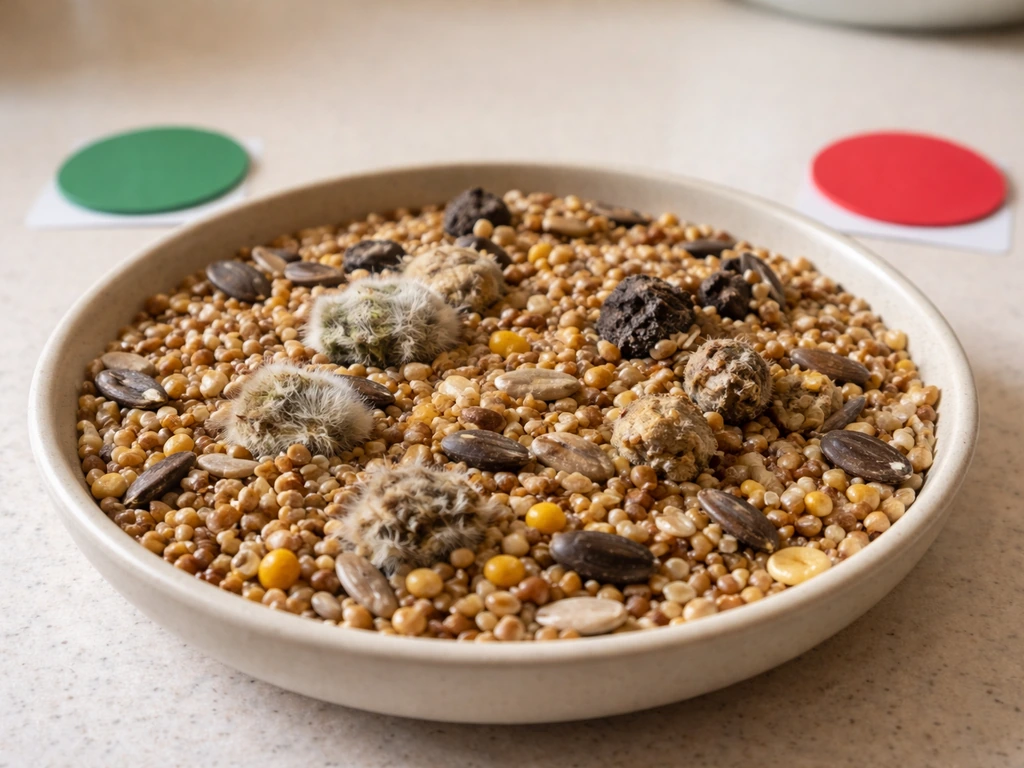
- Was the seed visibly moldy, wet, clumped, or does it smell sour or musty? If yes, treat this as a potential toxin exposure and call a vet or poison hotline now. Do not wait for symptoms.
- Did the seed mix contain raisins, dried fruit, macadamia nuts, chocolate, or xylitol (an artificial sweetener sometimes found in flavored mixes)? If yes, call immediately. These ingredients are seriously toxic to dogs.
- Was the seed stored near, or potentially contaminated by, rodent poison or pesticide-treated grain? If yes, call immediately.
- Did your dog eat a very large amount relative to their body size, or are they already showing symptoms (vomiting, tremors, wobbling, seizures, lethargy)? If yes, go to an emergency vet or call poison control right now.
- Was it a small amount of plain, dry, fresh commercial birdseed with no suspicious additives, and your dog seems completely normal? You are likely in a 'monitor at home' situation, but keep reading.
If you answered yes to points 1 through 4, call the ASPCA Animal Poison Control Center at (888) 426-4435, available 24/7, or the Pet Poison Helpline at 855-764-7661. Do not wait to see if symptoms develop.
The real risks hiding in bird seed
Plain sunflower seeds, millet, safflower, or nyjer seed are not inherently toxic to dogs. The danger comes from what else is in the mix, the condition of the seed, and what the seed has been near. Here are the specific hazards worth knowing about.
Mold and mycotoxins
This is the biggest practical risk with bird seed. Seed left in outdoor feeders gets wet, and wet seed molds fast. Two categories of mold toxin matter most here. [Tremorgenic mycotoxins, produced by certain molds on grains and compost, can cause vomiting, agitation, incoordination, tremors, seizures, and elevated body temperature, and symptoms can develop quickly and last 24 to 48 hours.
](https://www. merckvetmanual. com/toxicology/mycotoxicoses/tremorgenic-neuromycotoxicosis-in-dogs) Aflatoxins, produced by molds on corn, peanuts, and other grains, attack the liver. The FDA lists the signs of aflatoxicosis as sluggishness, loss of appetite, vomiting, diarrhea, jaundice (yellow-tinged gums, eyes, or skin), and unexplained bruising or bleeding.
Critically, liver damage from certain toxins may not show up clinically until one to two days after ingestion, so a dog that looks fine right now is not necessarily in the clear if moldy seed was involved. The FDA also warns that aflatoxicosis signs in pets may take time to appear, so contact a veterinarian immediately if you notice symptoms Critically, liver damage from certain toxins may not show up clinically until one to two days after ingestion.
Toxic additives in the seed mix
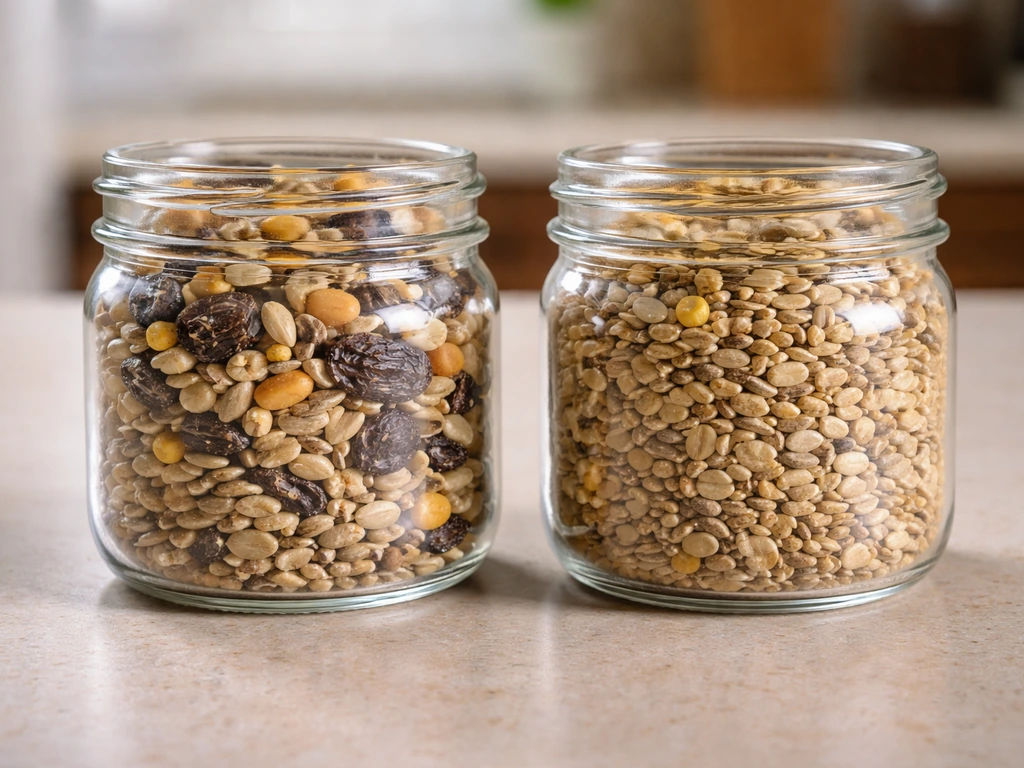
Some premium or flavored wild bird mixes include ingredients that are dangerous or even fatal to dogs. Raisins and dried grapes can cause kidney failure, and there is no established safe dose. Macadamia nuts cause weakness, tremors, and vomiting. Chocolate is a stimulant toxin. Xylitol, occasionally found in flavored suet cakes or specialty mixes, causes rapid hypoglycemia and can cause liver failure. Check the ingredient label on whatever mix your dog got into. If any of these appear, treat it as an emergency.
Pesticide-treated seed and rodenticides
Agricultural seed is sometimes treated with fungicides or insecticides to protect crops; this treated seed should never end up in a bird feeder, but contamination happens. If the seed came from an agricultural source rather than a commercial birdseed bag, that risk is higher. Far more commonly, rodenticide baits are sometimes placed near bird feeders to control mice and rats. Anticoagulant rodenticides in particular are dangerous because they interfere with blood clotting, and signs may not appear for days. If there is any chance rodent poison was nearby, call poison control or a vet immediately, even if your dog seems fine.
Diatomaceous earth and other physical additives
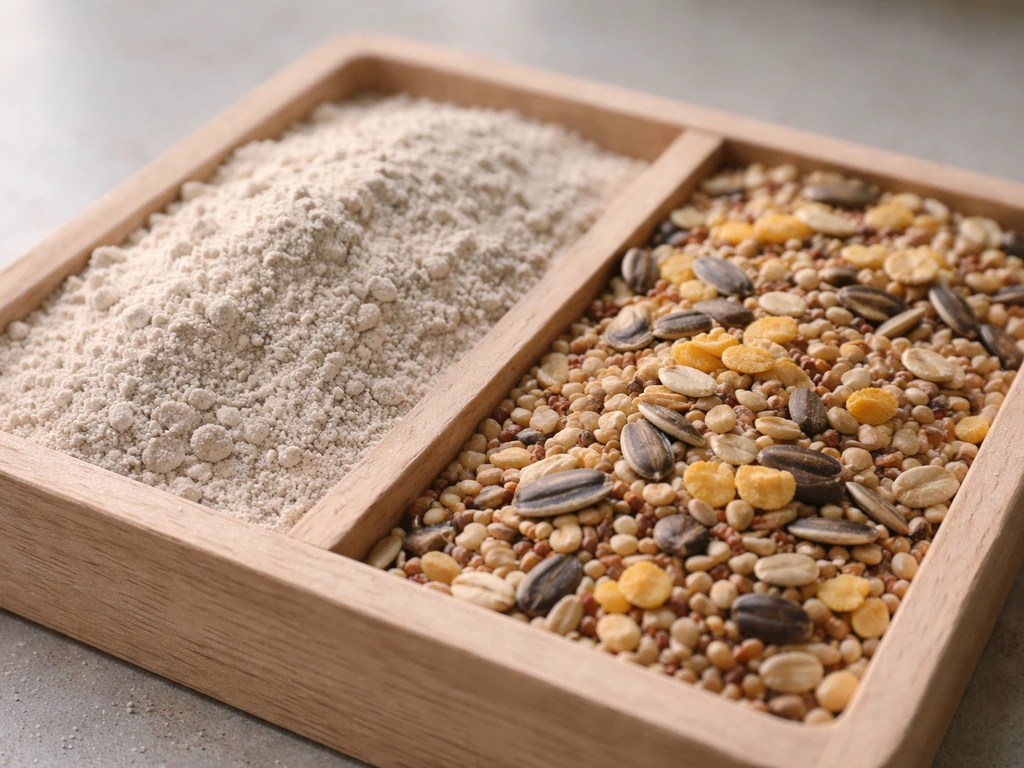
Some seed mixes or feeders use diatomaceous earth as a pest deterrent. Food-grade diatomaceous earth is generally considered low-risk in small amounts, but pool-grade or filter-grade diatomaceous earth contains higher levels of crystalline silica and can be harmful if ingested or inhaled. If you are not sure which grade was used, note it when you call for advice.
Mealworms and suet
Dried mealworms are common in wild bird mixes and are not toxic to dogs, but eating a large quantity can cause GI upset. Suet cakes are a different story and carry their own risk profile; if your dog got into a suet feeder rather than loose seed, it is worth reading up on what happens if your dog eats bird suet for specific guidance on that ingredient.
Symptoms to watch for and when they show up
The timing and type of symptoms depend entirely on what your dog actually ingested. Here is a practical breakdown:
| What was ingested | Likely symptoms | When they typically appear |
|---|---|---|
| Plain fresh seed (mild GI irritation) | Loose stool, mild vomiting, gas | Within a few hours; usually resolves quickly |
| Moldy seed (tremorgenic mycotoxins) | Vomiting, tremors, incoordination, seizures, elevated temperature | Can develop quickly; may last 24–48 hours |
| Moldy seed (aflatoxins) | Lethargy, loss of appetite, vomiting, diarrhea, jaundice, bleeding | Can be delayed 1–2 days after ingestion |
| Raisins or dried grapes in mix | Vomiting, lethargy, reduced urination (kidney failure) | Vomiting within hours; kidney signs 24–72 hours |
| Xylitol in flavored mix | Weakness, wobbling, vomiting, seizures (hypoglycemia) | Within 30–60 minutes; can persist up to 24 hours |
| Anticoagulant rodenticide contamination | Lethargy, difficulty breathing, bleeding, bruising, pale gums | Often delayed 3–5 days |
| Insecticide-treated seed | Drooling, tremors, vomiting, diarrhea, seizures | Variable, often within hours |
One important point: the absence of symptoms in the first hour does not mean you are in the clear, especially with aflatoxins, rodenticides, and raisin toxicity. If you are even mildly unsure about the seed's condition or contents, err on the side of calling for advice.
What to do right now
Whether you end up calling a vet or monitoring at home, the steps below will help you respond correctly and give professionals the information they need if you do call.
- Remove your dog from the area so they cannot eat any more seed.
- Collect a sample or take a photo of the seed. Note the brand, type, and any ingredient label you can find. If the seed was in a feeder, look at its condition: is it wet, clumped, or discolored?
- Estimate how much seed was eaten. A rough guess is fine: a handful, half a cup, a full cup. Your dog's body weight matters too (a Labrador eating a tablespoon of seed is a different situation than a Chihuahua eating a cup).
- Note the time of ingestion as precisely as you can. Timing matters for treatment decisions.
- Check your dog over right now: gum color (should be pink, not pale, white, or yellow), responsiveness, whether they are trembling or having trouble standing.
- Do not give food, water, activated charcoal, milk, or anything else by mouth unless specifically directed by a vet or poison control. And do not attempt to induce vomiting on your own. This is a firm rule.
- If you are calling a hotline, have the seed sample, estimated amount, your dog's weight, and any symptoms already written down before you dial.
On the activated charcoal point: you may have heard this suggested as a home remedy for toxin ingestion. Vets and poison control specialists only recommend it in specific situations where it will actually bind the relevant toxin, and the dosing and timing have to be right. For example, activated charcoal does not bind xylitol at all. Do not administer it without guidance.
When to call a vet or poison hotline urgently
Call immediately, do not wait, if any of the following are true:
- Your dog is already showing symptoms: tremors, seizures, wobbling, collapse, pale or yellow gums, or repeated vomiting.
- The seed was visibly moldy, wet, or had an off smell.
- The mix contained raisins, dried fruit, macadamia nuts, chocolate, or xylitol.
- There was any possible contact with rodenticides or pesticide-treated seed.
- Your dog is small and ate a relatively large amount.
- You are simply not sure what was in the mix and the seed was not from a clearly labeled, reputable commercial bag.
- Your dog has a pre-existing liver, kidney, or immune condition.
Call the ASPCA Animal Poison Control Center at (888) 426-4435 (available 24 hours a day, 7 days a week) or the Pet Poison Helpline at 855-764-7661. There is a consultation fee for these services but they provide expert, case-specific guidance that a general web search cannot. When you call, have your dog's weight, the approximate amount ingested, the type of seed, and any ingredient information ready. Note any symptoms you have already observed, including what you see in any vomit if it has occurred, since that information helps the specialist assess the situation accurately. If your dog is already showing severe neurological symptoms like seizures or cannot stand, skip the hotline and go directly to an emergency veterinary clinic.
If you are wondering why your dog eats bird seed in the first place, it usually comes down to scent, fat content (especially in black oil sunflower seeds), or simply opportunistic foraging behavior. Understanding that can help you prevent repeat incidents, but right now, focus on the situation in front of you.
Monitoring at home: the 48-hour timeline
If you have spoken with a vet or poison control and been told home monitoring is appropriate, here is what that should actually look like. Do not just wait and hope. Active monitoring means checking your dog every few hours for the first 24 hours, then once or twice on day two.
- Hours 1–4: Watch for vomiting, diarrhea, excessive drooling, restlessness, or any coordination problems. A single episode of mild vomiting or soft stool is not uncommon after eating something unfamiliar and is not immediately alarming in an otherwise normal dog.
- Hours 4–12: Check gum color, energy level, and appetite. Your dog should be acting like themselves. Continued vomiting, refusal to drink water, or any trembling warrants a call to your vet.
- Hours 12–24: Watch for signs of lethargy, loss of appetite, or abdominal pain (hunching, reluctance to move). These can signal developing GI or liver involvement.
- Hours 24–48: If moldy seed was involved, this is the window when delayed liver toxicity can emerge. Yellow-tinged gums or eyes, unusual bruising, or dark urine are red flags that need immediate veterinary attention.
- Water: Encourage normal drinking. Do not force-feed water, but make sure it is available. Good hydration helps support kidney and digestive function.
If your dog develops diarrhea after eating bird seed, even if it seems mild, there are some specific considerations depending on how long it persists. Dogs that eat bird seed and develop diarrhea may be dealing with anything from simple GI irritation to a more significant reaction, and knowing when to escalate from home care to vet care in that specific situation is worth understanding.
One note on what not to do during recovery: do not give your dog milk (it does not neutralize toxins and many dogs are lactose intolerant), do not give human antidiarrheal medications unless your vet specifically directs it, and do not offer a large meal to "settle the stomach." A small amount of plain cooked chicken and rice is generally fine if your vet has approved it and your dog wants to eat.
Keeping this from happening again
Bird feeders and dogs are a combination that requires some deliberate management. The good news is that a few simple changes to your setup can eliminate most of the risk without giving up backyard bird feeding.
- Mount feeders high enough that your dog cannot reach them, ideally on a pole with a baffle, and place them where fallen seed lands outside the dog's accessible area.
- Use a tray or catch basin under the feeder to contain fallen seed, and empty it daily. Wet, accumulated ground seed is exactly the mold-risk scenario you want to avoid.
- Clean feeders every one to two weeks and discard any seed that looks wet, clumped, or discolored. Mold can develop in feeders in as little as a day or two in humid or rainy weather.
- Choose seed mixes carefully. Avoid novelty or flavored mixes with extra additives. Plain seed blends (sunflower, safflower, millet, nyjer) are lower risk if your dog does get into them.
- Never place rodenticide bait stations anywhere near your bird feeding area. If you need rodent control, use snap traps or other non-poison methods in areas your dog cannot access.
- If your dog is persistent about raiding the feeder area, consider physical barriers like a small fenced section around the feeder pole, or move the feeder to a part of the yard the dog does not have access to.
It is also worth knowing that the question of what humans experience when ingesting bird seed is occasionally asked, and while the risks are somewhat different for people, what happens if you eat bird seed follows some of the same logic around mold and additive concerns. But for dogs specifically, the combination of a more indiscriminate eating style and a lower body weight relative to what they might consume makes the mold and toxin risks considerably more pressing.
The bottom line: most dogs who eat a small amount of plain, fresh bird seed will be fine, and you will know within 24 to 48 hours. But moldy seed, toxic additives, and contaminated seed are real risks that can escalate fast. When in doubt, call a professional. A five-minute phone call to poison control is always worth it. For example, the AKC notes that macadamia nut ingestion can cause vomiting, ataxia, weakness, and hyperthermia and recommends contacting a veterinarian even if a dog eats a single macadamia nut: https://www.akc.org/expert-advice/nutrition/can-dogs-eat-macadamia-nuts/ Can Dogs Eat Macadamia Nuts? (AKC).
FAQ
How long after eating bird seed would symptoms show up?
If the seed was plain and fresh and your dog is behaving normally, you can often monitor at home. However, if any portion looked wet, clumped, gray, or “musty,” treat it as potentially moldy, and call poison control even if symptoms have not started yet because liver or toxin effects can lag 1 to 2 days.
My dog ate seed from an outdoor feeder, but seems fine right now, should I still worry?
Yes. If the seed came from an outdoor feeder, it is common for it to get wet and mold. Mold-related effects can appear within hours for tremorgenic toxins, and for aflatoxins, a dog can look okay early even when injury is developing later.
What information should I gather before I call poison control or my vet?
Start by identifying what your dog actually ate. Look for the ingredient list and, if possible, save the remaining seed or packaging. Take a clear photo and measure the approximate amount consumed (cup/handful) so the specialist can estimate dose by your dog’s weight.
Can I give activated charcoal or other home remedies after my dog eats bird seed?
Do not try to “fix it” with DIY treatments like charcoal at home. Activated charcoal is only appropriate in select toxin types and only when timing and dosing match the suspected poison. If you already gave anything, tell the hotline so they can adjust advice.
What if the bird seed was a flavored mix, not plain seed?
If you know your dog ate a flavored mix that could contain raisins, grapes, xylitol, or chocolate, treat it as an emergency and contact poison control right away. For xylitol, rapid onset of weakness or collapse can happen, and waiting for symptoms increases risk.
What should I do if there might be rodent poison near the bird feeder or storage?
If you suspect rodenticide contamination, time matters, because anticoagulant rodenticides can cause delayed bleeding signs days later. Even without symptoms, call a professional promptly if bait, pellets, or boxes were near the feeder or indoors where seed is stored.
Is diatomaceous earth in bird seed feeders safe for dogs?
Small amounts of food-grade diatomaceous earth are often considered lower risk, but pool or filter grades can contain higher crystalline silica and may cause harm if inhaled or ingested. If you are unsure which type was used, mention the feeder brand or label when you call for guidance.
My dog ate a wild-bird mix that included mealworms, does that change the risk?
Yes, if the amount is large or the seed is mixed with other ingredients. Dried mealworms are usually not considered toxic, but heavy ingestion can still trigger significant vomiting or diarrhea. Suet is a separate concern, so avoid using the bird-seed guidance if it was suet or a suet feeder.
What should I feed or avoid while my dog is recovering from diarrhea after bird seed?
Avoid milk and human anti-diarrhea medicines unless a vet tells you to. Also do not force a big meal to “settle” the stomach. If you are advised to feed, a small amount of plain cooked chicken and rice is a safer, temporary option, based on your dog’s appetite.
If my dog has no symptoms for the first hour, does that mean it is definitely okay?
Treat lack of symptoms in the first hour as reassuring only for mild, plain-seed situations. For mold toxins, aflatoxins, and some other contaminants, early symptoms may be absent. If you are uncertain about freshness, ingredients, or contamination, call for advice anyway.
What immediate actions should I take right after my dog eats bird seed?
If you catch your dog still chewing seed, remove the remaining seed and prevent access to anything else in the area, including the feeder, droppings, or spilled seed. Do not rinse your dog’s mouth or give anything to “wash it down,” since that can cause additional swallowing, just call and follow the next-step instructions.