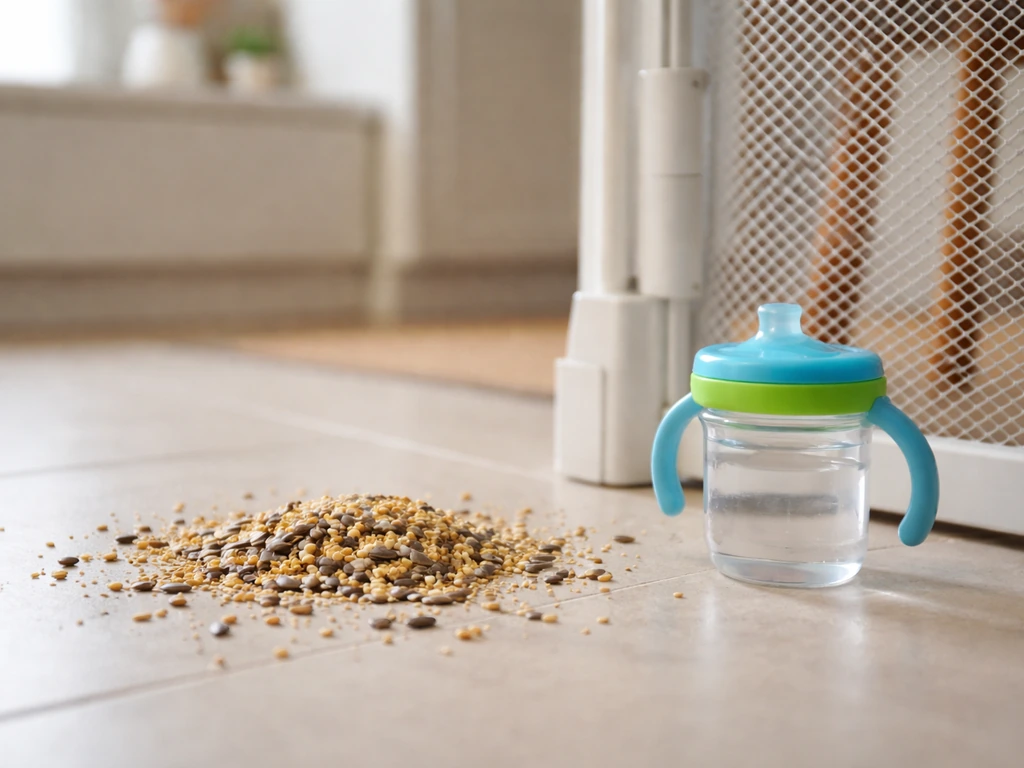
Most dogs that eat a small amount of plain bird suet will end up with nothing worse than an upset stomach, loose stools, or maybe a bout of vomiting. But suet can hide some genuinely dangerous ingredients, raisins, chocolate, xylitol, macadamia nuts, and if the cake has been sitting out and gone moldy, that creates a whole different set of problems. So the right answer depends on what kind of suet your dog got into, how much they ate, and what's actually in it.
What Happens If My Dog Eats Bird Suet: What to Do

Maya Henderson
16 May 2026

What counts as bird suet and why it can be risky for dogs
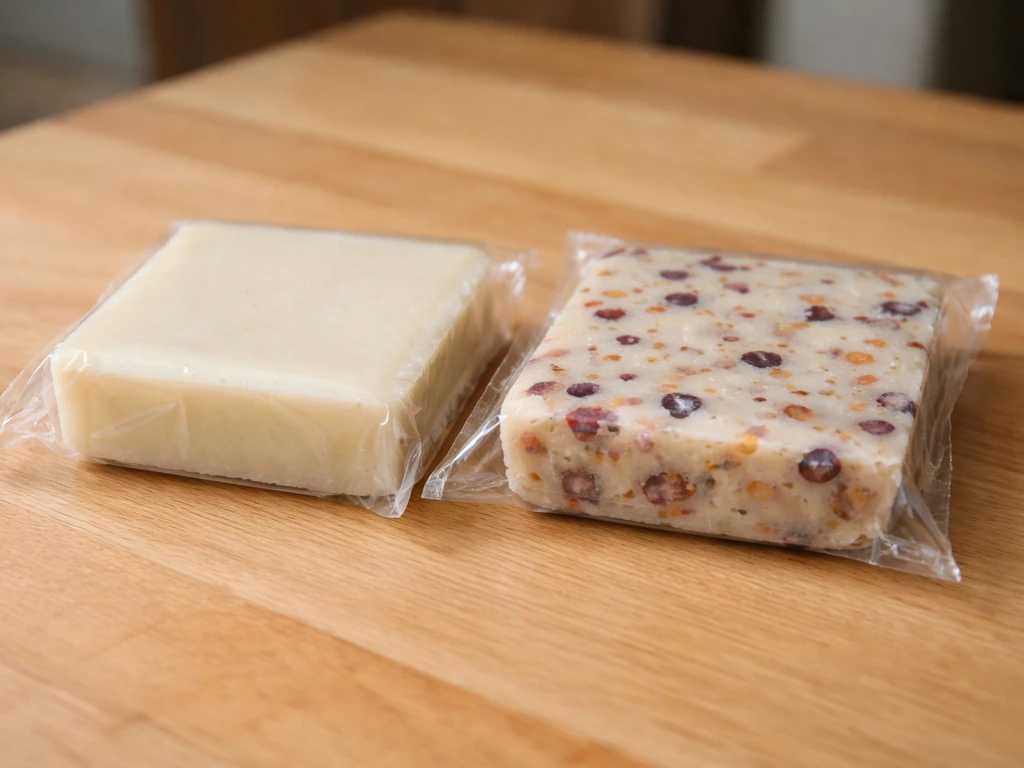
Bird suet is typically a rendered animal fat (usually pork or beef tallow) pressed into a cake or ball. Plain suet on its own is not toxic to dogs, it's essentially just fat. The problem is that almost no suet sold for backyard feeders is plain anymore. Most commercial suet cakes are packed with extras: sunflower seeds, oat or wheat flakes, cornmeal, nut oils, dried insects, and flavoring agents. Some specialty or 'sweet' varieties include dried fruit (sometimes raisins), cocoa or chocolate flavoring, and sweeteners, and that's where things can get dangerous fast.
Raisins and grapes are toxic to dogs at any dose, there's no established safe amount. Xylitol (an artificial sweetener sometimes found in flavored suet products) can cause life-threatening hypoglycemia and liver failure within minutes to hours. Chocolate and cocoa are well-known toxins. Macadamia nuts, occasionally found in premium suet blends, can cause weakness, tremors, vomiting, and hyperthermia within about 12 hours of ingestion. These aren't theoretical risks, they're real ingredients in real suet products on shelves right now.
There's also the freshness issue. Suet that's been hanging in a feeder for days or weeks in warm weather can go rancid or develop mold. Moldy feed can produce tremorgenic mycotoxins, compounds that can cause neurological signs like tremors, incoordination, and in serious cases, seizures. Aflatoxin from mold on grains embedded in suet is another concern, with symptoms that include lethargy, vomiting, jaundice, and loss of appetite. The same moldy-food risk comes up when dogs scavenge under feeders, where seed and suet scraps accumulate alongside bird droppings.
Immediate signs to watch for in the next few hours
If your dog ate plain or seed-based suet with no toxic additives, the most likely outcome is digestive upset. Fat-heavy foods commonly cause vomiting, diarrhea, and stomach gurgling in dogs, especially if they ate a significant amount. You might also see drooling, lethargy, or loss of appetite for a few hours. These signs are uncomfortable but not usually dangerous in otherwise healthy adult dogs.
The red flags are a different story. These are the signs that mean something more serious is happening and you should not wait to see how things develop:
- Staggering, incoordination, or wobbling (ataxia) — possible xylitol toxicity, mold toxins, or macadamia nuts
- Tremors or muscle twitching — mold/mycotoxin exposure or severe hypoglycemia
- Repeated vomiting that doesn't stop
- Collapse or extreme weakness
- Seizures
- Bluish or pale gums or tongue
- Difficulty breathing
- Jaundice (yellowing of eyes or gums) — possible aflatoxin poisoning, though this often appears later
- Unexplained bruising or bleeding
One note on timing: xylitol can cause hypoglycemia (low blood sugar) within 10 to 15 minutes of ingestion. If the suet your dog ate contained any sweetener and you're seeing staggering or sudden weakness, treat it as an emergency immediately, don't wait an hour to see if it resolves.
How to triage what just happened
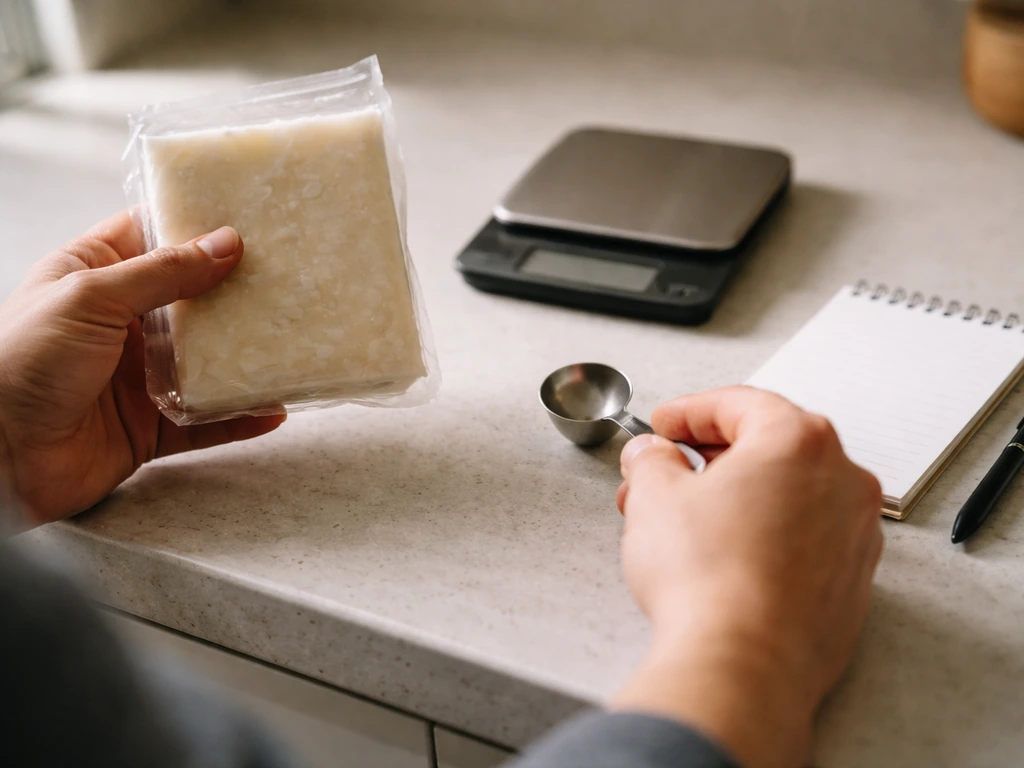
Before you call anyone, take 60 seconds to gather this information. It will make every conversation with a vet or poison hotline much faster and more useful.
| Factor | What to check | Why it matters |
|---|---|---|
| Type of suet | Read the label or packaging — plain fat vs. flavored, 'berry,' 'nut,' or 'sweet' varieties | Determines whether toxic ingredients like raisins, xylitol, or chocolate are present |
| Specific ingredients | Look for: raisins, dried fruit, cocoa, chocolate, xylitol, macadamia nuts | These are the genuinely dangerous items that change the urgency level completely |
| Freshness/condition | Was it hanging in a feeder in warm weather? Does it smell rancid or look moldy? | Moldy suet can cause neurological symptoms from mycotoxins |
| Amount eaten | Estimate in tablespoons or grams — how much of the suet cake is missing? | Dose matters: a nibble vs. an entire cake is a very different situation |
| Your dog's size and health | Small dog vs. large dog; puppy or senior; any underlying conditions (liver disease especially) | Smaller dogs face greater risk from the same dose; liver-compromised dogs are more vulnerable to fat and toxins |
| Where the suet was found | Feeder cake vs. fallen scraps on the ground near the feeder | Ground scraps may include bird droppings, adding a contamination layer to the risk |
What to do right now
If the suet was plain or seed-based with no toxic additives

A small to moderate amount eaten by a healthy adult dog of medium or large size is usually a monitor-at-home situation. Keep your dog calm, offer water, and watch closely for the next 6 to 12 hours. Skip the next meal or offer a bland diet (plain boiled chicken and rice) if they seem unsettled. blank" rel="noopener noreferrer">Don't try to induce vomiting on your own, there's no solid evidence it helps after the fact and it can cause additional harm depending on what was eaten. If you're unsure, call your vet or a poison hotline and describe what happened.
If the suet contained raisins, chocolate, xylitol, or macadamia nuts
Stop reading and call right now. Contact your veterinarian, the ASPCA Animal Poison Control Center (available 24/7), or Pet Poison Helpline (also 24/7). These are not 'wait and see' situations. Do not try to make your dog vomit at home without professional guidance, particularly with xylitol exposure, Cornell's veterinary toxicology guidance explicitly advises against inducing vomiting. Pet Poison Helpline’s emergency guidance says not to induce vomiting without consulting a vet or poison professionals first Do not try to make your dog vomit at home without professional guidance. A vet or poison control specialist will tell you exactly what to do based on what your dog ingested, how much, and when.
If the suet was moldy or smelled rancid
Call your vet. Mold-related tremorgenic syndromes can develop within a few hours and escalate quickly. Even if your dog seems fine right now, describe the condition of the suet when you call. They'll help you decide whether to come in or watch at home.
When you call, have this ready: your dog's weight, their age and breed, what the suet contained (read the label out loud if you can), approximately how much was eaten, when they ate it, and any symptoms you've already seen. The more specific you are, the faster you'll get a useful answer.
When it's urgent, don't wait, go now
Some situations mean you should be in the car heading to an emergency vet, not on the phone waiting for a callback. Go immediately if your dog is:
- Staggering, stumbling, or unable to walk normally
- Having tremors or a seizure
- Collapsed or unresponsive
- Vomiting repeatedly and can't stop
- Showing blue, white, or very pale gums
- Struggling to breathe
- Unconscious or semi-conscious
VCA's emergency guidance is direct on this: if your dog is repeatedly trying to vomit without success, that's a go-now emergency on its own, don't wait. The same applies to any breathing difficulty or sudden collapse. These are not situations to monitor from home.
Keeping your dog away from suet feeders and fallen scraps
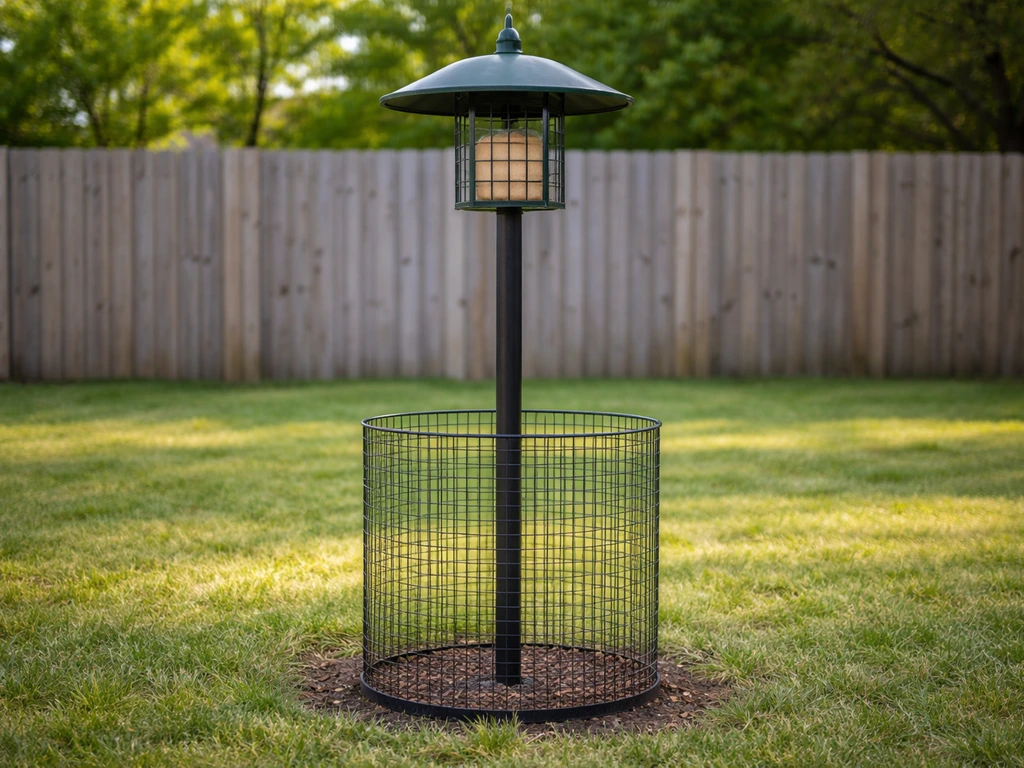
If your dog has gotten into the suet once, they'll try again, the fat content makes it irresistible to most dogs. The good news is there are practical ways to set up your yard so birds still get fed and your dog can't access the suet.
- Mount suet feeders high enough that your dog can't reach them — at least 5 to 6 feet off the ground, or on a pole with a squirrel/dog baffle installed below the feeder
- Use a cage-style suet feeder that only small birds can access, and hang it close to a tree trunk or fence that your dog can't scale
- Place feeders in an area of the yard your dog doesn't have access to, using fencing or a dedicated bird garden with a small-mesh barrier
- Clean up fallen suet pieces daily — don't let scraps accumulate under the feeder where your dog will inevitably find them
- Rake the area under feeders regularly to remove seed mix, suet crumbles, and bird droppings
- If your dog is an obsessive scavenger around feeders, consider bringing suet feeders inside when the dog is in the yard and putting them back out when the dog is indoors
Placement matters more than most people realize. A feeder that's technically out of reach can still deposit scraps on the ground every time a bird lands or a wind gust hits. Penn State Extension's guidance on reducing feeder disease risk recommends only putting out as much food as birds will eat in a single day, that principle also helps limit what ends up on the ground for your dog to find.
Safe backyard feeding practices for birds, pets, and wildlife
The goal isn't to choose between feeding birds and keeping your dog safe, it's to manage the setup so both can coexist. A few practical habits make a big difference.
- Choose plain suet cakes with minimal additives — fat and seeds only, no dried fruit, no sweeteners, no chocolate flavoring. Read labels the same way you would for your dog's own food.
- Rotate feeder placement occasionally to prevent heavy ground contamination building up in one spot
- Store suet and bird food in sealed containers away from areas your dog can reach — a locked shed or high garage shelf works well
- Replace suet cakes frequently in warm weather (every few days) to prevent rancidity and mold; never leave a softened, melting suet cake in the feeder in summer
- If rodents or other wildlife are attracted to fallen suet under feeders, clean up every evening — accumulated food attracts pests that can also pose risks to dogs
- Consider using a weighted or enclosed feeder that makes it harder for ground-feeding species (and pets) to access dropped food
Wildlife Illinois recommends managing feeder access with baffles and removing food accumulation specifically to reduce rodent attraction, that same advice directly protects your dog from scavenging opportunities. If your dog is persistently drawn to everything under the feeder, you may also want to look at why. Dogs often eat bird seed and suet scraps partly out of habit and partly because the fat is genuinely palatable to them.
If you are wondering what happens if you eat bird seed, the outcome depends on what else is mixed in and how much was consumed. If you are wondering why your dog eats bird seed, the most common drivers are curiosity, scavenging habits, or the taste and smell of the food why does my dog eat bird seed.
If your dog ate bird seed, the main concern is typically stomach upset, but you still need to watch for any toxic additives or very large amounts. Consistent cleanup and access restriction are more effective than trying to redirect the behavior alone.
Quick reference: do this now
- Check the suet label immediately for raisins, dried fruit, xylitol, chocolate, cocoa, or macadamia nuts
- Estimate how much your dog ate and note their weight
- Assess the suet's condition — was it fresh, or moldy and rancid?
- If any toxic ingredients are present, or the suet was clearly moldy: call your vet or a 24/7 poison hotline right now — do not induce vomiting without professional guidance
- If the suet was plain and the amount was small relative to your dog's size: monitor at home for 6 to 12 hours, watch for the red-flag symptoms listed above
- Go to an emergency vet immediately if your dog is staggering, tremoring, seizing, collapsed, vomiting repeatedly, or having trouble breathing
- After the situation is resolved: adjust your feeder setup so this doesn't happen again
FAQ
How can I tell if the bird suet my dog ate was potentially toxic, even if I do not remember the brand?
Look closely for ingredients beyond rendered fat. If the label lists raisins or dried fruit, chocolate or cocoa, an artificial sweetener like xylitol, or macadamia nuts, treat it as high risk and call poison control. If it is unclear, assume the worst especially if you found more than one bite mark or a partially eaten “sweet” or “flavored” suet cake.
My dog is acting normal right now. Should I still worry about moldy or rancid suet?
Yes. Some mold-related neurologic signs, like tremors or incoordination, can start hours after ingestion. If the suet looked wet, clumpy, discolored, had visible mold, or had been hanging for a long time, contact your vet or poison control even if your dog seems fine initially.
What is the safest way to manage vomiting or diarrhea at home after suet ingestion?
Do not force vomiting. Offer small amounts of water and bland food only if vomiting settles and your dog seems alert. Avoid fatty supplements or “stomach protectors” unless your vet advises them, since some products can add extra fat or irritate the gut.
Can a small dog be more at risk than a larger dog from the same amount of suet?
Yes. Amounts that seem small in a large dog can be significant in a toy or small breed. If your dog is under about 15 to 20 pounds, or you cannot estimate how much was eaten, call poison control so dosing based on body weight can guide how closely to monitor.
How quickly should I watch for symptoms if the suet contained xylitol or other sweeteners?
With xylitol, signs can appear very fast, sometimes within 10 to 15 minutes. If you see sudden weakness, staggering, or you suspect a sweetened product, treat it as an emergency immediately rather than waiting to “see what happens.”
Should I take the remaining suet or packaging to the vet, or is a photo enough?
If possible, bring the packaging or at least a clear photo of the full ingredient list and nutrition panel. Tell the vet exactly what you think happened (bitten once vs repeatedly, fresh vs old feeder, and how much is missing), since ingredient identification often changes the urgency.
Is it ever appropriate to induce vomiting after a dog eats bird suet?
Usually no. Do not induce vomiting at home unless a veterinarian or poison specialist specifically tells you to. This is especially important if xylitol or chocolate could be involved, because professional guidance may recommend a different approach.
What if my dog swallowed a lot of bird seed mixed into the suet cake, not just the fat?
Seed and crumb mixes mainly increase the chance of stomach upset, but the risk shifts to what else is in the mix (raisins, cocoa, xylitol, or nuts) and to the amount consumed. If you cannot confirm ingredients, report the visible mix to the vet or poison control so they can judge both toxicity and potential gut irritation.
When would I stop monitoring from home and go to urgent care anyway?
Go sooner if symptoms escalate, if vomiting or diarrhea is repeated, if your dog seems weak or unusually sleepy, if you notice tremors, stumbling, or abnormal breathing attempts, or if your dog cannot keep water down. Even if the suet was “small,” these signs suggest you need hands-on evaluation.
What practical steps reduce the chance of repeat suet-related incidents?
Use a feeder setup that minimizes ground fallout (baffles, cleaner placement, and removing scraps daily). Feed only what birds can finish in a day, and consider switching to feeder designs that reduce drippings. Also manage access so your dog cannot reach dangling scraps when birds land or when wind gusts scatter food.
Next Article
What Happens If You Eat Bird Seed? What to Do Next
Effects of eating bird seed and next steps: rinse, watch for allergy or choking, mold risks, and when to call help.