If your dog ate bird seed and now has diarrhea (or is vomiting), the most likely cause is simple GI irritation from something in the seed mix, and most healthy adult dogs recover fine within 24 to 48 hours with supportive care at home. That said, a few scenarios, especially moldy seed or a very large amount eaten, can escalate quickly. Here is exactly what to do right now, what to watch for, and when to stop monitoring and call a vet.
My Dog Ate Bird Seed and Has Diarrhea: What to Do Now

Maya Henderson
23 Apr 2026
What to do right now
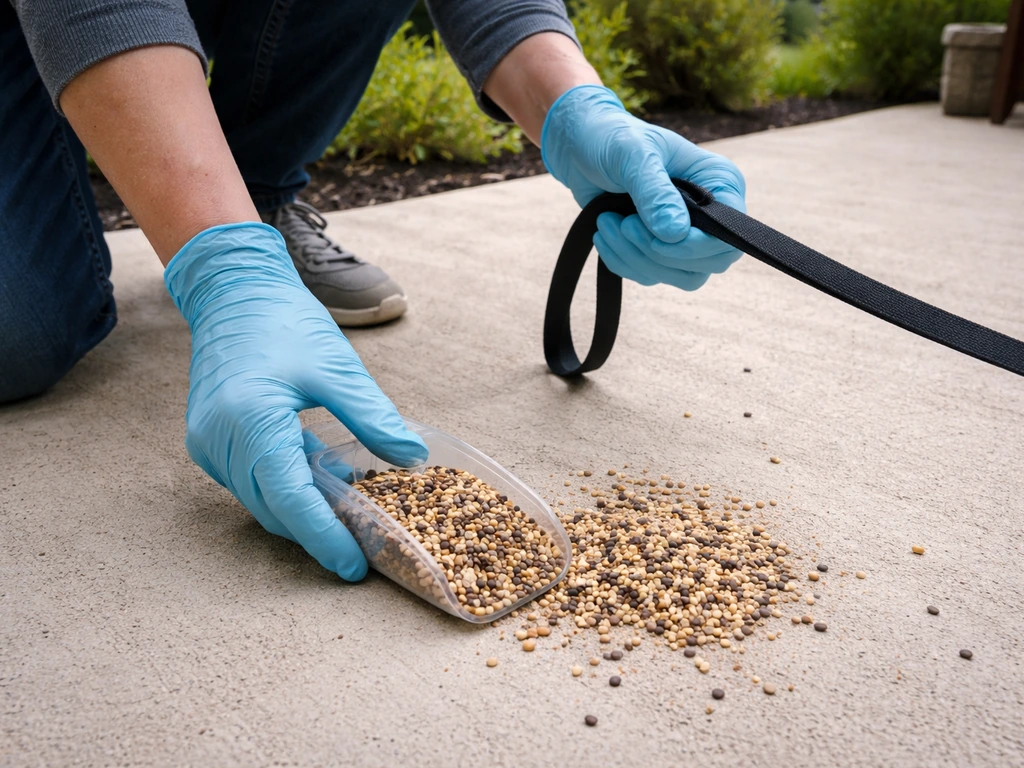
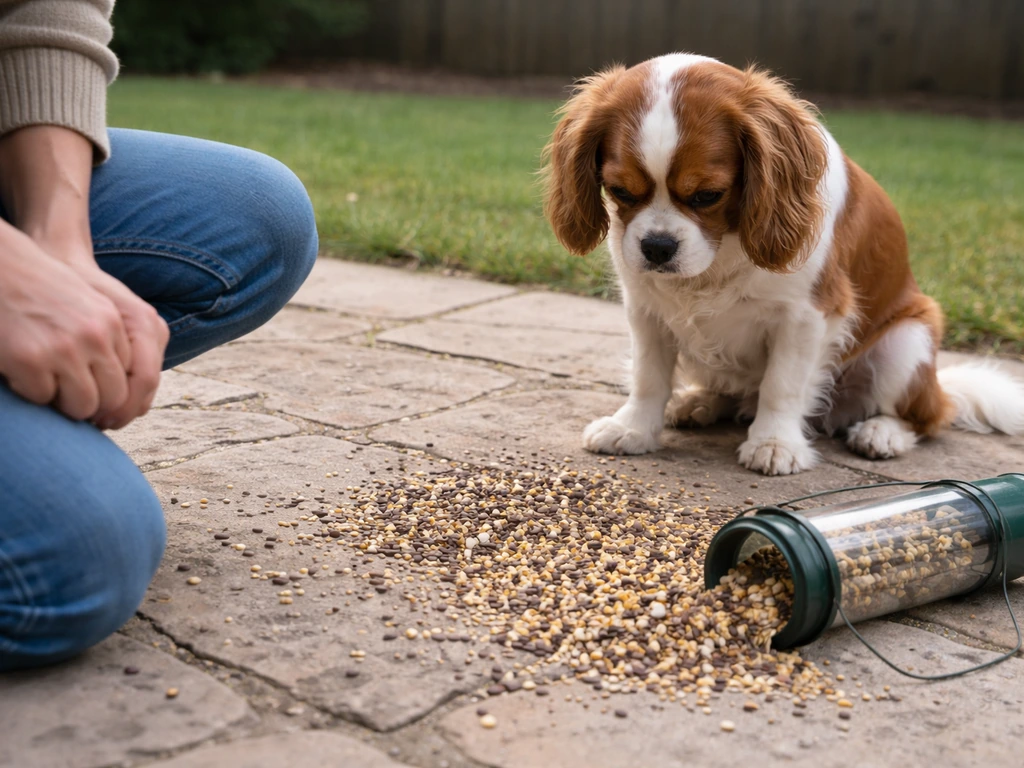
First, remove access to the seed. If there is still seed on the ground or spilled from a feeder, get your dog away from it immediately so the situation does not get worse. Then do a quick mental triage before you do anything else.
- Check how much was eaten. A few mouthfuls is very different from your dog gorging on a full bag of spilled seed for 20 minutes.
- Note the time. When did they eat it? When did symptoms start? The gap matters for deciding urgency.
- Look at the seed. Is it from a clean, sealed bag? Does it smell musty, look clumped, or have any visible mold? Moldy seed is a different category of concern entirely.
- Do not induce vomiting unless a vet or poison control specifically tells you to. Inducing vomiting at home without guidance can cause additional harm.
- Do not give any human medications like Pepto Bismol, Imodium, or antacids unless your vet directs you to.
- If the seed was treated with a pesticide or rodenticide (some outdoor seed storage areas can be contaminated), treat this as a potential poisoning and call a vet immediately rather than monitoring at home.
- If you are unsure whether it is safe to wait, call ASPCA Animal Poison Control (888-426-4435) or Pet Poison Helpline (855-764-7661), both available 24/7.
For most dogs with mild diarrhea and no other alarming signs, the immediate answer is to keep them calm, hydrated, and away from more seed while you monitor closely over the next several hours.
Why bird seed causes diarrhea and vomiting in dogs
Plain bird seed is not inherently poisonous to dogs, but that does not mean it is harmless either. Several things in a typical backyard seed mix can genuinely upset a dog's digestive system.
Mold and aflatoxins
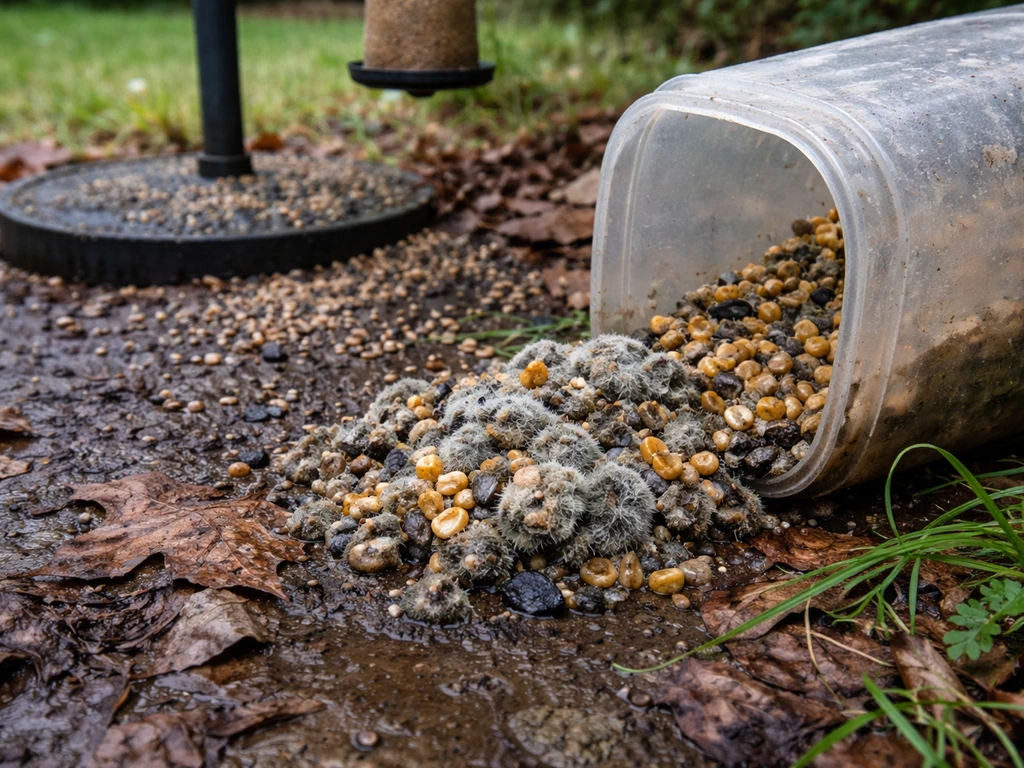
This is the most serious hazard. Bird seed, especially mixes containing corn, peanuts, or sunflower seeds stored in damp conditions, is a well-known host for mold that produces aflatoxins. The FDA lists diarrhea, vomiting, sluggishness, loss of appetite, jaundice, and unexplained bruising as signs of aflatoxin poisoning, and recommends contacting a veterinarian immediately if those signs appear. The ASPCA similarly warns that when pets ingest moldy food, the real danger is rapid onset of vomiting and diarrhea, and advises going to a clinic when symptoms appear. If the seed your dog got into smelled off, looked clumped or discolored, or had been sitting in a wet feeder or on damp ground, treat this as a priority concern, not a wait-and-see situation.
Rancid fats and oils
Sunflower seeds, safflower seeds, and peanuts in seed mixes are high in fat. When seed goes stale or is stored improperly, those fats oxidize and go rancid. Rancid fat is a reliable trigger for acute GI upset, including loose stools and vomiting, in dogs. This is especially common with suet cakes or seed mixes that have added oils, which spoil faster than plain seed.
Bacterial contamination
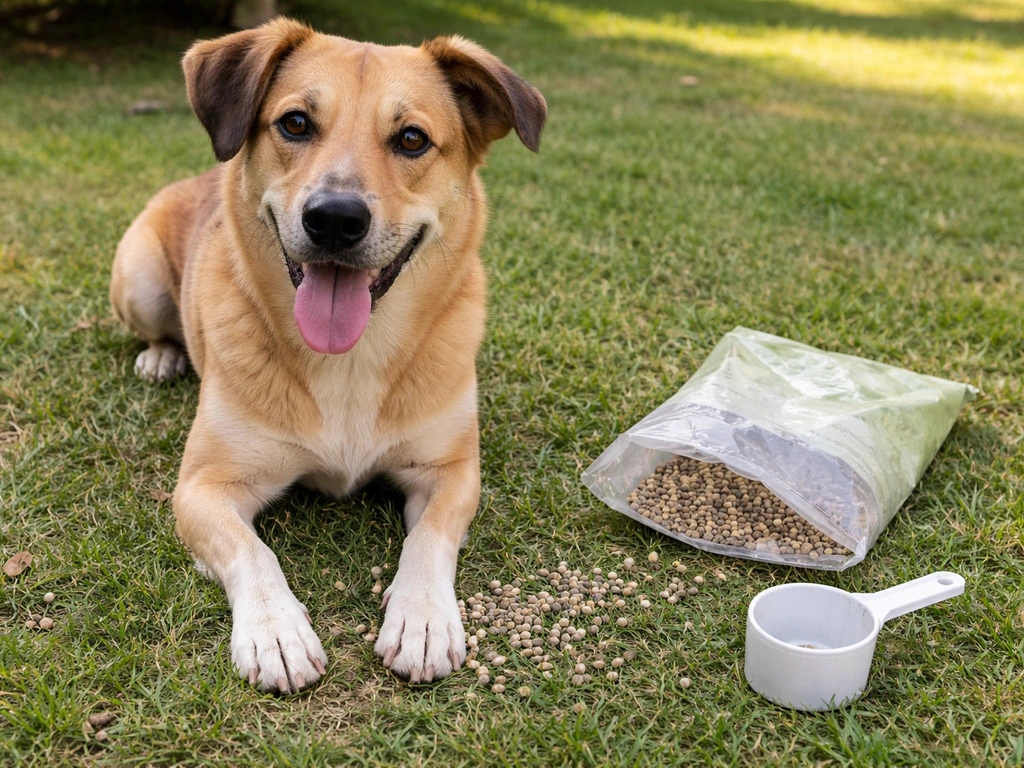
Bird feeders and the ground beneath them are prime spots for Salmonella and other bacteria. Wild birds shed bacteria in their droppings, which contaminate seed on the ground and in poorly cleaned feeders. If your dog ate seed from under a feeder, they likely ingested some bird droppings along with it. That alone can trigger diarrhea.
Sheer bulk and irritation
Even clean, fresh seed eaten in large quantities can irritate a dog's GI tract. Seed hulls are indigestible and can be mildly abrasive. A dog that ate a large pile of seed spilled from a knocked-over feeder is basically dealing with a sudden high-fiber, high-fat foreign load that their gut was not expecting, and loose stool is a predictable response.
Additives in commercial mixes
Some commercial bird seed blends include added oils, flavoring agents, or salt to attract birds. These additives are calibrated for birds, not dogs, and can cause GI upset if a dog eats enough of them.
When to call a vet immediately vs. monitor at home
This is the most important judgment call. The line between 'watch and wait' and 'go now' comes down to how your dog looks overall, how bad the symptoms are, and what kind of seed they ate. If you are unsure or your dog’s symptoms are escalating, Pet Poison Helpline is available 24/7 by phone or chat at (855) 764-7661 Pet Poison Helpline is available 24/7 by phone/chat at (855) 764-7661.
Go to the vet or emergency clinic now if you see any of these
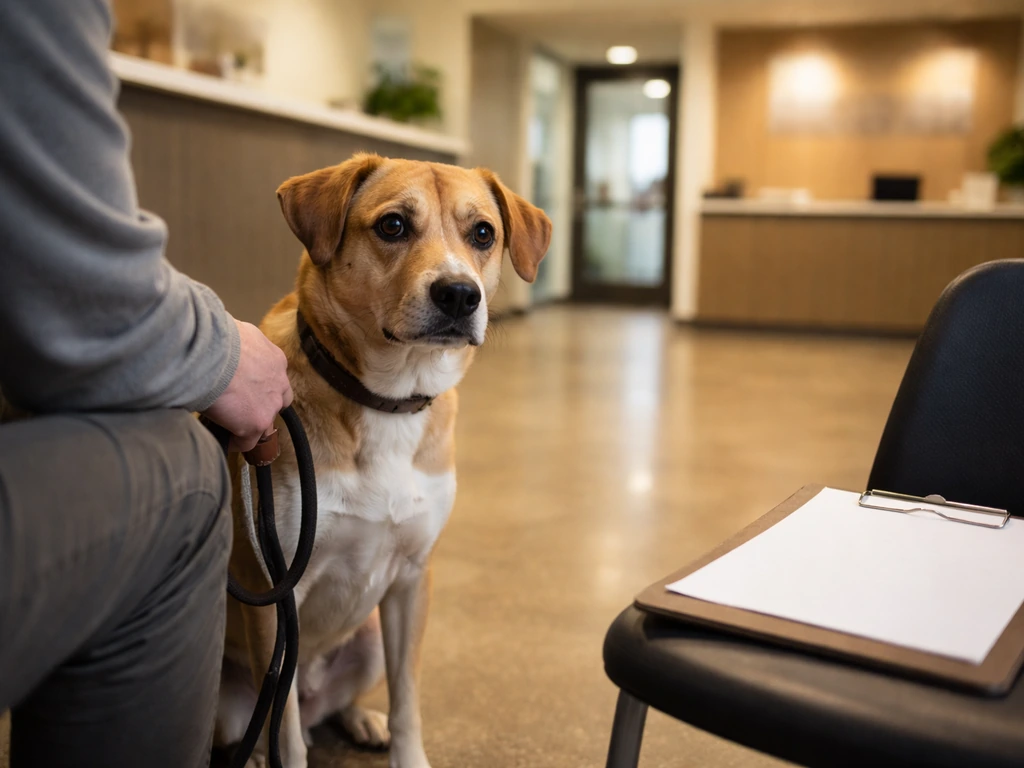
- Continuous or repeated vomiting, especially if the dog cannot keep water down
- Blood in the vomit or diarrhea (bright red or dark/tarry black stool)
- Signs of bloat: unproductive retching, swollen or hard abdomen, extreme restlessness
- Neurological signs: tremors, seizures, muscle twitching, stumbling
- Extreme lethargy, collapse, or inability to stand
- Jaundice (yellowing of the whites of the eyes or gums)
- Vomiting or diarrhea that has lasted more than 24 hours without improvement
- The seed was visibly moldy, musty-smelling, or clumped
- The dog ate a very large amount, especially a high-fat mix, and is a small dog
- Suspected pesticide or rodenticide contamination on the seed or storage area
- The dog is a puppy, senior, or has a known health condition like liver disease or diabetes
Okay to monitor at home if all of these are true
- Dog is acting mostly normal: alert, responsive, interested in surroundings
- Diarrhea is loose but not bloody, not accompanied by straining or obvious pain
- Vomiting is mild (one or two episodes) and the dog can keep water down afterward
- The seed appeared fresh and uncontaminated
- The amount eaten was moderate, not a massive quantity
- Dog is a healthy adult with no pre-existing conditions
- Symptoms began within a few hours of eating and appear to be mild GI irritation
If diarrhea does not resolve within 48 to 72 hours, or worsens at any point, that is when to call your vet even if things started out mild. Cornell's veterinary guidance uses 48 to 72 hours as the reasonable home monitoring window for uncomplicated diarrhea.
What to track while you monitor at home
If you decide to monitor at home, write things down rather than trying to remember them. If you end up calling a vet, they will ask you exactly these questions, and having the answers ready saves time and helps them give you better guidance.
| What to track | What to note |
|---|---|
| Seed details | Type/brand if known, how it was stored, any signs of mold or spoilage, whether it came from a feeder or ground |
| Amount eaten | Estimate in cups or portion of feeder/bag; note if a small or large dog ate it |
| Time of ingestion | Approximate time the dog ate the seed |
| When symptoms started | Time first diarrhea or vomiting episode occurred after eating |
| Frequency of diarrhea | How many times per hour or per several hours; is it getting more or less frequent |
| Stool appearance | Color, consistency, any blood (bright red or dark tarry), mucus, or unusual odor |
| Vomiting details | How many episodes, what the vomit looks like, whether bile is present |
| Hydration status | Is the dog drinking? Check skin turgor: gently pinch skin at the back of the neck; if it snaps back slowly, the dog may be dehydrated. Pale, tacky gums also suggest dehydration. |
| Energy and behavior | Is the dog alert, lethargic, restless, or in apparent pain |
| Other symptoms | Tremors, swollen belly, unusual posture, refusal to eat or drink |
This log is also exactly what VCA's diarrhea questionnaire for dogs asks about when a vet is trying to identify the cause. Having it ready cuts down on back-and-forth and helps your vet decide quickly whether to have you come in.
Safe supportive care while you wait
Keep your dog hydrated
Hydration is the most important thing you can do at home. Diarrhea and vomiting both cause fluid loss, and withholding water makes dehydration worse, not better. Keep fresh water available at all times. If your dog is vomiting and struggling to keep water down, offer small amounts frequently, a few sips every 10 to 15 minutes, rather than letting them gulp a large amount that triggers more vomiting. If you have a canine electrolyte solution available, offering it alongside water can help replace lost minerals. One practical approach from veterinary first-aid guidance is to offer about 1 cup of oral rehydration solution three times a day while symptoms persist, alongside regular water access.
Bland diet once vomiting settles
Once your dog has gone at least 2 to 4 hours without vomiting and is keeping water down, you can offer a small amount of bland food. Boiled plain chicken (no skin, no seasoning) with plain white rice is the classic recommendation, and it works. Low-fat hamburger cooked and drained, also mixed with plain white rice, is another option. Feed small portions, maybe a quarter of their normal meal size, and watch how they tolerate it before giving more. Keep them on bland food for 24 to 48 hours before slowly reintroducing their regular diet.
What not to do
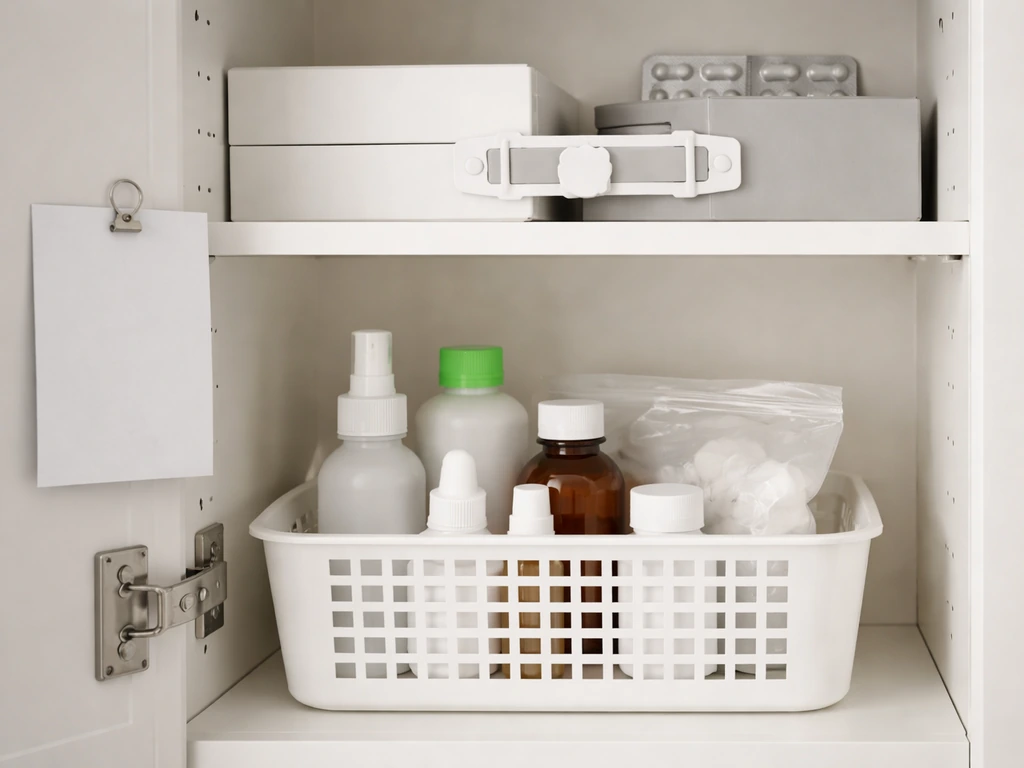
- Do not give Pepto Bismol, Imodium, or any human anti-diarrheal or anti-nausea medications unless your vet specifically tells you to
- Do not try to induce vomiting at home without being told to by a vet or poison control, especially hours after ingestion
- Do not withhold water entirely, even if your dog is vomiting
- Do not give dairy products, fatty foods, or table scraps as a 'treat' to settle the stomach
- Do not use any 'home antidotes' such as hydrogen peroxide, activated charcoal, or salt without direct veterinary guidance
Stopping this from happening again
If your dog got into bird seed once, they will almost certainly try again. Dogs are opportunistic eaters, and bird feeders are like a low-maintenance snack station from a dog's perspective. A few practical changes can break the pattern.
Feeder placement and design
- Mount feeders high enough that your dog cannot reach them, and use baffles or extended poles to prevent jumping
- Use feeders with trays that catch fallen seed rather than letting it accumulate on the ground
- Consider enclosing the area directly beneath feeders with a small fenced section your dog cannot access
- Choose tube feeders or weight-sensitive feeders that limit how much seed falls out at once
Seed storage
- Store all bird seed in sealed, airtight metal or hard plastic containers, not the paper bags they come in
- Keep storage containers in a cool, dry location, not a warm garage or shed where humidity promotes mold
- Never use seed that smells musty, looks clumped, or shows any discoloration; mold can be present even before it is visible
- Buy seed in quantities you will use within 4 to 6 weeks to minimize storage time and spoilage risk
Cleaning and maintenance
- Clean feeders every one to two weeks with a dilute bleach solution (1 part bleach to 9 parts water), then rinse thoroughly and dry before refilling
- Rake up or remove spilled seed and hulls from the ground regularly, especially after rain when wet seed molds quickly
- If you find moldy seed in a feeder or on the ground, dispose of it in a sealed bag and clean the feeder before refilling
Wildlife and co-feeding considerations
Squirrels, raccoons, and other wildlife attracted to feeders can scatter seed widely, making clean-up harder and increasing the area where your dog can find contaminated material. Squirrel-proof feeders and regular ground clean-up reduce this secondary spread. If you have a multi-pet household and wonder about other animals getting into bird seed or bird suet, the same mold and contamination risks apply to cats and other curious pets, not just dogs.
Clearing up the common questions
Is bird seed toxic to dogs?
Plain, fresh bird seed is not toxic to dogs in the way that grapes, xylitol, or chocolate are. A healthy dog eating a small amount of clean bird seed is unlikely to have anything more than minor GI upset. The real hazard comes from moldy seed (aflatoxins), bacterial contamination from bird droppings, rancid oils in stale seed, and large quantities overwhelming the GI tract. So the question is not really 'is bird seed poisonous' but rather 'what was the condition of the seed and how much did they eat.'
Will the seed just pass on its own?
Usually, yes. If your dog ate bird suet, the same kinds of risks can apply, but the fat and possible rancidity make it more likely to cause vomiting or loose stool what happens if my dog eats bird suet. If your dog ate regular bird seed instead, the same food-condition risks can still lead to diarrhea and vomiting, so it helps to know what to do next what happens if my dog eats bird suet. Most seed material will move through a dog's GI tract and pass in stool, which is why diarrhea is so common after eating a lot of seed. The indigestible hulls accelerate gut motility. As long as the dog did not eat an amount large enough to cause a physical obstruction (uncommon with small seed, more theoretical with large quantities of whole unshelled nuts mixed in), the seed itself is not going to get stuck.
What if my dog also vomited, not just had diarrhea?
Both symptoms together are more concerning than either alone and suggest a more significant GI reaction. The monitoring window shortens: if vomiting is frequent or does not stop within a few hours, or if the dog cannot keep water down, that moves you from home monitoring into 'call the vet' territory. A single vomiting episode followed by recovery is much less worrying than ongoing or escalating vomiting.
Does it matter what type of seed they ate?
Somewhat. High-fat seeds like sunflower seeds and peanut-based mixes are more likely to cause GI upset and, in larger quantities, can trigger pancreatitis in dogs prone to it. Corn-heavy mixes carry a higher aflatoxin risk if stored poorly. Millet and plain birdseed mixes are generally lower risk. The seed mix brand and composition is useful information to have on hand if you call your vet.
My dog has eaten bird seed before with no problems. Why is this time different?
Probably the condition of the seed or the amount eaten changed. A dog can steal seed from the ground dozens of times with no issue and then one day eat from a batch that sat in a wet feeder for a week and get sick. The dog's reaction is a reliable signal that something in this particular seed was different, whether that is mold, bacteria, rancidity, or just an unusually large quantity.
FAQ
How can I tell if the bird seed might be moldy or rancid before my dog eats more of it?
Check the bag and any spilled seed for clumps, discoloration, a musty smell, or a wet, damp appearance, these suggest mold. For rancidity, look for a strong oily or “paint-like” odor and seed that looks greasy or darker than usual. If you find any of these signs, treat it as a higher-risk exposure and call your vet sooner, especially if your dog’s symptoms start quickly.
My dog ate seed but only has loose stool, no vomiting. Should I still call the vet?
If your dog is alert, drinking some water, and otherwise acting normal, home monitoring is reasonable for up to 48 to 72 hours. Call sooner if diarrhea is frequent (for example, repeated watery accidents), there is blood or black/tarry stool, or your dog develops worsening lethargy or refuses food.
What dehydration signs should I watch for at home?
Watch for dry or tacky gums, sunken eyes, reduced urination, unusual sleepiness, and slow skin “snap back” when you gently pinch the skin at the shoulder. If you see these, or your dog is too weak to drink, do not wait for the 48 to 72 hour window, contact a vet.
Can I give my dog Pepto-Bismol, loperamide (Imodium), or other over-the-counter anti-diarrhea meds?
In most cases, do not use anti-diarrhea drugs without veterinary guidance, because they can mask symptoms or worsen certain causes. For example, if infection, toxins like aflatoxins, or a GI obstruction are possible, stopping diarrhea can be harmful. Focus on removing access, hydration, and bland food once vomiting has stopped.
If my dog keeps vomiting, how do I decide between home care and emergency care?
If vomiting is repeated and your dog cannot keep even small sips down, that is escalation territory. Consider urgent care immediately if there is persistent vomiting for several hours, signs of severe weakness, a distended belly, severe abdominal pain, or you suspect they ate a large amount of suet or an unknown mix.
My dog might have eaten bird suet too. Does the same monitoring timeline apply?
The same general hydration-first approach applies, but vomiting is more likely with suet due to fat content and possible rancidity. If vomiting occurs or symptoms start quickly, lean toward calling a vet within the first day rather than waiting the full 48 to 72 hours, especially for larger dogs or large exposures.
Will the seed hulls cause a blockage or do dogs always pass it?
Most seed and hull material passes through without blockage, but blockage risk rises if your dog ate a very large quantity, multiple whole nuts, or other indigestible items. Seek veterinary care urgently for persistent vomiting, no stool or gas, a painful or swollen abdomen, or continued straining after diarrhea resolves.
Should I withhold food completely until the diarrhea stops?
You can withhold solid food briefly if your dog is actively vomiting or very unsettled, but do not withhold water. Once vomiting has stopped for 2 to 4 hours and they’re keeping water down, offer small bland portions (for example, plain chicken and rice or low-fat hamburger and rice) and increase gradually.
What exactly should I write down for the vet call?
Record the time they ate or got access, the estimated amount, what the seed looked or smelled like, onset time of diarrhea or vomiting, stool frequency and appearance (watery, mucus, blood), any lethargy or appetite changes, and how much they drank. Also note any medications or treats given since symptoms started.
Can other pets in the house get sick too, even if they did not vomit or have diarrhea yet?
Yes. If cats or other dogs had access to the same seed or feeder area, they may develop symptoms later, including GI upset from moldy or rancid material. Remove the seed from reach for all pets, clean the area, and monitor any other animals for decreased appetite, vomiting, or diarrhea.
How should I clean up the area to prevent repeat exposures and bacterial spread?
Pick up all visible seed, including scattered pieces under the feeder. Wash any surfaces the seed touched with warm water and pet-safe disinfectant if available, and remove wet or clumped seed where mold can grow. Avoid leaving cleaned seed in accessible containers or piles that a dog can reach.
What if my dog ate bird seed from the ground and I am not sure how much they got?
If you cannot estimate the amount, focus on clinical signs and timing rather than the amount alone. A small seed theft followed by a calm behavior and mild, short-lived diarrhea is less concerning. Repeated vomiting, worsening diarrhea, or any toxin-risk clues (moldy smell, clumping, damp feeder) should prompt a vet call sooner even without a clear quantity estimate.