Eating a small amount of bird seed by accident is almost always harmless. Most commercial bird seed is made from plain, food-grade ingredients like sunflower seeds, millet, safflower, and peanuts, and if you accidentally got some in your mouth, you are very likely fine. The bigger concerns are not the seed itself, but the condition it is in: moldy, damp, or old seed can carry fungal toxins; some seed sold specifically for planting (not feeding) is treated with pesticides or fungicide coatings; and bird seed that has been sitting in a feeder outdoors can be contaminated with bird droppings, bacteria, or rodent contact. So the first question to ask is not just "what kind of seed?" but "what shape was that seed in?"
What Happens If You Eat Bird Seed? What to Do Next

Maya Henderson
26 Apr 2026
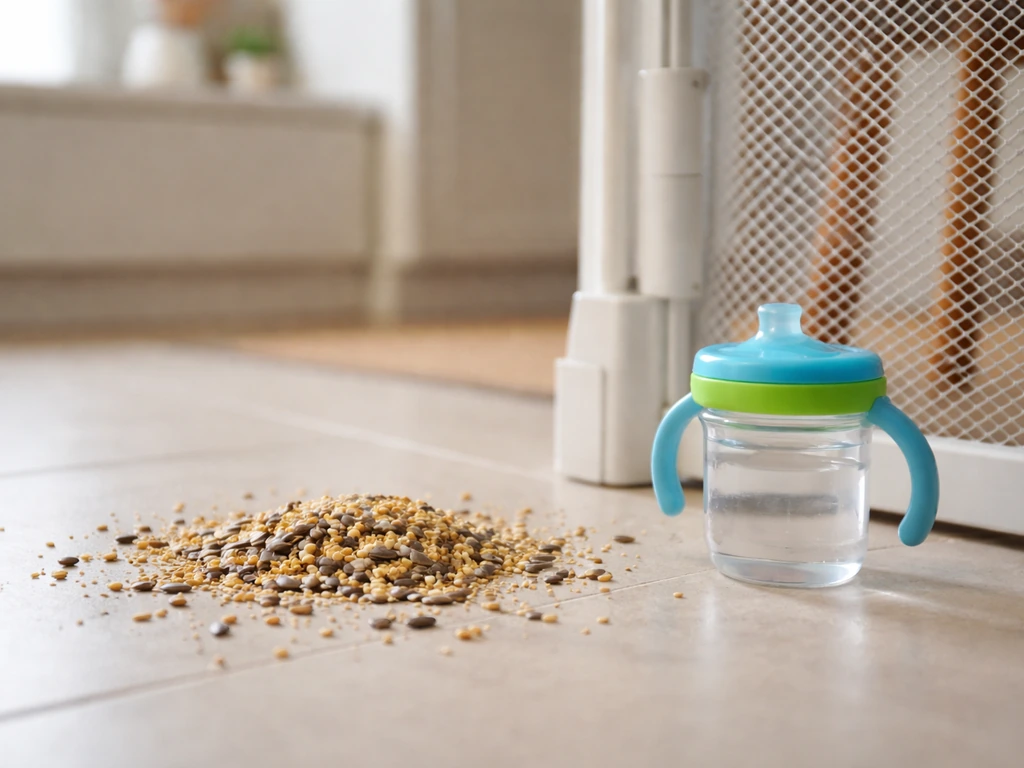
What counts as eating bird seed, and when should you actually worry
There is a wide range of what "eating bird seed" can mean. A toddler who grabbed a handful of dry seed from a freshly opened bag is a very different situation from an adult who chewed on damp, discolored seed pulled from the bottom of an outdoor feeder. Most concerns fall into a few categories: fresh seed from a sealed bag, seed from a feeder that has been exposed to weather and wildlife, seed that looks or smells off, or seed labeled for planting rather than feeding.
- Fresh, dry seed from a sealed bag: low risk, essentially food-grade ingredients
- Seed from a feeder that has been outdoors for days or weeks: moderate risk from bacterial contamination, mold, or bird/rodent droppings
- Damp, clumped, or discolored seed: higher risk due to mold and mycotoxins
- Seed with a colored coating or strong chemical smell: potential pesticide or fungicide treatment, treat this seriously
- Large amounts swallowed by a small child: watch for choking and call poison control regardless of seed condition
The seed type also matters a little. Hulled seeds (like shelled sunflower chips or hulled millet) are softer and less likely to cause irritation. Whole seeds with sharp hulls, like whole sunflower or safflower, can scratch the throat if chewed poorly or swallowed in quantity. Suet cakes are a different category entirely and contain fats and rendered animal products that can cause more significant GI upset if eaten in any real amount.
What is likely to happen right away
For most adults and older children who accidentally swallow a small amount of clean, dry bird seed, the immediate effects are mild at worst. You might notice a scratchy feeling in your throat from seed hulls, some gritty texture, or a nutty taste. Sunflower seeds and millet are not toxic to humans, and a few grams is not going to cause poisoning. That said, there are a few things to keep an eye on right after the incident.
- Throat irritation or scratching: from sharp hulls, especially whole sunflower seeds; drink water and it usually resolves quickly
- Mild stomach upset or nausea: possible if a larger amount was swallowed, especially with seeds high in fat like sunflower
- Choking risk: most significant in toddlers and young children who swallow seed whole without chewing; small round seeds like millet can be an airway concern in very young kids
- Allergic reaction: people with tree nut or peanut allergies should be aware that many bird seed mixes contain peanuts, peanut hearts, or peanut butter suet; watch for hives, swelling, itching, or throat tightness
- Seed dust irritation: handling or inhaling fine seed dust can irritate the nose, throat, and eyes; this is more common with dusty mixes or when pouring seed in bulk
Allergic reactions are the most urgent immediate concern for adults. If you know you have a nut allergy and you have ingested bird seed with peanut content, treat it like any other accidental nut exposure and act quickly. Use an epinephrine auto-injector if prescribed, and call 911 if you experience throat swelling or difficulty breathing.
Risks that depend on the specific seed
Mold and mycotoxins
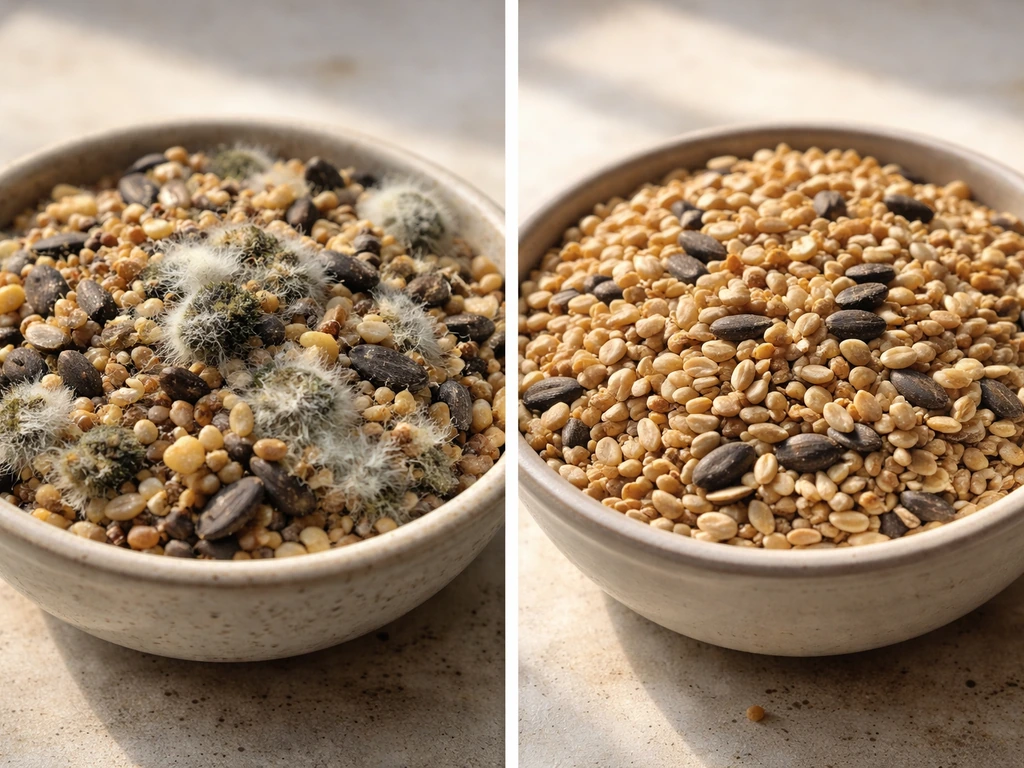
This is the risk I take most seriously. Damp or improperly stored bird seed can grow mold, and certain molds produce mycotoxins, particularly aflatoxin, which is produced by Aspergillus mold. Aflatoxin is toxic to humans and animals even in small amounts, and it does not go away when you dry the seed back out or remove visible mold. If the seed smells musty, looks clumped, discolored, or has visible fuzzy growth, it should be considered potentially contaminated. Ingesting moldy seed is a more legitimate concern than eating fresh seed, and it warrants a call to poison control.
Treated or coated seed
Seed sold for bird feeding at garden centers and pet stores is generally untreated. However, seed sold in agricultural or garden supply stores for planting (germination seed) is often coated with fungicides, insecticides, or other chemical treatments, and these coatings are sometimes brightly colored pink, blue, or green specifically as a warning. If the seed you or a child ate had a colored coating or a strong chemical smell, that is a different situation from plain bird seed and you should call poison control immediately, even before symptoms appear.
Feeder contamination
Outdoor feeders accumulate bird droppings, bacteria, and sometimes rodent activity. Salmonella is a real concern at bird feeders, as it can be shed in bird feces and contaminate seed. If you handled or ate seed from a feeder without washing your hands, there is a small but real risk of bacterial exposure. This is more of a concern for children, elderly individuals, or anyone immunocompromised.
What to do immediately if you or a child ate bird seed
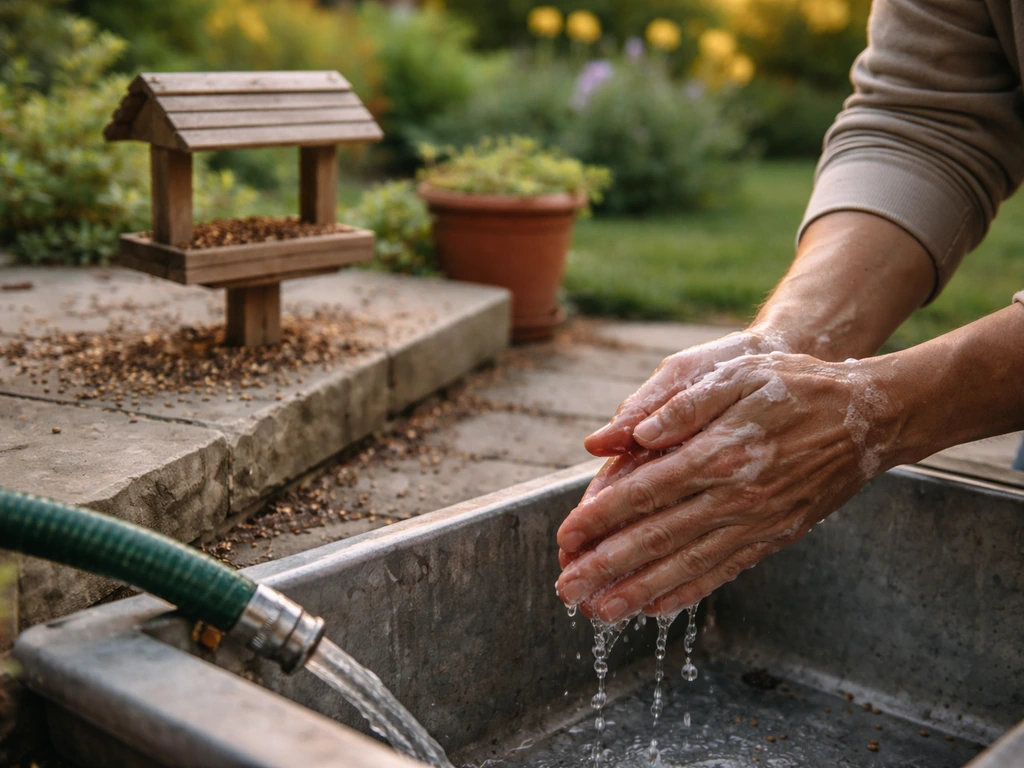
- Stay calm. A small amount of clean, dry bird seed is not a poisoning emergency for most people.
- Rinse your mouth with water and spit. This clears any residual dust, hull fragments, or surface contaminants.
- Have the person sip water slowly if they are fully conscious and not choking. This helps clear the throat and dilute anything swallowed.
- Do not induce vomiting. Standard poison control guidance is clear on this: do not make someone vomit unless specifically instructed by poison control or a doctor.
- Do not give activated charcoal. Unless directed by a medical professional, this is not appropriate home first aid.
- Check the seed: was it fresh and dry, or damp, moldy, or coated? This will determine your next step.
- If the seed was moldy, chemically treated, or eaten in a large amount, call poison control at 1-800-222-1222 right away.
- If a very young child is coughing, gagging, or showing signs of choking, act for choking first and call 911.
For feeder-contaminated seed, wash your hands and the child's hands thoroughly with soap and water. Watch for signs of GI illness (nausea, vomiting, diarrhea) over the next 12 to 48 hours, which can indicate bacterial exposure like Salmonella.
When to call poison control or go to the doctor
Call the national Poison Control line at 1-800-222-1222 any time you are unsure. You do not need to wait for symptoms. They can help you assess risk based on the type of seed, the amount consumed, and the person's age and health. It is free, confidential, and available 24 hours a day.
Call 911 immediately (do not wait to call poison control first) in these situations:
- The person is unconscious or unresponsive
- They are having seizures or convulsions
- They are having trouble breathing or their airway seems obstructed
- A child is actively choking
- Signs of a severe allergic reaction: throat swelling, difficulty swallowing, hives spreading rapidly, dizziness, or a drop in blood pressure
Call poison control (1-800-222-1222) promptly, even before symptoms appear, if:
- The seed was visibly moldy, discolored, or smelled musty
- The seed had a colored coating or chemical odor suggesting it was treated
- A large amount was swallowed, especially by a toddler or small child
- The person has a known nut or seed allergy
- Vomiting, stomach pain, or diarrhea develops within a few hours
- You are unsure about the source or contents of the seed
When you call, have this information ready: what type of seed it was (if known), how much was ingested, how long ago it happened, the age and weight of the person, and whether they have any known allergies or health conditions.
If your pet ate bird seed: what changes
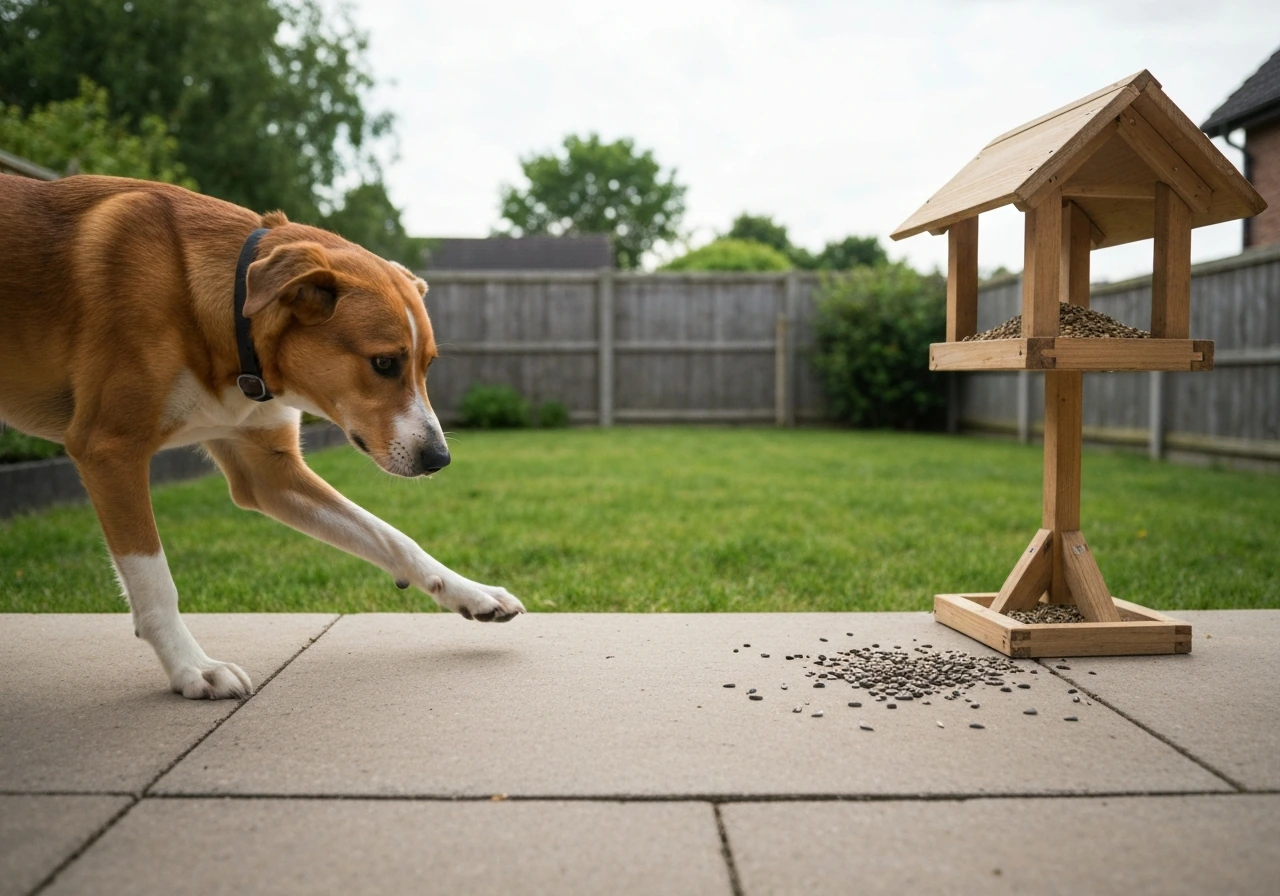
Pets, especially dogs, are frequent accidental consumers of bird seed. Dogs are attracted to the smell and will often raid feeders, spilled seed on the ground, or bags left within reach. In most cases, a dog eating a small amount of plain, dry bird seed will not be seriously harmed, but the risks overlap with human ones and some are amplified. Suet is higher in fat and is more likely to trigger GI upset in dogs, and flavored suet may also contain ingredients that are dangerous dog eating suet. Mold in seed is particularly dangerous to dogs because they are more sensitive to aflatoxin than humans. The FDA notes that aflatoxin poisoning in pets can be serious and advises contacting a veterinarian immediately if aflatoxin poisoning is suspected dogs are more sensitive to aflatoxin than humans. Xylitol, sometimes found in flavored suet products, is toxic to dogs. And the high fat content in sunflower-heavy or suet-based mixes can trigger pancreatitis, especially in breeds prone to it.
Call your vet promptly if your dog ate a large amount of seed, ate anything from a feeder with questionable hygiene, ate moldy or damp seed, consumed suet or a flavored seed cake, or shows vomiting, diarrhea, lethargy, or loss of appetite afterward. Diarrhea after eating bird seed is common enough that it is worth watching carefully, and persistent symptoms always warrant a vet call. Cats are less likely to raid feeders but can be exposed to Salmonella by hunting birds that frequent contaminated feeders, which is a separate but related concern.
How to prevent this from happening again
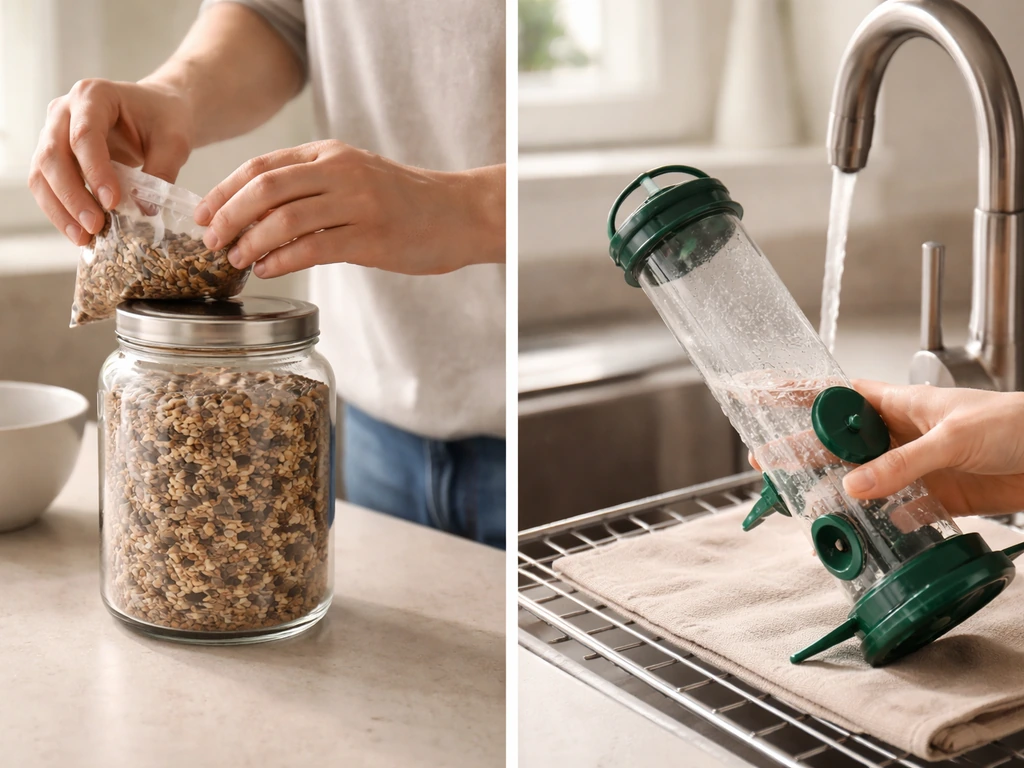
Storing seed safely
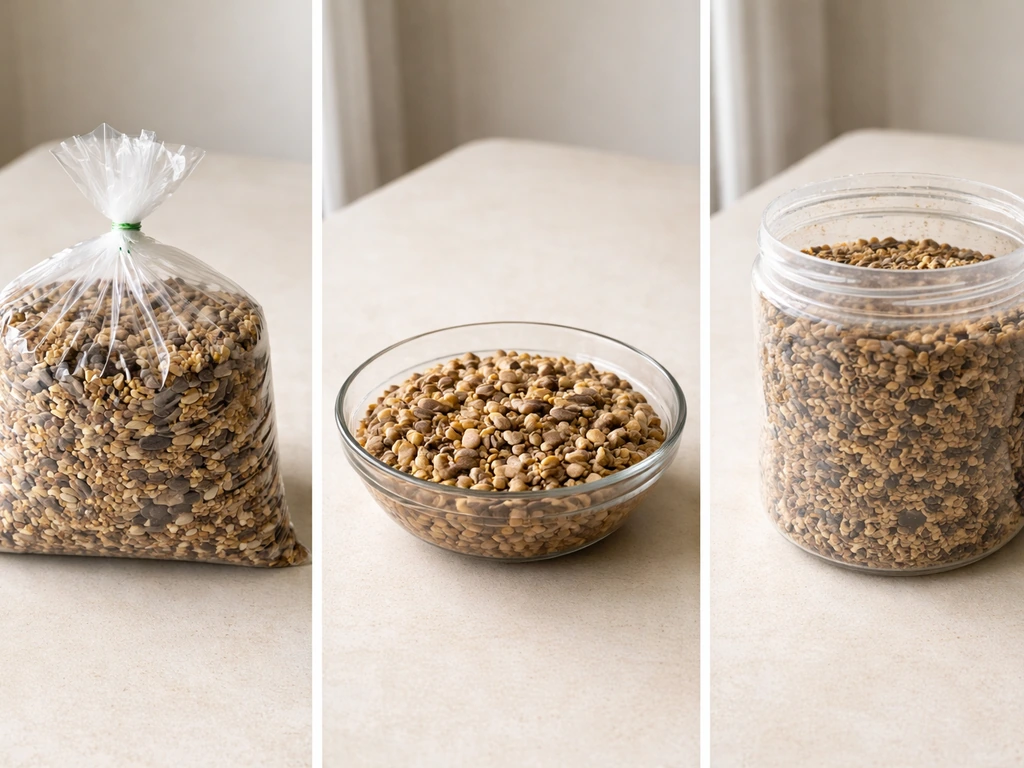
- Store bird seed in a sealed, airtight container, not the original paper or thin plastic bag it came in
- Keep containers in a cool, dry place away from humidity and direct sunlight, which accelerates mold growth
- Do not store large amounts for more than one to two months; buy in smaller quantities if you go through seed slowly
- Label containers clearly so seed is never confused with human food or treated planting seed
- Keep storage containers out of reach of children and pets
Feeder hygiene
- Clean feeders with a 10 percent bleach solution (1 part bleach to 9 parts water) every one to two weeks, more often in humid or wet weather
- Rinse thoroughly and allow to dry completely before refilling
- Remove and discard any seed that is damp, clumped, or smells musty, do not just top it off with fresh seed
- Place feeders where children and pets cannot easily access the seed or the area below the feeder
- Wear gloves when cleaning feeders and always wash hands thoroughly with soap after handling feeders or seed
How to tell if seed has gone bad
| Sign | What it means | What to do |
|---|---|---|
| Musty or sour smell | Mold or bacterial growth | Discard immediately, do not compost |
| Clumping or caking | Moisture has entered; mold likely | Discard the entire batch |
| Visible fuzzy growth | Active mold colony | Discard, clean container with bleach solution |
| Discoloration (dark spots, white powder) | Mold or fungal contamination | Discard |
| Insect infestation | Weevils or pantry moths | Discard and deep-clean storage container |
| Rancid or oily smell | Fat oxidation in sunflower-heavy or suet mix | Discard; safe for compost if no mold present |
Safer feeding habits overall
If you have small children or pets in the yard, think about feeder placement and design. Hanging feeders well out of reach, using covered tube feeders rather than open platform feeders, and cleaning up spilled seed from the ground regularly all reduce the chances of accidental ingestion. If you are working with seed regularly, consider wearing a dust mask when pouring large amounts, since seed dust can irritate lungs and carry mold spores. Breathing in Aspergillus mold spores can cause aspergillosis, and people with weakened immune systems or lung diseases are at higher risk when exposed blank" rel="noopener noreferrer">seed dust can irritate lungs and carry mold spores. And always treat bird feeding as the wildlife activity it is: blank" rel="noopener noreferrer">wash your hands before and after, and keep the feeding zone separate from areas where food is prepared or eaten.
FAQ
How long after eating bird seed should I expect symptoms, if anything happens?
If symptoms occur, they most often show up within about 12 to 48 hours, especially GI upset from bacteria exposure. Throat scratchiness from hulls can be immediate, within minutes, while allergy symptoms typically begin quickly after ingestion. If you feel worse after 2 days or you develop breathing trouble at any point, seek urgent care.
Is it safe to rinse my mouth or should I avoid doing anything right after swallowing?
Rinsing your mouth and spitting out any remaining seed is reasonable for a mouth-and-throat exposure, but avoid trying to induce vomiting. For kids, remove any seed from the mouth and offer sips of water or a snack if they are fully awake and able to swallow normally. If there is coughing, choking, or persistent throat pain, get medical advice.
What if the bird seed was fresh and dry, but the person has an allergy like asthma or sensitivities?
Asthma or general sensitivities are not the same as a true nut allergy, but they can still make breathing symptoms harder to interpret. If the seed contained peanuts or other common allergens and you notice wheezing, lip or throat swelling, or repeated coughing, treat it seriously as a possible allergic reaction and call emergency services.
Does toasting or cooking bird seed make contaminated seed safe to eat later?
For moldy or damp seed, drying or heating does not reliably remove harmful mycotoxins, and it also can worsen irritation if it creates more dust or concentrates odor. The safer approach is to discard any seed that smells musty, looks clumped or discolored, or has fuzzy growth.
What should I do if a child swallowed bird seed and is now acting totally fine?
If it was plain, dry seed from a sealed bag and the child is acting normally, the risk of serious problems is low. Still, watch for new vomiting, diarrhea, unusual lethargy, or trouble swallowing over the next day or two. If the child has any known allergies, or you cannot tell whether the seed was moldy, treated, or from an outdoor feeder, call Poison Control for tailored guidance.
Can swallowing whole sunflower or safflower hulls cause an obstruction or long-term injury?
Most small accidental ingestions pass without issue, but large amounts or a scenario involving choking, persistent drooling, or a stuck-feeling can be concerning. If there is ongoing coughing, inability to swallow, severe throat pain, or signs of blockage, seek urgent evaluation rather than waiting.
What if the seed had a pink, blue, or green coating, but there were no symptoms right away?
Even without symptoms, colored coatings can indicate treated germination seed, which is a different risk profile than typical bird feed. Poison Control can advise whether observation is enough or whether decontamination and treatment steps are needed based on how much was swallowed and how long ago it happened.
Should I try to check the seed or smell it before contacting Poison Control?
You can separate and visually inspect the remaining seed, but do not delay help while you investigate. If the person is a child, has allergies, or you suspect mold, pesticide coating, or feeder contamination, call right away. If safe, bring the packaging or take a photo of the label and any visible color coating to share during the call.
What is the difference between bird seed for feeding versus seed for planting in terms of risk?
Feeding seed is usually untreated food-grade ingredients, while planting seed is often coated with fungicides or insecticides, sometimes with bright color markers. Treated coatings can pose toxicity risk even from small amounts, so the correct action changes from “watch for mild effects” to “contact Poison Control promptly.”
If my hands were washed after handling feeder seed, do I still need to worry about infection?
Handwashing significantly reduces risk, but it does not fully eliminate it if there was immediate mouth contact before washing. For higher-risk people, like toddlers, older adults, or immunocompromised individuals, continue to watch for GI symptoms for 12 to 48 hours and call for advice sooner if symptoms start.
Is diarrhea after exposure always from bacteria like Salmonella, or could it be something else?
Diarrhea can happen for several reasons, including irritation from hulls or an upset stomach from contaminated seed. However, if the seed came from an outdoor feeder with questionable hygiene, bacterial exposure is more likely, and symptoms persisting beyond about 48 hours or becoming severe warrants medical advice.
For pets, does the guidance differ if it was suet versus dry seed?
Yes. Suet has much more fat and can cause stronger GI upset in dogs, and some suet products include ingredients that can be dangerous to pets. If you saw vomiting, diarrhea, lethargy, loss of appetite, or the dog consumed anything moldy or from a feeder with questionable hygiene, contact a vet promptly rather than only monitoring.
How can I prevent future incidents involving birds or pets without harming the birds?
Use covered tube feeders or feeders mounted higher and designed to reduce access to spilled seed. Clean up fallen seed regularly, wash hands after handling feeder areas, and keep pet food and trash away from the feeding zone. For heavy seed handling, consider wearing a dust mask to reduce inhalation of seed dust and possible mold spores.
Next Articles
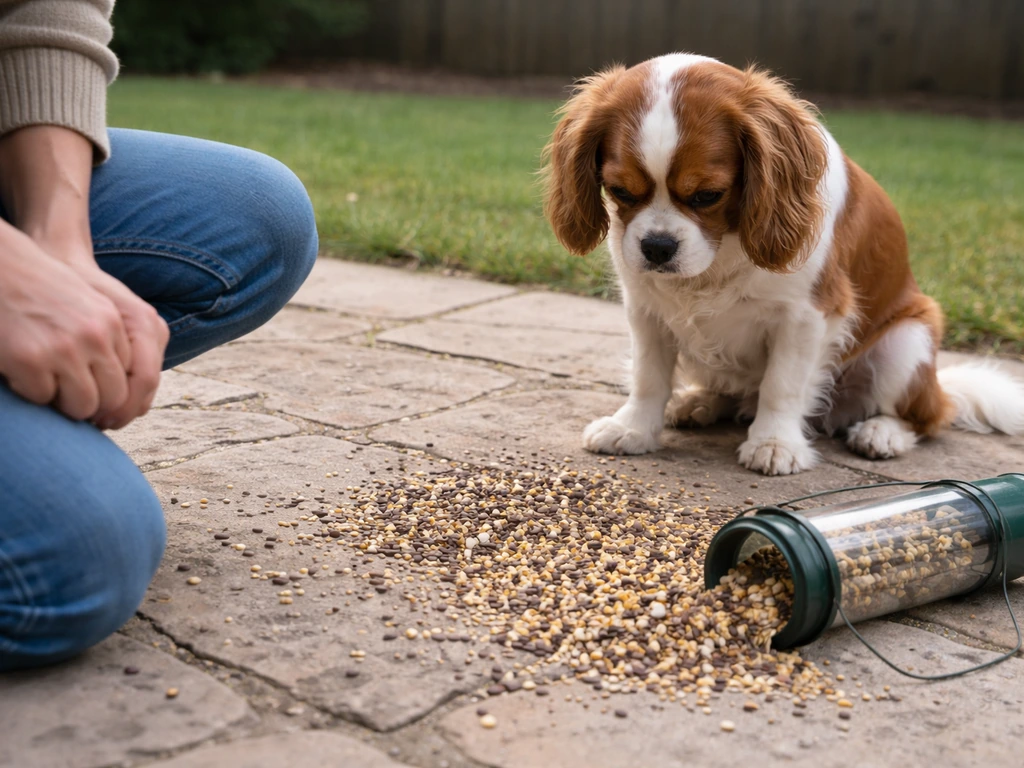
My Dog Ate Bird Seed and Has Diarrhea: What to Do Now
Step-by-step triage for diarrhea or vomiting after eating bird seed, with red flags, home care, and vet-ready checklist.
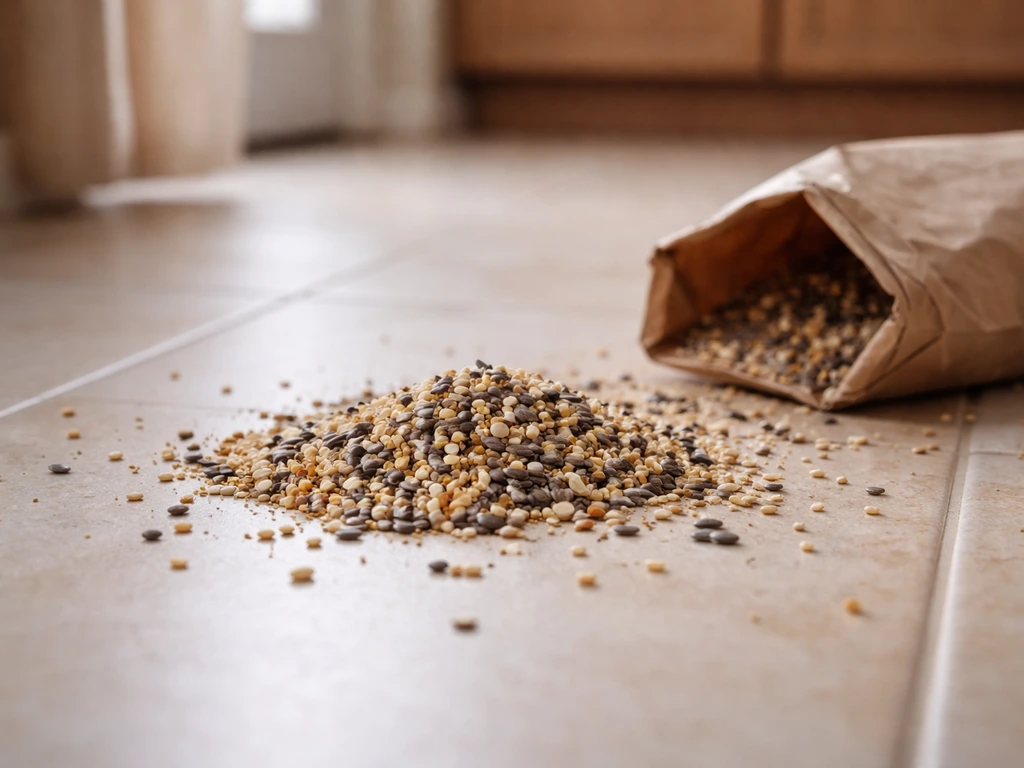
What Happens If My Dog Eats Bird Seed? What to Do Now
Know what happens if your dog eats bird seed, risks like mold or additives, and step-by-step actions to take now.
Why Does My Dog Eat Bird Seed? What to Do Today
Learn why dogs eat bird seed and follow a step-by-step plan to stop it, prevent re access, and spot health risks.