
Yes, the white bird plant is toxic to cats. The most common plant sold under this name is Strelitzia nicolai, the white bird of paradise, and both the North Carolina State University Extension and the ASPCA confirm it is toxic to cats, dogs, and horses. If your cat has chewed or swallowed any part of it, that is worth taking seriously today, not tomorrow.
Is White Bird Plant Toxic to Cats? What to Do Now

Maya Henderson
19 Apr 2026
Quick answer: how toxic is it?
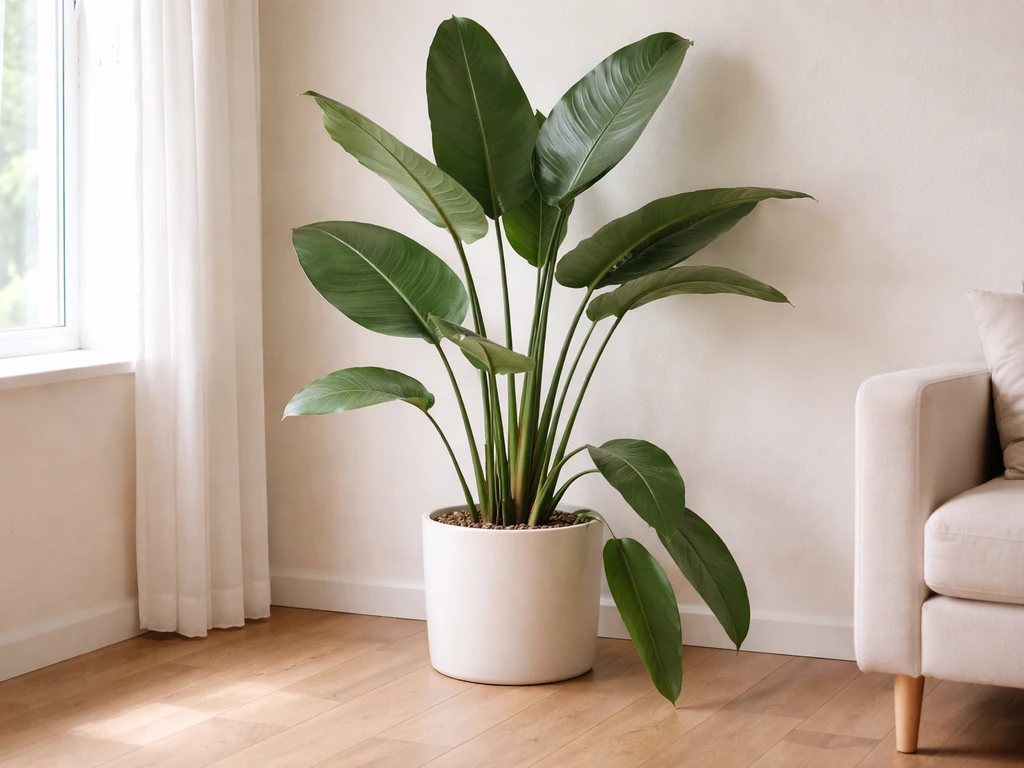
Strelitzia nicolai is classified as toxic to cats. The primary concern is gastrointestinal and oral irritation rather than life-threatening systemic poisoning, but that does not mean you can ignore it. A cat that chews on the leaves or stem can experience real discomfort, and some cats react more severely than others. The ASPCA lists Bird of Paradise (the Strelitzia genus) on its official toxic plants list for cats, and NCSU Extension specifically calls out Strelitzia nicolai by name as toxic. The risk level is moderate: unlikely to be fatal in small exposures, but enough to cause distress that warrants a call to your vet or a poison hotline.
Which plant is actually called the 'white bird plant'?
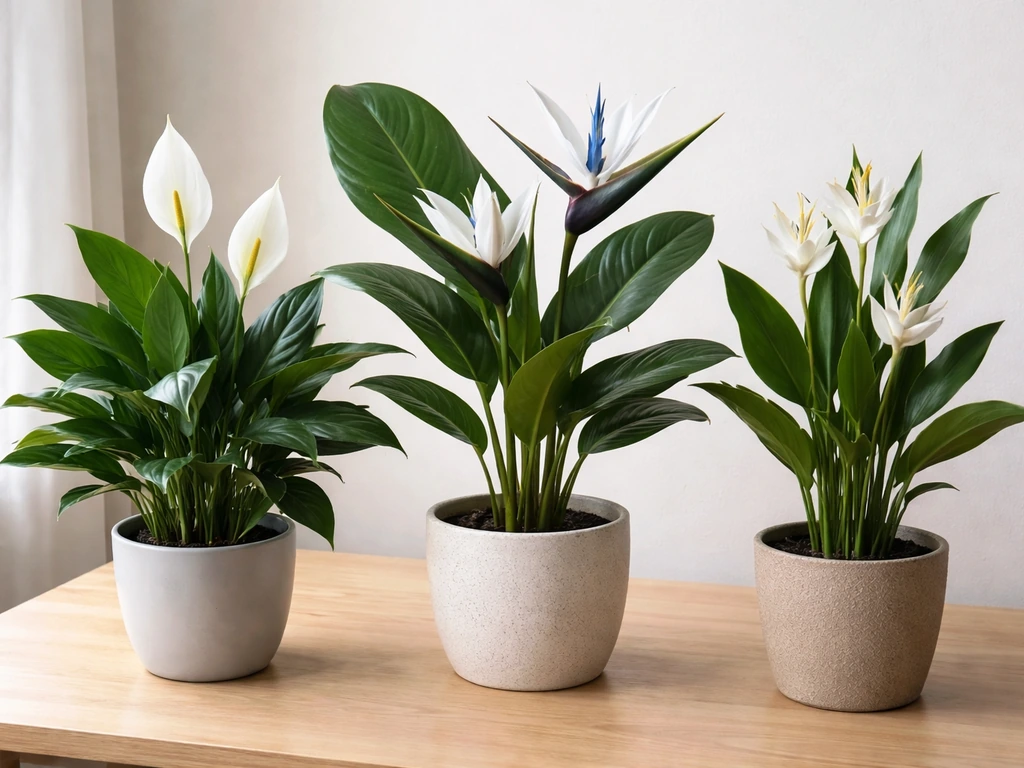
This is where you need to slow down and confirm what you actually have, because 'white bird plant' is an informal name that gets applied to a few different species. The most common one is Strelitzia nicolai, a large tropical plant with white and dark blue flowers that looks like a bird in flight. It is sometimes sold as 'giant white bird of paradise' or simply 'white bird of paradise.' A smaller, orange-flowering relative, Strelitzia reginae, is also widely sold and is also toxic to cats according to the ASPCA.
However, the name 'white bird plant' occasionally gets attached to other species depending on the region or seller. Some Euphorbia species with white or pale flowers get similar common names, and Euphorbia plants produce a milky white latex sap that is a serious irritant on its own. If you are not 100% sure what species you have, check the tag that came with the plant, search the botanical name on the ASPCA's searchable Cats Plant List, or take a clear photo to a local nursery for confirmation. Do not guess when a cat's health is involved.
Which parts are risky and how do cats get exposed?
For Strelitzia nicolai, all parts of the plant are considered toxic, but leaves and stems are the most common exposure points because they are the parts a cat is most likely to chew. The toxicity mechanism involves insoluble calcium oxalate crystals embedded in the plant tissue. When a cat bites into a leaf or stem, those crystals are physically released into the mouth, causing immediate mechanical irritation and pain. This is not a slow-building effect; it starts happening the moment the plant tissue is broken.
Cats get exposed in a few different ways. Direct chewing is the most obvious one, especially with younger or more curious cats. But exposure can also happen when a cat bats at low-hanging leaves, gets sap on their paws, and then grooms themselves. Soil contact is worth noting too: if a cat digs in or around the planter, they may ingest plant material or contaminated soil. This is a point that matters for households where bird feeders or outdoor bird-feeding setups are near planters, since cats investigating the area around a feeder can easily end up nosing around potted plants nearby.
Symptoms to watch for
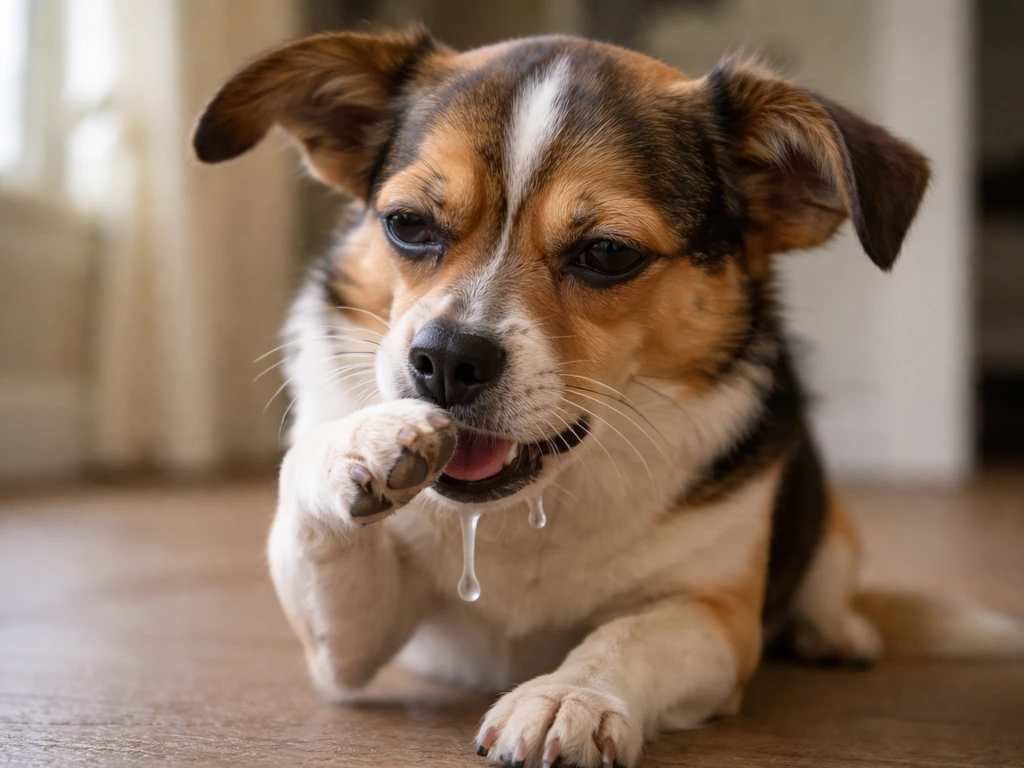
The symptoms that follow calcium oxalate exposure come on quickly and are mostly centered on the mouth and digestive system. The Merck Veterinary Manual describes the onset as immediate pain and irritation, which means your cat will likely show signs right away rather than hours later. Merck Veterinary Manual explains that insoluble oxalates (raphides) can cause immediate pain and irritation, and it lists clinical signs after ingestion such as hypersalivation, pawing at the mouth, edema, lethargy, and anorexia The Merck Veterinary Manual describes the onset as immediate pain and irritation.
- Pawing at the mouth or face
- Drooling or hypersalivation
- Retching or gagging
- Vomiting
- Diarrhea
- Loss of appetite or refusal to eat
- Lethargy or unusual quietness
- Swelling or redness around the mouth
- Difficulty swallowing
In most cases involving small exposures to insoluble calcium oxalate plants, the ASPCA categorizes overall severity as low. That means a cat who takes one bite and backs off is probably going to be uncomfortable but not in mortal danger. A cat that has eaten a significant amount of plant material or is showing persistent vomiting, severe lethargy, or signs of oral swelling needs veterinary attention promptly. When in doubt, call first and let a professional triage the situation.
What to do right now
If you just caught your cat chewing the plant or you found evidence that they did, here is what to do in order:
- Remove your cat from the plant immediately and move the plant out of reach.
- Do not induce vomiting. Both the Pet Poison Helpline and Poison.org are clear on this: do not make your cat vomit unless a vet or poison control professional specifically tells you to.
- If you can see plant material in your cat's mouth, gently rinse the mouth with water to help flush out irritating crystals. Do not force this if your cat is resistant.
- If sap is on your cat's fur or paws, rinse the area with plain water to reduce licking and secondary exposure.
- Note what was chewed: the plant name (confirm Strelitzia nicolai if possible), which part of the plant (leaf, stem, flower, soil), and roughly how much was eaten.
- Call your vet or a 24/7 animal poison hotline. The ASPCA Animal Poison Control Center number is (888) 426-4435. The Pet Poison Helpline number is (855) 764-7661. Both are available around the clock.
- Watch your cat closely for any of the symptoms listed above, especially in the first one to two hours.
The urgency triggers that mean go to an emergency vet right now (not just call) include: difficulty breathing, severe facial or throat swelling, collapse, seizures, or continuous vomiting that is not stopping. For a cat that chewed a small amount and is just drooling or seems mildly irritated, a phone call to poison control is the right first step while you keep watching.
What the vet will likely do
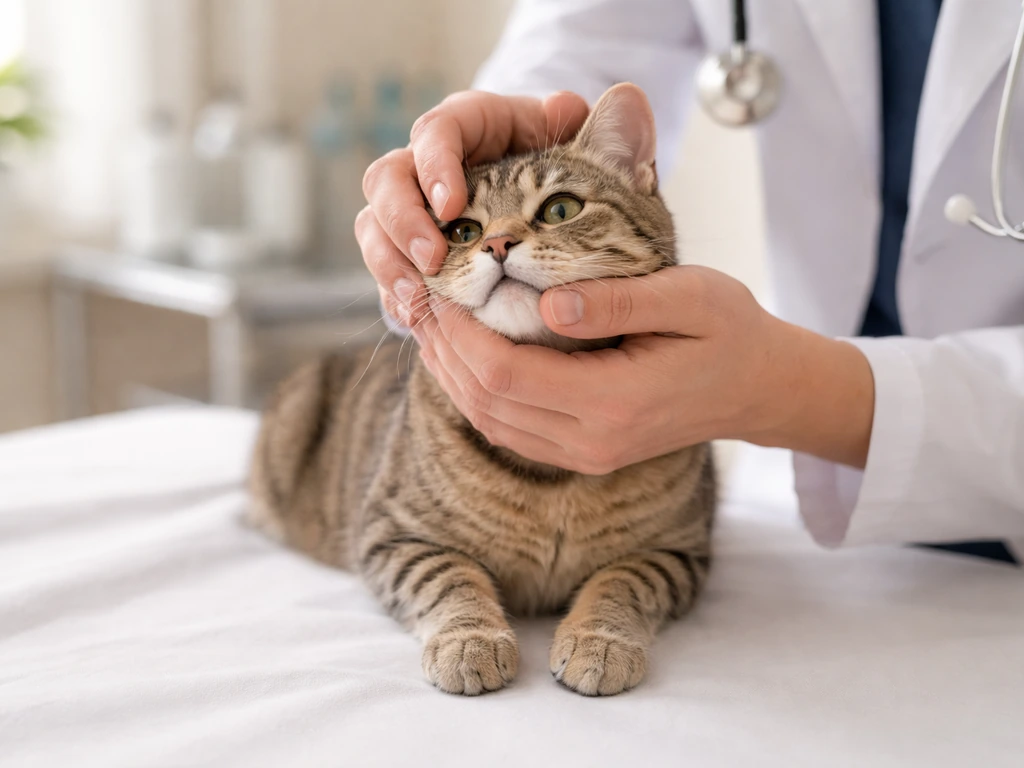
When you bring a cat in after plant ingestion, the vet's approach depends on what was eaten, how much, and how the cat is presenting. For insoluble calcium oxalate plants like Strelitzia, treatment is primarily supportive because there is no specific antidote. The vet will assess the mouth and throat for irritation or swelling, check hydration status, and may administer fluids if the cat is vomiting repeatedly or appears dehydrated.
Decontamination, meaning inducing vomiting or giving activated charcoal, may or may not be appropriate depending on the circumstances and how much time has passed. The vet will make that call. Pain management for oral discomfort, anti-nausea medication, and a short monitoring period at the clinic are common next steps. In most mild cases, cats recover well with supportive care. More significant ingestion or a delayed presentation can mean a longer observation window. The Merck Veterinary Manual notes that oral pain from oxalate crystal exposure can resolve slowly, so monitoring matters even when the acute phase seems to pass.
Preventing future exposure
Keeping the plant away from cats
The most reliable prevention is physical separation. Strelitzia nicolai is a large plant, which makes it harder to put on a high shelf the way you might with a smaller succulent. Realistic options include: keeping it in a room the cat cannot access, placing it in a room with a closed door, using hanging planters for smaller Strelitzia varieties, or simply rehoming the plant if you have a particularly curious or persistent cat. Bitter-spray deterrents applied to pot edges and lower leaves can discourage chewing, though they need reapplication and are not foolproof.
Safer plant alternatives
If you love the tropical look of bird of paradise but want something cat-safe, the ASPCA's non-toxic plant list includes options like cast iron plant (Aspidistra elatior), Boston fern, and spider plant (Chlorophytum comosum). These give a lush, green feel without the toxicity concern. If you are interested in bird-themed plants specifically, it is worth noting that the bird nest fern is another plant that comes up in cat-safety conversations, and its risk profile is different from Strelitzia.
For bird nests, you should not rely on cat hair as a safe stuffing option, since it can create health and hygiene risks for birds and may attract cats back to the nest area cat hair good for bird nests. Bird nest fern can be toxic to cats, so check the plant name and care guidance before bringing it home.
Backyard and bird-feeding setups
For households that also do backyard bird feeding, there is a habit worth building: treat the area around your bird feeders the same way you treat indoor spaces where toxic plants live. Cats that go outdoors or investigate patios can encounter potted Strelitzia near feeders, pick up plant material tracked in on shoes, or dig in garden soil near ornamental plants.
Keep feeders on poles or at heights that do not attract cats to forage at ground level, and position any Strelitzia or other toxic ornamentals well away from feeding areas. Moldy birdseed on the ground is also a separate hazard for cats who investigate spilled seed, so regular cleanup under feeders reduces both seed-related and plant-related exposure risks at once.
If your question is about bird feathers, treat it similarly and keep them out of reach because cats can chew or ingest foreign material that can irritate the mouth and stomach. Bird seed itself can also be risky for cats, especially if it is moldy or contaminated, so clean up spills quickly Moldy birdseed on the ground.
A quick comparison: toxic vs. non-toxic bird-named plants
| Plant name | Scientific name | Toxic to cats? | Main risk |
|---|---|---|---|
| White bird of paradise | Strelitzia nicolai | Yes | Insoluble calcium oxalate crystals, GI upset |
| Bird of paradise | Strelitzia reginae | Yes | Insoluble calcium oxalate crystals, GI upset |
| Bird nest fern | Asplenium nidus | Non-toxic (per ASPCA) | Generally considered safe |
| Bird of paradise (Caesalpinia) | Caesalpinia spp. | Toxic | GI irritation, seeds especially risky |
The takeaway here is straightforward: if the plant has 'bird' in the name, that is not a reason to assume it is safe. Always verify the scientific name against a reliable source like the ASPCA's plant list before bringing any new plant into a home with cats.
FAQ
If my cat only smelled or licked one leaf, do I still need to call a vet?
Usually a single lick with no chewing is less concerning than ingesting tissue, but calcium oxalate irritation can still start quickly once plant material is broken. If you see repeated pawing at the mouth, persistent drooling, or reluctance to eat, call your vet or poison control for tailored guidance, and monitor for swelling over the next several hours.
How long after eating white bird plant would symptoms show up?
For Strelitzia species, mouth pain and irritation tend to begin immediately when the plant is chewed, so signs like drooling, lip smacking, pawing at the mouth, or refusing food often appear right away. If symptoms do not start at all but you suspect true ingestion, it is still worth a quick call to confirm what to watch for.
Should I induce vomiting at home if I think my cat swallowed some?
Do not induce vomiting unless a veterinarian or poison control specifically tells you to. With insoluble calcium oxalate plants, attempting to vomit can worsen mouth and throat irritation, and giving anything by mouth is risky if the cat is already uncomfortable or nauseated.
Is the sap from white bird plant dangerous, even without chewing?
Yes, sap exposure can be an issue because it can irritate the mouth, and if it gets on paws or fur the cat may groom and then ingest plant material. If you notice sap on the coat, wipe gently with a damp cloth (avoid scrubbing) and prevent further grooming, then call for advice if licking or pawing continues.
What exact details should I tell the vet or poison hotline?
Bring the botanical name if you can find it, the approximate amount (for example, one leaf versus several), when ingestion occurred, and current symptoms (drooling, vomiting, swallowing changes, facial swelling). Also mention your cat’s age and weight, and whether your cat is drooling only versus actively eating or drinking.
Does activated charcoal help for Strelitzia ingestion?
It depends on timing, what was eaten, and the cat’s current condition, so only a professional should decide. Activated charcoal can be inappropriate if the cat is actively vomiting or has mouth/throat irritation, and it may not be recommended if too much time has passed.
My cat is eating normally but seems uncomfortable, is it still considered urgent?
Mild discomfort with normal eating can be monitored closely at home, but do not assume it is over. If discomfort worsens, vomiting starts, you see oral or facial swelling, or breathing seems affected, you should switch from monitoring to prompt veterinary care.
Can a cat need treatment if they chewed the plant but never vomited?
Yes. Calcium oxalate crystals can cause ongoing mouth pain even without vomiting, and some cats stop eating for a short period. If you see continued drooling, pawing at the mouth, swollen lips, or drinking less than usual, ask a vet about pain control and hydration support.
Are kittens or senior cats more at risk from white bird plant?
They can be. Smaller cats are more affected by a given amount, and cats with underlying mouth or gastrointestinal issues may react more strongly. If your cat is a kitten, very small, or has any health condition, err on the side of calling sooner even for what seems like a small bite.
Is any bird of paradise plant safe for cats because of the “bird” name?
No. Common names are unreliable, and multiple “bird” plants can be sold under overlapping nicknames. Verify the scientific name (for example, Strelitzia nicolai versus Strelitzia reginae) before bringing it into a cat home, since different species can still be toxic.
If I rehome the plant, how do I reduce risk from lingering bits in the area?
After chewing, remove all plant material from the floor and planter area, and wash the area where the cat may have tracked sap or soil. Rinse hands and prevent the cat from re-accessing the spot, because small leaf fragments can be re-chewed.