The short answer: bird nest fern is not toxic to cats
Bird nest fern (Asplenium nidus) is considered non-toxic to cats. The ASPCA's poison control plant database lists related Asplenium species as non-toxic to pets, the Veterinary Poisons Information Service (VPIS) includes Asplenium nidus on its pet-safe plants list, and a University of Nebraska-Lincoln Extension houseplant toxicity reference also classifies it as non-toxic. So if your cat just took a bite out of your bird nest fern, you can take a breath. A full-blown poisoning event is not what you're dealing with here.
That said, non-toxic does not mean zero risk. Cats that chew and swallow plant material of any kind can still experience mild digestive upset, and the common name 'bird nest fern' can actually refer to several different Asplenium species depending on where you bought the plant. Knowing exactly what's in your home matters. Read on for what to watch for, what to do right now, and how to keep things safe going forward.
What bird nest fern actually is and where cats run into it
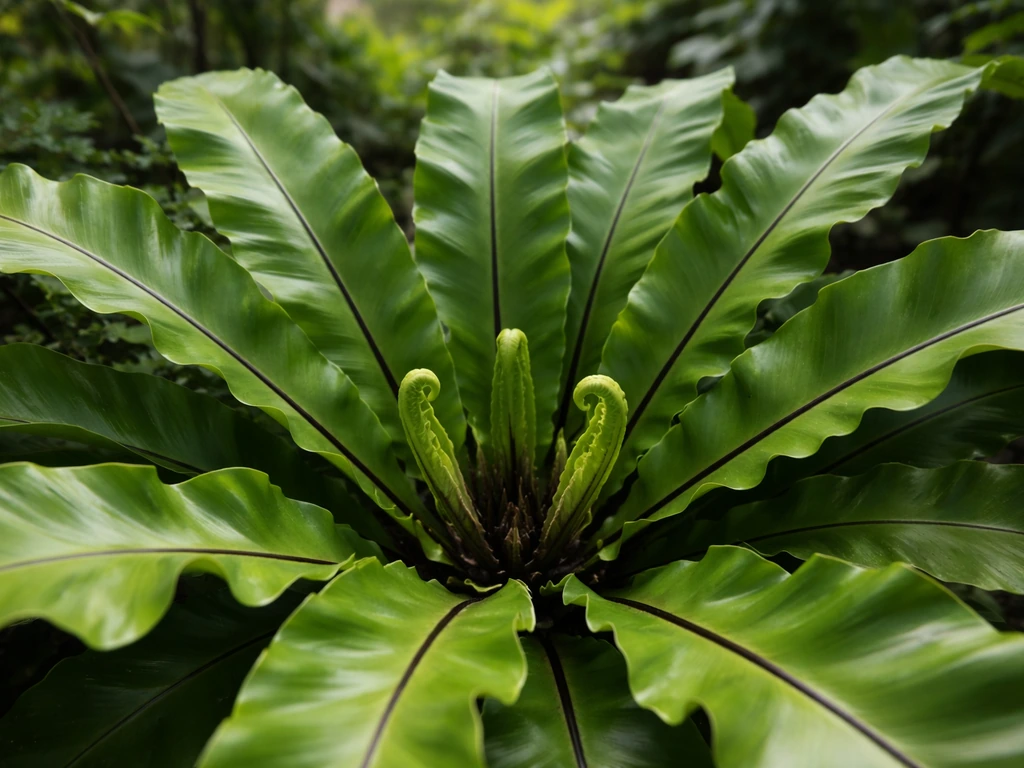
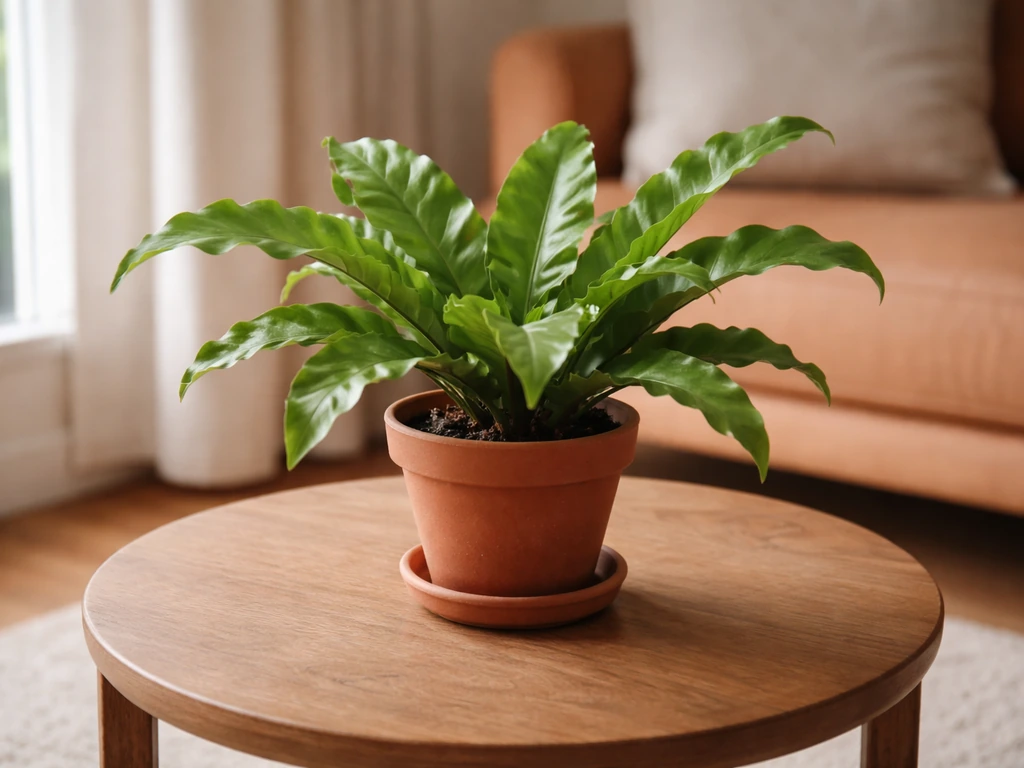
Asplenium nidus is a tropical fern native to Southeast Asia and Australia. It gets its name from the way its broad, strap-like fronds form a central rosette that looks like a bird's nest. It's a popular houseplant because it tolerates low light and indoor humidity better than most ferns, which makes it common in homes, offices, and shaded patios. Some people also grow it outdoors in mild climates or use it decoratively near garden beds, including areas around bird feeders and wildlife plantings.
Here's the naming issue worth knowing: 'bird's nest fern' is a common name applied to multiple Asplenium species. Depending on what garden center or online seller you bought from, your plant may be Asplenium nidus, Asplenium antiquum, or another related species sold under the exact same label. The toxicity data specifically covers Asplenium nidus, and most closely related species in this group appear to share a similarly benign profile, but if you have any doubt about the scientific name of your plant, that's worth checking. The label on the pot or a quick reverse image search can help confirm it.
Cats encounter bird nest ferns most often by chewing or batting at the fronds from a potted plant left within reach. Outdoor cats may also come across naturalized or garden-planted specimens near shaded garden areas. If you manage a backyard with bird feeders and wildlife habitat plantings, bird nest ferns are sometimes tucked in as ground cover, which puts free-roaming cats within range. Just as you'd think carefully about whether bird seed is bad for cats in a feeding area, it's worth thinking about what plants share that space too.
What happens if your cat actually chews it
Because Asplenium nidus is classified as non-toxic, the typical chewing or nibbling scenario is not expected to produce classic poisoning symptoms like organ damage, neurological effects, or severe systemic illness. What you're more likely to see, if anything, is mild and short-lived digestive irritation from ingesting plant fiber. Cats' digestive systems aren't built to process plant material efficiently, and swallowing pieces of frond can cause some stomach upset even when the plant itself carries no chemical toxin.
Symptoms to watch for after your cat chews bird nest fern:
- Vomiting (once or twice, usually self-resolving)
- Mild diarrhea or loose stools
- Drooling more than usual shortly after chewing
- Lip licking or acting like something tastes off
- Reduced appetite for a short window (a few hours)
These are the low-concern signs. They typically resolve on their own within a few hours and don't require emergency intervention. The red flags that should prompt you to call a vet right away are a different story. Watch for repeated or forceful vomiting that doesn't stop, blood in vomit or stool, signs of significant distress or pain (hunching, crying, not wanting to be touched), difficulty breathing, tremors, or collapse. Those symptoms point to something other than a simple fern-nibble reaction and need professional attention fast.
What to do right now
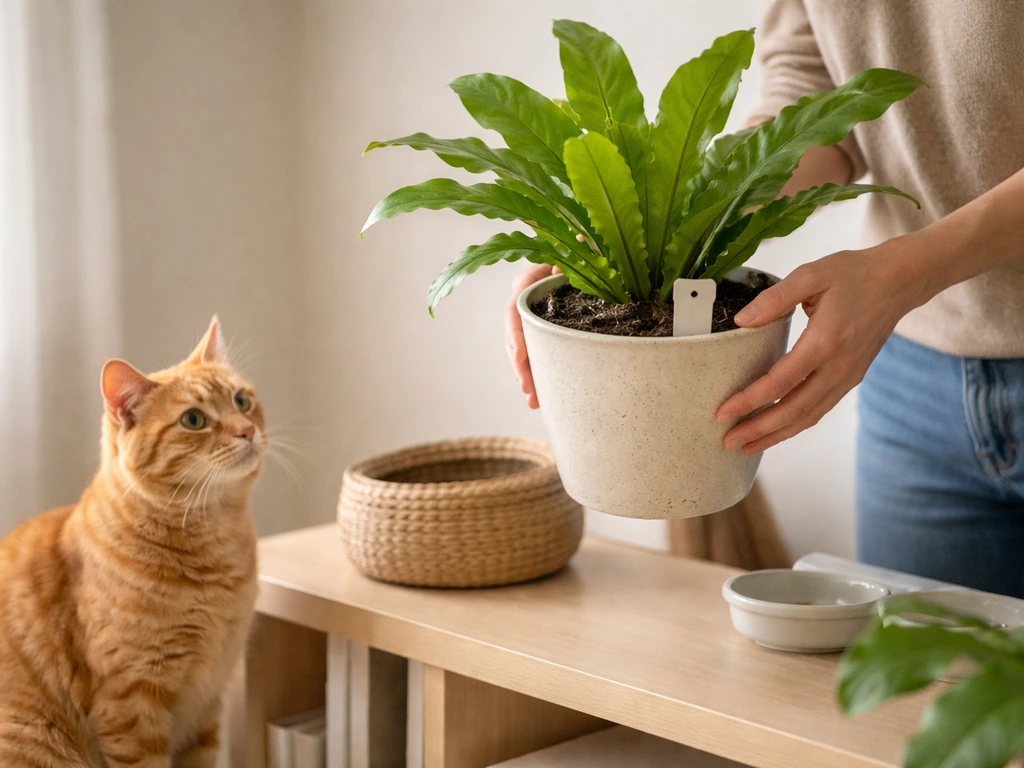
If you just caught your cat chewing your bird nest fern, move through these steps calmly and in order.
- Remove your cat's access to the plant immediately. Move the plant to a shelf, room, or space your cat cannot reach.
- Identify the plant if you have any doubt. Check the pot label, receipt, or do a quick image search to confirm it is actually Asplenium nidus and not a different, potentially more concerning plant.
- Save a sample or take a clear photo of the plant, including any frond pieces your cat may have chewed. This helps a vet or poison control line identify it quickly if you need to make a call.
- Estimate how much your cat likely ate. A few nibbles off one frond is very different from a cat that has shredded several leaves. The quantity matters when a professional assesses risk.
- Note the time it happened and start watching your cat for any of the symptoms listed above.
- Do not induce vomiting. The Pet Poison Helpline explicitly advises against inducing vomiting without first consulting a vet or poison helpline, regardless of what was ingested.
- If you see any red-flag symptoms or you are unsure, call your vet, the ASPCA Animal Poison Control Center (888-426-4435), or the Pet Poison Helpline right away.
Vet guidance and what you can safely do at home
For a non-toxic plant like bird nest fern, most vets will guide you through a monitoring approach rather than an immediate clinic visit, assuming your cat is showing only mild or no symptoms. The University of Illinois College of Veterinary Medicine advises owners managing suspected plant ingestions to track three things before calling: the quantity eaten, the time symptoms started, and the specific nature of any clinical signs. Having this information ready before you call saves time and helps the professional give you better guidance.
At home, keep your cat comfortable and hydrated. Make sure fresh water is available and that your cat is resting in a calm space. If your cat vomits once and then seems normal, you can typically hold off on an emergency call and simply monitor closely for the next few hours. If vomiting is repeated, worsening, or accompanied by lethargy or other changes, that's when you escalate. Do not give human medications like Pepto-Bismol or any over-the-counter remedies without explicit vet instructions. Many human medicines are harmful to cats.
The 'do not induce vomiting without professional guidance' rule is worth emphasizing because it's counterintuitive. If a pet poison hotline is involved, it is important to follow professional guidance because inducing vomiting is contraindicated in some situations and needs veterinary assessment first blank" rel="noopener noreferrer">Do not induce vomiting without professional guidance. Many people assume making a cat vomit after any plant ingestion is the right move, but for a non-toxic plant it's unnecessary, and for some substances it can actually cause more harm. Always call first. ASPCA Poison Control advises that if you suspect a cat has ingested a plant, you should check the plant name and contact a veterinarian or ASPCA Poison Control for guidance (888-426-4435) blank" rel="noopener noreferrer">Always call first.
Bird nest fern vs. other plants cats might find in your space
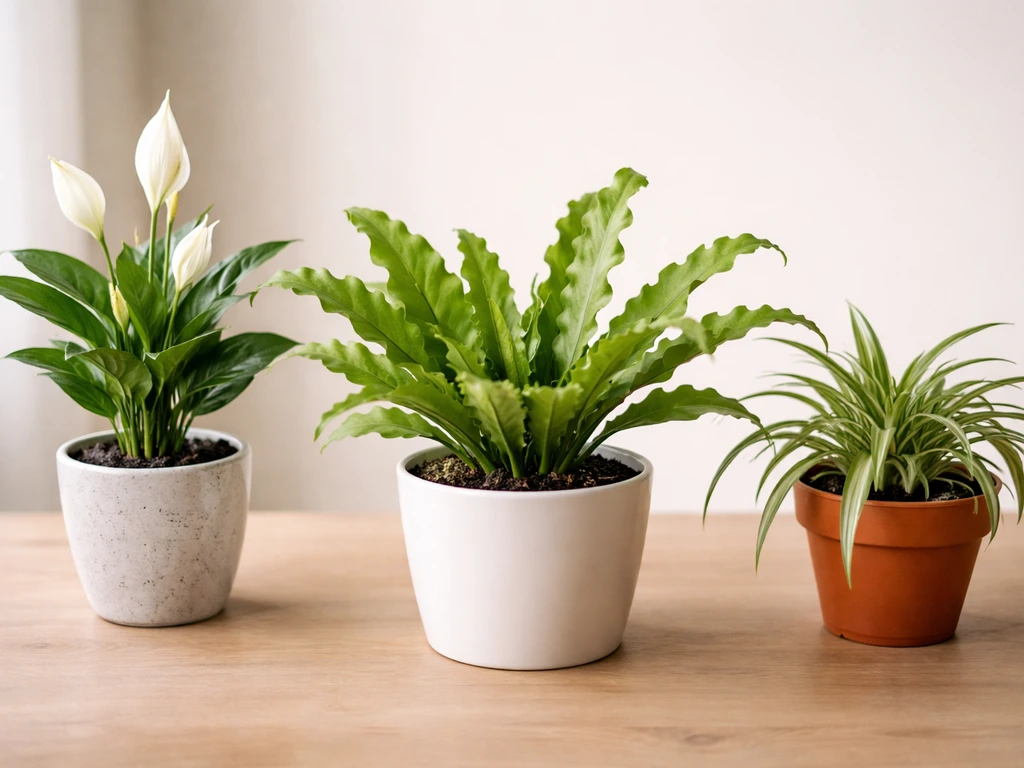
It helps to understand how bird nest fern compares to other plants that might appear in a cat household or backyard wildlife setup, especially since the 'bird' in its name can cause confusion with other bird-themed plants.
| Plant | Toxic to Cats? | Risk Level | Action if Ingested |
|---|
| Bird nest fern (Asplenium nidus) | No | Low (mild GI upset possible) | Monitor; call vet if symptoms worsen |
| White bird of paradise (Strelitzia nicolai) | Yes | Moderate | Call vet or poison control immediately |
| Boston fern (Nephrolepis exaltata) | No | Low | Monitor for mild GI upset |
| Lily species (Lilium / Hemerocallis) | Yes | Severe (kidney failure risk) | Emergency vet visit immediately |
| Spider plant (Chlorophytum comosum) | No (mild hallucinogenic effect possible) | Low | Monitor; usually self-limiting |
If you've been researching plant safety for your cat and came across concerns about other bird-named plants, it's worth noting that the white bird plant carries real toxicity risks for cats, which puts it in a very different category from the bird nest fern. These two plants are completely unrelated, so do not assume the safety profile transfers between them.
Longer-term prevention for cat households and backyard setups
Even though bird nest fern is non-toxic, having a cat that chews your houseplants is a habit worth discouraging. A cat that nibbles the bird nest fern today might chew something genuinely dangerous tomorrow. Here's how to set up your home and yard for the long term.
Indoors: keeping plants out of reach
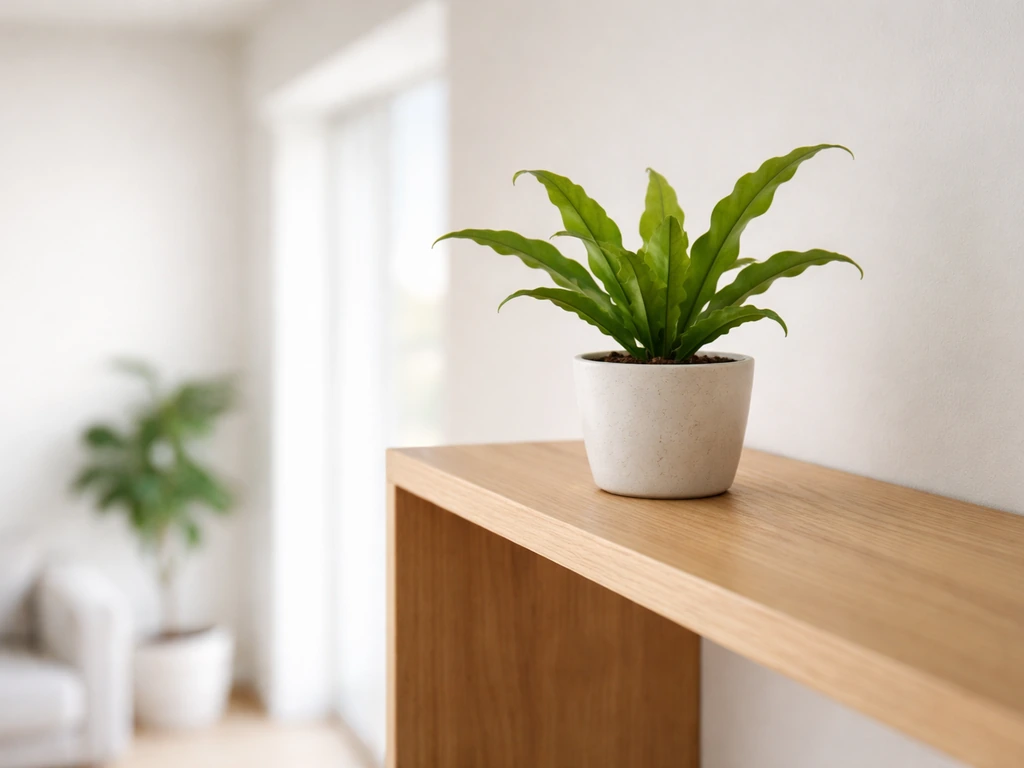
- Place potted ferns on high shelves or in hanging baskets where cats cannot jump or climb to reach them.
- Use closed rooms or plant stands with smooth legs cats cannot climb as a physical barrier.
- Apply citrus peel or cat-deterrent spray around the base of pots, since most cats dislike citrus scent.
- Provide cat-safe grass or herb pots (wheatgrass, oat grass) as an acceptable chewing outlet so your cat has a sanctioned target.
Outdoors: managing plants near bird feeders and wildlife areas
If you use bird nest ferns as part of a garden setup near bird feeders or wildlife habitat plantings, think about the full picture of what your cat is accessing in that space. Cats that roam near feeders may be drawn to plant material, bird droppings, and seed scatter on the ground. It's also worth knowing that some cat owners wonder whether materials from a backyard bird habitat could affect their pets in other ways, for example whether bird feathers are safe for cats to interact with, since feathers can accumulate around feeding stations.
- Position ferns and other plantings at least a few feet away from areas where cats regularly patrol or rest.
- Use low garden fencing or decorative wire borders around planting beds to discourage cats from digging or lying in them.
- Choose ground cover plants from a verified pet-safe list for any areas your cat can access freely.
- Check plant labels for scientific names before buying anything new for a wildlife or feeding garden area, since common names like 'bird nest fern' can describe several different species.
One last thing worth keeping in mind: if your cat is spending time near a bird-feeding area, the plants are not the only thing to think about. A cat that's active around feeders might also be sampling spilled seed. The risks there are actually worth understanding separately, and looking into whether cat hair in bird nests causes any concern is a useful read if you're managing a yard where your cat and nesting birds are sharing space.
The bottom line here is practical: bird nest fern is one of the safer plants you could have around a cat. Keep it out of easy reach anyway, confirm the scientific name on your specific plant, and know the red-flag symptoms that would tell you something more serious is going on. That combination puts you in a genuinely good position to handle any future plant-related situation calmly and correctly.