Plain, fresh bird seed is not toxic to cats in the way that, say, certain plants or chemicals are. If your cat snacked on a handful of sunflower seeds or millet from under the feeder, the seed itself is very unlikely to poison them. That said, bird seed carries some real risks that have nothing to do with toxicity in the traditional sense: mold, spoilage, contamination from droppings, and occasionally additives in commercial mixes. Those are the things worth paying attention to, and that's exactly what this guide covers.
Is Bird Seed Bad for Cats? Risks and What to Do Now
Maya Henderson
23 Apr 2026
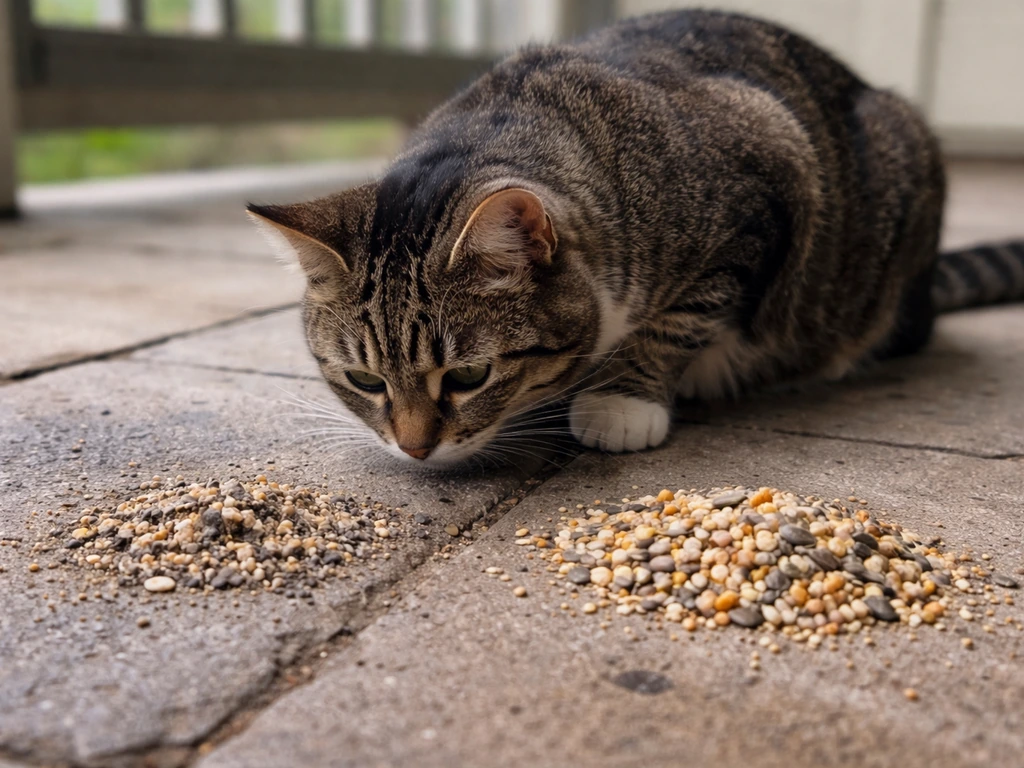
Is Bird Seed Actually Toxic to Cats?
Most wild bird seed ingredients, sunflower seeds, safflower, millet, milo, nyjer, buckwheat, and similar grains, are not considered toxic to cats by the ASPCA. These are the same kinds of seeds and grains found in plenty of animal feeds. So if you walked outside and found your cat crunching on scattered seed, the seed content itself is not your primary concern.
Where it gets more complicated is with specialty or commercial mixes. Some products contain oils (like safflower oil), vitamin and mineral supplements, or other additives beyond plain seed. Reading the label matters here because a straightforward wild bird mix and a formulated parrot blend are very different products. If the bag lists anything beyond recognizable seeds and grains, it's worth checking those additional ingredients against pet-safety resources.
The bottom line on toxicity: plain bird seed is low-risk. The real dangers come from what can grow on bird seed or contaminate it over time.
The Real Risks: Mold, Spoilage, and Contamination
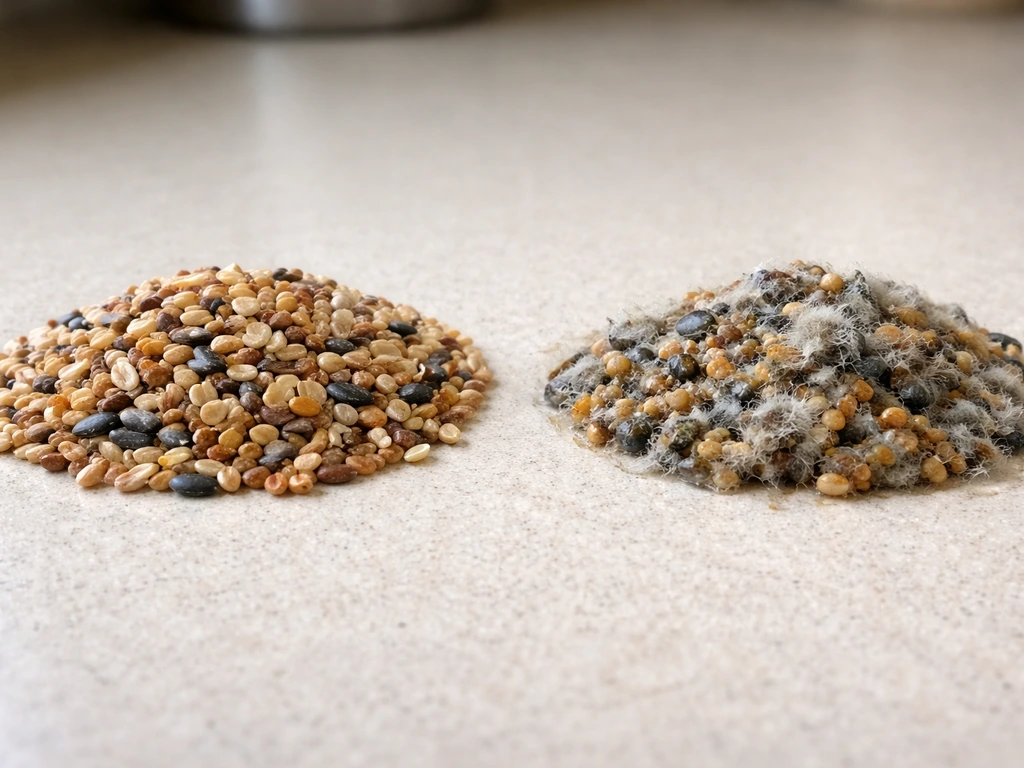
This is the part most people overlook. The ASPCA specifically flags that birdseed molds easily and can cause significant stomach upset if ingested. But stomach upset is the mild end of the spectrum. The more serious concern is mycotoxins, toxic compounds produced by molds like Aspergillus and Penicillium that thrive in humid or damp conditions. These are the same molds that grow on corn, peanuts, and grains in general.
Aflatoxin Poisoning
Aflatoxins are a particularly dangerous type of mycotoxin. The FDA warns that pets can develop aflatoxin poisoning from eating moldy corn, grains, or peanuts. Clinical signs include sluggishness, loss of appetite, vomiting, diarrhea, jaundice (yellowing of the skin or eyes), and unexplained bruising or bleeding. These symptoms can appear days after exposure, which is why moldy seed eaten outside doesn't always produce an immediate obvious reaction.
Tremorgenic Mycotoxins
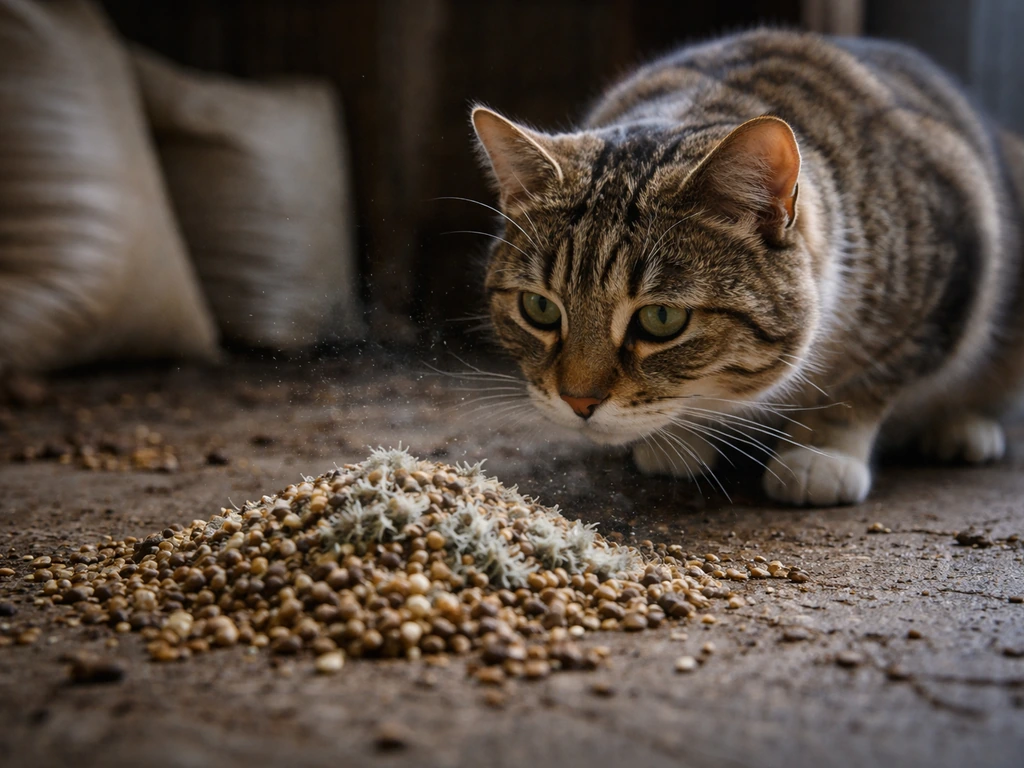
Another category of mycotoxin found in moldy food causes neurological symptoms, particularly tremors. The ASPCA notes that treatment for this type of exposure often focuses on controlling those tremors and keeping the pet cool and hydrated. If you see muscle twitching or shaking in your cat after a suspected seed exposure, that's a sign to get to a vet immediately.
Mold Inhalation
Cats that sniff around or dig through a pile of old, damp seed can also inhale mold spores. According to PetMD, mold inhalation can trigger respiratory symptoms including coughing, wheezing, sneezing, nasal discharge, and in more serious cases, bleeding from the mouth or nose.
Other Contamination Sources
- Bird droppings: Ground-level or under-feeder seed is often coated in droppings from birds visiting the feeder, which can carry Salmonella and other pathogens harmful to cats.
- Pest activity: Mice and rats are attracted to spilled seed. Seed that rodents have been through can carry disease or be contaminated with rodent urine and feces.
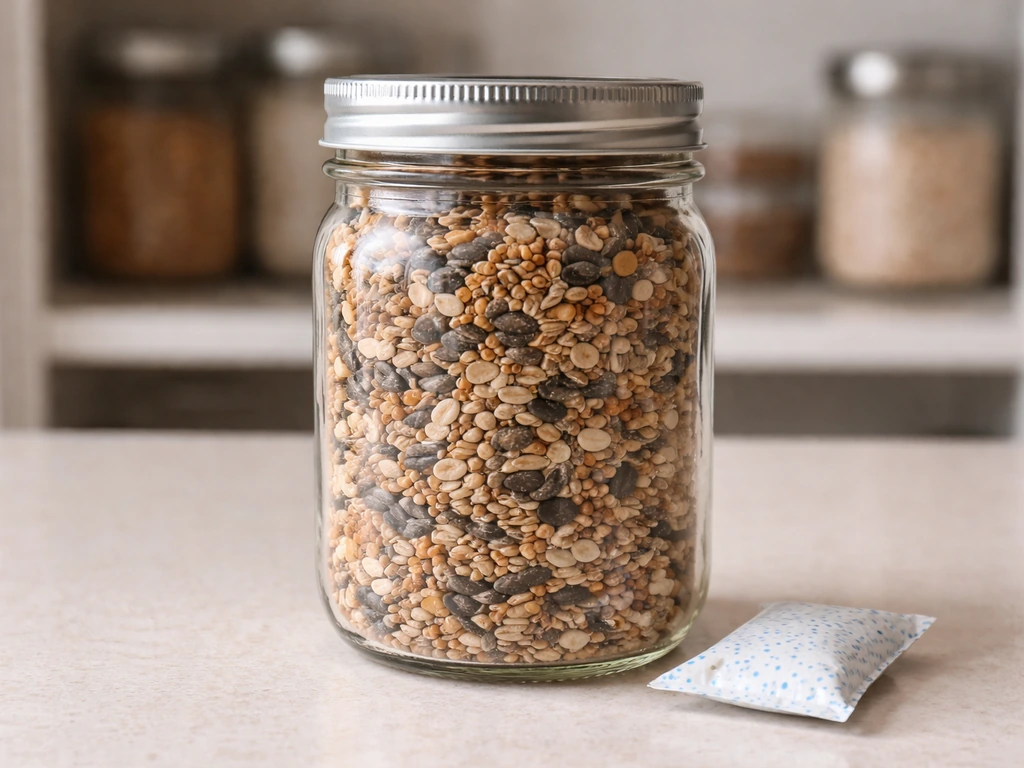
- Oxygen absorbers: Some commercial seed bags contain small oxygen-absorber packets to preserve shelf life. If your cat chews into a bag and swallows one of these packets, contact a vet or poison control.
- Stale or clumped seed: Wet, clumped seed under a feeder is a prime environment for mold growth even if it doesn't look visibly discolored.
What to Do Right Now If Your Cat Ate Bird Seed
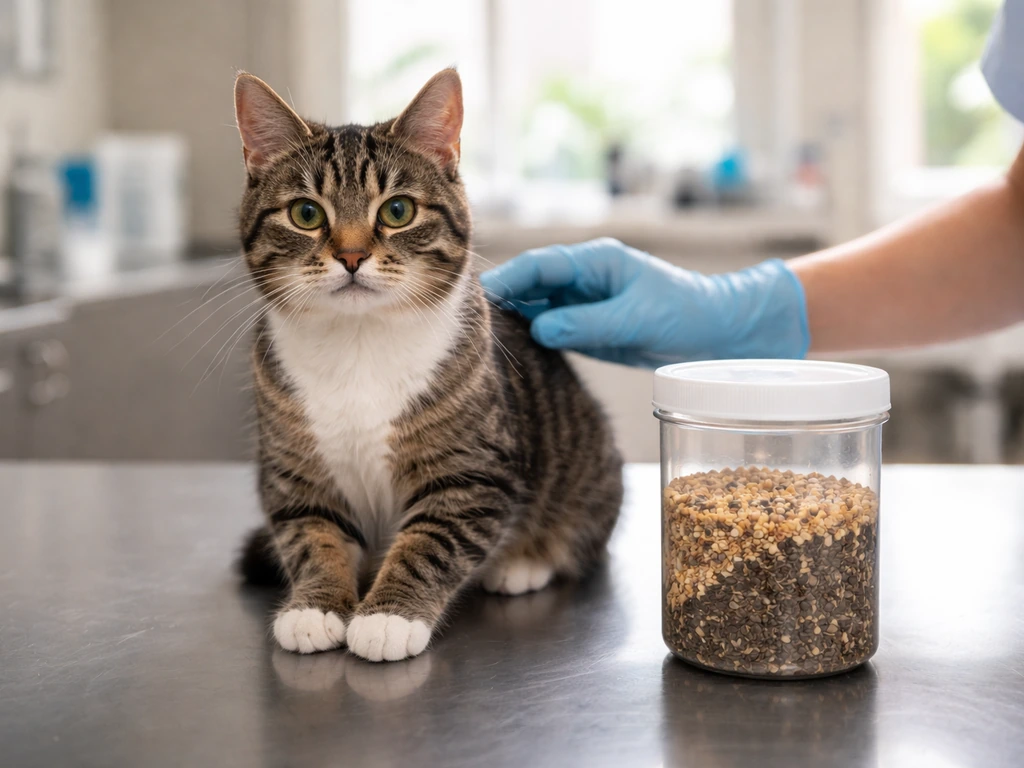
Stay calm. Work through these steps in order, and don't wait to see if symptoms develop before acting if anything about the seed looked or smelled off.
- Remove your cat from the area. Get them away from the seed source so they can't eat more while you assess the situation.
- Check what they ate. Was it fresh seed from a sealed bag or feeder, or old, damp, clumped seed from the ground? Look for visible mold (gray, green, black patches), an off smell, or sticky texture. This is the most important factor in how worried you need to be.
- Check the ingredient label. If you have the seed bag, scan it for anything beyond plain seeds and grains. Note any additives, oils, vitamins, or unfamiliar ingredients.
- Note the amount eaten. Even a rough estimate (a few seeds vs. a mouthful vs. larger quantity) helps a vet or poison control advisor give better guidance.
- Watch for immediate symptoms. In the first 30 to 60 minutes, look for vomiting, drooling, lethargy, tremors, or difficulty breathing.
- If the seed looked fresh and clean and your cat ate a small amount: monitor closely for the next several hours. Make sure fresh water is available and watch for any of the symptoms listed below.
- If the seed looked moldy, damp, or old, or if your cat ate a significant amount: call ASPCA Animal Poison Control at (888) 426-4435 or Pet Poison Helpline at (855) 764-7661. Both lines are available 24/7 and can help you decide whether home monitoring is appropriate or a vet visit is needed.
- Do not induce vomiting unless explicitly instructed to by a vet or poison control. Self-induced vomiting can sometimes cause additional harm.
When to Call a Vet or Poison Control (and When to Go Immediately)
The ASPCA's advice is clear: don't wait for symptoms to get worse before reaching out. Even if your cat seems fine right now, calling poison control when you're unsure costs you a few minutes and can prevent a serious outcome. Here's how to sort the urgency level:
Go Directly to an Emergency Vet Right Now
- Your cat is unconscious or unresponsive
- Difficulty breathing, labored breathing, or rapid breathing
- Seizures or muscle tremors
- Bleeding from the mouth or nose
- Collapse or extreme weakness
Don't call first in these situations. Get in the car. These signs require immediate veterinary care.
Call Poison Control or Your Vet Now
- Your cat ate visibly moldy, old, or damp seed (even with no current symptoms)
- Vomiting once or twice, or signs of stomach upset
- Lethargy or unusual quietness
- Loss of appetite in the hours after exposure
- You found a chewed oxygen-absorber packet or unfamiliar additive
- You're not sure what was in the mix
- Your cat has a known health condition or is very young, old, or small
Watch Closely at Home (and Call if Anything Changes)
- Your cat ate a small amount of fresh, clean seed with no additives and is currently acting completely normal
- Mild curiosity sniffing around a feeder with no confirmed ingestion
For aflatoxin poisoning specifically, symptoms like jaundice, unexplained bruising, or sudden lethargy can show up days after exposure. If your cat ate a substantial amount of seed and develops any of those signs in the following week, connect that history with your vet. The 24/7 lines to keep saved are: ASPCA Animal Poison Control at (888) 426-4435 and Pet Poison Helpline at (855) 764-7661.
Preventing Your Cat from Getting Into Bird Seed Again
The CDC recommends keeping pets away from bird feeders and bird bath areas entirely, which is the simplest approach. In practice, most people want to do both (feed birds and keep a cat), so it's about smart setup rather than choosing one or the other.
Feeder Placement
- Mount feeders high enough that a jumping cat can't reach them, ideally at least 5 to 6 feet off the ground on a smooth pole with a baffle.
- Place feeders away from fences, sheds, and tree branches that give cats a launch point.
- According to Wildlife Trusts guidance, positioning feeders away from dense shrub cover also reduces cat predation risk for birds and limits the scatter zone where cats like to sniff around.
- Keep the feeding area away from where your cat spends most of its outdoor time.
Reducing Ground Seed
- Use feeders with seed-catching trays underneath to reduce how much falls to the ground.
- Choose hulled seeds (like hulled sunflower chips) that produce less shell debris and fallen material.
- Clean up ground scatter regularly, at least a few times per week, and more often during humid or rainy weather when mold develops quickly.
- Avoid filling feeders so full that seed spills over constantly.
Seed Storage
- Store seed in sealed, airtight containers in a cool, dry place. Moisture is the enemy: it leads to mold within days in warm weather.
- Never store open bags directly on a damp garage or shed floor.
- Don't buy more seed than you can use in a few weeks unless storage conditions are ideal.
- Inspect seed before filling feeders. If it smells musty, looks clumped, or has any discoloration, throw it out.
Regular Feeder Cleaning
Garden Wildlife Health best-practice guidance recommends cleaning feeders and water baths routinely. For cats specifically, a clean feeder means less mold risk on the seed that does fall. Scrub feeders with a dilute bleach solution (roughly 1 part bleach to 9 parts water), rinse thoroughly, and let them dry completely before refilling. Do this every one to two weeks. Always wash your hands after handling feeders or bird seed.
Safer Alternatives and Responsible Backyard Feeding
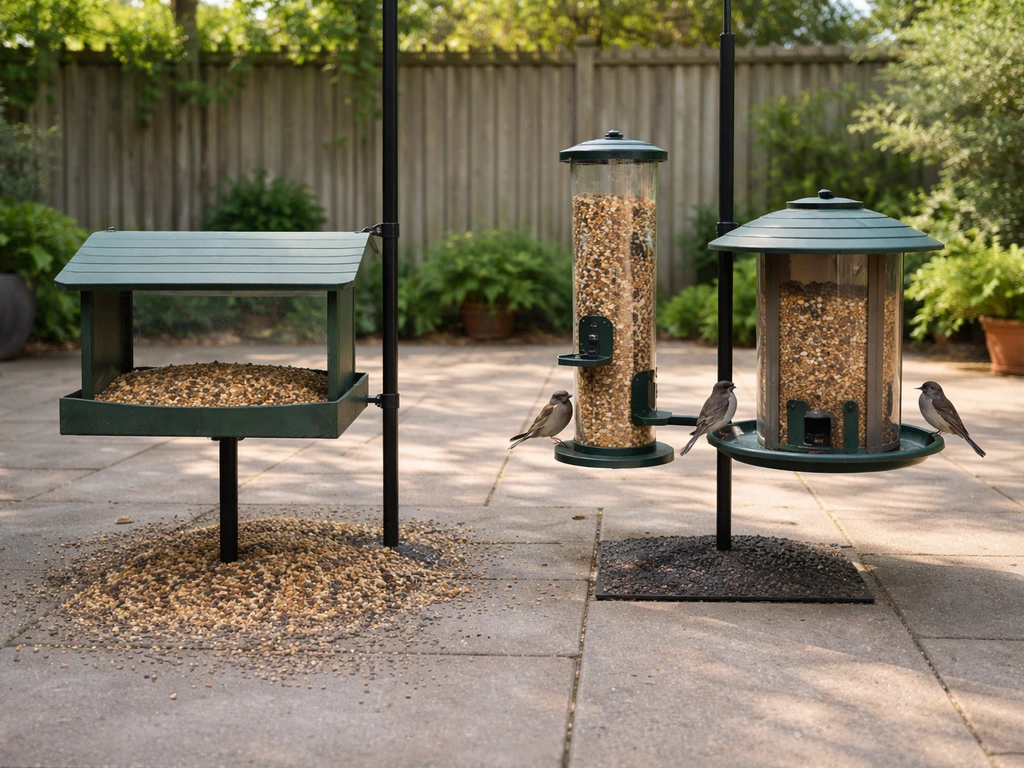
If you want to attract birds without creating a recurring hazard for your cat, a few adjustments go a long way.
Choose Cleaner Seed Types
Hulled or no-mess seed blends leave less debris on the ground because the birds eat nearly everything. Black oil sunflower chips, hulled millet, and nyjer (thistle) in a finch feeder are all good options that reduce the scattered, mold-prone shells that attract curious cats.
Consider Tube or Enclosed Feeders
Tube feeders with small perch ports dispense seed only as birds feed, limiting how much reaches the ground. Enclosed hopper feeders with trays are also useful as long as you empty and clean the tray frequently.
Use Designated Feeding Zones
If you have the yard space, designating a specific bird feeding area that your cat cannot access (behind a fence panel, in a gated section, or on a second-story deck your cat doesn't reach) lets you feed birds freely without worrying about ground access. This is probably the most effective single change you can make.
Supervised Outdoor Time
If your cat goes outside unsupervised, this is harder to control. For cats in a catio or on a leash, you can simply keep the feeding area outside their range. Indoor cats that occasionally get outside are generally lower risk as long as you're aware of the feeder setup.
It's worth noting that while bird seed is the focus here, other garden elements can pose their own risks to cats. Cat hair is generally not a great material for bird nests because it can be contaminated and difficult to sanitize, which is why it is safer to focus on cleaner, bird-friendly nesting spots cat hair for bird nests.
Even though this article focuses on bird seed, it’s also worth checking whether bird feathers themselves are safe if your cat chews or carries them around are bird feathers safe for cats. If you're also growing plants near your feeder setup or in the same outdoor area, it's useful to know which plants are and aren't safe.
Bird nest ferns and white bird plants are two common garden species that come up when people are doing this same kind of backyard safety check.
Your Next Steps
If your cat just ate bird seed: check whether it was fresh or moldy, note the amount and any additives, and call poison control if there's any doubt. ASPCA Animal Poison Control is at (888) 426-4435 and Pet Poison Helpline is at (855) 764-7661, blank" rel="noopener noreferrer">both 24/7. If your cat has any of the emergency symptoms listed above, skip the phone call and go straight to a vet.
If this was a one-time event and the seed looked clean: keep an eye on your cat for the next 24 to 48 hours and make sure they're eating and drinking normally. Then look at your feeder setup and storage situation to reduce the chance of it happening again. Clean feeders regularly, store seed dry, and think about placement that puts scattered seed out of your cat's easy reach. You can absolutely keep feeding birds and keep a cat without treating the two as incompatible.
FAQ
My cat ate bird seed that looked a little old, should I still assume it is safe?
If the seed looked dry, smelled normal, and your cat only sampled a few pieces, the immediate risk is usually low. Still, check the bag for additives (vitamins, oils, sweeteners) and monitor for vomiting, diarrhea, or unusual lethargy over the next 24 to 48 hours. If the seed was visibly damp or clumped, or you cannot tell how long it sat, contact poison control even if symptoms have not started yet.
What symptoms mean bird seed exposure is an emergency, not a “watch and wait” situation?
Call the vet immediately if you notice jaundice (yellow eyes or skin), unexplained bruising or bleeding, repeated vomiting, collapse, or tremors or shaking. These are timing-sensitive signs and can appear days later for certain mold toxins, so prompt triage is important even if your cat seems mostly normal at first.
Can bird seed cause illness even if it does not look moldy?
Yes, mold risk can be high even when the seed is not obviously “spoiled.” Damp storage, humid weather, and seed that sits under a feeder can grow molds that produce mycotoxins, which may cause delayed symptoms. If the seed was stored in a way that let moisture get in, treat it as higher risk and involve poison control.
Is inhaling dust or mold spores from scattered bird seed dangerous for cats?
Under-the-feeder seed can be a respiratory and stomach risk, but it depends on how much debris is present and whether your cat is actively digging. If your cat had contact with a large pile of damp seed, watch for coughing, wheezing, sneezing, and nasal discharge, and limit further exposure while you get advice from a vet or poison helpline.
Are hulled or “no-mess” bird seed options safer for cats?
Hulled or “no-mess” blends often reduce loose shells and crumbs, which makes them less likely to create a big scattered, mold-prone mess. However, they are not a guarantee against contamination if the seed gets damp or stored improperly, so you still need dry storage and regular cleaning of trays.
What should I do if my cat vomits or gets diarrhea after eating bird seed?
If your cat vomited or had loose stool after eating seed, do not give human remedies or home treatments without veterinary guidance, especially if you suspect moldy seed. Offer small amounts of water if your cat is alert, remove any remaining seed, and call poison control or your vet with the type of seed and approximate amount.
What information should I gather before calling poison control or the vet?
Yes. Even if you suspect bird seed is the issue, your vet will want details to rule out other causes like plant ingestion, access to pesticides, or contaminated household items. Keep the bag, take a photo of the feeder area (especially if it was damp), and write down when ingestion happened and your best estimate of the amount.
How can I store bird seed to reduce the chance it turns moldy?
Storing seed in airtight containers in a cool, dry location reduces moisture-driven mold growth. Avoid keeping the bag open in a humid garage or shed, and discard seed that shows clumping, musty odor, or any signs of dampness before your cat can access it.
How do I keep feeding birds without putting my cat at risk from fallen seed?
You can often keep feeding birds while reducing cat exposure, the simplest approach is controlling location and access. Choose tube or enclosed-hopper feeders, clean trays frequently, and create a cat-proof barrier or dedicated feeding zone your cat cannot reach.
Next Articles
Is White Bird Plant Toxic to Cats? What to Do Now
Learn if white bird plant is toxic to cats, how to identify it, what parts matter, and what to do now.
Is Bird Nest Fern Toxic to Cats? Symptoms and What to Do
Is bird nest fern toxic to cats? Learn symptoms, what to do after chewing, and prevention steps to keep cats safe.
Do Seagulls Eat Bird Seed? How to Stop Them
Yes, seagulls often eat bird seed. Learn why they show up and how to block them while keeping feeding safe.