Cat hair is not a good nesting material for birds, and if your cat uses any flea or tick treatment, it can be genuinely harmful. The safest move is to skip it entirely. If your cat has never had any topical or oral parasiticide treatments, untreated fur can technically serve as insulation in small amounts, but even then there are hygiene and moisture risks worth knowing about before you decide to leave a pile of brushings outside.
Is Cat Hair Good for Bird Nests? Safety and Alternatives

Maya Henderson
1 May 2026
Why the "cat hair helps birds" idea makes sense (but falls short)
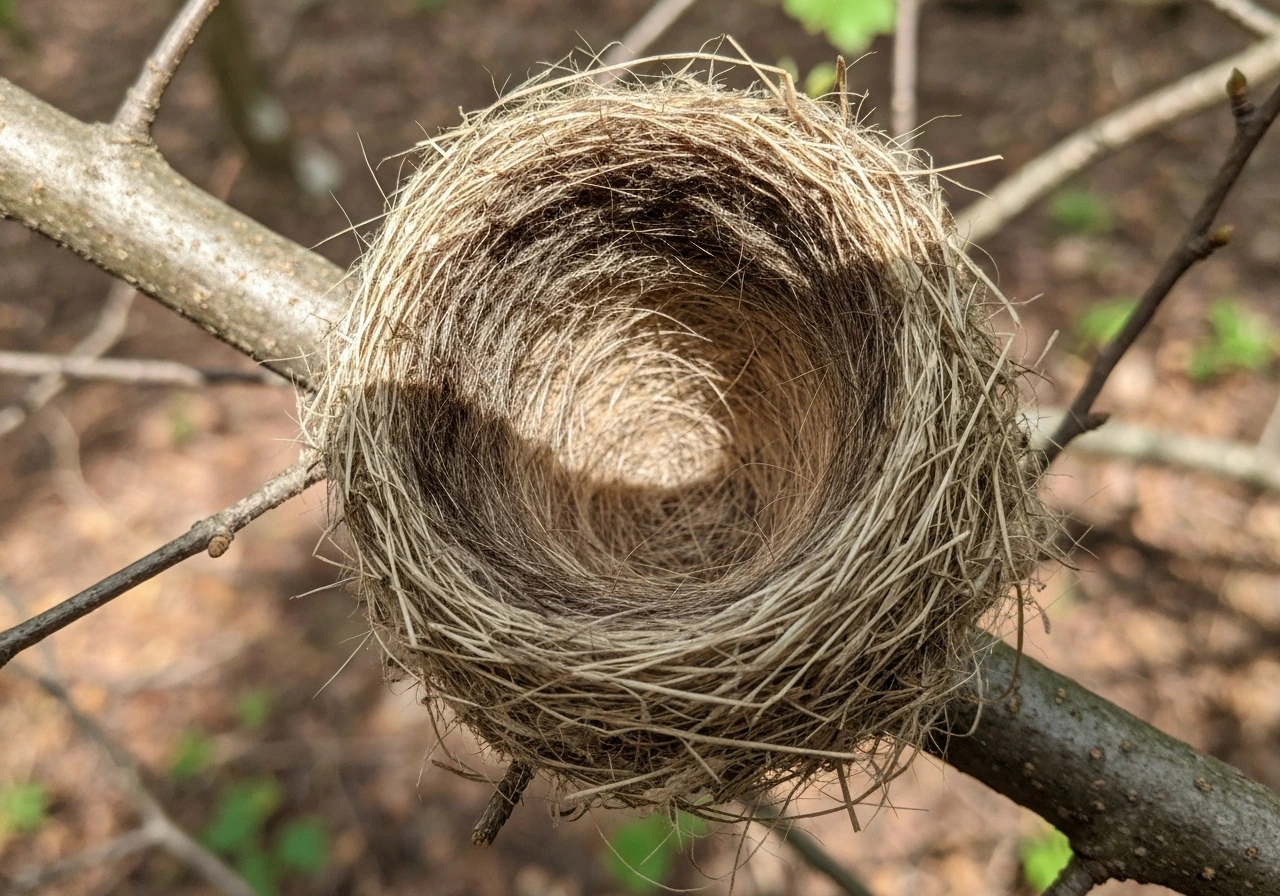
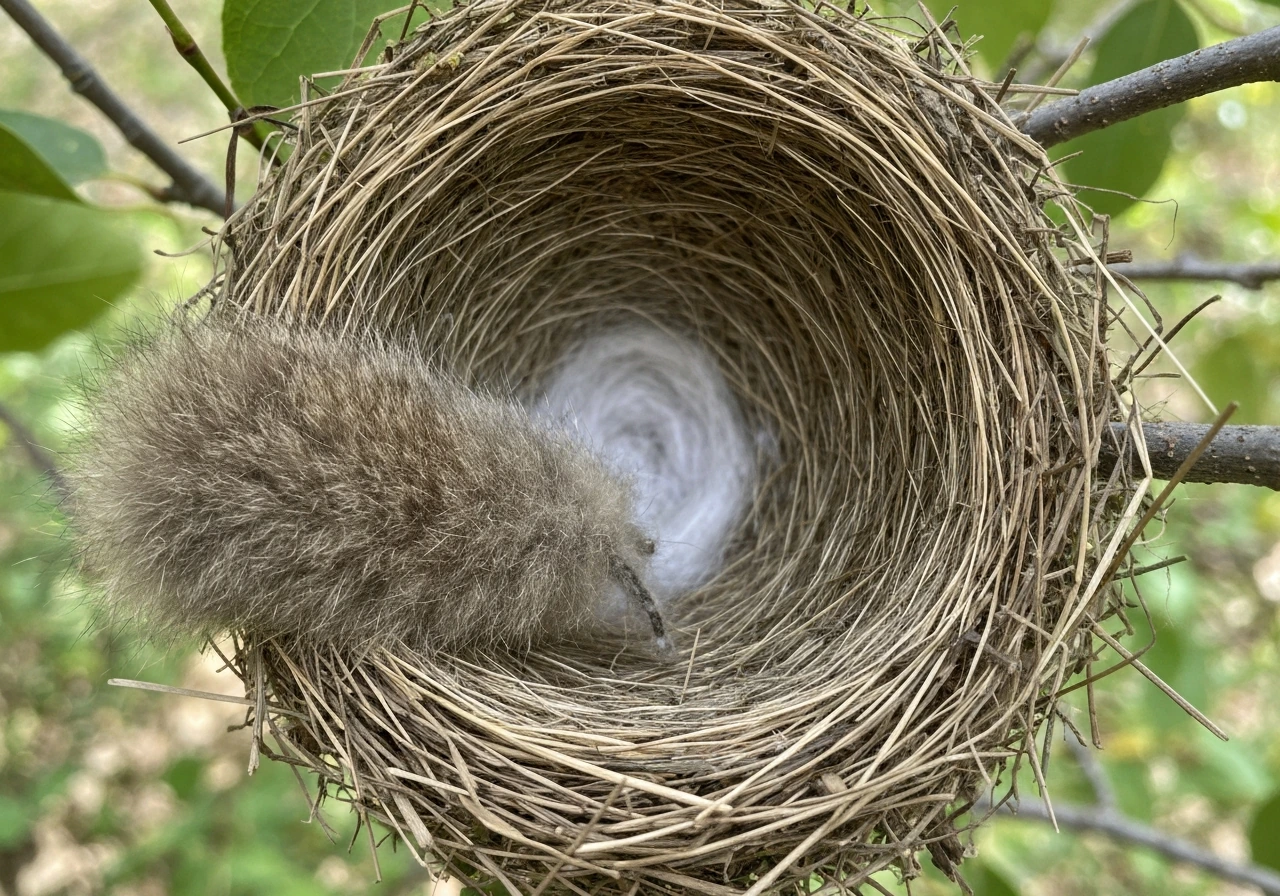
The instinct here is reasonable. Birds line the inner cup of their nests with soft, warm materials to keep eggs and chicks insulated, and fur is soft and warm. Audubon notes that birds naturally incorporate animal fur, feathers, twigs, dried grasses, and even spider silk into their nests depending on what their habitat offers. So in principle, fur fits the profile of a useful nesting material. The problem is the word "naturally." Wild fur that a bird finds in a hedgerow has not been soaked in fipronil or imidacloprid. Your cat's coat very likely has.
There's also a moisture issue. Cat fur, especially the fine, fluffy undercoat that accumulates when you brush a longhaired cat, can absorb and hold water. Cornell Lab's All About Birds specifically flags overly water-absorbent pet fur as something to avoid because wet nest lining is a serious problem: it chills eggs and chicks and creates a breeding ground for mold and bacteria.
The real risks: what's hiding in that fur
Flea and tick treatments are the biggest concern
This is where the evidence is genuinely alarming. A peer-reviewed study published in Environmental Science and Pollution Research found a positive correlation between insecticide concentrations in fur lining bird nests and those same chemicals in unhatched eggs and dead chicks.
The insecticides fipronil and imidacloprid, which are common active ingredients in popular flea treatments, were moving directly from the nest lining into developing birds. A separate research survey found fipronil in every single songbird nest examined where fur lining was present. Both Cornell Lab and Audubon are direct about this: pet hair should only be offered if the pet has not received flea or tick treatments, and even then, you need to be cautious.
So if you are wondering whether bird seed is bad for cats, the bigger takeaway is that anything contaminated by flea or tick chemicals can put pets at risk cat hair should only be offered if the pet has not received flea or tick treatments.
Most indoor and outdoor cats in the U.S. receive some form of parasite prevention, whether that's a monthly topical like Frontline or Revolution, an oral tablet, or a flea collar. If your cat is on any of these, the fur you brush out is contaminated. Full stop.
Parasites and pathogens on the hair itself
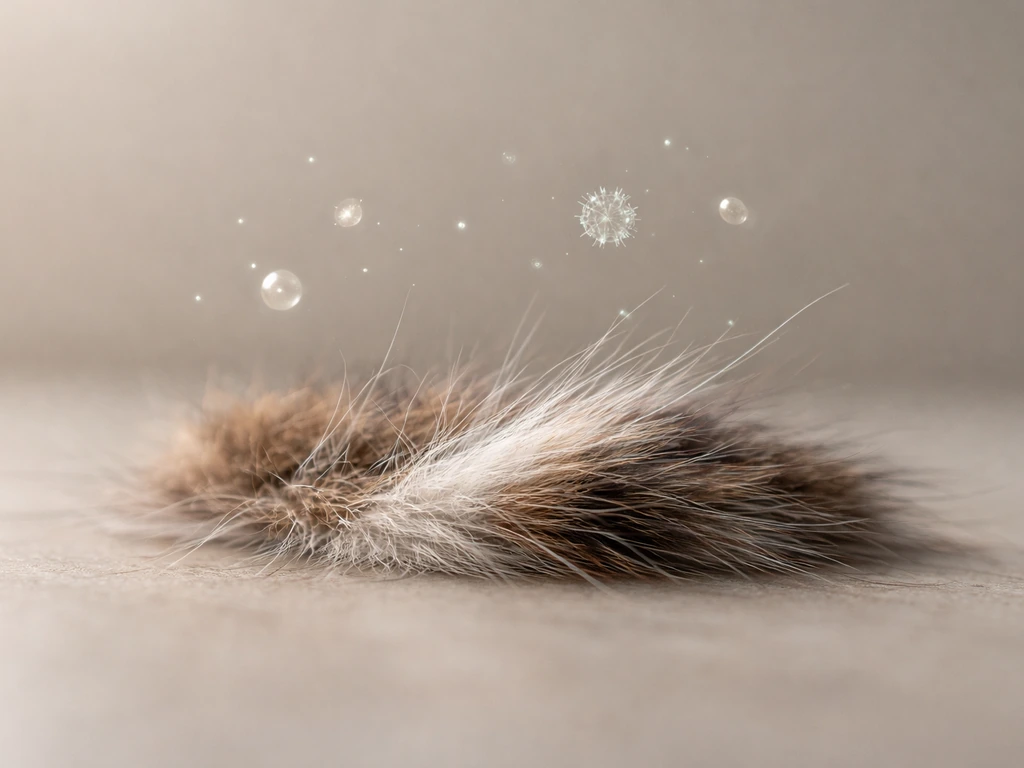
Even without chemical treatments, cat fur can carry live parasites, bacteria, and fungi. Outdoor cats pick up mites, ringworm spores, and other organisms that can transfer to nesting material. Nestlings have undeveloped immune systems, and introducing a new source of biological contamination into an enclosed, warm nest is not a neutral act.
Dander, irritants, and allergens
Cat dander, the microscopic protein particles shed with fur, is the leading source of pet allergies in humans according to the American Lung Association, capable of triggering respiratory symptoms, contact dermatitis, and asthma. While birds experience irritation differently than mammals, fine particles and allergens accumulating in a nest or around a nesting area can still cause irritation to chicks whose airways are developing. And if your cat hair is blowing around near feeders or water sources, you're also adding an allergen load to your own yard environment.
The feeder and seed hygiene angle
If you're already feeding birds and also have cats, the area around your feeder is already a potential hygiene crossroads. The U. S. EPA advises [discarding or replacing old pet bedding](https://www.
epa. gov/pets/controlling-fleas-and-ticks-around-your-home? trk=publicpostreshare-text) and other potentially contaminated materials to break the flea lifecycle around the home. Pet fur and dander can drift into spilled seed, water dishes, and feeder trays, especially in a breeze.
Wet seed mixed with organic debris like hair creates exactly the kind of moist, nutrient-rich environment where bacteria and mold thrive. Minnesota DNR recommends raking up fallen seed hulls regularly because they can harbor bacterial growth, and the same logic applies to other organic material collecting under or near a feeder. Audubon and Project FeederWatch recommend cleaning feeders roughly every two weeks under normal conditions, more often during wet weather.
If you're also leaving cat fur out nearby, you're adding another variable to an already hygiene-sensitive zone. Keep the two things separate: nesting material offerings, if you make them, should be well away from your feeding station.
When to skip intervention entirely and what actually helps
Honestly, the best thing you can do for nesting birds in most cases is leave the process alone. Birds are remarkably good at sourcing their own materials from their environment, and the safest nest is one built entirely from what the bird chose. Putting out materials, even well-intentioned ones, can attract attention to a nesting site, introduce contaminants, or supply materials that the bird uses incorrectly.
If you want to genuinely support nesting birds in your yard, here are the approaches that do the most good without the risks:
- Plant native shrubs and grasses that provide natural nesting material (seed heads, plant fibers, loose bark) and shelter
- Install appropriate nest boxes for cavity-nesting species like chickadees, wrens, or bluebirds, sized and placed correctly for your region
- Reduce pesticide use in your yard so birds can find insects, their primary protein source for chick-rearing
- If you do want to offer nesting material, stick to untreated natural options: short lengths of natural cotton yarn (under 4 inches to avoid entanglement), dried grasses, or small amounts of clean moss
- Keep the fur from treated cats well away from the yard, especially during nesting season (roughly March through August in most of North America)
If cat hair is already in a nest: what to watch for
If you've already put cat fur out and birds have used it, or you've discovered an active nest lined with your cat's fur, the first thing to know is that disturbing an active nest with eggs or live chicks causes its own set of problems. Removal is not automatically the right move. Because of that, it is also important to check whether any nesting plants you offer, like bird nest fern, are toxic to cats before placing them near your pets.
Here's how to assess the situation:
- Do not remove the nest or disturb it if it contains eggs or live chicks. Interfering with active wild bird nests is a federal offense under the Migratory Bird Treaty Act.
- Observe from a distance over the next few days. Watch for normal parental behavior: adults returning regularly to feed chicks, chicks appearing active and alert.
- Watch for warning signs: chicks that are shivering, lethargic, not being fed, or showing any visible distress. Also note if eggs fail to hatch significantly past their expected window.
- If your cat was treated with flea or tick products and the fur was used in a nest with developing eggs or very young chicks, contact a licensed wildlife rehabilitator for guidance. They can advise on whether monitoring is sufficient or if intervention is warranted.
- For emergency contacts, the U.S. Fish & Wildlife Service and your state wildlife agency can direct you to a permitted rehabilitator. Do not attempt to treat or handle the birds yourself.
- Stop providing cat fur immediately, and don't add any other materials to the active nest.
The U.S. Fish & Wildlife Service is clear that leaving wild birds alone is usually the right call unless there are visible signs of injury or distress, such as bleeding, a broken limb, shivering, or a confirmed dead parent. Audubon echoes this: don't assume a bird is abandoned just because you don't see an adult nearby. Parents are often off foraging and will return. Your job at that point is mostly to watch and wait, and to stop adding anything to the nesting area.
Quick comparison: cat hair vs. safer nesting alternatives
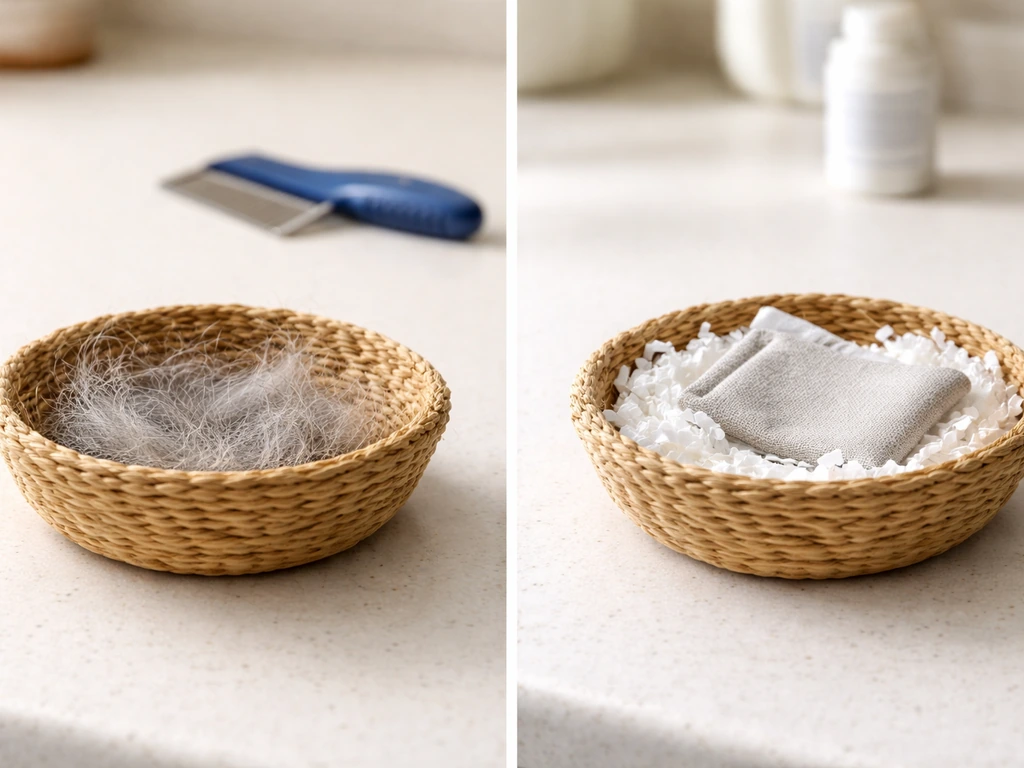
| Material | Insulation value | Chemical risk | Parasite risk | Moisture risk | Recommended? |
|---|---|---|---|---|---|
| Treated cat fur | Moderate | High (fipronil, imidacloprid) | Moderate to high | Moderate to high | No |
| Untreated cat fur | Moderate | Low | Moderate | Moderate to high (fluffy fur) | Use with caution only |
| Dried natural grasses | Moderate | Low if yard is pesticide-free | Low | Low | Yes |
| Clean cotton yarn (under 4 inches) | Low to moderate | None | None | Low | Yes |
| Clean dry moss | Moderate | None | Low | Low if dried | Yes |
| Untreated feathers | High | Low | Low | Low | Yes, in small amounts |
The bottom line: if your cat is on any flea or tick prevention, keep that fur out of the yard entirely during nesting season. Is a white bird plant toxic to cats? It can be, so it is important to keep it out of reach and contact a vet or poison control if you suspect chewing flea or tick prevention.
If your cat has never been treated and you want to offer a small amount of fur, put it in a mesh bag or loose pile away from feeders and water, and skip the fluffy undercoat in favor of coarser guard hairs that won't mat and hold moisture. Better yet, plant natives and put up a nest box, and let the birds handle the interior decorating themselves.
FAQ
If my cat has never had flea or tick medicine, is cat hair still risky to leave out during nesting season?
It is still not ideal. Even untreated fur can carry live parasites, bacteria, or fungi, and fluffy undercoat can hold moisture that chills eggs or promotes mold. If you choose to offer it anyway, use a very small amount, place it far from feeders and water, and avoid anything visibly damp or dirty.
Does a flea collar contaminate the hair, even if I do not apply topical drops?
Yes, pet fur can still become contaminated. Residual chemicals can transfer onto the coat and get shed into the environment. For that reason, treat any form of parasite prevention, including collars, as “contaminated,” and keep shed fur out of nesting areas.
What about deworming or flea treatments that are years old, does old treatment matter?
Recent or current parasite prevention is the bigger concern. The practical rule is to rely on whether the cat has received any flea or tick treatment while it is actively shedding the fur you might leave outside. If you are unsure, assume contamination and do not offer the hair during nesting season.
Can I use cat hair to line a birdhouse or nest box instead of outside “nesting material”?
It is not recommended. Nest boxes create enclosed, warm spaces where moisture, allergens, and contaminants can build up faster. If you want to support nesting, focus on proper nest box placement and safe nesting substrates that the birds source naturally, rather than adding shed fur to the interior.
My birds already started nesting with cat hair. Should I remove it?
Do not automatically remove it. Disturbing an active nest can harm eggs or chicks, and the problem you are trying to fix may be less urgent than the risk of disturbance. First, pause additions, keep people and pets away, and contact a local wildlife rehabilitator if you see distress, bleeding, or a dead or missing parent.
How can I tell if a nest is abandoned so I do not have to worry about disturbing active chicks?
“No adult in sight” usually is not proof of abandonment. Parents often forage away from the nest for long stretches. Look for signs like bleeding, visible injury, shivering, or a confirmed dead parent. If you are uncertain, default to observation and restraint.
Is it okay to remove cat fur from around a feeder or patio if birds are nesting nearby?
Yes. Keeping the feeding station cleaner reduces the chance of mold and bacterial growth from wet seed mixed with organic debris. Raking or vacuuming up hair and seed hulls helps, and frequent feeder cleaning is especially important during wet weather. The key is to reduce contamination without disturbing any active nest.
Can cat dander harm birds directly, or is it mainly a human allergy issue?
Dander is more famous for human allergies, but it can still irritate developing airways through fine particles and accumulation in a confined nest area. If you are seeing excessive hair or debris buildup near a nest site, reduce sources of shedding and keep pets from congregating right by nesting areas.
What is the safest alternative if I want to help birds without adding fur or fur-sourced contaminants?
Let birds source their own nesting material. For yard support, provide bird-safe habitat steps like appropriate nesting box design, placement in sheltered locations, native plants for natural fibers and insects, and reliable water and food that you keep clean. Avoid adding animal hair, dryer lint, or other indoor fibers to outdoor nesting sites.
If I decide to offer cat fur anyway, how do I reduce the moisture and matting problem?
Avoid the fluffy undercoat that tends to mat and absorb water. If there is any visible moisture, dirt, or clumping, do not offer it. Place a tiny amount in a way birds can choose to incorporate or ignore it, and keep it well away from your feeders and water trays.
Next Articles
Is Bird Seed Bad for Cats? Risks and What to Do Now
Is bird seed bad for cats? Learn real risks from mold, dirty seed, additives, and what to do if eaten.
Is White Bird Plant Toxic to Cats? What to Do Now
Learn if white bird plant is toxic to cats, how to identify it, what parts matter, and what to do now.
Is Bird Nest Fern Toxic to Cats? Symptoms and What to Do
Is bird nest fern toxic to cats? Learn symptoms, what to do after chewing, and prevention steps to keep cats safe.