If you accidentally swallowed some Bird Stop, licked your fingers after handling treated seed, or ate seed that was treated with it, you are very likely fine. If you are trying to freeze bird chop or bird seed mixes, the same food-safety thinking about storage and freshness applies Bird Stop. Bird Stop's active ingredient is methyl anthranilate, a food-grade compound derived from concord grapes.
Is Bird Stop Safe to Eat Reddit Answer and Risks

Maya Henderson
7 May 2026
Its LD50 in rats is over 5,000 mg/kg, which puts it in the lowest acute toxicity category. That said, the Safety Data Sheet still classifies it as 'may be harmful if swallowed' and recommends calling a poison control center if you feel unwell. So: rinse your mouth, drink a little water, and call Poison Control (1-800-222-1222 in the US) if you have any symptoms or if you ingested more than a trace amount. Don't just go ask Reddit and wait.
What Bird Stop actually is
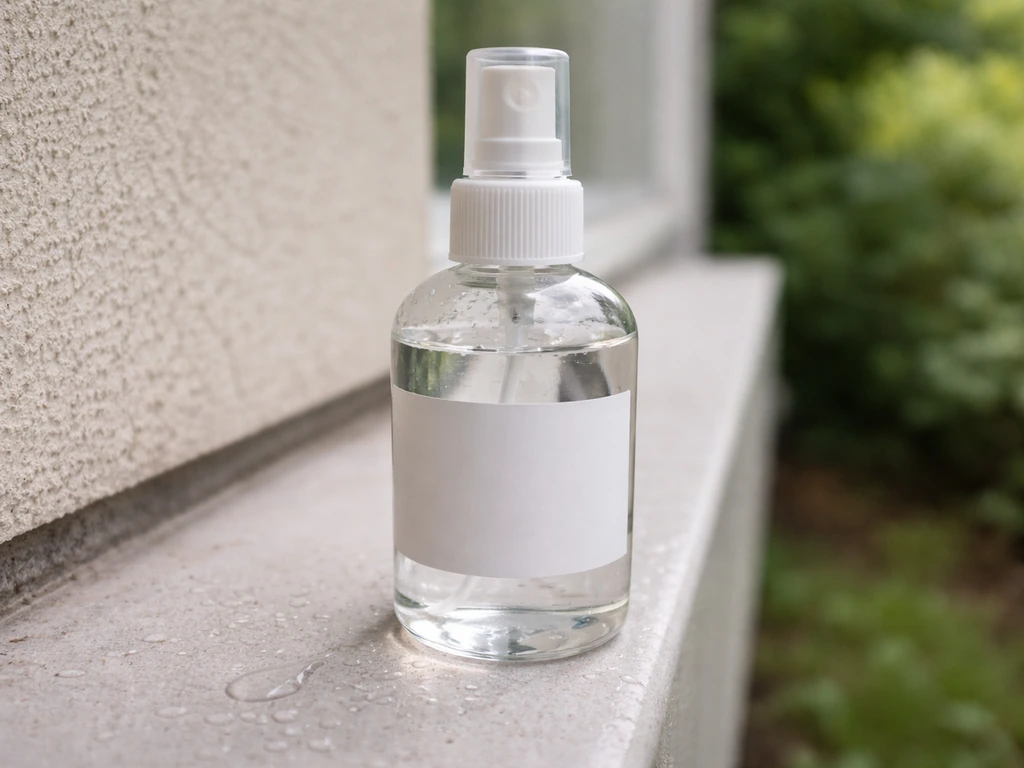
Bird Stop is a liquid bird repellent made by Bird-X. Bird-X markets Bird Stop as a liquid taste aversion and bird repellent, with methyl anthranilate listed as the active ingredient liquid bird repellent made by Bird-X. The active ingredient is methyl anthranilate (CAS 134-20-3), a bitter, grape-scented compound that irritates birds' trigeminal nerve system, making treated surfaces or seed unpalatable to them.
Bird-X markets it as a 'food-grade taste aversion agent' and the product brochure literally says 'Is it safe? YES. ' It is sprayed or painted onto grass, turf, structures, vegetation, and even directly onto fruits and vegetables at diluted ratios (as low as 99:1 for produce). It is not a poison, it is not a pesticide in the traditional sense, and it is not something that is intentionally fed to people.
It is a deterrent applied to environments and surfaces to keep birds away.
It is worth noting that some people searching 'is bird stop safe to eat' are thinking about seed blends or feeder products with 'bird stop' in the name rather than the Bird-X repellent. The principles here cover both angles: the Bird-X repellent product specifically, and the broader question of whether bird seed or treated bird food is safe for humans to eat.
Is Bird Stop safe for humans to eat or taste?
For the Bird-X repellent product specifically: methyl anthranilate has very low acute toxicity, which is why it is approved for use directly on food crops. At the same time, the official Safety Data Sheet (SDS) classifies it under Acute Toxicity Category 5 (the mildest category) for oral, dermal, and inhalation exposure, and includes hazard statements H303 (may be harmful if swallowed), H313 (may be harmful in contact with skin), H315 (skin irritation), H320 (eye irritation), and H333 (may be harmful if inhaled). So it sits in a middle zone: not acutely dangerous in small amounts, but not something you should drink or eat intentionally, and not something the manufacturer designed for human consumption. If you are deciding whether to eat treated bird seed anyway, the safest assumption is that you should not intentionally consume Bird Stop.
If you are asking because you ate bird seed that birds refused to touch, and you suspect it may have been treated with something like Bird Stop, the same logic applies: a residual trace from diluted application on seed or vegetation is unlikely to cause serious harm in small amounts, but it is still worth checking in with Poison Control if you consumed a meaningful quantity or if you feel off afterward.
The honest bottom line is that Bird Stop is not food, and eating bird food meant for birds is generally not a good idea regardless of whether it has been treated. The repellent itself is the least of your worries compared to other contamination risks covered below.
The real risks: mold, pests, bacteria, and chemical residue
When someone eats bird seed or treated bird food, methyl anthranilate is actually lower on the risk list than the contamination hazards that come with seed that has been sitting in a feeder or stored improperly. A CDC Emerging Infectious Diseases report linked Salmonella outbreaks in wild songbirds to feeder type and soiled feeder surfaces, underscoring the importance of keeping feeders and birdbaths from becoming sources of infection blank" rel="noopener noreferrer">feeder or stored improperly. Here is what you actually need to think about.
Mold and mycotoxins
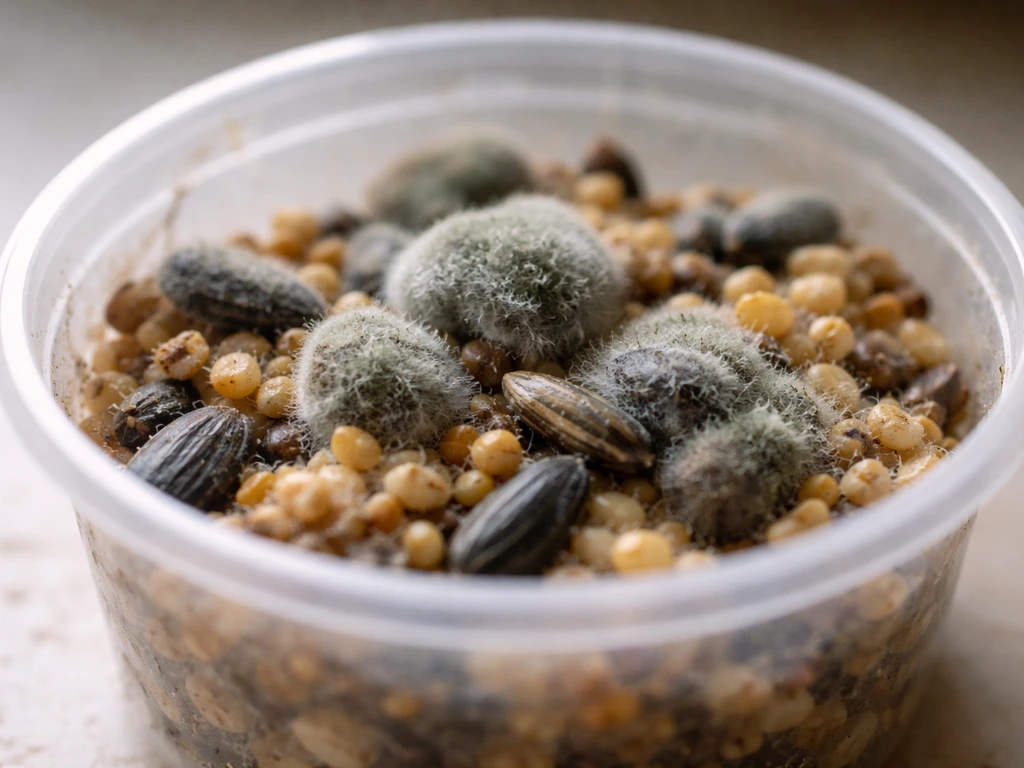
Bird seed, especially mixes containing corn, peanuts, or sunflower seeds, can develop mold under warm or moist conditions. Some of those molds, particularly Aspergillus flavus, produce aflatoxins, which are invisible to the eye even when visible mold is present. The Oklahoma State University Extension warns explicitly to discard any grain that is clumping, moldy, or contains insects. The FDA has linked aflatoxin exposure to gastrointestinal symptoms and more serious health effects at higher doses. If the seed you tasted looked or smelled off, or was clumped and damp, that is the contamination to take seriously.
Salmonella from feeder contact
The CDC has connected wild bird feeders and bird baths to Salmonella outbreaks. Wild birds can carry Salmonella, and their droppings contaminate feeder surfaces and seed. If you handled seed from a feeder and then touched your mouth, or tasted seed that birds had already been visiting, that is a real exposure risk. Symptoms of Salmonella include diarrhea, stomach cramps, and fever starting 6 hours to 6 days after exposure. Wash your hands thoroughly with soap and water any time you handle feeders or bird seed.
Insects and pests in stored seed
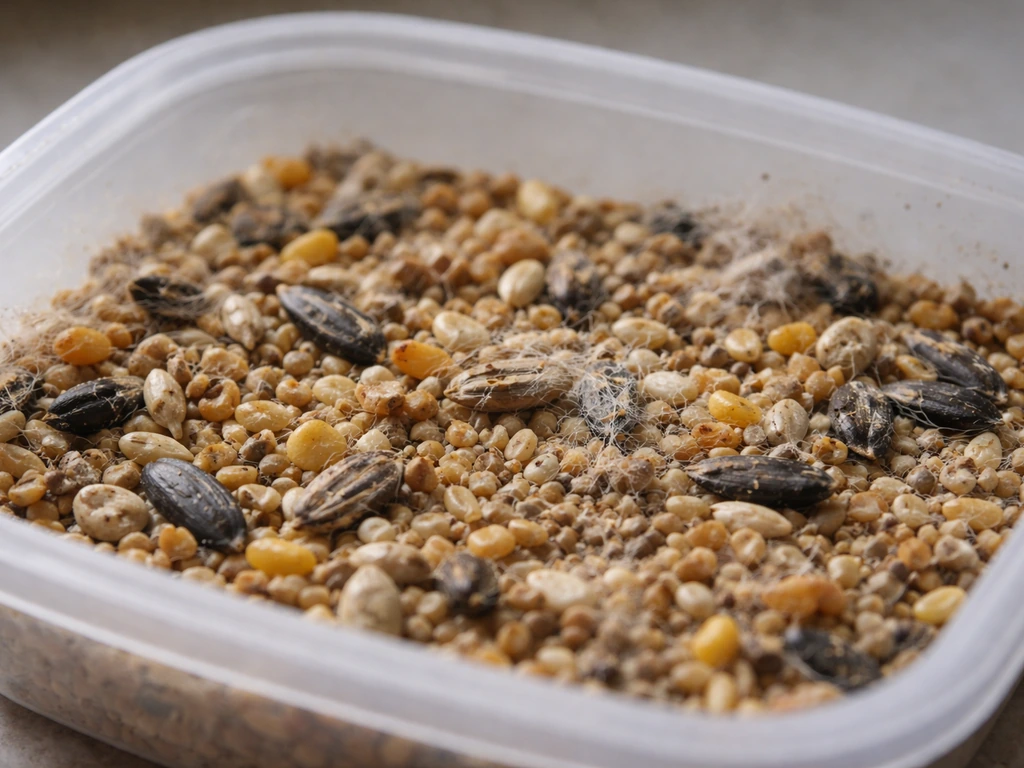
Old or improperly stored bird seed is a common breeding ground for weevils and grain moths. While eating a bug by accident is not a medical emergency, it is a sign the seed has been stored too long and may have other quality issues, including the mold risk described above. Any seed with visible insects should be thrown out.
Chemical residue from Bird Stop or other repellents
If the seed or surface was treated with Bird Stop at label-recommended dilutions (for example, 99:1 for produce or 30:1 for turf), the methyl anthranilate concentration in what you tasted is very low. The SDS does note irritation potential for the undiluted product on skin and eyes. A small accidental taste of diluted residue is unlikely to cause serious harm based on the toxicology data, but rinsing your mouth and calling Poison Control is still the right move if you ingested any significant amount of the concentrate.
Pet and wildlife safety around Bird Stop and treated seed
The SDS explicitly warns to keep Bird Stop out of reach of pets and domestic animals, and to store it where children cannot access it. If your dog or cat got into treated seed or licked a treated surface, the same low acute toxicity profile applies, but the irritation effects are still real. Methyl anthranilate is actually used in some commercial cat and dog repellents for the same reason it bothers birds: it irritates mucous membranes.
For wildlife around your feeder, like squirrels, raccoons, or deer that might nibble treated seed or grass, the low toxicity profile again applies. But there is a secondary concern: if Bird Stop is sprayed heavily on seed and wildlife eats that seed, it could discourage foraging in that area, which may be intentional but worth being aware of. The bigger wildlife hazard, as with humans, is mold. The OSU Extension's research on aflatoxin in wildlife feed found that contaminated grain is a meaningful cause of illness and death in birds and mammals, including deer and other backyard visitors. Keeping feeders clean and seed fresh protects everyone, not just the target birds.
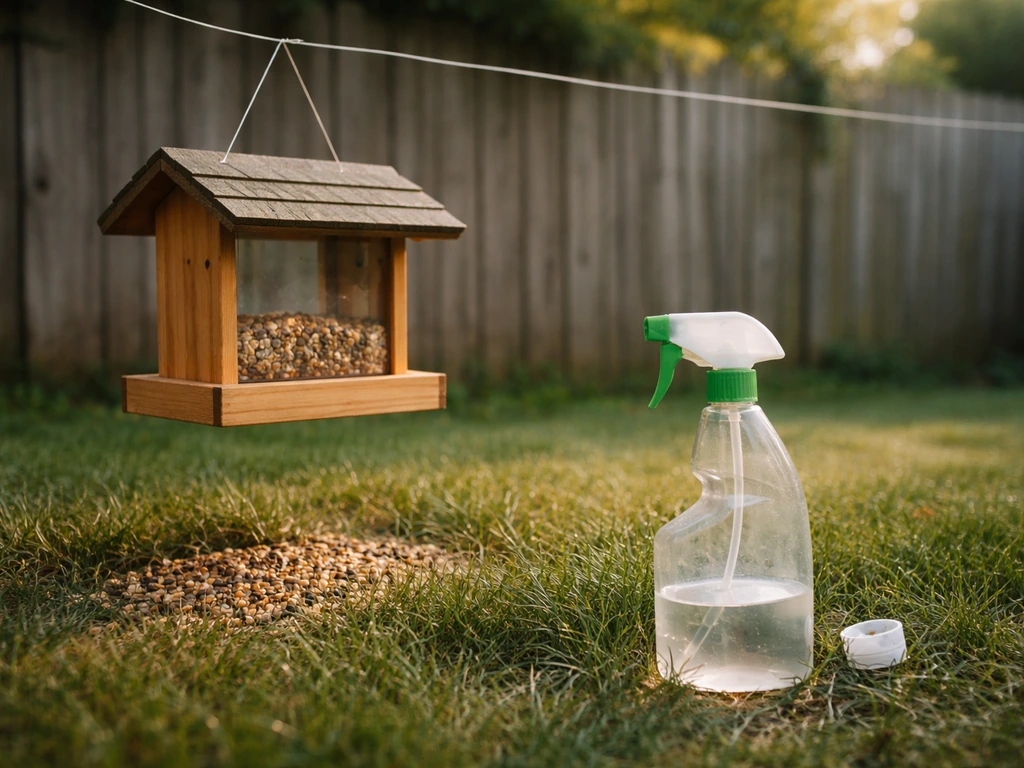
If you use Bird Stop near a feeder to deter pest species, make sure pets cannot access the treated area until it dries, and keep the treatment away from the seed supply itself unless you are intentionally discouraging birds from that food source.
How to use Bird Stop safely on feeders and around the yard
If you are using Bird Stop as a deterrent product, following the label directions precisely matters both for effectiveness and for minimizing any risk to yourself, pets, and other wildlife. Here is what the SDS and product specs indicate.
- Wear protective gloves, eye protection, and appropriate clothing when handling the concentrate. The SDS (precaution P280) is clear on this.
- Dilute correctly for your use case: 1:1 with water for structures, 30:1 for turf/geese deterrence, 99:1 for fruits and vegetables (except wine grapes).
- Apply by spraying or painting onto the target surface. Do not mix into bird seed intended for feeding.
- Store in a cool, dry place, away from freezing temperatures, and completely out of reach of children and pets.
- After handling, wash hands, face, and any exposed skin thoroughly before eating, drinking, or touching your face.
- Follow SDS precautions even after the container is empty, because residue remains in the container.
- Clean bird feeders monthly at minimum (weekly if visibly dirty) with a 9: 1 water-to-bleach solution, soak for at least 10 minutes, rinse, and let dry completely before refilling.
What to do right now if you already ate some
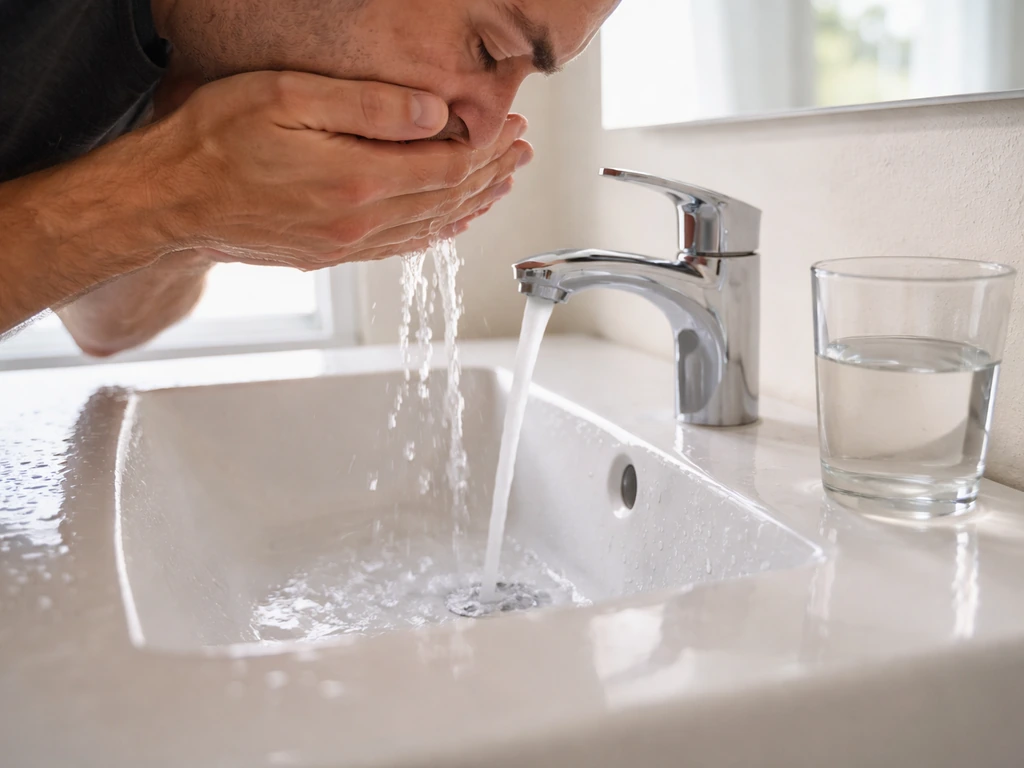
The SDS first-aid section for ingestion is specific, and it is worth following it directly rather than guessing. Here is exactly what to do.
- Rinse your mouth out with water immediately.
- If you are conscious and able to swallow, drink small sips of water.
- Do NOT induce vomiting unless a poison control center or doctor explicitly tells you to.
- Call Poison Control right away if you feel unwell, if you swallowed more than a trace amount, or if you ingested the concentrate rather than a diluted spray. In the US: 1-800-222-1222.
- If you have eye contact with the liquid, flush with clean water for at least 20 minutes.
- If you have skin contact, rinse the area thoroughly and wash any contaminated clothing before wearing it again.
- If you develop symptoms like nausea, vomiting, stomach pain, or diarrhea after eating bird seed (even without Bird Stop treatment), seek medical attention, because Salmonella or mycotoxin exposure is a realistic possibility.
- Go to an emergency room or call 911 if symptoms are severe, including difficulty breathing, severe abdominal pain, or you ingested a large amount of the undiluted product.
If you are reading this because someone else ate it, especially a child, call Poison Control immediately and do not wait for symptoms. The SDS is explicit: 'Get medical attention immediately' for ingestion, not 'wait and see.'
Safer alternatives and keeping things clean going forward
The single best thing you can do to reduce all of these risks at once is keep your bird seed fresh and your feeders clean. Moldy, old, or insect-infested seed is the hazard that causes the most real-world problems for both humans and wildlife. Here is a practical prevention routine.
- Buy seed in smaller quantities so you use it within a few weeks rather than storing it for months.
- Store seed in a sealed, airtight container in a cool, dry location. Avoid garages that get humid in summer.
- Inspect seed before filling the feeder. If it clumps, smells musty, or has visible insects or mold, throw it out. Do not try to pick out the bad parts.
- Clean feeders at least once a month with a diluted bleach solution (1 part bleach to 9 parts water), soak for 10 minutes, rinse completely, and let dry fully before adding fresh seed.
- Wash your hands with soap and water every time you handle feeders, seed, or anything near the feeder area.
- Keep pets away from feeder areas and from fallen seed on the ground, where contamination concentrates.
- If you want to deter specific pest birds without a chemical repellent, consider physical deterrents like baffles, caged feeders, or switching to seed types that target species are less interested in.
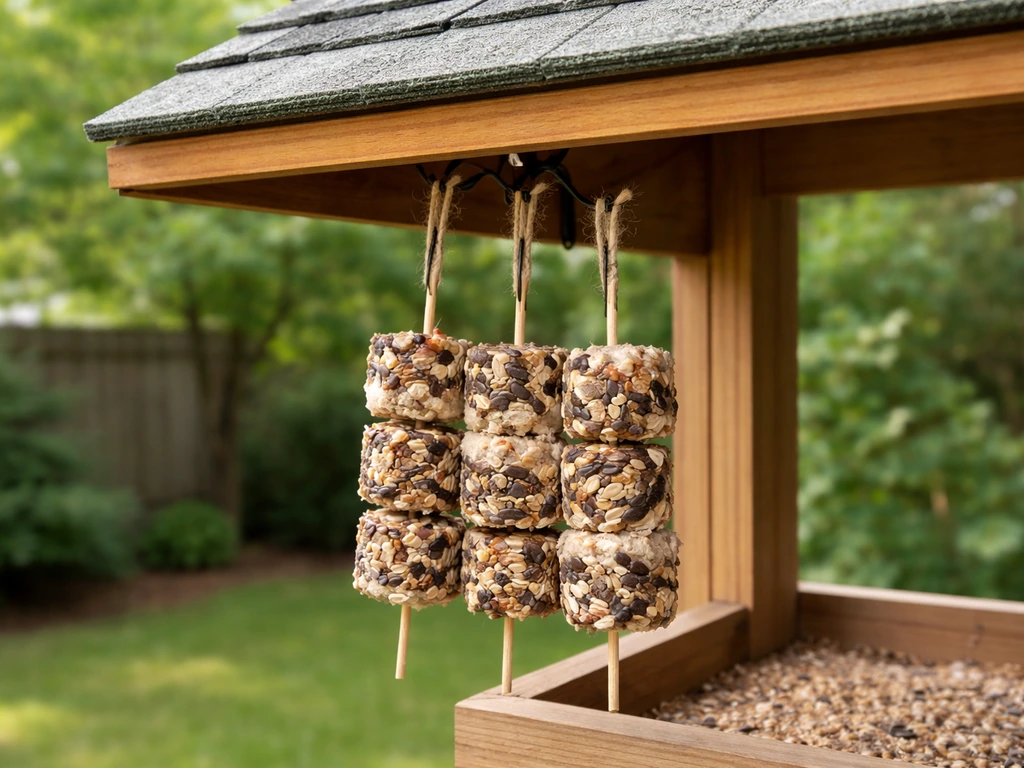
If you have been wondering about related safety questions, the same evidence-based thinking applies to other bird-related products. Whether you are looking at bird kabobs, bird chop, or even bird diapers for pet birds, the core principle is the same: manufacturer guidelines and food safety basics matter more than casual assumptions. Because bird kabobs are still food, hygiene and contamination risks like mold or bacteria matter more than the repellent itself. If you are using bird diapers or any other bird-related product for a pet bird, follow the manufacturer instructions and keep hygiene consistent to reduce contamination risks. For wild bird feeding specifically, hygiene around the feeder is the lever that controls most of the real risk.
| Risk | How serious is it? | What to do |
|---|---|---|
| Trace Bird Stop (methyl anthranilate) ingestion | Low acute toxicity; irritation possible | Rinse mouth, drink water, call Poison Control if unwell |
| Concentrated Bird Stop ingestion | Moderate concern; Category 5 oral toxicity | Call Poison Control immediately; do not induce vomiting |
| Moldy or clumped bird seed | High; possible mycotoxin/aflatoxin exposure | Discard seed; seek medical advice if symptomatic |
| Salmonella from feeder contact | Moderate; real documented outbreak risk | Wash hands; see a doctor if GI symptoms develop |
| Insects in seed | Low health risk; sign of spoilage | Discard seed; review storage conditions |
| Pet or wildlife contact with treated seed | Low at label dilutions; irritation possible | Keep pets away from fresh applications; monitor for symptoms |
FAQ
If I tasted bird seed that might have been treated with Bird Stop, when should I call Poison Control?
If the concern is accidental contact with treated bird seed, the main decision is how much was actually eaten (trace taste versus a mouthful, and whether it included the undiluted concentrate). Rinse your mouth and take small sips of water, then call Poison Control right away if more than a trace amount was swallowed, if the person is a child, or if there are symptoms. Waiting for symptoms is not recommended when ingestion is more than minimal.
Can I eat fruit or vegetables after Bird Stop was used on them?
Bird Stop residue on produce is typically applied at high dilution, but “safe to eat” does not mean “intentionally eat treated surfaces.” If you are preparing food and you suspect it was treated, wash the produce thoroughly with running water (and follow any label-specific washing guidance). If you know the product was used on the food crop and you followed the directions, the likelihood of harm from incidental residue is low, but you should not eat it like it is an ingredient.
What should I do if Bird Stop gets in my eyes or on my skin?
Yes, the product can irritate eyes, skin, and mucous membranes, even if acute toxicity is low. If it gets in your eyes, flush with clean running water for about 15 minutes and remove contact lenses if easy to do. If you experience ongoing burning or redness, get medical advice. For skin, wash with soap and water and avoid re-exposure until the area is fully cleaned.
Is Bird Stop safe if a dog or cat licks treated grass or seed?
For pets, the bigger practical risk is still irritation plus contamination from poor seed hygiene, not systemic poisoning. If a dog or cat licks treated surfaces or chews treated seed, keep them from further access, rinse any fur that contacted the product, and watch for drooling, pawing at the mouth, vomiting, or diarrhea. Contact your veterinarian or Poison Control for animals promptly if ingestion seems more than trace.
What if the label says “bird stop” but it is a different brand or active ingredient than Bird-X?
If “bird stop” refers to a different product sold with similar naming, the safety answer can change because active ingredients and label dilution rates may differ. Check the active ingredient on the bottle, not just the name, and follow that product’s Safety Data Sheet or ingestion instructions. If you cannot confirm which product it was, treat it as potentially irritating and call Poison Control.
Does the risk change depending on how heavily the seed was treated?
The label dilution matters because it strongly affects concentration on what you might eat. If treated seed was handled or stored in a way that increases exposure (for example, heavy spraying directly into a seed container or concentrated pooling on the surface), irritation risk goes up even if the ingredient is low toxicity overall. If you used the label directions and the seed looked evenly treated, risk from residue is lower; if you see wet concentrate or sticky buildup, do not consume it.
What is the bigger risk, Bird Stop or moldy bird seed?
If the seed was not fresh, the contamination hazards (mold and insects) can be the dominant concern regardless of Bird Stop. Discard any seed that is clumped, moldy, smells “off,” has visible insects, or has been sitting out in warm, moist conditions. If your only issue was a tiny taste of residue from fresh seed, that is usually less concerning than eating spoiled seed.
How can I reduce harm to other wildlife if I use Bird Stop near my feeder?
For wildlife, the discouragement effect can be immediate, but the quality problem (moldy seed) can still spread and harm animals. Keep feeders clean, remove wet or clumped seed quickly, and store seed cool and dry to reduce mold and aflatoxin risk. If you are using Bird Stop near a feeder, prevent access until it dries, and avoid contaminating the seed supply unless your goal is to deter birds from that food.
What symptoms mean “don’t watch it at home” after swallowing Bird Stop residue?
If it was a child or if the person swallowed more than a small lick or bite, call immediately rather than monitoring at home. Also call right away if the person has symptoms such as persistent coughing, vomiting, eye pain, severe stomach pain, or unusual sleepiness. Basic first aid (rinsing mouth, small sips of water) can be done while you contact Poison Control.
Next Article
Are Bird Kabobs Safe? Rules to Prevent Poisoning and Spoilage
Yes with rules. Learn safe bird kabobs ingredients, spoilage and mold prevention, placement, pet cleanup, and when to st