Bird diapers can be safe for pet birds when they fit correctly, get changed on schedule, and are removed at night to let the vent area breathe. They are not universally safe, though. A poor fit, a soiled liner left on too long, or using one on a bird with a history of vent infections can quickly turn a convenience product into a health hazard. Here is what you need to know before putting one on your bird.
Are Bird Diapers Safe? Fit, Risks, and Safe Use Tips

Maya Henderson
18 Apr 2026
What bird diapers are and who actually uses them
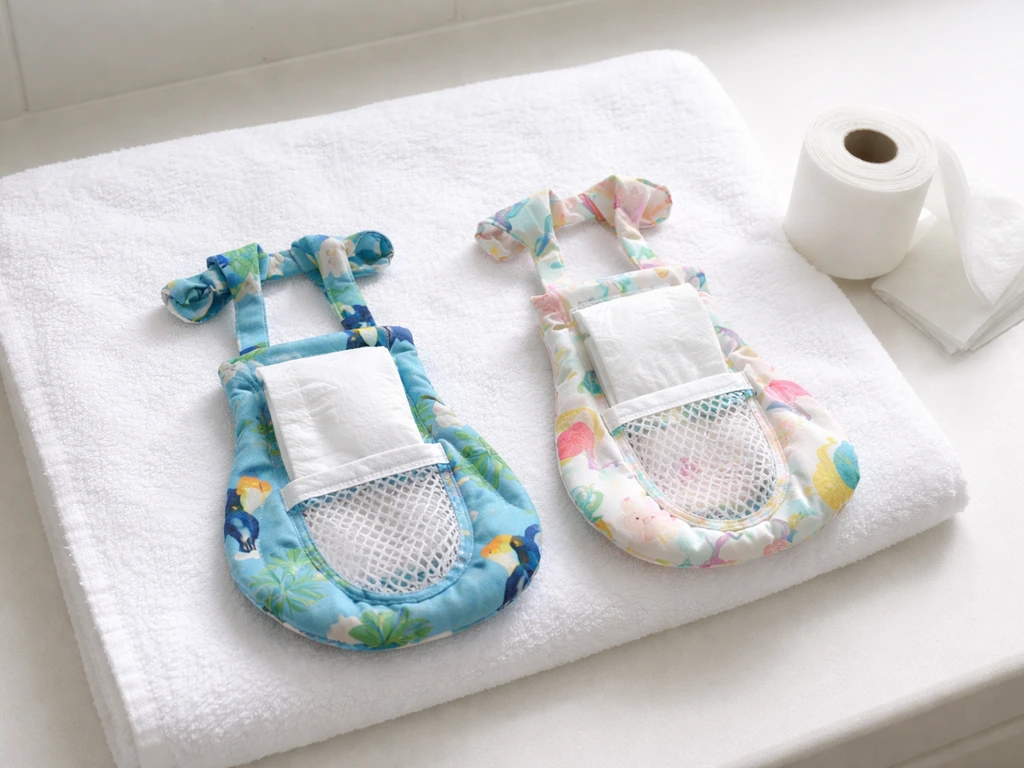
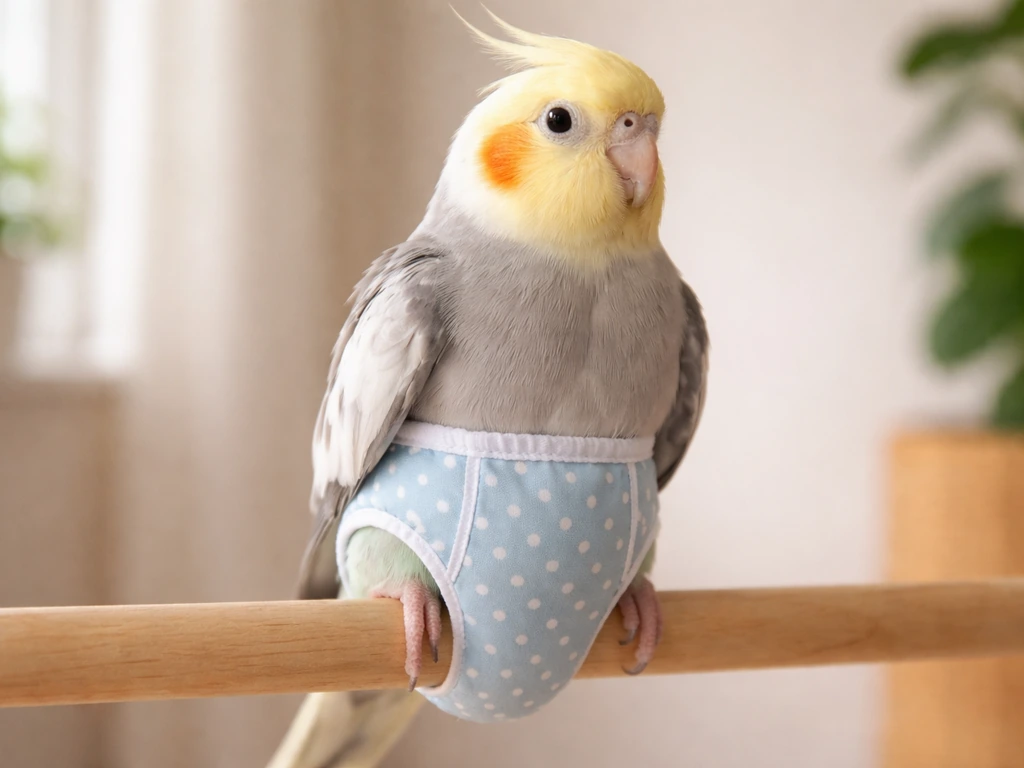
The term 'bird diaper' most commonly refers to a lightweight, washable garment that fits around a bird's body and includes a small pouch at the back where a disposable liner sits to catch droppings. The most recognized design in the companion-bird market is Avian Fashions' FlightSuit, which the company describes as a soft, stretchy, breathable, and reusable pet bird diaper. Most designs use a hook-and-loop (Velcro-style) fastener to secure the garment without needing to tie knots near feathers. Larger-bird versions, like the Hen Holster waterfowl diaper, use removable liners inside a reusable outer cover and are built for the different body shape of ducks or geese.
People who use them typically fall into a few categories: companion-parrot owners who want their bird to fly free around the house without cleaning up every surface; rescue volunteers managing injured or medicated birds that need close human contact; and backyard poultry keepers who bring a bird indoors temporarily. They are a niche product, but a genuinely useful one in the right situation. The key phrase there is 'right situation.'
The real safety picture: risks, red flags, and who should skip them entirely
A diaper is only as safe as how it is used. The risks are specific and manageable if you know what to watch for.
Who should not use bird diapers at all
This is non-negotiable: if your bird has a history of vent or intestinal infections, do not use a bird diaper of any sort. This comes directly from bird-diaper hygiene guidance, and the reasoning is straightforward. Covering the vent area traps moisture and warmth, which creates exactly the conditions a lingering bacterial or fungal issue needs to flare up or reinfect. A bird that has had cloacal or gastrointestinal problems needs the opposite of a warm, moist covering over that area.
Key risks for all other birds
- Skin irritation and vent dermatitis: Prolonged contact with wet, soiled material at the vent area causes the same skin breakdown seen with any diaper rash. The mechanism is simple: moisture plus friction plus organic waste equals irritated skin, fast.
- Circulation and movement restriction: A diaper that is too tight around the wings, legs, or torso can restrict blood flow or limit natural movement. This is especially dangerous because birds hide discomfort, so you may not notice until real injury has occurred.
- Overheating: Birds regulate body temperature partly through their feathers and skin. A garment that traps heat, especially one that is slightly too snug, can cause overheating in warm environments.
- Feather snag and entanglement: Hook-and-loop fasteners are the most common attachment method. Any exposed hook surface that catches feathers during preening can cause feather damage or panic and injury if the bird thrashes.
- Behavioral stress: Some birds simply do not tolerate wearing anything. Chronic stress suppresses immune function and can make birds more vulnerable to the very infections diapers might worsen.
- Nighttime hazard: The vent needs time to air out. Leaving a diaper on overnight keeps the vent area covered for hours with no monitoring, which increases all of the above risks simultaneously.
Choosing the right size and material
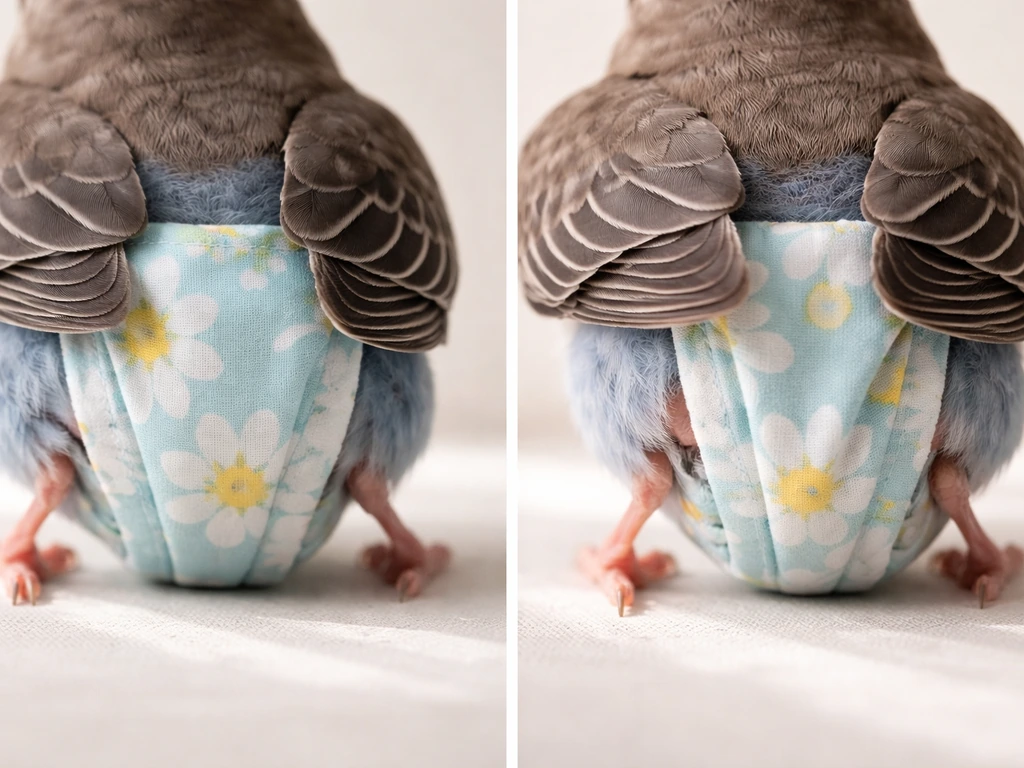
Fit is everything. A diaper that is too loose will shift, expose the vent, or tangle in the bird's legs. One that is too tight is immediately dangerous. Most commercial brands size by species (for example, cockatiel, African grey, macaw), which is a reasonable starting point, but individual birds within a species vary, so always check fit manually after putting it on.
- Check wing clearance first: The garment should not press the wings against the body or restrict the bird from lifting its wings to a natural resting position.
- Slide two fingers under the body wrap: If you cannot fit two fingers between the garment and the bird's keel (breastbone), it is too tight.
- Confirm vent pouch alignment: The liner pouch should sit directly behind the vent without pressing into it. The vent itself should not be covered by hard seams or adhesive surfaces.
- Check leg and toe clearance: Straps or lower edges must clear the legs completely. The Peafowl Database specifically flags strap placement and tension as a fit issue that can cramp or catch toes in larger birds.
- Look for any exposed hook material: Run your fingers over every fastener surface. Any exposed hook material near feathers is a snag risk and needs to be tucked or covered.
For material, prioritize soft, stretchy, breathable fabric with no rough interior seams. Avoid anything with stiff structure near the vent or keel. If a bird wears a diaper in warm weather or in a heated indoor space, check for overheating signs within the first 20 to 30 minutes of each use.
Hygiene: how often to change, how to clean, and how to keep it safe
The liner is your primary hygiene tool. In the most practical approach, you change the liner frequently while the outer garment (the reusable cover) gets laundered separately on a regular cycle. Some experienced keepers cut thin panty liners or sanitary pads to fit the pouch, which lets you swap the soiled pad without removing the whole garment each time. This is a smart method because it reduces how often you stress the bird by taking the diaper on and off.
How often you change the liner depends on the bird's dropping frequency and consistency. Larger, wetter droppings from a bird on a high-moisture diet need more frequent changes than compact, dry droppings. A general rule: never let a soiled liner sit against the vent area for more than an hour or two during active use. If you are unsure, check more often rather than less.
When you do remove a soiled liner or garment, do it carefully to avoid aerosolizing dried droppings. This matters beyond basic cleanliness: droppings from birds can carry pathogens including avian influenza strains, and the CDC identifies inhalation as a transmission route for avian influenza A viruses. Wet the soiled material slightly before removing it if it has dried, fold it inward as you remove it, wash your hands immediately, and launder the reusable garment at an appropriate temperature per the manufacturer's instructions.
| Hygiene Task | Frequency | Key Note |
|---|---|---|
| Change liner | Every 1 to 2 hours during use, or sooner if soiled | Never leave wet material against the vent |
| Inspect vent area | Every liner change | Look for redness, swelling, or discharge |
| Launder outer garment | Daily or every other day depending on soiling | Follow product care instructions; machine wash is standard for most cloth designs |
| Remove diaper entirely (night) | Every night without exception | Vent needs to air out; never leave on overnight |
| Full vent and skin check | Daily | Part of your regular bird health check, not just a diaper check |
Monitoring your bird's health and stress while using a diaper
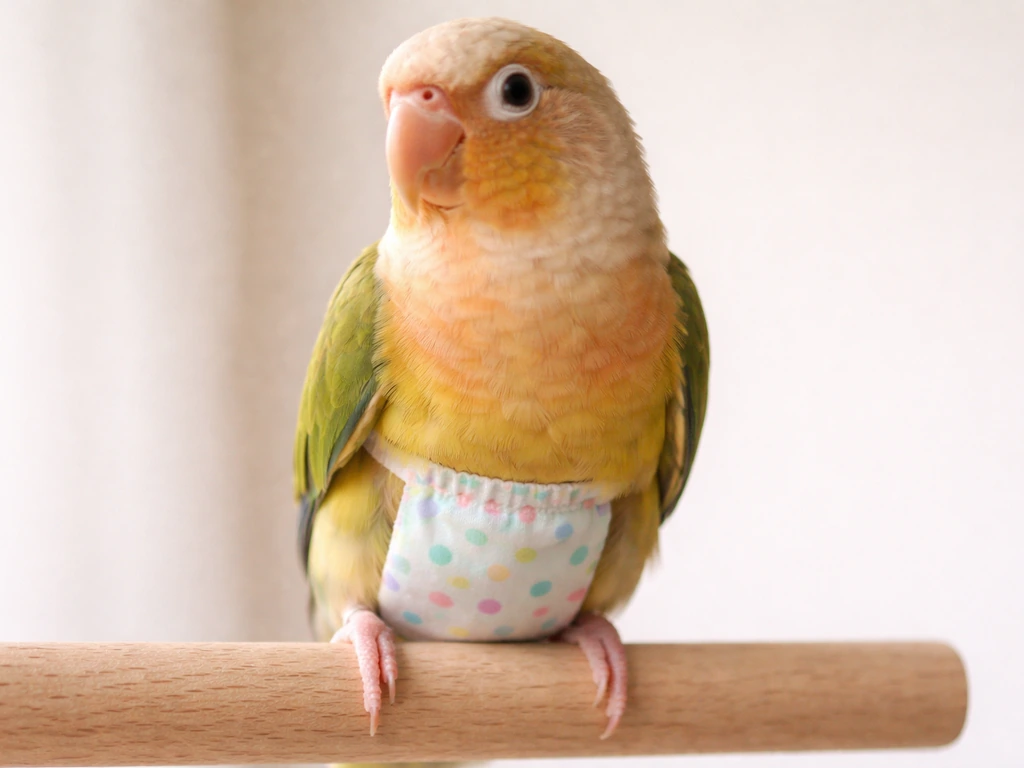
A bird that is tolerating its diaper well will behave normally: foraging, vocalizing at its usual level, preening (the areas it can reach), and holding a normal posture. Any deviation from that baseline is a signal to take the diaper off and assess. For more detail on whether bird kabobs are safe, check the specific food-safety guidance for treats made with birds bird kabobs safe.
Stop use immediately and contact an avian vet if you see any of the following: Bird droppings and diaper liners should not be treated as edible, even if they look clean bird droppings and diaper liners should not be edible.
- Redness, swelling, or discharge at or around the vent
- The bird constantly picking at or trying to remove the diaper, beyond initial curiosity
- Fluffed feathers, lethargy, or sitting on the cage floor (these are systemic distress signs, not just diaper discomfort)
- Abnormal droppings persisting beyond one day: unusual color, consistency, or odor
- Weight loss, reduced appetite, or vomiting/regurgitation
- Any sign of restricted circulation: cool extremities, unusual leg posture, or reluctance to perch
When starting diaper use for the first time, keep your first sessions short, 15 to 30 minutes maximum, with you present the entire time. Watch how the bird moves, check whether the garment shifts position, and inspect the vent area as soon as you remove it. Extend wear time gradually only if the bird shows no stress or physical signs after several sessions.
How diapers interact with pet safety and shared spaces
If you have other pets in the home, particularly cats or dogs, a diapered bird moving freely around the house still faces predation risk from those animals. A diaper does not change that dynamic at all. Keep supervised separation protocols in place regardless of whether the bird is diapered.
From a disease-containment standpoint, diapers do reduce droppings landing on shared surfaces, which is a genuine benefit when it comes to limiting fecal contamination of areas that other pets or people touch. USDA also notes that contact with infected fecal material is among the most common routes for bird-to-bird spread blank" rel="noopener noreferrer">droppings landing on shared surfaces. Bird droppings can carry Salmonella, Campylobacter, and other pathogens, and anything that contains droppings rather than spreading them across floors and furniture reduces that exposure. However, diapers are not a substitute for handwashing after handling your bird, regular cleaning of perches and play areas, and prompt safe disposal of soiled liners. You should not let a bird eat from a diaper liner or any soiled materials, since they are not designed to be edible. Do not let your bird eat from a diaper liner, and if you are wondering is bird stop safe to eat, use the same caution and confirm with bird-safe guidance before offering any human products near droppings. If you are wondering whether diaper liners or similar products are safe to eat, online discussions like this can help you avoid risky advice and focus on bird-safe guidance is bird stop safe to eat reddit.
If you are also managing feeding stations or using bird-safe products around the home, the same hygiene principles apply: keep food, feeders, and feeding areas separate from areas where you handle, change, or launder diaper materials. Droppings from indoor birds and droppings from wild birds at outdoor feeders represent different contamination pathways, but both warrant the same basic handwashing and surface-cleaning habits.
Alternatives to diapers and when an avian vet is the right call
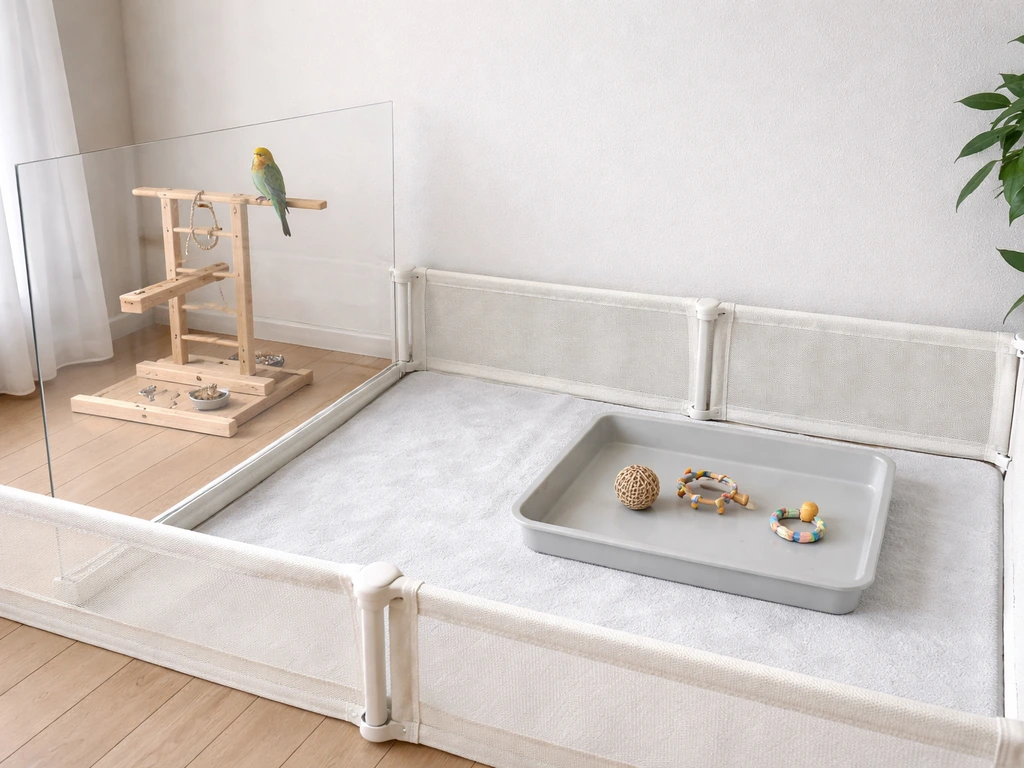
Diapers are one solution for mess management, but they are not always the best one. Depending on your situation, one of these alternatives may work better with less risk: When you are choosing alternatives, you can also look up whether freezing bird chop is appropriate for storage and food-safety.
- Supervised play areas with easy-clean surfaces: A designated play stand over a washable mat or newspaper layer contains droppings without any garment on the bird.
- Toilet/station training: Many companion parrots can be trained to cue or go to a specific spot on command. This takes time but is the lowest-risk long-term option.
- Cage liners and play area barriers: For birds that spend most of their time in or near their cage, quality liners changed daily reduce mess and contamination without any wearable product.
- Perch placement strategy: Positioning perches and play areas away from furniture, food prep areas, and other pets' spaces limits the practical problem diapers are trying to solve.
Talk to an avian vet before starting diaper use if your bird has any history of vent or intestinal issues, if it is currently on medication, or if it is a rescue bird whose health history you do not fully know. If your bird develops any of the red-flag signs listed above during or after diaper use, that is a vet call the same day, not a wait-and-see situation. Persistent soiled vent, abnormal droppings lasting more than a day, or any combination of systemic signs (quiet, fluffed, not eating) means call immediately.
Finally, a quick reference for safe-use versus stop-now signs:
| Safe Use Signs | Stop Immediately Signs |
|---|---|
| Normal behavior and vocalization while wearing diaper | Constant picking at or trying to remove the diaper |
| Vent area clean, dry, and normal-colored at each check | Redness, swelling, or any discharge at the vent |
| Normal droppings, consistent with bird's baseline | Abnormal droppings persisting beyond 24 hours |
| Bird moves freely, perches normally, holds wings naturally | Reluctance to perch, unusual leg posture, or restricted movement |
| No signs of overheating (normal breathing rate, alert) | Rapid breathing, lethargy, or sitting on cage floor |
| Diaper stays in position without shifting | Garment riding up, twisting, or pressing on the keel or vent |
FAQ
Are bird diapers safe for baby or hand-raised birds that are still growing?
They can be, but only if the brand offers frequent sizing changes and you can check fit every few days. Growing birds quickly become too tight or too loose, and a shift can expose the vent or tangle with the legs, so plan short test sessions and resize promptly.
How do I know if the diaper is too tight or too loose before it causes problems?
After 10 to 15 minutes, check that the vent area is covered evenly, the fabric is not leaving deep marks, and the bird can step and perch without the garment pulling at the legs. If you see skin redness, rubbing, pinched movement, or the pouch shifts during normal foraging, stop use and adjust or change size.
Is it safe to leave a diaper on longer if my bird has dry droppings?
No, dryness does not automatically make prolonged wear safe. Even with drier droppings, your main risk is moisture trapping and lingering liner contamination near the vent, so follow the same change window (do not let a soiled liner sit for more than an hour or two during active use).
Can my bird preen or bathe normally while wearing a diaper?
Preening is usually fine if the diaper does not block reachable feathers and the straps do not rub. Bathing is trickier because wet liners can increase moisture at the vent, so remove the diaper before bathing, then clean and dry fully before reapplying.
What should I do if the diaper leaks and droppings get onto the bird’s feathers or vent area?
Remove the diaper, gently clean the area with appropriate bird-safe hygiene (avoid harsh soaps), and inspect the skin for irritation. Replace with a fresh liner and only restart after the fit is corrected, since repeated leakage often means the pouch position is wrong or the size is off.
Are bird diapers safe for birds on daily medications or treatments?
They might be, but you should confirm with an avian vet first because medication can affect droppings consistency and recovery from vent issues. Also, medication schedules can lengthen “wear time” before you can change the liner, so plan diaper changes around the treatment routine.
Can diapers be used for birds with normal health but frequent diarrhea?
Frequent diarrhea usually means higher moisture and contamination load, which makes liner changes harder and increases the chance of skin irritation. If droppings are watery or inconsistent, treat it as a medical or dietary issue and get guidance from an avian vet before relying on a diaper as the main solution.
Are reusable diaper covers safe to launder like regular laundry?
Use the manufacturer’s instructions for temperature and drying, and avoid fragranced detergents or fabric softeners, because residue can irritate skin. Make sure the cover is fully dry before reusing, damp fabric can increase warmth and moisture near the vent.
Is it safe for a diapered bird to sleep overnight with the diaper on?
The article advises removing diapers at night to let the vent area breathe. Overnight use can trap moisture from droppings and sleep sweat, so if you want overnight containment, use daytime-only containment plus a supervised alternative rather than leaving the diaper on.
If droppings might contain pathogens, how do I dispose of liners safely?
Bag the soiled liner promptly, tie the bag closed, and wash your hands right after handling. Avoid shaking dried material, if it is crusted or dry you should lightly wet it before removal to reduce particles becoming airborne.
Can I let my bird chew or mouth the diaper or liner?
Avoid it. Even if a bird can reach the pouch, liners and fasteners are not meant to be edible, and chewing increases ingestion risk and can damage the garment. If you notice chewing or aggressive pecking at the diaper, stop use and switch to a safer containment strategy.
Are bird diapers safe around other pets, like cats or dogs?
They do not eliminate predation or rough handling risk. Keep the same supervision and separation practices you would use for an un-diapered bird that is out in the open, because a diaper does not protect the bird from teeth or claws.
Next Article
Is Bird Stop Safe to Eat? What to Do If Ingested
Learn if bird stop treated seed is safe to eat, key label hazards, and what to do after accidental ingestion.