Quick answer: yes, you can freeze bird chop safely
Freezing bird chop is safe, practical, and actually one of the best ways to store it long-term. Whether you're working with a homemade chopped grain-and-seed mix or a bulk purchased blend, freezing preserves freshness, stops rancidity in its tracks, and kills live insects that may already be lurking in the seed. The short answer: freeze it airtight, label it with a date, and thaw only what you'll use within a day or two. Do not freeze chop that is already wet, moldy, or smells off. Freezing cannot reverse spoilage, and feeding contaminated chop to birds can cause serious harm.
What freezing actually does to bird food quality
Freezing slows oxidation of the natural oils in seeds and grains, which is what causes rancidity over time. A bird chop mix stored at room temperature in a garage or shed can go stale or rancid within weeks, especially in warm or humid conditions. In a freezer, you can realistically extend that shelf life to several months without meaningful quality loss.
Pest control is another real benefit. If you've bought bulk seed and noticed small moths or weevils, freezing small batches (1 to 10 pounds) in airtight bags for 2 to 3 days at deep-freeze temperatures kills live insects. According to a U.S. Public Health Center PDF on granary weevils, these stored-product pests infest stored grains and can include bird seed among the affected products blank" rel="noopener noreferrer">small moths or weevils. One important caveat: freezing does not kill insect eggs. So if you freeze an infested batch, let it return to room temperature, and then store it warm again, any surviving eggs can still hatch. Use the freeze-thaw cycle as a treatment step, not a guarantee of long-term pest elimination.
On the quality side, freezer burn is the main concern. It creates dry, papery patches on seed or grain but does not make the food unsafe. It does reduce palatability, so birds may reject freezer-burned portions. Proper airtight packaging minimizes this almost entirely.
Moisture is the real enemy. If chop is even slightly damp when it goes into the freezer, ice crystals form inside the packaging, and when it thaws you get wet, clumped seed that can mold within hours. This is why dryness before freezing is non-negotiable.
How to freeze bird chop step by step
This process takes about ten minutes and saves you a lot of headaches down the line.
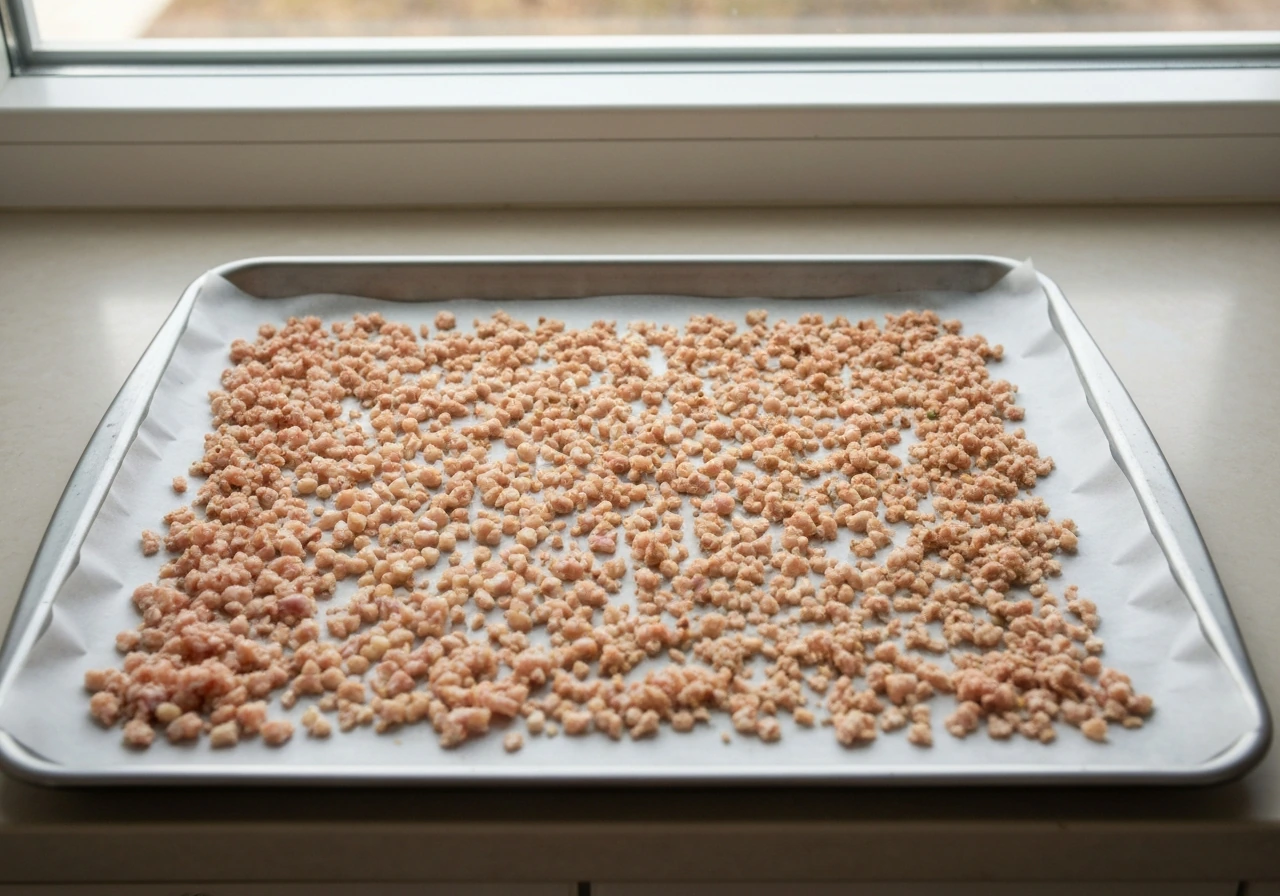
- Start with completely dry chop. If any ingredient feels even slightly damp or has been exposed to humidity, spread it on a clean tray and let it air dry fully before proceeding. Moisture trapped in packaging is the number-one cause of freezer-related spoilage.
- Portion into single-use amounts. Think about how much you put out at one feeding and divide the chop into those sizes. Smaller portions mean you only thaw what you need, and you avoid repeated thawing and refreezing.
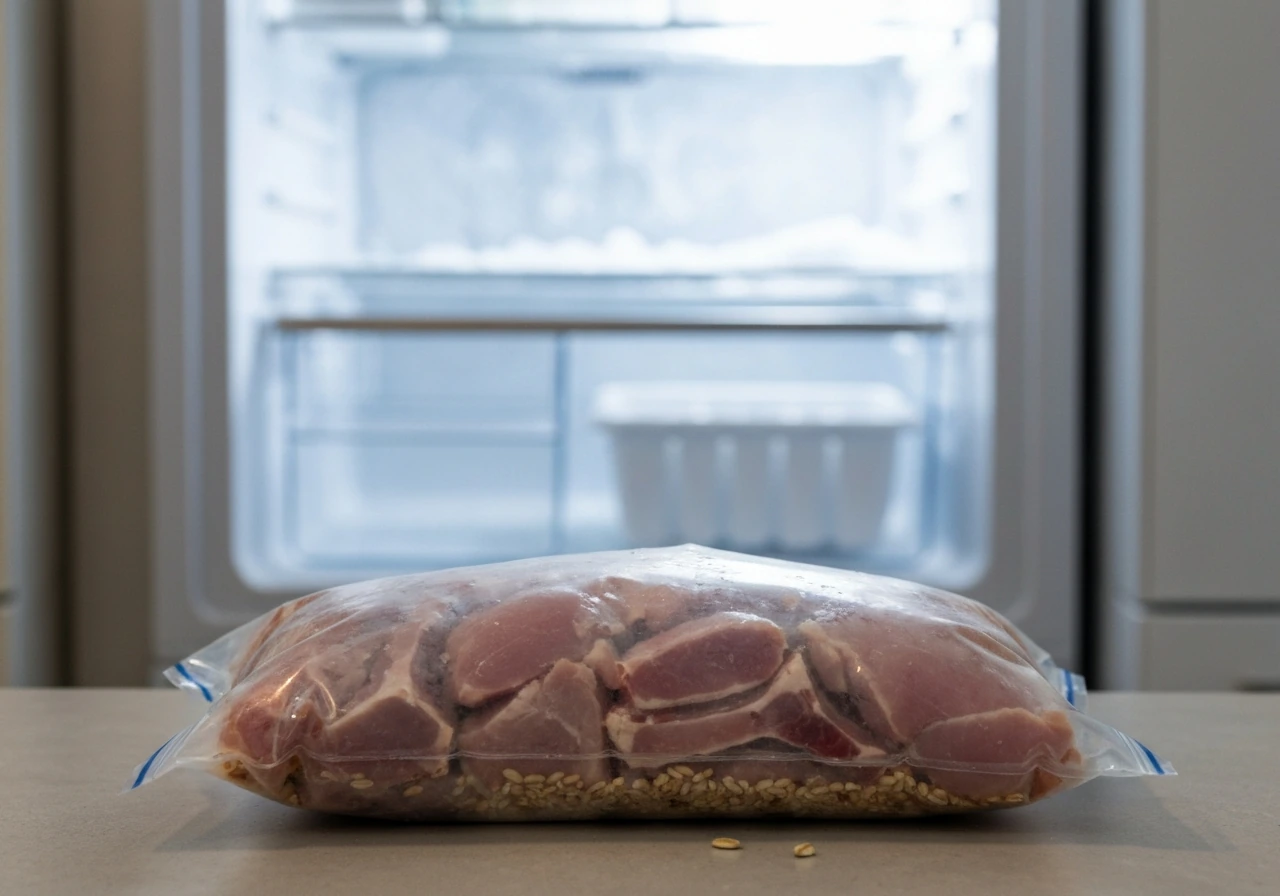
- Pack into food-grade freezer bags or airtight rigid containers. Press out as much air as possible from bags before sealing. If you use containers, fill them close to the top to reduce air space. Double-bagging bulkier mixes adds extra protection against freezer odors and moisture.
- Label every package clearly with the date frozen and the contents. Use a permanent marker directly on the bag. This takes ten seconds and prevents you from playing guessing games three months later.
- Freeze promptly. Do not leave portioned bags sitting at room temperature before freezing. Put them in the freezer right after packaging to lock in freshness at peak quality.
- Store at 0°F (-18°C) or below. This is standard deep-freeze territory, and it's the benchmark that ensures both pest control and quality preservation.
Thawing and feeding without creating new problems
How you thaw matters as much as how you freeze. Pull a portion out of the freezer the night before you plan to use it and let it thaw in the refrigerator or in a cool, dry area. Do not thaw bird chop in direct sunlight or on a warm surface. As it warms up, condensation can form and make the seed moist, which sets up conditions for rapid mold growth.
Before putting thawed chop in the feeder, check it by feel. It should be dry and loose, not clumped or damp. Clumping is a warning sign that moisture got into the packaging somewhere. If it clumps but smells fine and looks clean, spread it on a dry surface for an hour to let moisture evaporate before offering it to birds.
Only put out what birds will eat within a few hours during warm weather, or within a day during cold weather. Uneaten thawed chop sitting in a feeder in warm conditions can begin to mold surprisingly quickly. Remove leftovers from the feeder rather than topping off with fresh food on top of old.
Do not refreeze thawed bird chop. Once it has returned to room temperature, the texture and moisture balance change in ways that make the second freeze less effective and more likely to produce clumping and mold after the second thaw. Plan your portions to avoid this.
When you should not freeze it: mold, moisture, and rancid smell
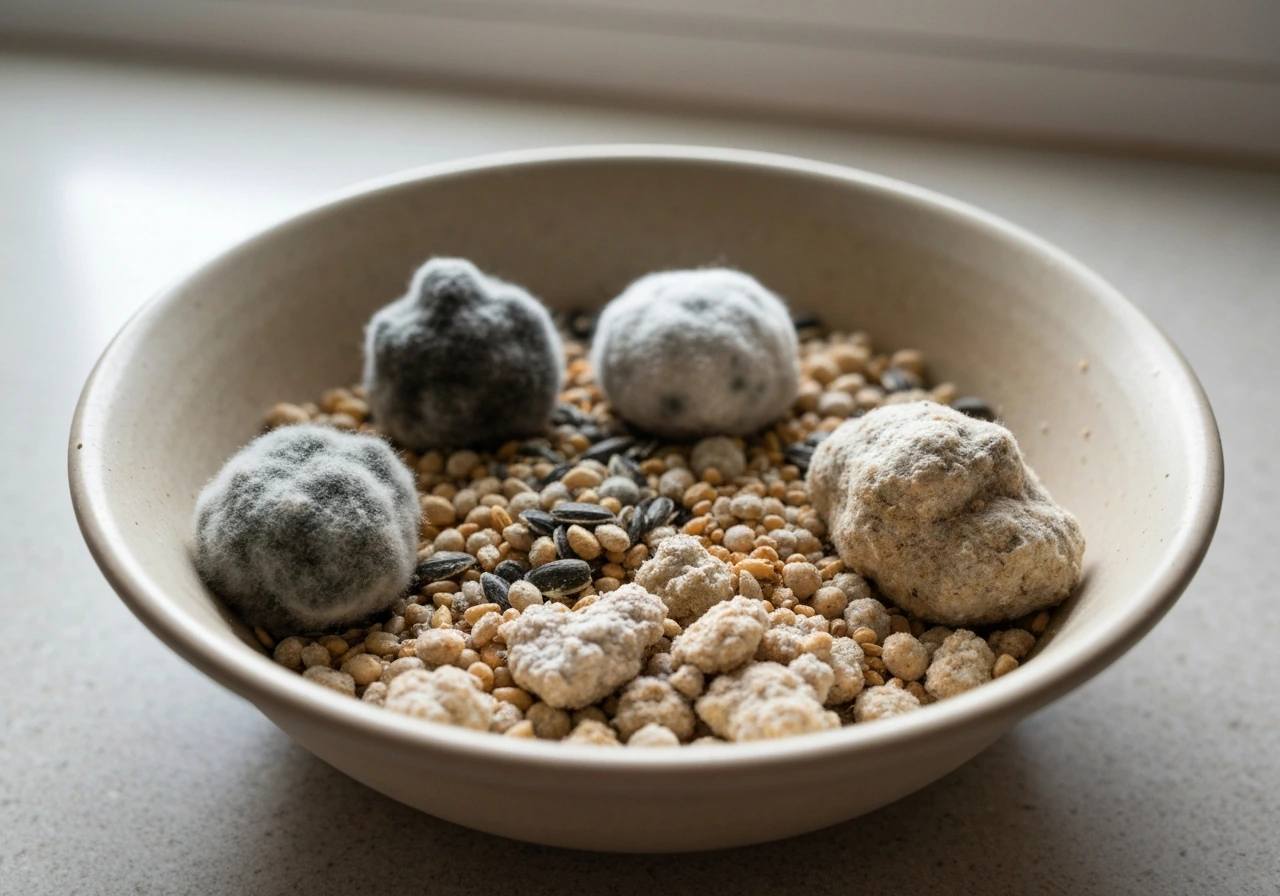
Freezing is a preservation tool, not a rescue operation. If your bird chop already shows any of the following signs before it goes into the freezer, do not freeze it and do not feed it to birds. If you notice the seed smells off, that is a sign it may not be safe to eat for birds. If you are asking whether it is safe to eat, the key is to avoid any batch that smells off before feeding birds is bird stop safe to eat reddit.
- Visible mold: any fuzzy growth, dark spots, or white powder on the seed or grain
- A rancid, sour, or musty smell: this indicates oils have oxidized or fungal activity is already present
- Visible insect larvae or large numbers of live insects: freezing may kill adults but not eggs, and heavily infested seed is best discarded entirely
- Wet or damp texture: moisture-compromised chop will clump, freeze unevenly, and mold rapidly on thawing
- Unknown age or questionable storage history: if you are not sure how long it has been sitting out or whether it got wet, err on the side of discarding
Moldy seed is a genuine health hazard for birds. The New York State Department of Environmental Conservation warns against feeding birds moldy birdseed or other food and links aspergillosis outbreaks to moldy grain, emphasizing the importance of fresh, mold-free seed Aspergillosis is a serious fungal respiratory disease transmitted through moldy food. Aspergillosis, a serious fungal respiratory disease, can be transmitted through moldy food. Aflatoxins produced by certain molds can cause liver damage and death in animals at harmful exposure levels. These toxins are not neutralized by freezing or by any normal household storage handling. The only safe approach is to discard contaminated chop, seal it in a bag, and put it in the trash where birds and wildlife cannot access it.
How long frozen bird chop keeps, and signs it has gone bad
| Storage condition | Expected shelf life | Main risk |
|---|
| Airtight freezer bag at 0°F | 3 to 6 months (best quality) | Freezer burn if poorly sealed |
| Airtight freezer bag beyond 6 months | Still safe, declining quality | Rancidity, flavor loss, rejected by birds |
| Thawed in refrigerator, unused | 1 to 2 days | Moisture, mold if left longer |
| Thawed at room temp, in feeder | A few hours in warm weather | Mold, attracting pests |
| Room temp in sealed container (unfrozen) | 2 to 4 weeks depending on conditions | Rancidity, insects, mold if humid |
Signs that frozen or thawed chop has gone bad and should not be fed to birds or pets: a sharp rancid or musty odor when you open the bag, visible mold or dark discoloration on seeds, a sticky or oily texture, or excessive clumping that does not break apart when dried. Rancid oils in seed are not just unpalatable. They can cause digestive upset and nutritional problems in birds over time. If in doubt, throw it out.
Keeping pests and hazards away while using frozen stores
Frozen bird chop in your house is safe and pest-free as long as it stays sealed. If you are considering bird diapers for your pet or breeding setup, you may also be wondering whether bird diapers are safe are bird diapers safe. The problems start when you bring it outside. Thawed seed at the feeder attracts not just birds but also rodents, squirrels, and in some areas larger wildlife. Here are the practical habits that keep things under control.
- Put out smaller amounts more frequently instead of filling the feeder to the top. This reduces the chance of uneaten seed sitting out long enough to mold or attract rodents.
- Clean feeders roughly every two weeks under normal conditions, and more often in warm or damp weather. A wet, seed-hulls-caked feeder contaminates even fresh chop the moment it lands inside.
- Remove any uneaten or wet seed from the feeder rather than letting it accumulate. Do not dump it on the ground where it can mold and become a disease risk for ground-feeding birds.
- Let feeders dry completely before refilling. Moisture inside the feeder is the most common reason good seed goes bad quickly.
- Store your frozen chop supply in a chest freezer or dedicated shelf away from foods you are handling frequently. This prevents accidental moisture exposure from repeated opening and closing.
- If you notice insects in your storage area, check all sealed bags and containers before use. Bugs can get into poorly sealed packaging even in a freezer.
One thing worth thinking about: if you are also using other bird products around the yard, it is worth making sure everything you offer is safe and appropriate. bird kabobs are a popular supplement, and knowing whether they are safe helps you build a feeding routine that covers all the bases without accidentally introducing hazards alongside your well-stored chop.
The bottom line is that freezing bird chop is genuinely useful, not just theoretically fine. It saves money on bulk buying, protects against pest infestations, and keeps seed fresher than any pantry shelf can. The rules are simple: freeze it dry, seal it tight, label it, thaw only what you need, and never offer anything that smells off or looks suspect. Do that consistently, and your birds get better food and you waste a lot less of it.