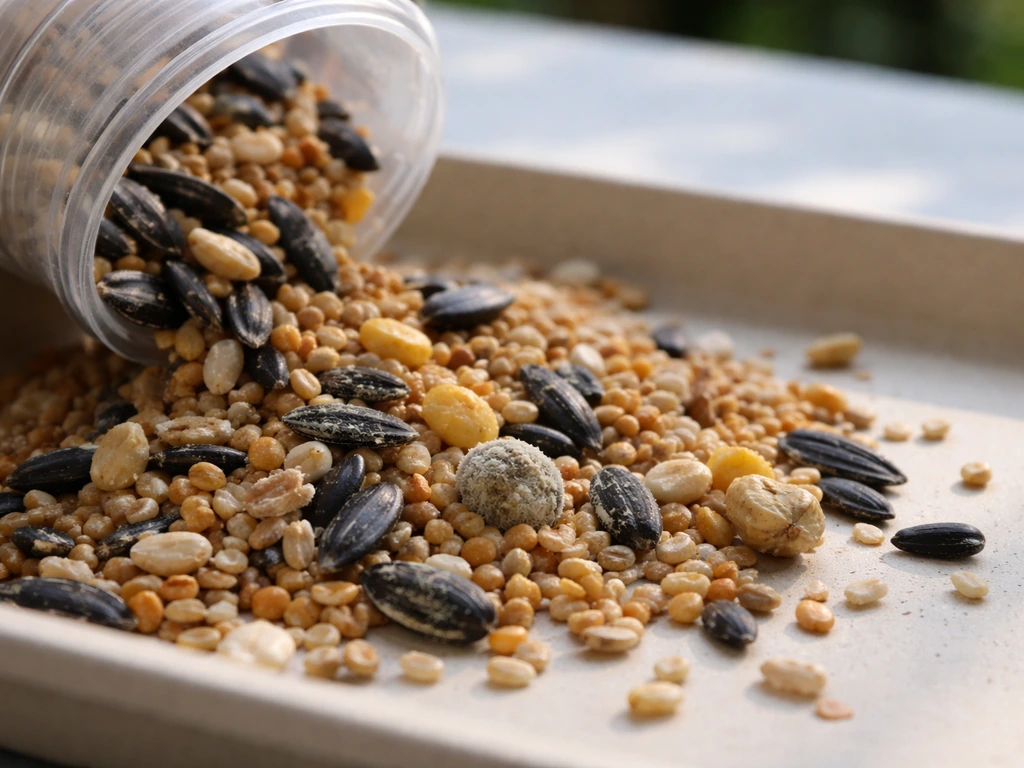
The short answer: Bird Stop is not food, and you should not eat it intentionally. But if you accidentally ingested some, the immediate risk depends heavily on which Bird Stop product you have. Most Bird Stop formulations sold today use methyl anthranilate (MA) as the active ingredient, a compound that the FDA has approved as a food flavoring and that the EPA classifies as a low-toxicity bird repellent. That said, "low toxicity" is not the same as "safe to eat," and some formulations contain additional ingredients, like castor oil ethoxylate, that change the picture. So before you relax, you need to identify exactly what you have.
Is Bird Stop Safe to Eat? What to Do If Ingested

Maya Henderson
10 Apr 2026
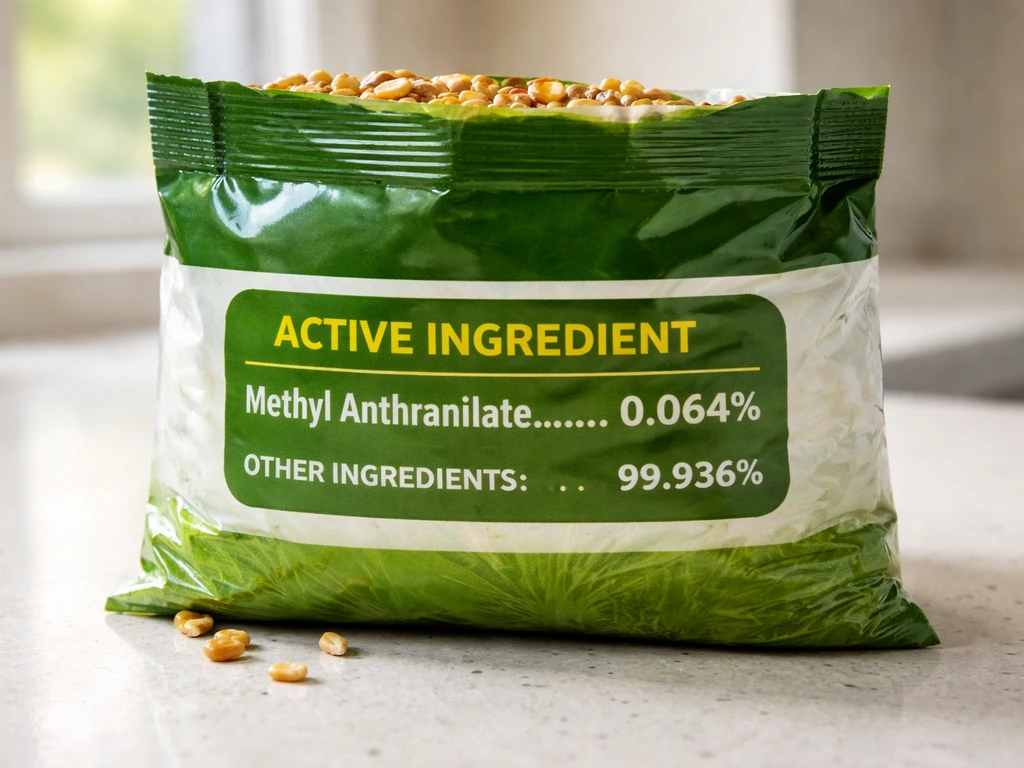
First, figure out which Bird Stop product you actually have
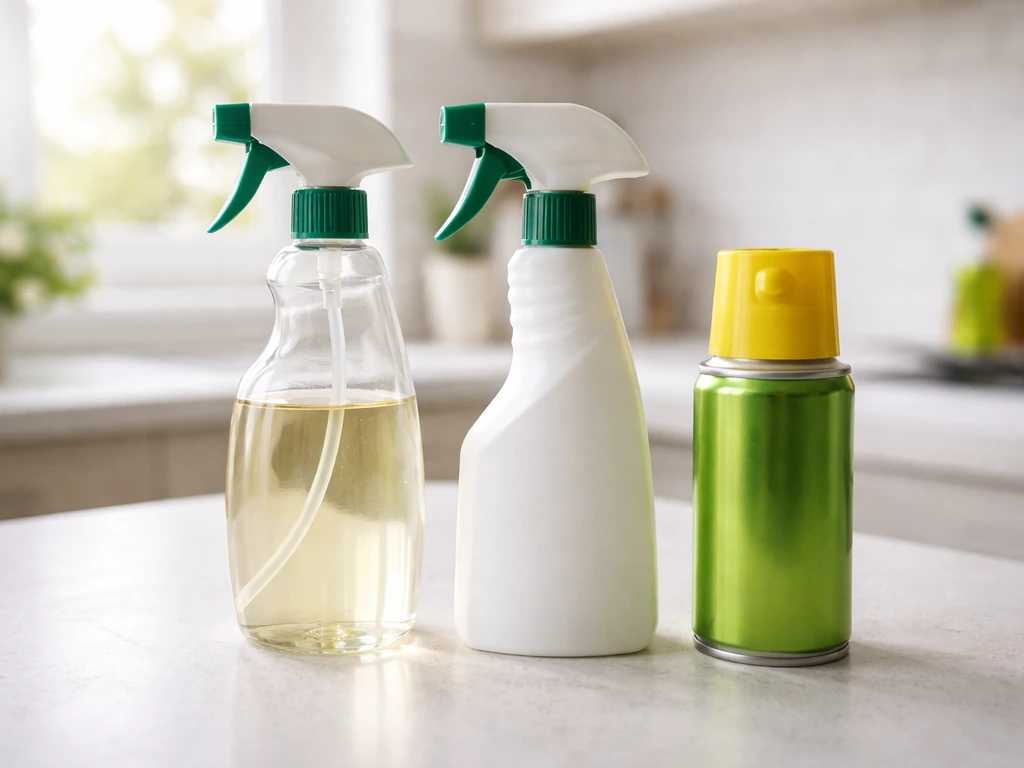
"Bird Stop" is used as a brand name and as a generic description, and that matters a lot here. The most commonly referenced product is Bird Stop® Liquid by Bird-X, which uses methyl anthranilate at roughly 25–27% concentration as its active ingredient. A separate product, Bird Stop 25 by BIOWEB USA, also centers on methyl anthranilate and markets itself as a "food-grade taste aversion" deterrent. Both of these are liquid repellents designed to be sprayed on surfaces, grass, or water to keep birds away by creating an unpleasant taste and smell sensation. Neither is meant to be applied directly to seed you'd then handle or eat.
The confusion often comes from lumping these deterrent sprays together with treated seed or bait products. Some people searching this question have actually encountered a completely different product, like an avicide or rodenticide labeled for bird control, which would be an entirely different hazard level. This is exactly why you need to look at the label before anything else. If your product has words like "kills," "bait," "restricted use pesticide," or names ingredients you don't recognize, treat it as higher risk and call Poison Control immediately.
How to read the label for safety information right now
The product label is the first place to look, not the internet. Here's what to scan for in order:
- Active ingredient: Look for "methyl anthranilate" or "methylanthranilate." If you see this, you're dealing with a low-toxicity aversion compound. If you see something else, note the name and CAS number.
- Signal word: The label must carry a signal word under EPA rules. "Caution" is the lowest hazard tier; "Warning" is moderate; "Danger" is high. Most methyl anthranilate products carry "Caution."
- First-aid section: Find it on the label, typically in a bordered box. For Bird Stop (Bird-X), the SDS specifically states: do NOT induce vomiting. Note this before doing anything else.
- Toxicity statements: Phrases like "harmful if swallowed," "fatal if swallowed," or "causes serious health effects" tell you the severity tier.
- Restricted use language: If the label says "For use only by certified applicators" or "Restricted Use Pesticide," the risk profile is higher. Standard Bird Stop products do not carry this language.
- Inert/formulation ingredients: The Bird-X Bird Stop SDS lists castor oil ethoxylate at roughly 9–10%. This ingredient has low repeated-dose oral toxicity in tested ranges, but it's still a formulation chemical, not a food ingredient.
If you can't find the label or it's damaged, search for the product's Safety Data Sheet (SDS) online using the product name and manufacturer. The SDS has a dedicated section for accidental ingestion first-aid and will tell you exactly what the manufacturer recommends.
Accidentally swallowed some? Here's what to do right now
If ingestion already happened, don't panic, but do act. The single most important step is to call the US Poison Control Center at 1-800-222-1222. Call the Poison Control Center at 1-800-222-1222 for first-aid information after pesticide exposure, according to US EPA guidance blank" rel="noopener noreferrer">call the US Poison Control Center at 1-800-222-1222. You can also use the online tool at webpoisoncontrol.org. This line is free, available 24/7, and staffed by toxicologists who can give you product-specific guidance. Do this before you search Reddit or anywhere else. Many people searching "is bird stop safe to eat reddit" are in exactly this situation and end up getting inconsistent, non-expert answers. Call Poison Control instead.
While you're getting ready to call, do not induce vomiting. The Bird-X Bird Stop SDS is explicit on this point. If vomiting does occur on its own, keep the person's head low so vomit doesn't enter the lungs. Do not give anything to eat or drink unless Poison Control or a doctor instructs you to. Rinse your mouth with water if you ingested the product orally.
For most people who accidentally taste or ingest a small amount of a methyl anthranilate Bird Stop product, the immediate experience is likely to be unpleasant (a sharp, chemical grape-like bitterness and possible irritation to the mouth and throat) but not immediately dangerous. That said, the concentration matters, and you should not assume it's harmless without professional guidance.
When to skip Poison Control and call 911 instead
Call 911 immediately, not Poison Control, if the person who ingested the product shows any of these symptoms:
- Trouble breathing or shortness of breath
- Seizures or convulsions
- Loss of consciousness or inability to stay awake
- Severe or persistent vomiting they can't control
- Rapidly swelling throat or difficulty swallowing
- Extreme confusion or agitation
These are the red-flag symptoms that indicate a medical emergency requiring immediate in-person care. When you or someone else calls for help, have the product container, label, or SDS in hand. The responders will need the product name, manufacturer, active ingredient, approximate amount ingested, the person's age and weight, and when ingestion occurred.
"Bird-safe" does not mean human-safe (or pet-safe)
This is one of the most common misunderstandings I see around bird deterrent products. A compound that works as a taste aversion for birds functions precisely because birds and mammals have different sensory receptors and metabolic pathways. Methyl anthranilate, for example, irritates trigeminal nerve receptors in birds, causing them to flee. In humans and mammals, the same receptors exist but respond differently. "Food-grade" means the compound is approved for use as a flavoring additive at regulated concentrations in food products, not that the concentrated pesticide formulation is safe to consume.
This same reasoning applies to pets around feeders. If you're wondering about safety for a parrot or other companion bird, the logic shifts again entirely. What deters wild pest birds can be distressing or harmful to pet birds with different sensitivities. Questions like are bird kabobs safe for pet parrots are a useful reminder that even products marketed for birds need to be evaluated per species and context. And if you've ever considered are bird diapers safe for a companion bird that roams your kitchen, the broader point holds: not all bird-related products are created equal, and none should be assumed safe for humans or pets without checking.
The distinction between "toxic" and "not approved for ingestion" also matters when it comes to wildlife. If you're managing a yard feeder and use a deterrent spray to keep nuisance birds off certain areas, dogs, cats, squirrels, and other wildlife will come into contact with treated surfaces. Castor oil ethoxylate, a formulation ingredient in Bird Stop, has different toxicity data for different species. The bottom line: keep all deterrent products away from pet food, bird seed you intend to use in feeders, and any surface where animals eat.
Mold, rancid oil, and spoilage: the risks that have nothing to do with Bird Stop
Even if Bird Stop itself isn't what you're worried about, bird seed and feeder environments carry their own set of contamination risks that are worth knowing. Mold is the biggest one. Common molds like Aspergillus can grow on wet or improperly stored seed and produce aflatoxins, which are genuinely toxic to humans and animals. You won't see or smell aflatoxins in early contamination. If your seed smells musty, clumps together, or has visible mold, discard it and clean the container thoroughly.
Rancid seed is another issue. Seeds high in fat content, like sunflower or nyjer, go rancid when stored in heat or humidity. Rancid seed won't poison you acutely, but it's nutritionally degraded and can cause gastrointestinal upset. Droppings accumulation in and around feeders also introduces Salmonella and Histoplasma risks. These are real biological hazards that exist completely independently of any deterrent product. If you prepare food for your birds at home, proper storage is essential. The same principles that apply when you freeze bird chop for a pet parrot, including airtight containers, avoiding moisture, and rotating stock, apply equally to managing wild bird seed freshness.
How to handle Bird Stop products safely going forward
If you use a Bird Stop deterrent spray around your yard or feeders, a few simple practices will prevent accidental exposure for you, your family, pets, and wildlife:
- Always wear nitrile or rubber gloves when handling concentrated Bird Stop liquid. Skin contact isn't typically a severe hazard, but the product can cause irritation, and you don't want to transfer it to food or surfaces.
- Never apply Bird Stop directly to seed you intend to feed to birds, pets, or wildlife. It is a deterrent, not a feed additive.
- Store the container in a locked cabinet away from children, pets, and food. The SDS notes that even empty containers can have residual product.
- Don't treat feeders you're actively using. Apply deterrents only to surfaces where you want birds to stay away, and keep treated areas separate from feeding zones.
- Wash hands thoroughly with soap and water after any contact with the product, the treated surface, or feeder hardware.
- Clean feeders every 1 to 2 weeks with a 10% bleach solution, rinse thoroughly, and allow to dry completely before refilling. This controls mold and bacteria regardless of whether you've used any deterrent product.
- If you're questioning whether a product you've purchased is is bird stop edible in any context, the answer is no. Deterrent sprays are pesticide-registered products, not food or supplements.
Comparing Bird Stop to other common bird repellent chemistries
| Product / Active Ingredient | Mechanism | Human Toxicity Risk | Regulated As |
|---|---|---|---|
| Bird Stop (methyl anthranilate) | Taste/smell aversion via trigeminal irritation | Low (EPA low-toxicity; FDA food-grade flavoring at regulated levels) | Pesticide (EPA registered); signal word: Caution |
| Anthraquinone-based repellents | Visual/taste aversion | Low to moderate depending on formulation; subject to updated EPA risk conditions | Pesticide (EPA registered); label restrictions updated over time |
| Avicides (e.g., DRC-1339, Avitrol) | Lethal or incapacitating to target birds | High; restricted use only | Restricted Use Pesticide; cannot be purchased by the public |
| Rodenticides labeled for pest birds (rare) | Lethal systemic toxicity | High; calls Poison Control immediately | Restricted Use Pesticide; requires certified applicator |
The key takeaway from this comparison is that Bird Stop sits at the lower end of the hazard spectrum for repellent products, but it's not in the same category as avicides or rodenticides. If you're unsure which type of product you have, the label's signal word and active ingredient are your fastest diagnostic tools.
What information to have ready when you call for help
Whether you're calling Poison Control at 1-800-222-1222 or 911, being prepared with the right details will get you faster, more accurate guidance. Have the following ready before you dial:
- The full product name and manufacturer (e.g., Bird Stop Liquid, Bird-X)
- The active ingredient and its concentration (methyl anthranilate, approximately 25–27% for Bird-X formulation)
- The approximate amount ingested and how it was ingested (swallowed, inhaled, skin/eye contact)
- The time of exposure
- The age, weight, and any known health conditions of the person affected
- Any symptoms that have already appeared
- Whether the person is conscious and breathing normally
Do not wait for symptoms to appear before calling. Poison Control can help you determine whether symptoms are likely and what to watch for, even if the person feels fine right now. Some reactions are delayed, and early guidance is always better than waiting.
The bottom line on Bird Stop and human safety
Bird Stop products based on methyl anthranilate are among the lower-risk bird deterrents available, and a small accidental exposure is unlikely to cause severe harm in a healthy adult. But "unlikely to cause severe harm" is a very different standard from "safe to eat," and these products are not food. They are EPA-registered pesticide formulations containing concentrated active ingredients and formulation chemicals that are not intended for ingestion at any level.
Do not eat them intentionally, do not use them around food preparation surfaces, and do not assume that because they're marketed as "natural" or "food-grade" active ingredients, the finished product is harmless. If exposure has already happened, call Poison Control at 1-800-222-1222, check the label for first-aid instructions, do not induce vomiting, and watch for any escalating symptoms that would require emergency care.
FAQ
If I accidentally tasted Bird Stop, do I still need to call Poison Control if I feel fine?
Yes. Poison Control can confirm whether the specific product, concentration, and amount ingested are likely to cause delayed irritation. Do it even if symptoms are mild or not present yet, and have the container or SDS ready so they can answer product-specifically.
Does “food-grade” on a Bird Stop product mean it is safe to swallow?
No. “Food-grade” typically refers to the active chemical being permitted as a flavoring at controlled concentrations, not that the finished repellent formulation is safe to drink or eat. The spray may contain higher concentrations and additional ingredients that change risk.
What if the Bird Stop got on my lips or in my mouth but only for a moment?
Rinse your mouth with water and avoid swallowing the rinse water. Do not eat or drink more until Poison Control advises, especially if there is burning, numbness, or mouth or throat irritation. If a child is involved, call Poison Control anyway.
Can Bird Stop be harmful if it gets on food or a counter near cooking?
It can be. Avoid using deterrent sprays on surfaces where food will be prepared, and if it touched a food-contact surface, wash it thoroughly before any food is handled. If a person already ate food that may have been contaminated, call Poison Control and describe what was eaten and when.
Should I induce vomiting if someone swallowed Bird Stop?
No, do not induce vomiting unless a clinician or Poison Control specifically tells you to. If vomiting happens on its own, keep the person upright or head lowered to reduce the chance of aspiration, then call for further instructions.
What information should I gather before calling Poison Control?
Have the product label or the SDS, the active ingredient (if listed), the estimated amount, the person’s age and weight, and the time of ingestion or exposure. If it was a pet or multiple people, include those details too, since guidance can differ by species and scenario.
How do I know whether I have Bird Stop spray versus a different bird-control chemical?
Check the label for pesticide signal words, registration statements, and active ingredient names. If it mentions terms like “kills,” “bait,” or “restricted use pesticide,” treat it as higher risk and call Poison Control promptly because it may be an entirely different hazard category.
Is it safe for pets if Bird Stop is sprayed around feeders?
Pets can be exposed by licking treated surfaces or stepping in residue then grooming themselves. Keep pets away until spray has fully dried and prevent access to treated areas, pet food, and bird seed. If your pet ingested any, call a veterinarian or Poison Control with the product details.
What should I watch for beyond mouth irritation after ingesting Bird Stop?
Be alert for worsening throat irritation, drooling, coughing, trouble breathing, persistent vomiting, unusual sleepiness, or any behavior change. If symptoms escalate or involve breathing, treat it as an emergency and call 911.
If Bird Stop didn’t cause symptoms, how long should I monitor someone?
At minimum, continue monitoring for changes for at least the first several hours, since guidance varies by formulation and amount. Poison Control can give a specific watch window for the exact product and dose, which is safer than using a generic timeframe.
Could Bird Stop exposure be mistaken for contamination from mold or rancid seed?
Yes. If the concern is a sick person or animal around bird feeders, consider both possibilities: irritant effects from the repellent and independent hazards from contaminated seed (mold, aflatoxins, rancidity, droppings). Mention both the repellent use and the seed storage condition when you call for help.
Next Article
Is Bird Seed Edible? Safety, Risks, and What to Do Now
Yes or no on is bird seed edible, risks from additives, mold, pesticides, and what to do if pets or you eat it