Bird peanuts and human peanuts are the same nut at their core, but the processing, additives, and quality standards around them are very different. Peanuts sold for birds are typically raw or dry-roasted, unsalted, uncoated, and minimally processed. Peanuts sold for people are often roasted in oil, salted, flavored, or coated with sugar or spices.
What’s the Difference Between Bird Peanuts and Human Peanuts

Maya Henderson
19 May 2026
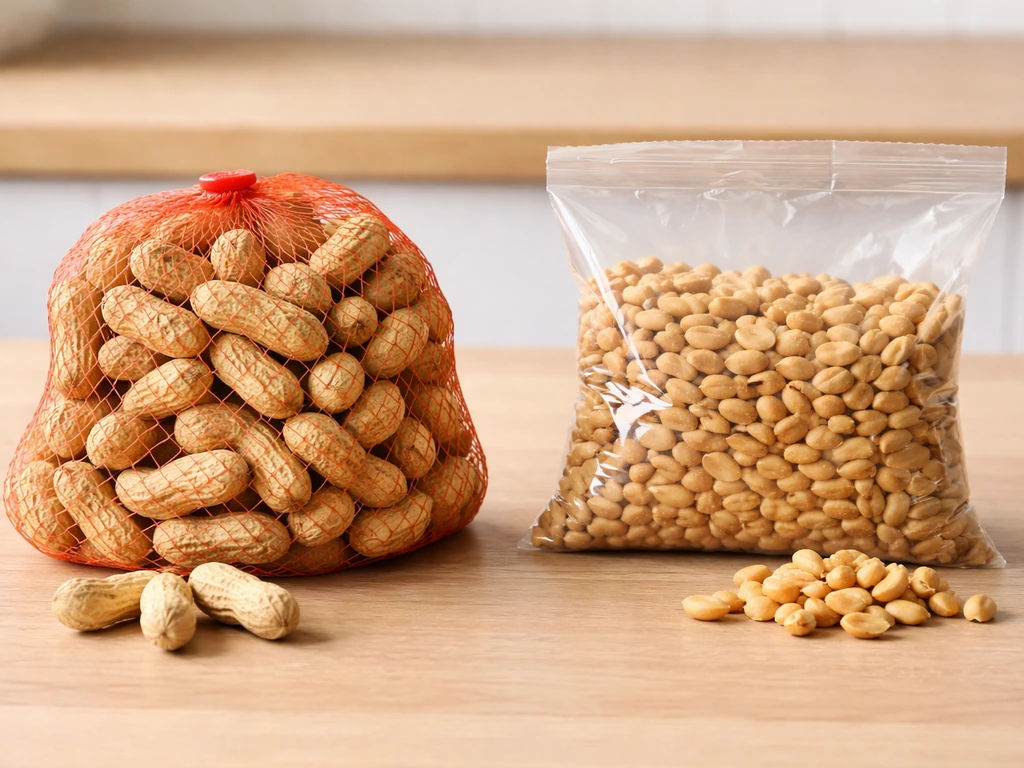
That gap matters a lot when you're deciding what to put in a feeder, because salt and seasonings that are harmless to you can seriously harm birds, and storage differences can introduce mold toxins that are dangerous to everyone in your backyard, including pets and wildlife. While the exact nutrition differs, bird peanuts are generally not intended as a human snack, so check for salt, additives, and rancidity before eating them are bird peanuts safe for humans.
What 'bird peanuts' usually are vs 'human peanuts'
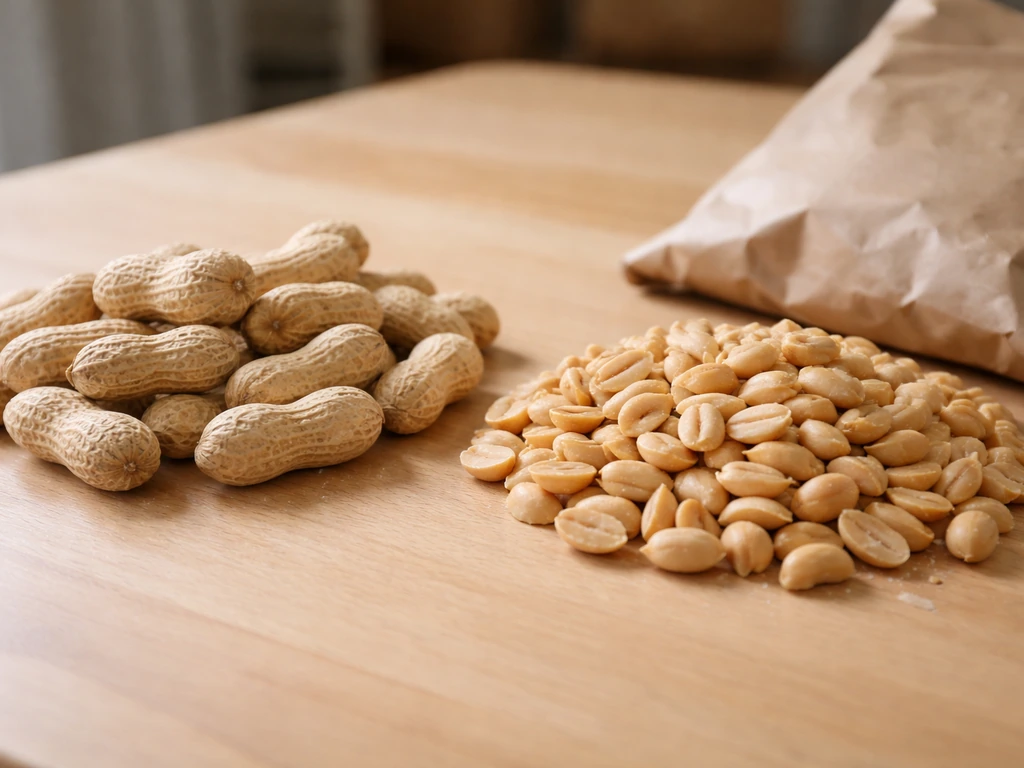
When people say 'bird peanuts,' they typically mean one of three things: whole in-shell peanuts sold as feeder fuel (the kind you hang in mesh feeders), shelled peanuts sold as a standalone bird ingredient, or peanuts included in a blended bird seed mix. McGough’s wild bird feed lists “Peanuts in the Shell” as a feed item, and describes a blend that includes peanuts plus shelled corn and oil sunflower seeds.
Brands like Wild Birds Unlimited, Feathered Friend, and Lyric sell peanuts in both in-shell and shell-free formats specifically formulated for wild birds. You'll also find peanut suet nuggets, which are composite treats made from rendered beef suet, peanuts, corn, and oats. These are a long way from a handful of cocktail peanuts.
Human peanuts from the grocery store, by contrast, are intended for snacking and come in dozens of forms: dry-roasted salted, honey-roasted, chili-lime, boiled, oil-roasted, and more. Even 'plain' grocery peanuts often have salt added. The physical nut is identical to what goes into bird products, but the processing and flavoring applied afterward is where the safety divide opens up.
Label reading: additives, salt, flavorings, oils, and coatings
Before you put any peanut in a feeder, flip the bag over and read the ingredient list. Genuine bird peanuts should have one ingredient: peanuts. Some bird-marketed products list peanuts as 'premium grade, unprocessed, uncooked, and not salted,' which is exactly the labeling you want to see. The moment you see salt, sugar, honey, oil (other than naturally occurring peanut oil), maltodextrin, spice blends, or any coating, set the bag down.
Salt is the biggest concern. The ASPCA lists excessively salty foods as dangerous for pets, and birds have similar vulnerabilities. Even moderate salt loads can cause kidney stress and neurological problems in small birds. Flavored coatings like honey roast or chili seasoning add sugars and irritants that have no place near a feeder. Oil-roasted peanuts introduce extra fats that go rancid faster, creating their own toxicity problem on top of the seasoning issue.
- Safe label: 'peanuts' as the only ingredient, no salt, no added oil, no sugar
- Avoid: salt, sodium, sugar, honey, maltodextrin, spice, flavoring, 'seasoned,' 'roasted in oil'
- Avoid: any coating described as glazed, chili, BBQ, butter toffee, or similar
- Caution: 'lightly salted' is still salted and still unsafe for birds and pets
Processing differences and what birds can actually handle
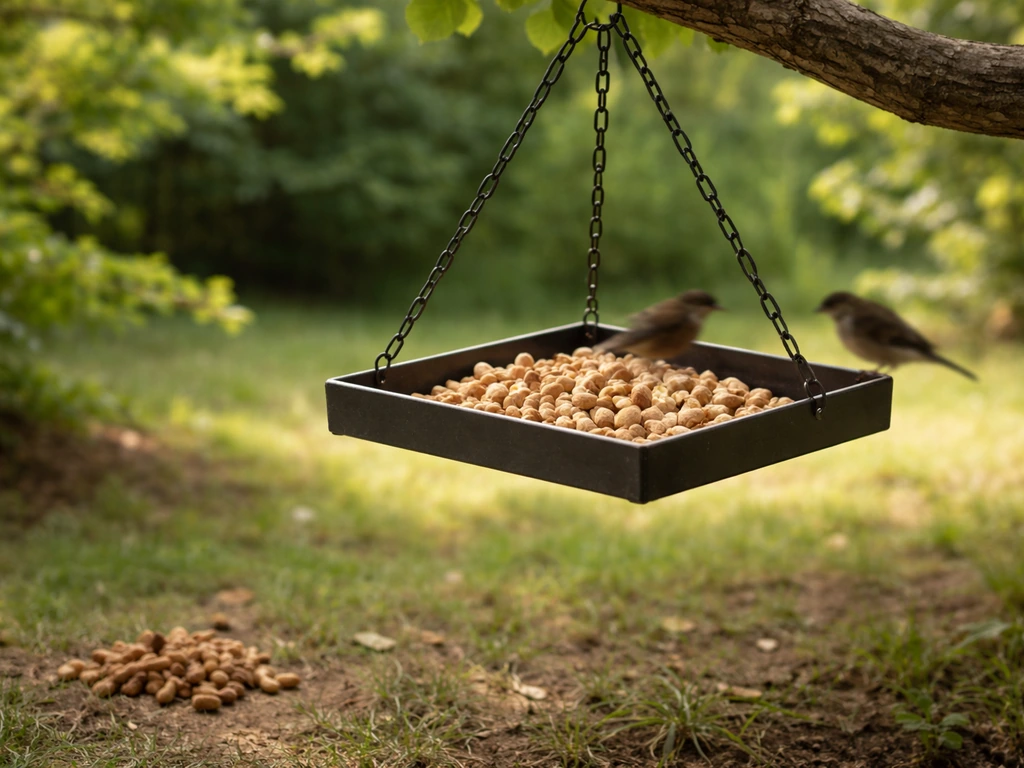
The U.S. Fish & Wildlife Service is pretty direct on this: roasted, no salt, no sugar are the healthiest peanuts for feeding birds. They also specifically warn against raw peanuts and peanut hearts. Raw peanuts contain a protein called trypsin inhibitor that interferes with digestion in some birds, and peanut hearts (the small inner germ piece) tend to go rancid quickly and are a higher mold risk. So contrary to the instinct that 'raw is more natural,' dry-roasted with no additives is actually the better choice for feeders.
In-shell vs shelled comes down to your feeder type and the birds you want to attract. In-shell peanuts work well in large-hole mesh feeders and attract jays, woodpeckers, and nuthatches that enjoy working for their food. Shelled peanuts are easier for smaller birds and can be mixed into seed blends. Either format is fine as long as the nut inside meets the no-salt, no-additive, dry-roasted standard.
| Type | Safe for birds? | Notes |
|---|---|---|
| Dry-roasted, unsalted, unflavored | Yes | Best option per U.S. Fish & Wildlife Service |
| Raw (unroasted) peanuts | Not recommended | Trypsin inhibitor, higher mold risk; avoid |
| Peanut hearts | No | Go rancid quickly, elevated mold/aflatoxin risk |
| Oil-roasted, unsalted | Marginal | Extra fat accelerates rancidity; dry-roasted is better |
| Salted (any processing) | No | Salt is harmful to birds and potentially pets |
| Flavored/coated (honey, chili, etc.) | No | Sugars and spices are harmful; never use |
| In-shell, dry-roasted, unsalted | Yes | Good for mesh feeders; same rules apply |
Why mold and storage matter more than people think
Peanuts are one of the foods most vulnerable to aflatoxin contamination. Aflatoxins are mycotoxins produced by Aspergillus mold that grows on peanuts when they're stored in warm, humid conditions. Florida Cooperative Extension has explicitly flagged peanuts and other grains as foods that can grow this fungus and produce mycotoxins that are toxic to wild birds. Oklahoma State University Extension reinforces this by warning that you should avoid any grain or feed with visible mold growth, as it may indicate the presence of aflatoxins.
The danger is real and not just theoretical. Lethal concentrations for many wild species haven't been fully established, which means there's no safe threshold you can rely on. The only practical defense is prevention: buy fresh, store correctly, and discard anything that looks or smells off. Rancidity is a separate but related problem. Peanuts high in fat go rancid when exposed to air, heat, and light, and rancid fats are harmful to birds too. The U.S. Fish & Wildlife Service explicitly links rotting, moldy bird seed to disease risk and spread between birds.
Can you feed human peanuts to birds?
Yes, but only under specific conditions. Plain, dry-roasted, unsalted peanuts from the grocery store are chemically the same as peanuts sold in bird sections. If the ingredient list says only 'peanuts' and there's no salt or additives, they're safe to use. If you want a quick checklist, make sure the peanut is plain and dry-roasted, with no salt or added flavorings plain, dry-roasted, unsalted peanuts. The practical catch is that grocery store peanuts for human consumption are frequently packaged near or with salted versions, and cross-contamination during processing can occur. Dedicated bird-product peanuts are more reliably guaranteed to be free of salt and coatings, so they're the lower-risk choice.
- OK to use: plain dry-roasted peanuts with 'peanuts' as the only ingredient
- OK to use: plain unsalted peanuts in-shell, if verified additive-free
- Avoid: salted, lightly salted, honey-roasted, oil-roasted with additives, seasoned, or flavored varieties
- Avoid: bulk bin peanuts where cross-contamination with salted nuts is likely
- Avoid: raw peanuts and peanut hearts regardless of source
One more consideration: pesticide residue. Peanuts are a heavily treated crop. Buying from reputable brands that test for contaminants, or choosing bird-specific products where pesticide standards are higher, reduces that risk. This applies whether you're buying from the pet/bird aisle or the snack aisle.
Risks to pets and other backyard wildlife
If you have a dog that wanders near your feeders, the type of peanut you put out matters. This is especially important for dogs, because salted or otherwise seasoned peanuts can lead to serious health problems type of peanut you put out matters. The American Kennel Club says dry-roasted or raw, unsalted peanuts are the only peanuts safe for dogs.
Salted peanuts are a real concern: salt toxicosis in dogs can begin at around two to three grams of sodium chloride per kilogram of body weight, with symptoms ranging from vomiting and diarrhea to tremors and seizures in serious cases. If your dog has a habit of cleaning up dropped seed, making sure your peanuts are unsalted protects them.
The question of whether bird peanuts are safe for dogs, or whether birds peanuts are safe for humans to eat, are closely related topics worth reading separately if you have household pets or young kids who might grab fallen nuts.
Squirrels, rats, and mice are the other backyard reality. Peanuts are extremely attractive to rodents, and putting them out in large quantities or on the ground is essentially a rodent invitation. Oregon State University Extension notes that baked goods and loose food attract unwanted species like starlings, rats, and mice, and the same logic applies to peanuts. Offer peanuts in feeders designed for birds, clean up fallen nuts regularly, and don't leave peanuts on the ground overnight. Rodents that eat moldy peanuts can themselves become sick and can also bring more pests into your yard and home.
How to store and serve peanuts safely
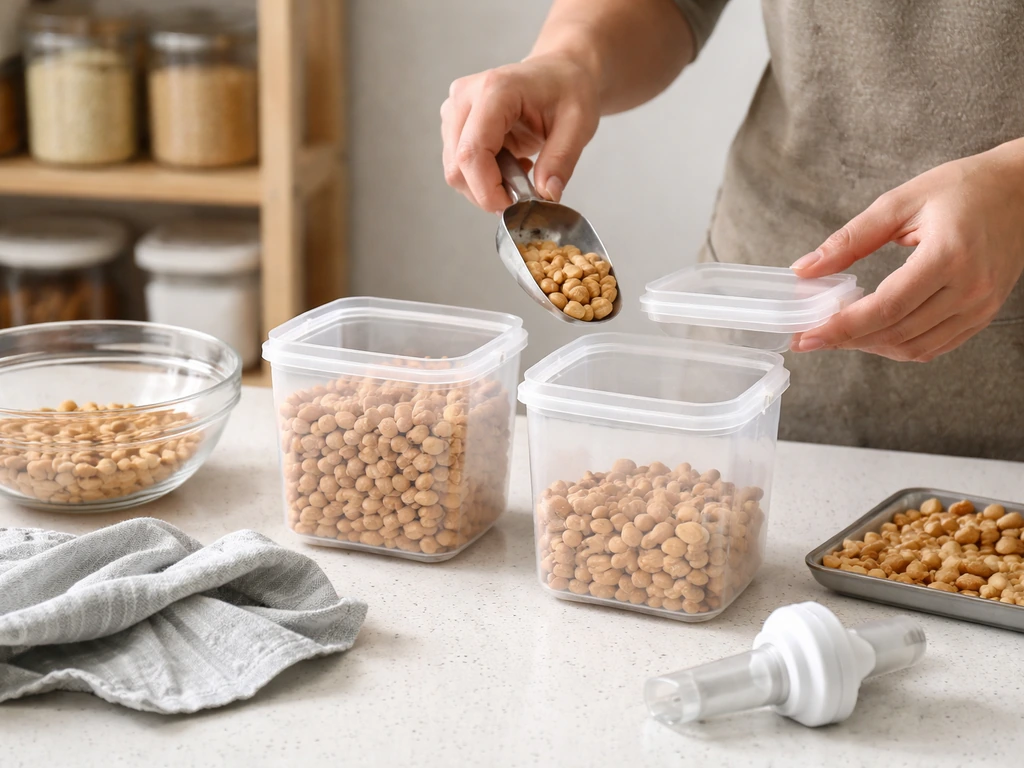
Storage is where most people go wrong. Oregon State University Extension recommends a hard plastic or metal resealable container with a tight-fitting lid, with a five-gallon container described as ideal. Paper and thin plastic bags are not adequate: rodents chew through them easily, and humidity gets in. Keep the container in a cool, dry, dark location. Heat and light accelerate rancidity. Don't store peanuts in the garage during summer if temperatures spike.
- Buy in smaller quantities so stock turns over within four to six weeks
- Store in a sealed metal or hard plastic container in a cool, dry, dark place
- Inspect peanuts before filling the feeder: discard any that smell musty, look discolored, or show visible mold
- Fill feeders with small amounts you expect birds to consume within one to two days
- Clean feeders every one to two weeks with a 10% dilute bleach solution, rinse thoroughly, and allow to dry fully before refilling
- Remove and discard uneaten peanuts that have been exposed to rain or heavy dew
- Do not mix old stock with new: use up older peanuts first or discard if in doubt
The U.S. Fish & Wildlife Service recommends disinfecting feeders with a 10% bleach and water solution, which kills bacteria and mold spores that accumulate in the crevices of feeders. Let feeders dry completely before adding new food. A wet feeder speeds up mold growth significantly.
Quick troubleshooting for common peanut feeder problems
Are roasted peanuts okay?
Dry-roasted, yes. Oil-roasted with no additives, marginally acceptable but not ideal because of faster rancidity. Oil-roasted with salt or flavoring, absolutely not. When in doubt, look for 'dry-roasted' and verify the ingredient list shows only peanuts.
Are peanuts in shell safe?
Yes, as long as they're dry-roasted and unsalted. In-shell peanuts actually have a slight advantage in that the shell provides some protection against moisture and contamination during storage. Just make sure the shells themselves aren't treated with salt brine, which some brands do for flavor.
I found mold in my peanut feeder. What do I do?
Discard all the contents immediately. Don't try to pick out the moldy pieces and keep the rest. Mold spreads spores through the entire batch even when not visibly obvious. Empty the feeder, scrub it with dish soap, disinfect with a 10% bleach solution, rinse thoroughly, and let it dry for at least a few hours before refilling with fresh stock.
Birds aren't touching my peanuts
Peanut-eating birds like jays, woodpeckers, chickadees, and nuthatches are not always present in every yard. If birds are ignoring peanuts, first check freshness: rancid peanuts smell off, and birds can detect this. If the peanuts seem fresh, consider whether your feeder type matches the birds in your area. In-shell peanuts in a mesh feeder attract different species than shelled peanuts in a platform feeder. Oregon State University Extension notes that winter, typically October through April, is when birds rely most on supplementary feeding when natural food is scarce, so you may have more success in colder months.
Can I use grocery store peanut butter as an alternative?
Plain, unsalted, no-xylitol peanut butter spread thinly on a feeder or packed into a pine cone is generally considered safe for birds. The concern is the same as with peanuts: salt and additives are harmful, and xylitol (an artificial sweetener found in some natural peanut butters) is toxic to dogs. Read the label the same way you would for whole peanuts.
FAQ
Can I feed birds salted peanuts if I only offer a small amount?
No. There is no reliable “safe amount” for salt because small birds and different species tolerate sodium poorly, and repeated exposure adds up. If the ingredient list includes salt, flavorings, or seasonings, swap them for dry-roasted unsalted peanuts.
What if my grocery peanuts are labeled “plain” or “unsalted,” but the label mentions “ingredients may contain” other nuts or products?
That wording usually refers to allergens or shared equipment, not salt additives. What matters most for safety is whether sodium, sugar, oil (as a flavoring), or spice coatings are listed as ingredients. If you see salt, sugar, honey, oil-roast seasonings, or any coating ingredients, do not use them, even if they are still called “plain.”
Is it okay to use peanut pieces, bits, or crumbs sold as a cheaper snack?
It can be higher risk if the pieces dry out or absorb moisture faster and spoil sooner. More surface area also accelerates rancidity, so choose the freshest-looking option with no off smell, and store it in a sealed container right away.
How can I tell if peanuts are rancid before birds eat them?
Rancid peanuts often develop a stale, bitter, paint-like, or “cooking oil” smell, and the taste will be noticeably unpleasant. If you detect any off odor or the peanuts look unusually dull or wet, discard them. Birds may avoid them, but not always, so smell checks help prevent exposure.
Can I microwave or roast peanuts to make grocery “snack” peanuts safer for birds?
Heat does not remove salt, sugars, honey, or spice coatings, and it can worsen rancidity if the peanuts are already old. If they contain additives, discard them instead. If they are already plain and unsalted, additional roasting is unnecessary, though dry-roasting is generally the preferred baseline.
Are peanuts in-shell safe if the shells were brined or treated for flavor?
Even if the nut inside looks normal, a brined or flavored shell can transfer salt or residues. When buying in-shell, confirm the only ingredient is peanuts, and avoid products marketed as salted, seasoned, honey-roasted, or “flavored” in any way.
What’s the best way to store peanuts to prevent mold and aflatoxin problems?
Use a hard plastic or metal container with a tight lid in a cool, dry, dark place, and keep peanuts off the bag and off the feeder after opening. Don’t store them in humid areas, and discard any peanuts that smell off or show any visible mold, because mold spread can occur beyond what you can see.
How often should I clean feeders when using peanuts?
At minimum, clean on a regular schedule and immediately after you notice wet seed, dampness, or a musty smell. Since peanuts and seed blends can trap debris, do a deeper scrub and disinfection periodically, then let the feeder fully dry before refilling.
Should I throw out the entire feeder batch if I find just a few moldy peanuts?
Yes. Mold spores and contamination can be widespread in a batch even if only some pieces look bad. Empty the feeder, clean and disinfect it, and refill with fresh, properly stored peanuts.
Do birds prefer one form, in-shell or shelled, and does that affect safety?
Safety depends on ingredients, but form affects moisture exposure and spoilage speed. In-shell can protect the kernel somewhat during storage, and it also works better with large-hole mesh feeders. Shelled peanuts are easier for smaller birds but can go stale or rancid faster, so buy smaller amounts and watch freshness closely.
Can birds eat peanut butter, and does it need to be a specific type?
Use only plain peanut butter with no salt, no xylitol, and no added sweeteners or flavorings. Thin a small amount to spread on the feeder or pack it into a treat holder, then clean residue promptly because sticky, exposed food attracts insects and can spoil faster.
Is peanut suet made with peanuts safer than regular peanuts?
It can be safer when it uses unsalted peanut components and is formulated for birds, but the key is the ingredient list. Avoid anything with salted or flavored peanut pieces, and watch for rancidity since suet blends can also spoil if stored warm or the surface gets wet.
What should I do if my dog eats bird peanuts from the ground?
If the peanuts are unsalted and plain, risk is much lower, but you should still monitor for vomiting or unusual behavior. If peanuts were salted, seasoned, or coated, contact a veterinarian or poison control promptly, because sodium and seasoning can cause serious illness in dogs.
Do I need to worry about pesticide residue when feeding peanuts to birds?
Yes, especially with peanuts from uncertain sources or very old stock. Buying from reputable sellers and avoiding questionable bargain bins reduces risk, and bird-focused products can offer more consistent contaminant testing standards, though ingredient checks for salt and additives still matter most.
How can I reduce squirrels and rodents without sacrificing bird access?
Use bird-specific feeders that limit access, place feeders away from cover, clean up fallen peanuts frequently, and avoid dumping large amounts on the ground. Offer peanuts in a feeder rather than broadly, since loose peanuts are an immediate attractant for rodents.