Bird peanuts are not reliably safe for dogs. Plain, unsalted, uncoated peanuts are not toxic to dogs on their own, but bird peanuts specifically carry real risks: they are often sold without the strict quality controls applied to human food, which means mold, aflatoxin contamination, added salt or oil, and mixed-in ingredients from bird-food blends are all legitimate concerns. A dog that snags a handful from under a feeder is probably fine, but a dog that regularly snacks on bird peanuts, or eats a batch that turns out to be moldy or salted, is in a different situation entirely.
Are Bird Peanuts Safe for Dogs? Risks and What to Do

Maya Henderson
7 May 2026
Why bird peanuts can be risky for dogs
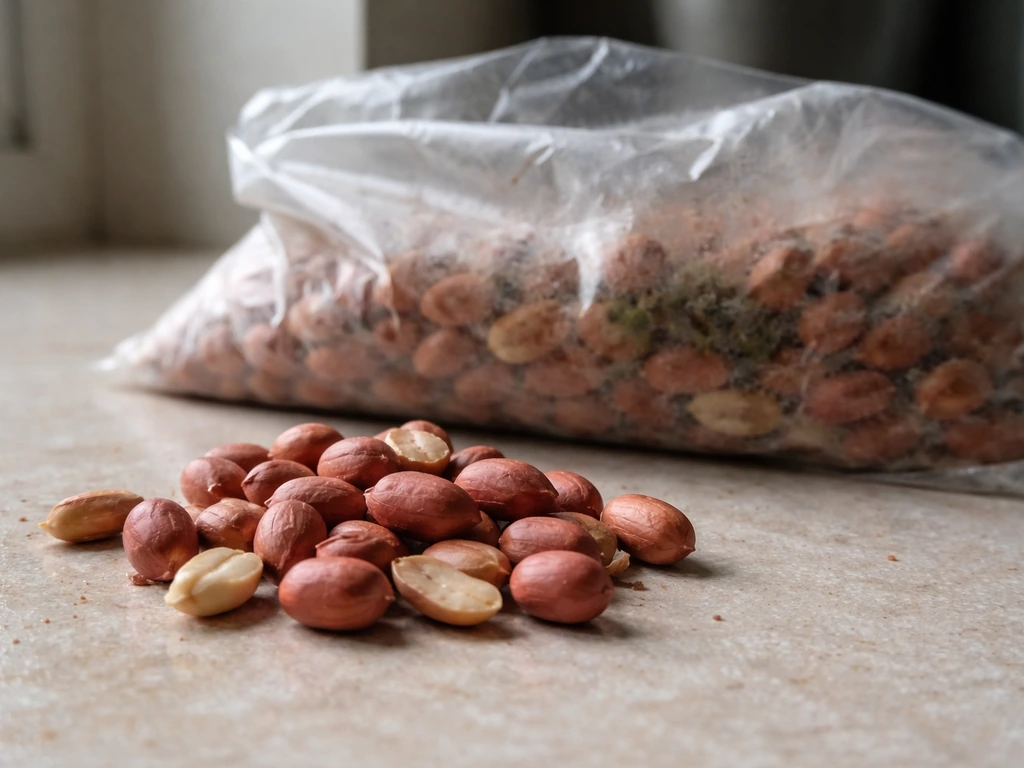
The biggest danger is mold. Peanuts are especially prone to colonization by Aspergillus flavus and Aspergillus parasiticus, two molds that produce aflatoxins. These are potent liver toxins, and the FDA sets an action level of just 20 parts per billion (ppb) for aflatoxin in pet food because dogs are so sensitive to it. The FDA media guidance on action levels for aflatoxins in animal food specifies that 20 parts per billion is the action level for aflatoxin in pet food intended for dogs and other pets FDA sets an action level of just 20 parts per billion (ppb) for aflatoxin in pet food. Bird peanuts are not regulated as pet food, so there is no guarantee they fall within that threshold. Bags left in a shed, exposed to humidity, or sitting under a wet feeder can reach dangerous mold levels quickly, especially in warm, damp weather.
Salt is the second major issue. Many bird-peanut products are dry-roasted or lightly salted to extend shelf life. Salt is not something dogs need more of, and in large amounts it can cause sodium poisoning with symptoms like excessive thirst, vomiting, and neurological signs. Even a "lightly salted" label means the peanuts are not appropriate as a regular dog snack.
Bird-food peanut mixes often contain other ingredients too: sunflower seeds, dried fruit, corn, and sometimes coatings like honey or flavored oils. Some of those additions are harmless. Others, like raisins or certain sweeteners, are genuinely dangerous to dogs. If the peanuts came as part of a mixed bird food block or blend, the risk goes up significantly.
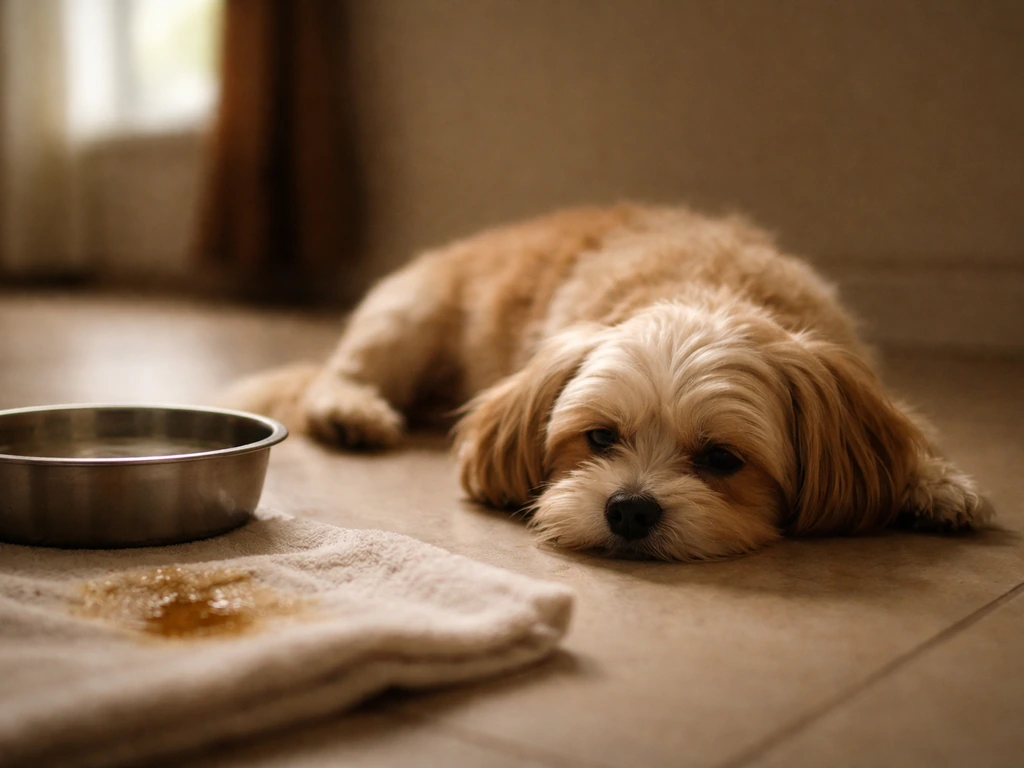
Finally, there is a mechanical risk. Shell-on peanuts can be a choking hazard, especially for smaller dogs, and large quantities of any peanut can cause gastrointestinal upset or, in worst-case scenarios, a blockage. Signs of a GI obstruction include repeated vomiting, gagging, drooling, refusal to eat, and lethargy. Young large-breed dogs are statistically more prone to this kind of foreign-body problem.
What to check on the label before your dog gets near them
If your dog has already eaten some and you still have the packaging, read it carefully. Here is what to look for:
- Salt or sodium listed in the ingredients: even "low salt" formulas are not dog-safe as a food source
- Oils, flavourings, or coatings: honey roast, butter roast, or any flavoured variety should be treated as unsafe
- Mixed ingredients in a blend: check every item on the list, not just the peanuts themselves
- Raisins, currants, or dried grapes: toxic to dogs even in small amounts
- Xylitol or other artificial sweeteners: extremely toxic to dogs
- "For birds only" or "not for human consumption" labelling: this signals the product has not been safety-screened for animals other than birds
- Signs of moisture damage on the bag, clumping, or a musty smell: strong indicators of mold, even if you cannot see it visually
- No ingredient list at all: treat it as unknown and higher risk
The U.S. Fish and Wildlife Service recommends plain roasted, no-salt, no-sugar peanuts as the healthiest option for feeding birds. If the bag your dog got into matches that description, the risk is lower but not zero, because bird-grade peanuts still do not go through pet-food safety testing.
How much is too much, and what to watch for
A single plain peanut or a few pieces that fell under a feeder are unlikely to cause serious harm in a healthy, medium-to-large dog. Because bird peanuts can be contaminated with mold or contain added salt, they are not considered reliably safe for humans, either. That kind of one-off accidental snack is a "monitor at home" situation for most dogs, assuming the peanuts show no signs of mold and the label checks out as plain and unsalted. If you are wondering, can dogs eat bird peanuts safely, the short answer is that it depends on how much they ate and whether the peanuts look and smell normal.
A larger amount, say a dog that got into an open bag, cleaned up under a well-stocked feeder over several visits, or ate peanuts from a bird block with unknown ingredients, is a call-the-vet situation. The FDA specifically notes that pets are at elevated risk from aflatoxin partly because they tend to eat the same food repeatedly over time. Repeated access to even low-level contaminated peanuts compounds the risk.
Symptoms to watch for
| Category | Symptoms | Urgency |
|---|---|---|
| Aflatoxin / liver damage | Sluggishness, loss of appetite, vomiting, diarrhea, jaundice (yellow tint to eyes, gums, or skin), unexplained bruising or bleeding | Call vet immediately |
| Salt / sodium toxicity | Excessive thirst, urination, vomiting, diarrhea, tremors, seizures | Call vet immediately |
| GI upset (mild) | Loose stools, mild vomiting once or twice, mild gas | Monitor closely; call vet if it continues beyond 12–24 hours |
| Choking / obstruction | Gagging, drooling, repeated swallowing attempts, persistent vomiting, refusal to eat, lethargy | Emergency vet visit |
| Toxic ingredient (e.g. raisins, xylitol) | Vomiting, weakness, tremors, collapse (can onset rapidly) | Emergency vet visit immediately |
Immediate action plan if your dog ate bird peanuts
- Stop access right away and remove any remaining peanuts or bird food from reach
- Find the packaging and note the brand name, full ingredient list, and any warning labels
- Estimate how much your dog ate and when
- Note your dog's weight, breed, age, and any existing health conditions
- Call your vet, an emergency animal hospital, the ASPCA Animal Poison Control hotline at (888) 426-4435, or the Pet Poison Helpline at 1-855-764-7661
- When you call, give them all the details above: they will specifically ask for the product name, ingredients, amount consumed, time of exposure, and your dog's details
- Do not wait to see if symptoms appear if you suspect moldy peanuts or toxic ingredients were involved
Safer ways to feed birds when you have a dog
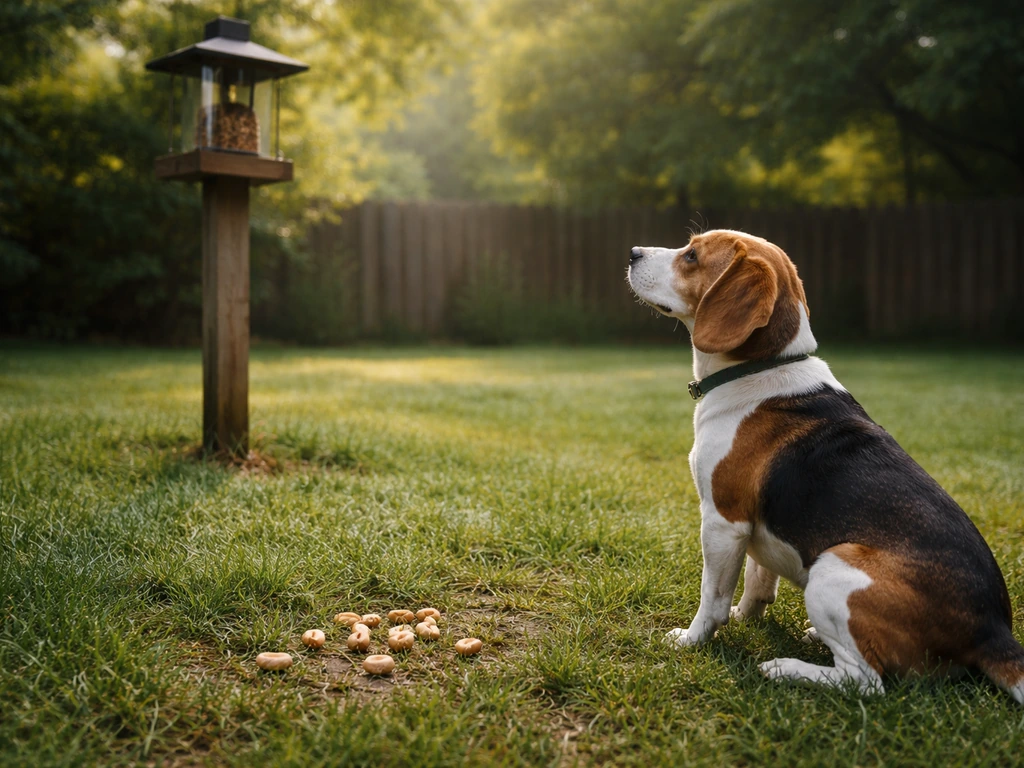
You do not have to give up feeding birds just because you have a dog, but it is worth thinking about what you put in feeders and where you put them. Peanut feeders are among the messiest, with shells and whole nuts dropping to the ground where dogs can easily find them. A few practical swaps help a lot.
- Use shelled, plain sunflower hearts in a tube feeder mounted high enough that your dog cannot reach beneath it easily
- Switch to nyjer (thistle) seed in a fine-mesh feeder, which is much less appealing to dogs and drops minimal waste
- Avoid suet cakes that contain peanuts or raisins if your dog has access to the yard
- If you do use peanuts for birds, choose plain, no-salt, no-additive whole peanuts in a hanging mesh feeder at a height your specific dog cannot reach or knock down
- Use a seed catcher tray under feeders to reduce ground scatter, and clean it regularly so old or wet seed does not accumulate
- Clean feeders every one to two weeks, especially in wet weather, to prevent mold buildup that could transfer to fallen seed your dog might eat
It is also worth knowing that the same mold risk applies to humans who handle bird peanuts frequently, and that question of whether bird peanuts are safe for people to eat follows similar logic around food-grade standards and aflatoxin levels.
Keeping your dog out of the bird food
Storage is the first line of defense. Keep bird seed and peanuts in airtight containers in a cool, dry place, not in a garden shed where humidity fluctuates. Moisture encourages exactly the kind of mold growth that makes peanuts dangerous. Do not leave bags open or partially used bags sitting on a low shelf where a dog with any determination can reach them.
- Store peanuts and seed in metal or hard plastic airtight bins, not in the original paper or mesh bags
- Keep storage containers in the house or a cool, dry, ventilated space, away from direct ground contact where condensation can build
- Inspect peanuts before filling feeders: discard any that smell musty, look discolored, or feel damp or clumped together
- Position feeders at a height and location where your dog cannot access fallen food easily, ideally over a hard surface you can sweep rather than grass or soil
- Sweep or rake under feeders daily if you have an active scavenger on four legs
- Consider temporarily suspending feeding during very wet spells when mold risk is highest and fallen seed accumulates quickly
- If you use rodent bait products near feeders or in your yard, keep dogs away from those areas entirely, since pest-control products near feeding stations can affect pets that sniff around the same areas
When to call the vet without waiting
Some situations do not need a wait-and-see approach. Call a vet or animal poison control right away if:
- The peanuts smelled musty, looked moldy, or came from a damp or damaged bag
- The bird food contained raisins, currants, grapes, xylitol, or any sweetener
- Your dog ate a significant quantity, especially a small dog eating what would be a large portion relative to body weight
- Your dog is showing jaundice, any yellowing of the eyes or gums, even mildly
- You see unexplained bruising, bleeding, or pale gums
- Your dog is gagging, drooling excessively, repeatedly trying to swallow, or showing signs of something stuck
- Vomiting or diarrhea persists or worsens after a few hours
- Your dog becomes suddenly lethargic or unresponsive
- You are not sure what was in the mix and your dog ate more than just a few pieces
The ASPCA Animal Poison Control Center (888-426-4435) and the Pet Poison Helpline (1-855-764-7661) are both available 24 hours a day. When you call, have the product name, ingredient list, estimated amount eaten, time of ingestion, and your dog's weight and breed ready. That information is exactly what they will ask for, and having it ready gets your dog help faster.
FAQ
If my dog ate one or two bird peanuts, do I still need to call a vet?
Usually no if the dog is healthy and the peanuts look and smell normal, but you should monitor for vomiting, diarrhea, excessive thirst, lethargy, or gagging for the next 6 to 24 hours. Call poison control sooner if the peanuts were salted, coated, or came from a moldy-looking bag, because those increase the aflatoxin and salt risk.
How can I tell if bird peanuts are too moldy to be safe?
Do not rely on taste. Throw them out if there is any visible fuzz or spots, a musty or bitter odor, wet clumping, or a dusty/grey film. Also discard peanuts if they were stored in humidity-prone areas like a shed, garage floor, or near a damp feeder, since invisible contamination can still be present even without obvious signs.
Are shelled bird peanuts safer than shell-on peanuts?
Shelled peanuts remove the choking risk, but they do not remove the main concerns in bird peanuts, mold and possible added salt or sweeteners. If you use shelled options, choose plain, unsalted peanuts and still store them airtight and use them quickly.
What if the peanuts are labeled “no salt” but marketed as “bird peanut mix”?
“No salt” may only apply to the peanut portion. Bird mix products can still include other ingredients such as dried fruit, sweeteners, flavored oils, or binders that can be harmful to dogs. If the label includes anything besides plain peanuts, treat it as a higher-risk ingestion and contact a vet or poison control with the ingredient list.
Does aflatoxin poisoning happen immediately after eating bird peanuts?
Often not. Aflatoxin-related liver injury can develop over days, so a dog can look fine at first. That is why repeated access is riskier, and why you should contact a professional if there was a larger amount eaten or if symptoms like vomiting, reduced appetite, or unusual sleepiness appear later.
My dog keeps getting into the feeder area and eating a few peanuts repeatedly. Is that worse than a single big meal?
Yes, repeated small exposures can be worse than one accidental snack because contaminated material can accumulate the risk over time, especially with aflatoxin. If your dog is repeatedly stealing peanuts, focus on stopping access (remove peanut feeders, switch to bird foods that do not spill, or use feeder designs that reduce drop) and ask your vet about whether monitoring is appropriate.
What symptoms would suggest a peanut caused a blockage rather than stomach upset?
Look for repeated retching or vomiting, drooling, inability or reluctance to eat, bloating, or progressive lethargy. Any symptoms that keep returning, worsen, or persist beyond a few hours after ingestion are a reason for urgent veterinary evaluation, particularly in small dogs or if the dog swallowed shell-on pieces.
Can I induce vomiting at home if my dog ate bird peanuts?
Do not induce vomiting unless a vet or poison control tells you to. With potential foreign-body risk from shells, vomiting could increase the chance of irritation or aspiration. It is also possible the main issue is later liver toxicity rather than something immediately reversible.
If the bag is missing, what details should I gather to get help fast?
Take a photo of the feeder area and any remaining crumbs or pieces, measure what is left if you can, note when ingestion likely happened, and estimate the amount by volume (for example, a handful versus a quarter of a bag). Also tell the caller your dog’s weight, age, breed or mix, and whether there were any symptoms at the time of the call.
Are bird peanuts safe for dogs to eat as a treat sometimes, if they are plain and unsalted?
They are not considered reliably safe as dog treats because bird peanuts are not handled under pet-food safety controls, and mold or aflatoxin risk can vary by storage and batch. If you want a peanut-based treat, it is safer to use plain, unsalted peanuts specifically intended for human consumption and still keep portions small, but even then treat them as occasional, not routine.
Next Articles
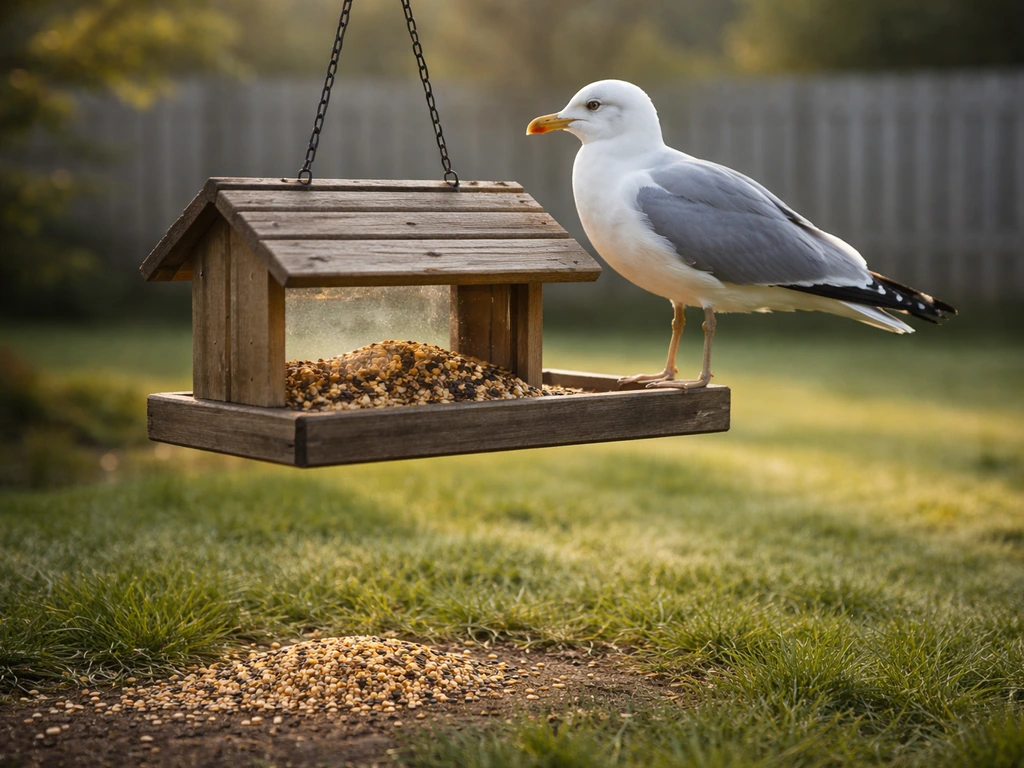
Do Seagulls Eat Bird Seed? How to Stop Them
Yes, seagulls often eat bird seed. Learn why they show up and how to block them while keeping feeding safe.
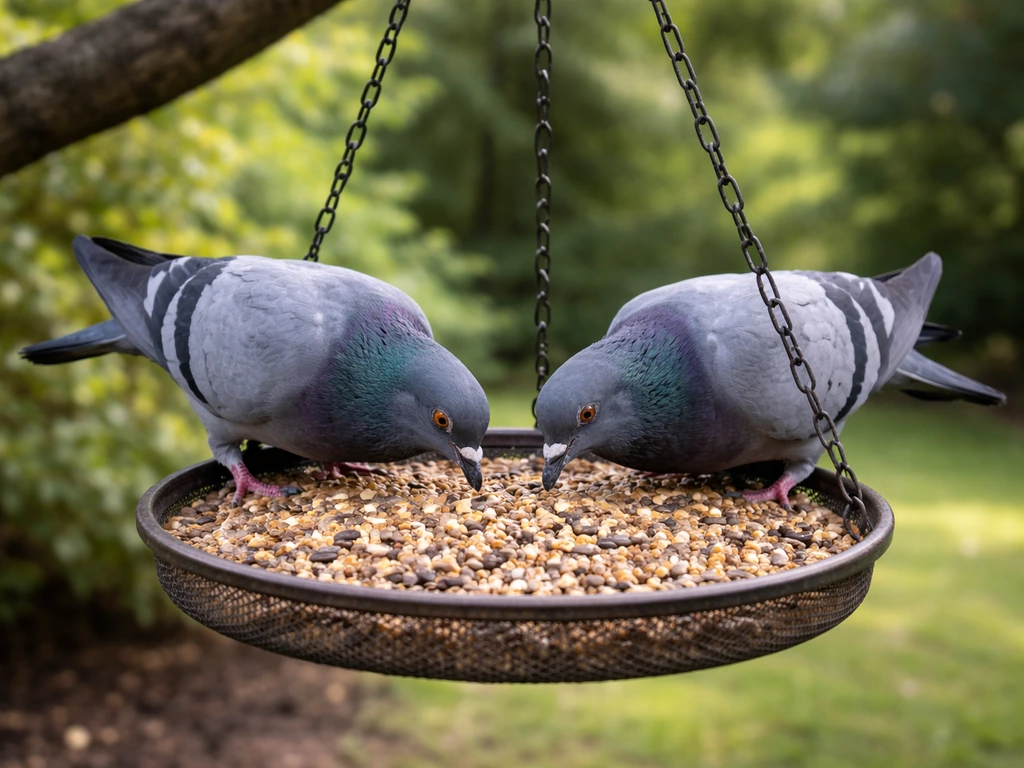
Do Pigeons Eat Bird Seed? Safe Feeding Tips and Risks
Yes, pigeons eat many seeds, but mold and mess make it risky. Learn safe bird seed storage, feeding, and placement.
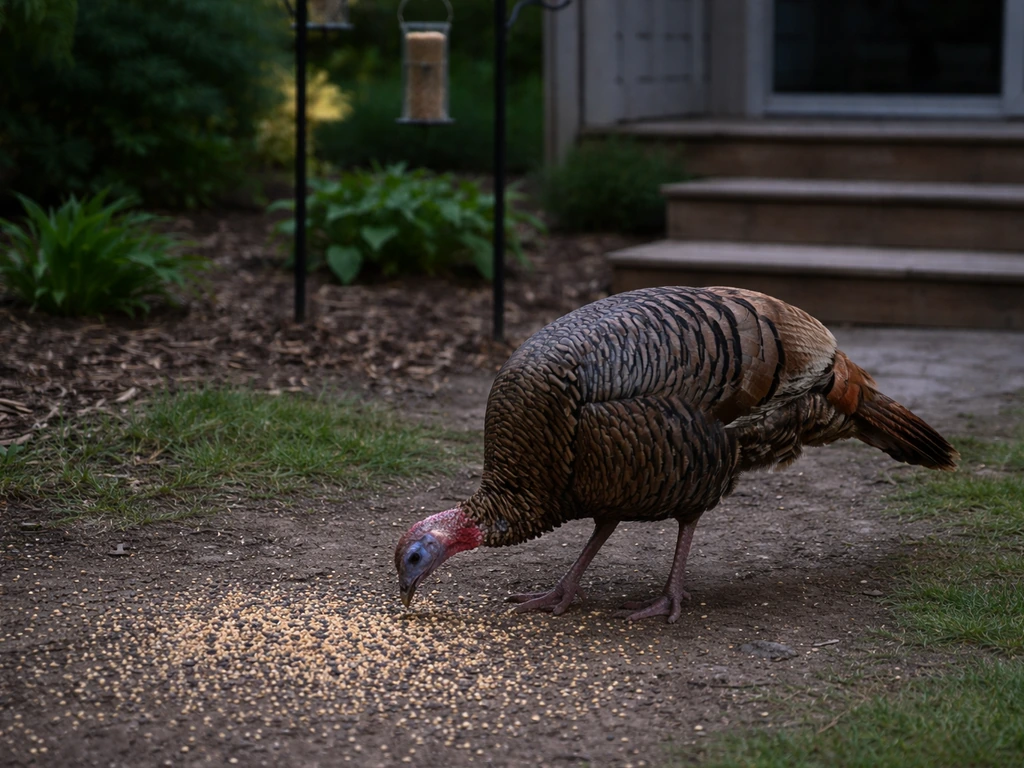
Do Turkeys Eat Bird Seed? What to Do for Safety
Do turkeys eat bird seed? Learn what attracts them, seed ingredients to avoid, and safety steps to stop mold and disease