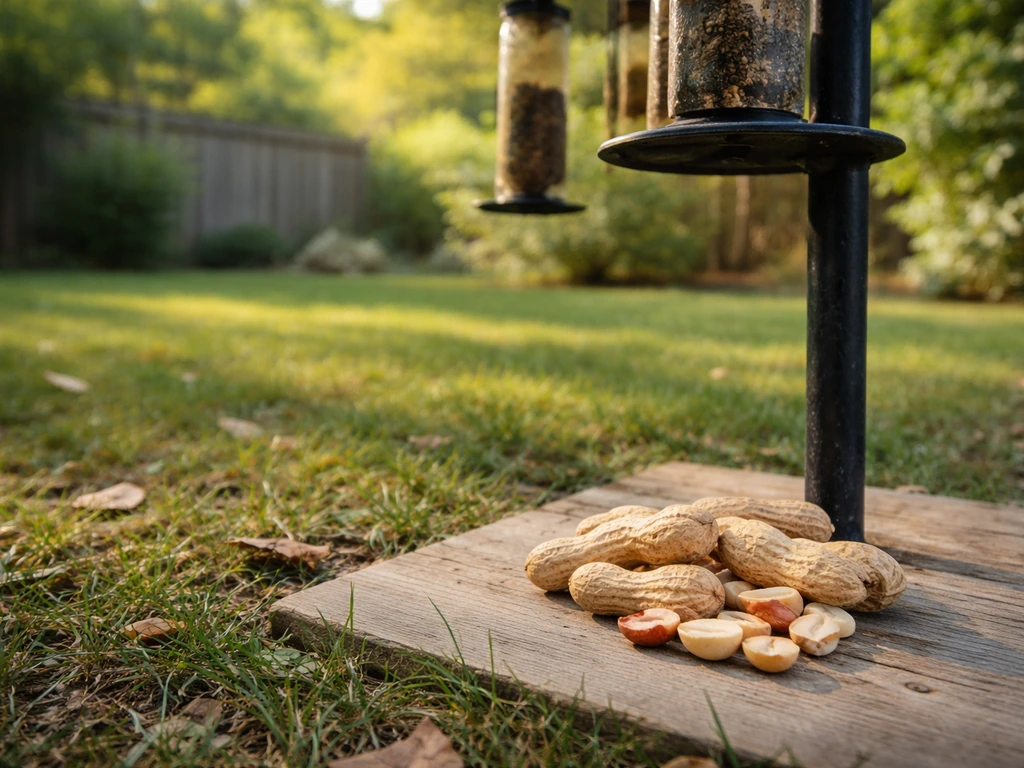
Technically, yes, you can eat bird peanuts, but whether you should depends entirely on the specific product and its condition. Many bird peanuts are just plain, unsalted whole peanuts with no additives, making them nutritionally identical to what you might buy in a grocery store. The real risks come from mold, rancidity, outdoor contamination, and the occasional additive or coating that was never intended for human consumption. Run through a quick inspection before you decide, and if anything looks, smells, or feels off, throw them out. The downside risk here, mainly aflatoxin poisoning from moldy peanuts, is serious enough that it's never worth eating ones you're unsure about.
Can Humans Eat Bird Peanuts? Yes or No and Why

Maya Henderson
15 May 2026
What "bird peanuts" actually are
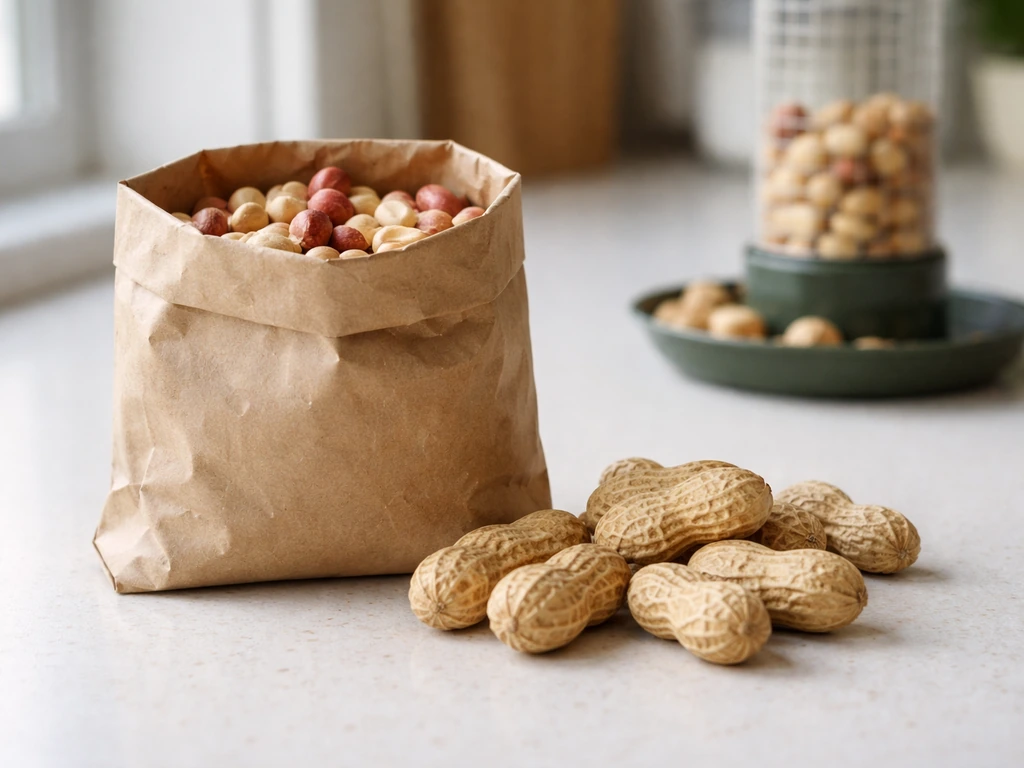
The term covers a few different products depending on where you buy them. In the US, bird peanuts are often sold whole in-shell, bagged as straight seed for wild birds. In the UK, the most common format is husk-free whole peanuts sold in resealable pouches designed to pour straight into a mesh peanut feeder. You'll also see kibbled peanuts, which are roughly chopped pieces suited to smaller birds or ground feeders. None of these are packaged, processed, or inspected as human food. They're categorized as wildlife feed, shelved alongside other wild bird products, and sold in bulk weights (2 kg, 10 kg, and larger) rather than the portion sizes you'd find in a grocery aisle.
That distinction matters for a couple of reasons. Human-grade peanuts sold for eating go through FDA or equivalent regulatory oversight that includes aflatoxin action levels and testing. Bird peanuts don't have to meet those same standards. They also don't carry mandatory allergen labeling formatted for human food safety, even though some brands voluntarily include allergen statements noting that peanuts are present. The packaging may or may not list ingredients clearly, and it may not include an expiration date relevant to human consumption.
Can you actually eat them? What to check first
If the bird peanuts you have are plain, whole, unshelled or shelled with no added ingredients, stored in a sealed bag, kept dry, and haven't been sitting in an outdoor feeder, there's a reasonable case they're fine to eat. The peanuts themselves are the same species as the ones you'd find in a grocery store. The gap is in quality control, storage, and handling. So before you eat any, work through these checks.
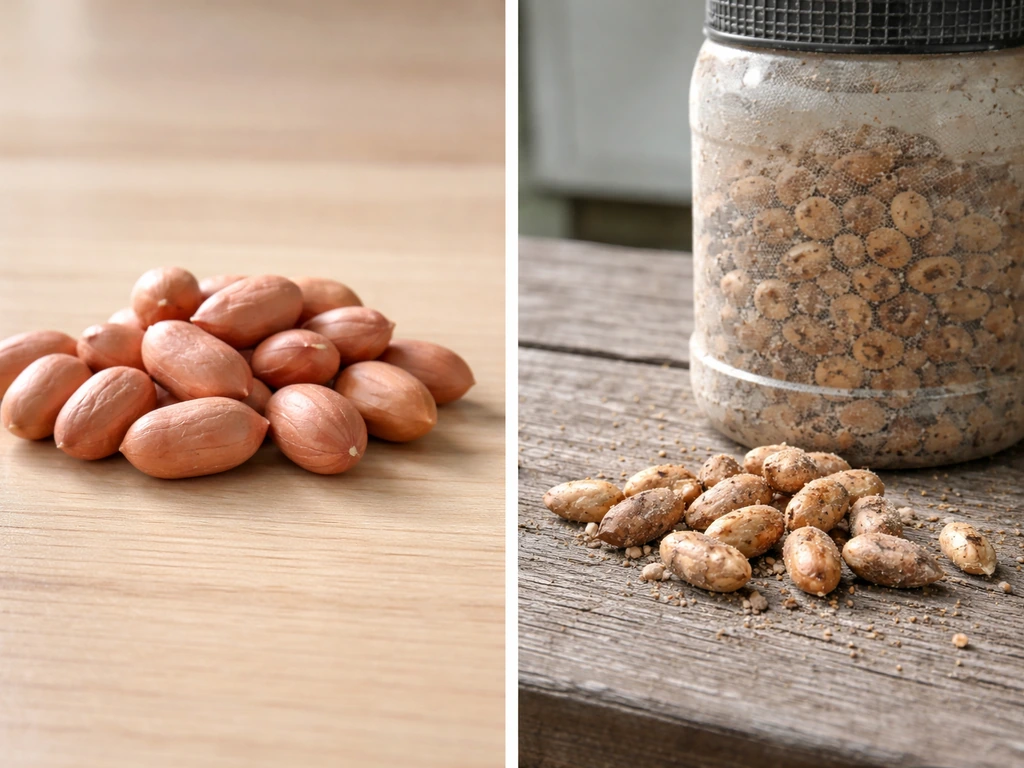
- Smell them: Fresh peanuts have a mild, nutty scent. A musty, sour, or sharp chemical smell is a disqualifying sign. Musty odor in particular points to mold growth, which can mean mycotoxin contamination even if you can't see visible mold.
- Look at them closely: Check for dark spots, fuzzy growth, shriveled or discolored kernels, or any greenish/black patches. Even a small amount of visible mold on a batch of peanuts is reason to discard the whole lot, not just pick around it.
- Check the packaging: Look for an ingredient list. If it shows salt, sugar, flavoring, oil, or any coating ingredient, those weren't formulated for human consumption and the batch isn't appropriate to eat. Plain peanuts only.
- Check the source and storage: Were these stored indoors in a sealed, dry container since purchase? Or have they been sitting in a garden feeder exposed to rain, bird droppings, insects, and temperature swings? Outdoor-exposed peanuts should never be eaten.
- Check the expiration or best-before date: If there is one and it's passed, be skeptical. If there isn't one, you're flying blind on how long they've been stored.
- Check for pest signs: Webbing, insect fragments, rodent droppings, or clumped and dusty kernels indicate contamination that makes the whole batch unsafe to eat.
The food safety risks that actually matter here
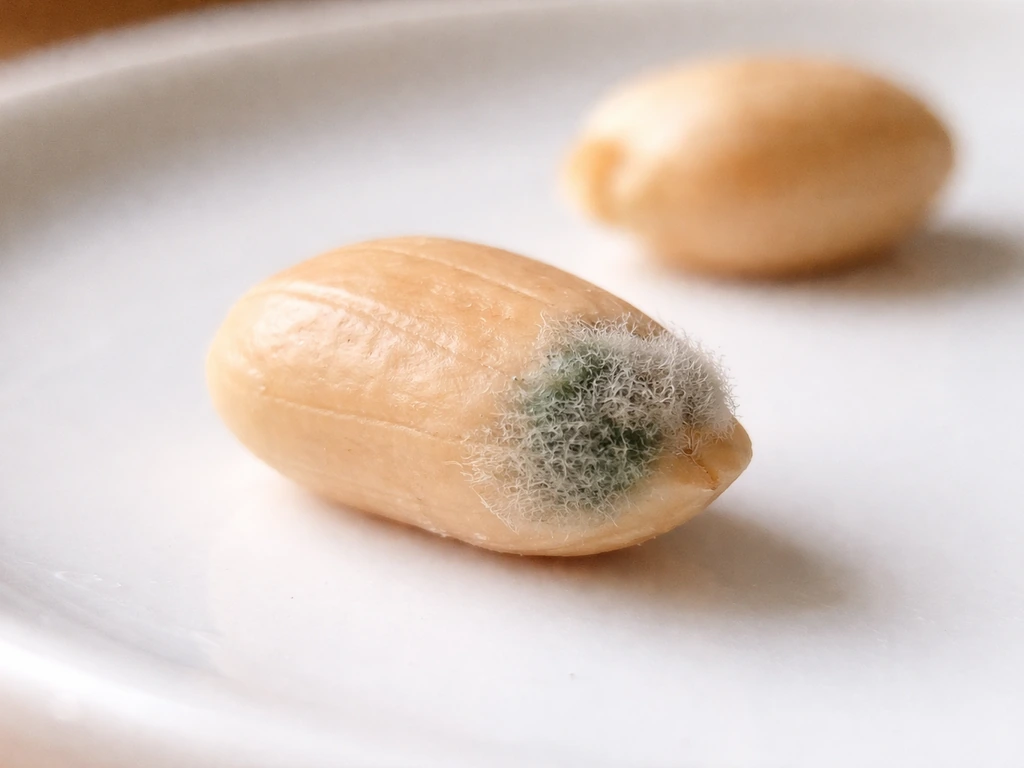
Mold and aflatoxins
This is the main reason to be cautious. Peanuts are one of the most aflatoxin-prone foods in existence. Aflatoxins are mycotoxins produced by certain molds, particularly when peanuts are stored in warm, humid, or improperly sealed conditions. The FDA treats aflatoxin contamination as a core food-safety enforcement issue for human peanut products and publishes specific action levels. Eating a large amount of aflatoxin at once, or smaller amounts over several days, can cause acute liver injury. The FDA states directly that high-dose exposure can lead to liver failure and death. There is no antidote; treatment means stopping exposure and getting supportive medical care. Bird peanuts stored outdoors or in damp sheds, or any batch with a musty smell, carry this risk in a way that no amount of rinsing or sorting will fix. The USDA guidance is unambiguous: for nuts and peanut products where mold is possible, discard rather than try to salvage.
Rancidity
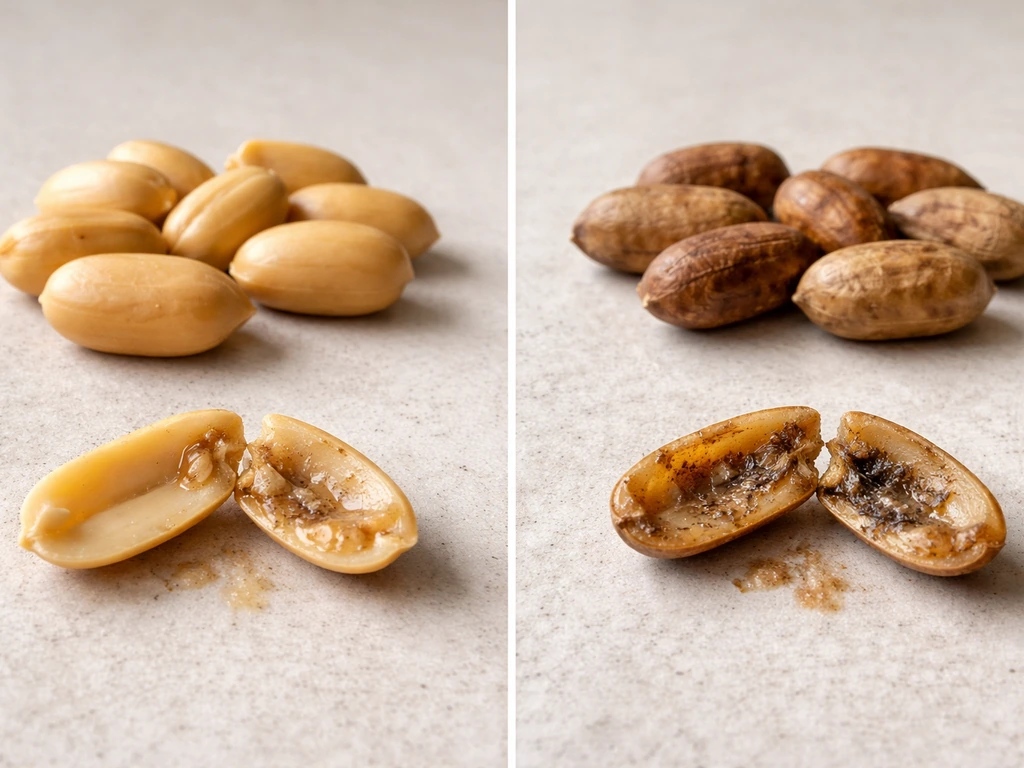
Peanuts are high in fat, and those fats oxidize over time, especially when exposed to heat, light, or air. Rancid peanuts taste sharp, bitter, or paint-like. They won't kill you the way aflatoxins can, but they'll cause nausea and gastrointestinal discomfort and they're simply not worth eating. Bird peanut bags are not always resealable or vacuum-packed to the standard of human food, so rancidity is a genuine concern in older or poorly stored stock.
Outdoor contamination
Any peanuts that have gone into a feeder and been exposed outdoors are off the table, full stop. Feeders collect bird droppings, saliva, insects, and moisture. Wildlife picking at the feeder, including rodents that often target ground-level spills, can spread bacteria and other pathogens. The USDA APHIS notes that wildlife feeding sites can harbor and spread bacteria from waste and animal contact. You can't clean that contamination out of a peanut kernel with any practical home method.
Additives and coatings
Some bird food mixes include peanuts coated with fats, flavors, or attractants designed to appeal to birds, not to human palates or safety standards. A few specialty bird treat products list additional ingredients. If the label shows anything beyond "peanuts" in the ingredient list, don't eat them. Bird food labeling doesn't follow the same human-food ingredient and allergen standards, so even what appears on the label may be incomplete.
Insect and rodent contamination
Bulk bird peanuts stored in warehouses or garden sheds are vulnerable to weevils, moths, and rodents. Signs include webbing between kernels, fine dust or frass, clumping, or a noticeably "off" smell. Any of these mean the whole batch is contaminated beyond what's visible and should be discarded.
How to make a safe yes-or-no call
The decision is actually simpler than it might seem. Run through the table below. A single "No" in the Safe column means discard the batch.
| Check | Safe (eat OK) | Not safe (discard) |
|---|---|---|
| Smell | Mild, neutral, nutty | Musty, sour, sharp, or chemical |
| Appearance | Uniform color, firm kernels, no spots or growth | Dark spots, fuzzy patches, shriveled or discolored kernels |
| Ingredients on label | Peanuts only, no additives | Salt, sugar, oil, flavoring, coatings, or unknown ingredients |
| Storage history | Sealed bag, indoors, dry, temperature-stable | Opened/unsealed, damp shed, outdoors, unknown storage |
| Outdoor feeder exposure | Never placed in a feeder | Was in a feeder at any point |
| Date | Within best-before date (if listed) | Past date or no date on bulk bag with no tracking |
| Pest signs | None visible | Webbing, frass, droppings, clumping, insect fragments |
If all checks pass and the peanuts are plain, sealed, and have never been outdoors, you can eat them. Roasting them at home (around 350°F / 175°C for 15 to 20 minutes) adds a layer of safety by reducing surface bacteria, though it won't neutralize pre-formed mycotoxins if mold has already been present. That's why the smell and appearance checks before you decide are the critical step, not the roasting itself.
When to skip them entirely and when to call for help
Always avoid bird peanuts if:
- There is any visible mold, no matter how small the spot or how easy it looks to pick around.
- The batch has a musty or off smell of any kind.
- They've been in an outdoor feeder or exposed to rain, bird droppings, or wildlife contact.
- The label lists any ingredients beyond plain peanuts.
- You're immunocompromised, pregnant, have liver disease, or have chronic lung disease. The CDC notes that people with weakened immune systems face elevated risks from mold exposure, and the FDA's aflatoxin risk profile includes liver and immune system harm.
- You have a peanut allergy and the product doesn't carry allergen information formatted for human food safety.
- The storage conditions are unknown or the bag was already open when you got it.
If you've already eaten some and feel unwell
Acute aflatoxin exposure can cause nausea, vomiting, and abdominal pain, which are also the signs of general acute liver stress. If you ate peanuts that were visibly moldy or smelled off and you start experiencing these symptoms, don't wait to see how you feel tomorrow. Call Poison Control at 1-800-222-1222 right away. The Wisconsin Poison Center advises not waiting for symptoms to develop before calling if you suspect contaminated food ingestion. If symptoms are severe, including jaundice, extreme fatigue, or confusion, go to an emergency room. There is no antidote for aflatoxins, so the medical approach is stopping further exposure and supportive care, which is exactly why early contact with medical professionals matters.
Better uses for bird peanuts: feeding your backyard birds safely
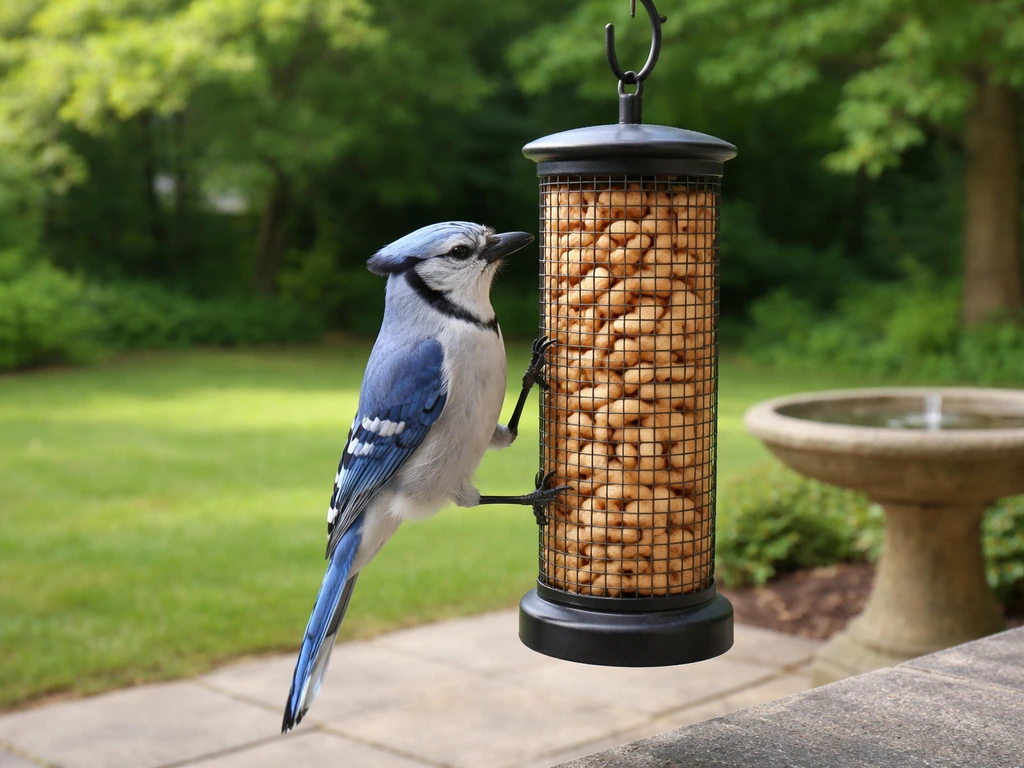
Honestly, bird peanuts are best used for the purpose they were sold for. Plain, whole peanuts in a mesh feeder or peanut feeder attract a wide range of birds including jays, woodpeckers, nuthatches, and titmice. If you're buying bird peanuts and wondering whether to eat a handful yourself, it's usually a much better idea to invest a couple of dollars in a bag of human-grade peanuts for the kitchen and save the bird peanuts for the feeder.
For safe feeder use, a few practices make a real difference. Keep peanuts in a sealed, dry container indoors until you're ready to fill the feeder. Only put out as much as birds will eat in a day or two, especially in wet or warm weather, to prevent the peanuts sitting in the feeder long enough for mold to develop. Clean your feeder regularly, at least every one to two weeks, with a dilute bleach solution and rinse it thoroughly before refilling. This protects the birds too, since moldy peanuts can harm them just as they can harm you. If you're concerned about pets around the feeder, the question of whether certain bird peanut products are safe for dogs depends on the same ingredient and mold checks that apply here, and it's worth reviewing product labels carefully before any animal (or person) gets into the bag. If you want the bottom line on whether are bird peanuts safe for dogs, treat any moldy, rancid, outdoors-contaminated, or additively coated peanuts as unsafe and discard them. But if you want the short answer to whether can dogs eat bird peanuts, focus on the same key checks: keep them plain, dry, and never use any moldy or outdoor-exposed batch.
If you're comparing bird peanuts to standard human peanuts and wondering what actually separates them, the differences come down to quality control standards, testing requirements, packaging, and the processing steps that human food must go through before hitting store shelves. A plain bird peanut and a plain grocery store peanut may look the same, but the journey from farm to bag is not the same, and that gap is exactly what makes a quick inspection so important before you eat them.
FAQ
Can I rinse bird peanuts to make them safe to eat?
No, rinsing can remove surface dirt, but it cannot reliably remove aflatoxins if mold was already present inside the peanut. Rinse only helps if the concern is visible debris, and if there is any musty odor, discoloration, or dampness, discard them.
What should I look for if the peanuts are past their “expiration” date?
With bird products, dates may not be meaningful for human use, so check the sensory and storage signs instead. If the bag was opened, stored warm, or smells sharp, bitter, paint-like, or musty, treat it as unsafe and throw them out.
Are in-shell bird peanuts safer than shelled ones for eating?
In-shell can be slightly better for avoiding moisture and surface contamination, but safety still depends on storage conditions and whether the batch sat in humidity or in feeders. If the shells are damp, have webbing, or the nuts smell off, discard regardless of shell type.
Can I roast bird peanuts to “kill” mold before eating them?
Roasting may improve safety for some surface microbes, but it does not neutralize pre-formed mycotoxins like aflatoxins. If you suspect mold from smell or appearance, roasting is not a fix, discard the peanuts.
What if the peanuts look normal but I’m worried about mold spores?
If appearance and smell are normal and the peanuts were stored sealed and dry indoors, risk is lower, but it is still untested for human safety. When in doubt, especially if the bag is old, keep them out of your diet and use them only for their intended wildlife purpose.
How long can bird peanuts safely sit in a feeder before I should stop using them?
In warm or wet weather, minimize exposure, typically refill in small amounts every day or every couple of days rather than leaving them for longer stretches. If peanuts are sitting wet, clumped, or have a musty smell, remove and discard them immediately.
If my household already ate some bird peanuts that might be contaminated, what should I do?
If you suspect moldy or rancid peanuts and develop symptoms like nausea, vomiting, abdominal pain, or unusual fatigue, contact Poison Control right away instead of waiting. For severe symptoms such as jaundice, extreme weakness, or confusion, go to urgent care or the emergency room.
Does aflatoxin risk apply only to visibly moldy peanuts?
No. Aflatoxins can be present even when peanuts do not look dramatically moldy. That is why odor, damp storage, and any musty feel are strong “discard” triggers, and why uncertain batches are not worth sampling.
Can I separate “bad” kernels and keep the rest?
Not reliably. Mold contamination and aflatoxin distribution can be uneven within a batch, so removing a few obvious pieces does not guarantee safety. If you see webbing, frass dust, clumping, musty odor, or dampness, discard the whole batch.
Are flavored or coated bird peanuts ever safe for human eating?
Avoid them. If the ingredient list includes anything beyond peanuts, like fats, sweeteners, seasonings, attractants, or specialty coatings, do not eat them. Those additives have not been prepared under human food safety labeling and testing standards.
Citations
A major UK retailer lists “Husk-free whole peanuts” for wild birds in a resealable 2 kg pouch; the description indicates you simply pour into a peanut feeder (i.e., feeder-ready whole peanuts, not shelled-split for human pantry use).
https://www.tesco.com/shop/en-GB/products/325444225
A major US retailer sells “Whole in Shell Peanut” bird treats, indicating the common form for “bird peanuts” is whole peanuts in shell (or at least whole/feeder-appropriate format), sold as bird treats rather than human food.
https://www.petsmart.com/bird/food-and-treats/treats/all-living-things-whole-in-shell-peanut-medium-and-large-bird-treats-4154.html
A major UK retailer categorizes peanuts specifically under “wild bird” food, reflecting common labeling/placement of feeder peanuts separate from supermarket/bakery-style nuts (i.e., “bird peanuts” are commonly sold as wildlife feed products).
https://www.wilko.com/en-uk/garden-outdoor/wildlife/wild-bird/wild-bird-food/wild-bird-peanuts/c/1922
A UK bird-food brand/retailer describes “whole peanuts” intended to be used in a “suitable peanut feeder,” implying outdoor-feeder use and that the product is marketed as feeder food (not as a human snack/food ingredient).
https://www.birdfood.co.uk/bird-foods/peanuts
The UK market also commonly sells peanuts in specialized bird-feeding formats such as “kibbled peanuts,” showing that “bird peanuts” may be processed/format-adjusted beyond simple grocery whole peanuts.
https://www.birdfood.co.uk/premium-kibbled-peanuts-10kg
A major US wild-bird retailer sells “Peanuts in-The-Shell” as “straight seed” for birds, reinforcing that “bird peanuts” are typically in-shell/feeder-compatible rather than packaged as mainstream edible nuts.
https://www.wbu.com/products/straight-seeds/peanuts-in-the-shell/
FDA states that regular consumption of foods containing aflatoxins increases risks including liver cancer and that eating a large amount at one time or over several days can lead to liver failure and even death.
https://www.fda.gov/food/natural-toxins-food/mycotoxins
FDA notes it publishes aflatoxin action levels and regularly tests foods for aflatoxins, indicating that peanuts are a regulated mycotoxin-relevant commodity in the human food system.
https://www.fda.gov/food/natural-toxins-food/mycotoxins
USDA FSIS explains that some molds can produce “mycotoxins” and includes a discard guidance for “Peanut butter, legumes and nuts” (i.e., if mold is present where not part of the intended process, discard rather than salvage).
https://www.fsis.usda.gov/food-safety/safe-food-handling-and-preparation/food-safety-basics/molds-food-are-they-dangerous
FDA has a compliance policy guide specifically for aflatoxins in peanuts and peanut products, showing they treat aflatoxin contamination as a core enforcement/food-safety issue for human peanut consumption.
https://www.fda.gov/regulatory-information/search-fda-guidance-documents/cpg-sec-570375-aflatoxins-peanuts-and-peanut-products
FDA emphasizes aflatoxin toxicity risk at higher exposures (single large amounts or repeated days), which is relevant to judging whether “bird peanuts” that sat outdoors/moldy are an acceptable human ingestion risk.
https://www.fda.gov/food/natural-toxins-food/mycotoxins
FDA notes there is no antidote for aflatoxins and treatment focuses on stopping further exposure and supportive care—underscoring the seriousness of aflatoxin exposure when contaminated nuts are consumed.
https://www.fda.gov/animal-veterinary/animal-health-literacy/aflatoxin-poisoning-pets
USDA AMS states it supports trade of almonds, peanuts, and pistachio nuts by approving/accrediting labs that can test for mycotoxins including aflatoxin and ochratoxin A.
https://www.ams.usda.gov/services/lab-testing/mycotoxins
USDA APHIS warns that wildlife can pick up and spread bacteria/waste from food sites; while aimed at feeding wildlife, it supports the idea that outdoor feeder environments can carry contamination not intended for human ingestion (e.g., droppings/debris).
https://www.aphis.usda.gov/wildlife-services/dont-feed-wildlife
USDA FSIS includes guidance that musty smell indicates spreading mold around and that mycotoxin-producing molds mean discarding is safer than trying to clean/move around visible mold.
https://www.fsis.usda.gov/food-safety/safe-food-handling-and-preparation/food-safety-basics/molds-food-are-they-dangerous
FDA states eating large amounts of aflatoxin at one time or over several days can lead to liver failure and death, illustrating why “rinsing” a visibly questionable peanut supply is not considered a reliable mitigation against toxin risk.
https://www.fda.gov/food/natural-toxins-food/mycotoxins
Codex guidance indicates contaminated peanuts should be diverted to non-food uses and that aflatoxin control relies on regular analyses rather than surface inspection alone.
https://www.fao.org/fao-who-codexalimentarius/sh-proxy/es/?lnk=1&url=https%253A%252F%252Fworkspace.fao.org%252Fsites%252Fcodex%252FStandards%252FCXC%2B55-2004%252FCXC_055e.pdf
StatPearls describes acute aflatoxin exposure as potentially causing nausea, vomiting, abdominal pain and other signs of acute liver injury, supporting symptom-based monitoring if ingestion occurs.
https://www.ncbi.nlm.nih.gov/books/NBK557781/
CDC states mold exposure can cause various health effects for some people, and that people with weakened immune systems and chronic lung disease may be at risk for infections from mold spores.
https://www.cdc.gov/mold-health/
CDC/NIOSH notes that certain molds are “toxigenic” meaning they can produce toxins (mycotoxins), which supports the core risk model for moldy nuts beyond visible spoilage.
https://www.cdc.gov/niosh/mold/testing-remediation/index.html
FDA lists outcomes of aflatoxin exposure including birth defects, kidney/immune system problems, and liver cancer risk, supporting higher-precaution framing for vulnerable people.
https://www.fda.gov/food/natural-toxins-food/mycotoxins
FDA emphasizes that dose matters (large amounts at once or over several days); this is the rationale for “yes/no” decisions based on whether bird peanuts likely sat in moisture/outdoor conditions.
https://www.fda.gov/food/natural-toxins-food/mycotoxins
Poison Control states you can call the poison center at 1-800-222-1222 for additional help in poisoning emergencies.
https://www.poison.org/need-immediate-assistance
MedlinePlus lists 1-800-222-1222 as the poison control center emergency number and advises calling for poisoning questions/help.
https://medlineplus.gov/ency/article/002724.htm
CDC notes food poisoning symptoms vary by germ and includes guidance on complications and when to seek help (useful for distinguishing typical foodborne illness time courses from other exposures).
https://www.cdc.gov/food-safety/signs-symptoms/
No data point captured from this source in the current tool results; included here would be speculative, so not used for conclusions.
https://www.mayoclinic.org/diseases-conditions/mold-toxic-symptoms/symptoms-causes/syc-20350799
USDA FSIS provides explicit “discard” guidance for foods with mold where mycotoxin risk is possible (including nuts/peanut products), which is directly relevant to decision criteria for bird peanuts that show mold.
https://www.fsis.usda.gov/food-safety/safe-food-handling-and-preparation/food-safety-basics/molds-food-are-they-dangerous
Wisconsin Poison Center states: “don’t wait for symptoms—call … right away” and provides 1-800-222-1222, supporting early poison-control contact after possible contaminated food ingestion.
https://www.wisconsinpoison.org/Poison-Center1/PDF/Brochure-AdultMedicationSafety.pdf
FDA states that aflatoxin risks include liver failure/death with large exposures and that FDA publishes action levels; therefore, people should not assume “looks/rinses fine” eliminates risk.
https://www.fda.gov/food/natural-toxins-food/mycotoxins
CDC states mold can cause health effects for some people and that it can smell musty; this supports using “musty smell” as a red-flag criterion for discarding suspect peanuts.
https://www.cdc.gov/mold/pdfs/You_Can_Control_Mold.pdf
StatPearls indicates acute aflatoxin exposure can cause gastrointestinal symptoms (nausea, vomiting, abdominal pain) and that severe effects relate to liver injury—useful for escalation/monitoring windows after ingestion.
https://www.ncbi.nlm.nih.gov/books/NBK557781/
USDA FSIS indicates rinsing is not a reliable approach when mold may be producing mycotoxins (they recommend discard for at-risk categories including nuts/peanut products).
https://www.fsis.usda.gov/food-safety/safe-food-handling-and-preparation/food-safety-basics/molds-food-are-they-dangerous
Wild Birds Unlimited states their branded bird foods may contain peanuts as allergens, showing bird-feeding products are not formulated/processed like human allergen-safe foods.
https://www.wbfi.org/allergen-statement/
WBFI’s product-labeling guidance emphasizes that ingredient statements must identify each ingredient specifically—useful for identifying salt/spice/coating additives on bird-peanut packaging.
https://www.wbfi.org/product-labeling/
WBU states allergen statements (including peanuts) appear on certain labels, and that allergen/ingredient lists are part of packaging information relevant to additive/coating identification.
https://www.wbu.com/allergen-statement/
Next Article
Can Dogs Eat Bird Peanuts? Safety, Risks, and What to Do
Can dogs eat bird peanuts safely? Learn risks like fat, salt, mold, choking, and what to do if your dog ate some.