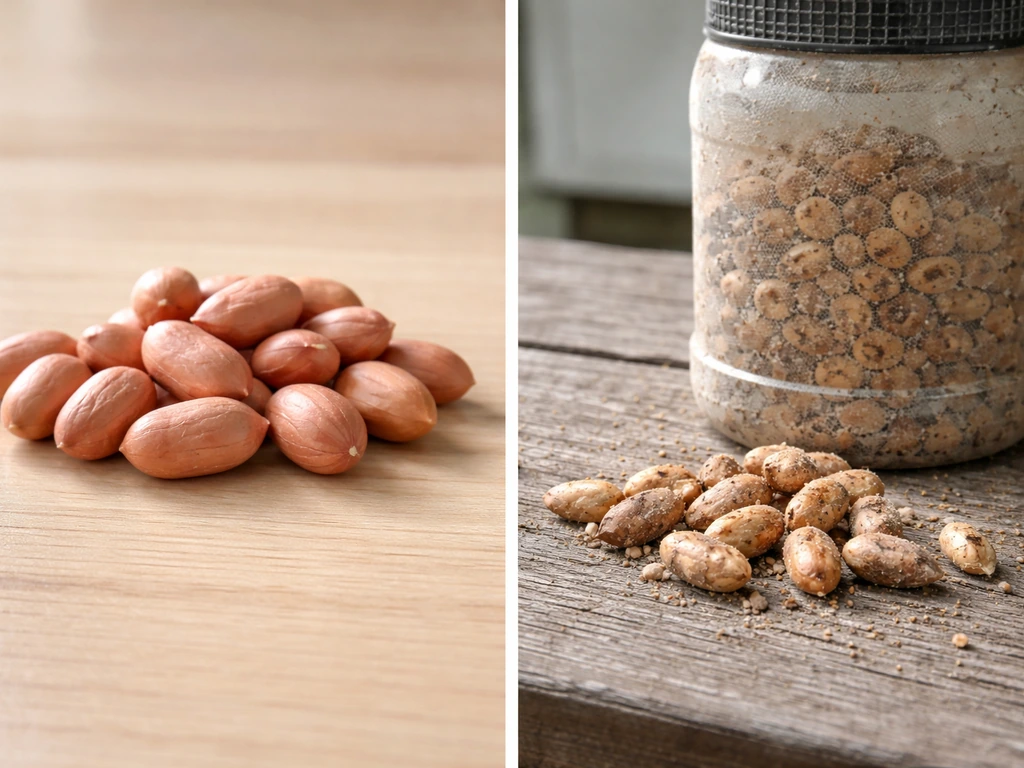
Bird peanuts are generally safe to handle, and in many cases safe to eat in small amounts if they are fresh, smell fine, and show no signs of mold or damage. If you want to use peanuts for eating, choose human-grade peanuts that meet the same aflatoxin limits and food-safety standards as grocery-store products human-consumption peanuts. But they are not held to the same food-safety standards as peanuts sold for human consumption, and that gap matters.
Are Bird Peanuts Safe for Humans? Risks and Safe Handling

Maya Henderson
16 May 2026
The real risks are not dramatic or immediate for most healthy adults handling a clean bag of bird peanuts, but mold, aflatoxin contamination, rancidity, and possible chemical residues make it unwise to eat them regularly or in quantity. If you are just filling a feeder and your hands touched some peanuts, you are almost certainly fine. If you are thinking about eating them as a snack, or a child got into the bag, read on.
What 'bird peanuts' actually are
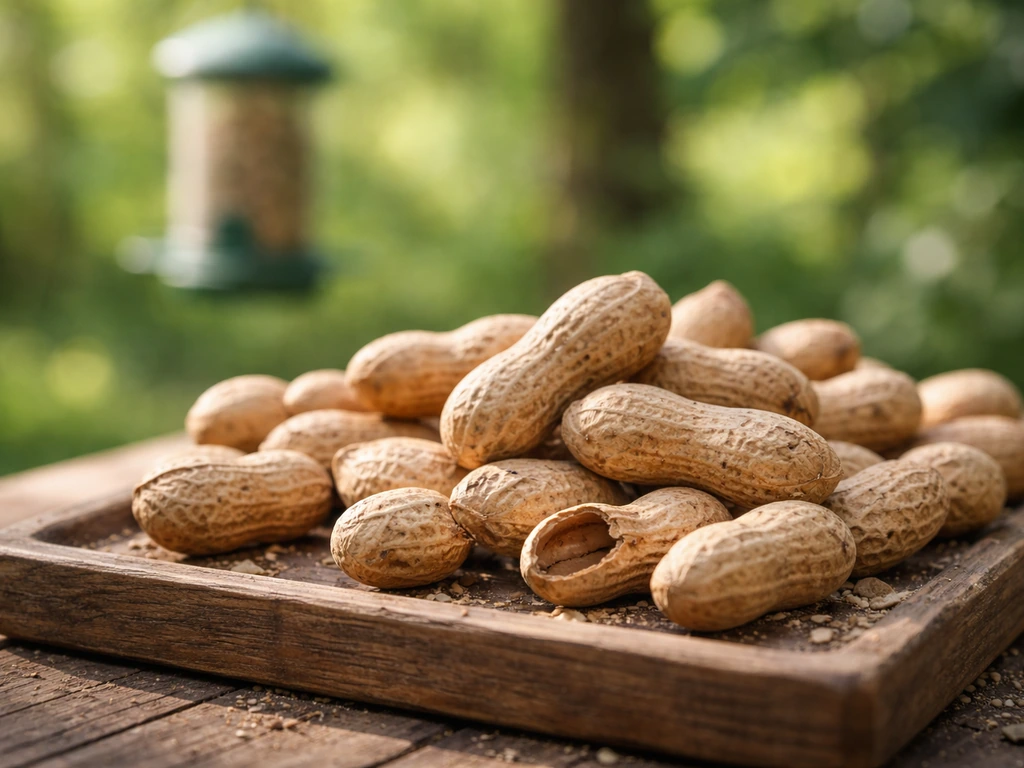
The term 'bird peanuts' covers a handful of products you will find at garden centers, farm supply stores, and wildlife retailers. The U. S. Fish & Wildlife Service bird-feeding guidance notes that birds eat both peanuts in the shell and peanut pieces [The term 'bird peanuts' covers a handful of products](https://www.
fws. gov/sites/default/files/documents/BirdFeeding2. pdf). The most common forms are raw in-shell peanuts, shelled peanut halves or chunks (sometimes called peanut pieces or kibbled peanuts), and peanut hearts, which are the small fragments left after peanuts are processed for oil or butter.
Some products are labeled 'wildlife peanuts' or 'wild bird peanuts' and carry an explicit 'not for human consumption' disclaimer on the bag. Others are simply raw, unprocessed peanuts sold in bulk with no such warning but also no food-safety certification.
What bird peanuts are not: they are not roasted, salted, or packaged peanuts intended for people. They have not necessarily been tested for aflatoxin at the 15 parts per billion limit the USDA requires for domestically marketed peanuts sold for human consumption. They may have been stored in conditions suited to a warehouse or feed mill rather than a food-grade facility. Some products marketed specifically for wildlife are processed under regulations designed for animal feed, not human food, which means different quality controls, different allowable preservatives, and different testing requirements.
Are they safe for humans to handle and eat?
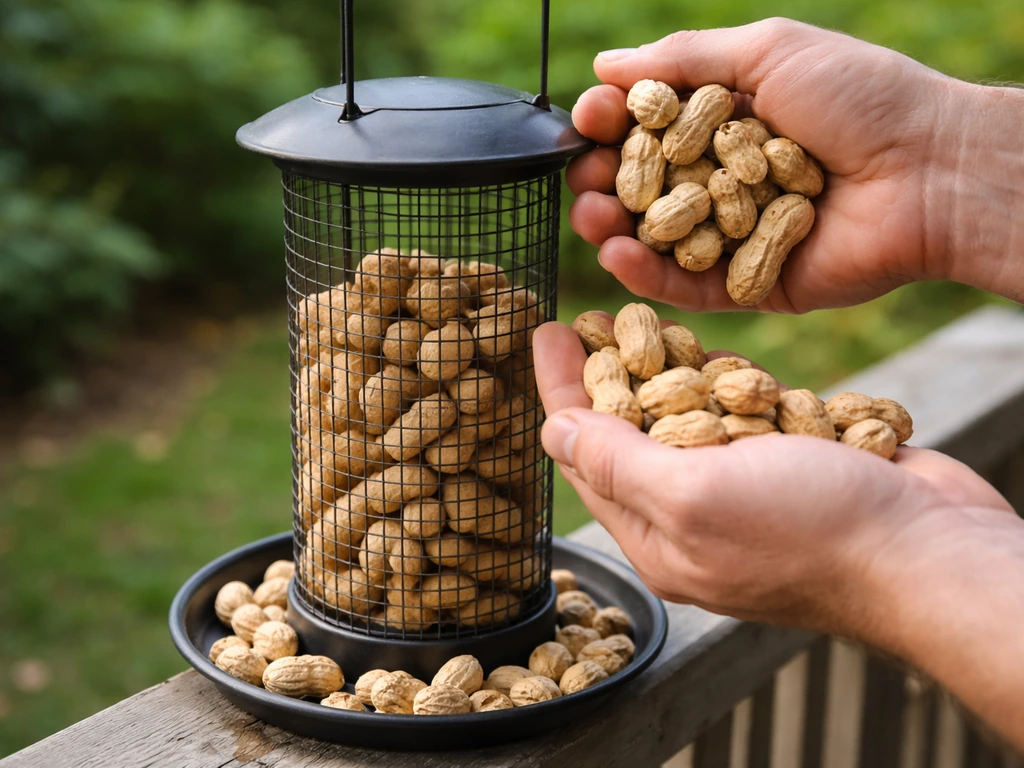
Handling bird peanuts is safe for the vast majority of people. Filling a feeder, scooping peanuts, or picking up spilled ones with your hands poses no meaningful health risk as long as you wash your hands afterward (which is good practice any time you handle bird feed, since feeders can harbor bacteria from bird droppings).
Eating them is a different question. A fresh, clean, well-stored bird peanut that smells and looks normal is not going to make a healthy adult sick from a taste or two. For guidance on whether can humans eat bird peanuts as a snack, it helps to know how aflatoxin testing and storage standards differ from grocery peanuts.
But because bird peanuts skip the aflatoxin testing and food-grade storage requirements that apply to human-consumption peanuts, you are accepting a degree of uncertainty about contamination that does not exist with grocery-store peanuts.
The occasional handful is unlikely to cause harm, but eating them regularly or in significant quantities is not something you should do, especially if you are pregnant, immunocompromised, or have liver concerns, since aflatoxin exposure is linked to liver damage, liver cancer, birth defects, and immune system problems with chronic intake.
The safety question also comes up differently depending on which type of bird peanut you have. Peanut hearts, for instance, have a higher surface area and go rancid faster than whole peanuts. In-shell peanuts offer some natural protection against moisture and mold but can still harbor contamination if the shells are cracked or if storage conditions have been poor.
The real risks: mold, aflatoxin, rancidity, chemicals, and allergies
Mold and aflatoxin
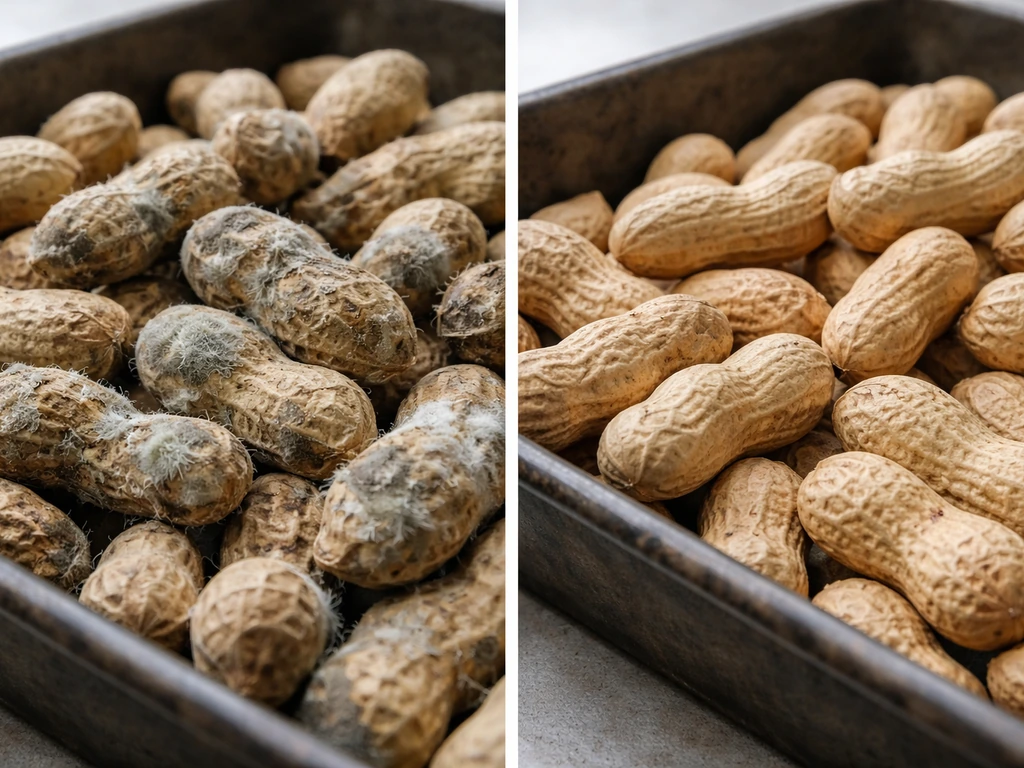
Aflatoxin is the big one. It is a natural toxin produced by certain molds, particularly Aspergillus species, that grow on peanuts before or after harvest and during storage, especially in warm, humid conditions. The FDA and USDA both monitor peanuts destined for human consumption and can pull products from the market if aflatoxin levels are unacceptable. Human-grade domestic peanuts must test at or below 15 ppb total aflatoxins.
Bird peanuts do not carry that guarantee. Aflatoxin is invisible and odorless, and even peanuts that look acceptable can carry it if they came from a contaminated batch.
Moldy, shriveled, discolored, or insect-damaged peanuts carry the highest risk, which is why inspecting your bird peanuts matters both for the birds and for anyone handling the feed.
Rancidity
Peanuts are high in fat, and fat goes rancid when exposed to heat, air, light, or humidity over time. Rancid peanuts have a stale, bitter, or paint-like odor and may look oily, yellowish, or darker than normal. They will not cause acute poisoning in the way that mold can, but rancid fats contain harmful oxidation byproducts, and eating rancid nuts regularly is not good for you. More practically, rancid peanuts are completely unappealing to eat. If your bird peanuts smell off, trust your nose.
Chemical residues and preservatives
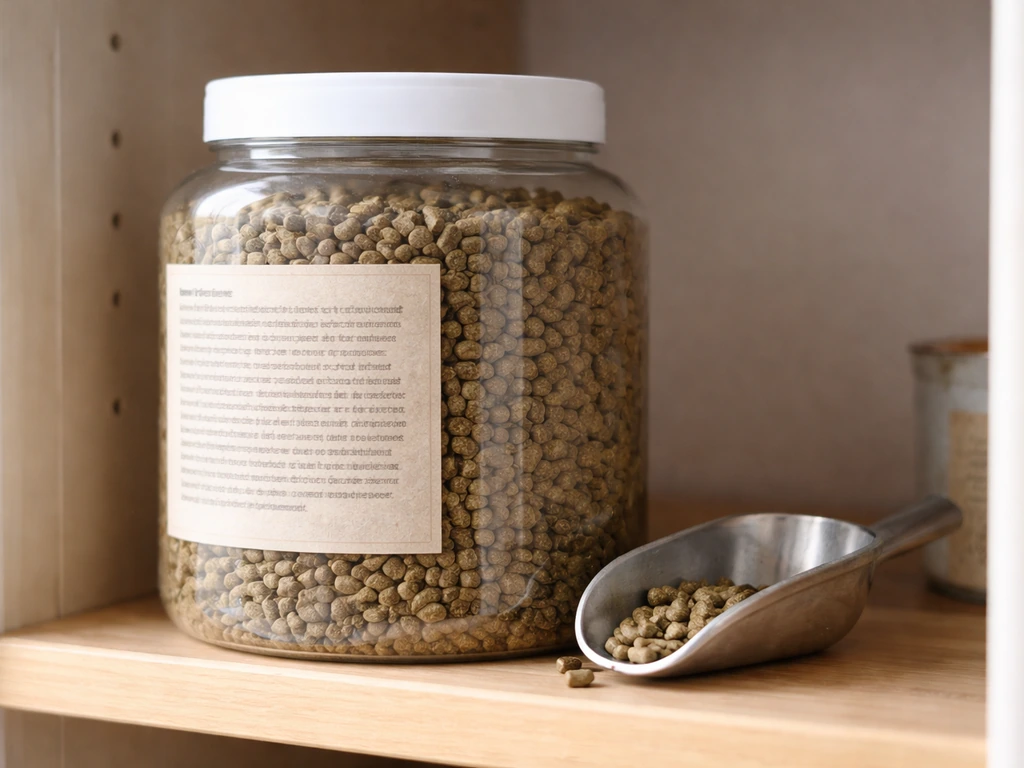
Some animal-feed and wildlife-food products use preservatives approved for animal feed but not necessarily intended for human consumption. Ethoxyquin, for example, is a preservative the FDA approves for use in animal feed with specific labeling requirements. If a bag of bird peanuts is produced under animal-feed regulations rather than human-food regulations, the processing and additive standards are different. Most plain raw bird peanuts do not have added preservatives, but if you are buying a processed bird-food product that contains peanut pieces, it is worth checking the label.
Allergies and choking
Peanut allergy is one of the most common and serious food allergies, and bird peanuts are no different from any other peanut in this respect. If you or anyone in your household has a peanut allergy, handling bird peanuts requires the same cross-contact precautions as handling any peanut product. Residual peanut protein on surfaces, hands, or tools can be enough to trigger a reaction. Symptoms can appear within minutes to a couple of hours, and severe reactions (anaphylaxis) require emergency medical attention. Small children who get into a bag of bird peanuts face both an allergy risk and a choking risk from whole peanuts or large chunks, so keep bird feed stored well out of reach.
How to inspect bird peanuts and when to toss them
Before you fill a feeder or handle a new bag of bird peanuts, take a minute to check what you have got. The inspection is quick and tells you a lot.
- Smell the peanuts first. Fresh peanuts have a mild, slightly earthy or nutty smell. A rancid, paint-like, sour, or musty odor means the peanuts are spoiled. Throw them out.
- Look for visible mold. White, green, gray, or black fuzzy patches are an obvious sign. Discard the entire batch, not just the affected peanuts, because mold toxins can spread beyond what you can see.
- Check color and texture. Healthy peanuts are cream to light tan. Dark, shriveled, or oily-looking peanuts are suspect. Soft texture in what should be a dry nut is a red flag.
- Look for insect damage. Holes in shells, webbing, or tiny insects indicate the peanuts have been compromised. Insect-damaged peanuts are among the highest-risk for aflatoxin.
- Check the storage history. If the peanuts sat in a hot garage, a damp shed, or an open bag exposed to humidity for weeks, treat them as suspect even if they look okay. Aflatoxin can develop without obvious signs.
The USDA's guidance on moldy foods is clear for high-risk items like nuts and peanut products: when in doubt, throw it out. Do not try to salvage a partially moldy bag by picking out the bad ones. For peanuts specifically, the USDA does not recommend cutting away mold and eating the rest, the way you might with a hard cheese. Discard the whole bag.
Storing bird peanuts safely for birds and people
Proper storage protects both the birds you are feeding and anyone in your household who handles the peanuts. The conditions that cause bird peanuts to go bad fast are heat, humidity, light, and air exposure. Controlling those four things extends the life of the peanuts significantly and reduces mold and aflatoxin risk.
- Store in a cool, dry location. A cool pantry or climate-controlled room is better than a hot garage or outdoor shed in summer.
- Use an airtight container. Transfer peanuts from an open or loosely closed bag into a sealed bin. Metal or hard plastic containers also help keep rodents out.
- Keep humidity low. Avoid storing near sinks, water heaters, or in areas with condensation. Humidity accelerates both mold growth and rancidity.
- Buy in quantities you can use quickly. Large bags are economical, but if peanuts sit for months before use, quality degrades. Buy amounts you will use within four to six weeks.
- Keep out of direct sunlight and away from heat sources. Light and heat speed up lipid oxidation.
- Label with the purchase date. It sounds basic, but it helps you track how long a bag has been open.
If you are storing bird peanuts in the same space as human food, make sure the containers are clearly labeled to avoid confusion. This is especially relevant if you also store culinary peanuts, since someone could easily mix them up.
Feeder hygiene and keeping spoilage under control
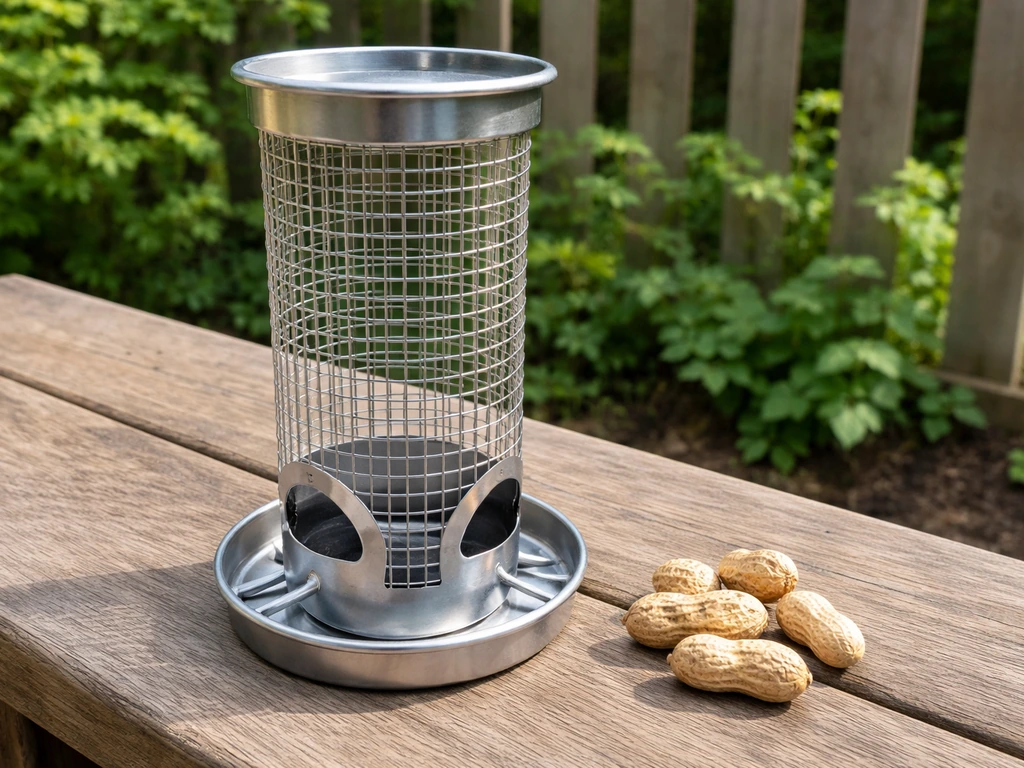
A dirty feeder is one of the fastest ways to ruin a fresh batch of peanuts. Moisture trapped in feeders from rain, bird droppings, or saliva accelerates mold growth, and that mold does not just stay in the feeder. It can carry over into whatever peanuts you add next.
- Clean your peanut feeder at least every two weeks, or more often in wet or humid weather. Use a mild dish soap, scrub well, rinse thoroughly, and let it dry completely before refilling.
- Do not top off a feeder that still has old peanuts sitting in it. Empty it, clean it, let it dry, then refill.
- Manage spilled peanuts on the ground promptly. Wet peanuts on the ground mold quickly and attract rats and squirrels. Rake up spilled feed every few days.
- Use feeders designed for peanuts that allow airflow and drainage. Mesh feeders that let moisture escape work better than solid-bottomed hoppers for peanut pieces.
- In very hot or humid weather, put out smaller quantities so peanuts are consumed before they spoil. A feeder that empties in a day or two stays fresher than one that sits full for a week.
- If you see mold inside a feeder, clean it thoroughly before reusing. Birds can be harmed by moldy feed too, and a contaminated feeder is a health risk for the wildlife you are trying to help.
Pest control matters here too. Spilled or stored bird peanuts attract rodents, which can in turn introduce contamination. Keeping stored peanuts in sealed containers and cleaning up spilled feed limits this problem. If you notice rodent activity around a feeder or storage area, it is worth checking your stored peanuts carefully before use.
What to do if someone ate questionable bird peanuts
If a healthy adult ate a small number of bird peanuts that turned out to be stale or mildly rancid, the most likely outcome is an upset stomach at worst. Rancid nuts are unpleasant but not acutely toxic in small quantities. Monitor for nausea, vomiting, or diarrhea and drink plenty of water.
If someone ate visibly moldy peanuts, or a significant quantity of peanuts from a bag that smelled musty or showed signs of contamination, contact Poison Control at 1-800-222-1222 or use their online tool. Seek medical attention promptly if severe symptoms develop, including severe vomiting, abdominal cramps, diarrhea, or any respiratory symptoms. Aflatoxin poisoning from a single exposure is rare at typical quantities, but it is not something to ignore if the contamination was obvious.
For peanut allergy reactions: if someone with a known peanut allergy handled or ate bird peanuts and begins experiencing symptoms, stop exposure immediately, use prescribed epinephrine if available, and call emergency services. Do not wait to see if symptoms resolve on their own for a suspected anaphylactic reaction.
If a pet got into bird peanuts, the situation is related but worth treating separately. Dogs, for instance, can eat small amounts of plain peanuts without harm, but rancid or moldy peanuts are a different matter, and certain bird-food formulations may contain added ingredients that are not safe for pets. For dogs, the safer approach is to avoid bird peanuts unless you are sure they are plain, fresh, and not rancid or moldy, since the same contamination risks apply to pet food can dogs eat bird peanuts. The same Poison Control line covers animal exposures, or you can call a pet poison helpline for faster species-specific guidance.
When bird peanuts are likely safe vs. when to avoid them
| Situation | Assessment | What to do |
|---|---|---|
| Fresh bag, normal smell, no visible mold or damage | Likely safe to handle; low risk if small amount eaten | Handle normally, wash hands after; avoid eating regularly |
| Peanuts smell stale, rancid, or bitter | Spoiled from fat oxidation | Discard the batch; do not feed to birds or eat |
| Visible mold (any color), discoloration, or webbing | High risk for aflatoxin; discard immediately | Throw out the entire bag; clean any containers or feeders |
| Shriveled, insect-damaged, or soft peanuts | Elevated contamination risk | Discard; do not sort and keep the rest |
| Stored in hot, humid, or damp conditions for weeks | Suspect even without obvious signs | Inspect carefully; when in doubt, discard |
| Bag labeled 'not for human consumption' | May use different regulatory standards than human food | Fine for birds; do not eat deliberately or in quantity |
| You or household member has a peanut allergy | Cross-contact risk from any peanut product | Apply full peanut-allergy precautions; keep birds' peanuts away from allergy-safe areas |
| Small child accessed the bag | Choking risk and allergy risk | Check for symptoms; store feed securely out of reach going forward |
The bottom line is that bird peanuts occupy a middle ground. They are not poison, and handling them is safe for nearly everyone. But they are not the same as the peanuts in your pantry, and the gap in food-safety standards is real. Use them for what they are designed for, store and inspect them properly, and you will keep your birds happy and your household safe at the same time.
FAQ
If I already ate a handful of bird peanuts once, should I be worried about aflatoxin?
One accidental handful is unlikely to cause harm for most healthy adults, especially if the peanuts looked clean and you did not notice mold or musty odor. The more important factor is whether the bag seemed fresh and properly stored, because chronic or repeated intake is what raises concern. If you develop persistent vomiting, severe abdominal pain, jaundice, or breathing symptoms, seek medical care and mention possible mold exposure.
What signs mean I should throw out the entire bag of bird peanuts immediately?
Discard the whole bag if there is any musty or moldy smell, visible mold, shriveled or discolored peanuts, a lot of insect-damaged pieces, or clumping that suggests moisture exposure. Do not try to salvage by removing a few bad kernels, because mold and aflatoxin can be present beyond what you can see.
Are roasted or flavored “bird peanut” products safer to eat than raw bird peanuts?
Not necessarily. Even if peanuts are roasted or coated, bird-feed or wildlife-food processing may still differ from human-food standards, including aflatoxin testing guarantees. Also, flavored products may contain added ingredients, salts, or preservatives intended for animals, which can create additional risk for people.
Can I rinse or soak bird peanuts to reduce mold or toxins before eating?
No. Rinsing or soaking does not reliably remove aflatoxin, because it is a toxin that can be present even when peanuts look acceptable. If mold is suspected, the safer approach is to discard rather than attempt cleaning.
How should I store bird peanuts to reduce the risk of rancidity and mold?
Keep them in a sealed container, away from heat, light, and humidity. Store in a cool, dry area, and avoid leaving them in the feeder after use. If your storage space is prone to moisture, consider using an airtight bin with a moisture barrier (such as a desiccant) rather than an open bag.
Is it safe to handle bird peanuts with kids at home if no one plans to eat them?
Handling is usually fine with good hygiene, but you should prevent ingestion. Whole peanuts and large chunks pose choking risks, so keep the bag sealed and stored high or in a closed cabinet. Wash hands after handling and before eating, and clean any tools or surfaces that touched the peanuts.
If someone in my household has a peanut allergy, can they still refill bird feeders?
Generally, yes only with strict cross-contact control. Allergy reactions can be triggered by residual peanut protein on hands, utensils, and surfaces, so the allergic person should avoid direct handling if possible. If they must help, use dedicated tools, wear gloves, avoid touching their face, and ensure hands and work surfaces are thoroughly cleaned afterward.
What’s the safest way to clean a feeder after using bird peanuts?
Remove old peanuts and wash the feeder with hot soapy water, then rinse well and fully dry before refilling. Moisture left behind in feeders can accelerate mold growth in the next batch. If you notice staining, a musty smell, or persistent buildup, use a disinfecting step appropriate for feeders and follow the product instructions.
Do peanut hearts from bird mixes spoil faster, and should I treat them differently?
Yes. Peanut hearts have more exposed surface area and can turn rancid sooner than whole in-shell peanuts, which increases the chance you will encounter off odors or stale fat. Inspect them more frequently, keep them airtight, and discard if they smell bitter, stale, paint-like, or look unusually oily.
Are there any preservatives or additives in processed wildlife peanut products that could be a concern?
They can be. Some processed wildlife feeds may include preservatives approved for animal use but not intended for people, and ingredient lists vary widely by brand. If the product is not clearly labeled for human consumption, do not eat it, and instead follow the label and use it only for feeding animals.
If my pet touched or ate bird peanuts, what should I do first?
First, stop more access and remove the rest of the bag from the pet’s reach. Then check whether the peanuts look fresh, not rancid or moldy, and whether the product is plain peanuts versus a mixed wildlife food with other ingredients. If you suspect moldy or very stale peanuts, or if your pet shows vomiting, diarrhea, or lethargy, contact your veterinarian or a pet poison helpline for immediate guidance.
Where is the biggest real risk for humans, handling or eating?
Handling a clean, intact bag is usually low risk, especially if you wash your hands afterward. Eating is the main concern because you lose the human-food assurances like consistent aflatoxin testing, and you are more likely to accumulate exposure if you do it repeatedly.
Next Article
Can Humans Eat Bird Peanuts? Yes or No and Why
Yes only if clean, unseasoned, human-grade peanuts; bird-feeder nuts may be moldy or contaminated, so inspect and avoid