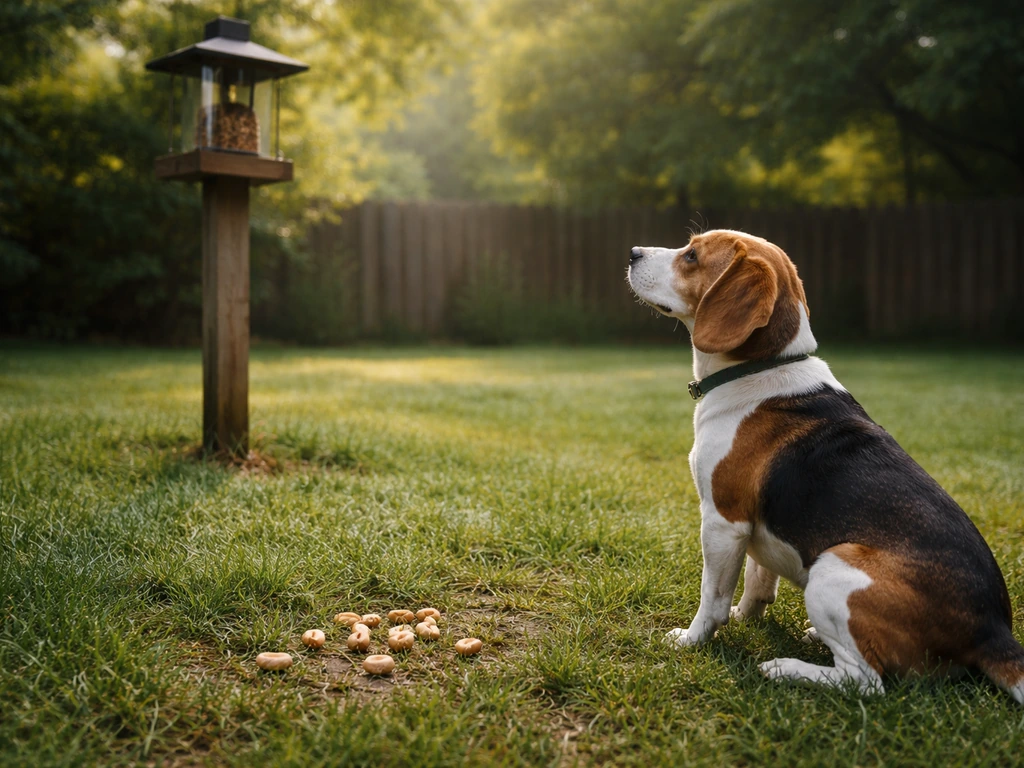
Plain, unsalted, uncoated bird peanuts are not toxic to dogs, but that does not make them a free snack. The real danger comes from what is done to the peanuts before they hit the feeder, how they have been stored, and how many your dog managed to eat. A handful of fresh, unflavored peanuts grabbed from a clean feeder is unlikely to cause serious harm. If you are wondering whether bird peanuts are safe for dogs, the safest approach is to offer plain, unsalted peanuts only in tiny amounts and watch for symptoms are bird peanuts safe for dogs. A pile of stale, moldy, or salted peanuts is a genuinely different story.
Can Dogs Eat Bird Peanuts? Safety, Risks, and What to Do

Maya Henderson
12 May 2026
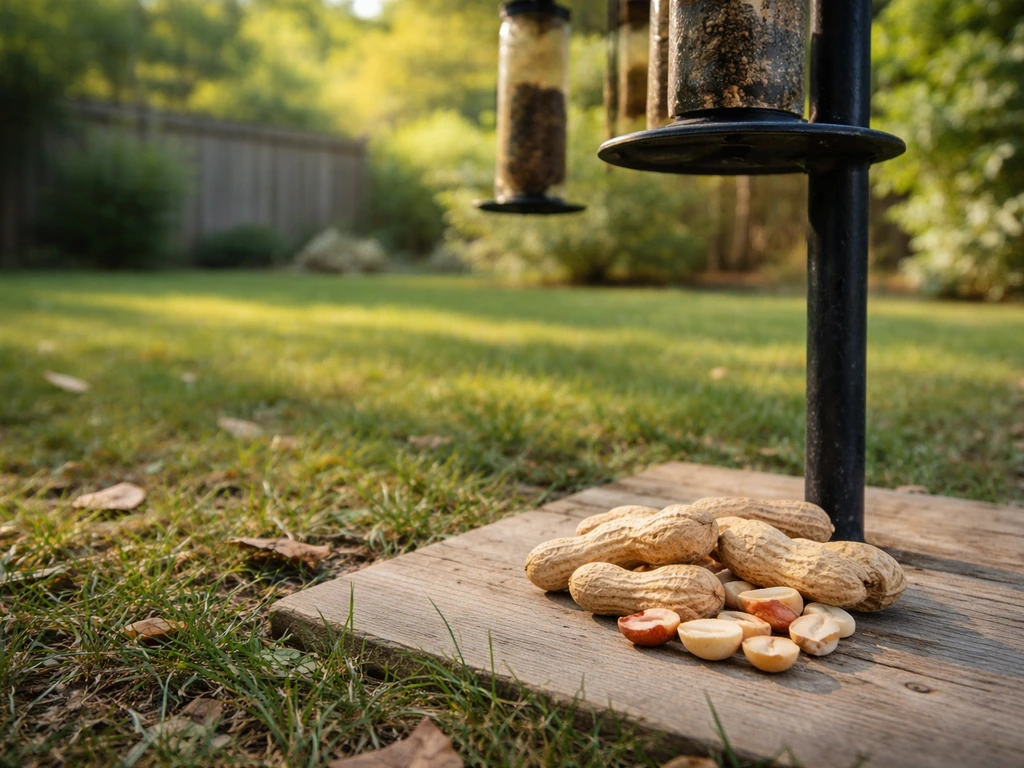
What 'bird peanuts' actually are (and what to check on the bag)
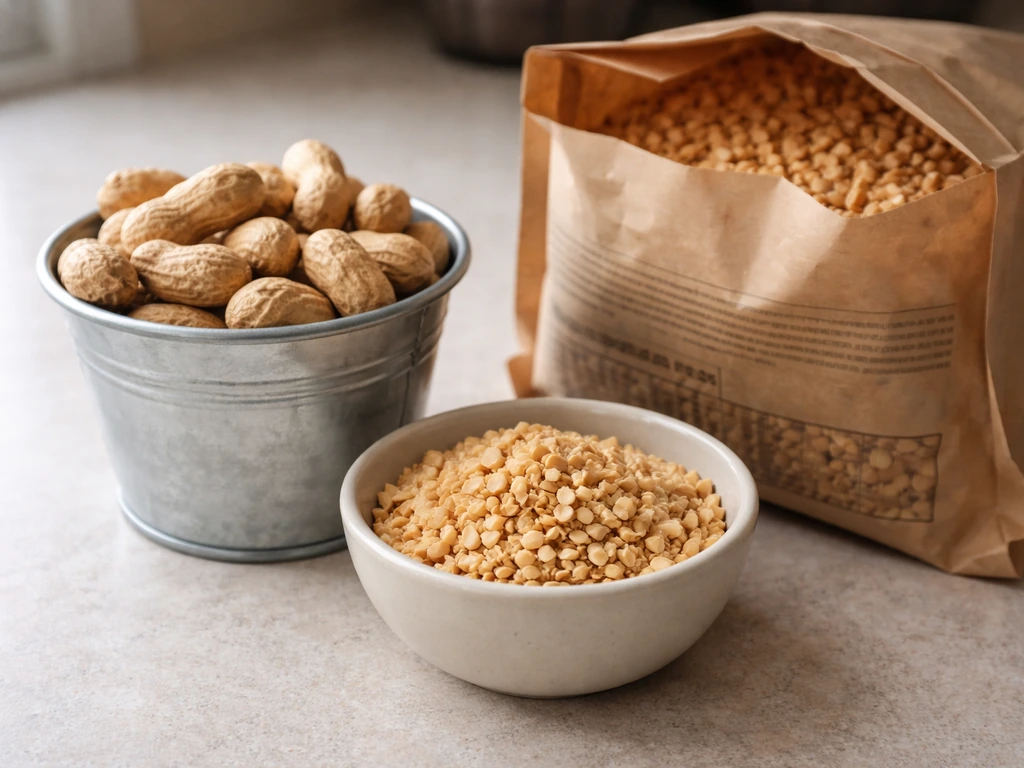
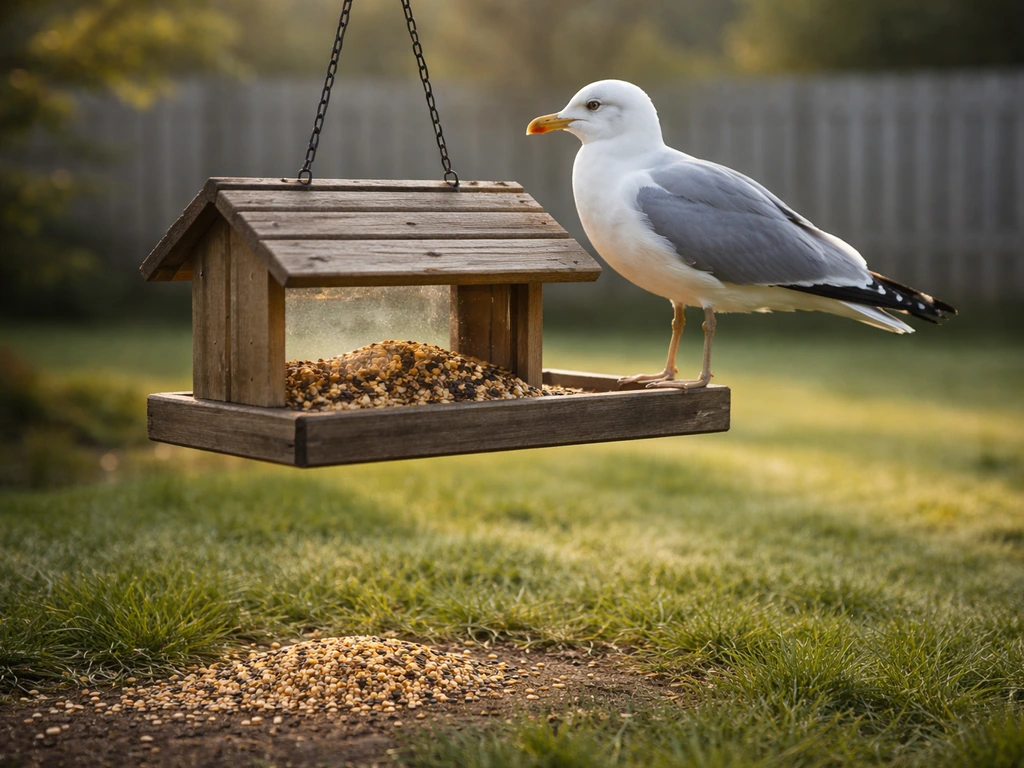
The term 'bird peanuts' covers a few different products. At the feeder, you will typically see whole peanuts in the shell, shelled peanut pieces (sometimes called kibbled peanuts), or peanut butter smeared on logs or feeders. Sometimes peanuts are mixed into general wild bird seed blends as one ingredient among many. US Fish and Wildlife Service guidance for backyard bird feeding specifically recommends roasted, no-salt, no-sugar peanuts as the appropriate type for birds, which tells you something useful: the gold standard for bird peanuts is plain and additive-free.
The catch is that not every product on the shelf meets that standard. Before you decide whether your dog's snack raid was harmless, check the label for three things: added salt, added flavorings or coatings, and the 'best by' date. A bag of plain kibbled peanuts is very different from a salted, honey-roasted feeder mix or a seed blend with unknown additives. Also check whether the peanuts come with a shell, because the shell itself matters for dogs.
Can dogs eat bird peanuts? Safe vs. not-safe cases
The clearest way to answer this is to split it into cases, because 'bird peanuts' is not one single thing.
| Type of bird peanut | Safe for dogs? | Main concern |
|---|---|---|
| Plain, unsalted, shelled peanut pieces (fresh) | Generally yes, in small amounts | High fat, calorie load if eaten in quantity |
| Whole peanuts in the shell | Risky, especially for small dogs | Choking hazard, shell can cause GI blockage |
| Salted or seasoned peanuts | No | Excess sodium, electrolyte imbalance |
| Honey-roasted or flavored peanuts | No | Additives, sugar, potentially toxic coatings |
| Peanuts mixed into bird seed blend | Caution needed | Unknown additives, seed type matters |
| Moldy or old peanuts | No, potentially serious | Aflatoxin poisoning risk |
If your dog grabbed a few fresh, plain, shelled peanut pieces that fell under the feeder, you can breathe. That is unlikely to cause harm beyond maybe some mild stomach upset. If you do not know the source, the age, or whether the peanuts had any coatings, treat the situation with more caution.
The real risks to know about
Fat content and pancreatitis
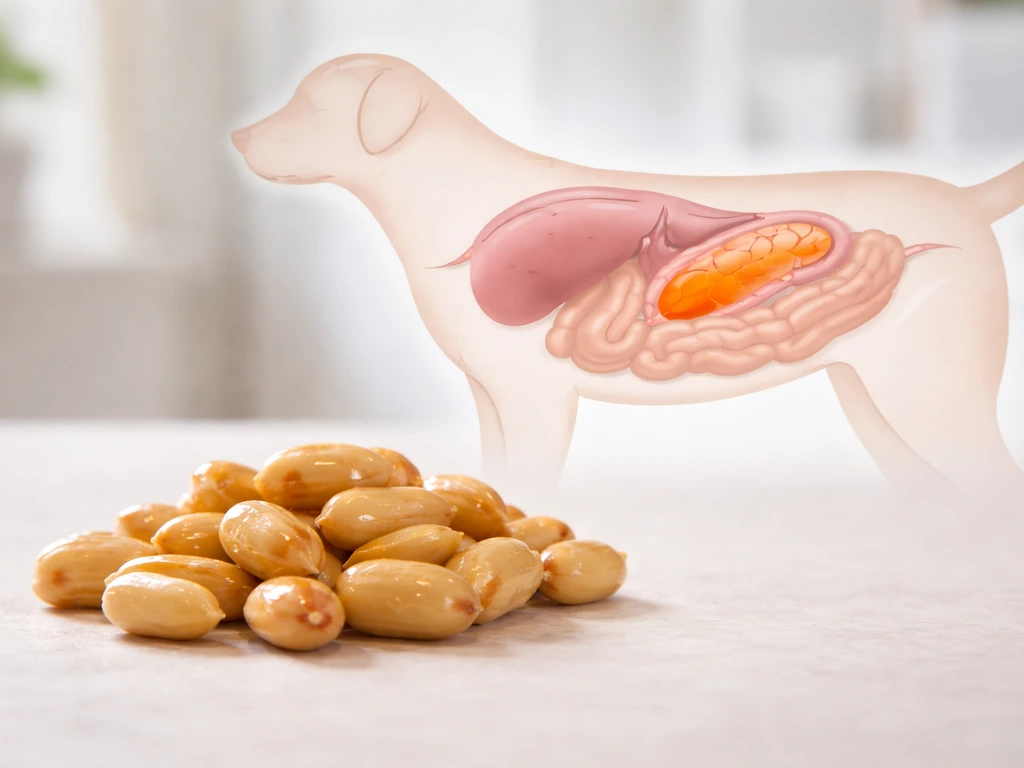
Peanuts are high in fat. That is fine in very small amounts, but if a dog eats a significant quantity, the fat load can trigger vomiting, diarrhea, and in more serious cases, pancreatitis. Pancreatitis in dogs can range from mild (lethargy, loose stool, reduced appetite) to severe (persistent vomiting, abdominal pain, dehydration, weakness). The Merck Veterinary Manual identifies high blood fat levels as a risk factor for pancreatitis, and the ASPCA notes that excessive fat intake can cause vomiting, diarrhea, and potentially pancreatitis in pets. Dogs with a history of pancreatitis or high triglycerides are at higher risk even from smaller amounts.
Salt and seasonings
The AKC is clear that salted peanuts contain more sodium than dogs need and should be avoided. The ASPCA similarly warns that excess salt intake can cause increased thirst, increased urination, and abnormal electrolytes. A few lightly salted peanuts probably will not send a large dog to the vet, but it is a real concern for small dogs and for any dog that ate a large volume of salted product. Honey-roasted or flavored peanuts are off the table entirely because of the coatings and added sugars.
Choking and shell hazards
Peanut shells are a genuine choking risk, particularly for small breeds. Even if a dog swallows a shell without choking, the fibrous material can cause gastrointestinal irritation or blockage. Cornell Veterinary Medicine notes that gastrointestinal foreign body obstruction happens when a dog swallows a non-digestible object that is too large to pass through the GI tract, and the clinical signs vary with severity, location, and duration gastrointestinal irritation or blockage. PetMD notes that swallowed objects can cause choking, poisoning, or intestinal blockage, and that management depends on what was ingested, how long ago, and the dog's current symptoms. If your dog gulped down a pile of whole in-shell peanuts, watch closely.
Mold and aflatoxins
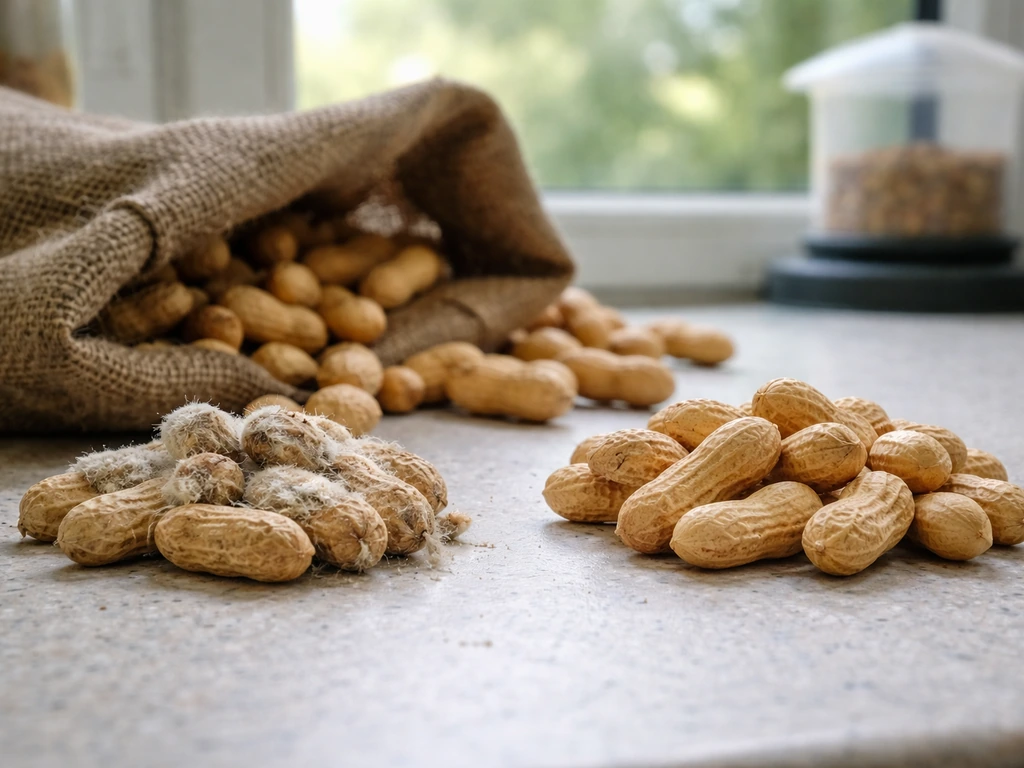
This is the risk most people overlook. Peanuts sitting in a feeder, in a damp bag, or spilled on wet ground can grow mold that produces aflatoxins, and aflatoxins are seriously dangerous to dogs. The FDA states that aflatoxin poisoning can occur if a pet eats moldy corn, grains, or peanuts. Signs of aflatoxin poisoning include sluggishness, loss of appetite, vomiting, jaundice (yellowing of the eyes or gums), unexplained bruising or bleeding, and diarrhea. If your dog ate peanuts that looked or smelled off, this is vet-contact territory regardless of how few they ate.
Additives in mixed bird seed
When peanuts come as part of a broader bird seed blend, there can be other ingredients in that mix that are not safe for dogs. Some blends include dried fruit, hot pepper coatings (capsaicin-based deterrents), or preservatives. Check the full ingredient list on any bird seed bag your dog has been raiding, not just the peanut component.
My dog already ate bird peanuts: what to do right now
- Stop access immediately. Move your dog away from the feeder or spilled seed so you can assess what happened without more going in.
- Identify what they ate. Was it plain shelled pieces, whole in-shell peanuts, salted peanuts, or a mixed seed blend? Check the bag label for salt, flavorings, and any unusual additives.
- Estimate the quantity. A few pieces vs. a significant pile matters. A small dog eating a cup of peanuts is a very different situation from a large dog eating a handful.
- Check the peanut condition. Were they fresh and dry, or old, damp, and possibly moldy? Any visible mold, musty smell, or discoloration is a red flag.
- Watch your dog closely for the next few hours. Signs to watch for include vomiting, diarrhea, lethargy, loss of appetite, abdominal pain (hunching, reluctance to move), drooling, or difficulty swallowing.
- Call for help if you are unsure or see symptoms. The ASPCA Animal Poison Control Center is available at 1-888-426-4435 (note a consultation fee may apply). The Pet Poison Helpline is another option, and your regular vet or emergency vet clinic can advise by phone. If you think there is a broader poisoning concern, you can also reach a poison center via 1-800-222-1222.
- Go to the vet promptly if your dog ate a large amount, ate moldy peanuts, is showing any symptoms, is a small breed, or has a history of pancreatitis. Do not wait to see how things develop in those cases.
How to estimate the risk based on amount and symptoms
Amount and dog size are the two biggest variables. A 60-pound Labrador eating three or four plain shelled peanut pieces is at minimal risk. A 10-pound Chihuahua eating a quarter cup of salted peanuts is a different situation. Use this as a rough framework:
| Situation | Risk level | Recommended action |
|---|---|---|
| Small dog, few plain fresh peanuts | Low | Monitor for 12-24 hours, call vet if symptoms develop |
| Large dog, small handful plain fresh peanuts | Very low | Monitor, no action likely needed |
| Any dog, large quantity plain peanuts | Moderate | Call vet or poison control for guidance |
| Any dog, salted or seasoned peanuts | Moderate to high depending on amount | Call vet; watch for excess thirst, vomiting, lethargy |
| Any dog, moldy or old peanuts | High regardless of amount | Contact vet immediately, describe mold/smell |
| Any dog showing vomiting, lethargy, jaundice, pain | High emergency | Vet visit immediately, do not wait |
Symptoms that appear within a few hours (vomiting, diarrhea, abdominal discomfort) are more likely related to fat content or salt. Signs that develop over 24 to 72 hours, especially jaundice, bleeding, or extreme lethargy, raise the concern for aflatoxin exposure and need urgent veterinary attention. PetMD's guidance on swallowed objects emphasizes that timing matters: the sooner you act, the more options a vet has.
How to stop your dog from raiding the feeder
If you feed birds in a yard that a dog also uses, some feeder design choices and simple habits make a real difference. The goal is to keep peanuts accessible to birds and inaccessible to your dog, without giving up feeding altogether.
- Mount feeders high enough that your dog cannot reach them, even when standing on hind legs. A baffle below the pole also helps prevent climbing.
- Use hanging feeders suspended from a line or bracket well away from any surface your dog could use as a launching point.
- Avoid ground feeding or low platform feeders if your dog has access to the yard unsupervised.
- Clean up spilled seed and peanuts from the ground daily. Spilled peanuts sitting in damp grass are both an invitation for your dog and a mold risk.
- Consider feeder placement near a fence line or in a section of the yard your dog cannot access freely.
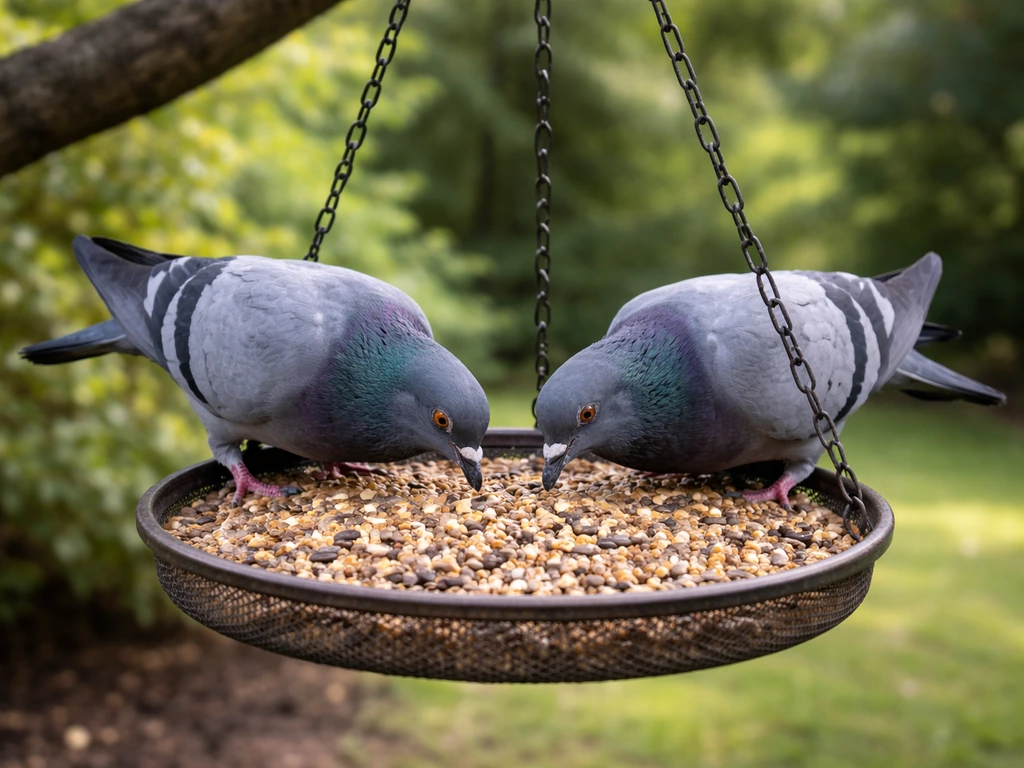
- If you offer whole peanuts in a peanut feeder (the wire mesh type), choose one with small enough openings that pieces cannot fall out easily.
- Supervise your dog during time outdoors near feeders, especially when peanuts are in use.
Storing and handling bird peanuts to prevent spoilage
Proper storage protects birds, but it also protects your dog from the biggest hazard: mold and aflatoxins. Peanuts that are safe when you buy them can become dangerous if stored or handled poorly.
- Store bird peanuts in a sealed, airtight container in a cool, dry place. Avoid storing in garages or sheds that get damp and warm.
- Buy smaller quantities more frequently rather than stockpiling large bags. Peanuts past their best-by date or stored for more than a few months are more likely to develop mold.
- Never offer peanuts that smell musty, look discolored, or have visible mold. Throw them out.
- Empty and clean feeders every one to two weeks. Old, wet peanut pieces stuck in a feeder can develop mold quickly, especially in humid weather.
- After cleaning feeders, let them dry completely before refilling. Moisture is the main driver of mold growth.
- Keep your feed storage area inaccessible to your dog. A sealed bin in a locked shed or on a high shelf is ideal.
- Do not leave open bags of bird peanuts unattended anywhere your dog can reach.
One practical note: the same standards that make peanuts safer for birds in your feeder also make accidental dog exposure less dangerous. You can apply the same idea to humans too by choosing plain, fresh peanuts and avoiding anything with added salt, coatings, or spoilage peanuts safer for birds. Sticking to plain, unsalted, fresh peanuts (as wildlife feeding guidance recommends) means if your dog does sneak a few, the risk profile is much lower than with processed or aged product. That is a good reason to keep your bird feeding setup as clean and simple as possible regardless of whether you have a dog. It is also worth knowing that the question of whether bird peanuts are safe for other species, including humans, follows similar logic about freshness, additives, and preparation, which is a naturally related area to explore if you are curious about what makes a peanut 'for birds' vs. If you are wondering are bird peanuts safe for humans, focus on whether they are fresh and plain with no added salt, sugar, or flavorings bird peanuts are safe for other species, including humans. If you are wondering whether can humans eat bird peanuts, focus on the same basics: plain, fresh peanuts with no added salt, sugar, or flavorings the question of whether bird peanuts are safe for other species, including humans. 'for people.'
FAQ
My dog ate a small amount of plain peanuts that were in the shell. What should I do right now?
Start by counting how many pieces were swallowed, then look closely for choking signs (gagging, coughing, blue gums). If breathing is normal, monitor for vomiting, diarrhea, and abdominal discomfort over the next 6 to 12 hours. Do not induce vomiting unless a vet specifically tells you to, since shells can irritate or obstruct the gut.
How can I tell if the peanuts were moldy or unsafe before my dog ate them?
Use both senses and packaging checks. Moldy peanuts often smell musty, look dull or discolored, and may have visible webbing or powdery patches. Also check the bag or container for dampness, clumping, or a “best by” or opened-on date, since aflatoxin risk increases when peanuts sit in moisture.
Do peanut shells break down, or can they cause blockage even if my dog seems fine at first?
Shells can be a choking risk, and if swallowed they may cause gastrointestinal irritation or blockage, especially in small dogs. Some blockages show up later, so if you notice repeated vomiting, no stool, straining, or a tight painful belly, treat it as urgent even if your dog initially acted normal.
What symptoms should make me call the vet immediately versus watch at home?
Call immediately if you see persistent vomiting, yellowing of the eyes or gums, unusual bruising or bleeding, severe lethargy, or diarrhea plus extreme weakness (timing of 24 to 72 hours is particularly concerning). If symptoms are mild and resolve quickly, home monitoring may be reasonable, but still consider a vet call if you are unsure about quantity, salt level, or product freshness.
Is it more risky if the peanuts were salted, or if they were honey-roasted or flavored?
Salt increases sodium load and can drive vomiting and abnormal electrolytes, so it is riskier for small dogs and larger quantities. Honey-roasted or flavored peanuts add sugars and coatings, which pushes the risk higher and usually should be considered not acceptable for dogs in any meaningful amount.
My bird seed blend has peanuts as an ingredient. Are the other ingredients the real problem?
Often yes. Bird mixes can include dried fruit, pepper-based deterrents (capsaicin), preservatives, and other additives. Any peppery or preservative ingredient can cause stomach upset beyond the peanut itself, so you should check the full label and mention the exact blend name when you contact your vet.
If my dog ate peanuts from a feeder, how do I estimate how much they actually consumed?
Do a quick “forensic” check. Estimate missing pieces in the feeder, count remaining whole peanuts or kibbled pieces, and consider how much seed typically goes missing during a raid. If you cannot estimate, use the worst-case assumption for salt, fat, and shell ingestion when deciding whether to call a vet.
Can peanuts trigger pancreatitis, and what early signs should I watch for?
High-fat intake can trigger pancreatitis, especially in dogs with a prior episode or elevated triglycerides. Early warning signs include reduced appetite, lethargy, reluctance to lie down, and loose stool or vomiting. If symptoms persist or worsen, do not wait for it to “pass,” since pancreatitis can escalate quickly.
How soon after eating should symptoms show up if it is salt, fat, or mold-related (aflatoxin)?
For salt- or fat-related effects, symptoms often appear within a few hours, such as vomiting, diarrhea, or abdominal discomfort. For aflatoxin exposure, signs are more likely to develop over 24 to 72 hours and can include jaundice, bruising or bleeding, and marked lethargy, which warrants urgent veterinary care.
What is the safest way to set up a bird-feeding area so my dog is less likely to raid peanuts?
Use a feeder with a guard or baffle to limit access to dropped seeds, and place it on a stand or location that your dog cannot reach. Clean up fallen peanuts and seed promptly, store unopened seed in sealed containers, and consider feeding at a height or in a protected area (like a fenced section) where your dog cannot get to the ground spill.