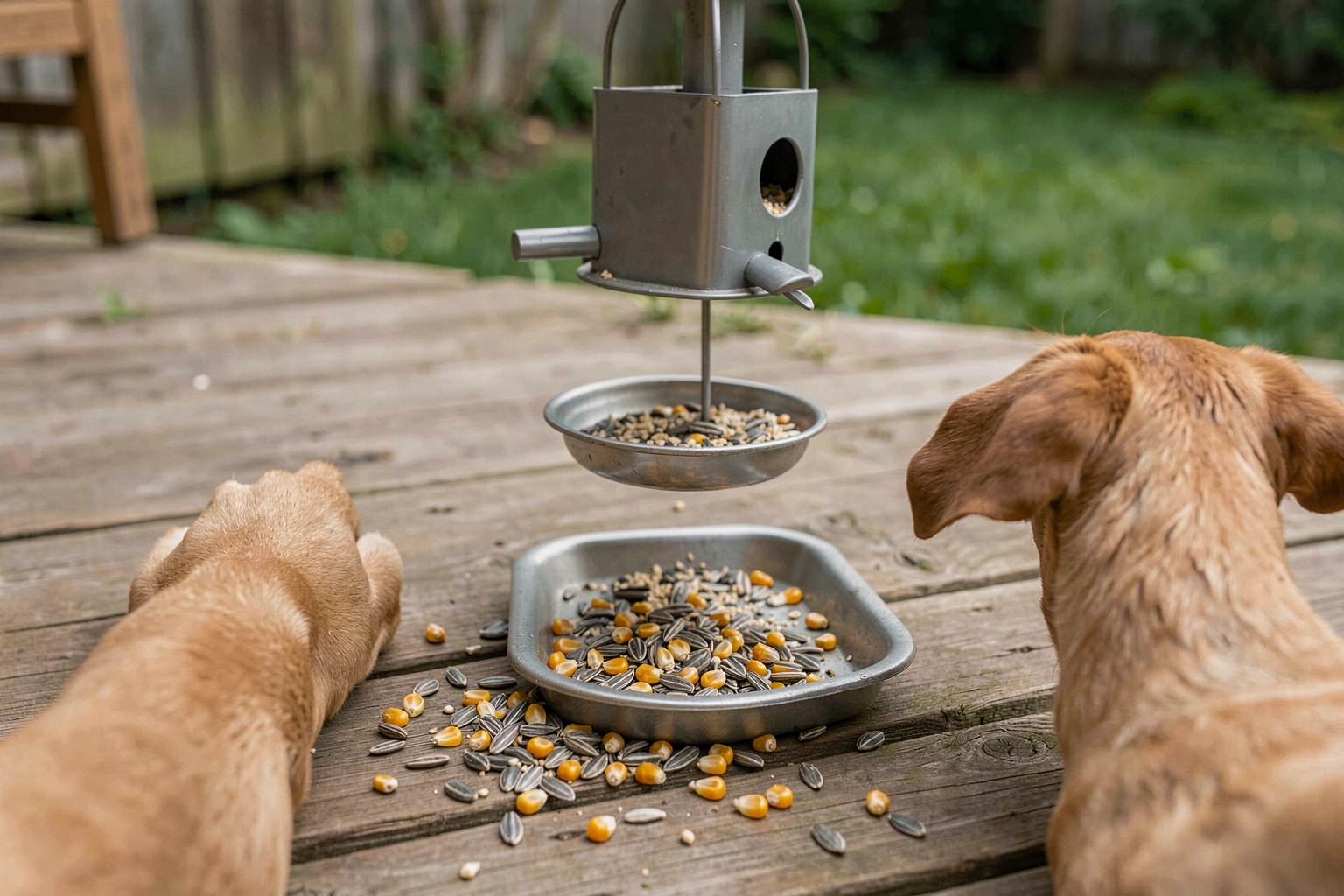
The short answer: bird food (seed and feed) is not meant for dogs, and while a small accidental mouthful usually is not a crisis, there are real risks worth knowing about, especially mold, contamination, and certain additives. Eating an actual bird, bird bones, feathers, or raw eggs is a different conversation entirely, with separate hazards around choking, parasites, and disease. This guide covers all of it so you can decide right now whether you need to act.
Can Dogs Eat Bird Food? Safety, Risks, and What to Do Now

Maya Henderson
4 Apr 2026
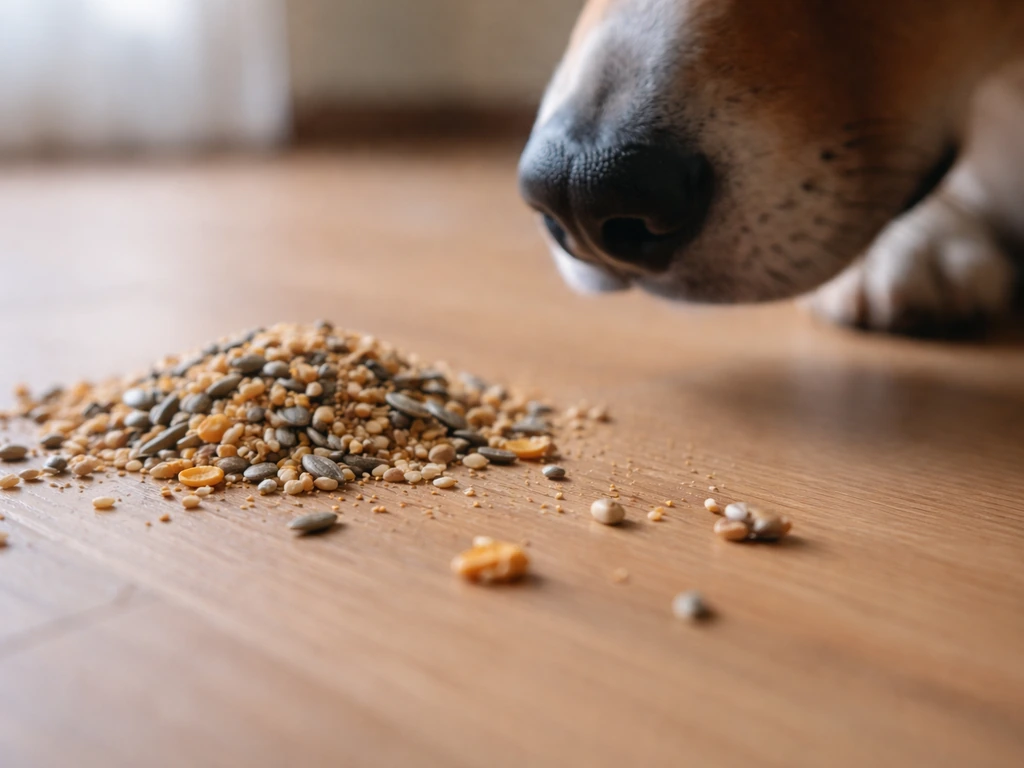
Bird seed vs. whole birds vs. eggs and bones: quick answers
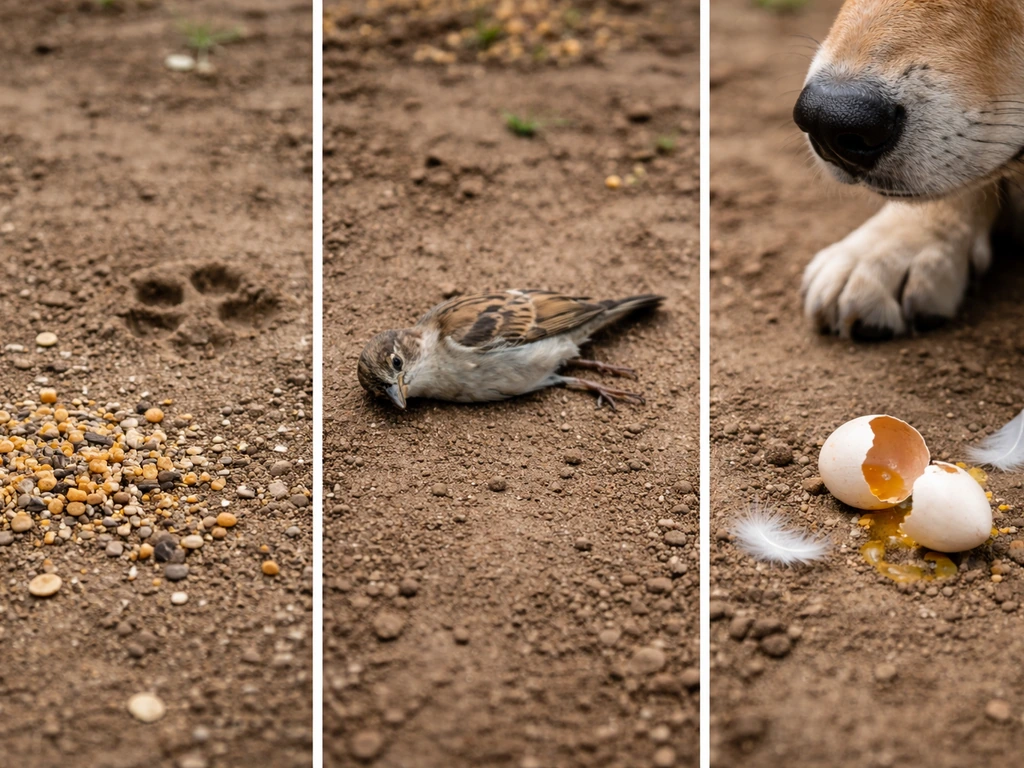
These are three separate scenarios, and they carry different levels of risk. It helps to separate them before going deeper.
| Scenario | General Risk Level | Biggest Concern |
|---|---|---|
| Dog eats bird seed or feed from feeder/ground | Low to moderate | Mold toxins (mycotoxins), rancid oils, pesticide-treated seeds |
| Dog eats a whole bird (dead or caught) | Moderate to high | Avian influenza, parasites, Salmonella, intestinal blockage from feathers |
| Dog eats bird bones | Moderate to high | Splintering, choking, GI perforation or obstruction |
| Dog eats raw bird egg | Low to moderate | Salmonella, H5N1 if egg is from infected flock, biotin deficiency (raw whites, repeated exposure) |
| Dog ingests bird feathers | Low to moderate | GI irritation, intestinal blockage if large amount swallowed |
None of these are "definitely fine," but none of them automatically mean a vet visit either. Context matters a lot: how much was eaten, the condition of the food or bird, and what symptoms (if any) appear afterward.
Why bird seed and feed can be risky for dogs
Bird seed itself is not formulated for mammals, and the grains, seeds, and oils in a typical mix are not inherently toxic in small amounts. The problem is what can grow on it or get mixed into it. If you want a thorough breakdown of the seed-specific ingredients and their effects, there is a detailed look at whether dogs can eat bird seed safely that covers individual components like millet, safflower, and sunflower seeds.
Mold and mycotoxins: the biggest hidden threat
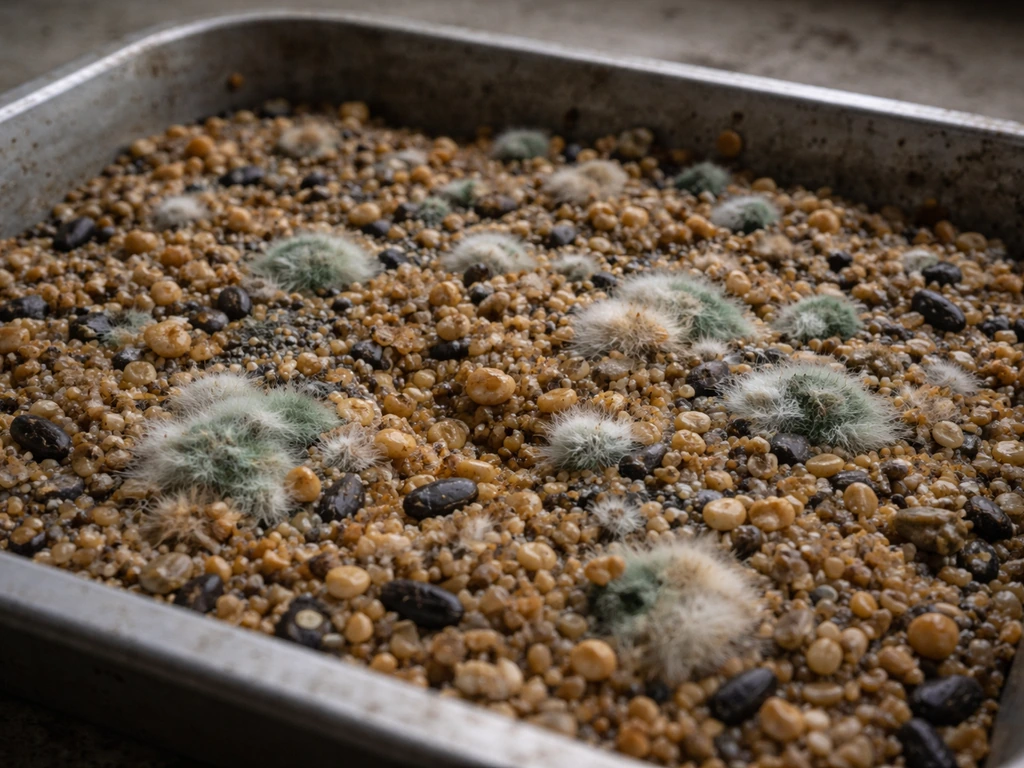
Damp or old bird seed is a breeding ground for Aspergillus molds, which produce aflatoxins. The FDA warns that pets can be seriously poisoned by eating moldy corn, grains, or peanuts contaminated with aflatoxins, and that symptoms are often vague and nonspecific, making diagnosis tricky without testing the food sample itself. blank" rel="noopener noreferrer">The Pet Poison Helpline notes that mycotoxin poisoning symptoms can appear quickly and persist for 24 to 48 hours or longer. If the seed your dog got into smells musty, looks clumped, or feels damp, treat that as a higher-risk situation and contact your vet. To understand the full spectrum of what is bird seed toxic to dogs, mold contamination is the area that deserves the most attention.
Rancid oils and spoiled fat-based suet
Suet cakes and high-fat seed mixes go rancid quickly in warm weather. Rancid fat causes GI upset in dogs and, with larger exposures, can trigger pancreatitis, which is painful and sometimes serious. If your dog raided a suet feeder in summer and ate a meaningful chunk, watch for vomiting, diarrhea, and abdominal pain over the next 12 to 24 hours.
Pesticide-treated seeds and rodenticide contamination
Some commercial seed is treated with pesticides or fungicides before it reaches the bag. More commonly, the area around a feeder may be targeted with rodenticide bait to control rats and mice attracted by spilled seed. Anticoagulant rodenticide poisoning is particularly sneaky: VCA and the Pet Poison Helpline both note that signs typically do not appear for 3 to 7 days after ingestion, so a dog that seems fine right now might still be at risk. If you use or suspect rodenticide products anywhere near your feeder area, that is a reason to call your vet even if your dog appears well.
Xylitol: rare but critical
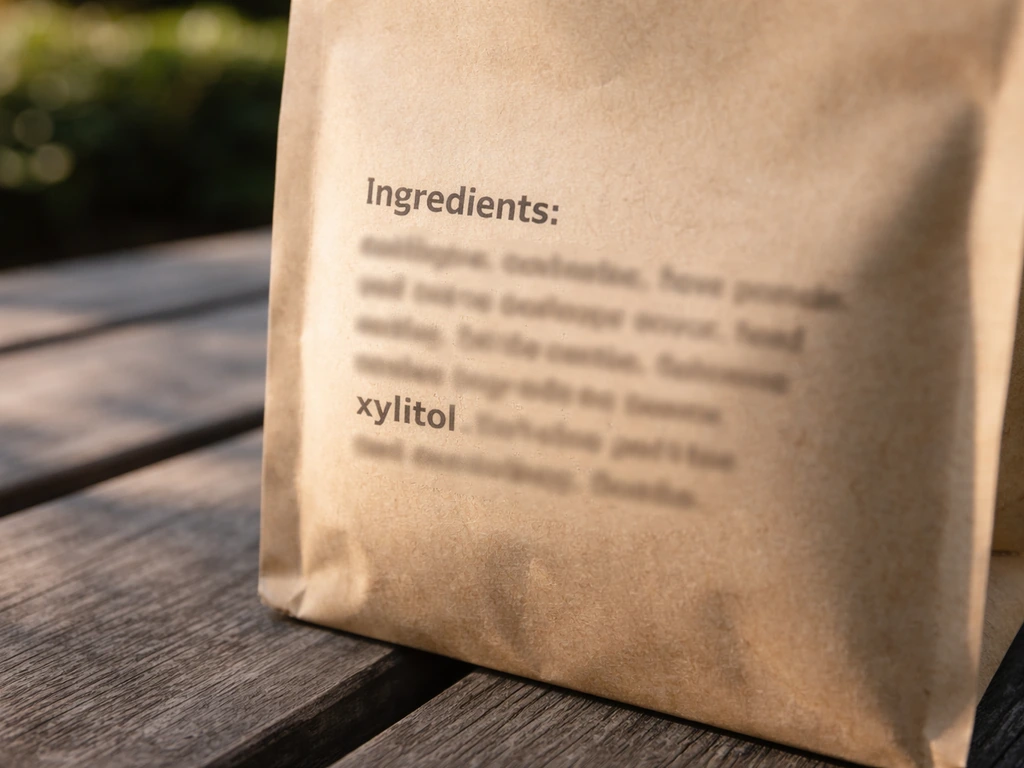
Some specialty bird treats, suet mixes, or peanut butter-based feeders contain xylitol as a sweetener. The FDA is unambiguous: xylitol can cause rapid, life-threatening hypoglycemia and liver injury in dogs. If there is any chance the bird food your dog ate contained xylitol, do not wait for symptoms. Contact a veterinarian, emergency clinic, or animal poison control immediately. Do not try to induce vomiting at home. Both the ASPCA and UCDavis emphasize that emesis should only be attempted under veterinary supervision in xylitol cases because hypoglycemia can occur too fast for home management.
If your dog ate a bird: what actually happens
Dogs are scavengers by instinct, and a dead bird on the ground is genuinely tempting to them. The risk level depends heavily on the condition of the bird and where it came from. A fresh bird caught in the yard is lower risk than a decomposing carcass or a bird that died from unknown causes.
Avian influenza (H5N1) is a real concern right now
The CDC has confirmed that dogs (and cats) can become infected with avian influenza by eating or being exposed to sick or dead birds. The FDA has similarly noted that H5N1 can be transmitted to dogs through uncooked meat or unpasteurized eggs from infected poultry. This is not a theoretical risk in 2026 given ongoing H5N1 circulation. If your dog ate a wild bird, especially one that appeared ill or was found dead, monitor closely for respiratory symptoms, lethargy, or neurological signs, and call your vet.
Parasites, Salmonella, and other bacterial infections
Wild birds commonly carry intestinal parasites and Salmonella. A dog that eats a whole bird, particularly the organs and intestinal contents, is exposed to whatever the bird was carrying. Symptoms like diarrhea (sometimes bloody), vomiting, and lethargy showing up within 24 to 72 hours after bird ingestion are worth a veterinary call. Questions about can bird seed make dogs sick often start with moldy feed, but exposure to infected birds near feeders is another pathway to illness that is easy to overlook.
Feathers and digestive irritation
A few feathers swallowed while a dog is gulping down a bird typically pass without incident. A large mass of feathers is another matter. They can mat together in the stomach or intestines and cause obstruction. Watch for repeated vomiting, loss of appetite, or straining after your dog has eaten a feathered bird.
Bird bones and eggs: choking, blockages, and other hazards
Why bird bones are particularly dangerous
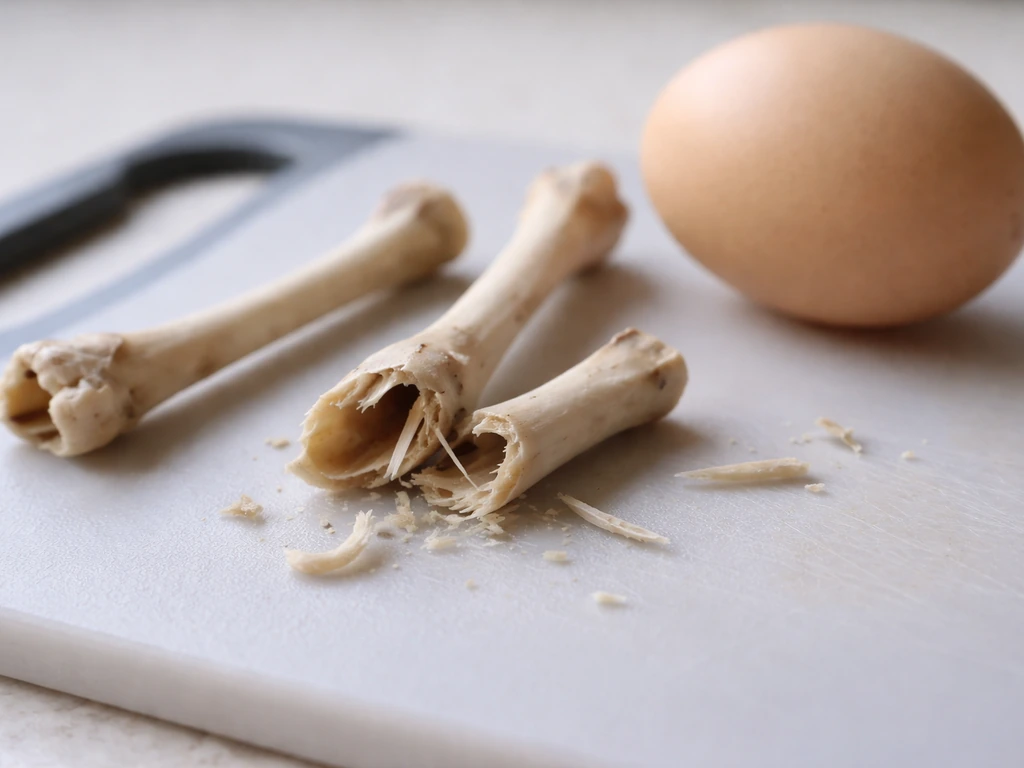
Bird bones are hollow and lightweight, which means they splinter easily when chewed or crushed. The AVMA warns that poultry and other soft bones can splinter and cause damage from the mouth down through the esophagus and intestines. Cornell Veterinary College describes GI obstruction from swallowed non-digestible objects as an emergency that often requires prompt veterinary intervention or surgery. A splintered bone fragment can perforate the stomach or intestinal wall, which becomes life-threatening fast. If your dog swallowed a bird bone whole or chewed one up, watch for gagging, pawing at the mouth, drooling, vomiting, abdominal bloating, or obvious pain. Those signs warrant an immediate vet call.
It is worth understanding just how fast bird seed can kill a dog in the worst-case scenarios, but bones are one of the faster-moving dangers in this space because internal perforation can escalate quickly without obvious early warning signs.
Raw bird eggs: lower risk but not zero
A raw egg from the yard (think robin eggs knocked from a nest) presents a few modest risks. Salmonella contamination is the main one. If the egg came from poultry in an area with H5N1 activity and was unpasteurized, the FDA has flagged that as a transmission risk for dogs. One egg is unlikely to cause serious harm to a healthy adult dog, but repeated raw egg feeding can interfere with biotin absorption over time due to the protein avidin in raw whites. A single accidental raw egg is usually just a mild GI watch situation rather than an emergency.
What to do right now if your dog ate bird food or a bird
Your first step is to gather information before you call anyone. The ASPCA recommends collecting the basics: what your dog ate, how much, when it happened, and whether your dog has vomited or shown any symptoms yet. If there is vomit, note what is in it. That information will directly shape the advice you get from a vet or poison control line.
Call a vet or poison control immediately if
- The bird food contained xylitol (any amount)
- The seed was visibly moldy, clumped, or musty-smelling
- Your dog ate a bird that appeared sick or was found dead
- Your dog swallowed bird bones (especially splintered ones)
- You use or have used rodenticide near the feeder area
- Your dog is already showing symptoms: vomiting, bloody diarrhea, lethargy, tremors, seizures, difficulty breathing, or obvious pain
- Your dog is small, elderly, pregnant, or has a known health condition
Home monitoring is reasonable if
- Your dog ate a small amount of dry, fresh-smelling bird seed from a clean feeder
- The seed did not contain any unusual additives and you have checked the label
- Your dog snagged a fresh, small bird (not decomposed) and seems completely normal
- Your dog swallowed a small number of soft feathers and is acting normally
If you are monitoring at home, watch for at least 48 to 72 hours. Key symptoms to track include vomiting, diarrhea, loss of appetite, lethargy, abdominal bloating, pale gums, coughing, or any neurological signs like stumbling or tremors. Cornell notes that after any GI foreign-body concern, the same symptom domains apply: appetite changes, vomiting, pain, and lethargy are your early warning signals.
One rule that applies to every scenario
Do not induce vomiting on your own without talking to a vet or calling poison control first. The Pet Poison Helpline, the ASPCA, and Cornell all state clearly that home-induced vomiting is not always appropriate and can make things worse depending on what was ingested. Call first, act second.
Keeping your dog safe around feeders and bird areas
Feeder setup and placement
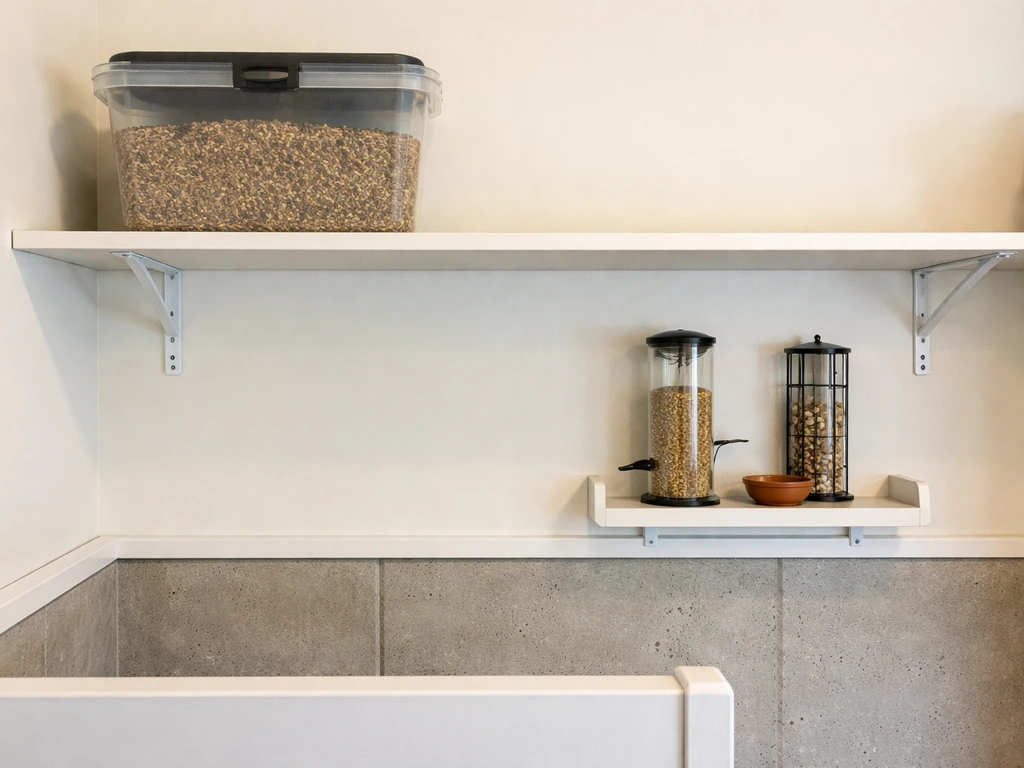
The simplest prevention is physical separation. Hang feeders high enough that your dog cannot reach them by jumping, and position them away from fence lines or structures your dog could use to get closer. Pole-mounted feeders with baffles keep seed off the ground more effectively than hanging feeders that swing and spill.
Daily cleanup under feeders
Spilled seed on the ground is the main exposure point for most dogs. Sweep or rake under feeders daily, especially in humid weather when mold can develop on fallen seed within 24 to 48 hours. Removing wet, clumped seed immediately eliminates both the mold risk and the attraction for rodents, which in turn reduces the pressure to use rodenticide near your feeder area.
Safe seed storage
Store bird seed in airtight, hard-sided containers (metal or heavy plastic) that dogs cannot chew through. Keep storage out of reach, preferably in a shed or garage. Check stored seed regularly for moisture, clumping, or off smells. Discard any seed that shows signs of mold rather than trying to mix it in with fresh stock.
Rodenticide-free pest control
Rodenticides and bird feeders are a dangerous combination when you have dogs. If you need to manage rodent populations around your feeding area, use enclosed snap traps that dogs cannot access rather than bait stations. This removes the delayed-poisoning risk entirely.
Managing dead birds in your yard
If you find a dead bird near your feeder, pick it up promptly using gloves and a bag, and dispose of it before your dog can investigate. Do not leave carcasses on the ground. If you are in an area with active H5N1 reports, report unusual bird deaths to your local wildlife agency and keep your dog well away from the area until it is cleared.
Supervise outdoor time near feeders
If your dog is an opportunistic scavenger (and most are), unsupervised time in the feeder area is asking for trouble. A simple management habit of not leaving your dog loose near the feeder during or after feeding times will prevent the vast majority of accidental ingestions. Redirect the behavior with a command and reward when your dog ignores spilled seed, and it becomes second nature quickly.
FAQ
My dog only licked bird food, do I need to worry?
If it was just a few licks or a tiny mouthful, the most useful decision aid is the condition of the seed. If it was fresh and dry, you can usually monitor at home for GI signs for 48 to 72 hours. If it was damp, clumped, musty, or your dog ate directly from around a feeder where it may have been contaminated, treat it as higher risk and call your vet sooner.
Can dogs safely eat bird food if I do not know what kind it was?
Yes, especially if the bird food included a sweetener. Check the label for xylitol, and if you cannot identify the product, assume worst-case if it resembles flavored mixes like some “bird treat” or peanut-butter type products. In any xylitol uncertainty, contact poison control or an emergency clinic rather than waiting for symptoms, since timing can be critical.
How can I tell if bird food caused stomach upset from rancid fat?
Do not rely on the smell test alone, because rancid fat and some contamination can be subtle. If your dog ate a meaningful amount of suet, seed mix, or anything oily and it is warm where you keep feeders, watch closely for vomiting or diarrhea over the next 12 to 24 hours. If vomiting is repeated, there is abdominal pain, or your dog seems unusually quiet or tense, seek veterinary advice.
Can I save bird seed that my dog got into (or mix it with fresh seed)?
Moldy feed is the key concern for seed, but you still should not give “home clean-up” remedies like rinsing and re-serving the seed. If the seed was damp or clumped and you suspect mold, discard it. Also, keep other pets away from the area because mycotoxin and contamination exposures can happen to more than one animal at a time.
My dog ate some spilled seed but seems fine, could it still be dangerous?
Yes, even if your dog seems okay initially. With anticoagulant rodenticide exposure, signs often show up 3 to 7 days later, so a normal first day does not rule it out. If rodenticide bait or a treated area is anywhere near the feeder, contact your vet now and tell them you are concerned about delayed rodenticide poisoning.
What symptoms mean I should call a vet immediately rather than monitor?
If you see vomiting, diarrhea, stumbling, tremors, coughing, or pale gums, that is a stronger reason to call for guidance than the amount alone. For foreign body concerns like a large feather mass or bone splintering, look for straining, repeated retching, loss of appetite, bloating, or obvious pain. Persistent or worsening symptoms generally need same-day veterinary input.
If my dog chewed a bird bone, what should I do in the first hour?
Yes, if the dog was chewed near the mouth or you see gagging, drooling, or pawing at the face, because a splintered bone can cause damage quickly. In those cases, avoid giving food or treats to “keep them calm” and do not try to remove anything with your fingers unless you can clearly see it and it is easy and safe, since pushing it farther can worsen obstruction risk.
Can feathers pass safely, and how do I know when they are not?
Feathers can sometimes pass, but a large quantity can mat and obstruct. A practical decision aid is symptom-based monitoring plus behavior changes: repeated vomiting, continued straining, or refusing food after a bird ingestion suggests you should stop home monitoring and contact a vet. If your dog is acting normal and only a few feathers were swallowed, the risk is lower, but still watch for 24 to 72 hours.
If my dog ate a raw yard egg once, do I still need to contact anyone?
When raw eggs are the concern, the immediate priority is what else might have been included, like unpasteurized poultry products from the same area. If your dog has diarrhea or vomiting, keep them hydrated and call your vet if it is severe, bloody, or not improving. If this is a recurring behavior, discuss long-term feeding habits, since repeated raw egg exposure can affect nutrient absorption.
Is it ever okay to induce vomiting after my dog eats bird food?
If you induce vomiting without veterinary guidance, you can worsen outcomes for certain ingestions, including choking risk from bone or obstruction and possible complications if a toxin is involved. Instead, gather the details (what, how much, when, symptoms, and whether any vomit contained seed or feathers) and contact a vet or poison control first so they can advise whether any action is appropriate for that specific exposure.
What is the fastest way to decide whether this is a “watch at home” situation or an emergency?
The first step is identifying the exposure type. Look at what was actually eaten, for example moldy seed, suet, a whole bird, bones, feathers, or an egg. Then decide urgency based on categories mentioned in the article: rapid toxin risks like xylitol, delayed poisoning like rodenticide, obstruction risks like bones and large feather masses, and infection risks from sick or dead birds.
What prevention steps matter most if my dog is a scavenger?
If you want to reduce risk further beyond physical separation, make feeder management part of the routine: use a feeding area you can clean daily, remove spilled seed promptly, and use containers that keep seed dry and hard-sided. If you suspect rodents, switch to enclosed snap traps rather than bait stations, since delayed anticoagulant poisoning is a major reason seemingly “minor” feeder foraging becomes serious.
Next Article
Can Dogs Eat Bird Seed Safely? What to Do Now
Find out if dogs can eat bird seed safely, risks and symptoms, and what to do right now if they already ate it.