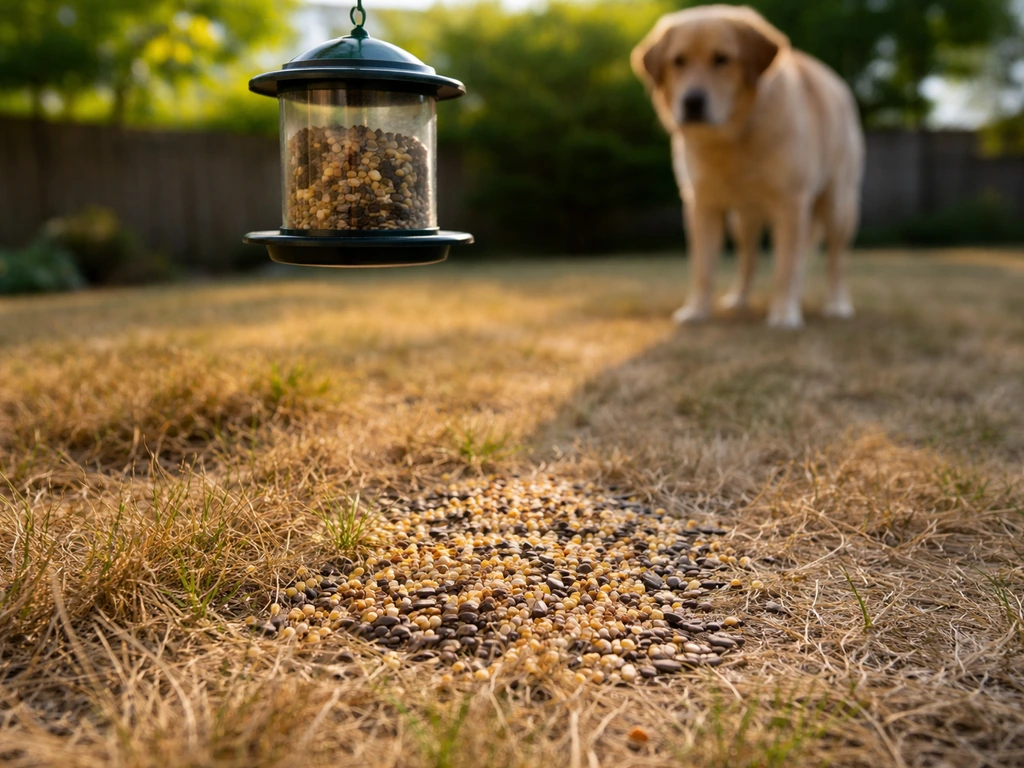
Yes, bird seed can make dogs sick, but whether it actually will depends on what kind of seed it was, how much your dog ate, and the condition of the seed. A few fresh sunflower seeds spilled on the patio? Probably not a crisis. A dog that just scarfed down a pile of moldy seed from under a feeder? That's a different situation entirely. This guide walks you through the real risks, what symptoms matter, and exactly what to do right now if your dog just got into the bird feeder.
Can Bird Seed Make Dogs Sick? Symptoms and What to Do

Maya Henderson
12 Apr 2026
How bird seed can actually make dogs sick
Bird seed itself is not a poison in the traditional sense. The danger usually comes from one of several specific pathways, and knowing which one applies to your dog's situation helps you figure out how worried to be. If you want a detailed breakdown of individual ingredients, the article on whether bird seed is toxic to dogs covers the specifics well, but here are the main risk routes you need to know.
Moldy or spoiled seed (the biggest risk)
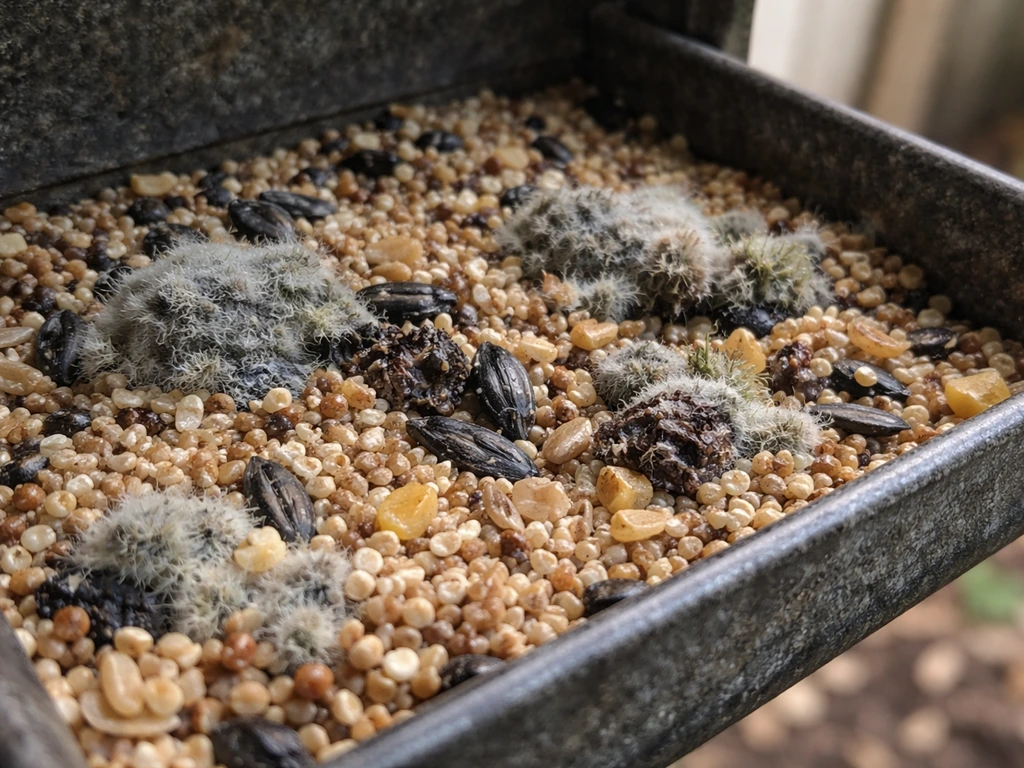
This is the most serious pathway. Bird seed that has gotten wet, sat in a feeder too long, or been stored poorly can develop mold, and certain molds produce mycotoxins, particularly aflatoxin. Aflatoxin is produced by fungi that thrive on grain and seed, and at high enough levels it can cause liver failure in dogs. The ASPCA notes that onset of signs from moldy food ingestion can be very rapid, and the Pet Poison Helpline specifically lists aflatoxin as a mycotoxin capable of causing liver failure. The problem is that seed under a feeder can look only slightly off or just clumped together, and dogs are not picky about whether it smells a little funky.
Bird droppings and bacterial contamination
When a dog eats seed off the ground near a feeder, they are almost certainly eating bird feces along with it. Wild birds commonly carry Salmonella, and feeder sites can become hotspots for bacterial spread through droppings from infected birds. Salmonellosis is caused by infection with Salmonella spp, and Merck Veterinary Manual notes that shedding and gut injury can be important for disease spread and public-health risk Wild birds commonly carry Salmonella. Kentucky Fish and Wildlife explicitly states that bacteria spread at feeder sites through infected bird droppings, and that good hygiene practices drastically reduce infection risk. Salmonella in dogs can cause vomiting, diarrhea, and lethargy, and in young, old, or immunocompromised dogs it can become serious.
Rodenticides and pesticide contamination
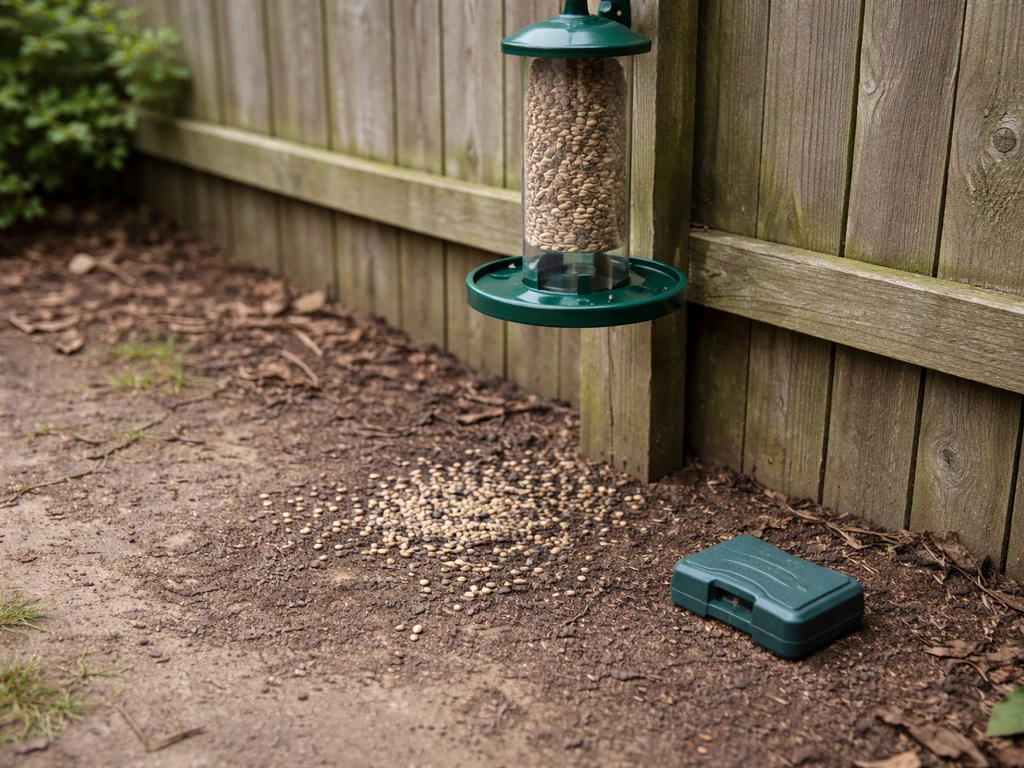
Bird feeders attract rodents, and some homeowners use rodenticide bait nearby. If your dog got into seed from a feeder area where rodent poison has also been used, that is an emergency scenario. Bromethalin, one common rodenticide, can cause neurologic signs including tremors and seizures starting as early as 2 hours after exposure and up to 5 days later. Anticoagulant rodenticides have a different timeline but are equally serious. If there is any chance rodent bait was near the area, do not wait for symptoms.
High-fat seed mixes and GI upset
Many bird seed mixes include sunflower seeds, peanuts, and safflower seeds, all of which are high in fat. For most healthy dogs, a small amount is not going to cause a medical crisis. But if a dog eats a large quantity, or if the dog already has a sensitive digestive system, the fat load can trigger vomiting, diarrhea, or even pancreatitis. PetMD notes that too much fat can upset a dog's stomach and that sunflower seeds may potentially lead to pancreatitis in susceptible dogs. Sunflower seed shells are also a problem: they can be sharp and difficult to digest, posing a risk of GI irritation or blockage if eaten in quantity.
Signs of illness after bird seed exposure
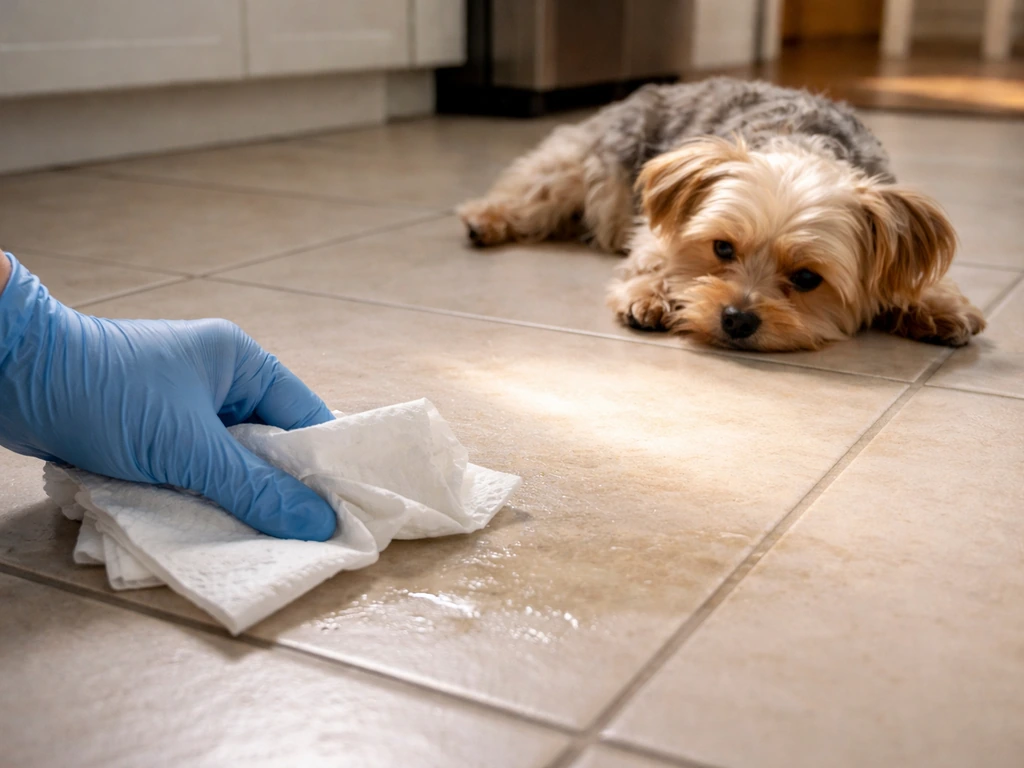
Symptoms depend heavily on which of the above pathways applies. Here is what to watch for in the hours and days after exposure:
- Vomiting or diarrhea (can appear within 1 to 2 hours for bacterial or mold toxin exposure)
- Lethargy or unusual tiredness (a key early sign of liver involvement or toxin exposure)
- Loss of appetite or refusal to eat
- Abdominal tenderness or bloating (your dog may hunch, guard their belly, or seem uncomfortable)
- Tremors, muscle twitching, or seizures (these are urgent and suggest rodenticide or severe mycotoxin exposure)
- Yellowing of the eyes or gums (jaundice, a sign of liver damage from aflatoxin)
- Difficulty breathing or extreme weakness
- Changes in thirst or urination
- Behavioral changes such as confusion, restlessness, or uncoordinated walking
Mild vomiting once or twice with no other symptoms in an otherwise healthy adult dog is usually not immediately life-threatening, but it still warrants monitoring. Neurologic symptoms, jaundice, or severe or worsening GI symptoms require immediate veterinary attention. The ASPCA lists vomiting, diarrhea, abdominal tenderness, lethargy, and behavioral changes as key signs to watch for after any suspected toxic ingestion.
What to do right now if your dog ate or licked bird seed
If you just caught your dog in the act or noticed seed consumption in the last few minutes, follow these steps in order. Speed and calm matter more than panic.
- Remove your dog from the area immediately. Block access to the feeder and any spilled seed so they cannot eat more.
- Check that your dog is breathing normally and behaving normally. If they are unconscious, seizing, or struggling to breathe, go to an emergency vet right now.
- If your dog only licked seed or had mouth contact (but did not swallow a large amount), flush their mouth gently with tepid water for 15 to 20 minutes to remove residue.
- Do NOT induce vomiting unless a vet or the Pet Poison Helpline specifically tells you to. Inducing vomiting without guidance can sometimes make things worse.
- Note the details: what seed mix was in the feeder, whether any mold was visible, whether rodent bait is used in the area, and roughly how much seed your dog may have eaten. This information is critical when you call for help.
- Call your vet, the ASPCA Animal Poison Control Center (888-426-4435), or the Pet Poison Helpline for guidance on next steps based on what your dog ate and how they are acting.
- Monitor your dog closely for the next 24 to 72 hours even if they seem fine, since some symptoms (especially from certain rodenticides or aflatoxin) can be delayed.
Do not assume that because your dog seems fine right now everything is okay. Some toxins, particularly bromethalin and aflatoxin, have delayed onset. Staying in contact with your vet after the initial call is the right move.
When to call the vet or seek emergency care
Not every bird seed incident needs an emergency room visit. But some absolutely do. Use this as a quick decision guide:
| Situation | What to do |
|---|---|
| Dog sniffed or briefly licked fresh, clean seed | Monitor at home; call vet if any symptoms develop |
| Dog ate a small amount of fresh, clean seed mix | Monitor closely; call vet if GI symptoms appear or persist |
| Dog ate a large amount of any seed | Call vet or poison helpline now for guidance |
| Seed was visibly moldy or had been sitting wet | Call vet or poison control immediately, do not wait for symptoms |
| Rodent bait or pesticide near the feeder area | Emergency vet visit now, do not wait |
| Any neurologic signs: tremors, seizures, wobbling | Emergency vet visit immediately |
| Jaundice, extreme lethargy, or difficulty breathing | Emergency vet visit immediately |
| Vomiting or diarrhea lasting more than a few hours | Call vet for same-day appointment |
When you call, be ready to describe your dog's weight, age, what they ate, how much, and when. The ASPCA advises that veterinary staff will ask these exact questions to determine whether hospital care is needed or whether home monitoring is appropriate. If you are ever unsure, call first and let the professional make the call, because a quick phone consult costs far less than a delayed emergency visit.
For a deeper look at the more extreme end of what bird seed exposure can lead to, the article on how fast bird seed can affect a dog's health provides helpful context on timelines, including the delayed effects of certain mold toxins and rodenticides.
How to prevent your dog from getting into bird seed again
Once you have handled the immediate situation, it is worth setting things up so this does not happen again. The good news is that a few straightforward changes to how you store seed, manage your feeder area, and set up your feeding station can dramatically reduce the risk to your dog.
Storage
Store bird seed in airtight, hard-sided containers in a cool, dry location. Moisture is what causes mold, so plastic bins with locking lids kept in a garage or shed work well. Never leave open bags of seed accessible to dogs. If seed smells musty, has clumped into solid masses, or has visible discoloration, throw it out. Do not offer it to birds either, since moldy seed can harm birds as well.
Feeder setup and placement
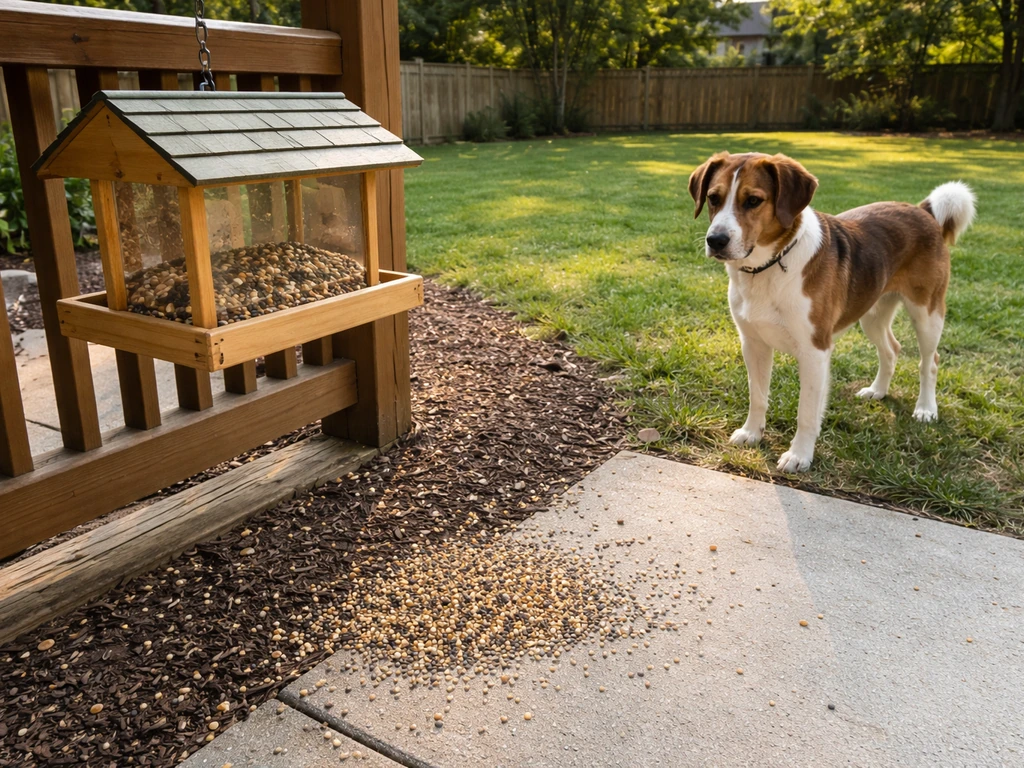
Feeder height and location matter. Mount feeders high enough that your dog cannot reach them directly, and ideally in a part of the yard your dog does not have unsupervised access to. Tray-style feeders that catch spilled seed are better than open platform feeders when dogs are around, since they reduce ground scatter. You can also use tube feeders with small ports that limit how much seed falls at a time.
Cleanup
Sweeping or raking up fallen seed and hulls regularly is one of the most effective things you can do. Ground-level seed accumulation is where most dog exposure happens. Clean the area under feeders at least weekly, and more often if you have a dog that actively investigates that part of the yard.
For the feeder itself, cleaning it monthly with a 10% bleach solution (1 part bleach to 9 parts hot water), then rinsing thoroughly and letting it dry completely before refilling, is the standard recommendation from wildlife agencies. The Iowa DNR recommends cleaning feeders about once a month, and the South Carolina DNR specifies rinsing for at least 10 seconds to remove chemical residue before the feeder goes back up.
Managing dog access
If your dog is persistent about sniffing around the feeder, physical separation is the simplest solution. A small fenced section of the yard where the feeder lives, with a gate that stays closed when dogs are outside, works well. Some people supervise outdoor time near feeders and redirect the dog when they head toward the seed area. Training a reliable "leave it" command is also worth investing in if your dog has a habit of hoovering up anything on the ground.
Feeding birds responsibly when you have dogs
You do not have to choose between feeding birds and keeping your dog safe. The key is thinking about your setup as a system: what seed you use, where and how it is dispensed, and what happens to the mess below. Choosing seed mixes that produce less waste and fewer shells helps a lot. For example, hulled sunflower seed (already shelled) leaves almost no ground debris compared to sunflower seeds in the shell. Nyjer (thistle) seed is another low-scatter option loved by finches, and it is less appealing to dogs than oily seed mixes.
Avoiding peanut-heavy mixes or suet cakes placed at dog-accessible heights also reduces the temptation, since those high-fat options are particularly problematic for dogs that eat them in any real quantity. If you are trying to figure out which bird foods pose the least risk when dogs are around, the article on what bird food means for dogs is a useful reference for comparing ingredients and risk levels.
Wildlife coexistence is also part of this picture. Feeders attract not just birds but squirrels, raccoons, and rodents, and rodents are what tend to bring rodenticides into the equation. If you are using any kind of rodent control near your feeder area, switch to snap traps or other mechanical methods rather than poison bait, which creates secondary poisoning risk for dogs (and raptors and foxes that may also be visiting your yard).
Quick answers to common bird seed and dog questions
My dog ate a tiny bit of fresh bird seed. Is that actually dangerous?
A very small amount of fresh, uncontaminated bird seed is unlikely to cause serious harm in a healthy adult dog. You may see mild GI upset like soft stool, but it usually resolves on its own. The risk increases significantly with quantity, with mold or spoilage, and with seed mixes that include macadamia nuts (which are toxic to dogs) or very high fat content. For a full breakdown of what ingredients to watch for, check out the article on whether dogs can eat bird seed directly.
Is bird seed ever actually "toxic" or just unsafe because of spoilage?
Both. Some seed mixes contain ingredients that are genuinely toxic to dogs regardless of freshness, like macadamia nuts. But the more common danger is spoilage: aflatoxin from mold on grain-based seeds is a real and serious toxin. Fresh, plain seeds like sunflower or millet are not inherently poisonous, but they can still cause GI upset in large amounts. The distinction matters because "it is just bird seed" is not a reason to dismiss exposure if the seed was old, wet, or moldy.
My dog just sniffed around the feeder but did not eat anything. Should I be worried?
Sniffing alone is very low risk. Watch for any unusual symptoms over the next several hours, but in most cases a dog that just investigated a feeder and did not ingest anything will be perfectly fine. If there is a chance your dog licked a surface coated in bird droppings, rinsing their mouth with water is a reasonable precaution.
What if I do not know how much seed my dog ate?
Uncertainty is exactly when you should call your vet or a poison helpline rather than trying to guess. The blank" rel="noopener noreferrer">ASPCA Animal Poison Control Center (888-426-4435) and the Pet Poison Helpline are available 24/7 for this kind of situation. They will ask questions about your dog's size, the type of seed, and the condition of the seed to help you assess the risk. Do not let uncertainty lead to inaction, especially if the seed was possibly moldy or if there is any chance rodenticides were nearby.
Are some seed types safer than others for dogs?
Plain millet, plain sunflower seeds (shelled), and nyjer seed are generally lower risk than high-fat or mixed mixes that include peanuts, dried fruit, or tree nuts. Sunflower shells are the main issue with unshelled seeds since they can cause GI irritation. Avoid any mixes that contain xylitol (sometimes found in flavored or coated specialty seeds), raisins, or macadamia nuts, as those are genuinely toxic to dogs regardless of quantity.
FAQ
How much bird seed would make a dog sick?
There is no universal amount because risk depends on mix ingredients, whether the seed was moldy, and the dog’s size. As a rough rule, any sizable pile a dog can finish in one sitting, especially shelled or mixed sunflower-heavy food, is enough reason to call your vet for advice, particularly if it happened quickly or the seed looked clumped, wet, or musty.
What if my dog only chewed or swallowed a small amount of moldy-looking seed, do I still need to worry?
Yes. Even small amounts can matter if the seed was clearly damp for long periods, heavily clumped, or visibly discolored, because mycotoxin signs (like liver-related symptoms) can be delayed. Call your vet or a poison helpline and describe the seed condition, not just the quantity.
Can bird seed make dogs sick even if it was fresh and dry?
It can, but usually in less dramatic ways. Fresh, dry seed can still trigger fat-related stomach upset if a dog eats a lot, and unshelled sunflower shells can irritate the GI tract. If there is no vomiting or diarrhea after monitoring, it’s often mild, but overeating still warrants a call if your dog is small, young, or has pancreatitis risk.
My dog vomited once after getting into seed, should I wait it out?
If it was one episode, your dog is otherwise alert, and there is no diarrhea or belly pain, home monitoring may be reasonable. However, contact your vet if vomiting repeats, if you notice weakness or jaundice, or if abdominal tenderness shows up, because some causes improve briefly before getting worse.
What symptoms mean I should go to an emergency vet right away?
Go right away for neurologic signs (tremors, seizures, unusual staggering), jaundice or dark urine, repeated or escalating vomiting or diarrhea, severe lethargy, or signs of abdominal pain. Also treat it as urgent if the seed may have been contaminated, or if rodent bait might have been present in the area.
Could bird droppings alone be the problem, not the seed?
Yes. If your dog scavenged under a feeder, they likely ate contaminated droppings too. In that case, the risk is more about bacterial infection, and symptoms like vomiting, diarrhea, and lethargy are the more relevant signs to watch over the next day or two, especially in puppies, seniors, or immune-compromised dogs.
What should I do right after my dog eats bird seed, should I induce vomiting or give charcoal?
Do not induce vomiting unless a professional tells you to. Do not give activated charcoal or other home “binders” unless your vet or poison service recommends it for that specific exposure, because the wrong timing or product can interfere with evaluation or worsen certain situations.
How quickly can symptoms start after eating bird seed?
Some issues show up fast, especially neurologic effects from certain rodenticides. Others can be delayed, such as illness related to mold toxins. That’s why monitoring and staying in touch with a vet matters even if your dog seems fine at first.
What details should I tell the vet or poison helpline?
Include your dog’s weight, age, and any medical conditions, plus exactly what you saw (licking, chewing, swallowing), the seed type or mix name, approximate amount (a few kernels versus a mouthful versus a whole scoop), and when it happened. Also mention whether there was any rodent control bait used near the feeder area.
Can I still feed birds if my dog keeps getting into the feeder area?
You can, but change the setup. Use tube or small-port feeders, mount them higher or place them behind a dog-proof barrier, and sweep fallen seed frequently. Many people also switch to lower-scatter options like hulled sunflower to reduce debris your dog can reach.
Does cleaning the feeder with bleach make it safer, or could residue harm my dog?
Cleaning helps, but rinse thoroughly before refilling. Bleach residue can irritate pets if they get it on their mouth. A practical approach is cleaning regularly, then letting the feeder dry completely and wiping with water after the bleach wash before putting it back.
Are some bird seed ingredients always a problem for dogs?
Yes. Some are genuinely toxic regardless of freshness, such as macadamia nuts, and some products may contain xylitol in flavored or coated seeds. If you use a specialty mix, check the label for high-risk ingredients, not just the seed name.
Next Article
How Fast Can Bird Seed Kill a Dog? What to Do Now
Learn how fast bird seed can harm a dog, key toxin risks, emergency signs, and what to do right now.