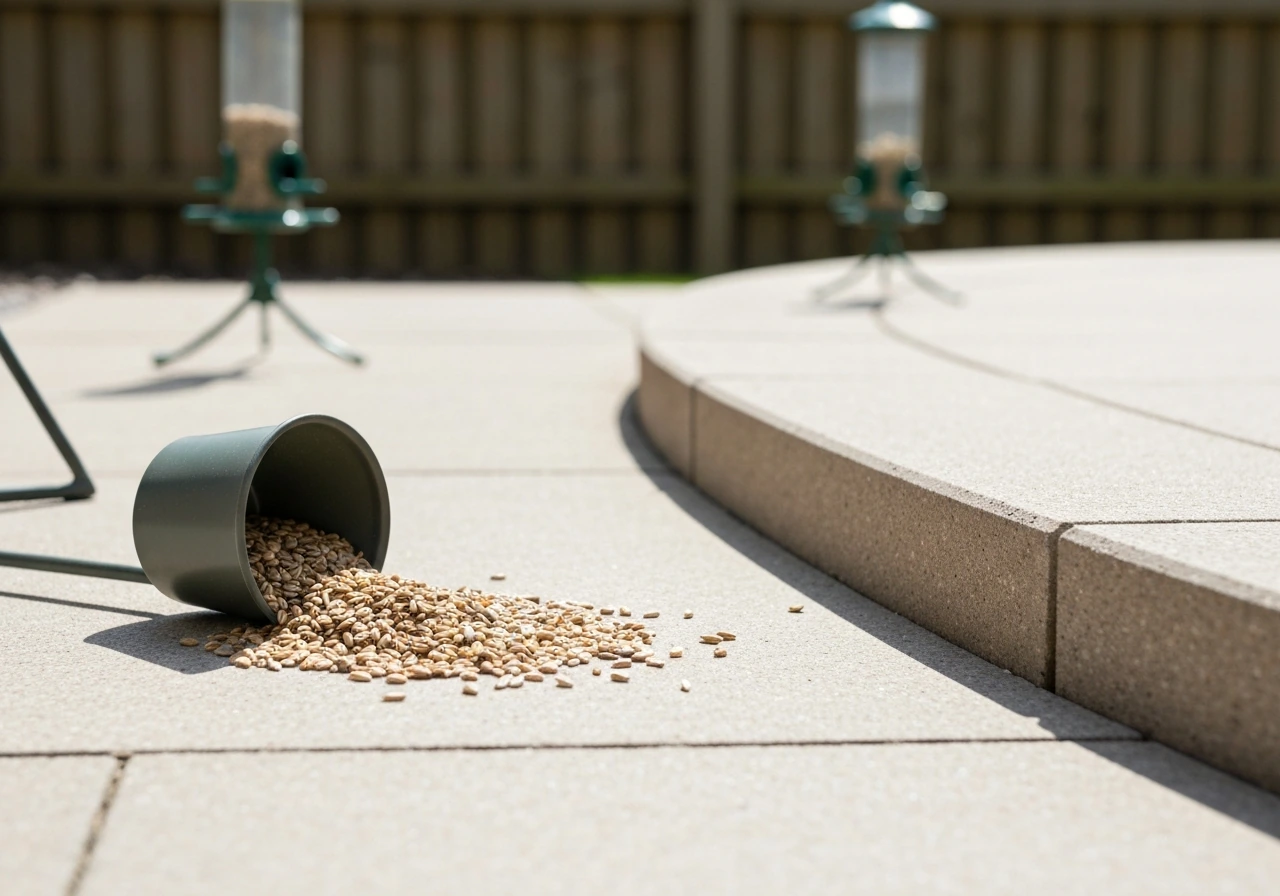
Bird seed alone is rarely lethal to a dog, but 'bird seed' is not one single thing, and the conditions around it matter enormously. A handful of plain sunflower seeds your dog hoovered off the patio is a very different situation from a mouthful of damp, clumpy, musty seed that has been sitting in a wet feeder for two weeks, or a premium 'wild bird treat' mix that contains raisins, dried fruit, or other additives. The honest bottom line: plain, fresh seed in small amounts is unlikely to kill your dog. Moldy seed, toxic additives, or a large enough quantity to cause an obstruction or aspiration can become life-threatening, and some of those situations move fast.
How Fast Can Bird Seed Kill a Dog? What to Do Now

Maya Henderson
9 Apr 2026
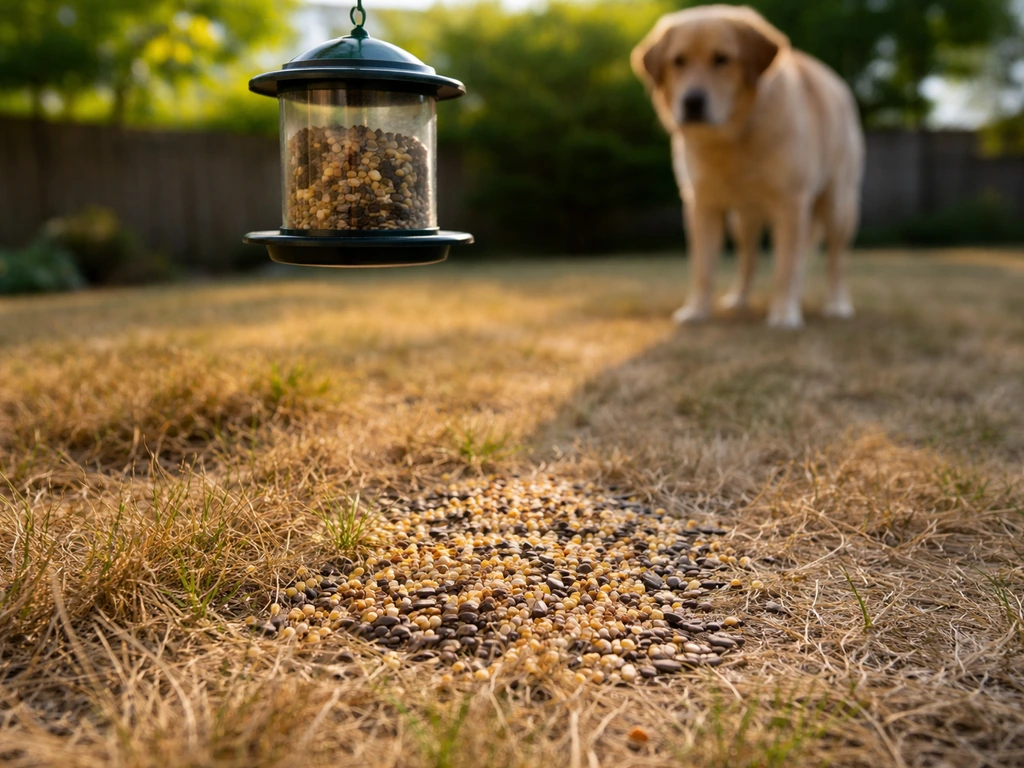
Is this an emergency right now?
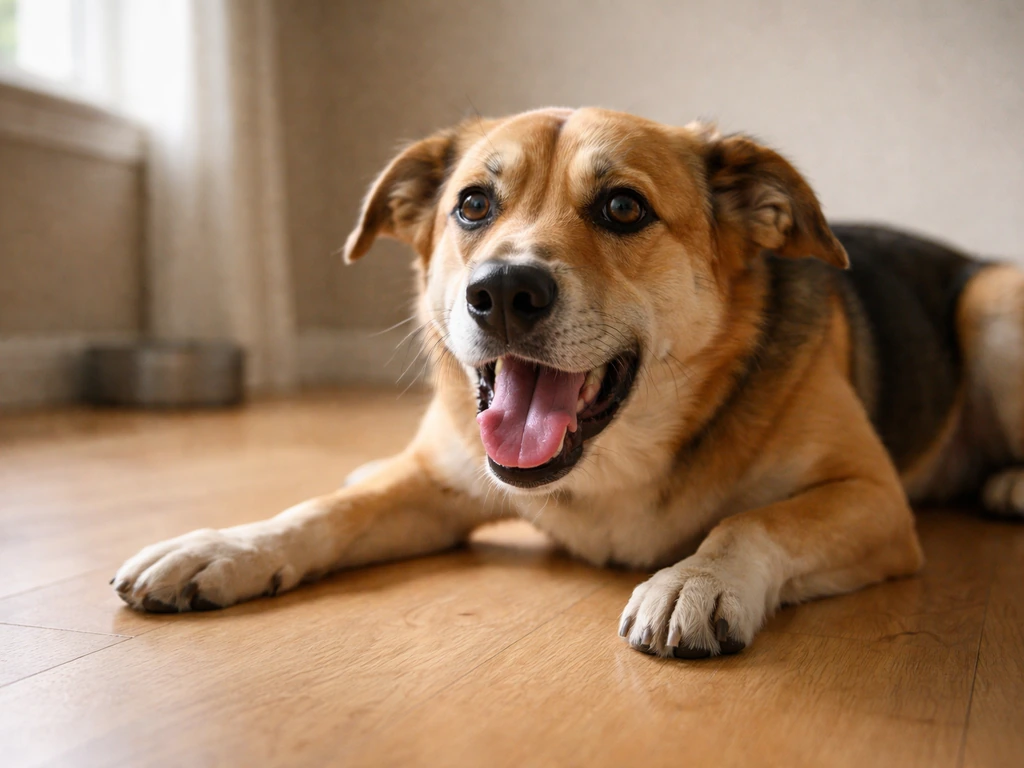
If your dog is showing any of the following signs right now, stop reading and call your vet or an emergency animal hospital immediately: difficulty breathing, choking, gagging, repeated vomiting, seizures, collapse, pale or blue gums, extreme lethargy, or loss of coordination. Those are emergency symptoms. If your dog looks totally fine and you just want to know what you're dealing with, keep reading, but still have a phone nearby.
Two 24/7 poison control lines you should save right now: ASPCA Animal Poison Control at (888) 426-4435, and Pet Poison Helpline at (855) 764-7661. Both operate around the clock, every day of the year. They will ask you specific questions about the product, the amount, and your dog's size and current condition. Having that information ready makes the call faster and the guidance more accurate.
What in bird seed can actually hurt a dog
This is where the phrase 'it depends on the mix' really matters. Whether bird seed is toxic to dogs depends heavily on what is in that specific bag or feeder, not on the generic category. Here are the real hazards to know about.
Mold and mycotoxins
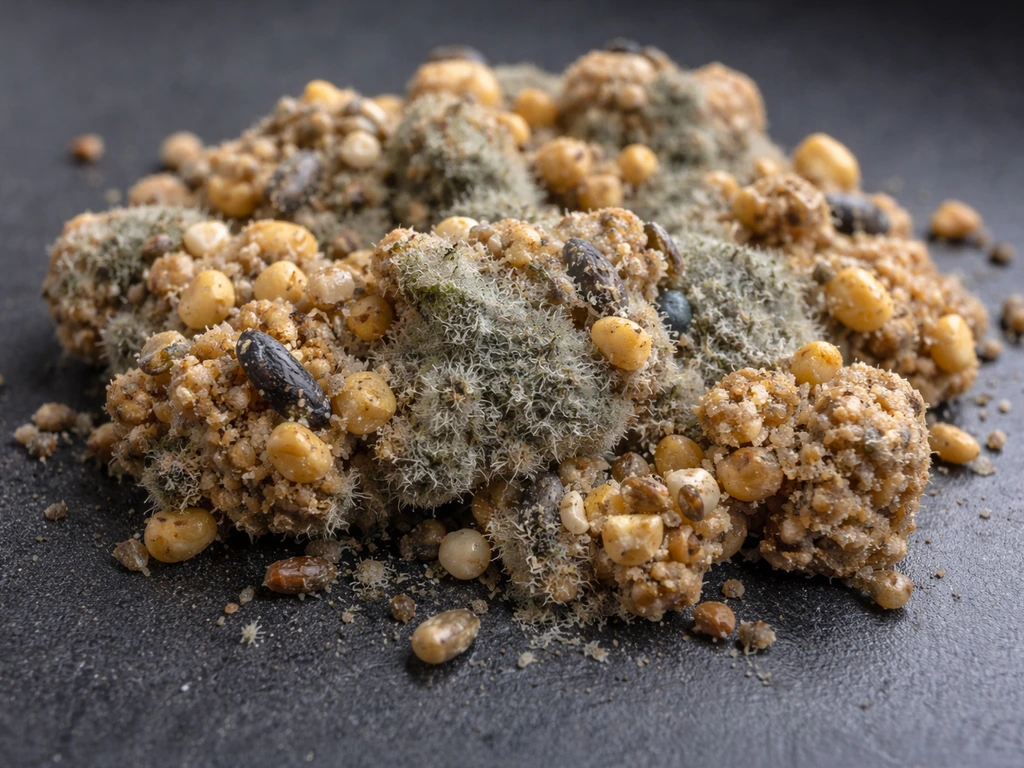
This is the biggest danger in most backyard bird-feeding scenarios. Seed that has gotten damp, clumped together, smells musty, or has visible discoloration can harbor mold. The serious concern is mycotoxins, particularly aflatoxins produced by Aspergillus mold species. Aflatoxins can cause liver failure. The FDA has confirmed that aflatoxin poisoning in pets can result from eating contaminated grains, corn, and peanuts, all common bird seed ingredients. The tricky part is that mycotoxin symptoms can sometimes be nonspecific, meaning your dog might initially just seem lethargic or off before more serious signs appear.
Toxic additives in 'fancy' mixes
Premium bird food blends, suet cakes, and treat mixes increasingly contain dried fruit, nuts, baked goods, or flavoring agents. Raisins and currants are highly toxic to dogs and can cause acute kidney failure. Xylitol, an artificial sweetener sometimes found in baked goods or flavored products, is extremely dangerous for dogs at small doses. Onion and garlic powder can appear in savory mixes. Chocolate is another obvious red flag. If the packaging lists any of these ingredients, treat it as a poisoning event regardless of how much your dog ate.
Rancid fats in cheap bulk seed
Low-quality or old seed mixes often contain seeds and fats that have gone rancid. Rancid fat is not acutely poisonous the way xylitol is, but eating it can cause significant gastrointestinal upset, vomiting, diarrhea, and in some cases pancreatitis, especially in dogs that are already prone to digestive issues.
Choking, obstruction, and aspiration
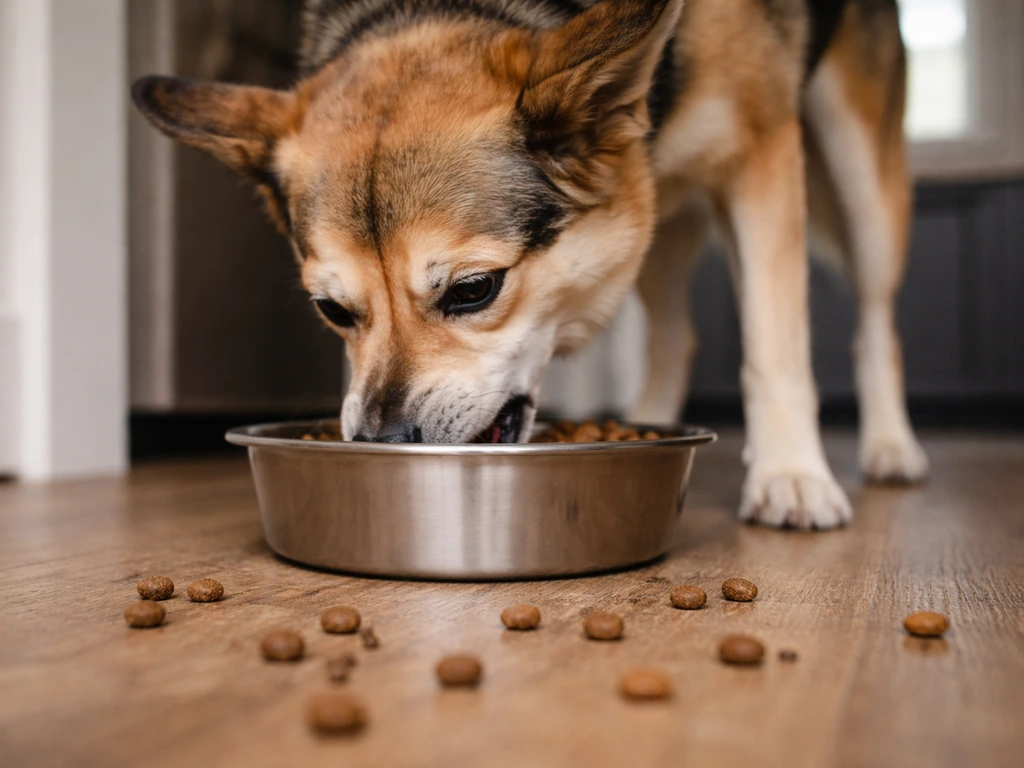
A dog that bolts down a large quantity of dry seed, or inhales it while eating quickly, faces a different kind of risk: physical obstruction or aspiration (seed going into the airway instead of the stomach). Aspiration can cause aspiration pneumonia, which develops over hours to days and can become severe. A very large quantity of seed can also cause a gastrointestinal blockage, particularly in small dogs.
How fast can symptoms start, by cause
Timing varies a lot depending on what caused the problem. Here is a practical breakdown so you know what window you are working in.
| Cause | Onset of first symptoms | Severity potential |
|---|---|---|
| Xylitol ingestion | 30 minutes to 1 hour (hypoglycemia); liver failure within 24–72 hours | Potentially fatal, treat as immediate emergency |
| Raisins or currants | Vomiting often within 6–12 hours; kidney failure over 24–72 hours | Potentially fatal, treat as immediate emergency |
| Aspiration (seed in airway) | Coughing/respiratory distress within minutes to hours; pneumonia within 24–48 hours | Can be rapidly life-threatening |
| Acute aflatoxin/mycotoxin exposure | Lethargy, vomiting, appetite loss often within hours; liver failure can develop over days | Serious, variable; can be fatal |
| Rancid seed / GI irritation | Vomiting or diarrhea within 1–6 hours | Rarely fatal in otherwise healthy dogs; monitor closely |
| Plain fresh seed, small amount | Mild GI upset possible; usually none | Low risk in most cases |
The key takeaway from this table: the fast-moving dangers (xylitol, aspiration, raisins) can seriously harm your dog within an hour. Do not wait for symptoms to appear if you know those ingredients are involved. Call poison control now.
Signs to check on your dog right now
Run through this list quickly. You are looking for symptoms in three categories.
GI distress
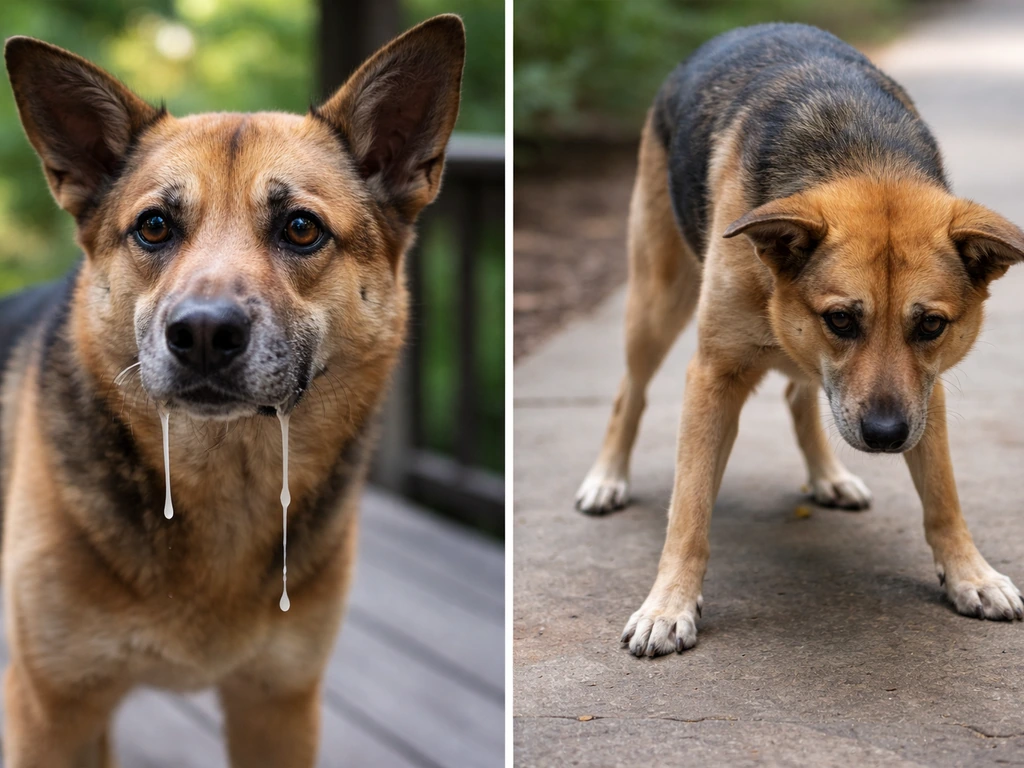
- Vomiting (once or twice can be normal; repeated vomiting is not)
- Diarrhea, especially if bloody
- Bloated or hard abdomen
- Drooling more than usual
- Refusing food or water
- Hunched posture or whining when belly is touched
Neurological or toxic signs
- Wobbling, stumbling, or loss of coordination
- Seizures or muscle tremors
- Sudden extreme lethargy or unresponsiveness
- Pale, white, or blue-tinged gums
- Yellowing of skin, gums, or eyes (jaundice, a sign of liver damage, usually slower onset)
Breathing or obstruction signs
- Choking, gagging, or retching without producing anything
- Labored breathing, wheezing, or rasping
- Rapid breathing with an extended neck (trying to open the airway)
- Coughing that starts after eating and doesn't stop
Any neurological sign, any breathing sign, or any combination of GI signs plus lethargy means go to the emergency vet, not wait and watch.
What to do right now, step by step
- Remove your dog from the seed source immediately so they can't eat more.
- Check your dog for the symptoms listed above. If any emergency signs are present, skip all other steps and go to the vet now.
- Grab the seed container or bag. Note the brand name, full ingredient list, and any 'best by' or lot number. If it was loose seed from a feeder, collect a sample in a bag.
- Estimate how much your dog ate and note the time it happened.
- Call ASPCA Animal Poison Control at (888) 426-4435 or Pet Poison Helpline at (855) 764-7661. Give them your dog's weight, the product and ingredients, the estimated amount, and the time elapsed. They will tell you whether you need an emergency vet right now or whether monitoring at home is appropriate.
- Follow their instructions exactly. If they say go in, go in. Bring the seed packaging with you.
- If your dog is fine and poison control clears you to monitor at home, watch closely for the next 6–12 hours and note any changes.
Many people wonder whether bird seed can make dogs sick even when they seem fine at first. The answer is yes, with certain types of seed or mold contamination. This is why calling poison control before symptoms appear, rather than waiting, is the right move when the ingredients or condition of the seed are uncertain.
What NOT to do at home
There are a few things well-meaning pet owners often reach for that can actually make things worse. Avoid all of the following unless a vet or poison control specifically tells you otherwise.
- Do not induce vomiting on your own. This is a firm rule. If your dog aspirated any seed, making them vomit can drive material deeper into the airway. If they ate something caustic, vomiting brings it back up through the esophagus again. Pet Poison Helpline and PetMD both explicitly advise against DIY vomiting induction, including the hydrogen peroxide method. Only do this if a veterinarian or poison control line directs you to.
- Do not give activated charcoal at home. Charcoal can absorb some toxins, but it has real risks. VCA and ASPCApro both flag that activated charcoal should not be given if there is any aspiration risk or if the dog cannot protect their airway. Giving it at home without knowing your dog's current risk is dangerous.
- Do not give milk, bread, or water in large amounts thinking it will dilute the toxin. This is a common myth and can cause more vomiting or complicate treatment.
- Do not wait to call just because your dog seems fine. With xylitol, raisins, or heavy mold contamination, the first hour or two can look completely normal. Damage happens quietly.
- Do not rely on a general internet search to confirm whether a specific ingredient in your bird mix is safe. Look at the actual package.
What information to have ready before you call
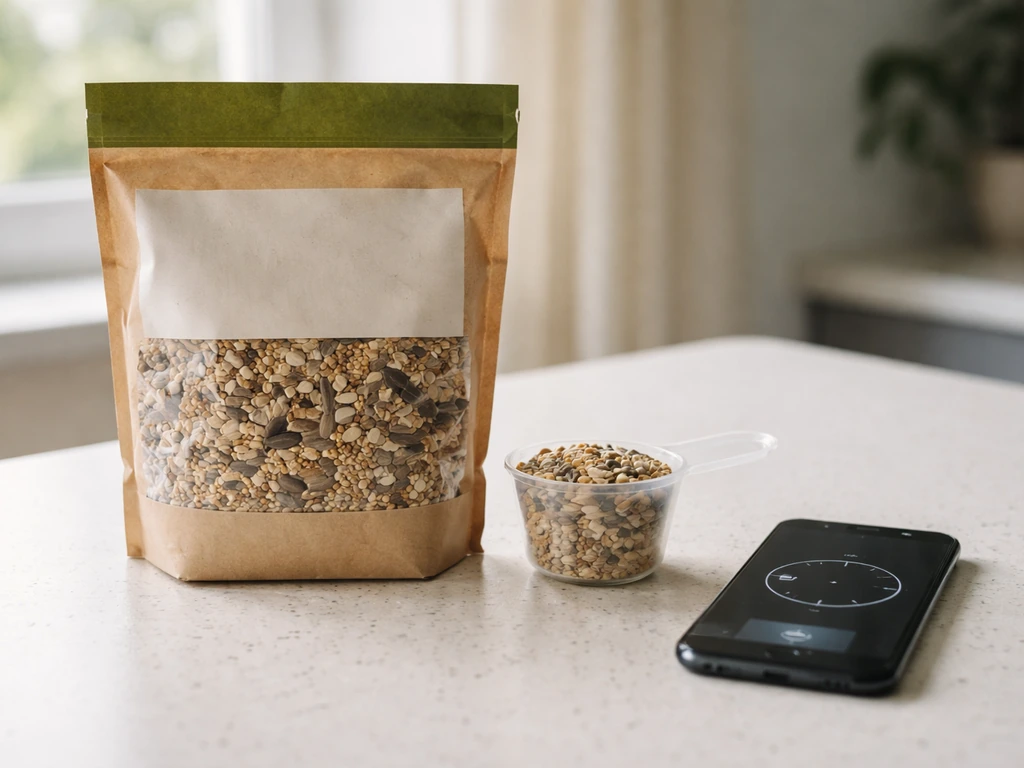
The more specific you can be, the faster and more accurate the guidance you will get from poison control or your vet. Before you dial, try to have: the full product name and brand, the complete ingredient list (or a photo of the label), an estimate of how much your dog ate (a handful, a cup, an unknown large amount), the time it happened, your dog's approximate weight and breed, and whether your dog has any known health conditions or is on any medications. If the seed was from an outdoor feeder and has no label, describe what you can see: color, texture, whether it was wet or dry, whether it smelled off.
Keeping this from happening again
How to spot unsafe seed before it becomes a problem
You should be checking your bird seed and feeders regularly, especially in humid or rainy weather. Unsafe seed is usually pretty obvious when you know what to look for. Throw it out and clean the feeder if you notice: a musty, sour, or fermented smell; clumping or sticky texture that shouldn't be there; visible mold (white, green, black, or gray fuzz); seed that looks wet or discolored; or insects or evidence of rodent activity in the stored seed. When in doubt, discard it. Fresh seed is cheap compared to a vet bill.
Storage that prevents mold and rancidity
Store seed in a cool, dry location in an airtight container, ideally metal or thick plastic with a secure lid. Avoid leaving large quantities in feeders during rain or high humidity. Buy smaller quantities more frequently rather than large bags that sit for months. Rotate stock so older seed gets used first. Clean feeders with a dilute bleach solution every two to four weeks and let them dry completely before refilling.
Feeding setup that keeps dogs out
The simplest prevention is physical separation. Mount feeders high enough that your dog cannot reach them or the seed that falls below. Use a seed tray or catcher under feeders to reduce ground scatter, and sweep or rake up fallen seed regularly. If you have a dog that actively hunts for fallen seed, consider placing feeders in a part of the yard that can be gated off, or switching to feeders designed to minimize waste. Whether dogs can eat bird food depends on the formulation, but in general it is better to design your setup so the question never comes up.
Choosing mixes that lower the stakes
Plain, single-ingredient seeds like black-oil sunflower seeds, nyjer (thistle), and safflower carry far less risk than blended treat mixes with dried fruit, nuts, or flavoring. If you want to understand exactly which seeds dogs can eat without risk, the short answer is that plain seeds in tiny amounts are generally not the danger, but additives and mold are. Avoiding novelty or premium blends that include baked goods, dried fruit, or flavor coatings significantly reduces the chance of a toxic ingredient reaching your dog.
The realistic risk picture
Most dogs that sneak a small amount of plain, fresh bird seed from the ground will have a fine day. The danger goes up sharply with moldy or spoiled seed (mycotoxins, especially aflatoxins, are a genuine liver threat), with mixes containing toxic additives like raisins or xylitol, and with any scenario involving a dog inhaling seed into their airway. The speed at which things can go wrong ranges from minutes (aspiration, xylitol) to days (aflatoxin liver damage). That range is exactly why you should not just watch and wait when the ingredients or condition of the seed are unknown. A two-minute phone call to poison control is always the right first move. Pet Poison Helpline is available 24/7 and you can reach them at (855) 764-7661.
FAQ
If the bag says “plain” bird seed, how fast can it kill a dog?
Even “plain” bird seed can be risky if it is moldy, clumpy, or has an off smell. If you do not know the bag’s ingredients or the seed has been damp, treat it like a potential poisoning case and call poison control, especially for small dogs or puppies.
Why can my dog look fine after eating bird seed, but still be in danger later?
Don’t rely on the absence of immediate symptoms. With mold-related toxins, signs can start later and worsen as liver injury progresses, so waiting can cost time. If the seed was damp or musty, call poison control right away.
My dog coughed once after eating seed, should I still go to the vet?
If you suspect aspiration or choking, do not try to force food or water, and don’t wait for a cough to confirm severity. Aspiration pneumonia can develop after the initial event, so emergency evaluation is important if there was choking, gagging, or breathing difficulty.
Can bird seed cause a blockage even if there’s no mold or additives?
Yes. Whole seeds can physically block the GI tract or contribute to choking, and the risk is higher when a dog gulps a large quantity quickly. If vomiting is repeated, the dog is straining, bloated, painful, or won’t keep water down, that is an urgent medical issue.
What if I can’t tell how much was eaten, but the mix contains raisins or xylitol?
If you find raisins/currants or xylitol-listed ingredients in the mix, call poison control immediately rather than waiting for symptoms. These can cause harm quickly, and exact timing depends on dose and your dog’s size.
Do I always have to go to an emergency vet, or can poison control handle it over the phone?
Yes, but your location and symptoms matter. Poison control can guide what to do at home versus when to go in, but if your dog shows breathing trouble, seizures, collapse, pale or blue gums, severe lethargy, or repeated vomiting, you should go to an emergency vet instead of waiting on phone advice.
Should I make my dog vomit after eating bird seed?
If a vet or poison control says decontamination is needed, it should be directed. Do not induce vomiting on your own, especially with choking/aspiration risk or if the dog is already having breathing issues.
What should I not give my dog to “neutralize” bird seed?
Avoid giving random home remedies like milk, oils, or charcoal unless poison control instructs you to. Some actions can worsen aspiration risk or interfere with veterinary assessment.
How can I figure out what my dog ate if it was from a feeder, not a bag?
Do a quick environment check: is the seed stored outdoors or left in a wet feeder, is there clumping, and does it smell musty or fermented? If you can identify the specific bag, photograph the label before tossing anything, so you can give accurate ingredient info.
What information should I have ready when I call poison control?
If you can safely do it, bring a photo or the empty bag and an approximate measure of how much seed is missing. Also note the time of exposure, your dog’s weight, and whether there were additives (raisins, xylitol, flavored coating) or visible mold.
How long after possible aspiration should I watch before deciding it’s an emergency?
With aspiration risk, symptoms may start subtly at first. If your dog has any ongoing cough, fast breathing, increased effort to breathe, feverish behavior, or reduced energy after an episode, treat it as urgent and seek evaluation rather than monitoring at home.
What prevention steps are most effective after this kind of incident?
After any incident, switch to safer setup for prevention. Mount feeders higher with a catcher tray, store seed in an airtight container, and do not refill with suspect seed until you can confirm it is dry, un-clumped, and free of mold or insects.
Next Article
Is Bird Seed Toxic to Dogs? Safety, Risks, and What to Do
Learn if bird seed is toxic to dogs, what risks to watch, symptoms, and immediate steps plus prevention to keep pets saf