Bird seed is not toxic to dogs the way something like xylitol or grapes is. Most dogs that sneak a mouthful from a backyard feeder will be completely fine. That said, bird seed is not harmless either, and depending on what type of seed your dog ate, how much, and whether that seed was fresh or spoiled, the risks can range from a minor upset stomach all the way to a genuine veterinary emergency. Here is what you actually need to know.
Is Bird Seed Toxic to Dogs? Safety, Risks, and What to Do

Maya Henderson
6 Apr 2026
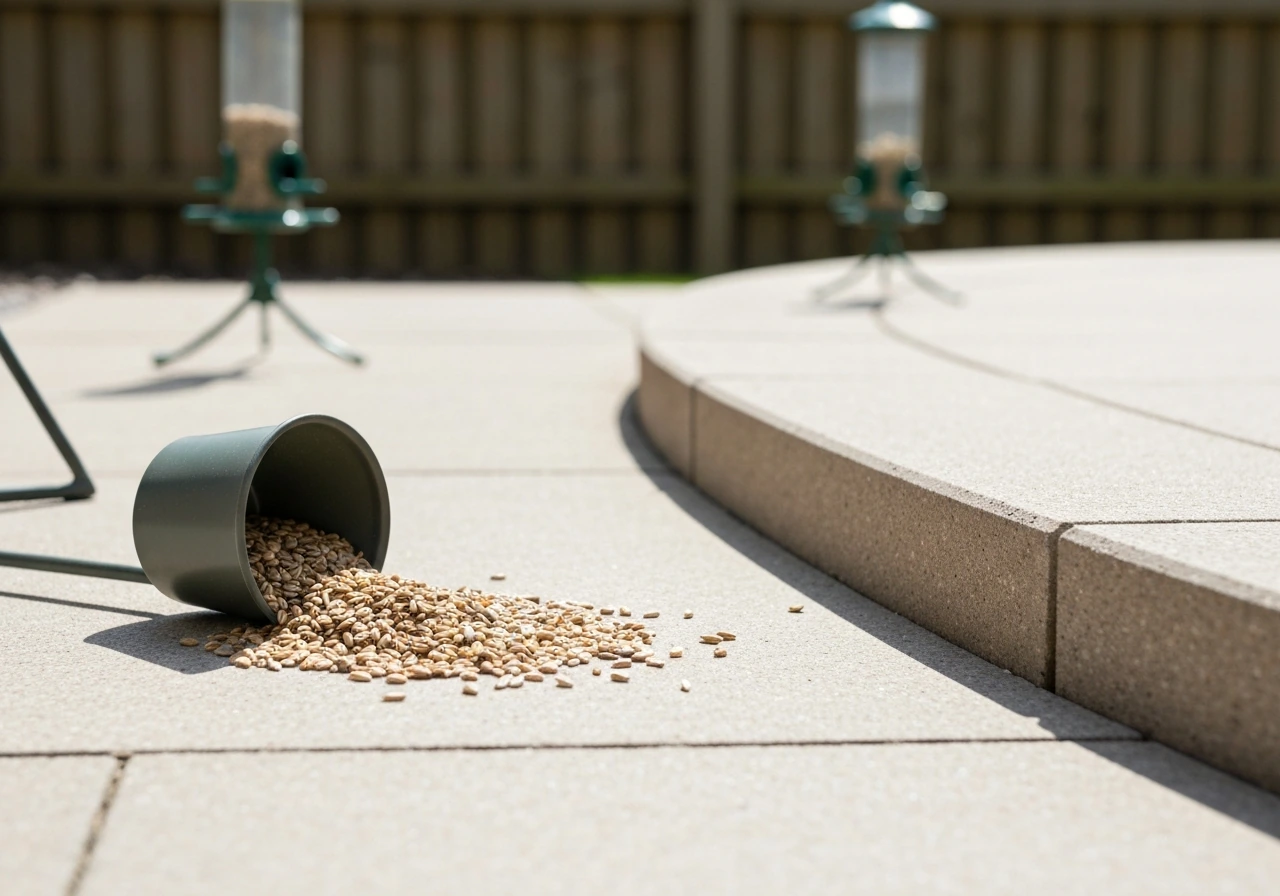
Is bird seed toxic or safe for dogs?
The short answer: bird seed is not a classic poison, but it is not dog food either. The AKC frames birdseed ingestion as usually not 'poisonous' in the traditional toxicology sense, but it notes real risks depending on what the dog ate and how much. The AKC also notes that while a few choice tastes of fresh birdseed usually isn’t harmful, grapes and raisins are highly toxic to dogs. The seeds themselves (sunflower, millet, safflower, nyjer) are not inherently poisonous to dogs. But that does not make them safe to eat freely, and it definitely does not mean you should ignore the situation if your dog just inhaled half a feeder's worth of seed off the ground.
If you want a more detailed breakdown of exactly what bird seed contains and how dogs handle it nutritionally, the article on can dogs eat bird seed covers that. The quick version: the seeds themselves are not the primary danger. The danger comes from how the dog eats them, how much they eat, and the condition of the seed.
How dogs actually get sick from bird seed
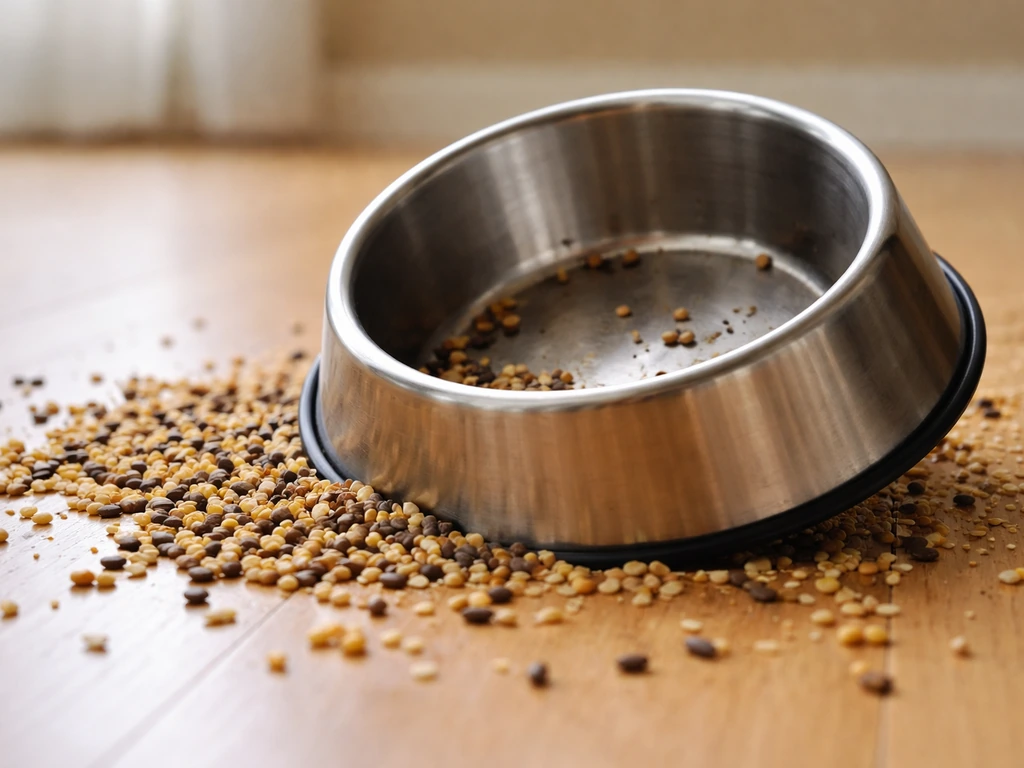
There are three distinct ways bird seed can make a dog sick, and they are worth separating because each one has different warning signs and a different response.
GI upset from eating too much
This is by far the most common outcome. Seeds are high in fat and fiber, neither of which dogs handle well in large quantities. Sunflower seeds in particular can trigger vomiting, diarrhea, and general digestive misery when eaten in quantity. Dogs prone to pancreatitis are at higher risk because the high fat content can trigger an episode, which shows up as lethargy, vomiting, and abdominal pain. If your dog ate a small handful of seed, mild GI upset is likely the worst you will see. If they ate a large pile that had been sitting under the feeder for days, the calculus changes significantly.
Choking and obstruction
Shells are the bigger mechanical risk here. Sunflower seed shells in particular can lodge in the digestive tract and cause a blockage. The Merck Veterinary Manual defines esophageal obstruction as a blockage of the esophagus by food or foreign objects, and the classic signs include sudden excessive drooling, gagging, regurgitation, and repeated attempts to swallow. If the object makes it past the esophagus, you might not see symptoms right away, but a partial or full bowel obstruction can develop hours to days later. Signs of a blockage lower in the GI tract include repeated vomiting, abdominal pain, a hunched posture, and straining to defecate with no results. Any of those signs mean a vet visit, not a wait-and-see approach.
Contamination from spoiled or treated seed
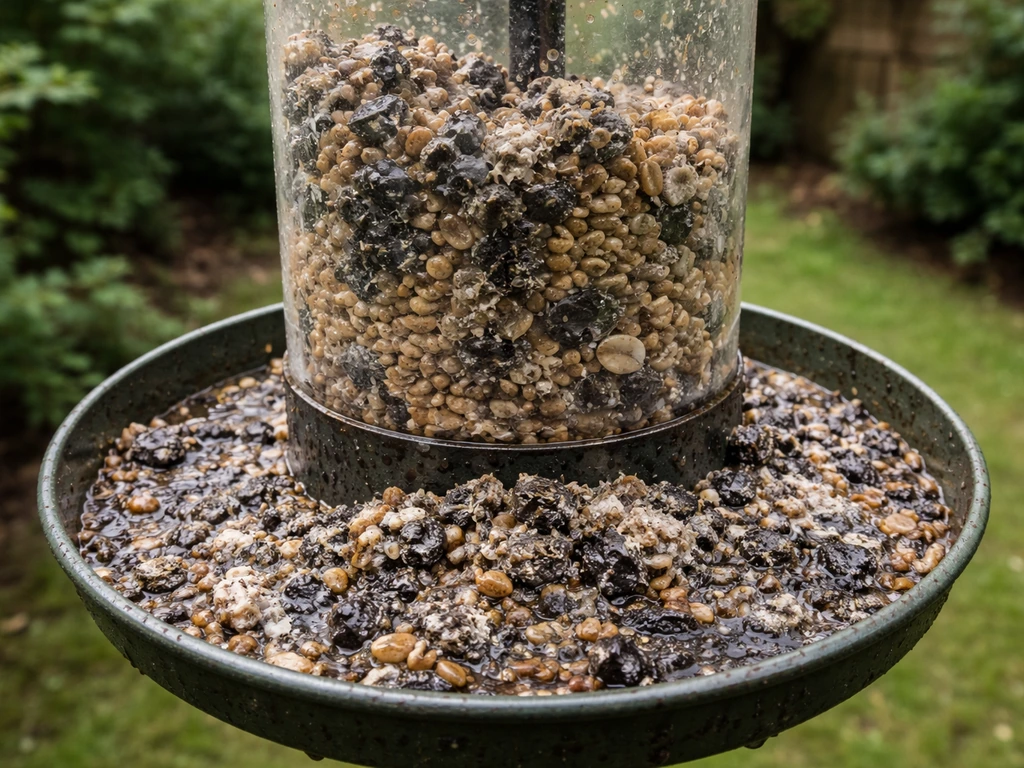
This is the risk most people miss entirely, and it can be genuinely serious. Seed that has been sitting in a wet feeder or on damp ground can develop mold, and some of that mold produces toxins that are dangerous to dogs. Pesticide exposure from treated seed is also a real, if less common, concern. Both of these are covered in more detail in the next section.
Wild bird seed and the risks most people overlook
Wild bird seed sold in stores is not formulated for pets, and unlike commercial dog food, it has no safety standards requiring testing for dog consumption. That opens the door to several hazards that are easy to miss.
Mold and aflatoxins
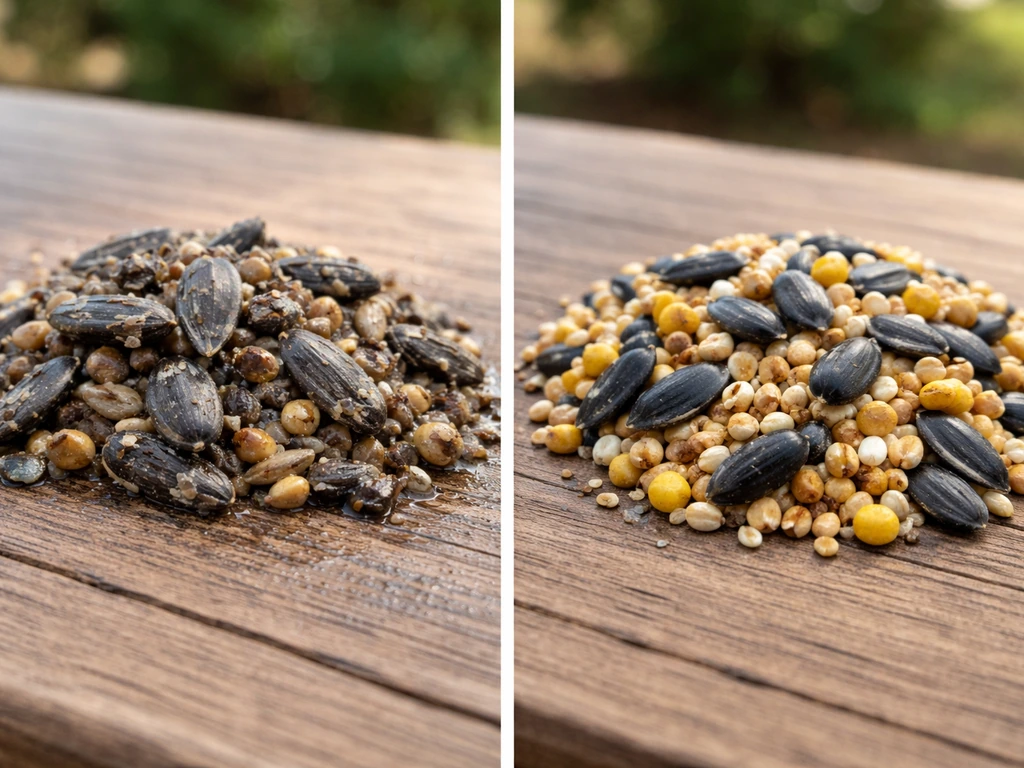
Mold is the biggest contamination risk with bird seed, especially seed that sits in an outdoor feeder through rain or humidity. The FDA has documented that pets can become seriously ill from eating moldy corn, grains, and peanuts contaminated with aflatoxins, which are toxins produced by the mold Aspergillus flavus. At high enough levels, aflatoxins can cause illness and death in dogs.
The reported symptoms include sluggishness, loss of appetite, vomiting, diarrhea, jaundice (yellowing of the gums or whites of the eyes), and unexplained bruising or bleeding. Peanuts and corn, which appear in many wild bird mixes, are particularly prone to aflatoxin contamination when stored improperly or allowed to get wet. If the seed you found your dog eating smelled musty, looked discolored, or was clumped together with moisture, mold exposure is a real possibility and warrants a call to your vet.
Rancid seed
High-oil seeds like sunflower go rancid when exposed to heat, light, or moisture for too long. Rancid seed smells sour or paint-like, and while it is not toxic in the aflatoxin sense, it can cause significant GI irritation in dogs. If the seed under your feeder smells off, assume it is old and treat the situation accordingly.
Pesticides and treated seed
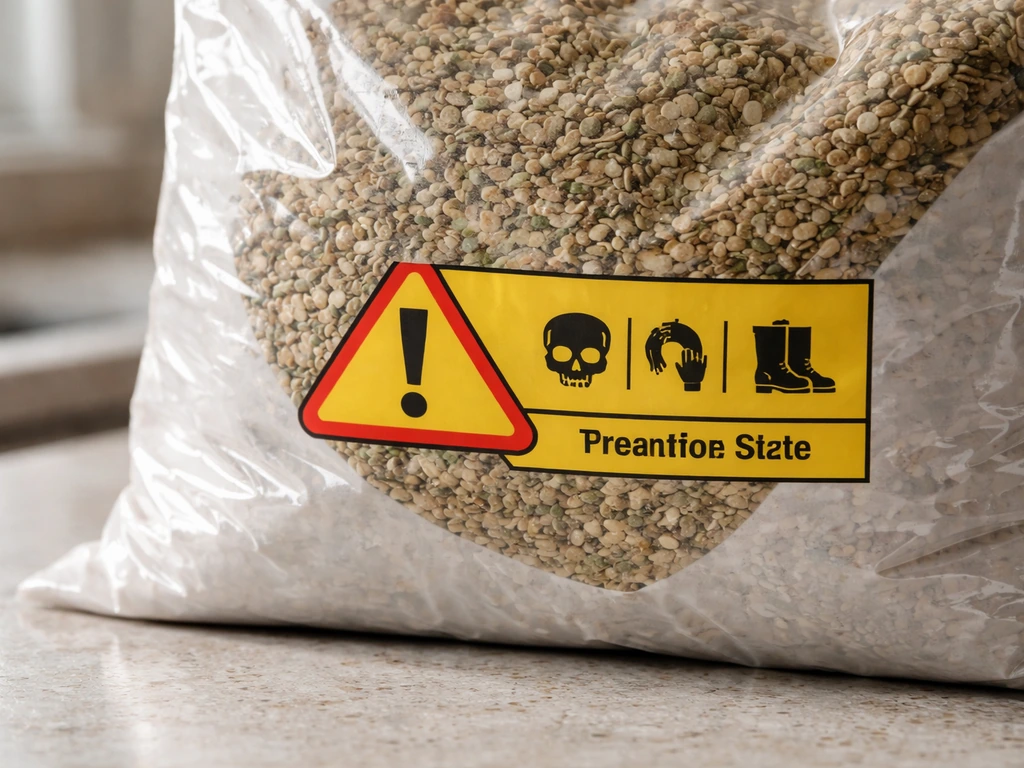
Some commercial bird seed is treated with pesticides or fungicides during growing or storage. Neonicotinoids like imidacloprid are one concern that has been documented in peer-reviewed research as hazardous to seed-eating birds, which raises legitimate questions about what happens when dogs eat coated seeds in quantity. The American Bird Conservancy has specifically called for pesticide-free sourcing for wild bird seed because of this. For dogs, the risk depends on the specific chemical and the amount ingested, but it is not something to dismiss. If you know the bag of seed had any kind of coating or treatment listed on the label, that detail matters when you call a vet.
Can bird seed actually kill a dog?
It is possible, but it is not a likely outcome from a single exposure to a moderate amount of fresh seed. The realistic fatal scenarios involve either a severe GI obstruction that goes untreated, or significant aflatoxin poisoning from moldy seed. People sometimes search for how fast bird seed can kill a dog, and the honest answer is that timing depends entirely on the specific hazard involved.
A GI obstruction from shells or a large seed mass can become life-threatening within 24 to 72 hours if not treated, because a complete blockage can cut off blood supply to the bowel. Aflatoxin poisoning from moldy seed can cause liver failure over days to weeks depending on the dose. Neither of these is a typical outcome from a dog eating a small amount of fresh seed, but both are real possibilities that justify taking the situation seriously when warning signs appear.
Red flag symptoms that need immediate attention
- Shortness of breath or blue-gray gums (call emergency vet immediately)
- Repeated gagging, gulping, or attempts to swallow with nothing coming up
- Excessive drooling starting shortly after eating
- Vomiting that will not stop or that contains blood
- Abdominal pain, guarding the belly, or a hunched posture
- Straining to defecate with no results
- Sudden lethargy, loss of appetite, or yellowing of the gums or eyes (jaundice)
- Pawing at the mouth or face repeatedly
Any of these symptoms after a dog eats bird seed means you skip the wait-and-see and go straight to the vet or poison hotline.
What to do right now if your dog ate bird seed
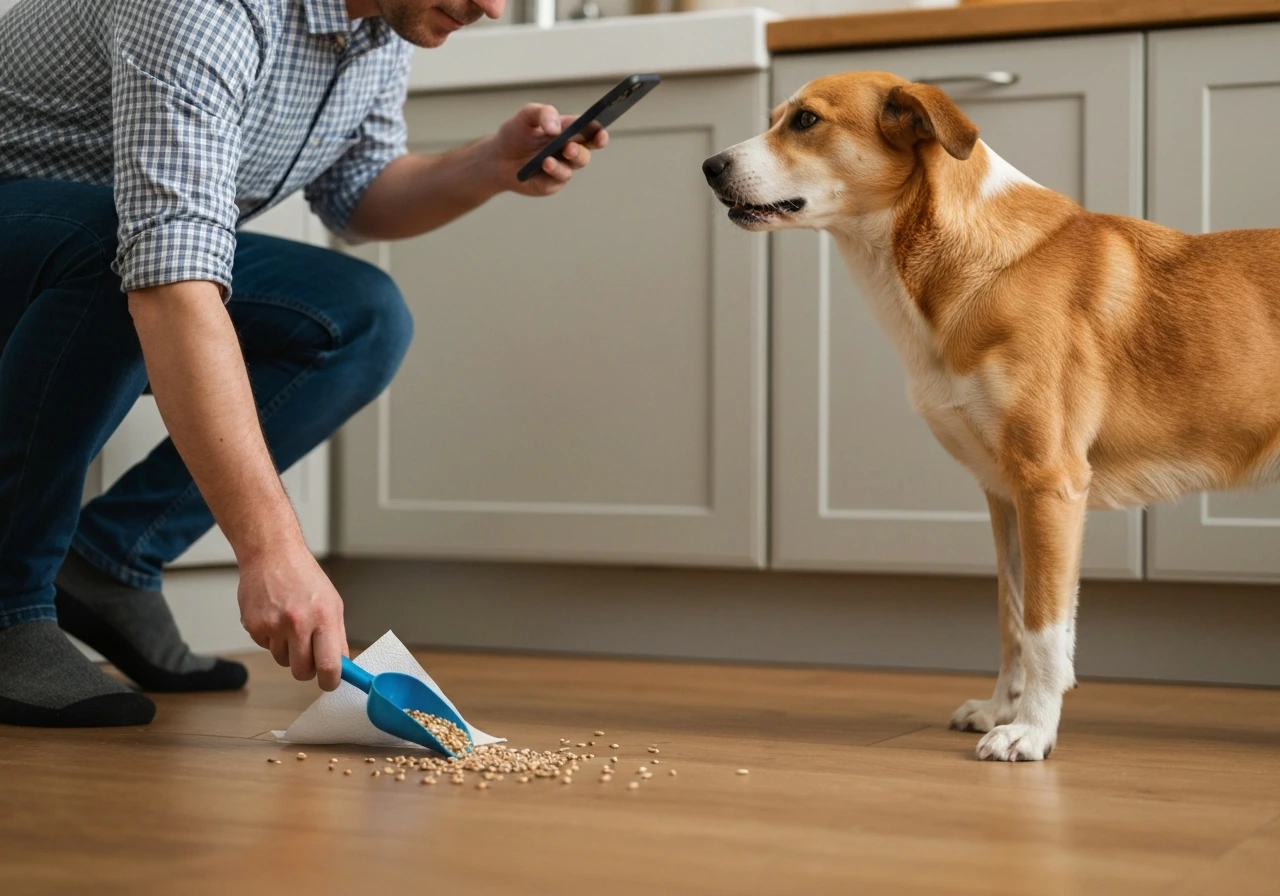
Do not panic, but do act methodically. Here is the order of operations.
- Stop access to more seed. Get your dog away from the feeder or the spilled seed immediately.
- Check your dog. Is your dog breathing normally? Are they acting normal? Any immediate signs of distress, drooling, gagging, or weakness?
- Estimate what they ate. How much seed, roughly? What type (sunflower, mixed, nyjer, corn)? Was the seed fresh from a sealed bag or old seed sitting under a wet feeder? Any visible mold or off smell?
- Note the time. Write down exactly when you think ingestion happened. This matters for the vet.
- Call for help if there is any doubt. If the seed was moldy, treated, or your dog ate a large amount, call the ASPCA Animal Poison Control at (888) 426-4435 (available 24/7) or contact the Pet Poison Helpline.
- Do NOT induce vomiting without talking to a vet or poison control first. Pet Poison Helpline is explicit about this: do not induce vomiting before calling, and avoid home remedies like giving cooking oil or sticking fingers in the throat, both of which can cause aspiration.
- Go to the vet if symptoms appear. Do not wait more than an hour or two if your dog is showing any of the red flag symptoms listed above.
When you call poison control or your vet, have this information ready: the type of bird seed (and any brand or product name if you have it), the estimated amount eaten, the time of exposure, your dog's breed, age, sex, and weight, and any symptoms already showing. That information lets them give you case-specific guidance rather than generic advice. The question of whether bird seed can make dogs sick often depends on these exact details, so the more specific you can be, the better.
If a poison control service like Pet Poison Helpline gives you a case number, relay that to your vet. Their guidance is coordinated so your vet can follow the same treatment plan, which matters if the situation escalates.
Comparing the real risks by seed type
Not all bird seed carries the same risk profile for dogs. This table breaks down the most common wild bird seed types and where the concerns actually lie.
| Seed Type | GI Upset Risk | Obstruction Risk | Mold/Rancidity Risk | Notes |
|---|---|---|---|---|
| Sunflower (shelled) | Moderate (high fat) | Low | Moderate | High fat can trigger pancreatitis in prone dogs |
| Sunflower (shells on) | Moderate | High | Moderate | Shells can lodge in esophagus or bowel |
| Millet | Low to moderate | Low | Low to moderate | Small, digestible; less risky in moderate amounts |
| Cracked corn | Moderate | Low | High | Corn is particularly prone to aflatoxin-producing mold when wet |
| Peanuts/peanut hearts | Moderate to high | Low to moderate | High | High aflatoxin risk if old or wet; high fat |
| Nyjer (thistle) | Low | Low | Low | Tiny seeds; lower obstruction risk; less fat |
| Mixed wild bird seed | Moderate | Moderate | High | Risk depends on freshness and storage conditions |
Preventing problems: safer feeder practices and dog management
The best fix is making sure your dog cannot access feeder areas or spilled seed in the first place. Beyond that, how you manage your feeders makes a significant difference in the risk level of any seed your dog might get into.
Managing dog access
- Mount feeders high enough or in areas blocked off from dogs
- Use a physical barrier like a fence or garden bed around the feeder area
- Clean up spilled seed from the ground daily, especially after rain
- Supervise dogs in the backyard when feeders are active
- Consider switching to feeders with trays that catch fallen seed so it does not accumulate on the ground
Keeping seed clean and safe
- Clean feeders thoroughly every one to two weeks with a 10% bleach solution, then rinse and dry completely before refilling
- Store bulk seed in airtight containers, away from moisture and heat
- Never refill a feeder on top of old, wet, or clumped seed
- Smell the seed before filling: musty or sour means discard it
- Buy seed in amounts you will use within a few weeks rather than buying in bulk and letting it sit
- Choose seed types with lower mold risk when dogs are in the yard (nyjer and millet over cracked corn or peanuts)
Thinking about what you put out
If you have a dog that regularly patrols the backyard, it is worth rethinking what you put in your feeders. Cracked corn and peanuts carry the highest mold risk and also happen to be the seeds dogs tend to find most appealing. Switching to cleaner, lower-risk mixes like nyjer or straight shelled millet reduces the stakes significantly if your dog does get into it. The broader question of what bird food means for dogs goes beyond seed too, since suet, mealworms, and nectar feeders each carry their own considerations.
The bottom line
A dog that eats a small amount of fresh, clean bird seed is probably going to be fine. Watch for GI symptoms over the next 12 to 24 hours and you will likely see nothing worse than some loose stools.
But if the seed was old, wet, or moldy, if your dog ate a large quantity, or if any of the red flag symptoms appear, treat it as a potential medical issue and call your vet or poison control without waiting. The contamination risks from spoiled seed are real, and obstructions can escalate quickly. Most of the time, bird seed is an annoyance, not a disaster.
But knowing when to act and acting fast when those symptoms show up is what keeps a minor incident from becoming a serious one.
FAQ
My dog ate a few bird seeds from the floor. Should I induce vomiting?
Usually no. If your dog seems normal and the amount was small, focus on monitoring and call your vet for guidance if you are unsure. Inducing vomiting can worsen issues if the dog already has GI irritation or an early obstruction, and it is especially risky if you suspect mold or rancid seed.
What symptoms mean bird seed ingestion is becoming an emergency?
Seek urgent help if you see repeated retching or gagging, drooling with swallowing attempts, repeated vomiting, a bloated or painful abdomen, hunched posture, straining to poop without results, yellow gums or eyes, unexplained bruising, or severe lethargy. For obstruction signs, timing matters because blockage can develop over hours to days.
Does sunflower seed powder or crumbs pose the same risk as whole seeds?
Not always, but it can still matter. Crushed bits can irritate the stomach or contribute to fat-induced GI upset, but whole shells are the main mechanical blockage concern. If the ingestion included shell fragments, watch for delayed vomiting or straining.
Can a dog get sick from just being around moldy bird seed, without eating it?
The main risk described here is ingestion of contaminated seed. However, if your dog repeatedly eats scraps or laps at damp feeder areas, they can still consume aflatoxins or mold byproducts. If you suspect heavy mold exposure, contact your vet even if you are not sure about how much was eaten.
How long after eating bird seed should I monitor my dog?
For mild GI irritation, watch closely for about 12 to 24 hours. If you suspect shell ingestion, obstruction-related signs can appear hours to days later. If symptoms start later or worsen, do not extend the wait, contact your vet promptly.
Is nyjer or millet safer than sunflower or cracked corn?
They generally carry less risk for the issues highlighted, especially the shell blockage concern tied to certain seeds and the higher fat load associated with some mixes. That said, any large quantity can still cause GI upset, and any seed that is wet, old, musty, clumped, or moldy is higher risk regardless of type.
What if the bird seed was treated with pesticides or fungicides, but I do not know the exact chemical?
Use the label to identify the active ingredient or coating, or photograph the bag label before disposing of it. When you call poison control or your vet, mention any listed treatments, even if you do not know the chemistry. Guidance depends on the specific compound and estimated dose.
My dog vomited once after eating bird seed. Should I just wait and see?
One isolated vomit can be consistent with mild GI upset, especially after a small amount. If vomiting continues, your dog becomes lethargic, has diarrhea that persists, shows abdominal pain, or you suspect moldy or rancid seed, contact your vet. Continued vomiting can also mask the early stages of obstruction.
Does bird seed affect dogs with pancreatitis or other GI conditions differently?
Yes. High-fat seed types can trigger pancreatitis episodes in susceptible dogs. If your dog has a pancreatitis history, is overweight, or is on a related diet plan, call your vet sooner rather than monitoring at home for long.
What information should I tell the vet or pet poison hotline if I call?
Include seed type and brand, where it was stored (under feeder, damp ground, indoor bowl), whether it smelled musty or was clumped, estimated quantity and whether shells were present, time of ingestion, and your dog’s weight plus age and any medical conditions (especially pancreatitis). Also tell them what symptoms you have seen and when they started.
If the bag label says “pesticide treated,” is it automatically fatal or always severe?
Not automatically, but it raises the stakes. Severity depends on which chemical, the amount ingested, and your dog’s size and health. Treated coatings can lead to illness even without obvious mold, so contact your vet or poison hotline rather than assuming it will be fine.