Yes, dogs can have allergic reactions to bird seed, but the honest answer is that most reactions you'll see aren't classic immune-system allergies. They're more likely irritation from dust and particles, sensitivity to mold or mycotoxins on spoiled seed, or plain old GI upset from eating something their gut doesn't like. True immune-mediated allergy is possible, especially to seed proteins, pollen, or mold spores carried on the seed, but it's one of several explanations you need to rule through. The good news is that the immediate steps you take are basically the same regardless of the cause, and a vet can help you figure out which one you're actually dealing with.
Can Dogs Be Allergic to Bird Seed? Signs and What to Do

Maya Henderson
15 May 2026
What 'allergic to bird seed' actually means for dogs
A true allergy is an immune-mediated hypersensitivity reaction, meaning the immune system overreacts to a specific protein or substance it has been exposed to before. In dogs, this can manifest as a skin reaction, respiratory response, or GI signs. Bird seed is a surprisingly complex mix of potential triggers: sunflower seeds, millet, safflower, peanuts or peanut products, corn, sorghum, plus whatever pollen, dust, mold spores, or manufacturing additives came along for the ride. Any of those could theoretically be the allergen.
That said, veterinary definitions draw a clear line between 'food allergy' (immune-mediated, IgE or non-IgE driven) and 'adverse food reaction' or intolerance (non-immunologic, meaning the body just doesn't process something well). Both can make your dog sick, but the distinction matters for diagnosis and treatment. And neither of those is the same as mold toxin poisoning, which is a whole different problem tied to spoiled seed. The term 'allergic' gets used loosely by dog owners to describe any negative reaction, so when you're talking to your vet, being specific about what you observed and when helps enormously.
Symptoms to watch for after bird seed exposure
Reactions can look quite different depending on whether you're dealing with a true hypersensitivity, irritation, or something more serious like toxin exposure. Here's what each pattern tends to look like:
Skin and coat signs
- Itching, scratching, or rubbing the face and muzzle on the ground
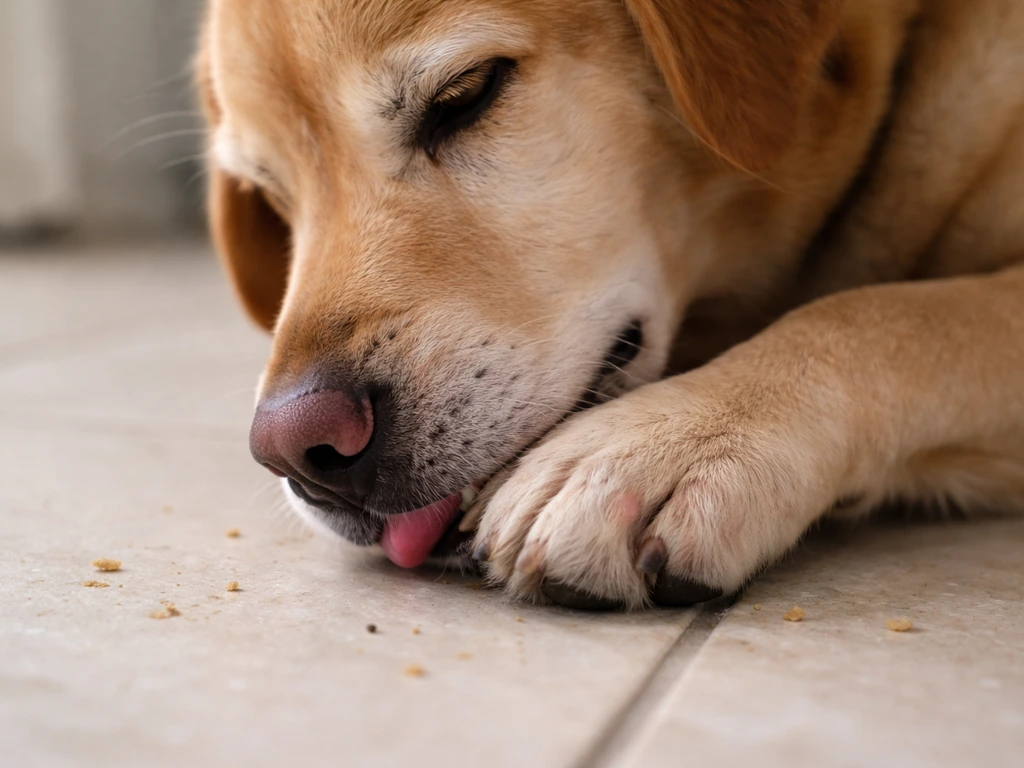
- Paw licking or chewing at paws after walking through the feeder area
- Red, inflamed skin, especially around the face, ears, belly, and paws
- Hives or welts (urticaria) appearing on the skin, often starting on the face and spreading
- Facial swelling, particularly around the muzzle, eyes, or ears
Respiratory signs
- Sneezing, especially repeated sneezing shortly after being near the feeder
- Coughing or a wet-sounding cough
- Watery or discharge-heavy eyes
- In severe cases: labored breathing, open-mouth breathing, or wheezing
GI signs
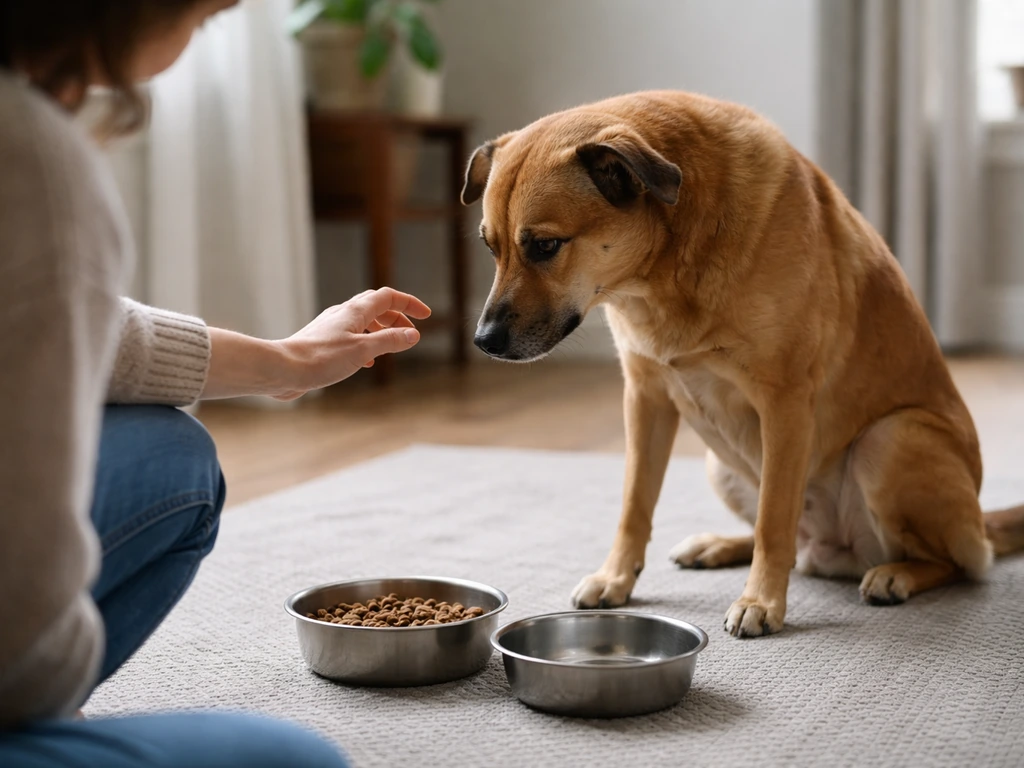
- Vomiting, which may happen within minutes to a couple of hours after eating seed
- Diarrhea, sometimes with urgency
- Drooling more than usual
- Reluctance to eat or obvious stomach discomfort
Timing is a really useful clue here. True type I hypersensitivity (the classic immune reaction, like hives) typically shows up within minutes of exposure. GI irritation from eating seed tends to follow within an hour or two. Mold toxin effects can take longer, sometimes hours, and may involve signs of systemic illness like lethargy and jaundice on top of vomiting and diarrhea. Difficulty breathing, facial swelling, generalized hives, weakness, or collapse are all emergency signs that need a vet visit immediately, not a wait-and-see approach.
Allergy vs irritation vs mold: knowing which is which
This is where things get genuinely complicated, because the signs can overlap. Here's a practical breakdown of the main causes and how to tell them apart:
| Cause | Main signs | Typical timing | Key clue |
|---|---|---|---|
| True allergy (immune-mediated) | Hives, itching, facial swelling, sneezing, vomiting | Minutes to 1–2 hours | Rapid onset, repeats on re-exposure to same seed |
| Irritation (dust/particles) | Sneezing, watery eyes, mild skin redness | During or right after exposure | Improves quickly when away from the area, no hives |
| Food intolerance/GI upset | Vomiting, diarrhea, stomach pain | 30 minutes to a few hours after ingestion | No skin or respiratory signs; dog ate the seed |
| Mold/mycotoxin poisoning (aflatoxin) | Vomiting, diarrhea, lethargy, loss of appetite, possible jaundice | Hours to days | Seed was damp, old, or smelled off; systemic illness signs |
| Fungal spore inhalation (e.g., Histoplasma) | Coughing, weight loss, GI signs, respiratory disease | Days to weeks after exposure | Associated with bird droppings near feeder area |
Mold is a big one to understand. When bird seed gets damp, Aspergillus and other mold species can grow on it and produce aflatoxins. These are real toxins that cause liver damage in dogs. If you are asking whether bird cherry is poisonous to dogs, the concern is different from bird seed allergy or irritation and depends on the specific parts your dog may have eaten. Signs of aflatoxicosis include sluggishness, vomiting, diarrhea, jaundice (yellowing of the gums or eyes), and unusual bruising or bleeding. If you see those signs, especially after your dog ate old or wet-looking seed, that's not an allergy situation, that's a toxin emergency. The concern about bird-seed-related seizures in dogs is also tied to mold and toxin exposure rather than typical allergy, which is worth keeping in mind if your dog's symptoms include neurological signs.
Dust and airborne particles from bird seed can also trigger what looks like allergy but is actually physical irritation or environmental sensitivity. Pollen and mold spores that hitch a ride on seed can provoke sneezing and itchy skin, especially in dogs already prone to environmental allergies. The same principle applies to bird dust more broadly, which can cause respiratory irritation in both people and animals who spend time around feeders.
What to do right now
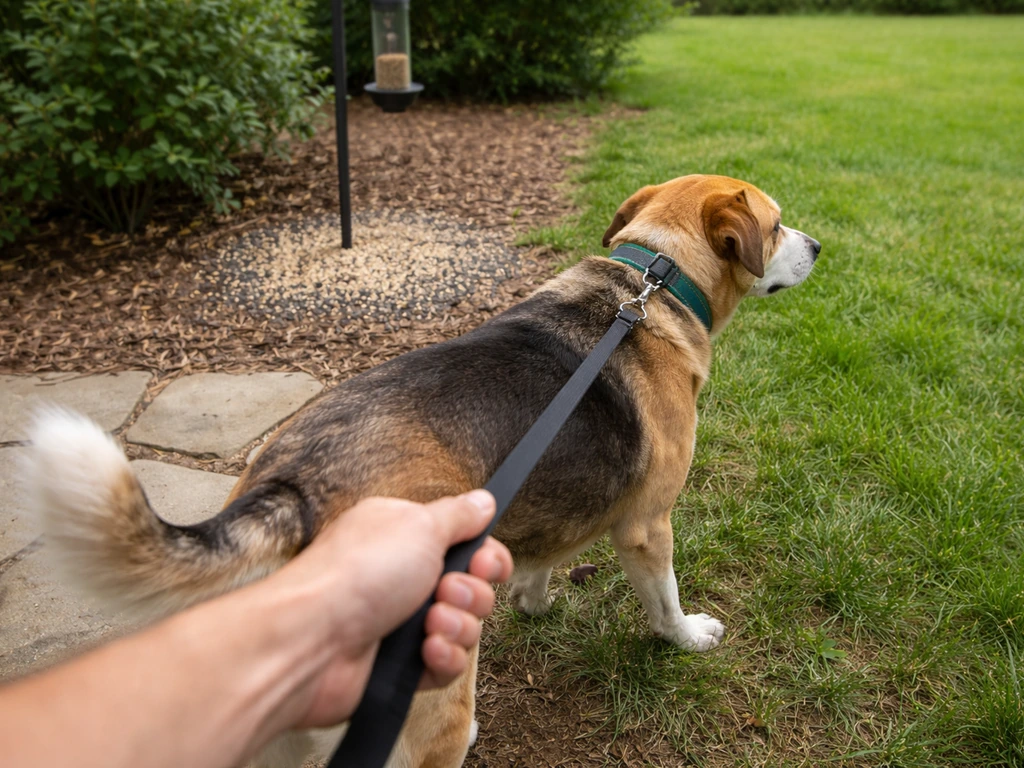
If your dog just had exposure and is showing symptoms, here's what to do in order:
- Get your dog away from the bird seed and feeder area immediately. Stop all contact.
- If your dog ate seed, do not try to induce vomiting at home unless a vet explicitly tells you to.
- Wash your dog's paws with mild soap and warm water. If seed dust or particles are on their coat or around their face, rinse those areas gently too.
- Check for hives by parting the fur, especially around the face, neck, belly, and inner thighs. Look for welts, redness, or swelling.
- Note the time the exposure happened and when symptoms started. This gap matters a lot for your vet.
- Take photos of the seed bag, the label, any spilled seed, and your dog's symptoms if visible.
- Call your vet or an emergency animal clinic if you see: difficulty breathing, facial swelling, collapse, weakness, generalized hives, repeated vomiting, or any rapid deterioration. Do not wait on these signs.
- For mild symptoms (slight sneezing, minor paw licking, no swelling), move the dog indoors, monitor closely for 1–2 hours, and call your vet for guidance on whether an office visit is needed.
Anaphylaxis in dogs is rare but it does happen, and it requires immediate veterinary treatment. The combination of skin signs (hives, swelling) plus breathing changes or collapse after a new or known exposure is the pattern that should send you straight to an emergency clinic.
How to figure out what your dog actually reacted to
Your vet will need a good history, and the more specific you can be, the faster they can help. Before your appointment, gather the following:
- The exact brand and product name of the bird seed (take a photo of the front and back of the bag)
- The full ingredient list from the label
- Whether the seed looked, smelled, or felt unusual (clumped, damp, discolored, musty)
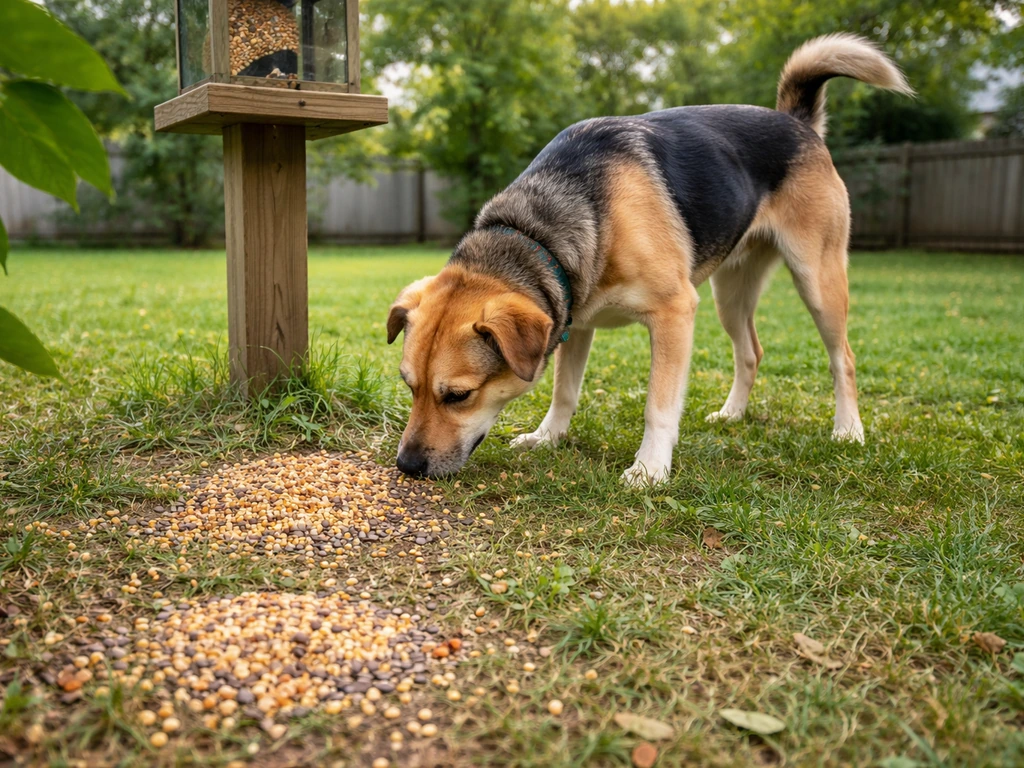
- How the exposure happened: did your dog eat it directly, roll in spilled seed, sniff around the feeder, or just hang out near the area?
- Approximate amount eaten, if applicable
- The exact time of exposure and when each symptom started
- Whether this is the first time or if your dog has been around this feeder before
- Any other changes in the day: new foods, new plants in the yard, products used near the feeder
Keep in mind that allergy testing (blood tests or skin tests) cannot diagnose a bird-seed allergy on its own. Veterinary allergy diagnosis relies on the clinical picture combined with history. For a suspected food component allergy, the reference standard is an elimination diet trial, where you feed a novel-protein, limited-ingredient diet for several weeks with no other food exposures, then reintroduce the suspect ingredient in a controlled way to see if symptoms return. This is a process that takes weeks and needs to be done methodically, ideally under vet guidance, not by just switching foods randomly.
Safer bird-feeding practices when you have a dog
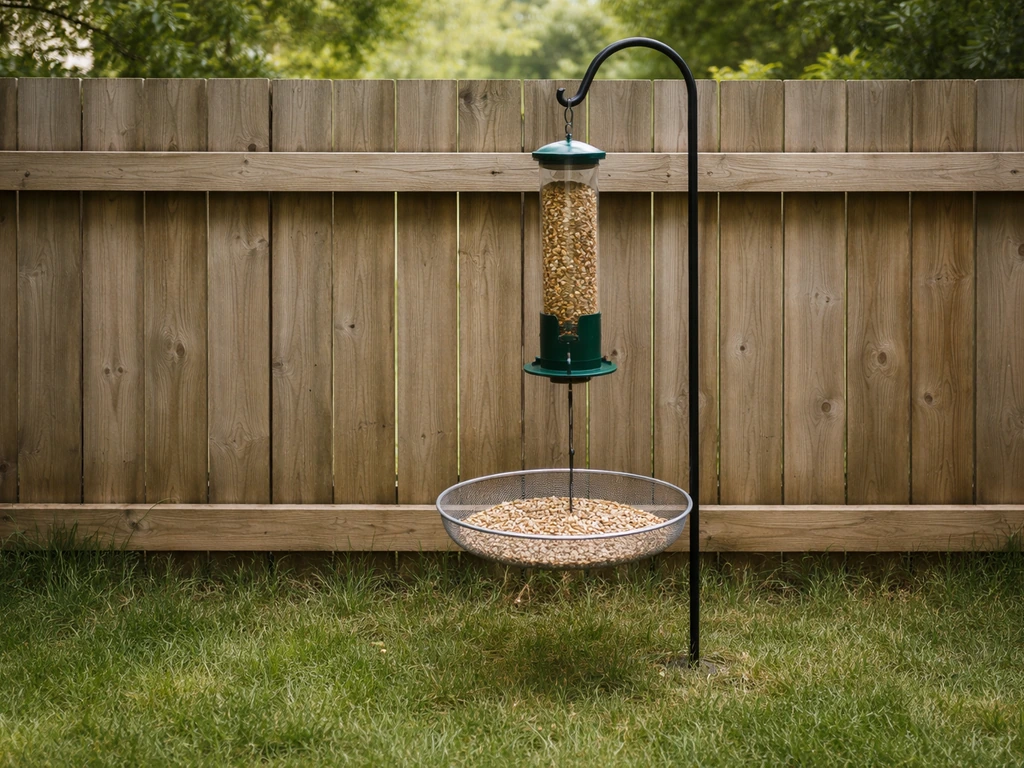
If you want to keep feeding birds without putting your dog at risk, a few practical changes make a real difference. The goal is to reduce seed scatter on the ground, minimize moisture and mold, cut down on airborne dust, and physically keep your dog out of the feeder zone.
Feeder setup and placement
- Place feeders in a dedicated area your dog cannot access, ideally behind a fence or in a part of the yard you can section off
- Use feeders with trays or catch baskets underneath to reduce seed falling to the ground
- Avoid ground feeders entirely if your dog roams the yard freely
- Consider tube feeders or covered platform feeders that birds empty more cleanly than open trays
Seed choice and storage
- Choose lower-dust seed mixes or single-ingredient seeds like sunflower chips (hulled) that produce less debris
- Avoid seed mixes with artificial dyes, flavorings, or additives, which are unnecessary and add extra variables
- Store seed in a sealed, airtight container in a cool, dry location to prevent moisture and mold growth
- Never top off a feeder with new seed over old seed; empty and check the feeder before refilling
- Discard any seed that is clumped, discolored, smells musty, or has visible mold
Cleaning and maintenance
- Clean feeders every one to two weeks, more often in wet weather, using a dilute bleach solution (1 part bleach to 9 parts water), then rinse and dry completely before refilling
- Rake up and dispose of spilled seed under and around the feeder regularly, especially after rain
- After handling feeders or cleaning up spilled seed, wash your hands and prevent your dog from accessing the area for at least a day or two while things dry out
- If your dog has already reacted to being near a feeder, consider removing the feeder entirely until you identify the specific cause
Prevention and working with your vet going forward
If this was a one-time mild reaction and you have a clear likely cause (like your dog ate a pile of old damp seed), the most important prevention step is keeping them out of the feeder area and improving how you store and maintain the feeder. But if your dog has had repeated reactions, skin issues that keep coming back, or respiratory symptoms that seem tied to time spent outdoors near the feeder, it is worth pursuing a more formal workup.
A veterinary dermatologist or your regular vet can work through an allergy investigation with you. For environmental allergens like pollen and mold spores, intradermal or serum allergy testing can help identify specific sensitivities and guide immunotherapy (allergy shots or sublingual drops) if the problem is severe or ongoing. For a suspected food component allergy tied to a specific seed ingredient, an elimination diet trial is the right diagnostic tool. Understand that this requires strict control: no treats, no table scraps, no access to bird seed or spilled grain, and typically 8 to 12 weeks of feeding a single novel-protein diet before you can draw conclusions.
Do not try to do a controlled reintroduction challenge at home without vet guidance, especially if your dog had a serious reaction the first time. The risk of a more severe response on re-exposure is real. Your vet can help you do this safely and interpret whether a reaction on rechallenge confirms an allergy versus intolerance versus coincidence.
Long-term, the most practical management for most dogs is environmental control: keep the dog away from the feeder zone, store and maintain seed properly to eliminate mold risk, and pay attention to whether symptoms are seasonal (which would point more toward pollen or mold spores than a seed protein). Dogs prone to skin and environmental allergies may also benefit from regular paw washing after time outdoors, antihistamines (only those your vet recommends for dogs, never assume human products are safe), or prescription management if symptoms are chronic. If your vet recommends medication for symptoms, ask whether meloxicam is appropriate for your dog’s situation and follow the dosing guidance they provide. The goal is to enjoy your backyard birds without your dog paying the price for it.
FAQ
How quickly after eating bird seed would an allergy show up?
If it is a true immune-mediated (often hives) reaction, signs usually start within minutes of exposure. If it is mainly stomach irritation, symptoms tend to appear within about 1 to 2 hours. Reactions that take longer, especially with yellow gums or eyes, can point more toward mold toxin effects than allergy.
My dog ate bird seed once and vomited, is that likely an allergy?
Not necessarily. A one-time episode of vomiting or diarrhea is more commonly GI irritation or intolerance, especially if the seed was dusty or stale. True allergy typically shows a more consistent pattern with repeat exposures and may include skin signs like itchiness or hives.
Can my dog be allergic to the sunflower seeds or other ingredients specifically?
Yes, in theory. Bird seed is a mix, so the “allergy” may actually be to one component such as sunflower, millet, peanut products, or corn, or to proteins, pollen, or mold spores on the seed. That is why your vet will focus on which ingredient your dog actually consumed and what else was present.
What if my dog only gets itchy when it is near the feeder, but not after eating seed?
That pattern often fits environmental triggers, like dust, pollen, or mold spores carried on seed, rather than a true food allergy. In those cases, management is usually about reducing the dog’s exposure to the feeder zone, washing paws after outdoor time, and investigating environmental allergies if symptoms persist.
Is allergy testing, like a blood test or skin test, enough to confirm bird-seed allergy?
Usually not by itself. Testing can show sensitization, but it does not automatically prove the seed ingredient is the cause. Diagnosis typically depends on the full history, symptom timing, and in suspected food cases, an elimination diet trial.
How long should an elimination diet trial be for suspected bird seed ingredient allergy?
It is typically 8 to 12 weeks, not a few days. The diet must be strict and consistent, meaning no treats, no table scraps, and no access to bird seed or spilled grain, or you cannot interpret whether symptoms truly improve and then return.
Can I safely try a “rechallenge” with bird seed at home to see if symptoms come back?
You should avoid doing that without vet guidance, especially after a serious reaction. Re-exposure can be more intense in immune-mediated cases. A vet can help you structure any controlled reintroduction and decide whether the pattern fits allergy versus intolerance or coincidence.
What are the emergency signs that mean I should not wait to see if it passes?
Go to an emergency clinic if you see breathing changes, facial swelling, generalized hives, weakness, collapse, or repeated vomiting with signs of systemic illness. These can occur with anaphylaxis, but they also may overlap with toxin problems from spoiled, moldy seed.
If moldy seed is the problem, what signs suggest aflatoxin exposure?
Watch for sluggishness, vomiting and diarrhea, jaundice (yellow gums or eyes), and unusual bruising or bleeding. These are not typical “itchy skin” allergy signs and are more consistent with liver injury from aflatoxins.
Can dogs get respiratory irritation from bird seed dust even if they do not eat it?
Yes. Airborne dust and particles from feeders can irritate the nose and airways, causing coughing, sneezing, or watery eyes. If symptoms cluster around feeder time or location, focus on keeping the dog out of the scatter zone and consider environmental allergy evaluation if it keeps recurring.
How should I store bird seed differently to reduce mold and toxin risk?
Keep seed dry and sealed, clean up spills promptly, and avoid using seed that looks wet, clumped, or stale. If your feeder requires frequent refilling, consider smaller batch storage so seed does not sit long enough to develop moisture-related mold.
If my dog has repeated reactions, what is the next best step?
Schedule a vet visit, and be ready to describe timing (how soon symptoms started), what your dog was doing, and whether it ate seed, licked the ground under the feeder, or only inhaled dust. Your vet may recommend an environmental allergy workup for pollen or mold spores, or an elimination diet approach for a suspected food component.
Next Article
Are Bird Berries Poisonous to Dogs? Symptoms and First Aid
Get triage steps for dogs that may ate bird berries, symptoms, poisoning risks, and when to call a vet fast.