Yes, bird cherry is poisonous to dogs. The plant, properly known as Prunus padus, blank" rel="noopener noreferrer">contains cyanogenic glycosides in its leaves, bark, twigs, and seeds. When chewed or digested, those compounds release cyanide. The ripe fruit pulp itself is the least dangerous part, but a dog gnawing on fallen berries is almost certainly crushing the seeds inside, and that is where the real risk lives. This is a genuine emergency scenario, not a "watch and wait" situation.
Is Bird Cherry Poisonous to Dogs? What to Do Now

Maya Henderson
5 May 2026
What exactly is bird cherry, and what makes it toxic
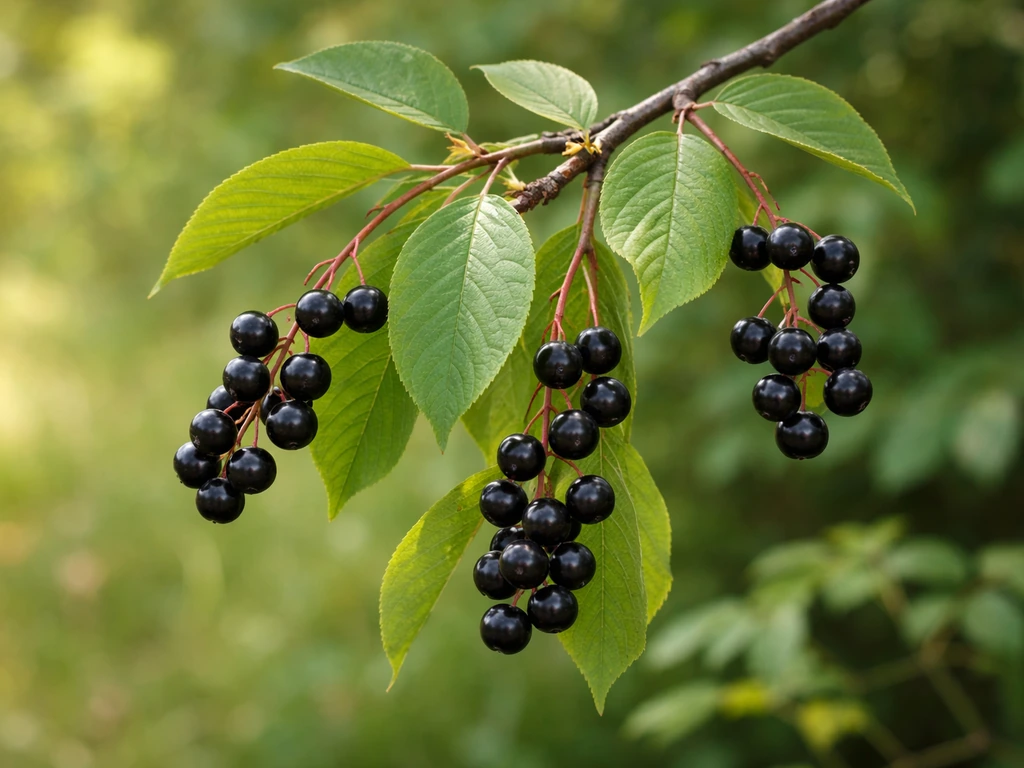
Bird cherry (Prunus padus) goes by a few other names: hagberry and Mayday tree are the most common. It is a small to medium tree native to Europe and parts of Asia, widely planted as an ornamental and valued by birds for its clusters of small dark berries, which is exactly why it shows up in yards where people are already feeding birds. The ASPCA lists all Prunus species as toxic to dogs, and the research on P. padus specifically confirms the presence of cyanogenic glycosides throughout the plant.
Here is how toxicity breaks down by plant part, because not all parts carry the same risk:
| Plant Part | Cyanide Risk | Notes |
|---|---|---|
| Seeds / pits | High | Cracking or chewing the pit releases cyanide; swallowing whole pits is lower risk |
| Leaves | High | Wilted or fallen leaves are more toxic than fresh ones |
| Bark / twigs | High | Dogs chewing sticks from a bird cherry tree are at real risk |
| Fruit pulp (ripe) | Low to minimal | The fleshy part around the seed is the least toxic portion |
| Roots | Moderate | Less common exposure route but still contains cyanogenic compounds |
The mechanism is straightforward and fast: cyanide blocks cells from using oxygen, even when the blood is fully oxygenated. That is why mucous membranes can appear bright or brick red rather than the blue-gray you might expect from oxygen deprivation. It is also why cyanide poisoning can go from zero to critical in under an hour.
How a dog actually gets exposed
Dogs do not need to strip a bird cherry tree clean to get a dangerous dose. Here are the realistic exposure routes in a backyard or wildlife-feeding setting:
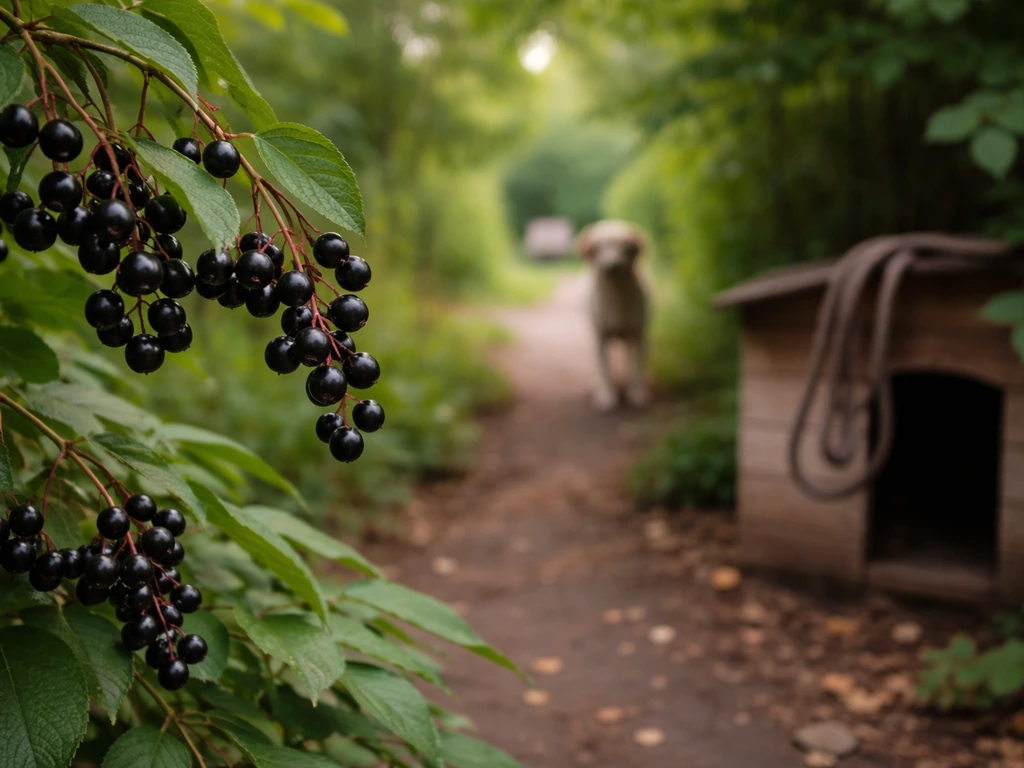
- Fallen berries: Bird cherry drops a lot of fruit in late summer and early autumn. A dog nosing around under the tree and crunching through a handful of berries is cracking those seeds open with every bite.
- Wilted or dead leaves: Fallen leaves raked into a pile or left on the ground become more toxic as they wilt, not less. Dogs that like to roll in or chew leaf litter are at higher risk than those that ignore it.
- Bark and branches: Dogs are notorious for chewing sticks, and if those sticks come from a bird cherry tree, the bark and cambium layer contain cyanogenic compounds. This is an easy exposure route to miss.
- Landscaping trimmings: Pruned branches left on the ground look like toys. Fresh-cut or recently broken wood can release cyanide when chewed.
- Bird feeder scatter: If you are feeding birds that are actively eating bird cherry berries and then dropping or scattering fruit near a feeder, your dog may investigate what lands on the ground.
The key variable is whether the seeds were cracked open. A dog that swallows a few whole, intact pits without chewing them is in a meaningfully lower-risk situation than one that crunched through several berries. That said, do not use that as a reason to wait and see without contacting poison control first.
Signs to watch for and how fast they appear
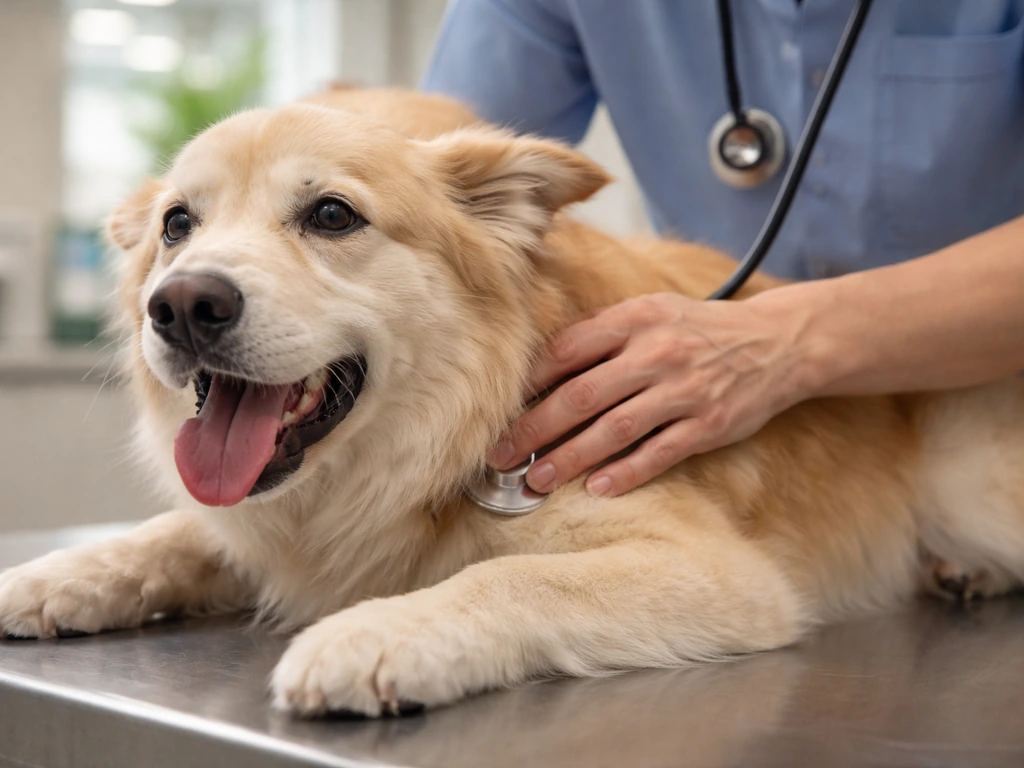
According to the Merck Veterinary Manual, acute cyanide poisoning signs can appear within 15 to 20 minutes after a toxic dose is consumed, and once clinical signs start, survival is rarely longer than two hours without treatment. That timeline makes early recognition critical. Convulsions and coma can follow the first signs within 10 to 20 minutes. This is not a "monitor overnight" situation.
Early and progressing signs of cyanide poisoning in dogs include:
- Brick red or bright red mucous membranes (gums) rather than normal pink
- Dilated pupils
- Rapid breathing, panting, or obvious difficulty breathing
- Drooling or salivation
- Weakness, stumbling, or sudden collapse
- Muscle tremors or seizures
- Vomiting
- Rapid heart rate progressing to cardiovascular collapse
If your dog is already showing any of those signs, especially the bright red gums combined with breathing difficulty, do not wait. Get to an emergency vet immediately. There is no safe window for observation once symptoms have started.
What to do right now
If your dog just ate bird cherry material and has no symptoms yet
- Remove your dog from the area immediately so they cannot eat more.
- Note what they ate and roughly how much: berries, leaves, bark, or a stick. Did they appear to crunch through it, or swallow things whole? This matters when you call for help.
- Call ASPCA Animal Poison Control at (888) 426-4435 or Pet Poison Helpline, both of which operate 24 hours a day. Do this before doing anything else at home.
- Do not induce vomiting on your own. The ASPCA and Pet Poison Helpline both explicitly advise against attempting home emesis without guidance. Timing, the type of toxin, and your dog's current condition all change whether vomiting is safe or helpful. With a fast-acting toxin like cyanide, induced vomiting at the wrong moment can cause more harm.
- Do not give activated charcoal at home without veterinary instruction. It is sometimes part of an emergency plan, but it has to be used correctly to be effective and is not appropriate in every case.
- Follow the poison control team's instructions exactly. They will tell you whether to go straight to an emergency vet or whether monitoring is appropriate given the details you describe.
If your dog already has symptoms
Skip the phone calls and go straight to an emergency veterinary clinic. Call ahead while someone else drives so the team is ready when you arrive. Cyanide antidotes (including hydroxocobalamin) exist and are effective, but speed is everything. Every minute spent at home reduces the treatment window.
If you are not sure whether they actually ate anything
You came home to find your dog under a bird cherry tree with berry stains on their muzzle but no clear evidence of how much they ate. In that case, still call poison control. They will walk you through a risk assessment based on your dog's weight, the likely quantity involved, and whether the seeds could have been chewed. Do not try to figure this out alone.
Keeping your yard safe while still feeding birds
Bird cherry trees are genuinely attractive to birds, which is the whole point if you are running feeders and trying to encourage wildlife. But attracting birds does not mean you have to accept the risk to your dog. Here is how to balance both:
- Fence off the tree base during fruiting season. A simple wire garden fence around the trunk and drip zone during late summer and autumn keeps your dog out without affecting the birds using the tree at canopy level.
- Rake and dispose of fallen fruit daily during peak drop. Do not let berries accumulate on the ground. Bag and bin them rather than composting, since dogs can get into compost bins.
- Pick up pruning debris immediately. Any trimmed branches or bark left on the ground should go straight into yard waste bags, not into a pile where a dog can find them.
- Do not use bird cherry wood for garden projects or toys. Some owners repurpose pruned branches as garden edging or dog chew toys without realizing what the wood is.
- Position bird feeders away from the tree canopy. If birds are feeding from a hanging feeder rather than directly from the tree, the scatter landing zone is where you place the feeder, not under the tree. Keep that zone cleared and dog-free if possible.
- Consider the dog's access when landscaping. If you are planning a bird-friendly yard from scratch, place Prunus padus trees or shrubs in areas separated from your dog's regular roaming zone by a fence or barrier.
It is also worth knowing that bird cherry is not the only berry-producing plant with cyanide risk in the Prunus family. Many Prunus species contain cyanogenic glycosides, which can be converted into toxic hydrogen cyanide after ingestion blank" rel="noopener noreferrer">bird cherry is not the only berry-producing plant with cyanide risk in the Prunus family. Can dogs be allergic to bird seed? Bird seed issues are different from cyanide poisoning, but it is still worth watching for allergic or irritation signs. If you are dealing with bird seed instead of bird cherry berries, you may also wonder whether can bird seed cause seizures in dogs, because the symptoms and causes can look different even when the exposure is similar bird seed issues. If you are wondering whether bird dust is bad for you, the concern is different from cyanide poisoning, but it is still worth taking basic hygiene precautions around birds and their droppings cyanide risk. If your dog has a habit of foraging berries in general, that is a behavior worth addressing through training regardless of which plant is involved. You may also want to look at what other bird-attracting berries are in your yard and whether any of them carry similar risks.
The bottom line
Bird cherry (Prunus padus) is a real poisoning risk for dogs, not just a theoretical one. The cyanogenic compounds in the leaves, bark, seeds, and twigs can cause acute cyanide poisoning that moves fast, sometimes critically fast. Meloxicam is sometimes discussed for dogs, but you should never use it to treat suspected cyanide poisoning from bird cherry meloxicam bird dose. If you know or suspect your dog ate any part of the plant, call ASPCA Poison Control at (888) 426-4435 right now. If your dog is already symptomatic, skip the call and get to an emergency vet. And if you have a bird cherry tree in your yard and a dog that roams freely, the prevention steps above are worth doing today, not after an incident. A bird-friendly yard and a safe yard for your dog can coexist with a bit of planning.
FAQ
My dog chewed a bird cherry berry but seems fine right now, do I still need to call poison control?
If you see exposure signs, treat it like cyanide poisoning, meaning you should not “wait for it to pass.” Even with a rough uncertainty about how much was eaten, call poison control immediately, and if symptoms are present or worsening, go straight to an emergency vet.
Should I make my dog vomit after bird cherry exposure?
Do not induce vomiting unless a vet or poison control instructs you to. Cyanogenic glycosides release cyanide after digestion, and trying to vomit can delay appropriate care, increase aspiration risk, and waste the time window you need for treatment.
How risky is it if my dog mostly ate the fruit pulp and not the seeds?
Ripe fruit pulp is usually the least dangerous part, but cracked seeds are the real concern. If you can confirm berries were swallowed whole without chewing, risk is lower, but you still need guidance based on your dog’s weight and the number of berries, since you cannot safely verify seed crushing at home.
How fast can symptoms start, and when does “monitoring” stop being safe?
Yes, a dog can become symptomatic quickly, and timelines matter. If you cannot reliably estimate the amount or your dog starts showing concerning signs like breathing trouble, bright red or brick red gums, weakness, or collapse, treat it as time-critical and seek emergency care rather than continued observation.
Will a normal oxygen level or pulse ox at home rule out cyanide poisoning?
Blood oxygen tests do not rule out cyanide. Cyanide blocks cellular use of oxygen, so your dog can look severely unwell even if they are getting oxygen, which is why prompt treatment decisions should not wait on lab results.
Can I give charcoal, vitamin C, or other home remedies to treat suspected bird cherry cyanide poisoning?
If berries or leaves were eaten, do not use home remedies to “neutralize” cyanide. Activated charcoal is something a clinician may use in the hospital depending on timing and the dog’s condition, but you should not give it without instructions because dosing, timing, and vomiting risk can vary.
What are the most important red-flag symptoms I should not ignore?
Even if ingestion was small, symptoms can begin within a short window. If your dog is lethargic, has abnormal breathing, or has mouth discoloration (bright red or brick red gums), that is the trigger to leave for urgent care, not to keep reassessing at home.
Does eating bird seed or bird feeder crumbs have the same risk as eating bird cherry berries?
Store-bought berry treats and bird-feeding mixes are different from bird cherry. Only bird cherry (Prunus padus) and related Prunus plants are the cyanide risk from seeds, leaves, twigs, bark, and those are the exposures to treat as potentially emergency.
What prevention steps actually work for a dog that likes to forage under trees?
Prevention should focus on denying access. Practical steps include fencing the yard area under the tree, keeping fallen berries and prunings cleaned up quickly, supervising free-roaming periods during high berry drop, and discouraging seed-cracking foraging through training and supervision.
What information should I gather before calling poison control or the emergency vet?
If you can safely do so, take note of what you observed (chewed berries, leaf material on the muzzle, approximate time of discovery) and bring any plant pieces or photos. This helps poison control and the ER team estimate likelihood of seed crushing and guide treatment timing.