Yes, bird dust can be bad for you, but how bad depends on what's in it and how much you're exposed to. A light whiff of seed chaff when you're refilling a feeder is very different from dry-sweeping a heavily soiled area under a roost site. The real risks come from dried droppings, mold spores, and feather dander, especially when you disturb them in enclosed or poorly ventilated spaces. For most backyard birders doing routine feeder maintenance with basic precautions, the risk is low and very manageable. But if you've been ignoring your feeder for months, notice mold, or are immunocompromised, you need to take this more seriously.
Is Bird Dust Bad for You? Health Risks and Safe Cleanup

Maya Henderson
20 May 2026
What "bird dust" actually is
Bird dust isn't one thing. Around a typical backyard feeder, it's a mix of several materials that can each cause problems on their own or together.
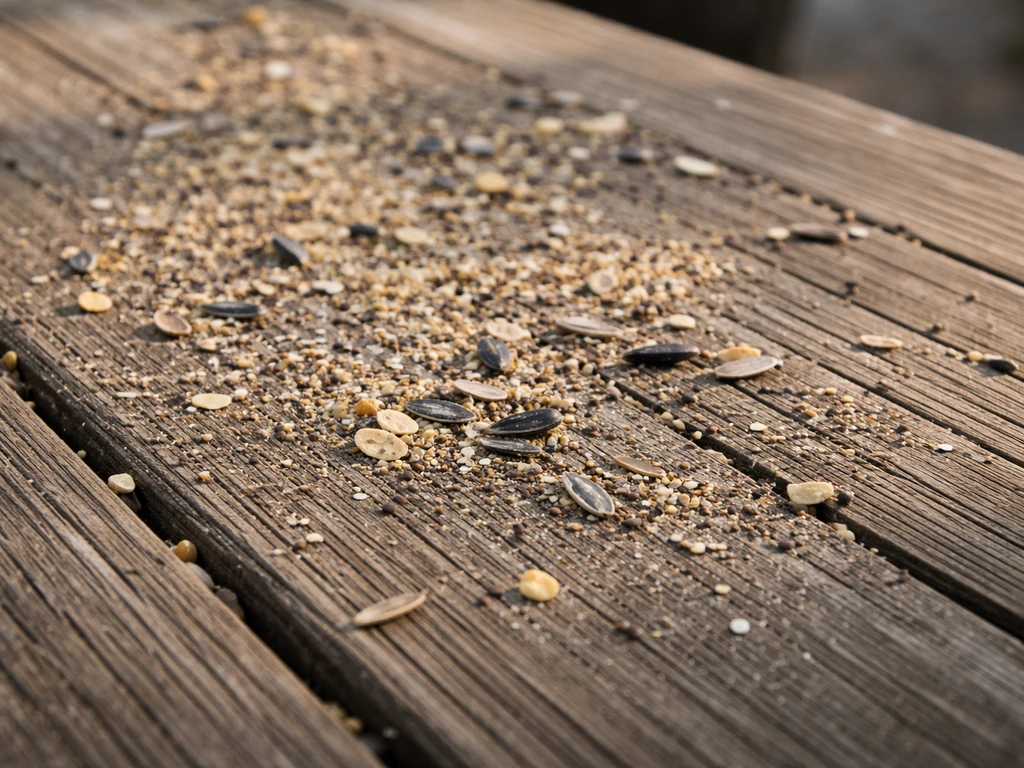
- Seed dust and hull fragments: The fine chaff that falls from cracked seed, sunflower shells, and millet. Mostly a mechanical irritant on its own, but it catches and holds moisture, which leads to mold.
- Dried bird droppings: This is the higher-stakes component. Dried droppings crumble easily and become airborne. They can carry fungal spores (like Histoplasma) and bacterial pathogens (like Chlamydia psittaci, which causes psittacosis).
- Feather dander: Tiny particles shed from feathers and skin. A common allergen that can trigger sneezing, itchy eyes, and asthma flare-ups in sensitive people.
- Mold spores: When seed or droppings get wet and aren't cleaned up, mold grows fast. You can see black or gray mold on feeder trays and under feeders. Even when the mold is not visible, spores can be present in damp accumulated debris.
Any combination of these, kicked up by sweeping, wind, or handling, is what people are actually inhaling when they talk about bird dust exposure. The dried droppings and mold components are the ones that carry infection risk; the seed dust and dander are more about irritation and allergies.
Health effects for people
Respiratory irritation and allergies
Even without any pathogens, fine seed dust and feather dander can irritate your nose, throat, and lungs. People who are already prone to allergic rhinitis or asthma often notice symptoms get worse when spending time near bird feeders, especially on dry, breezy days when particles are most airborne. Mold spores add to this: inhaling mold or mold spores can irritate the eyes, skin, nose, throat, and lungs even in people who don't have mold allergies. In people who are allergic or asthmatic, mold exposure can trigger wheezing, coughing, and more serious asthma attacks. Regular, ongoing exposure to moldy environments has also been linked to hypersensitivity pneumonitis and allergic rhinitis.
Infection risks from dried droppings
This is the part that gets people's attention, and for good reason. Two diseases come up most often in the context of bird droppings exposure.
Histoplasmosis is a lung infection caused by breathing in spores of the fungus Histoplasma, which lives in soil and bird or bat droppings. It's found across a large portion of the U. S. , particularly in the Ohio and Mississippi River valleys.
Most people who breathe in the spores never get sick at all, and about 1 percent of infections produce noticeable symptoms. When symptoms do appear, they usually show up 3 to 17 days after exposure and can include fever, cough, chest pain, headache, chills, and general fatigue. That said, people with weakened immune systems can develop serious or disseminated disease.
For a typical healthy person cleaning a backyard feeder once every couple of weeks, the risk of histoplasmosis is very low. The concern rises significantly when you're disturbing heavy, accumulated droppings under a large roost.
Psittacosis is a bacterial infection caused by Chlamydia psittaci. The most common way people get it is by inhaling dust that contains dried droppings or respiratory secretions from infected birds. It's more commonly associated with close contact with parrots, cockatiels, and other psittacine birds, but wild bird droppings can also be a source. Symptoms can look like other respiratory illnesses, which is why healthcare providers sometimes miss it without knowing the exposure history. If you get sick with a respiratory illness after cleaning up bird areas, mention the exposure to your doctor.
When the risk is highest
Not every encounter with bird dust carries the same level of risk. A few specific conditions push exposure into genuinely concerning territory.
- Dry sweeping or blowing: Sweeping dry droppings and debris with a broom or using a leaf blower sends the most particles into the air at once. This is the method to avoid.
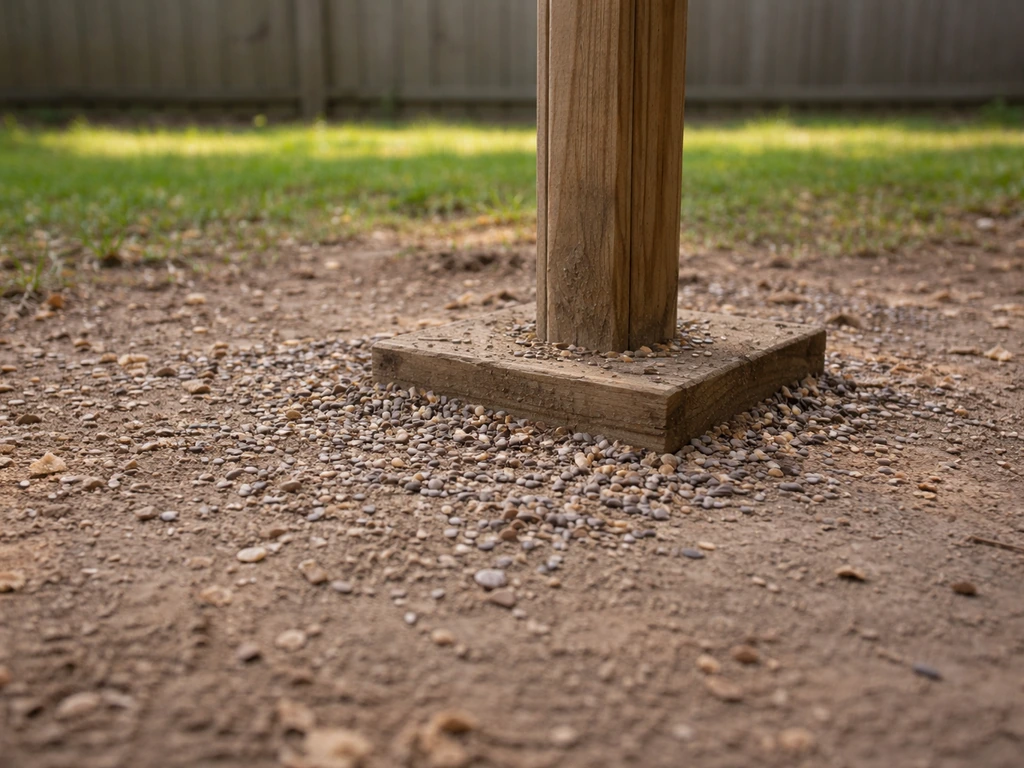
- Heavy accumulation: A feeder that hasn't been cleaned in months, a ground area under a popular roost, or a storage shed where birds have been nesting can have dense, layered droppings. More material means more spores and bacteria available.
- Moldy seed or feeders: Wet, visibly moldy seed or feeder trays with black buildup are actively producing spores. Disturbing this material, especially dry, releases a concentrated dose.
- Enclosed or poorly ventilated spaces: Cleaning under a deck, inside a garage, or in a shed concentrates whatever you kick up. Outdoors with a breeze, particles disperse. Indoors or in tight spaces, you're breathing all of it.
- Being immunocompromised: If your immune system is suppressed due to illness, medications, age, or conditions like HIV, the threshold for serious infection is lower. Extra precautions are not optional in this case.
How to clean safely right now
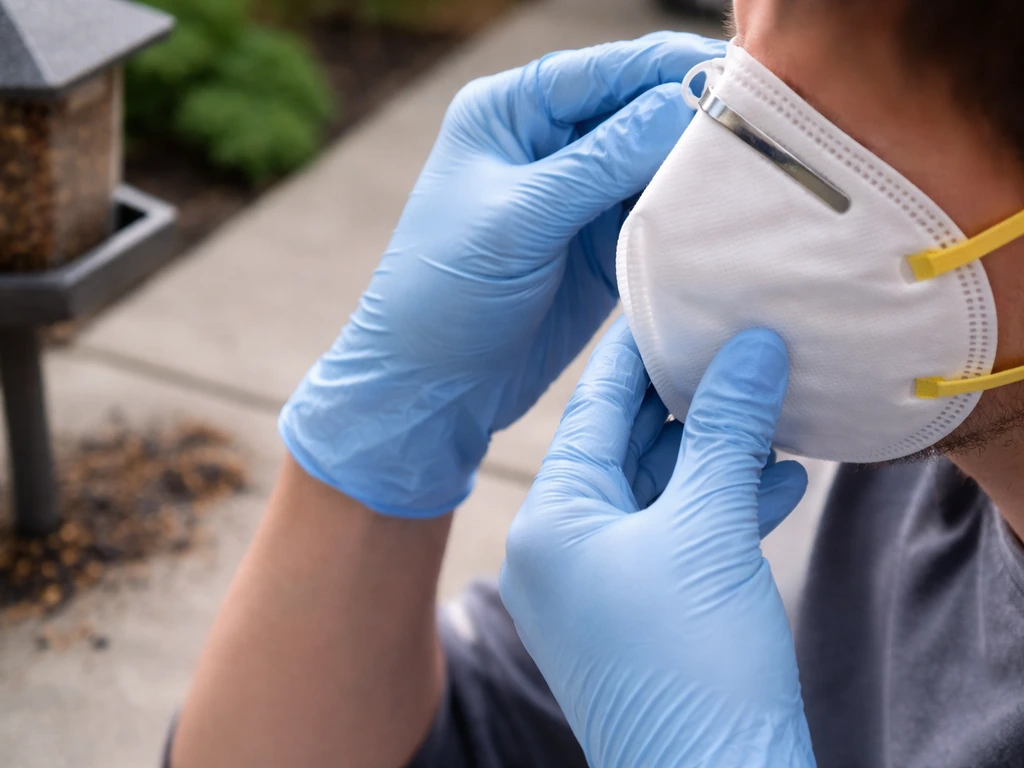
If you need to clean your feeders, the ground beneath them, or a soiled area today, here's the approach that minimizes what you inhale and carry inside.
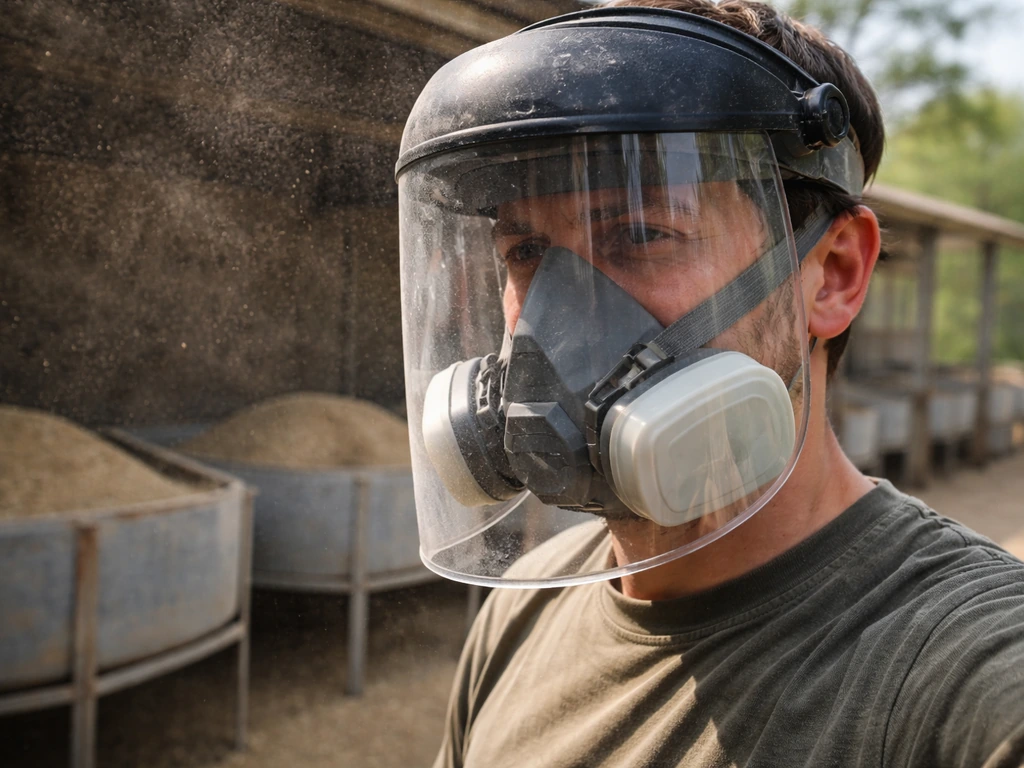
- Put on an N95 respirator before you start. A standard dust mask or bandana is not adequate for dried droppings. An NIOSH-approved N95 filtering facepiece respirator is the minimum for any cleanup involving dried droppings or visible mold. Elastomeric half-mask respirators with N95 filters give even better protection if you're dealing with heavy buildup.
- Add gloves and eye protection. Disposable nitrile gloves work well. Safety glasses or goggles protect your eyes from splashes and airborne particles.
- Wet everything down first. Before you touch or disturb any droppings or debris, spray the area with water. Adding a small amount of dish soap or a surfactant helps. Wetting the material prevents it from becoming airborne when you move it. This single step does more to reduce your exposure than almost anything else.
- Collect, don't sweep. Use a damp cloth, wet paper towels, or a damp mop to pick up wetted material. Do not use a household vacuum cleaner on droppings, as standard vacuums will blow fine particles back into the air. If vacuuming is needed, use one with a HEPA filter.
- Bag and seal it. Place waste in a sealed plastic bag. Double-bag if dealing with heavy accumulation.
- Wash feeder parts with hot, soapy water. Then rinse and let dry completely before refilling. A diluted bleach solution (one part bleach to nine parts water) can be used for disinfection on plastic or metal feeders.
- Wash your hands thoroughly afterward, even if you wore gloves. Change clothes if you were dealing with significant buildup.
- Do cleanup outdoors when possible. If you have to work in a confined space, increase ventilation and take breaks in fresh air while wearing your respirator.
Preventing buildup from coming back
Feeder hygiene and placement
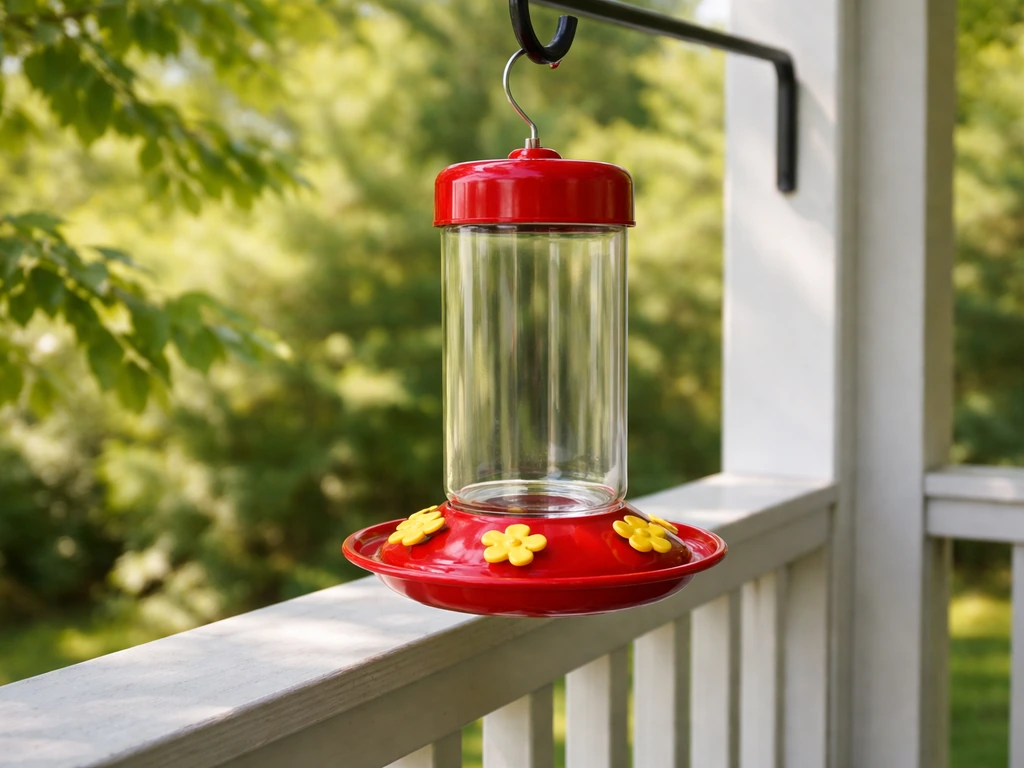
Clean feeders about once every two weeks as a baseline. During warm, wet weather or periods of heavy bird traffic, bump that up to weekly. Any time you see cloudiness in nectar, black mold on feeder surfaces, or clumped seed that won't pour freely, clean immediately and discard the old seed rather than topping off around it. Birds can get sick from moldy seed and droppings buildup on trays, and that same material is what you're breathing when you finally clean up.
Feeder placement matters too. Putting feeders in locations with good air circulation and avoiding spots directly under overhangs or in corners where debris accumulates helps reduce the pile-up of hull waste and droppings. Keeping feeders away from air intakes, windows you open frequently, and areas where children play limits how much dust drifts back toward the house.
Seed storage
Mold in seed usually starts before it ever reaches the feeder. Store seed in airtight, waterproof containers, preferably metal or hard plastic bins that pests can't chew through. Keep containers in a cool, dry location. Buy seed in quantities you'll use within a few weeks during warm months, since large bags sitting in a warm garage or shed can develop mold and even aflatoxin (a toxin produced by certain molds on grains and peanuts) before you finish them. If seed smells musty, clumps together, or shows any discoloration, discard it entirely.
Reducing ground accumulation
Rake or collect fallen seed hulls and debris from the ground beneath feeders regularly, especially before rain. Wet hulls and droppings are a perfect environment for mold. Some people use a tray or catch pan under the feeder to make this easier. Switching some seed types also helps: hulled sunflower or no-mess mixes leave less shell debris on the ground, which reduces the mold substrate.
Pet and wildlife safety around feeders
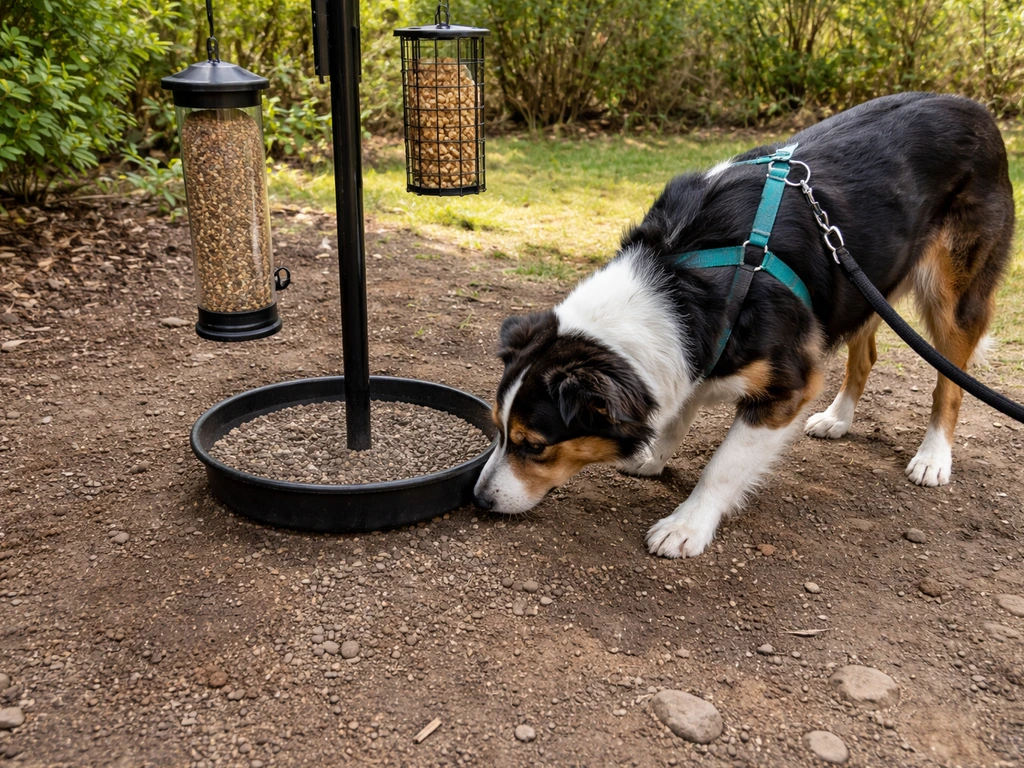
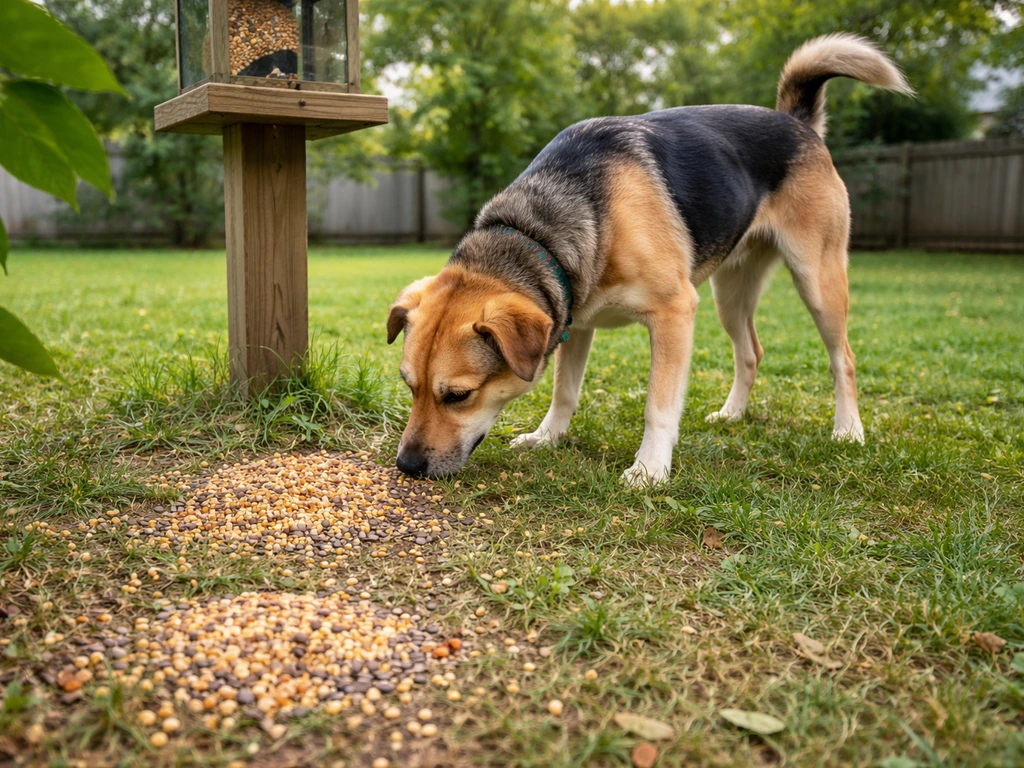
Dogs and cats that spend time around feeders face some of the same exposure risks you do, sometimes more so because they're closer to the ground and more likely to sniff or lick contaminated surfaces. Dogs can also have allergic reactions, so if you notice sneezing, itching, or skin irritation after they eat or sniff birdseed, consider that birdseed may be involved.
Although this article focuses on mold, spores, and toxins, bird seed exposure is not a common cause of seizures in dogs; if you notice seizure-like activity, contact your veterinarian right away. [Histoplasma infects cats through inhaled spores from soil contaminated with bird or bat droppings](https://www. vet. cornell.
edu/departments-centers-and-institutes/cornell-feline-health-center/health-information/feline-health-topics/histoplasmosis), and signs like coughing or trouble breathing are common in affected cats. Dogs can also be exposed the same way. This is worth keeping in mind if your dog likes to forage under the feeder or your cat hunts around that area regularly.
Moldy seed is a separate concern for pets. Old, damp birdseed can harbor mold and aflatoxin. Old, damp birdseed is not just a mold risk, it can be dangerous for dogs too, so it should be removed and discarded promptly. Aflatoxin can cause liver damage in dogs and cats, and one of the more alarming things about it is that some pets show liver damage without obvious symptoms until the problem is advanced.
If your dog has been eating fallen birdseed, especially seed that's been sitting wet on the ground, and you notice lethargy, vomiting, jaundice, or loss of appetite, contact your vet and mention the exposure. If your question is specifically about berries, check the exact plant type, since some berries are toxic to dogs while others are harmless mold and aflatoxin.
The connection between bird seed and pet illness also extends to other hazards, so it's worth being aware of what your pets are accessing around feeding areas.
To reduce contamination risk for pets: keep feeding areas clean and raked, don't let pets drink from the water that collects in seed trays, and consider restricting pet access to directly under feeders if you have heavy bird traffic or accumulation issues.
Red flags and when to get help
Most people who do occasional feeder maintenance without special precautions are fine. But there are situations where you should take symptoms seriously and get medical attention. If you are looking for medication guidance, talk with a clinician about the meloxicam bird dose and whether it is appropriate for your situation.
- Fever, cough, chest pain, headache, or significant fatigue appearing 3 to 17 days after a cleanup involving heavy bird droppings: this timeline is consistent with histoplasmosis. Tell your doctor specifically about the droppings exposure.
- Respiratory illness that develops after handling birds, cleaning up bird areas, or spending time around large roosts: mention the exposure even if it seems unrelated. Psittacosis can look like many other respiratory infections and may be missed without that context.
- Worsening asthma or new-onset respiratory symptoms that consistently appear when you're near your feeders: this may indicate a mold allergy or sensitivity to feather dander. An allergist can evaluate and confirm.
- Any respiratory symptoms in someone who is immunocompromised, elderly, or has chronic lung disease following bird dust exposure: these groups face higher risk of serious infection and should be evaluated promptly.
- For heavy accumulations (under a large roost, in an attic or barn where birds have nested for a long time): this goes beyond DIY territory. Professionals with proper engineering controls and respiratory protection should handle large-scale droppings remediation.
For your pets: if you suspect aflatoxin ingestion from moldy seed or notice respiratory symptoms after they've been around a heavily soiled feeder area, contact your vet the same day. For suspected histoplasmosis in cats or dogs showing respiratory signs, get them evaluated. Early treatment makes a significant difference.
Myth vs. reality: is backyard bird feeding actually dangerous?
| Common belief | What's actually true |
|---|---|
| Backyard feeders are a major health hazard for most people | For healthy people doing regular maintenance, the risk is low. The hazard rises sharply with neglect, mold, or heavy droppings buildup. |
| You need to avoid bird feeders entirely if you have asthma | Asthma doesn't mean you can't have feeders. Good hygiene, prompt cleaning, and avoiding dry sweeping let most asthmatic people manage feeders safely. Evaluate your individual sensitivity with your doctor. |
| Bird dust only matters if you're near sick birds | Histoplasma and mold spores come from the environment (soil, accumulated droppings), not necessarily from visibly ill birds. You don't need a sick bird present to have a risk. |
| A regular household vacuum is fine for cleaning up droppings | Standard vacuums recirculate fine particles through their exhaust, potentially making things worse. Use wet methods or a HEPA-filtered vacuum. |
| Bird seed dust is the main risk | Plain seed dust is mostly an irritant. The real infection risk comes from dried droppings and mold spores. Seed dust that's gotten wet and moldy is a bigger problem than fresh dry seed chaff. |
| If birds look healthy at your feeder, the area is safe | Healthy-looking birds can still shed pathogens in droppings, and the droppings environment can harbor Histoplasma regardless of bird health status. |
The honest bottom line is that bird feeding is a low-risk activity for most people, and the risks are mostly preventable with consistent habits. Neglect is what turns a pleasant backyard hobby into a genuine health concern. Clean regularly, wet things down before disturbing them, wear an N95 when dealing with any significant buildup, store seed properly to prevent mold, and keep pets away from soiled areas. Do those things and you can feed birds for years without any real health problems.
FAQ
If I only smell it briefly while refilling, is bird dust still a problem?
Yes, if the droppings or feeder area is heavily soiled and you stir it up by sweeping, brushing, or using compressed air. If you have a lot of visible buildup, use wet cleaning (spray until surfaces are damp, then wipe) rather than dry methods, and wear an N95 during cleanup.
What cleaning product is best, is bleach safer than other cleaners for bird dust?
Bleach is often ineffective for some biological material once it has dried and can also irritate your airways when aerosols are created. For routine feeder cleaning, the key is minimizing airborne particles, using damp wipe-downs, and drying or discarding heavily contaminated parts rather than relying on disinfectant strength.
When should I stop doing it myself and take bird dust precautions more seriously?
If you are taking care of a heavily soiled roost area, or you notice black mold, clumping seed, or a strong musty odor, you should treat it like a higher-risk exposure. In those cases, wear an N95 or better, avoid disturbing debris, and consider having someone else do the cleanup if you are pregnant, immunocompromised, or have asthma.
Does ignoring a feeder for months make bird dust much worse?
Yes. Risk can be significant if the dust or droppings has been undisturbed for a long time, especially under a large roost or in sheltered corners. Heavy buildup increases the chance you inhale more mold spores and dried droppings particles when you finally clean.
Can bird dust from outside get me sick indoors?
Generally, outdoor-only exposure with proper cleaning is lower risk, but dust can drift indoors if you do dry sweeping, work in windy conditions, or clean directly near open windows and air intakes. If you notice dust migrating into your home, close windows, pause fans, and clean with damp methods.
What symptoms after cleaning bird areas mean I should seek medical care?
Yes, especially for people with asthma or mold sensitivity. Symptoms that warrant medical attention include persistent wheezing, shortness of breath, chest tightness, fever after cleaning, or symptoms that worsen over 24 to 48 hours rather than improving.
If I get a respiratory illness after cleaning, how do I know if it could be from bird dust?
Not necessarily. Bird-related respiratory infections can be confused with typical colds, so mention the exposure history if you develop a febrile respiratory illness after cleaning up droppings. The timing matters, if symptoms start several days to a couple of weeks after exposure, tell your clinician you were cleaning heavily soiled bird areas.
Is dry sweeping ever safe for cleaning under feeders?
No. Broom sweeping is one of the most common ways to create airborne particles. If you have buildup, do not dry sweep, instead dampen first, wipe, and bag waste promptly, then wash hands and any contacted surfaces.
If I wear gloves, what else should I do to avoid spreading bird dust to myself?
Yes. Even if you use gloves, you can contaminate yourself by touching your face, phone, door handles, or clothing during cleanup. Afterward, wash hands thoroughly, remove or launder clothing worn during cleaning, and wipe glasses and any reusable tools.
Can I save seed that got a little damp or smells musty?
If you have clumping seed, musty odor, visible mold, or wet seed that sat for days, discard it rather than salvaging it. Mold and aflatoxin concerns are not reliably removed by rinsing, so replacing seed is the safer option.
Should I treat bird dust risk differently for dogs and cats?
Yes for pets. Dogs and cats can develop problems from moldy seed and from inhaling contaminated particles during cleanup. If a pet has been eating fallen or damp seed, or you see respiratory signs after heavy soiling, contact your veterinarian promptly and mention the specific exposure.
Should I replace my bird feeder if it has mold on it?
Generally, you do not need to throw away the feeder itself if it is not deeply contaminated, but you should replace parts that are porous or cracked and are hard to clean, like worn trays. If heavy mold is embedded in hard-to-sanitize surfaces, replacement prevents repeated exposure.
Next Articles
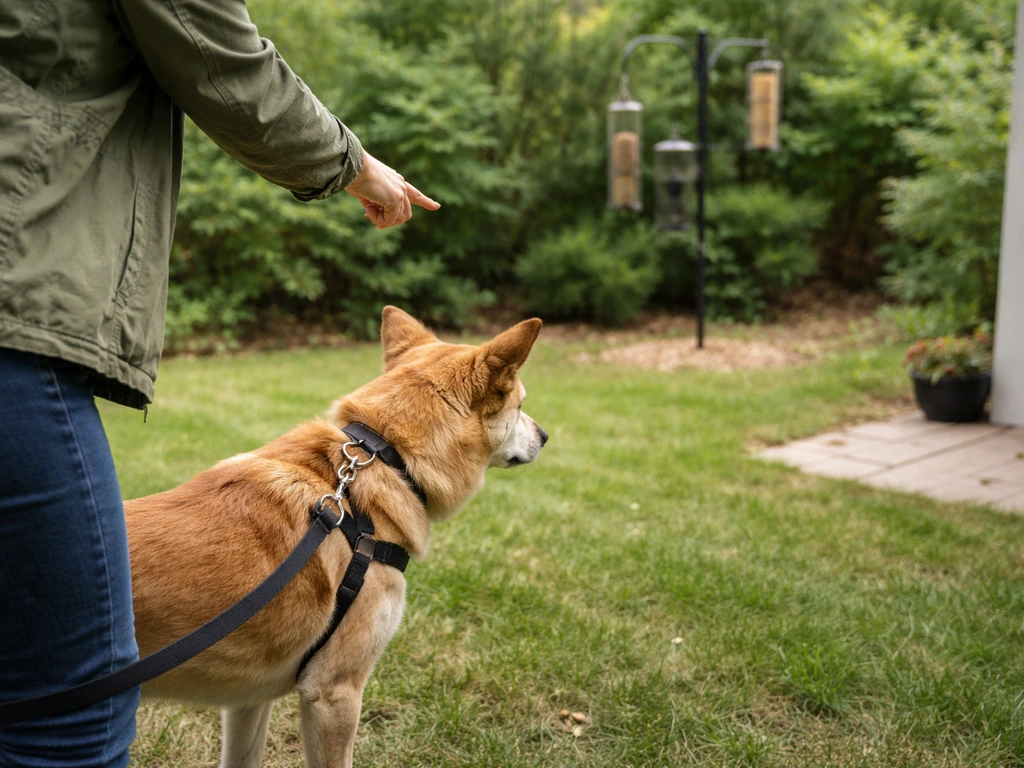
Can Bird Seed Cause Seizures in Dogs? What to Do Now
Can bird seed trigger seizures in dogs? Spot seizure mimics, red flags, and immediate steps for safe vet care.
Can Dogs Be Allergic to Bird Seed? Signs and What to Do
Can dogs get allergic to bird seed? Learn signs, allergy vs irritation, spoiled seed hazards, and what to do now.
Are Bird Berries Poisonous to Dogs? Symptoms and First Aid
Get triage steps for dogs that may ate bird berries, symptoms, poisoning risks, and when to call a vet fast.