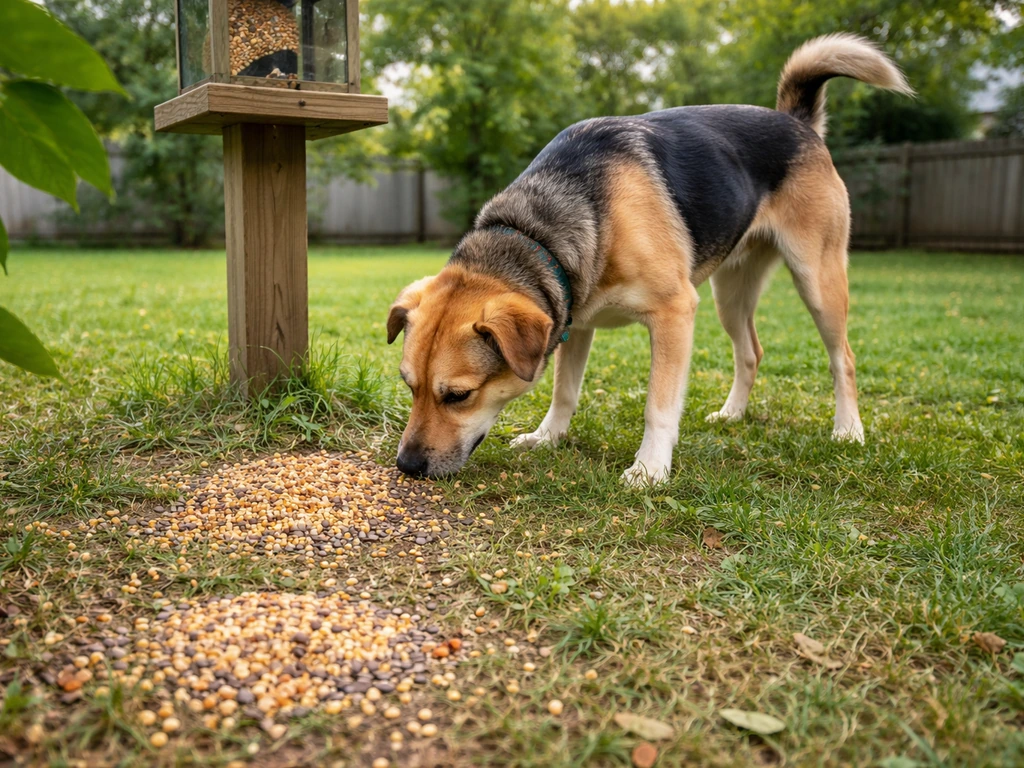
Bird seed itself is rarely the direct cause of seizures in dogs, but contaminated or moldy bird seed absolutely can be. The real danger is tremorgenic mycotoxins, especially penitrem A and roquefortine C, which are produced by molds that grow on wet, spoiled seed. Dogs that eat moldy seed from a feeder spill or a damp storage bag can develop muscle tremors and full seizures within a few hours, sometimes faster. A few other feeder-related hazards, like rodenticides or pesticides near the feeder area, can also trigger seizure-like episodes. If your dog got into bird seed and is now acting strange, trembling, or had a seizure, treat this as a veterinary emergency and call your vet or an animal poison control line right now.
Can Bird Seed Cause Seizures in Dogs? What to Do Now

Maya Henderson
17 May 2026
Can bird seed trigger seizures in dogs?
Fresh, plain bird seed bought from a reputable brand is not inherently seizure-inducing for most dogs. Sunflower seeds, millet, safflower, and similar common ingredients are not neurologically toxic on their own. The risk comes from what happens to that seed once it sits in a damp feeder, gets rained on, or is stored improperly. Mold grows fast on wet seed, and certain mold species produce mycotoxins that are genuinely dangerous to dogs. Penitrem A and roquefortine C are the two most commonly implicated tremorgenic mycotoxins in dogs according to veterinary toxicology data, and they can cause tremors and seizures even from a relatively small amount of contaminated material. So the question is less about the seed itself and more about the condition of the seed your dog got into.
What in bird seed or feeders could actually cause seizure-like signs
There are several realistic pathways from a feeder or seed pile to a seizing dog. Knowing which one applies helps you give your vet the right information quickly.
Tremorgenic mycotoxins in moldy seed
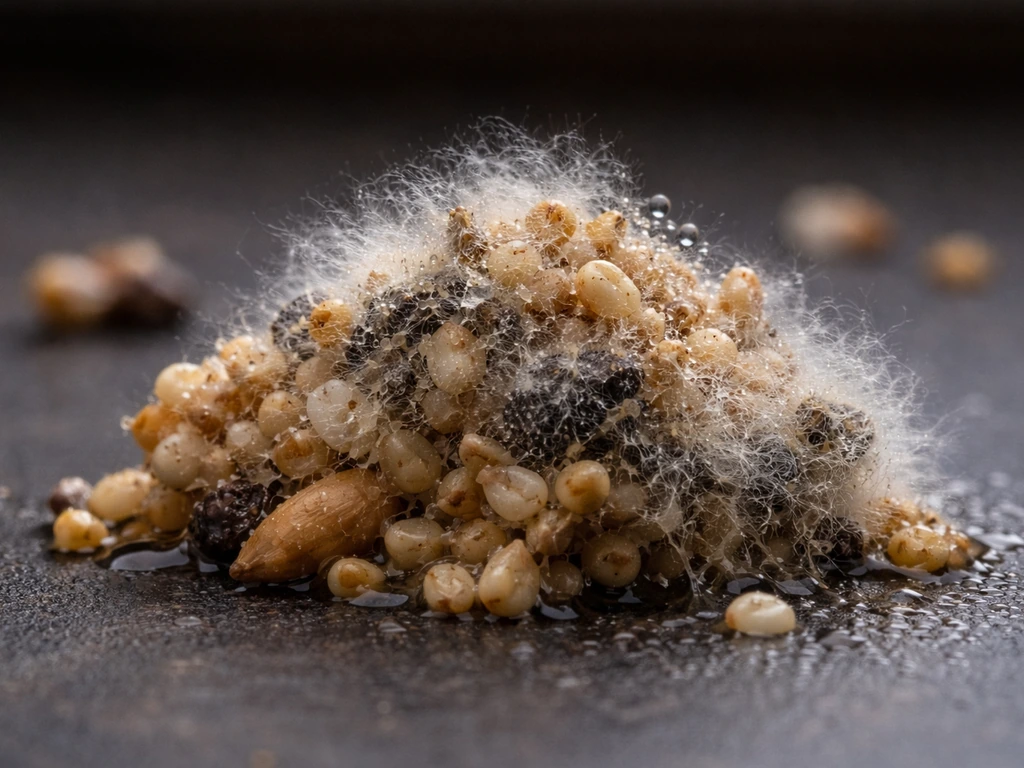
This is the most common and most dangerous pathway. Mold colonizes seed that gets wet, clumps together, or sits too long on the ground under a feeder. The resulting mycotoxins, particularly penitrem A, can begin affecting a dog's nervous system very rapidly. Research on penitrem A shows neurological effects can begin in as little as 30 seconds after absorption in some studies, with muscle tremors and convulsions progressing from there. In real-world cases, dogs typically show symptoms within one to three hours of eating contaminated material. A documented case report links roquefortine (found in moldy food products, including seed) to seizures in dogs described as resembling strychnine poisoning.
Additives, pesticides, and herbicides on or near the seed
Some bird seed mixes contain fragrant oils, colorants, or preservatives that are not tested for canine safety. These are unlikely to cause seizures in normal quantities but can cause GI upset. A bigger concern is what has been applied near the feeder. If you treat your lawn or garden near the feeding station with pesticides, herbicides, or fertilizers, a dog nosing around in spilled seed could ingest residue from the soil or the seed itself. Organophosphate pesticides in particular can cause neurological signs including tremors and seizures.
Rodenticides and other bait near feeders
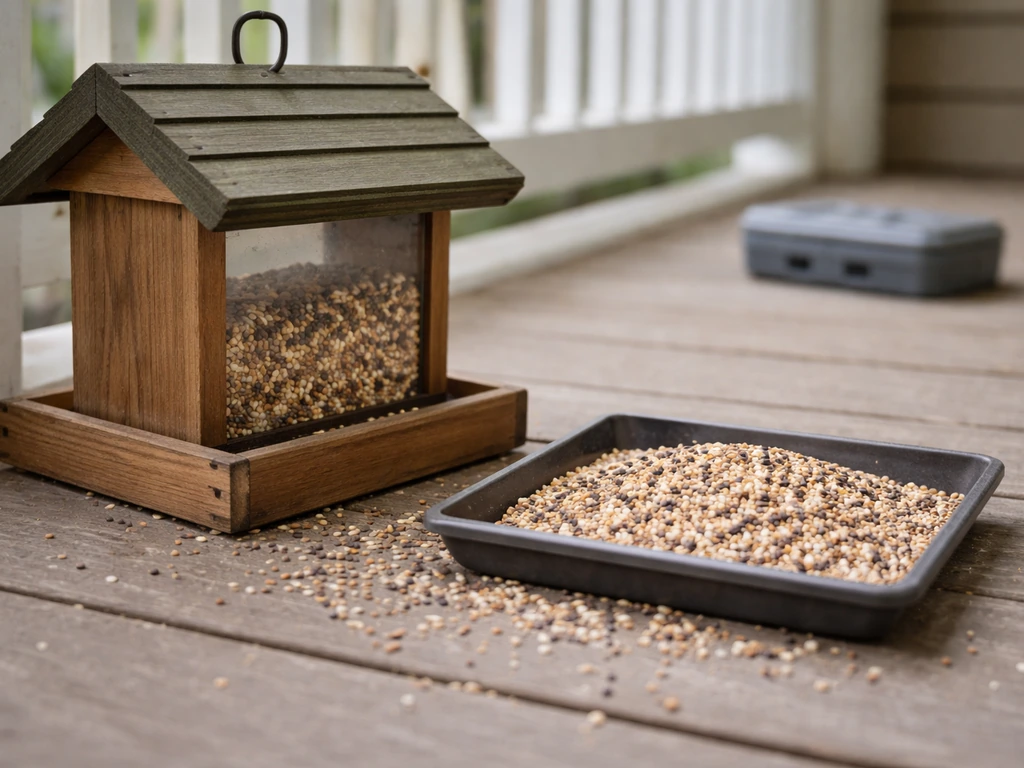
Bird feeders attract rodents, and rodents attract rodenticide placement. If someone in your household or a neighbor has put out rat or mouse bait near the feeder area, your dog could ingest it while investigating spilled seed. Some rodenticides cause internal bleeding, others cause hypercalcemia, and bromethalin-based rodenticides directly cause brain swelling and seizures. This is a serious possibility and should always be ruled out when a dog seizes after spending time near a feeder.
Xylitol or harmful additives in processed seed products
Some specialty bird treats, suet cakes, or seed blends designed for human handling contain additives that can harm dogs. Xylitol, a sweetener sometimes used in food products, causes severe hypoglycemia and can trigger seizures in dogs. Always check the ingredient list on any suet cake or flavored seed block your dog could access.
How to tell seizures from other urgent reactions
Not every alarming episode after eating bird seed is a true seizure. Knowing the difference matters because the treatment approach changes. That said, all of these reactions are urgent and deserve a vet call.
| Reaction Type | What It Looks Like | Likely Cause | Urgency |
|---|---|---|---|
| True seizure | Uncontrolled muscle convulsions, loss of consciousness, paddling, jaw chomping, urination/defecation during episode, postictal confusion afterward | Mycotoxins, bromethalin, organophosphates, hypoglycemia from xylitol | Emergency: call vet immediately |
| Muscle tremors | Shaking or trembling while conscious, can respond to stimuli, no loss of consciousness | Penitrem A, roquefortine, other mycotoxins | Emergency: call vet immediately |
| GI distress | Vomiting, diarrhea, drooling, retching without neurological signs | Seed overconsumption, mild contamination, allergic response | Urgent: vet same day |
| Hypoglycemia collapse | Weakness, wobbly gait, glazed eyes, possible brief seizure, recovers with sugar | Xylitol in seed products | Emergency: call vet immediately |
| Choking or aspiration | Gagging, coughing, pawing at mouth, labored breathing | Seed or hull lodged in airway | Emergency if breathing is compromised |
| Allergic reaction | Hives, facial swelling, vomiting, sudden itching | Sensitivity to seed dust or ingredients | Urgent to emergency depending on severity |
Red flags that mean go to an emergency vet right now, no waiting: any loss of consciousness, convulsions lasting more than 90 seconds, repeated seizures back to back, a dog that can't stand, extreme hyperthermia (burning hot to the touch), or a dog that seized and still seems disoriented or unresponsive more than 15 minutes later. The Merck Veterinary Manual specifically lists hyperthermia, tachycardia, ataxia, hyperesthesia, and seizures as signs of tremorgenic neuromycotoxicosis in dogs, and these can appear within a few hours of ingestion.
What to do right now if your dog ate bird seed

Work through these steps quickly. Time matters if mycotoxins or rodenticide are involved.
- Move your dog away from the seed source and keep them calm and still. Excitement raises body temperature, which can make mycotoxin effects worse.
- Do not induce vomiting unless a vet or poison control line specifically tells you to. Vomiting can sometimes make things worse, especially if the dog is already trembling or at risk of aspirating.
- Collect a sample of the seed. Grab a zip-lock bag and put some of the seed your dog ate into it, including any clumped or discolored seed that might be moldy. Take the packaging too if you have it.
- Note the time your dog was near the seed, roughly how much they may have eaten, and write down what symptoms appeared and when.
- Check the area around the feeder for rodenticide bait stations, pesticide containers, or anything else the dog might have contacted. This information is critical for the vet.
- Call your vet, an emergency animal hospital, or the ASPCA Animal Poison Control Center (888-426-4435) immediately. Describe what the dog ate, the condition of the seed, and every symptom you have seen.
- If the dog is seizing, protect them from hitting furniture or stairs, but do not put your hand in their mouth. Time the seizure and call for emergency help while it is happening.
- Transport your dog to the vet with the seed sample and any packaging. Do not wait to see if symptoms improve on their own.
How vets diagnose and treat suspected toxin or mycotoxin exposure
When you arrive at the vet with a dog that ate suspect bird seed, the team will move quickly. Here is what to expect.
Immediate stabilization
If the dog is actively seizing or tremoring, the vet will first stabilize the neurological signs. Methocarbamol is commonly used to control muscle tremors from mycotoxins. If your vet decides on anti-seizure medication, ask whether meloxicam is ever appropriate for pain or swelling and what dose is safest for your dog’s specific case Methocarbamol. Diazepam or other anti-seizure medications may be used for active seizures. Cooling measures are applied if the dog is hyperthermic, which is common with tremorgenic mycotoxicosis because sustained muscle activity generates heat.
Decontamination
If ingestion was recent (generally within one to two hours) and the dog is stable enough, the vet may induce vomiting to remove remaining toxin from the stomach. Activated charcoal is often given afterward to bind any toxins remaining in the GI tract and reduce further absorption. This is why you should not do this at home without guidance: a dog that is already tremoring can aspirate vomit.
Diagnostics
Blood work will typically include a glucose check (critical if xylitol is suspected), a complete blood count and chemistry panel, and possibly a coagulation panel if rodenticide exposure is possible. Urine samples may be collected. The seed sample you bring can sometimes be sent for mycotoxin testing, though results take time and treatment usually begins before results come back.
Supportive care
IV fluids are almost always started to support circulation, help flush toxins, and prevent dehydration from vomiting. Dogs with mycotoxin exposure often need monitoring for 24 to 48 hours because tremors can recur. Dogs with bromethalin exposure from rodenticide may need longer neurological monitoring. The seed sample and packaging you brought will help the vet determine the most likely toxin and adjust treatment accordingly.
Prevention: safer bird seed storage, feeder hygiene, and spill control
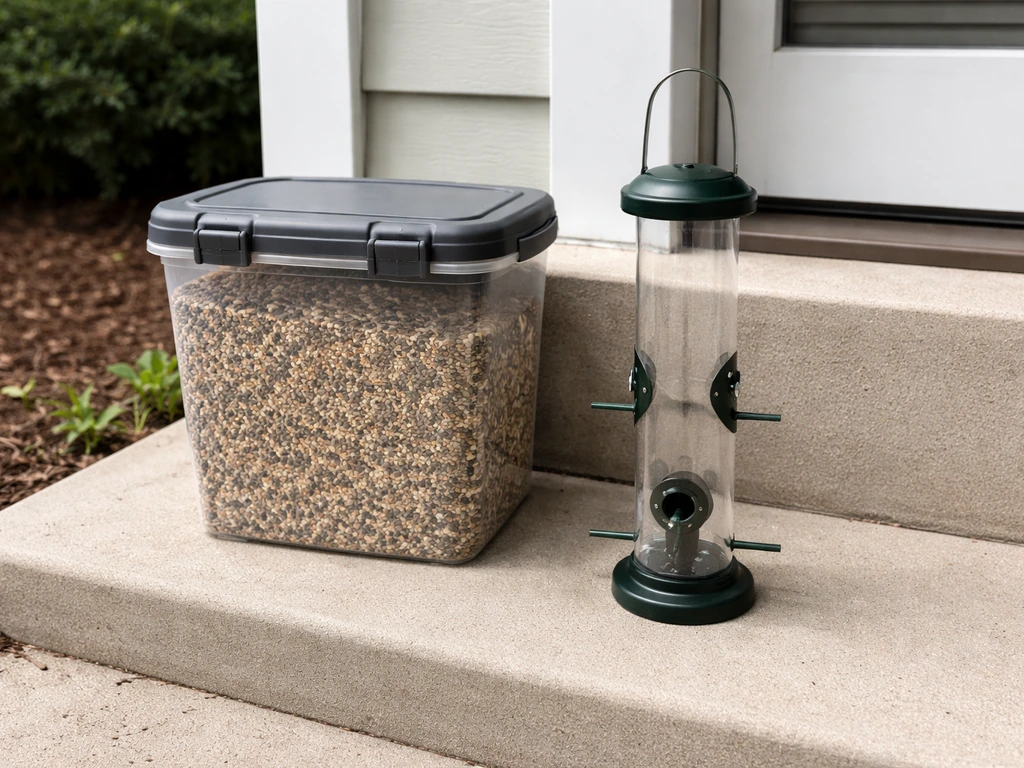
Most feeder-related emergencies in dogs are preventable. The steps below are not complicated, but they require consistency, especially after rain or in humid climates where mold develops fast.
Store seed properly
- Store bird seed in a sealed, hard-sided container with a tight lid, not in the original paper bag.
- Keep storage containers in a cool, dry place. Heat and humidity accelerate mold growth.
- Buy seed in quantities you will use within four to six weeks. Large bags sitting in a damp garage are a mold risk.
- Check seed before filling the feeder. Clumping, off smell, or visible discoloration are signs of mold. Throw it out.
- Never top off a feeder without emptying and checking the old seed first.
Keep feeders clean and dry
- Clean your feeder at least every one to two weeks, more often during wet weather. Use a diluted bleach solution (one part bleach to nine parts water), rinse thoroughly, and let it dry completely before refilling.
- Choose feeders with drainage holes or tray designs that shed water rather than pooling it in the seed.
- Remove wet or clumped seed from the feeder after rain. It can mold within 24 to 48 hours in warm weather.
- Position feeders under a roof or baffle to reduce direct rain exposure.
Control spills and ground access
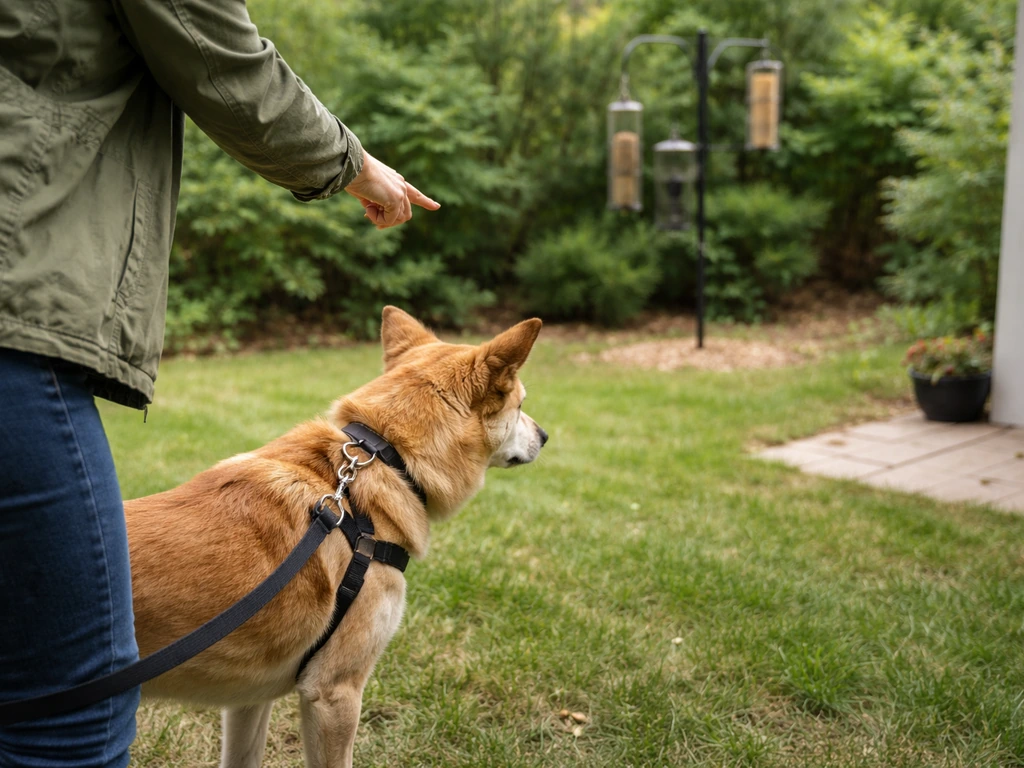
- Place feeders out of your dog's reach, or in a section of the yard the dog cannot access.
- Sweep or rake up spilled seed on the ground regularly, especially before it rains.
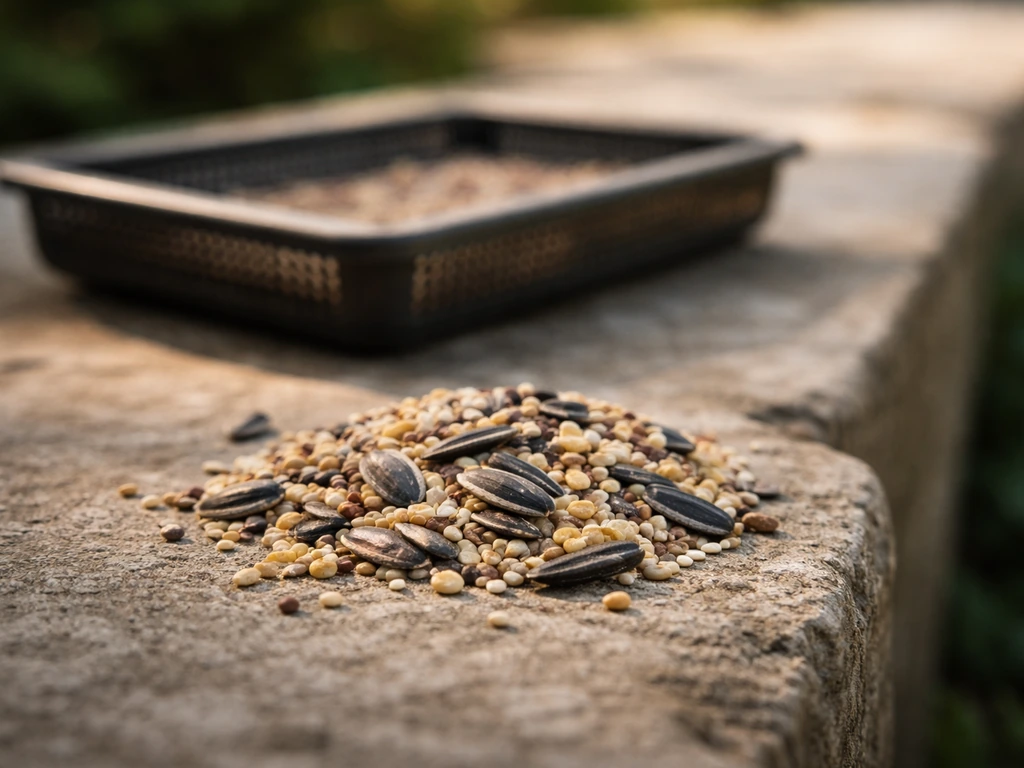
- Consider a seed catcher tray below the feeder to contain spills, and empty it every few days.
- Avoid placing feeders directly over areas where your dog spends time.
- Never use rodenticide bait near the feeder area if your dog has yard access. Use enclosed bait stations in areas the dog genuinely cannot reach, or consider alternatives like snap traps inside locked enclosures.
Choose seed wisely
- Plain, additive-free seed mixes are safer than flavored, scented, or colored specialty blends.
- Check ingredient labels on suet cakes, seed cylinders, and pressed seed blocks for sweeteners, artificial flavors, or preservatives that may not be safe for dogs.
- Avoid seed mixes containing raisins or other dried fruits, which are toxic to dogs.
- Sunflower seeds, safflower, and millet are among the lower-risk seed types if eaten fresh and plain by a dog in small amounts. The risk rises sharply when seed is moldy.
Backyard coexistence: common questions from dog owners with feeders
Can birds spread toxins to dogs through their droppings or contact?
The mycotoxins that cause neurological problems in dogs come from mold on the seed, not from the birds eating the seed. Bird droppings and bird contact are not the issue either, since the real cause is mold on the seed, so dog-berry questions are best approached by focusing on what your dog actually ate or contacted are bird berries poisonous to dogs. Birds are generally not harmed by the same mycotoxins in the same way dogs are, and their droppings are not a meaningful route of mycotoxin transfer. If you were also wondering about whether bird dust can harm dogs, the main toxic pathway is still mold-contaminated seed rather than dust from birds bird droppings. However, bird droppings can carry bacterial pathogens like Salmonella, which is a separate concern. A dog that sniffs around under a heavily used feeder could pick up bacterial contamination from droppings on the ground, leading to GI illness rather than seizures.
Can spilled sunflower seeds or peanuts cause a problem?
Fresh sunflower seeds eaten in small amounts are not toxic to dogs, though the high fat content can cause GI upset or pancreatitis if large amounts are eaten. Peanuts are a bigger concern: while plain, unsalted peanuts in small amounts are not toxic, some bird seed mixes or suet blocks contain peanuts with additives, and peanuts are among the foods most likely to support aflatoxin-producing mold if they get wet and sit. Aflatoxin causes liver damage in dogs rather than seizures, but it is still a serious hazard. If the peanuts or sunflower seeds are moldy, treat them with the same urgency as any other moldy seed.
My dog scavenges around the feeder regularly. Should I be worried?
Yes, and it is worth taking steps to change that habit. Regular low-level exposure to moldy seed is a cumulative risk, and a dog that roams under feeders is also at risk of finding rodenticide bait if it is ever used in the area. Dogs that are persistently interested in feeder areas should be redirected and the area should be managed with ground cleanup and physical barriers. Some dog owners find that switching to a hanging feeder with a seed catcher and keeping the dog's yard access separate from the feeder zone solves the problem entirely.
Are specific seed brands or ingredients riskier than others?
No single mainstream bird seed brand is known to be inherently riskier than others when the seed is fresh and properly stored. The risk is almost always about storage and moisture conditions, not the brand. That said, mixes with dried fruit, flavored coatings, or added oils deserve a closer look at the ingredient list before you use them in a yard where dogs roam. Dogs can also be allergic to specific seed ingredients, which is a related concern worth knowing about separately from the toxicity question. Dogs can also have allergy-type reactions to certain seed ingredients, so it is worth watching for itching, hives, vomiting, or facial swelling in addition to seizure signs allergic to specific seed ingredients.
What if my dog already ate some moldy-looking seed but seems fine right now?
Call your vet or a poison control line anyway. Mycotoxin symptoms can appear within one to three hours, and some dogs show subtle early signs (restlessness, increased salivation, slight wobbliness) that owners miss before more obvious tremors develop. The ASPCA Animal Poison Control Center (888-426-4435) can help you assess the risk based on what your dog ate and how much, and they will tell you whether a vet visit is warranted immediately or whether watchful monitoring is appropriate. A similar concern applies to bird cherry, so if your dog ate any and you are wondering whether it is poisonous, contact a veterinarian or poison control for guidance. Do not wait until symptoms are severe to make that call.
FAQ
How long after eating bird seed would seizures or tremors start if it was contaminated?
Most dogs show neurologic signs within about 1 to 3 hours after ingesting moldy or otherwise contaminated seed. Some tremorgenic mycotoxin effects can begin even sooner, so if symptoms start within minutes to a couple of hours, treat it as an emergency and contact a vet or poison control immediately.
If my dog only chewed a few seeds, do I still need to worry about mycotoxins?
Yes, especially if the seed was wet, clumped, or visibly moldy. Even relatively small amounts of contaminated material can trigger tremors and seizures in sensitive dogs. The safest approach is to call poison control with an estimate of amount, time of exposure, and whether the seed looked damp or spoiled.
Can bird droppings from the feeder cause seizures in dogs?
Seizures are more strongly linked to mold on the seed, not to bird droppings themselves. Droppings can cause other issues, like bacterial stomach illness, but they are not the typical pathway for tremorgenic neuromycotoxins that lead to seizures.
What symptoms besides actual convulsions can be mistaken for a seizure after bird seed exposure?
Dogs may show tremors, twitching, an unsteady or “drunk” walk (ataxia), increased sensitivity to touch, panting, or sudden restlessness before a full seizure. Because management depends on whether it is true seizure activity versus another neurologic or toxic sign, it is still urgent to get veterinary guidance.
Should I induce vomiting or give activated charcoal at home if I think my dog ate bad bird seed?
Do not induce vomiting unless a veterinarian or poison control specifically instructs you. If the dog is already trembling or seizing, vomiting can increase aspiration risk. Charcoal may be recommended in some time windows, but the decision depends on timing, symptoms, and the suspected toxin.
What should I collect or bring to the vet if this happens?
Bring the remaining seed, the bag or ingredient label, and if possible a photo of the feeder area and any damp or moldy clumps. This helps the vet narrow the likely contaminant, including whether rodenticide baits could have been present near the feeding station.
Could lawn or garden chemicals near the feeder cause seizure-like episodes?
Yes. If pesticides, herbicides, or fertilizers were applied near the feeding area, a dog can ingest residues along with spilled seed. Some pesticide classes can cause neurologic signs, so mention any recent treatments to the vet, including what product was used and when.
If rodenticide is involved, how is that different from moldy seed?
Rodenticide exposures can cause multiple seizure mechanisms, and some require longer neurologic monitoring than mycotoxin cases. If you suspect bait exposure, tell the vet immediately, because the bloodwork and treatment strategy can differ (for example, coagulation monitoring if bleeding-type rodenticides are possible).
Can xylitol in flavored suet or seed blocks trigger seizures?
Yes. Xylitol can cause severe low blood sugar and can lead to seizures. If your dog had access to flavored suet, sweetened blocks, or other human-style products, ask the vet about checking glucose urgently and provide the ingredient list if you have it.
My dog stopped trembling after a few minutes, do I still need emergency care?
Often yes. Even if obvious convulsions stop, seizure-related toxins such as mycotoxins may cause recurrent neurologic signs over the next 24 to 48 hours. The right choice depends on when symptoms started, what was ingested, and whether the dog remains normal afterward, so contact a vet or poison control for risk assessment.
How can I tell whether the seed is actually mold-contaminated versus just a benign mix?
Look for signs of moisture damage, clumping, musty or sour odor, visible fuzz or spots, or any seed that feels damp to the touch. Fresh, dry seed should not smell moldy or form clumps. If your dog reached damp seed or it sat out after rain, assume mold risk even if you cannot see visible mold.
Can I prevent this if my dog is drawn to the feeder area?
Use physical separation and cleanup routines. Options include a hanging feeder with a seed catcher, keeping the dog out of the area with a barrier, and promptly sweeping up spilled seed after rain. Also store seed in a dry, sealed container, because moisture buildup during storage can create the same moldy-seed risk even with reputable brands.
If I contact poison control, what info will help them decide if it is urgent?
Be ready with the time of exposure, what the seed looked like (dry versus damp or moldy), estimated amount eaten, your dog’s weight, symptoms observed, and whether rodenticide or pesticides were used near the feeder. If you can, include photos of the feeder area and the ingredient list from the seed or suet product.
Next Article
Can Dogs Be Allergic to Bird Seed? Signs and What to Do
Can dogs get allergic to bird seed? Learn signs, allergy vs irritation, spoiled seed hazards, and what to do now.