Meloxicam is used in birds at roughly 0.5 to 1 mg per kilogram of body weight, given orally once or twice daily, and that range comes straight from published avian clinical references including the Merck Veterinary Manual's osteoarthritis drug table. But that number alone is not enough to dose a bird safely. You still need to know the bird's exact weight in grams, the concentration of the specific meloxicam suspension you have on hand, and ideally a vet's sign-off before you give a single drop. The consequences of getting it wrong in a small bird are severe and fast-moving. Here is how to think through this clearly and what to do right now.
Meloxicam Bird Dose: Vet-Guided Safety, Timing, and Alerts
Maya Henderson
7 May 2026
A quick reality check before you give anything
Meloxicam is a prescription NSAID (nonsteroidal anti-inflammatory drug). It works by blocking COX enzymes that drive pain and inflammation, which makes it genuinely useful for birds dealing with musculoskeletal injuries, post-surgical pain, or inflammatory conditions. Avian vets use it regularly. That is the good news. The complicated part is that birds are not small dogs or cats. Their metabolism, elimination speed, and organ vulnerability differ significantly from mammals, and they differ from each other species to species. The Merck Veterinary Manual explicitly warns that you cannot safely extrapolate dosing from one species to another because biotransformation and elimination half-lives vary too much. A dose that works well in an Amazon parrot may be too high or too low for a cockatiel, a red-tailed hawk, or a backyard songbird of similar weight.
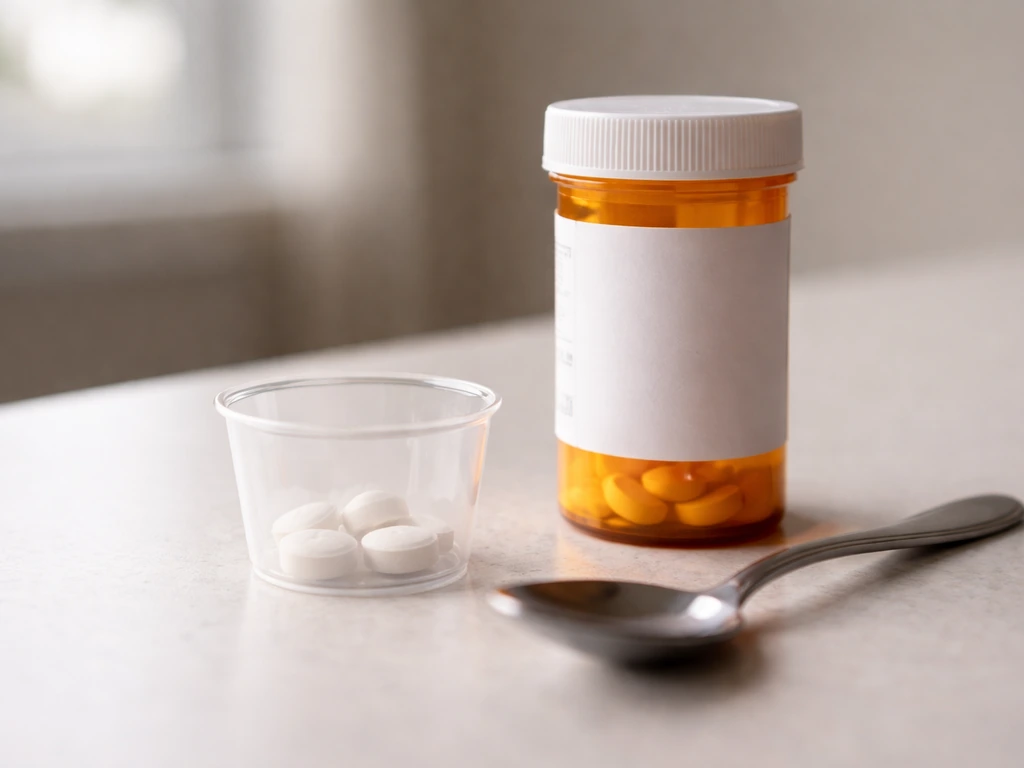
Meloxicam is not something to improvise with over-the-counter human tablets or an unlabeled suspension sitting in your medicine cabinet. Human formulations are far too concentrated for accurate dosing in small birds, and even veterinary suspensions come in different concentrations (0.5 mg/mL and 1.5 mg/mL are both commercially available), meaning the volume you give can be dramatically different depending on which bottle you are holding. A tiny measurement error in a 90-gram bird is a real toxicity risk.
Why bird dosing is not like mammal dosing
Birds have a renal portal system, meaning blood from their lower body passes through the kidneys before reaching general circulation. This affects how drugs are metabolized and cleared. Birds also tend to mask illness until they are quite compromised, so early signs of NSAID toxicity can be subtle and easy to miss. Published pharmacokinetic studies in species like Hispaniolan Amazon parrots, cockatiels, barred owls, red-tailed hawks, great horned owls, and geese all show meaningfully different absorption rates and elimination times, even when the same 1 mg/kg dose is used. One raptor study found that once-daily dosing was unlikely to maintain therapeutic plasma concentrations in red-tailed hawks and great horned owls, suggesting those species might need more frequent dosing, while other species might need less. The point is that species identity changes everything about how the drug behaves.
Body size compounds this. A 100-gram bird receiving 0.1 mg of extra meloxicam from a measurement error is getting a 100% overdose. Volume precision matters at this scale in a way it simply does not for a 30-kilogram dog.
How vets calculate the dose (and how you can frame the math)
The published reference range for meloxicam in birds is 0.5 to 1 mg/kg body weight, given once or twice daily by mouth. Some raptor rehabilitation protocols have used 2 mg/kg twice daily for short initial courses (5 to 7 days) in larger birds with acute injuries before stepping down to a maintenance dose, but that is a supervised clinical decision, not a starting point for home use. Cockatiels and similar small parrots have been studied using 1 mg/kg. Geese have been evaluated at 0.5 mg/kg. The range across published studies is actually 0.1 mg/kg up to 20 mg/kg in some contexts, which tells you how much species and clinical indication can shift the target.
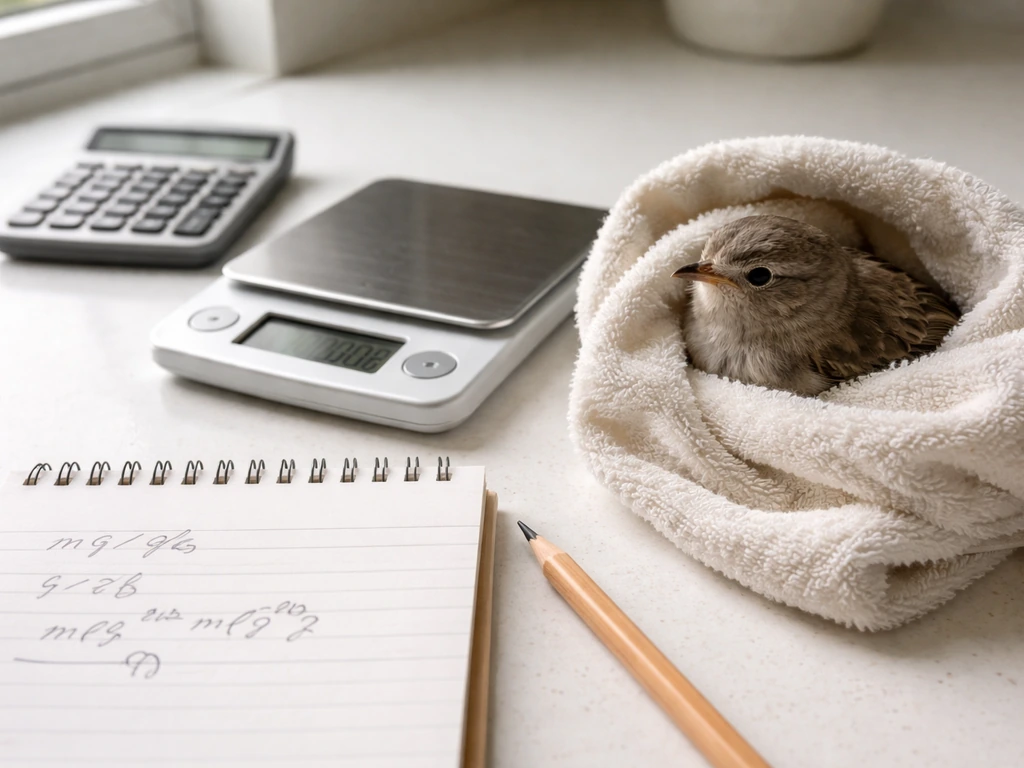
Here is the practical math. Weigh the bird in grams on a kitchen scale. Convert to kilograms by dividing by 1,000. Multiply by your target dose in mg/kg to get the dose in milligrams. Then divide that milligram number by the concentration of your suspension (in mg/mL) to get the volume in milliliters you actually give. For example: a 150-gram bird at 1 mg/kg needs 0.15 mg of meloxicam. If your suspension is 0.5 mg/mL, that is 0.3 mL. If your suspension is 1.5 mg/mL, that is only 0.1 mL. That is a three-fold difference in volume from one bottle to another, at the same labeled dose. Always confirm the concentration on the bottle before calculating.
| Bird weight | Dose at 0.5 mg/kg | Dose at 1 mg/kg | Volume at 0.5 mg/mL suspension | Volume at 1.5 mg/mL suspension |
|---|---|---|---|---|
| 50 g (small finch/budgie) | 0.025 mg | 0.05 mg | 0.05 mL (0.5 mg/kg) / 0.1 mL (1 mg/kg) | 0.017 mL (0.5 mg/kg) / 0.033 mL (1 mg/kg) |
| 100 g (cockatiel) | 0.05 mg | 0.1 mg | 0.1 mL (0.5 mg/kg) / 0.2 mL (1 mg/kg) | 0.033 mL (0.5 mg/kg) / 0.067 mL (1 mg/kg) |
| 400 g (Amazon parrot) | 0.2 mg | 0.4 mg | 0.4 mL (0.5 mg/kg) / 0.8 mL (1 mg/kg) | 0.133 mL (0.5 mg/kg) / 0.267 mL (1 mg/kg) |
| 1000 g (large raptor) | 0.5 mg | 1.0 mg | 1.0 mL (0.5 mg/kg) / 2.0 mL (1 mg/kg) | 0.33 mL (0.5 mg/kg) / 0.67 mL (1 mg/kg) |
Those volumes for small birds are tiny and require a properly calibrated 1 mL syringe, not a kitchen teaspoon. If you cannot measure with precision and you do not have a vet-prescribed bottle with concentration confirmed, do not proceed. Call an avian vet or wildlife rehabilitator first.
How to give it and what to watch for day to day
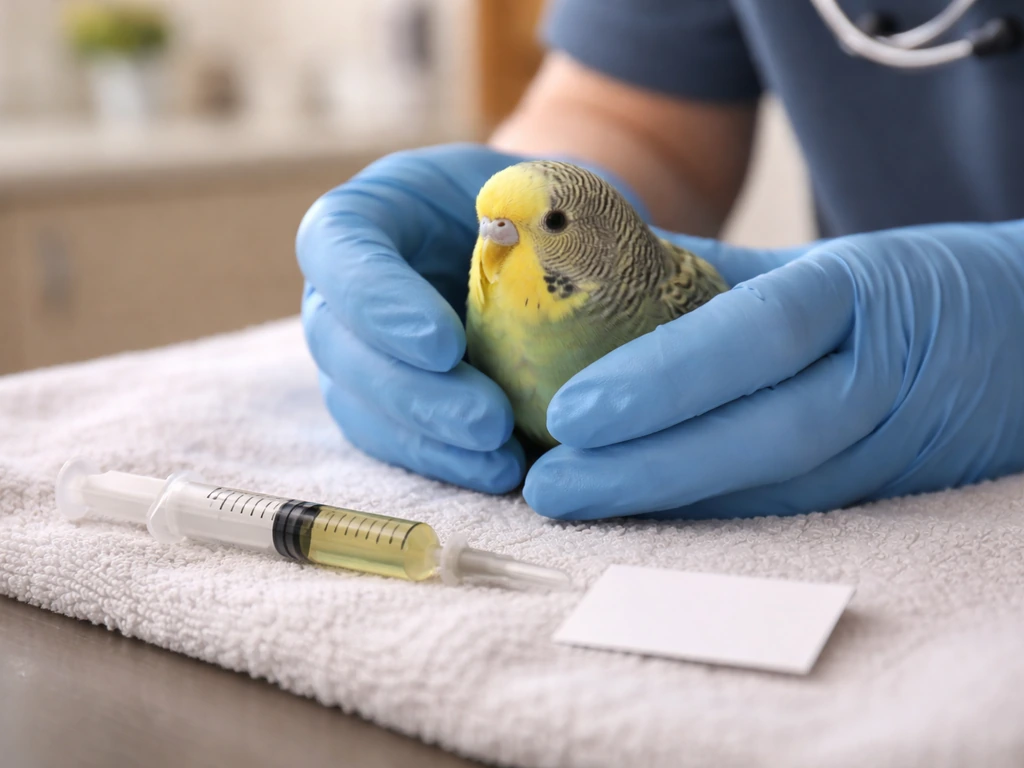
Oral liquid suspension is the standard route for most birds outside of a clinical setting. Use a small syringe (0.5 mL or 1 mL) and deliver the dose gently into the side of the beak, not squirted down the throat, to reduce the risk of aspiration. Give the dose at consistent intervals. If your vet has prescribed twice daily, aim for roughly 12 hours apart. Do not double up on a missed dose. Short courses of 3 to 7 days are typical for acute pain and injury; chronic use requires closer monitoring.
Keep handling to a minimum. Medicating a bird is inherently stressful, and stress itself worsens outcomes in sick or injured birds. Merck notes that the difficulty of medicating birds and the stress of administration are real clinical concerns. If the bird is already weak or in shock, even a correct dose of meloxicam given stressfully can push it further into crisis.
Monitor the bird closely after each dose. Specifically watch for changes in droppings (color, consistency, volume), eating and drinking behavior, energy level, posture, and breathing. A bird that was alert and eating but goes quiet and hunched within hours of a dose is telling you something is wrong. Normal droppings should have a solid green or brown portion, a white urate portion, and some liquid. Changes from that baseline are meaningful.
Side effects and red flags that mean stop now
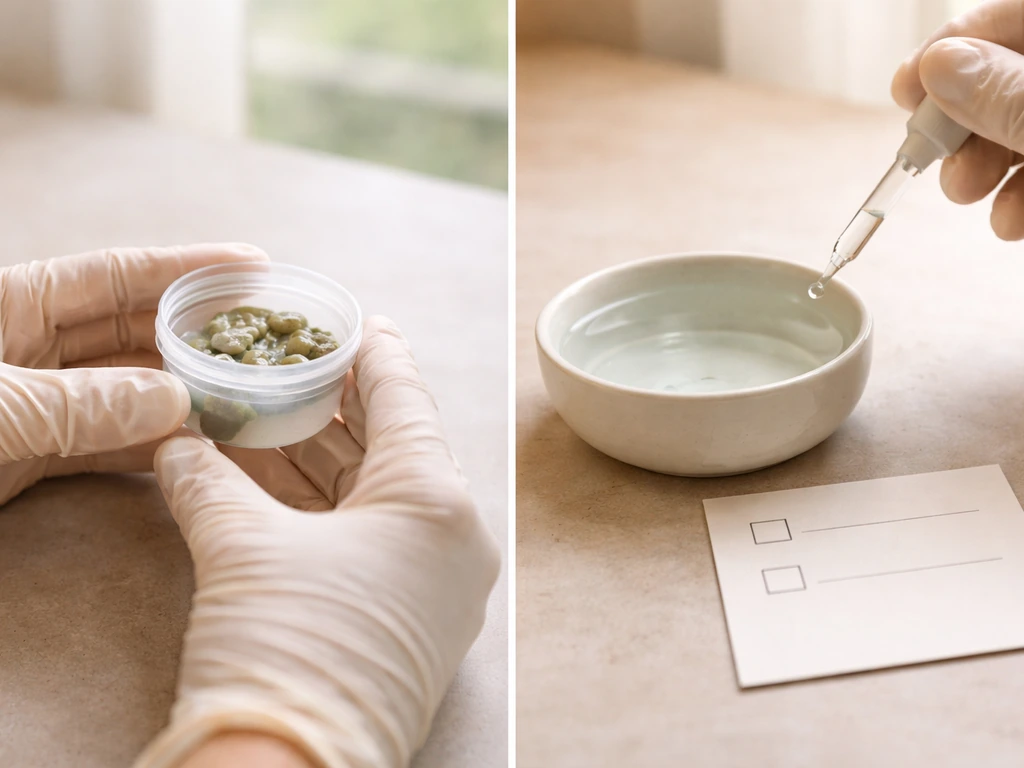
The two biggest NSAID risks in birds are gastrointestinal ulceration and kidney toxicity. GI bleeding can be occult at first, meaning you will not always see obvious blood. Watch for black, tarry, or unusually smelly droppings (melena), which indicate digested blood in the GI tract. If you see fresh red blood in droppings, stop immediately and treat it as an emergency. Published avian clinical guidance states explicitly that meloxicam should be discontinued immediately if melena or fresh blood is detected and the bird evaluated by a vet.
Kidney stress shows up as increased thirst, increased or changed urination, lethargy, or loss of appetite. Because birds eliminate most NSAIDs through the kidneys, any bird with pre-existing renal disease is at significantly elevated risk and should not receive meloxicam without careful veterinary evaluation.
- Black, tarry, or bloody droppings (stop immediately, call vet)
- Collapse, inability to perch, or sudden extreme weakness
- Labored or open-mouth breathing
- Refusal to eat or drink for more than a few hours in a small bird
- Vomiting or regurgitation
- Unusual hunching or fluffed feathers combined with non-responsiveness
- Dramatically increased or decreased urination
- Seizures or loss of coordination
Higher doses of meloxicam have been associated with gastric mucosal ulceration in some study necropsy findings, particularly in owls. That is not a reason to avoid meloxicam at correct doses, but it is a reason to stay vigilant and not escalate the dose on your own if the bird does not seem to be improving.
When not to use meloxicam, and what to do instead right now
Do not give meloxicam without a vet's guidance if the bird is already collapsed or in shock, showing signs of dehydration, has known or suspected kidney or liver disease, is very young or very small (under 30 to 40 grams), or if you are unsure of the cause of distress. A bird that appears injured from a window strike, feeder collision, or predator attack needs warmth and quiet first, not medication.
If you have found an injured wild bird and you do not have a vet-prescribed meloxicam suspension on hand, here is what to do right now instead. Place the bird in a small, ventilated cardboard box lined with a clean cloth. Keep the box warm (around 85 to 90 degrees Fahrenheit for most small birds) using a heating pad set to low under half the box, so the bird can move off heat if needed. Keep it dark and quiet. Do not offer food or water to an unconscious or severely compromised bird as aspiration is a real risk. If the bird is alert, a small shallow dish of clean water can be offered. Do not handle it more than necessary. Then contact an avian vet or licensed wildlife rehabilitator immediately.
In the US, the Wildlife Center of Virginia, your state's wildlife agency, or the National Wildlife Rehabilitators Association (NWRA) directory can connect you with a licensed rehabilitator who has access to meloxicam and knows the correct species-specific dose. This is not a workaround. It is the right answer for a wild bird.
Follow-up care and preventing injuries tied to your backyard setup
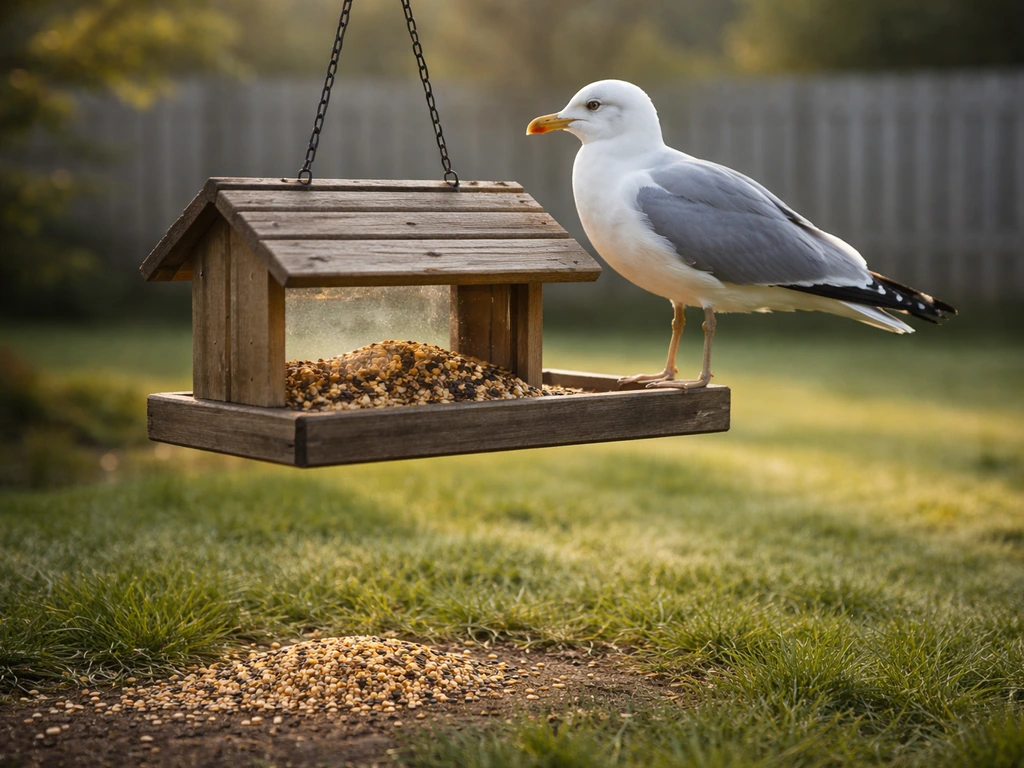
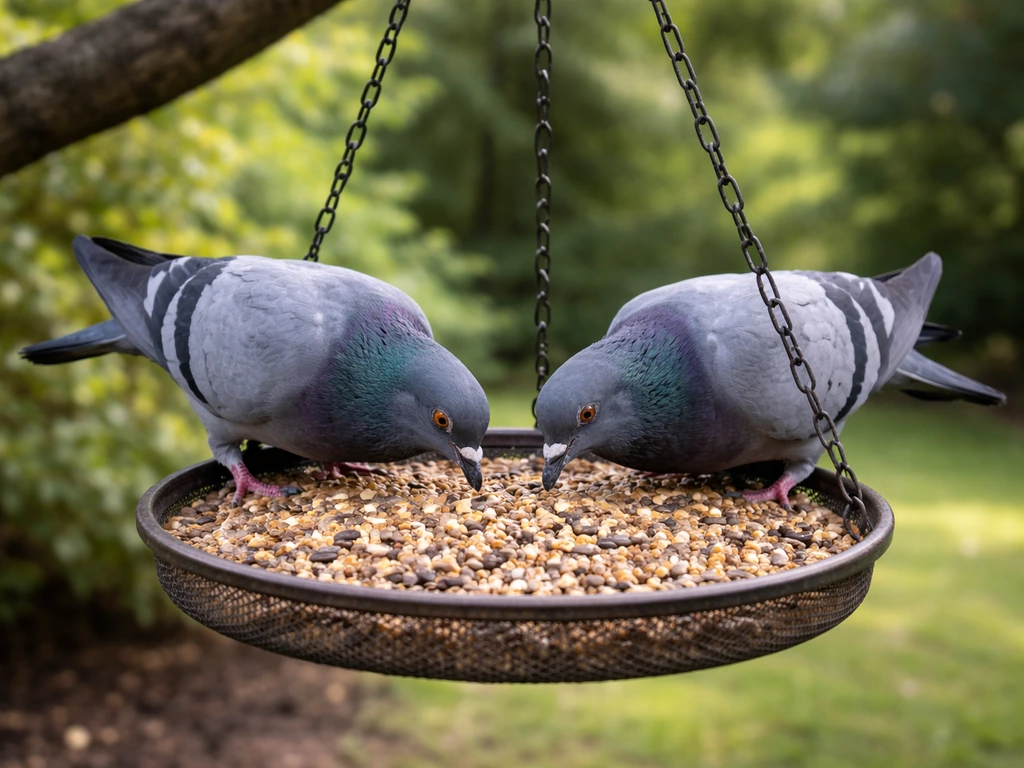
Once the immediate crisis is handled, it is worth asking what caused the injury or illness in the first place. A significant number of bird injuries connected to backyard feeders involve window strikes, mold and mycotoxin exposure from spoiled seed, toxic foods accidentally placed near feeders, or entanglement in feeder hardware. Can bird seed cause seizures in dogs? Yes, contaminated or spoiled seed and toxins from mold can potentially trigger serious neurologic signs in pets, so keep seed fresh and prevent access to spilled food mold and mycotoxin exposure. If the bird you are treating got into trouble around your yard, checking those factors is a real next step.
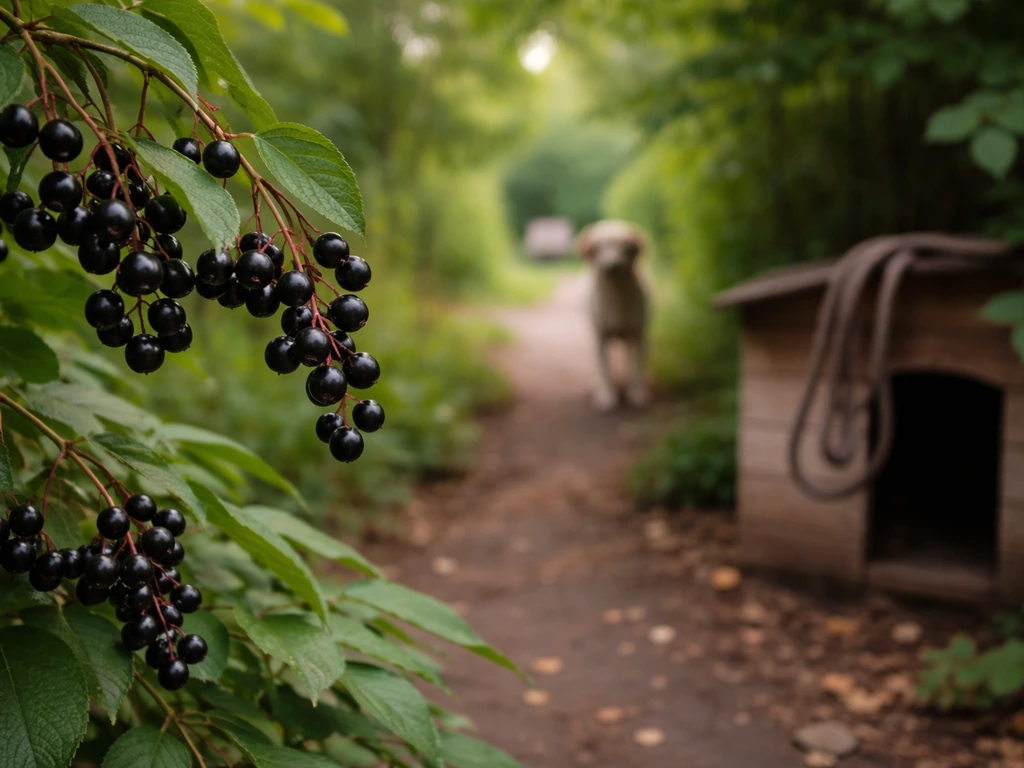
Check seed freshness by smelling it. Moldy seed has a musty or sour odor and may show visible discoloration or clumping. Mold in bird feeders is not just an aesthetic issue. Aspergillus and other molds produce mycotoxins that can cause serious illness in birds and in pets like dogs that access spilled seed. These same backyard hazards can be relevant when a dog eats berries from nearby bird-attracting plants toxic foods accidentally placed near feeders. Moldy seed exposure in dogs is actually one of the more common backyard wildlife hazards worth knowing about alongside more obvious risks. If your dog is eating bird seed, it can also be worth considering whether the dog is allergic to it or reacting to additives in the mix spilled seed.
Clean feeders with a diluted bleach solution (one part bleach to nine parts water) every one to two weeks, and let them dry completely before refilling. Remove any uneaten wet or clumped seed after rain. Position feeders away from windows using window clings or screens to reduce strike risk. If raptors are visiting your yard and injuring songbirds at the feeder, temporarily removing the feeder for a week or two often disperses the hunting pattern.
For birds receiving meloxicam on an ongoing prescription from a vet (for conditions like chronic joint pain in a pet parrot), standard monitoring should include periodic blood work to check kidney and liver function, just as you would with any long-term NSAID use in any animal. The MSD Veterinary Manual similarly highlights that managing toxicoses in pet birds relies on supportive care and species-appropriate management, with veterinary evaluation as the key next step for poisoning or toxicity scenarios standard monitoring should include periodic blood work to check kidney and liver function. Your vet may also want to see the bird every few months to assess whether the dose still fits or whether the condition has changed.
The goal here is not just to relieve pain in the moment. It is to get the bird stable, hand it to someone qualified if it is a wild animal, fix whatever environmental factor caused the problem, and set up a backyard that is genuinely safe for the birds visiting it. Meloxicam is a tool that belongs in the hands of someone who knows the bird's weight, the correct concentration of the drug, and the species-specific context. Get that information, and you will get the outcome right.
FAQ
Can I use a human liquid ibuprofen or another NSAID instead of meloxicam for a bird?
No. Meloxicam, ibuprofen, and other NSAIDs have different dosing ranges, absorption, and toxicity profiles in birds. Even if they are all “anti-inflammatories,” you can easily give the wrong amount or the wrong drug entirely, increasing the risk of GI bleeding and kidney injury.
What if my meloxicam bottle says 1.5 mg/mL, but my vet told me a dose in mg/kg, how do I avoid miscalculating?
Always do mg/kg to mg first, then convert using the bottle concentration. Weight in grams ÷ 1000 = kg, then kg × mg/kg = mg needed, then mg ÷ (mg/mL on the label) = mL to give. Recheck the label concentration every time, since different pharmacies or refills can come in different strengths.
Is it safer to give meloxicam by mixing it into food or water?
Generally no. Birds may not eat or drink enough to get a consistent dose, and you lose control of the amount. Oral liquid dosing is best delivered directly with a properly sized syringe to ensure accurate volume.
If I accidentally give too much meloxicam, what signs mean I should treat it as an emergency?
Seek urgent avian help if you notice sudden quietness, hunched posture, refusal to eat, breathing changes, black or tarry droppings (melena), fresh red blood, or increased thirst and abnormal urination. Time matters, and early GI bleeding or kidney stress can worsen quickly.
Can I give meloxicam if the bird is dehydrated or not eating yet?
Avoid doing so without veterinary guidance. Dehydration and poor intake can increase the risk of kidney injury and make it harder to monitor side effects. Stabilizing hydration and breathing first is often the priority, especially for injured wild birds.
How long should I wait to see improvement after the first meloxicam dose?
Many birds show some change within hours, but the timeline varies by species, injury type, and severity. If there is no improvement or the bird worsens, do not increase the dose on your own. Contact an avian vet for reassessment, since lack of response can mean the underlying cause is different or complications are developing.
Can I combine meloxicam with other pain meds like aspirin, ibuprofen, or steroids?
Do not combine without a vet’s direction. Other NSAIDs and corticosteroids can increase GI and kidney risk when used together or too close in time. If your bird is already on another medication, tell the avian vet exactly what and when the last doses were given.
What monitoring should I do for a pet bird on meloxicam long-term, and how often?
Daily home monitoring should focus on appetite, droppings pattern (color, consistency, urine volume), activity level, and drinking. For long-term use, periodic blood work to assess kidney and liver function is typically needed, and your vet should set the schedule based on the bird’s baseline health and the specific indication.
My wild bird is under 30 to 40 grams, can I still dose meloxicam if I have the exact weight and concentration?
Do not start meloxicam in very small birds without veterinary or licensed rehabilitator instruction. Even with correct math, the margin for error is small, and species differences and fragility increase the risk of serious adverse effects.
Should I stop meloxicam if droppings look slightly different but there is no black tarry stool or fresh blood?
If droppings shift noticeably from the bird’s baseline, treat it as a warning sign and contact an avian vet. Melena or fresh blood are urgent, but early GI irritation can show more subtle changes first. In the meantime, do not escalate the dose.
What is the safest way to hold a bird during dosing to reduce aspiration risk?
Minimize struggling and keep the bird’s head controlled so the liquid goes along the side of the beak. Avoid squirting toward the throat. If the bird coughs, gags, or has increased breathing effort, stop and seek advice promptly, since aspiration can happen even with a correct dose.