Yes, some bird berries are genuinely toxic to dogs, some are harmless, and a few fall somewhere in between. The honest answer is that 'bird berries' isn't a single plant, it's a loose nickname for any berry-producing shrub or tree that birds love to eat, and the safety for your dog depends entirely on which plant you're actually dealing with. Until you can identify the plant, treat the situation as potentially serious and act quickly.
Are Bird Berries Poisonous to Dogs? Symptoms and First Aid

Maya Henderson
11 May 2026
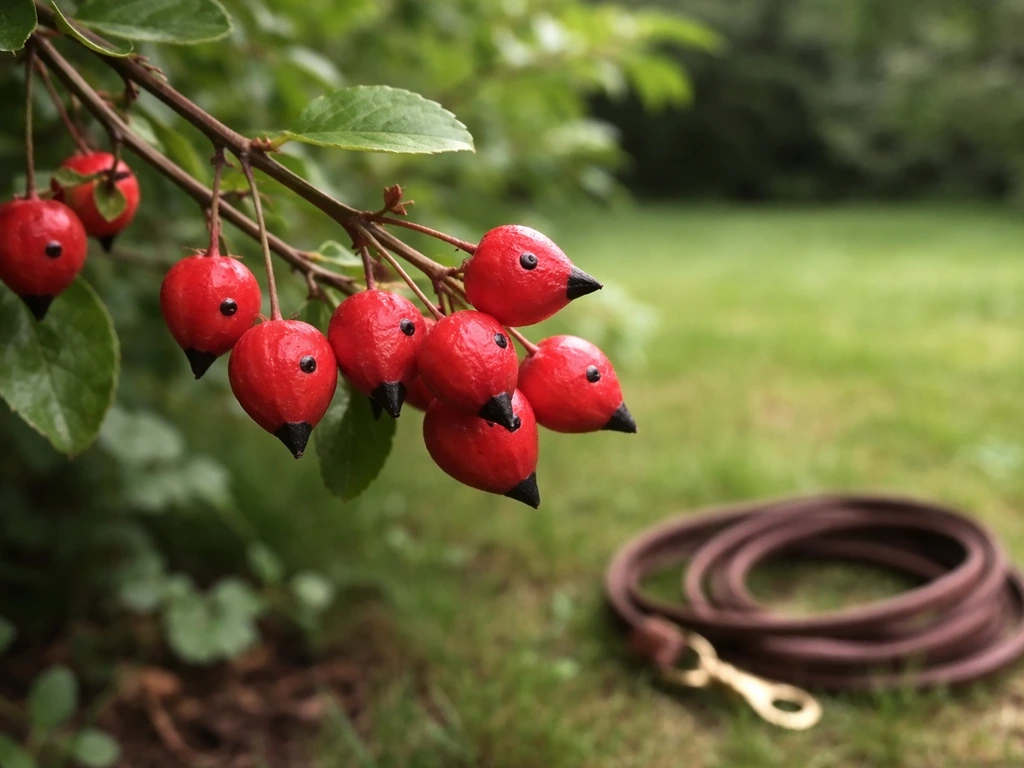
Why the answer depends on plant ID
Birds can safely eat berries that are genuinely dangerous to dogs. A bird's digestive system handles compounds like cyanogenic glycosides, oxalates, and solanine very differently from a dog's, so the fact that your backyard birds are happily snacking on something tells you almost nothing about whether it's safe for your dog. When you can't immediately name the plant, assume the risk is real and focus on identification and getting professional guidance rather than waiting to see what happens.
What 'bird berries' usually are
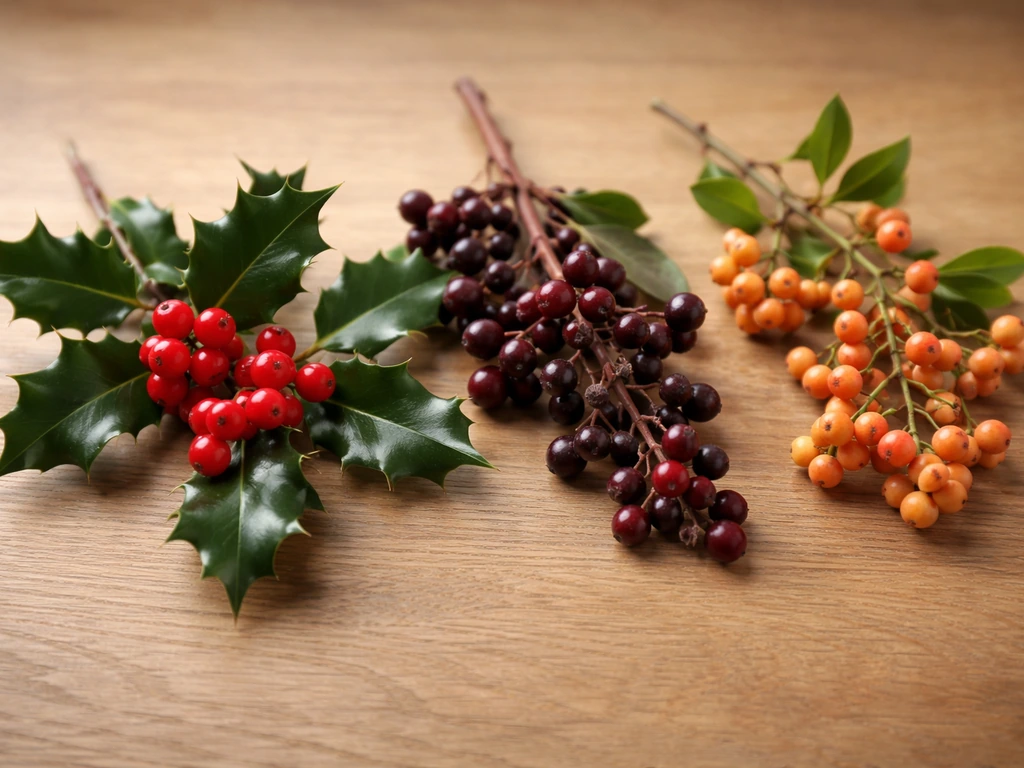
The term gets applied to a wide range of ornamental and wild plants. Some of the most common ones you'll encounter in backyards, along fences, or near bird feeders include:
- Holly (Ilex spp.): Bright red berries, extremely common in gardens and wild edges. The berries and leaves contain saponins and are toxic to dogs, causing vomiting, diarrhea, and lethargy.
- Pokeweed (Phytolacca americana): Large, dark purple-black berries that birds love. All parts of this plant are toxic to dogs, with the roots being most dangerous. Even a moderate ingestion can cause severe GI distress and neurological symptoms.
- Elderberry (Sambucus spp.): Unripe or raw elderberries contain cyanogenic glycosides. Ripe, cooked berries are different, but the raw plant in a yard presents risk.
- Bittersweet nightshade (Solanum dulcamara): Small red or orange-red berries, common in hedges and overgrown areas. Contains solanine, which can cause GI upset, tremors, and weakness in dogs.
- Cotoneaster: Low-growing or shrubby ornamental with red or orange berries. Contains cyanogenic compounds and is considered toxic to dogs.
- Pyracantha (Firethorn): Dense orange or red berry clusters, very popular in landscaping. Mildly toxic to dogs, typically causing GI irritation.
- Viburnum: Many species produce red or black berries that birds eat. Toxicity varies by species, so identification matters here.
- Mistletoe: White berries, often seen in winter landscapes. Contains lectins and phoratoxins that can cause serious cardiovascular and GI effects in dogs.
- Yew (Taxus spp.): Red berry-like structures (arils) with an extremely toxic seed inside. Even a small amount can cause rapid cardiac arrest in dogs.
- Serviceberry/Juneberry (Amelanchier spp.) and native crabapples: Generally low-toxicity, but seeds contain cyanogenic compounds in small amounts.
Bird cherry (Prunus padus) is another plant that comes up often in this context and is worth knowing about separately, since it carries cyanogenic compounds in its seeds and bark. If you're not sure whether what your dog ate was bird cherry specifically, that's a plant that warrants a call to poison control regardless of how many berries were eaten.
Beyond natural plant toxins, there are secondary risks to consider. Fallen or rotting berries can ferment and cause alcohol-like intoxication in dogs. Berries near feeders or in gardens may have been treated with pesticides or fertilizers. Moldy fruit presents its own hazard, since certain mold strains produce mycotoxins that can trigger neurological symptoms. These are real risks even if the berry itself is not technically poisonous.
Do this right now if your dog ate berries
Speed matters here, especially if the berries were from a plant you can't name. Here's what to do immediately:
- Remove your dog from the area so they can't eat more berries.
- Do not induce vomiting on your own. Home methods like salt, syrup of ipecac, or using your fingers to stimulate the throat are not safe and can cause additional harm. Let a vet or poison control direct you.
- Try to identify the plant. Take photos of the berries, leaves, stems, and any bark. If you can safely collect a sample or a single intact berry in a bag, do so for the vet.
- Estimate how many berries were eaten and when. Even a rough number helps the vet assess risk.
- Check your dog's mouth for berry remnants, staining, or any signs of swelling or irritation, but don't try to induce vomiting.
- Call ASPCA Animal Poison Control at (888) 426-4435 or Pet Poison Helpline at (855) 764-7661. Both lines are available 24/7. Have your dog's weight, age, breed, and the information you gathered ready.
- If your dog is already showing symptoms (vomiting, trembling, collapse, difficulty breathing), skip the hotline and go directly to an emergency vet.
Symptoms to watch for and how quickly they appear

Symptoms can appear anywhere from within 30 minutes to several hours after ingestion depending on the plant, the amount eaten, and your dog's size. Some toxins like those in yew can act extremely fast. Others, like oxalate crystals, cause immediate oral irritation. Here's what to watch for:
| Symptom category | Specific signs | Possible cause |
|---|---|---|
| Gastrointestinal | Vomiting, diarrhea, drooling, loss of appetite, abdominal pain | Most berry toxins, GI irritants, fermenting fruit |
| Neurological | Tremors, seizures, disorientation, loss of coordination, muscle weakness | Solanine, cyanogenic compounds, mycotoxins from mold |
| Cardiovascular | Rapid or irregular heartbeat, pale gums, sudden collapse | Yew, mistletoe, oleander (if present in mix) |
| Respiratory | Labored breathing, gasping | Severe poisoning, aspiration after vomiting |
| Oral/local | Pawing at mouth, drooling, swelling of lips or tongue | Oxalate crystals, corrosive berries, pyracantha |
| Behavioral | Sudden lethargy, hiding, unresponsiveness, agitation | Any systemic toxin affecting the nervous system |
Even if your dog seems totally fine for the first hour, keep watching for at least 4 to 6 hours. Some toxins have a delayed onset. If you're unsure, calling poison control to describe the plant and symptoms is always the right call.
When to go straight to the ER
Call the emergency vet immediately, without stopping to call a hotline first, if your dog is showing any of these signs:
- Seizures or uncontrolled trembling
- Collapse or inability to stand
- Difficulty breathing or gasping
- Pale, white, blue, or gray gums
- Rapid or irregular heartbeat that you can feel
- Severe vomiting that won't stop
- Loss of consciousness or extreme unresponsiveness
You should also go directly to emergency care if you know or strongly suspect your dog ate yew berries, mistletoe, or pokeweed in any amount. These plants carry serious enough risk that waiting for symptoms is not the right approach. For any unidentified berry, if your dog is small, a puppy, elderly, or has existing health issues, err on the side of going in rather than watching and waiting.
What the vet will likely do
There's no universal antidote for berry poisoning, so treatment is mostly supportive, meaning the vet stabilizes your dog, manages symptoms, and helps the body clear the toxin. If you are also dealing with medication exposure, a vet may need the exact meloxicam bird dose details to determine the safest next steps. What that looks like in practice depends on what was eaten and how recently.
If your dog comes in within a couple of hours of ingestion and is not already showing severe symptoms, the vet may induce vomiting using a safe, controlled method. This is a clinical decision, not something to do at home. Inducing vomiting is not appropriate if the dog is already convulsing, if there's a risk of aspiration, if the swallowing reflex seems compromised, or if the substance was corrosive or acidic. The vet will make that call based on what you tell them.
Activated charcoal may be given to bind toxins in the gut, typically when a patient presents within one to two hours of ingestion. It's a clinician's decision and isn't appropriate in all situations, particularly when there's a vomiting or aspiration risk. Don't try to administer charcoal at home without direct veterinary instruction.
Beyond decontamination, the vet may administer IV fluids to support kidney and liver function and correct dehydration, anti-nausea medications, medications to control tremors or seizures if needed, and supportive monitoring of heart rate and bloodwork. If you notice tremors, seizures, or other neurological signs, tell the vet right away because some berry-related toxins can trigger them. For most mild-to-moderate berry ingestions where the dog is otherwise healthy, the prognosis is good with prompt care. The cases that go badly are usually ones where treatment was delayed or where a highly toxic plant like yew was involved.
Making your bird-friendly yard safer for dogs
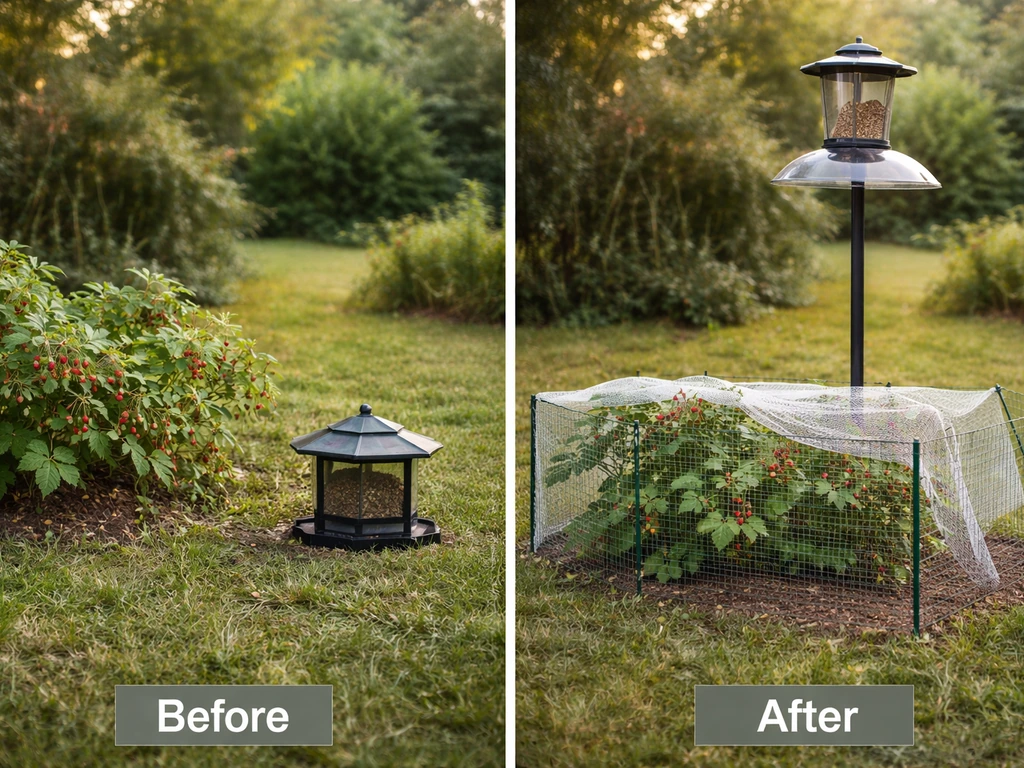
If you run bird feeders or plant for wildlife, keeping your dog safe takes a bit of deliberate planning. Fallen fruit and berries near feeders are a constant temptation for dogs, and the area around a feeder is often exactly where a curious dog wants to sniff around. If you also suspect your dog may react to bird seed, keep an eye out for itching, hives, vomiting, or diarrhea and contact your veterinarian for guidance bird feeders.
- Place feeders in areas your dog can't access unsupervised, such as behind a garden gate or on a raised deck section blocked from dog traffic.
- Clean up fallen berries and fruit regularly, especially from high-traffic bird plants like holly, pyracantha, and elderberry.
- Swap out the most dangerous ornamental berry plants near dog zones for bird-friendly but dog-safer options. Native serviceberry and crabapple are lower risk than yew or pokeweed.
- Avoid using pesticides or fertilizers on or near berry-producing plants that your dog can reach.
- If you maintain brush piles or hedgerows for wildlife, check for pokeweed and bittersweet nightshade, which self-seed aggressively, and remove them from areas where your dog roams.
- Monitor for fermenting or moldy fallen fruit under any berry tree or shrub. Fermented berries can cause rapid intoxication in dogs, and moldy fruit can trigger neurological symptoms, a risk worth knowing about if you're also looking into whether bird seed residue or mold around feeders might affect your dog.
The goal isn't to strip your yard of every bird-attracting plant. It's to know which ones are in your space, manage access thoughtfully, and have a plan ready if your dog gets into something they shouldn't. Keeping the ASPCA Poison Control number (888) 426-4435 saved in your phone means you're not scrambling for it when you need it.
FAQ
Can I tell which bird berries are poisonous just by looking at the berries or leaves?
Not reliably. Many toxic and non-toxic species can look similar, and toxins can be concentrated in specific plant parts (seeds, bark, stems). If you cannot positively identify the plant, treat it as potentially dangerous and contact an emergency vet or poison control with a clear description or photos.
If my dog only ate one berry, do I still need to worry?
It can still be serious, because toxicity depends on the specific plant, the dose relative to your dog’s weight, and which part was eaten. Small dogs, puppies, and seniors should be treated more urgently, even for small amounts. When the plant is unknown, calling for guidance is the safest move.
What should I do if my dog vomited after eating berries?
Do not assume everything is fine. Vomiting can happen for many reasons, and some toxins cause symptoms that may start later. Call the vet or poison control and tell them how many berries were eaten, when vomiting occurred, and whether your dog still seems nauseated or unwell.
Should I induce vomiting at home if I catch my dog eating berries?
No. Inducing vomiting depends on the suspected plant and the risk of aspiration, corrosive injury, or a compromised swallowing reflex. Use only veterinary or poison control instructions, because doing it incorrectly can make things worse.
Is activated charcoal safe to give at home for berry poisoning?
Only with direct veterinary or poison control guidance. Charcoal is not appropriate in every situation, especially if there is vomiting risk or concern for aspiration. Getting the right timing and dosing matters, and clinicians also consider the specific toxin.
How long should I monitor my dog after berry ingestion before assuming they are okay?
Plan for at least 4 to 6 hours of close observation, and longer if you cannot identify the plant or if symptoms start late. Some toxins act quickly, others have delayed effects, and your vet may advise extended monitoring based on the suspected species.
What information should I have ready when I call poison control or the emergency vet?
Share your dog’s weight, age, and any medical conditions, plus the exact time of ingestion, estimated number of berries or portion size, and whether the dog ate leaves, stems, or seeds. If possible, provide photos of the plant and the berries, and mention any signs you have noticed (drooling, tremors, vomiting, diarrhea, weakness).
Does the danger change if the berries were fallen, rotting, or fermented?
Yes. Fallen or rotting fruit can ferment and cause alcohol-like intoxication, and it can also worsen stomach upset. Moldy fruit adds a separate risk from mycotoxins that can trigger neurological symptoms, so rotting or moldy berries should not be treated as automatically harmless.
What if I suspect the berries were near pesticides or fertilizer?
That adds an exposure pathway beyond plant toxins. Tell the vet the location (near garden beds, along fence lines, treated turf), what products were recently used if you know, and when ingestion happened. This can change treatment priorities and the recommended monitoring for organ irritation.
Should I bring the plant to the vet or save the berries?
If it is safe and you can do it quickly, saving a small sample or taking clear photos can help identification. Do not delay care to collect items, and avoid handling unknown plants without gloves, especially if you are also worried about pesticide contamination.
Are yew berries the same as “bird berries,” and what makes them different?
Yes, yew is often included in casual discussions about “bird berries,” but it is uniquely high-risk. If you know or strongly suspect yew, do not wait for symptoms, because onset can be extremely fast. Immediate emergency care is recommended even for small amounts.
Next Articles
Meloxicam Bird Dose: Vet-Guided Safety, Timing, and Alerts
Vet-guided meloxicam dosing for birds, weight-based timing, risks, red flags, and urgent care steps if toxic.
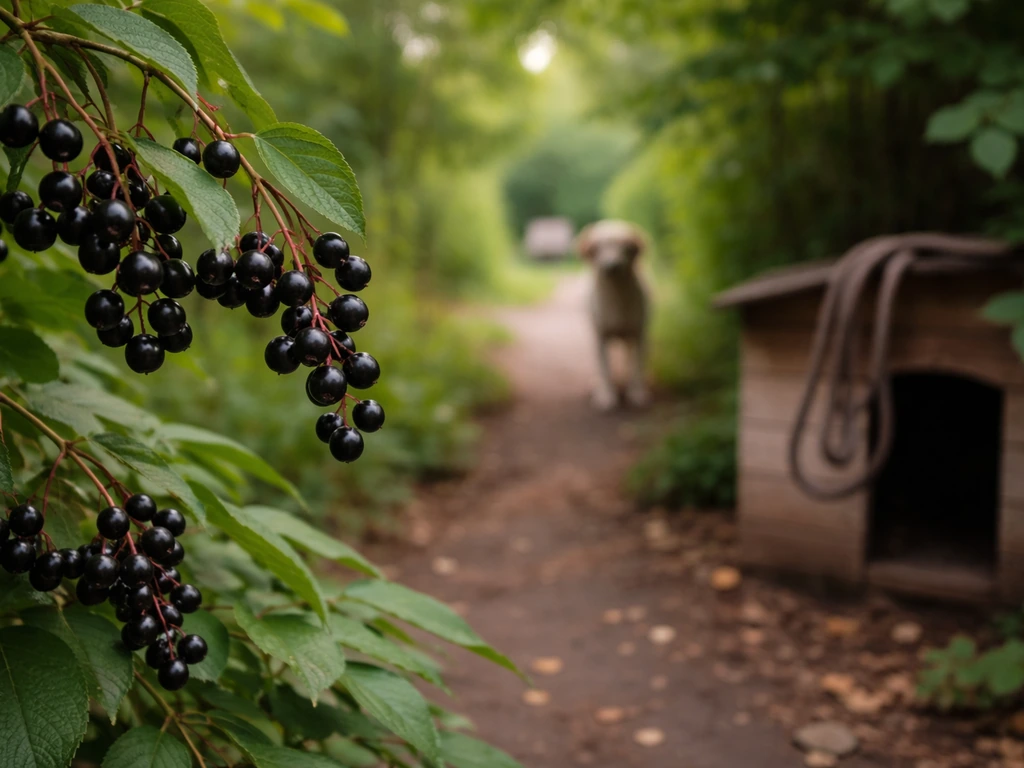
Is Bird Cherry Poisonous to Dogs? What to Do Now
Learn if bird cherry is poisonous to dogs, how exposure happens, key symptoms, and what to do immediately after ingestio

Do Seagulls Eat Bird Seed? How to Stop Them
Yes, seagulls often eat bird seed. Learn why they show up and how to block them while keeping feeding safe.