Bird seed is not toxic or poisonous to humans in the way that, say, a household chemical is. If a child grabs a handful and eats it, or you accidentally ingest some while filling a feeder, the seed itself is very unlikely to seriously harm you. Most bird seed is made from grains, seeds, and nuts that humans eat all the time: sunflower seeds, millet, safflower, peanuts, corn. That said, 'not toxic' does not mean 'totally harmless.' The real risks come from what can be on the seed, not the seed itself. Mold, bacteria, dust, and occasionally pesticide residues are the actual concerns, and those risks scale up with the amount consumed, the condition of the seed, and who is doing the eating.
Is Bird Seed Safe for Humans Toxic or Poisonous?
Maya Henderson
22 Mar 2026
Is bird seed actually toxic or poisonous to humans?
Plain, fresh bird seed is not classified as a poison. There is no ingredient in a standard wild bird seed mix that is inherently toxic to people. Sunflower seeds, milo, millet, safflower seeds, cracked corn, and peanuts are all human-edible foods in their natural form. So if someone calls bird seed 'poisonous,' that is an overstatement for the seed itself.
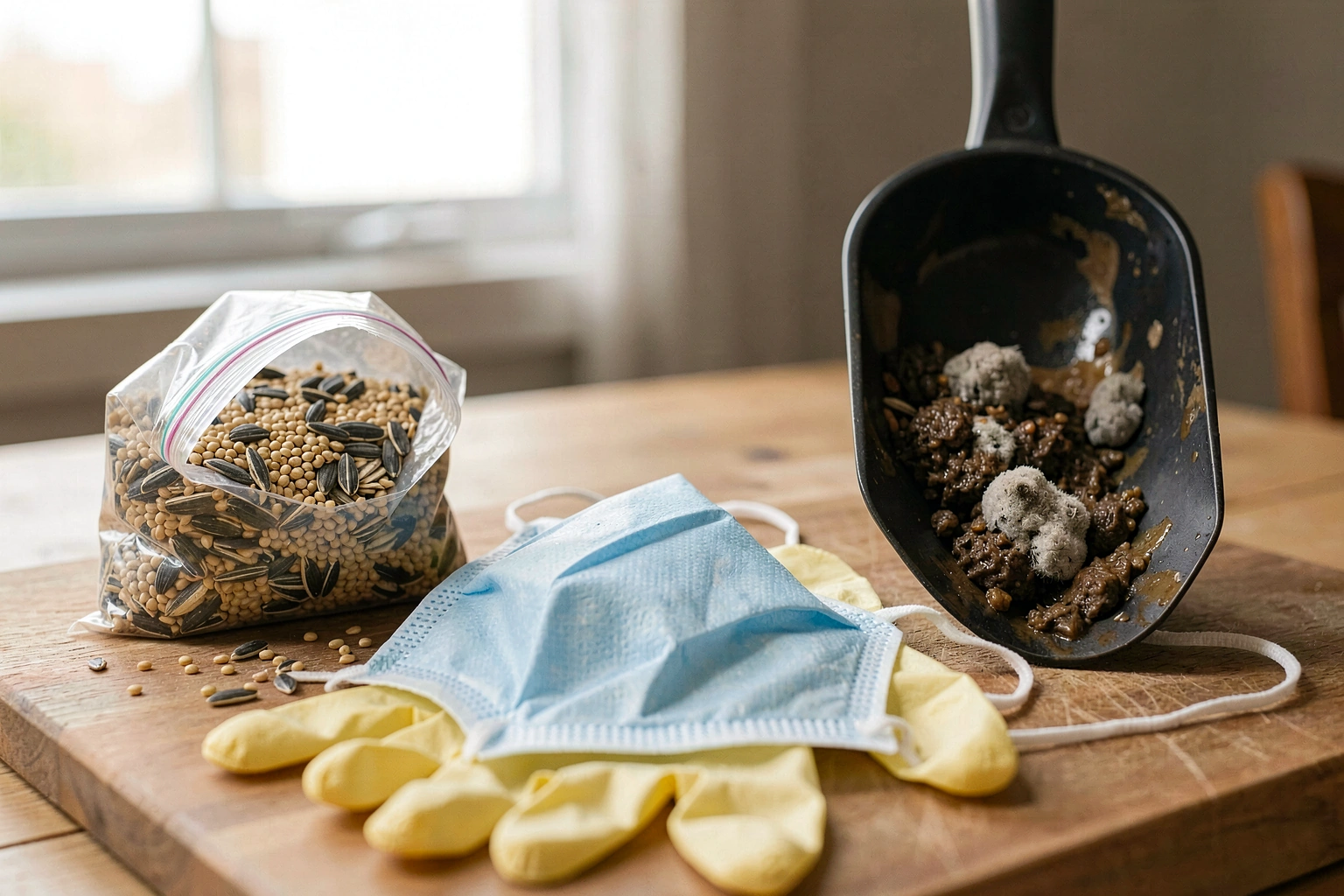
The nuance is this: bird seed is not manufactured or regulated with human consumption in mind. It is not cleaned, processed, or stored to food-grade standards. That gap is where the risk lives. Old, wet, or poorly stored seed can carry mold, fungal spores (including those that produce mycotoxins), and bacteria. Some commercial seed mixes also contain additives or are treated with substances not intended for human ingestion. So the honest answer is: fresh, clean bird seed accidentally eaten in small amounts is very low risk. Old, moldy, or wet seed is a different story.
The main ways people actually get exposed
Exposure to bird seed happens in a few different ways, and the risk level changes depending on how it happened. Here are the most common scenarios:
A child or toddler eating bird seed
This is the most common reason people search this topic. A toddler grabs a handful from a bag or a low feeder and eats it. In most cases with fresh, clean seed and a small amount, the main physical risk is a minor stomach upset at most. The bigger worry is choking, especially with whole sunflower seeds or peanuts for very young children. If the seed was old, moldy, or smelled off, the contamination risk is higher and warrants a call to Poison Control.
An adult eating it accidentally
Adults occasionally eat bird seed accidentally, usually by mistaking it for trail mix or a snack bag, or by touching seed and then touching food or their mouth. A small accidental amount of clean seed is almost certainly not going to cause a problem. A larger amount, or any amount of seed that had visible mold, a rancid smell, or was waterlogged, raises the concern level.
Skin and eye contact
Handling bird seed and then touching your eyes is a real irritation risk, especially if you were handling dusty or moldy seed. Mold spores and fine dust particles can irritate eyes, skin, nose, and throat in both allergic and non-allergic people. This is not the same as poisoning, but it is worth taking seriously.
Inhaling dust from bird seed
Pouring or scooping dry bird seed kicks up fine dust and mold spores. Inhaling this regularly, or inhaling a lot of it at once from stale or moldy seed, can irritate your respiratory tract. People with asthma, allergies, or weakened immune systems are at higher risk here. Casual, occasional exposure is generally low risk for healthy adults, but anyone with a mold sensitivity should wear a mask when handling large quantities.
What to do right now if someone ate bird seed
Stay calm first. Panicking is not useful, and in most cases involving a small amount of fresh seed, you have time to think clearly. Here is what to do, step by step:
- Stop the exposure: Take the seed away from the person, move them away from the area, and make sure they are not continuing to eat it.
- Do not induce vomiting: This is important. Do not try to make the person vomit, and do not give syrup of ipecac. Follow guidance from Poison Control, not home remedies. Inducing vomiting can cause more harm in many situations.
- Rinse the mouth: Have the person spit out any remaining seed and rinse their mouth with water. Do not force them to swallow large amounts of water.
- If seed got in the eyes: Rinse the eye immediately with clean, running water for 15 to 20 minutes. Remove contact lenses first if applicable. Do not rub the eye.
- If seed dust was inhaled: Move the person to fresh air. If they are coughing, wheezing, or having trouble breathing, treat this as an urgent situation.
- Check the seed: Try to figure out the condition of the seed (fresh vs. old, moldy vs. clean) and the approximate amount eaten. This information matters a lot when you call for help.
- Call Poison Control: In the US, the number is 1-800-222-1222. You can also use the webPOISONCONTROL tool at poison.org. Do this even if the person seems completely fine. You do not have to wait for symptoms to appear.
When to call Poison Control or go to the ER
Poison Control (1-800-222-1222 in the US) is always the right first call after any exposure you are unsure about. Guidance from Poison Help and poison.org is clear: call even if the exposure seems minor, and do not wait for symptoms to show up before calling. It is always OK to call, the service is free, and you will get expert guidance specific to the situation.
That said, there are specific situations that require either an immediate call or going straight to emergency care:
- The seed was visibly moldy, had a foul or rancid smell, or was wet and clumped together
- A young child ate more than a very small amount
- The person is showing symptoms: nausea, vomiting, stomach pain, diarrhea, skin rash, eye irritation that does not clear up
- There are any respiratory symptoms after inhalation, including wheezing, chest tightness, or shortness of breath
- The person has a known mold allergy, asthma, or a weakened immune system
- You are unsure whether the seed contained any additives, pesticide treatments, or other substances
- The person is a young child and you are not sure how much was eaten
- Eye rinsing for 15 to 20 minutes has not resolved the irritation
If the person is unconscious, having a seizure, or cannot breathe, call 911 immediately, not Poison Control.
The real risks: what can actually be on bird seed
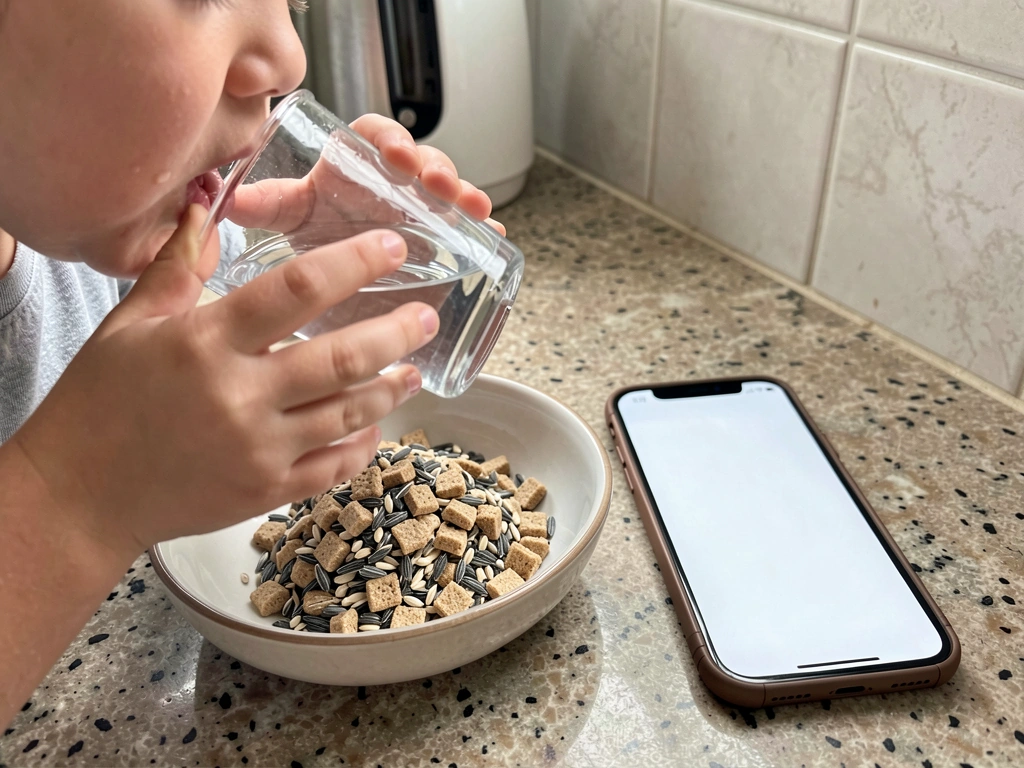
Understanding what makes bird seed potentially harmful helps you judge your specific situation more accurately. Here are the main contaminants to know about:
Mold and mycotoxins
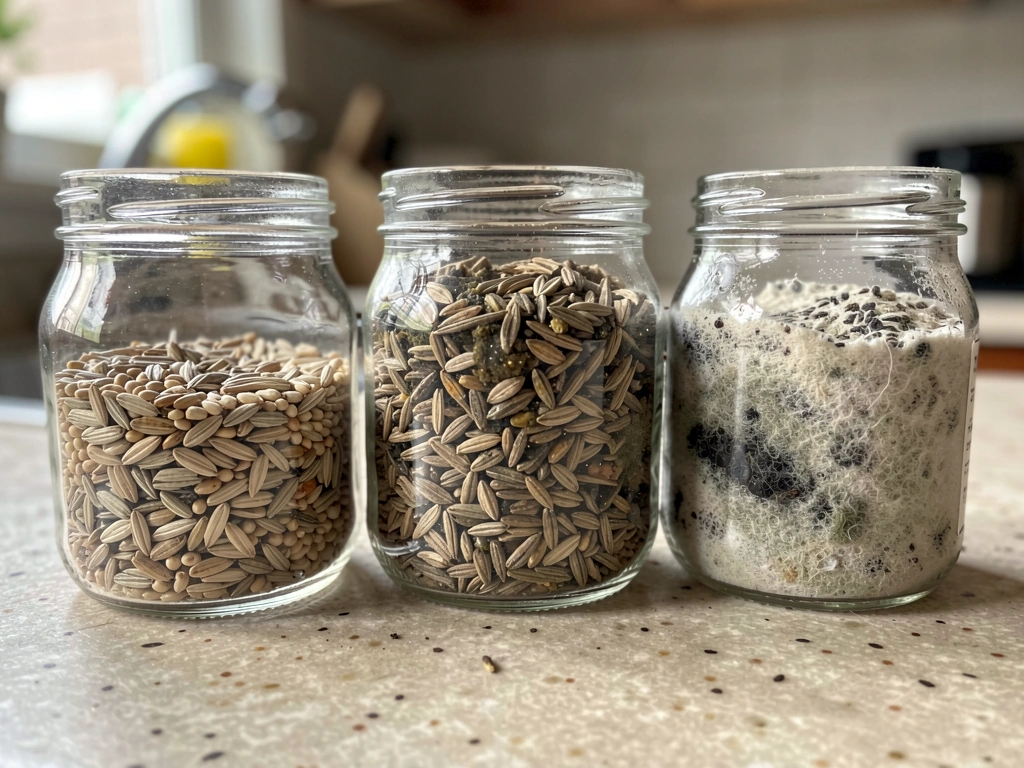
This is the biggest concern. Mold grows on grains and seeds when they get wet or are stored in humid conditions. Some molds produce mycotoxins, chemical compounds that can cause real harm if ingested. The FDA monitors mycotoxins in human food specifically because of this risk with grain-based products. Bird seed is not held to those same standards, so moldy bird seed is a genuine hazard. Even without ingestion, inhaling mold spores from dusty or damp seed can irritate the eyes, nose, throat, and lungs. In people with allergies or compromised immune systems, mold exposure carries a higher risk of serious respiratory illness.
Bacteria
Wet or old seed sitting in outdoor feeders can harbor bacteria. This is one reason bird seed experts consistently recommend discarding any seed that has become wet, clumped, or foul-smelling. If someone eats seed that has been sitting in a feeder (especially an outdoor one that has been rained on), bacterial contamination is a real possibility.
Pesticide residues and chemical treatments
Some bird seed is grown with pesticides, and while residue levels are typically low, bird seed is not washed or processed to reduce those residues the way human food is. Some specialty bird seed mixes also contain additives like hot pepper (capsaicin, to deter squirrels) or other substances. Capsaicin in large amounts can irritate the mouth and digestive tract, though it is not acutely toxic. Check the product label if you are trying to identify what the seed contained.
Dust and fine particles
Dry bird seed produces a fine dust when handled. This is a mechanical irritant, not a chemical one, but it can still irritate the respiratory tract and eyes, especially with large quantities or extended exposure.
How to prevent this from happening again
If a child or pet got into your bird seed, or if you are regularly handling it and want to reduce your own exposure risk, a few simple changes make a big difference.
Storage
If you want to read more about how bird seed spoils over time, there is useful detail in articles on whether bird food expires and whether bird seed can go bad, and whether bird food expires.
Keeping it away from kids
Store bird seed in a latched container or a cabinet that young children cannot access. Keep outdoor feeders high enough that toddlers cannot reach them. If you have indoor pet birds, keep seed containers closed and stored separately from snack foods so there is no accidental mix-up.
Safe handling for adults
Wash your hands thoroughly after handling bird seed, before touching food or your face. If you are handling large quantities or seed that looks dusty or old, wear a dust mask and gloves. Scoop seed slowly to reduce the amount of dust you kick up. Clean up spills promptly rather than letting seed sit on the floor or ground where a child or pet can access it.
Discarding bad seed safely
Any seed that is moldy, rancid-smelling, wet, or clumped should go straight in the trash, not back in storage. If you are deciding whether to leave food in your bird cage, the safest approach is to remove old seed promptly and clean the cage regularly to prevent spoilage and mold should i leave food in my bird cage. Seal it in a bag before throwing it away to reduce spore exposure. Do not compost moldy bird seed. If you are cleaning out a feeder that had old or moldy seed in it, do that outdoors and wear a mask.
Quick reference: risk level by scenario
| Scenario | Risk Level | Recommended Action |
|---|---|---|
| Child ate a few pieces of fresh, clean seed | Very low | Rinse mouth, monitor, call Poison Control if unsure |
| Adult accidentally ate small amount of fresh seed | Very low | Rinse mouth, monitor for symptoms |
| Anyone ate moldy, wet, or foul-smelling seed | Moderate to high | Call Poison Control immediately (1-800-222-1222) |
| Seed got in the eyes | Low to moderate | Rinse with running water 15 to 20 minutes, call Poison Control |
| Inhaled dust from fresh seed briefly | Very low | Move to fresh air, monitor |
| Inhaled dust from moldy or heavily dusty seed | Moderate (higher for allergic/asthmatic people) | Move to fresh air, call Poison Control or doctor |
| Large amount eaten (any condition) | Moderate to high | Call Poison Control immediately |
| Seed touched skin only, no visible reaction | Very low | Wash skin with soap and water |
The bottom line: bird seed is not a poison, but it is not a snack either. A tiny accidental taste of clean seed is almost certainly fine. Old, wet, or moldy seed is a real concern regardless of who ate it. When in doubt, call Poison Control at 1-800-222-1222. That call is free, fast, and takes the guesswork out of the situation entirely.
FAQ
If someone swallows bird seed, what symptoms should I watch for, and when do they matter?
For small accidental amounts of clean seed, symptoms are usually limited to mild stomach upset (nausea, mild cramps, loose stool) and possible choking risk, especially in toddlers. Eye or throat irritation can show up faster if dusty or moldy seed was involved. If there is trouble breathing, repeated vomiting, severe coughing, drooling, lethargy, or any sign of aspiration, treat it as urgent and call emergency services. For any unclear exposure or larger amount, call Poison Control rather than waiting to see what happens.
Is it safer to rinse or induce vomiting after eating bird seed?
Do not try to induce vomiting. In most cases of accidental, small ingestion of clean seed, there is no benefit to vomiting, and it can increase the risk of choking or aspiration. Instead, follow Poison Control guidance. If the exposure was mainly contact (hands or mouth), a thorough rinse of the mouth and washing the hands is often appropriate, but still call Poison Control if the person is a child, the seed looked moldy, or the amount is unknown.
Does it matter if the seed is for wild birds versus backyard bird feeders?
In general, the risk difference is not the bird type, it is the condition and handling. Wild-bird mixes can still include common human-food grains and seeds, so fresh and dry seed is usually low risk in small accidental tastes. Higher concern comes from seed that has sat outdoors, gotten wet, clumped, developed an off or musty odor, or produced a lot of dust that you can see or smell. If you cannot confirm freshness and dryness, treat it as higher risk.
What about birds seed with hot pepper or “squirrel deterrent” additives, is it safe if a child eats it?
Additives like capsaicin are meant to discourage animals, not to be eaten by people. A small accidental taste may cause burning in the mouth or stomach irritation, but it is typically not “toxic” like a household chemical. The important nuance is severity of symptoms and potential choking if the child swallows whole pieces. If burning is intense, there is drooling, vomiting, or the child cannot swallow normally, call Poison Control or seek urgent care.
Can bird seed make pets sick, and does that change what I should do for humans in the same home?
Birds and pets can be affected by moldy seed, dusty seed, or additives, and sick pets can be an indicator your stored seed is in poor condition. For humans, the main takeaway is practical, if the seed looks moldy or smells off and even pets are reacting, treat that seed as higher risk for inhalation and accidental ingestion. If you cleaned up a spill from moldy seed, assume you may have been exposed to spores and irritant dust.
Is inhaling the dust from bird seed dangerous for people with asthma or allergies?
It can be. Dry seed can generate fine dust that irritates eyes, nose, and throat, and mold spores can trigger more serious respiratory symptoms in sensitive individuals. If you have asthma, COPD, or known mold sensitivity, use a properly fitted mask (for example, an N95 or similar) and avoid stirring large piles. If someone experiences wheezing, shortness of breath, or chest tightness after handling seed, follow your asthma action plan and seek medical help if symptoms do not quickly improve.
My child ate a few pieces of sunflower seeds, what is the biggest concern, choking or toxins?
For whole sunflower seeds and peanuts, choking is usually the immediate, greatest concern in young children. The toxin concern is typically low if the seed was fresh and clean, but choking risk can happen even with edible seeds. Watch for persistent coughing, gagging that does not stop, wheezing, or difficulty breathing, and get emergency care if any of those occur. If the child is breathing comfortably and only a very small amount was eaten, Poison Control can still advise based on the child’s age and approximate amount.
If I find moldy bird seed, can I save the rest or just wipe the top layer?
Do not salvage or redistribute moldy seed. Mold can spread beyond what you see, and spores can be present even on surrounding pieces. The safer approach is to discard any seed that is visibly moldy, wet, clumped, or has a musty or rancid odor. Bag it before trashing to reduce spore exposure, and clean the feeder outdoors with respiratory protection if the buildup was significant.
Does touching bird seed and then touching my eyes make a chemical burn possible?
Usually it is irritation rather than a chemical burn. Dust and mold spores can cause redness, tearing, burning sensation, or gritty feeling, and the reaction can be stronger if seed was old or dusty. Rinse the eyes with clean water if contact occurs, avoid rubbing, and call Poison Control or seek medical evaluation if pain is significant, vision changes, or symptoms do not improve promptly.
How much bird seed counts as “a lot,” and when should I call Poison Control even if the person seems fine?
If the person is a child, an unknown amount was eaten, or the seed looked moldy, wet, clumped, smelled off, or was treated with additives, you should call Poison Control even if there are no symptoms yet. “A lot” is also relative, for example, a handful is more concerning than a few grains, and repeated snacking over time increases risk. Poison Control can help estimate what is likely based on age, weight, and the specific mix.
Next Articles
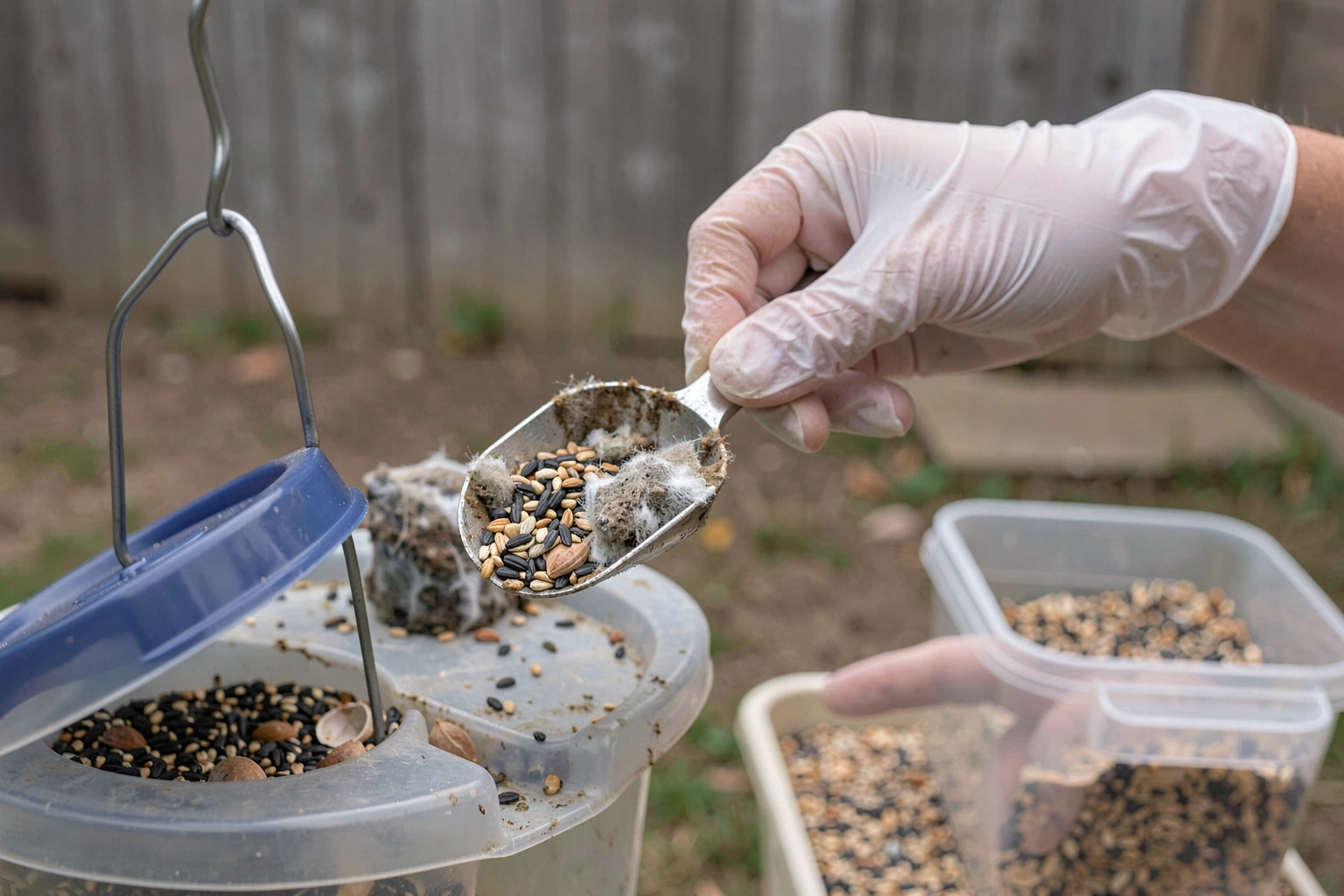
Is Moldy Bird Seed Bad for Birds? What to Do Now
Learn if moldy bird seed harms birds, what to do now, how to clean, spot illness, and prevent it from recurring.
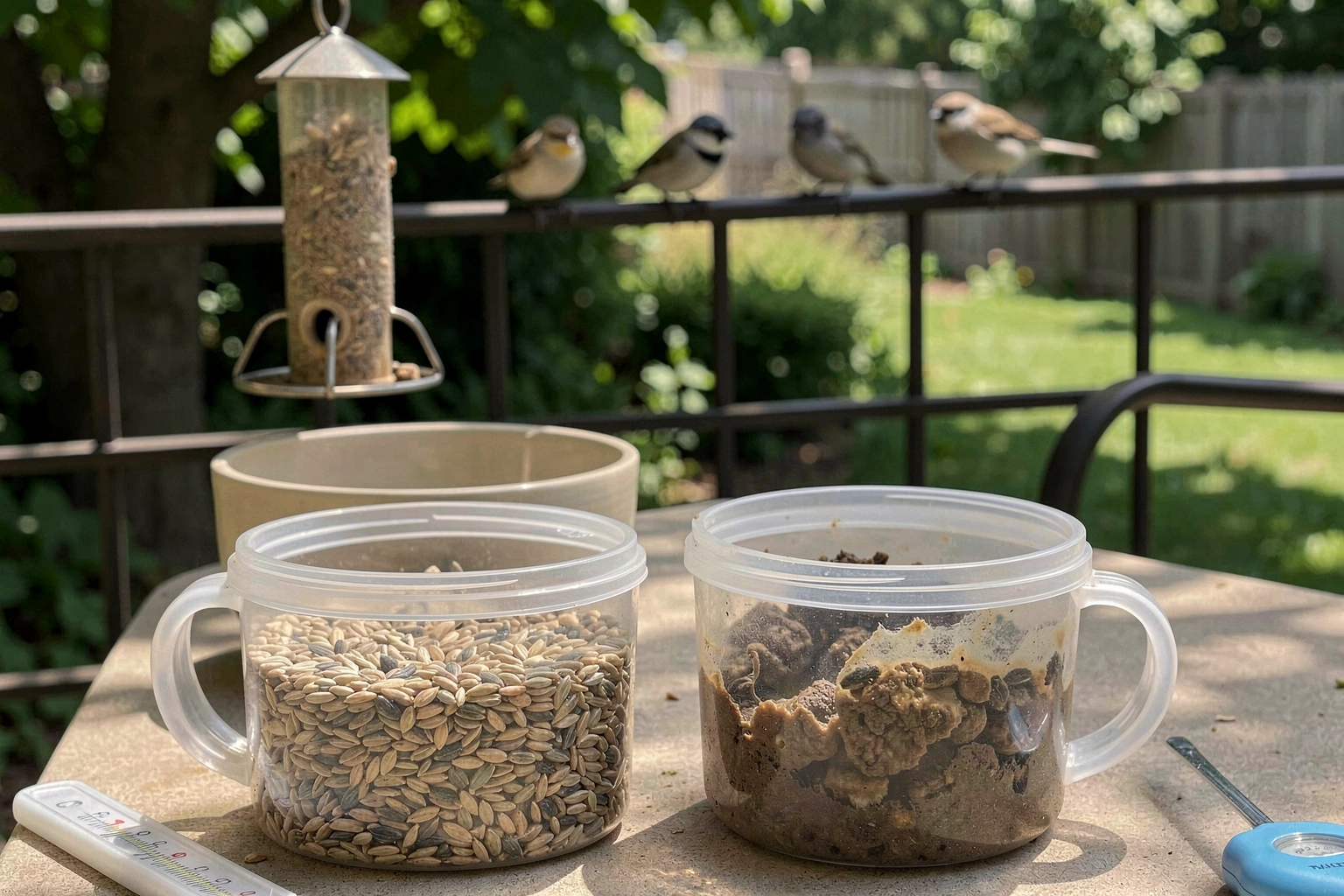
Is Hot Bird Seed Bad for Birds? What to Do Now
Hot bird seed can burn or spoil. Learn how to spot unsafe seed, fix feeding now, and switch to safer options.
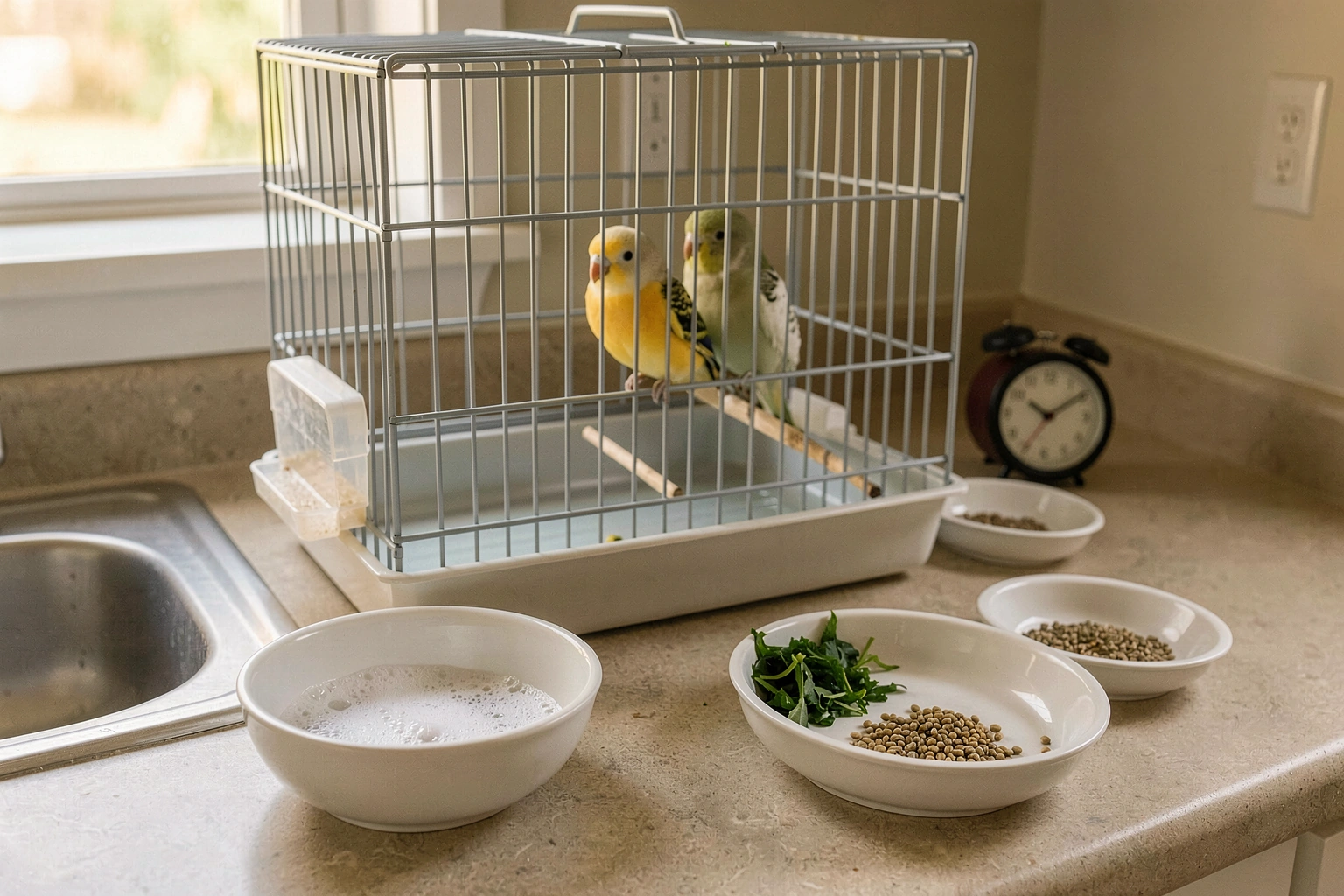
Should I Leave Food in My Bird Cage? Safe Timing Guide
Guidance on leaving food in bird cages, safe time limits, cleanup tips, and what to do if your bird won’t eat.