Yes, bird seed can absolutely go bad. It doesn't just get stale and lose appeal the way a bag of chips might. Depending on how it's stored and how long it's been sitting around, bird seed can grow mold, turn rancid, attract insects, and develop toxins that are genuinely dangerous to birds, pets, and other wildlife. The good news: a quick inspection will usually tell you whether your seed is still safe to use, and with the right storage habits, you can make a bag last a long time without problems.
Can Bird Seed Go Bad? How to Tell and What to Do

Maya Henderson
3 Apr 2026
Does bird seed expire or just get stale?
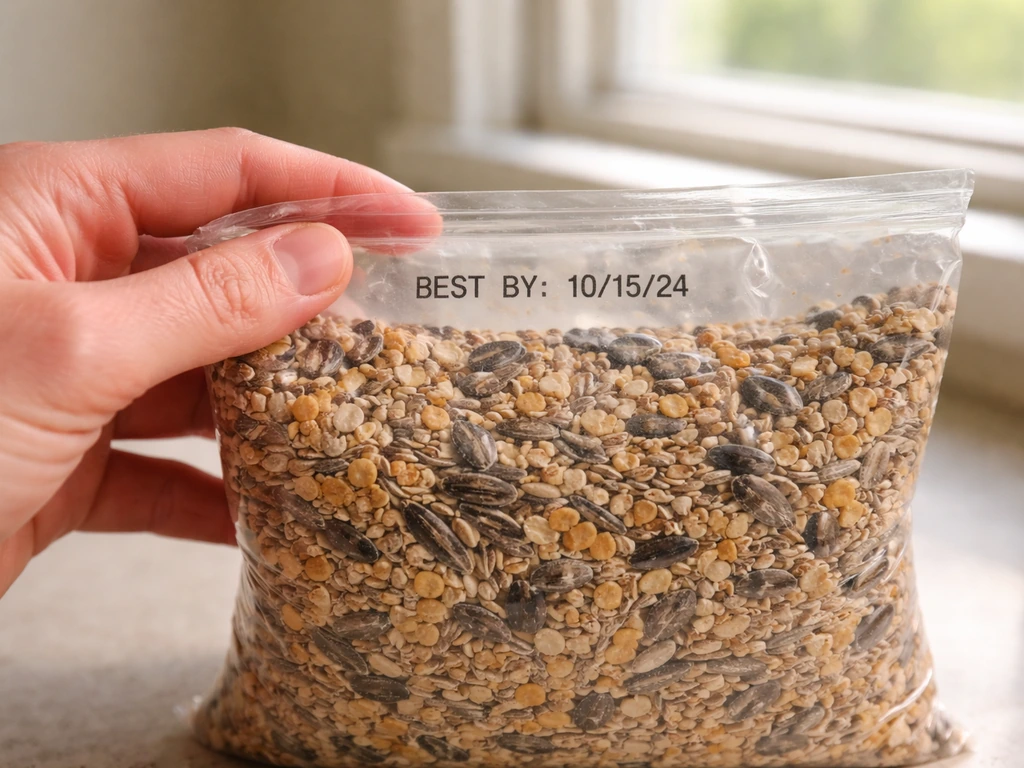
Bird seed does expire in a meaningful sense, but the date printed on the bag is usually a "best by" date rather than a hard expiration. That label is telling you when the manufacturer expects the seed to be at peak freshness and nutritional quality, not necessarily the point at which it becomes dangerous. According to Lyric Wild Bird Food, an unopened bag stored correctly in a cool, dry location has an expected shelf life of around 2 to 3 years. An opened bag, still stored properly, can last well over a year before becoming unsuitable for birds.
So the date isn't meaningless, but it isn't the whole story either. Seed stored in a damp garage through a humid summer might be unusable in three months, while seed kept in a sealed container in a cool basement could still be fine past the printed date. The condition of the seed matters more than the calendar. If you've ever wondered more broadly about does bird food expire and what that actually means in practice, the answer is: it depends heavily on storage conditions, not just the date stamp.
How bird seed spoils: mold, moisture, insects, and rancidity
There are four main ways bird seed goes bad, and it helps to understand each one because they look and smell different.
Mold and moisture
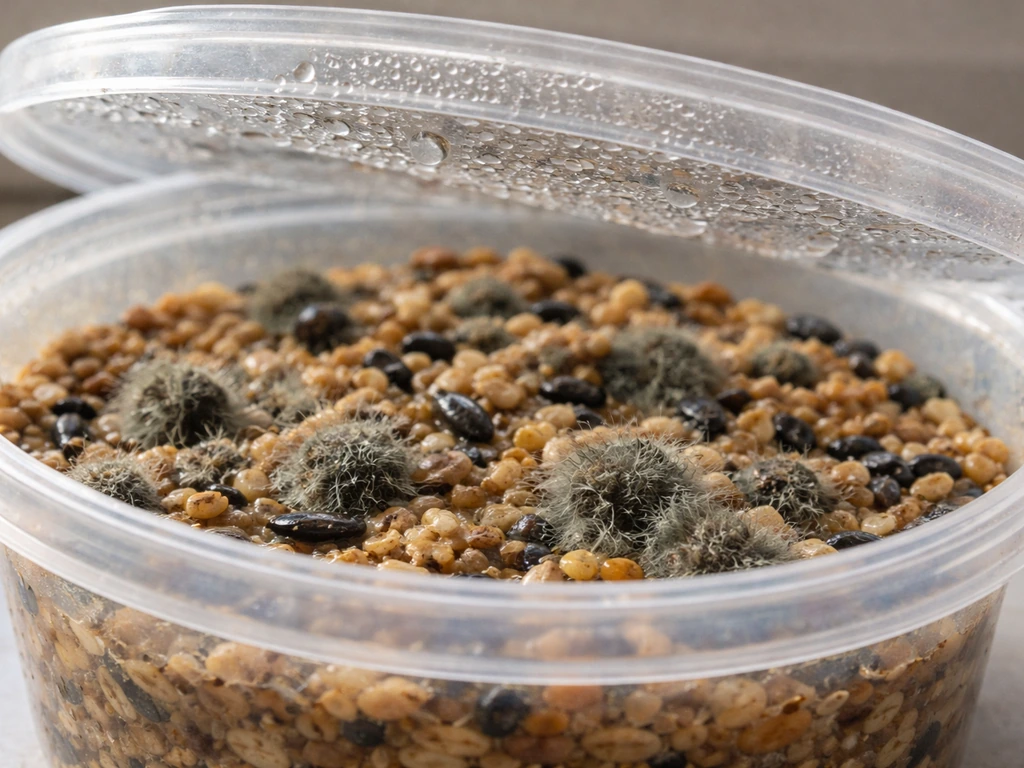
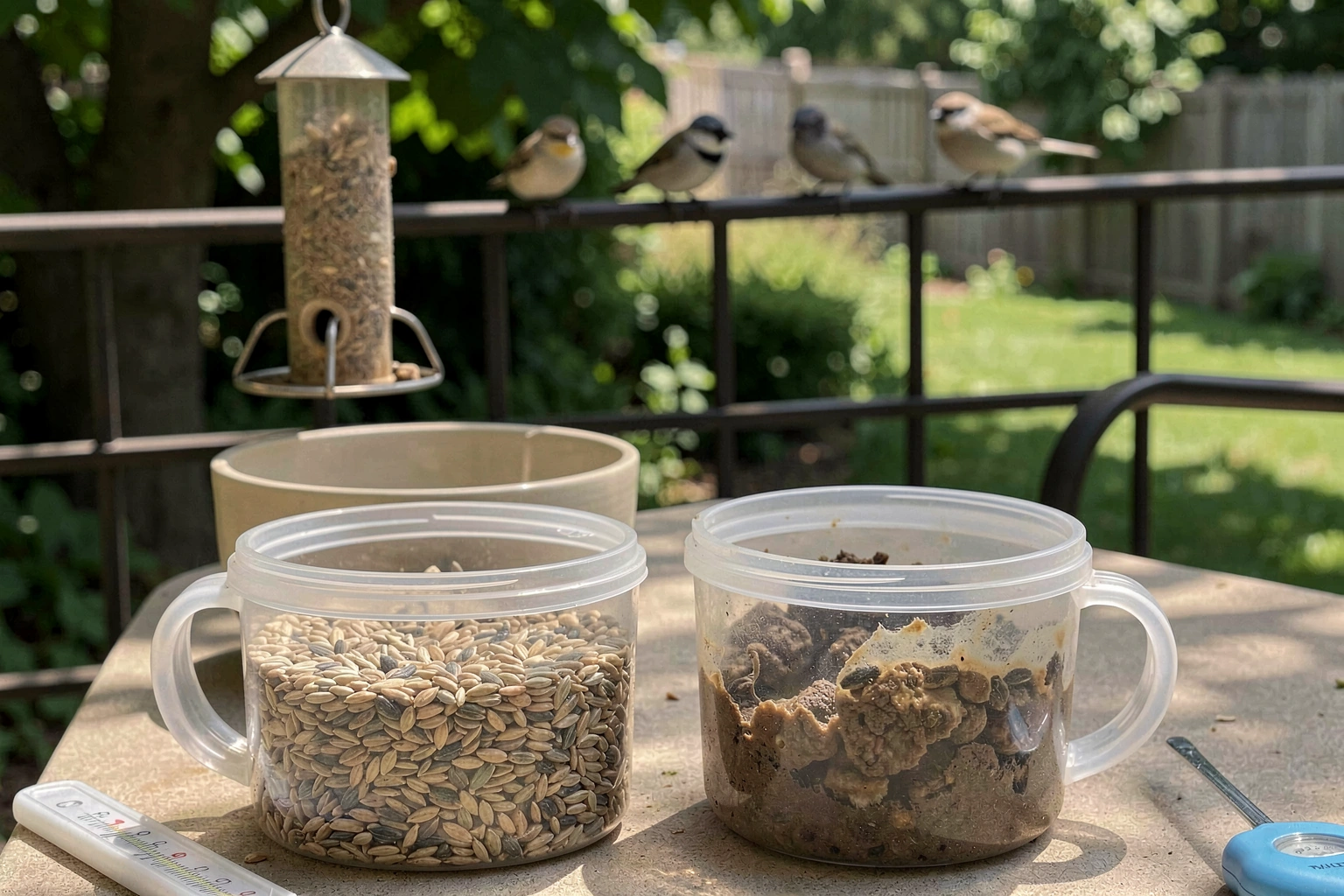
Moisture is the biggest threat. Once seed gets damp, whether from rain, humidity, or condensation inside an improperly sealed container, mold follows quickly. The mold you can see is bad enough, but the more serious concern is what you can't see. Aspergillus fungi produce aflatoxins, which are toxic compounds that can be present even when there's no visible mold on the seed. A Texas study found that 17% of wild bird seed samples tested had aflatoxin concentrations above 100 micrograms per kilogram, and 83% of those high-level samples contained corn. So if you've got a corn-heavy mix that's been sitting in a damp feeder, the risk is real. The question of is moldy bird seed bad for birds has a straightforward answer: yes, definitively, and Penn State Extension makes it simple by saying moldy seed should not be used, full stop.
Rancidity
The oils in seeds, especially sunflower seeds and nyjer, oxidize over time and go rancid. This happens faster in warm temperatures and after the original packaging is opened, because the oxygen-reducing freshness barrier in the bag is compromised. Rancid seed smells sour, musty, or like old cooking oil. Birds may refuse it outright, which is actually a useful warning signal, but some will still eat it even when it's past its best.
Insect infestation
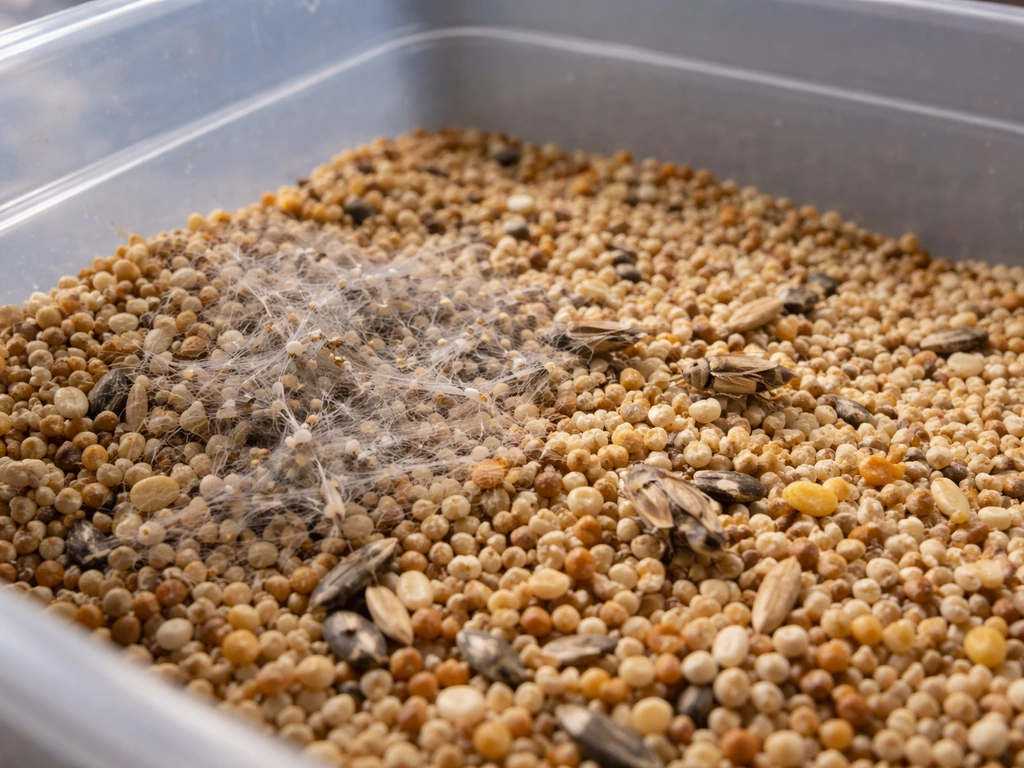
Stored grain moths and other storage-product insects love bird seed. Missouri Extension specifically calls out bird seed and pet food as prime targets for storage-product insects, so if you're storing large bags in a garage or shed, you're essentially leaving out a welcome mat. You'll see the evidence as webbing, larvae, or clumped seed that looks bound together. Infested seed isn't necessarily toxic, but it's unappetizing and the presence of insects accelerates moisture and spoilage problems.
Age-related staleness
Even without mold or insects, seed that's been sitting for too long simply loses nutritional value and palatability. Birds are selective feeders, and they can often tell the difference between fresh and stale seed. If your feeder is being ignored despite being full, old or stale seed might be the reason rather than a lack of bird activity.
Signs your seed has gone off (what to look for on inspection)
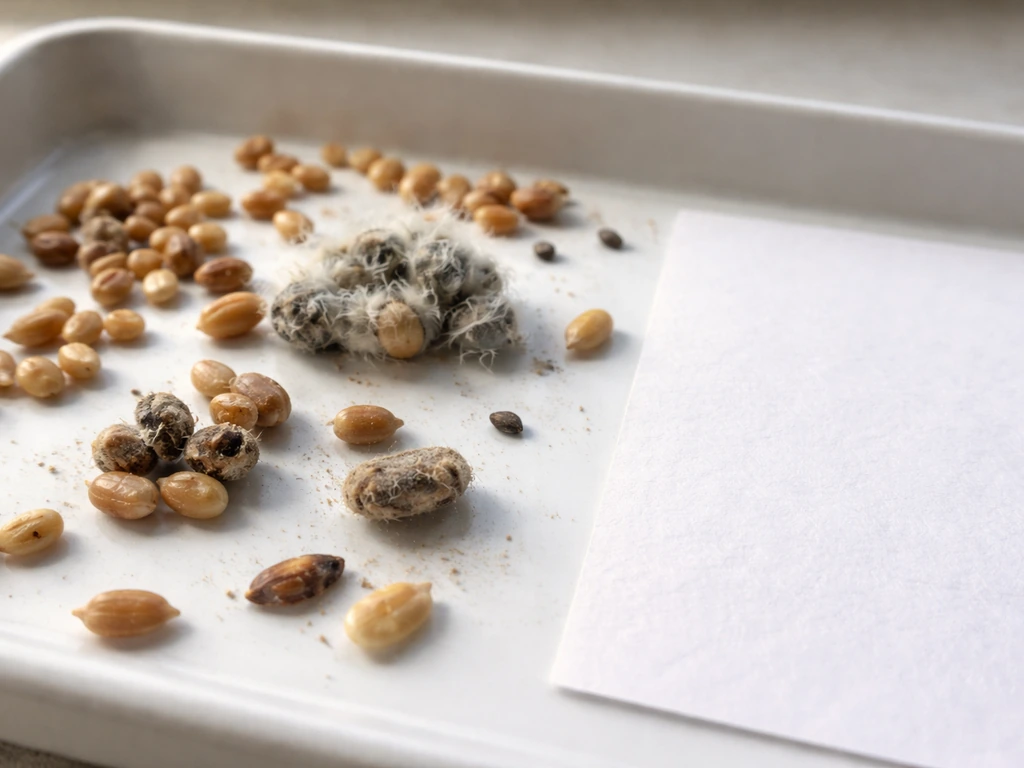
Before filling your feeder, take 30 seconds to actually look at and smell the seed. Here's what you're checking for:
- Visible mold: any gray, black, green, or white fuzzy growth on individual seeds or clumps
- Clumping: seed that's stuck together in lumps is a sign moisture has gotten in
- Off smell: a musty, sour, or rancid odor is a clear discard signal
- Webbing or larvae: fine silky webbing or small worm-like insects indicate a moth or weevil infestation
- Discoloration: seeds that look unusually dark, shriveled, or dusty compared to fresh seed
- Sprouting: seed that has started to sprout under the feeder or inside a bin has been exposed to moisture and may be developing mold
One important caveat: visible inspection is not foolproof. blank" rel="noopener noreferrer">The FDA warns specifically that aflatoxins produced by Aspergillus flavus can be present even when there's no visible mold on the food. So seed that looks fine can still carry invisible toxins if it's been stored in conditions that encouraged mold growth. The USDA FSIS also warns that blank" rel="noopener noreferrer">molds can grow deep in food, and the roots or damage may be difficult to see even when mold is not obvious. If you have serious doubts about seed that's been stored poorly, err on the side of discarding it.
How long bird seed lasts: shelf life factors and storage tips
Shelf life isn't just about time. It's about conditions. Here's how the main variables shake out:
| Factor | Effect on Shelf Life | Practical Tip |
|---|---|---|
| Unopened original bag | Up to 2 to 3 years in ideal conditions | Store in a cool, dry place away from direct sunlight |
| Opened bag | Over a year if sealed and stored properly | Transfer to an airtight container immediately after opening |
| High humidity or moisture exposure | Can spoil in weeks | Never store in an open container outdoors or in a damp space |
| High temperature (warm garage/shed) | Accelerates rancidity and mold growth | Move seed to a cool indoor space during summer months |
| Insect exposure | Can render seed unusable in a month or two | Freeze seed for 72 hours before storing to kill moth eggs |
| Freezer storage | Extends shelf life significantly | Use sealed freezer bags; let seed warm to room temp before filling feeders |
The USDA notes that dry, cold storage is ideal, and a freezer is excellent for preserving seed quality over the long term. On the practical side, Wild Birds Unlimited recommends storing no more than about a two-week supply of seed during warm weather, and a four-week supply during winter. Buying in bulk sounds economical, but if you can't use seed fast enough to keep it fresh, you're not saving money, you're just growing mold.
What to do if your seed is spoiled (discard, clean, and sanitize)
If your seed has gone bad, here's exactly what to do, in order:
- Discard the seed in a sealed bag in your outdoor trash bin. Don't compost moldy seed, and don't dump it in a pile on the ground near your yard.
- Rake up any moldy or sprouted seed that has fallen beneath the feeder. Georgia DNR recommends raking up this debris and then soaking the area beneath with a bleach-and-water solution to reduce residual mold and bacterial contamination in the soil.
- Disassemble the feeder completely. Take apart every removable tray, perch, and tube.
- Wash the feeder thoroughly using hot soapy water, then disinfect with a 10% bleach solution (1 part bleach to 9 parts water). This ratio is recommended by Cornell Lab's All About Birds, Clemson Extension, and multiple Audubon-affiliated resources specifically because it's effective against salmonella and other pathogens without damaging most feeder materials.
- Let the bleach solution soak for several minutes, then rinse completely before refilling. Bleach residue can harm birds, so don't skip this step.
- Allow the feeder to air dry fully before adding fresh seed. Putting seed into a damp feeder is how you restart the mold cycle.
- If your feeder or storage bin also attracted rodents, follow CDC guidance and spray any rodent droppings or urine spots with a bleach solution, let it soak for about 5 minutes, then wipe up with gloves and dispose of the material.
If you use a dishwasher, many feeders can go through a hot cycle, which is another effective sanitizing option. If you're unsure whether your feeder material is dishwasher-safe, the bleach hand-wash method works just as well.
Pet and wildlife safety with old or moldy seed
This is where the stakes get higher. For backyard birds, moldy seed is a known risk for aspergillosis, a respiratory disease caused by inhaling Aspergillus spores. The New York State DEC specifically warns against feeding birds moldy birdseed because aspergillosis is a real concern for wildlife. Audubon reinforces this, noting that moldy food in feeders can transmit this respiratory disease to birds, and advises scrubbing out any moldy seed, particularly during humid summer conditions when mold develops faster.
For pets, the risk is aflatoxin poisoning. The FDA has documented cases where aflatoxins in moldy grain products caused serious liver damage and death in pets. Cats and dogs who have access to bird feeders, or who might get into a bag of stored seed, are at genuine risk if the seed is contaminated. If you keep pets that roam in your yard, spoiled seed on the ground beneath your feeder is a direct hazard. This is especially relevant to think through if you're also considering is bird seed safe for humans, because the same aflatoxin risk that affects pets applies to people handling or accidentally ingesting contaminated seed.
For wildlife like squirrels, raccoons, and deer that may scavenge seed from the ground, OSU Extension specifically recommends promptly removing uneaten, wet, or moldy grain to reduce wildlife risk from aflatoxin exposure. Leaving a pile of spoiled seed on the ground isn't just an attractant for pests, it's a genuine health hazard for the animals you're trying to help.
One more thing worth noting: if you manage feeders for pet birds rather than wild birds, the stakes around seed freshness are even higher because captive birds can't simply fly away from a bad food source. It's worth thinking about should i leave food in my bird cage and how long seed sits in an enclosed space, since even seed that was fresh when added can develop problems quickly in warm, humid indoor environments.
Prevention: how to store and manage feeders to avoid spoilage
Once you've dealt with a spoiled batch, you want to make sure it doesn't happen again. The habits that prevent bird seed from going bad are straightforward, and most of them take almost no extra effort once they're routine.
Storage habits that make a real difference
- Store seed in airtight, rigid containers (metal or thick plastic), not in the original open bag
- Keep containers in a cool, dry indoor location rather than a garage or shed that gets hot and humid
- Freeze new seed for 72 hours before transferring it to your storage container to kill any moth eggs that came in the bag
- Buy only what you'll use within two to four weeks (two weeks in summer, four in winter)
- Label containers with the purchase date so you know how old the seed is
Feeder maintenance that keeps birds healthy
Clean your feeders on a regular schedule, not just when something looks obviously wrong. Project FeederWatch and Audubon both recommend cleaning feeders about every two weeks, and more often during warm or damp conditions when mold and bacteria thrive faster. The cleaning doesn't have to be elaborate: the 10% bleach solution (1 part bleach to 9 parts water), a good scrub, and a thorough rinse covers the bases. It's also worth thinking about is hot bird seed bad for birds when managing summer feeders, because warm temperatures accelerate the spoilage of seed sitting in a feeder in direct sun, even seed that was perfectly fresh when you added it.
- Clean feeders every two weeks, or weekly during hot and humid weather
- Rake up debris and spent hulls beneath feeders regularly to prevent mold from developing on the ground
- Use feeders with drainage holes or trays that shed water to reduce moisture buildup
- Fill feeders with smaller amounts more frequently in summer so seed doesn't sit and accumulate heat and humidity
- After any rodent activity near your feeder or storage area, disinfect the affected surfaces before refilling
The bottom line is that preventing spoilage is mostly about controlling moisture and temperature, buying reasonable quantities, and keeping up a simple cleaning routine. Seed that's stored well, used at a reasonable pace, and served in clean feeders is almost always fine. It's only when those basics slide that you end up with a feeder full of something that's doing more harm than good.
FAQ
Can I still use bird seed if it smells slightly sour or “oily” but there’s no visible mold?
Yes, rancid odor is usually a sign of oxidized oils, not mold, so visible-free seed may not carry the same toxin risk. Still, if the smell is strong or different from the seed’s normal profile, birds may refuse it, and it’s safer to discard rather than “test” by putting it out.
What should I do if only part of the bag looks bad, like the bottom or a corner?
Do not assume the whole bag is safe. If the affected area got damp or clumped, moisture can spread through the bag. The practical approach is to discard the compromised section and any seed that likely contacted it, then replace the rest after transferring only truly dry, unaffected seed to a new sealed container.
How can I tell whether “webbing” is just nesting material or an actual insect infestation?
Infested seed often shows webbing plus trapped insects, larvae, or seed that is bound together into small clumps. If you shake the seed and see movement or tiny moths fly out, treat it as an infestation and throw it away, then clean and dry the storage container before reusing it.
Is freezer storage safe for bird seed, and does it kill mold or insects?
Freezing helps preserve quality and can stop further insect activity, but it doesn’t reliably make contaminated seed safe. If you suspect moisture exposure or mold growth, freezing is not a substitute for discarding, because invisible toxin concerns can remain even when mold is not visible.
Can I rinse moldy bird seed to make it safe again?
Rinsing is not a reliable fix. Mold spores and toxin compounds can persist even after washing, and wet seed is more likely to grow further mold. Best practice is to discard moldy seed and scrub the feeder thoroughly before refilling.
How long can bird seed sit in a feeder before it becomes risky in summer heat?
There isn’t one exact time, because sunlight, humidity, and feeder design matter, but warm, sun-exposed feeders can spoil seed much faster than room-temperature storage. If the feeder is being ignored, clumping appears, or odors change, replace it sooner rather than waiting for a calendar schedule.
What’s the safest way to clean feeders after using contaminated seed?
After removing spoiled seed, scrub all surfaces and let the feeder dry completely. A hot dishwasher cycle works for many feeders, but if you hand-wash, use a bleach solution, rinse thoroughly, and ensure there’s no remaining odor or residue that could deter birds or harm pets.
Should I worry about bird seed contamination if it’s only been handled by people but not eaten?
Yes, handling can still pose a risk, especially if contaminated seed gets on hands and into food preparation areas, or if pets track it indoors. Wear gloves for messy cleanup, wash hands well, and prevent access to the seed by pets and children.
If I find moldy seed on the ground under the feeder, can I save it by scooping it up?
Scooping can reduce wildlife exposure, but it doesn’t necessarily make the seed safe to reuse. Bag it and discard promptly, then clean the area and feeder. Leaving wet or moldy grain out increases aflatoxin exposure risk for scavenging wildlife.
Does the “best by” date mean I must throw seed away on that day?
No, it usually reflects peak quality rather than an immediate safety cliff. The condition of the seed and whether it stayed dry and cool matter more, but if you see moisture signs, clumping, insects, or sour or musty odors, treat it as unreliable regardless of the printed date.
I’m using seed for captive birds. Is the spoilage threshold different from wild bird feeders?
Yes. Captive birds cannot avoid bad food, and indoor warmth can accelerate spoilage quickly. Keep portions small, store seed sealed and dry, remove uneaten seed promptly, and follow a stricter “discard fast if there’s any doubt” approach than you would outdoors.
What storage setup best prevents bird seed from going bad?
Use an airtight container, keep it in a cool, dry location, and avoid storing it directly on damp floors or near exterior walls. For bulk purchases, use the container quickly by storing only what you can use within a short warm-season period, then restock to avoid long exposure time.
Next Articles
Is Bird Seed Safe for Humans Toxic or Poisonous?
Find out if bird seed is toxic, what happens if a child eats it, symptoms to watch, and when to call Poison Control.
Is Moldy Bird Seed Bad for Birds? What to Do Now
Learn if moldy bird seed harms birds, what to do now, how to clean, spot illness, and prevent it from recurring.
Is Hot Bird Seed Bad for Birds? What to Do Now
Hot bird seed can burn or spoil. Learn how to spot unsafe seed, fix feeding now, and switch to safer options.