Quick Answer: Is Hot Bird Seed Bad for Birds?
Yes, hot bird seed can be bad for birds, but the level of risk depends on what you mean by "hot." If you microwaved seed to warm it up or accidentally left it in a hot car before filling a feeder, the main dangers are burns from seed that's genuinely scalding, heat-accelerated spoilage that turns seed rancid or moldy faster, and uneven hot spots that birds won't notice until it's too late. Seed that feels comfortably warm to your hand is almost certainly fine. Seed that's steaming, smells sour, or has been sitting in a hot and damp feeder for days is a different story. The good news: if you caught this quickly and replaced the seed, your backyard birds are almost certainly okay.
Why Heat Is a Problem: Burns, Spoilage, and Mold
There are a few distinct ways that heat can turn bird seed into a hazard, and they don't all work the same way. It helps to understand each one so you can figure out exactly what risk you're actually dealing with.
Physical Burns
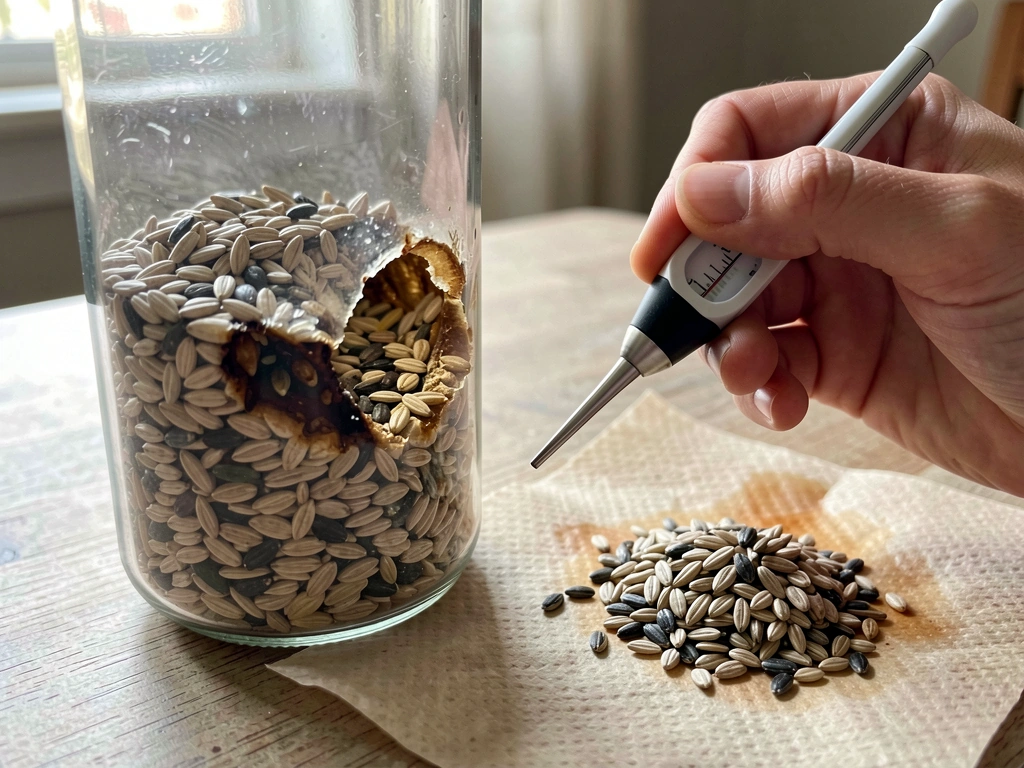
If seed is genuinely hot, like straight out of a microwave at high power, it can burn a bird's mouth, throat, and crop. Birds have no way to test food temperature before eating it. They'll just pick up whatever is in the feeder and swallow it. Seed doesn't need to be visibly steaming to carry hot spots, especially after microwaving. Microwave heating is notoriously uneven, and a single superheated kernel surrounded by cool ones is all it takes to cause injury. This is the most direct physical risk and the easiest to prevent by simply not microwaving seed.
Faster Spoilage and Rancidity
Heat speeds up the chemical breakdown of fats and oils inside seeds. Sunflower seeds, nyjer, and peanuts all have relatively high oil content, and when those oils go rancid, the seed becomes less nutritious and potentially irritating to eat. You'll often notice rancid seed by smell before you see any visible sign of spoilage. If the seed smells like old cooking oil or has a sharp, stale odor, it's already past its prime. Birds may avoid it instinctively, but not always.
Mold and Moisture Risk
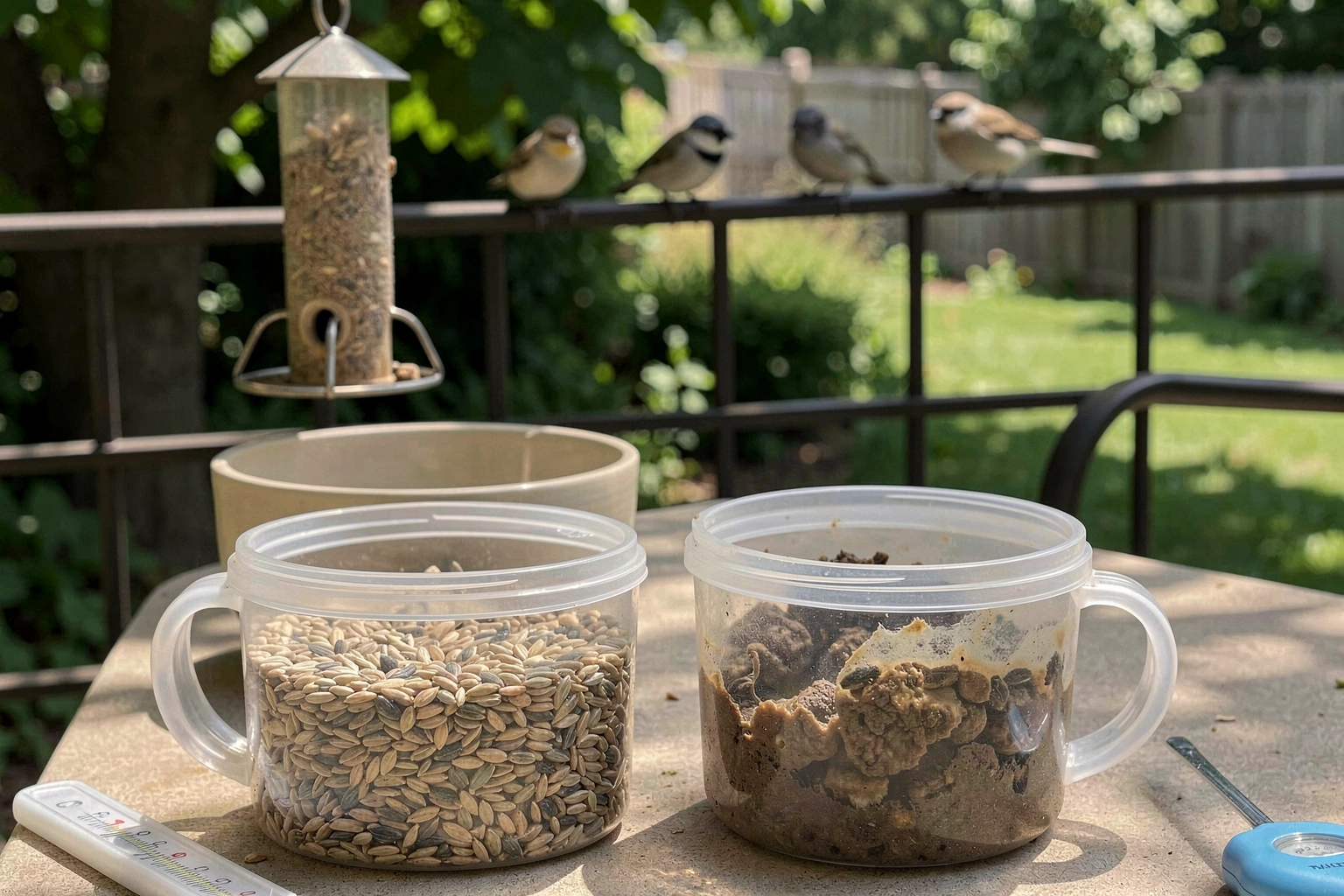
This is actually the biggest real-world danger. Heat combined with any moisture creates ideal conditions for mold growth. Moldy seed is a serious health hazard for birds. The Audubon Society specifically warns that moldy food can transmit aspergillosis, a fungal respiratory disease that can be fatal to birds. The BC government wildlife health guidance is blunt about it: do not give moldy or damp seed to birds, full stop. Project FeederWatch echoes this, noting that birds can become ill from moldy seed and accumulated droppings on feeder trays. If you warmed seed in a way that introduced moisture, like with steam or a damp cloth, check it carefully before putting it out.
Reduced Seed Quality and Germination
High heat can also kill the seed embryo, which affects germination but is actually a minor plus in some ways since dead seed won't sprout under your feeder. However, excessive heat can degrade the nutritional value of the seed itself. This matters more as a long-term concern than an immediate health risk, but it's worth knowing that heat-damaged seed just isn't as good for birds nutritionally.
What to Do If You Already Heated or Served Hot Seed
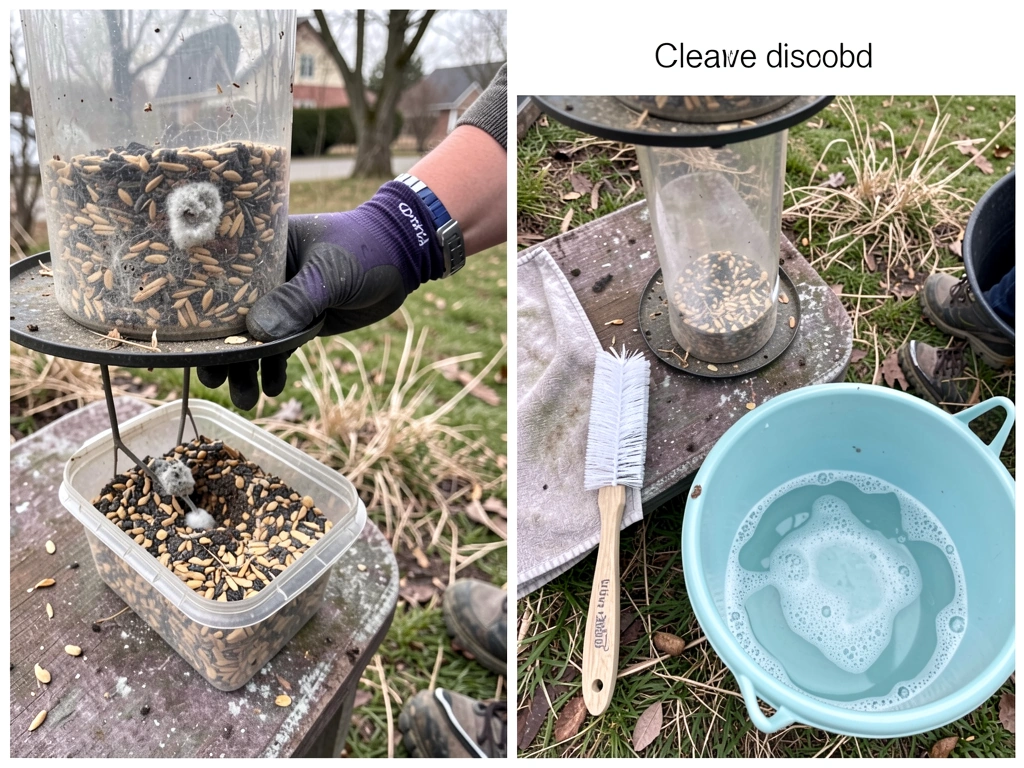
If you've already put heated seed in a feeder or realized the seed you put out might be compromised, here's what to do right now.
- Remove the seed from the feeder immediately. Don't wait to see if birds seem to be avoiding it.
- Check the seed closely. Look for visible mold (fuzzy patches, discoloration), clumping (a sign of moisture exposure), or a sour, rancid, or musty smell. Any of these means the seed is unsafe.
- If the seed just feels warm but looks, smells, and feels dry and normal, let it cool completely on a clean, dry surface before refilling the feeder.
- If the seed is suspect in any way, throw it out. Seed is cheap. Sick birds are not worth the gamble.
- Clean the feeder before refilling. If warm or damp seed sat in it for any time, the feeder itself may have mold spores. Wash it with hot water and a bottle brush, rinse thoroughly, and let it dry completely before adding fresh seed.
- Refill with fresh, dry seed at room temperature.
The most important thing here is not to second-guess yourself on seed that looks or smells off. If you're unsure whether bird seed has gone bad, it's always safer to replace it. You can read more about how to evaluate seed freshness in a related guide on whether bird seed can go bad.
Safer Feeding Tips: Temperature, Placement, and Feeder Choices
Getting seed temperature and feeder setup right is straightforward once you know what to avoid.
The Right Temperature for Seed
Room temperature is ideal. Seed should feel neutral to the touch, not warm, not freezing solid. If you're bringing seed in from a cold garage or shed, let it sit at room temperature for a bit before filling the feeder. Never microwave bird seed. You should also know whether bird food does expire and how to recognize seed that has gone past its best quality does bird food expire. If you want to offer slightly warmer food in cold weather, there are better options covered below.
Feeder Placement Matters
In summer, avoid placing feeders in direct afternoon sun, which can heat seed to uncomfortable temperatures inside enclosed feeders and speed up spoilage dramatically. Dappled shade or a spot that gets morning sun but afternoon shade is ideal. In winter, a little sunlight is fine and can keep feeders from icing over, but make sure water isn't pooling inside the feeder tray.
Choosing the Right Feeder
Tube feeders with small ports dispense seed slowly and reduce the amount sitting exposed to air and moisture at any one time. Tray or platform feeders are popular with many species but expose more seed to the elements, so they need more frequent cleaning. Covered feeders help keep rain and snow off seed, which is one of the best ways to prevent the moisture buildup that leads to mold. If you use a platform feeder, choose one with drainage holes in the tray.
Best Seed and Feeding Practices
Even without any heat issues, feeder hygiene and seed selection make a real difference in whether your birds stay healthy.
Clean Feeders Regularly
Project FeederWatch recommends cleaning seed feeders about once every two weeks under normal conditions, and more often when it's warm or damp. The U.S. Fish and Wildlife Service suggests weekly cleaning or more to reduce the risk of birds getting sick from moldy or decomposing seeds. Use hot water and a bottle brush, scrub out any residue or droppings, rinse well, and let the feeder dry completely before refilling. A feeder that's still damp when you fill it is just inviting mold. This one habit alone will protect birds far more than worrying about seed temperature.
Fill in Smaller Quantities
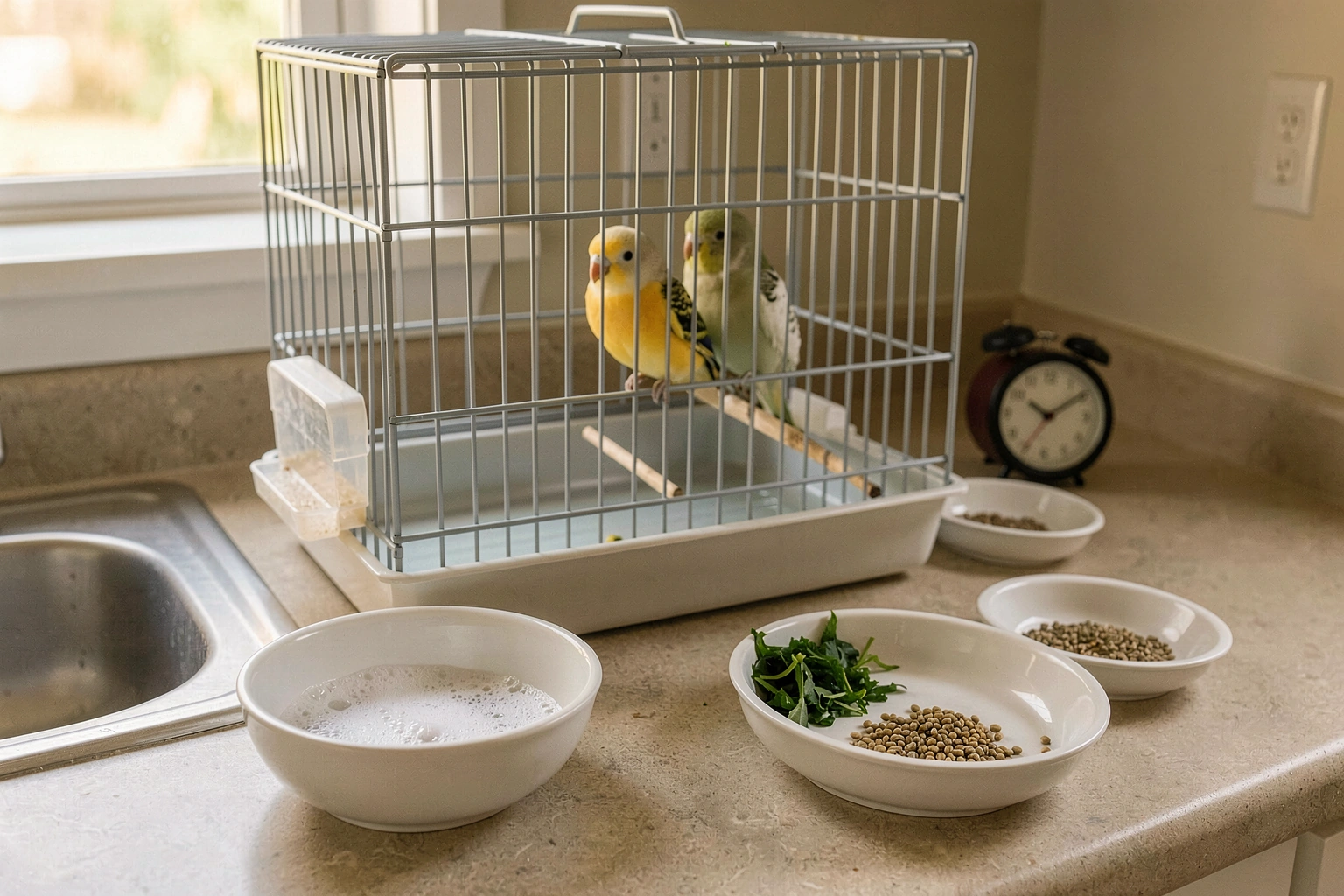
Only put out as much seed as birds will eat in two to three days, especially in warm or wet weather. Topping off a feeder full of old seed is one of the most common mistakes backyard birders make. If you’re wondering about leaving food in a bird cage, use the same rule: don’t let seed sit around long enough to get warm, damp, or moldy should i leave food in my bird cage. Old seed at the bottom acts as a base for mold and spoilage even when fresh seed is added on top.
Match Seed to Bird Species
Different birds are attracted to different foods, and matching seed to the species you want to attract also reduces waste, which reduces the buildup of uneaten seed that can spoil.
| Seed/Food Type | Birds It Attracts | Key Notes |
|---|
| Black-oil sunflower seeds | Cardinals, chickadees, finches, nuthatches, woodpeckers | Most versatile choice; high oil content, thin shell |
| Nyjer (thistle) | Goldfinches, pine siskins, redpolls | Requires a nyjer-specific feeder with small ports |
| Safflower seeds | Cardinals, doves, chickadees | Squirrels tend to avoid it |
| Peanuts (shelled or in shell) | Jays, woodpeckers, nuthatches, titmice | High fat and protein, great for winter; spoils faster in heat |
| White millet | Sparrows, juncos, towhees, doves | Best offered on low platform or ground feeders |
| Suet cakes | Woodpeckers, nuthatches, wrens, starlings | Use no-melt formula in warm weather; standard suet goes rancid quickly above 50°F |
Avoid Contamination
Keep seed stored in a cool, dry, airtight container, not in a hot garage or shed in summer. Metal or hard plastic bins with tight lids work well and also deter mice and squirrels. Always wash your hands after handling bird seed or cleaning feeders, especially if you have concerns about seed safety. There's a related guide worth checking out if you're wondering whether bird seed is safe for humans to handle. If you handle bird seed, make sure it's clean and store it properly, because good hygiene helps keep it safe for humans too is bird seed safe for humans.
When to Worry: Signs of Bird Distress
Most of the time, birds that encounter bad seed will simply avoid it or experience no visible effects. But if you're concerned that a bird may have eaten something harmful, watch for these signs of distress.
- Lethargy or sitting still on the ground with no apparent reason
- Open-mouth breathing or labored breathing (a sign of respiratory distress, potentially consistent with aspergillosis)
- Puffed-up feathers combined with inactivity in warm weather
- Discharge from the eyes or nostrils
- Loss of coordination or trembling
- Visible injury to the beak or mouth area
A single bird showing one of these signs doesn't always mean your feeder is the culprit, but if you see multiple birds behaving abnormally after using the same feeder, take the feeder down immediately, clean it thoroughly, and contact a local wildlife rehabilitator or avian veterinarian. You can find a licensed wildlife rehabber in your area through the National Wildlife Rehabilitators Association or your state's fish and wildlife department. Don't attempt to treat a sick wild bird yourself.
If birds are simply avoiding a feeder that used to be busy, that's also a signal worth paying attention to. Birds are often better judges of spoiled seed than we are.
Cold Weather Feeding Without Overheating Seed
Winter is when most people feel the urge to warm up seed for birds, thinking they're helping. In reality, birds are extremely well-adapted to cold temperatures and don't need warm food. What they need in winter is high-calorie food available consistently, not food that's been heated.
Skip the Microwave, Try These Instead
- Offer suet cakes during cold snaps. Suet is a high-fat food that gives birds the energy they need to stay warm, and it works perfectly at cold temperatures. Switch to no-melt suet formulas once temperatures climb above 50°F to prevent rancidity.
- Add shelled peanuts or peanut butter-based products to your feeder rotation in winter. These are dense in fat and protein and are popular with a wide range of species.
- Black-oil sunflower seeds are your best all-around cold-weather seed. They have thin shells birds can open easily even in cold weather, and the high oil content provides lots of energy.
- Keep feeders clear of snow and ice so birds can access them. Brush off accumulated snow from covered feeders after storms.
- Use a heated birdbath nearby. Birds need liquid water in winter even more than warm food, and a heated birdbath (set to keep water just above freezing, not hot) will attract more birds than any heated seed ever would.
Prevent Freezing Without Heating
If your concern is seed freezing solid in a feeder overnight, the fix is feeder placement and smaller fill amounts, not warming the seed. Seed that birds eat throughout the day rarely freezes solid in a well-placed, covered feeder. If you're in an area with prolonged extreme cold, look for heated feeder models designed for winter use. These use a low-wattage element to keep just the tray area from freezing, not to heat the seed itself.
The bottom line on hot bird seed: warm seed from a brief stint in a sunny spot is almost certainly harmless. Microwaved, steaming, or moisture-exposed seed is a real risk and should be discarded. When in doubt, start fresh, clean the feeder, and keep it simple. Birds will thank you by showing up consistently at a clean, well-stocked feeder no matter the season.