No, a bird will not explode from eating rice. That idea has been floating around for decades, but it has no veterinary or scientific backing. A widely cited list of science misconceptions puts it plainly: eating rice does not cause birds to explode and is rarely fatal. The real risks are more mundane but still worth understanding, especially if you just watched a bird peck at a pile of rice and you're wondering whether to do something right now.
Will a Bird Explode If It Eats Rice? What to Do

Maya Henderson
17 Apr 2026
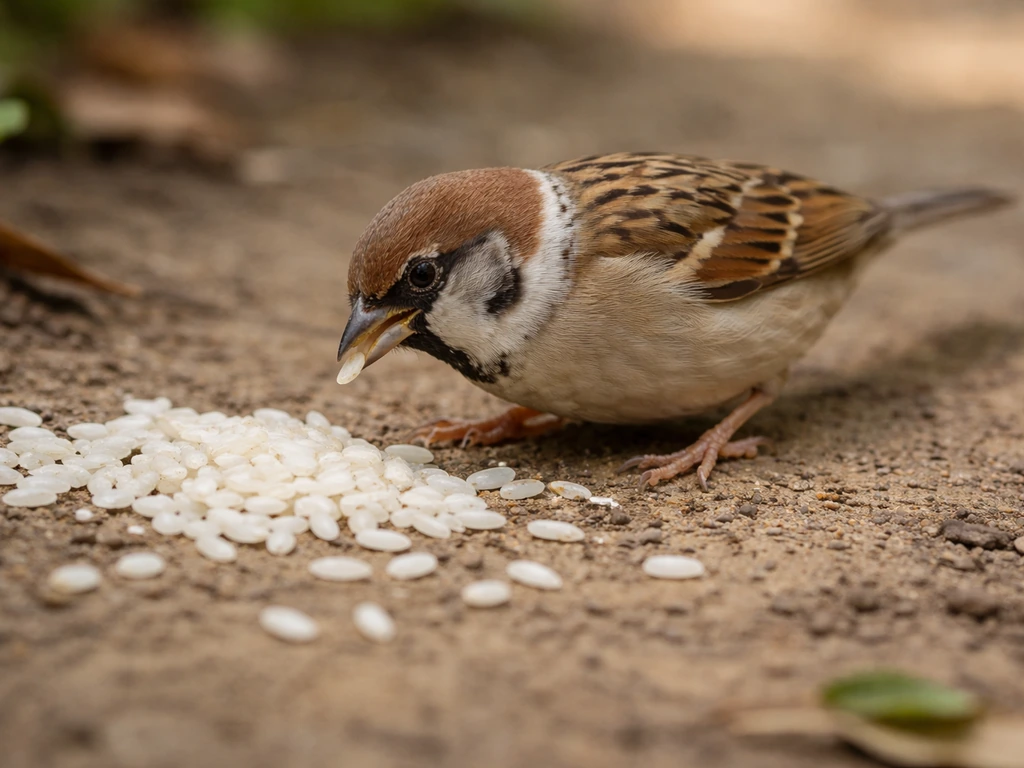
Where the "exploding bird" myth came from
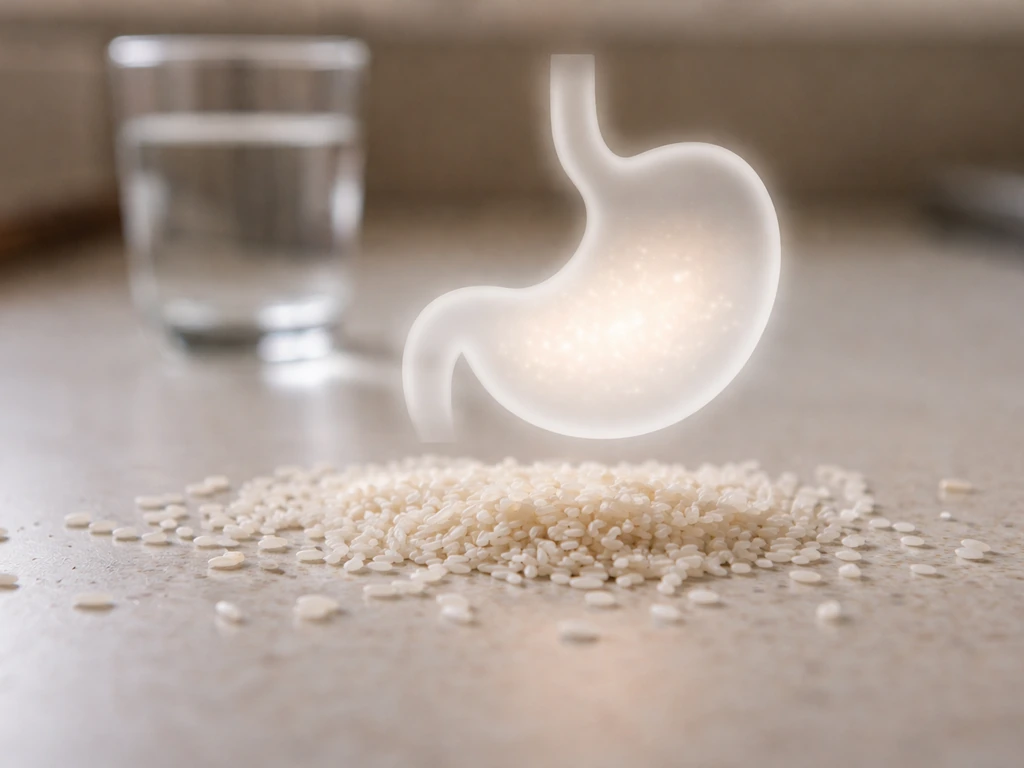
The story goes that uncooked rice expands dramatically in a bird's stomach after the bird drinks water, causing it to burst. It sounds plausible enough that it spread through wedding etiquette circles for years, leading many venues to ban rice throwing. But birds eat grains constantly. Wild birds consume seeds, corn, and other starchy foods every single day without any explosive consequences. No credible wildlife organization, veterinary manual, or ornithology body has ever documented a bird dying this way. Cornell Lab-affiliated sources, for example, discuss bird biology extensively without any mention of rice causing internal rupture. The myth simply doesn't hold up.
The risks that are actually real
Just because birds won't explode doesn't mean rice is entirely without risk. The concerns worth taking seriously fall into a few categories: choking, digestive issues, and aspiration.
Choking and digestive blockage
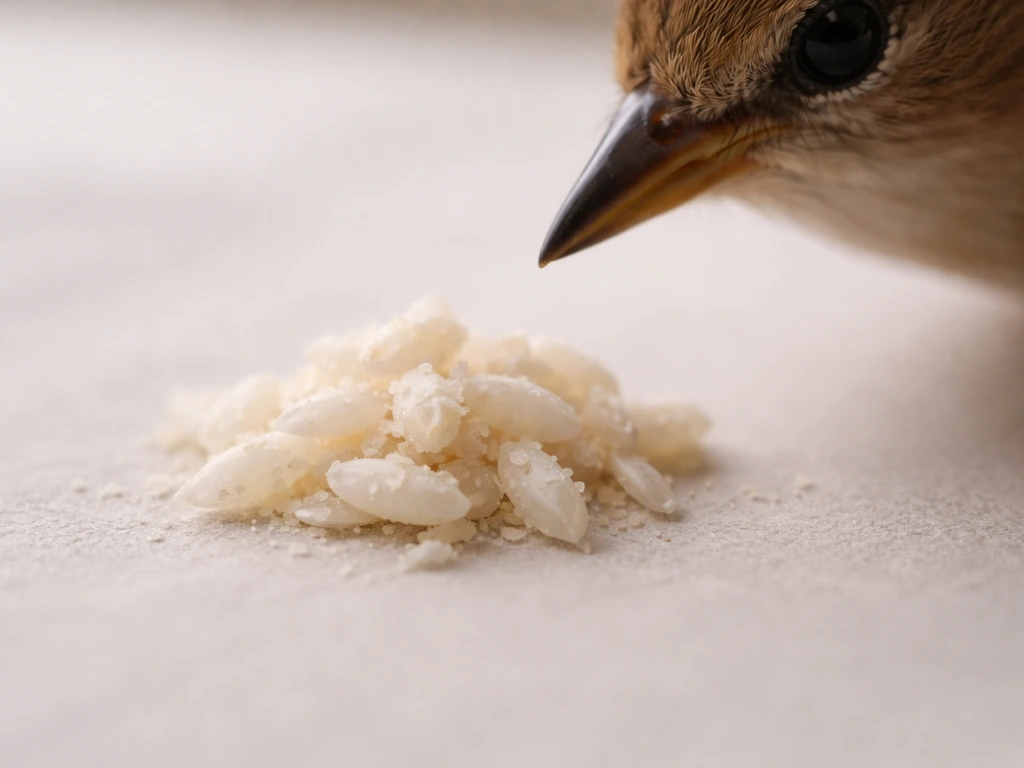
Large, dry, clumped rice could theoretically be a choking hazard for small birds, though birds are surprisingly good at managing hard food items with their beaks. A more realistic concern is a digestive blockage if a bird swallows something it can't pass. The Merck Veterinary Manual notes that gastrointestinal obstructions can cause distension and serious illness, and the American College of Veterinary Surgeons points out that foreign bodies lodging anywhere from the mouth to the stomach can become life-threatening if symptoms progress. For birds, this isn't a common outcome from plain rice, but it's the category of real harm to watch for rather than any mythical explosion.
Aspiration risk
Small birds have a respiratory anatomy that makes aspiration a genuine danger. The Wildlife Center of North Georgia is explicit about this: do not put any liquids into a bird's mouth because they can easily inhale them. This matters if you're tempted to give a bird water or wet food after a rice-eating incident. Stick to observation instead of intervention unless a professional tells you otherwise.
Stomach upset from seasoning
Plain rice is not the problem. Seasoned rice is. Salt, onion, garlic, and other common seasonings added to rice are genuinely toxic to birds. The Oregon Veterinary Medical Association specifically lists salt, onions, and garlic among foods to keep away from pet birds. If the rice a bird ate came from a dinner plate or a takeout container, that's the actual concern, not the rice itself.
Cooked vs uncooked, plain vs seasoned: what's actually safe
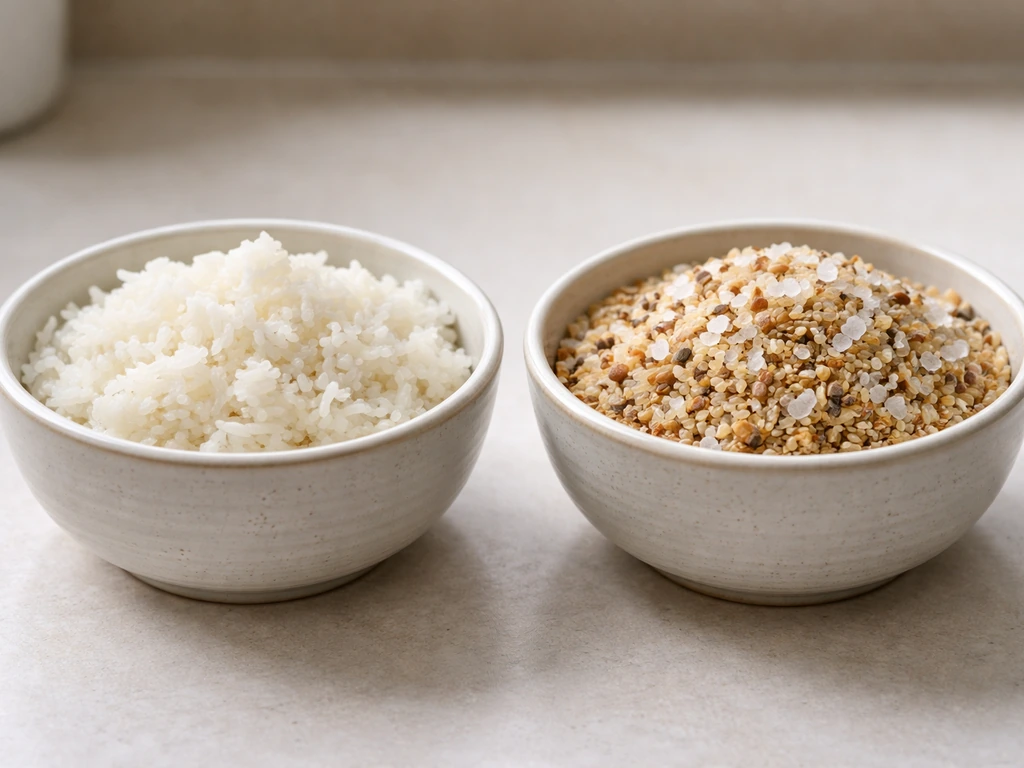
Here's a simple way to think about rice for birds: plain is fine, seasoned is not. If you’re asking can you feed a bird rice, the safest answer is to stick to plain, unseasoned rice in small amounts and monitor the bird afterward. And cooked is generally better than raw, especially for smaller birds.
A bird feeding PDF from a wildlife extension resource puts it directly: cooked rice, brown or white, without salt added, is beneficial and readily accepted by all garden birds. Uncooked rice can also be eaten by birds like pigeons without harm, though plain cooked rice is easier for smaller species to handle. The RSPCA in the UK lists cooked pasta, rice, and boiled potatoes as acceptable food scraps for garden birds, so this isn't a controversial position among wildlife authorities.
| Rice Type | Safe for Birds? | Notes |
|---|---|---|
| Plain cooked white or brown rice | Yes | Readily accepted; easy to digest; no salt or additives |
| Plain uncooked white or brown rice | Generally yes | Fine for larger birds like pigeons; smaller birds do better with cooked |
| Seasoned or salted rice | No | Salt, onion, garlic, and spices are toxic to birds |
| Leftover restaurant or takeout rice | Avoid | Unknown seasonings, oils, and sodium content make this risky |
| Wet, moldy, or spoiled rice | No | Mold and bacteria present real health risks regardless of rice type |
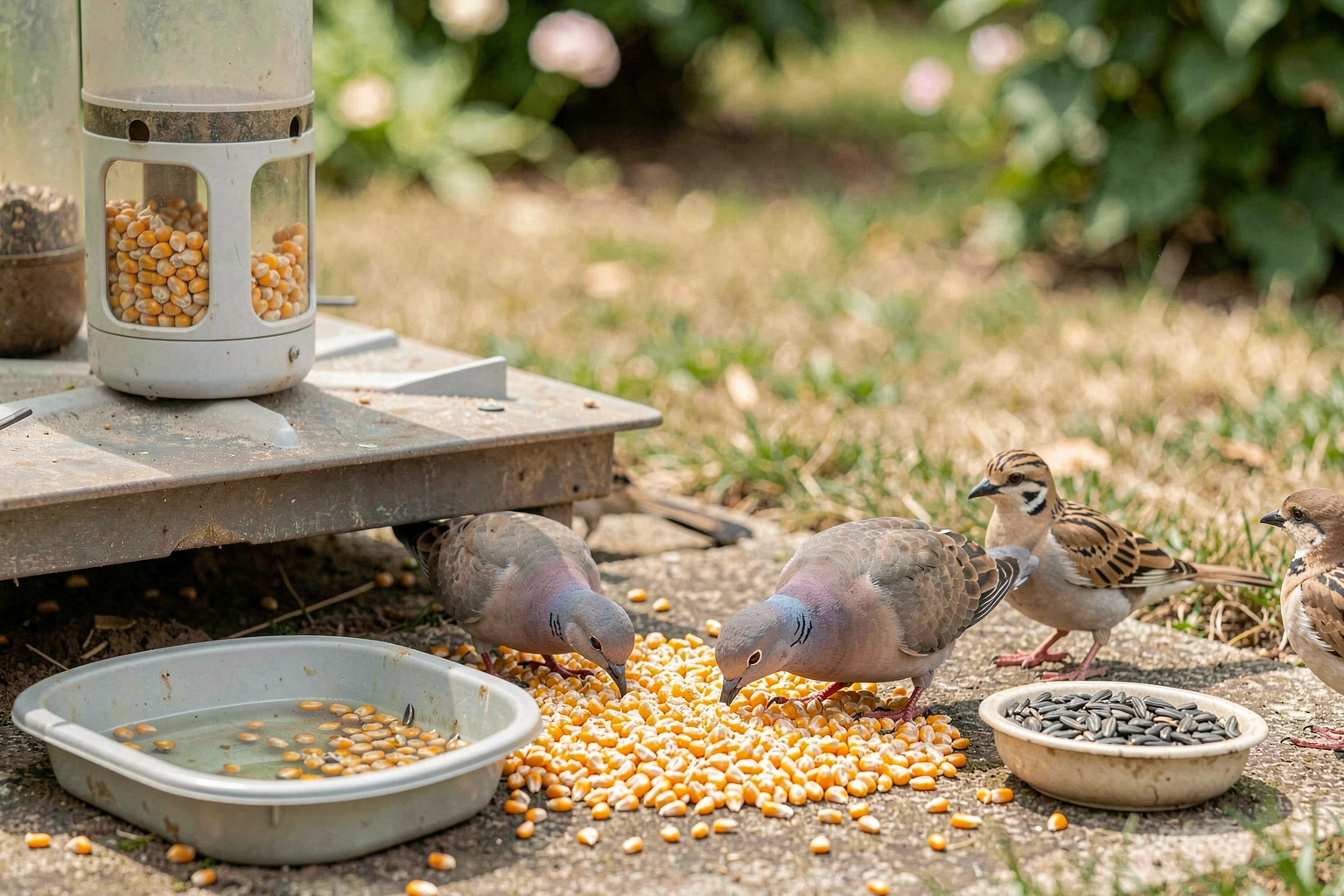
If you're wondering whether rice fits into a broader grain-based feeding approach, it helps to know where it sits relative to other common options. You can learn how birds handle corn as a comparison point, since corn is another starchy staple that backyard feeders often reach for.
Better things to offer birds at your feeder
Rice can be a fine occasional supplement, but it's not the most nutritious thing you can offer. If you're building out a feeding routine, there are better options that birds actively prefer and that carry lower risk of seasoning accidents or spoilage issues.
- Black-oil sunflower seeds: high fat and protein, accepted by a wide range of species
- Plain cooked oats or rolled oats: easy to digest and nutritious for garden birds (though if you want to know more about specifics, whether birds can eat oats is worth a read before adding them to your mix)
- Millet: small and easy for finches, sparrows, and doves
- Nyjer (thistle) seed: ideal for goldfinches and other small finches
- Plain unsalted peanuts or peanut pieces: good fat source, especially in winter
- Plain cooked rice: acceptable as a filler or supplement when you have leftovers, as long as it's unseasoned
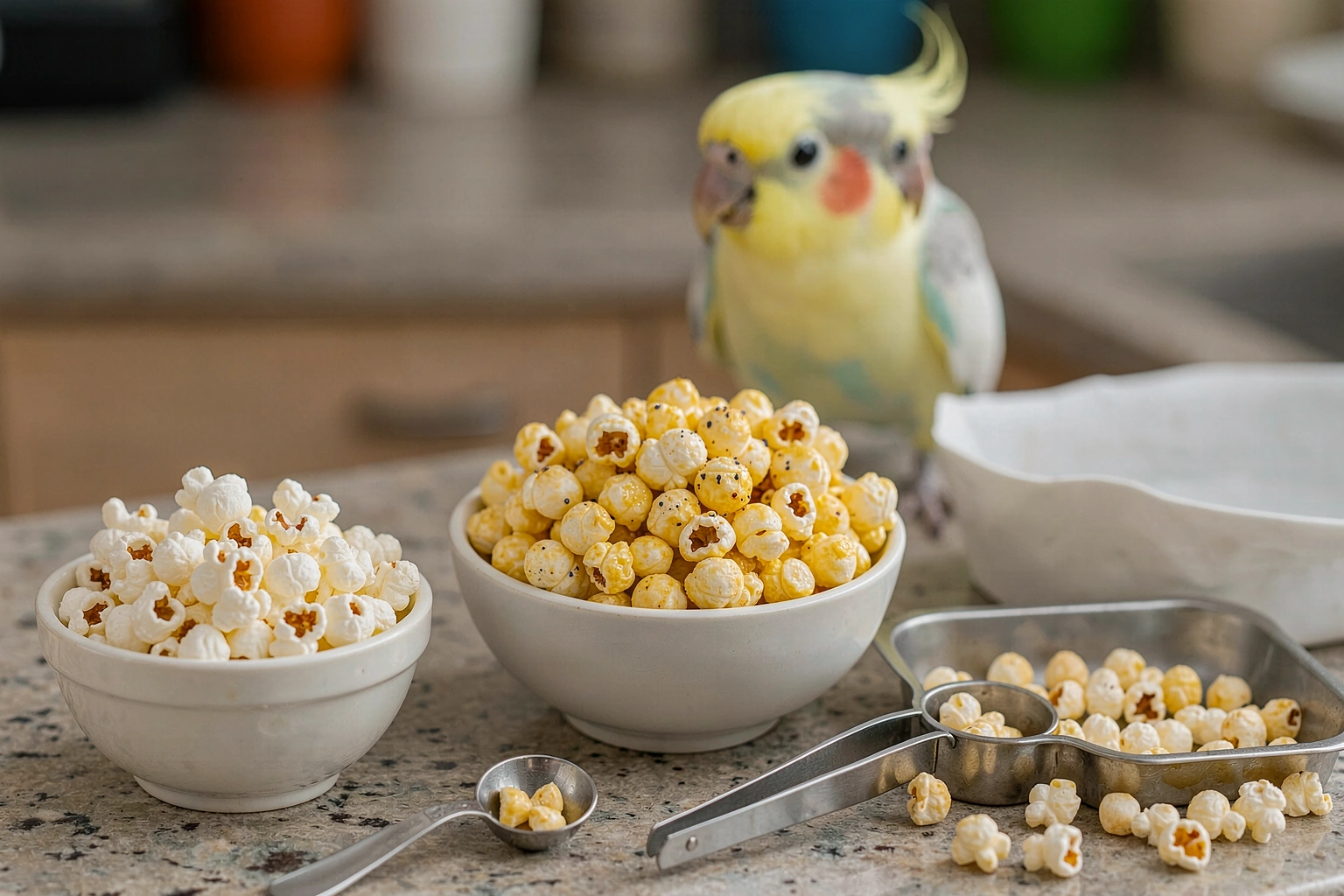
What to avoid near feeders: anything salted, any food with onion or garlic, dry bread in large pieces, and anything that's been sitting out long enough to get wet and start molding. Popcorn is another one people toss out casually, but it can carry its own concerns depending on preparation. If you've ever wondered about that specifically, feeding birds popcorn comes with some of the same seasoning and salt caveats as rice.
A bird already ate rice: here's what to do right now
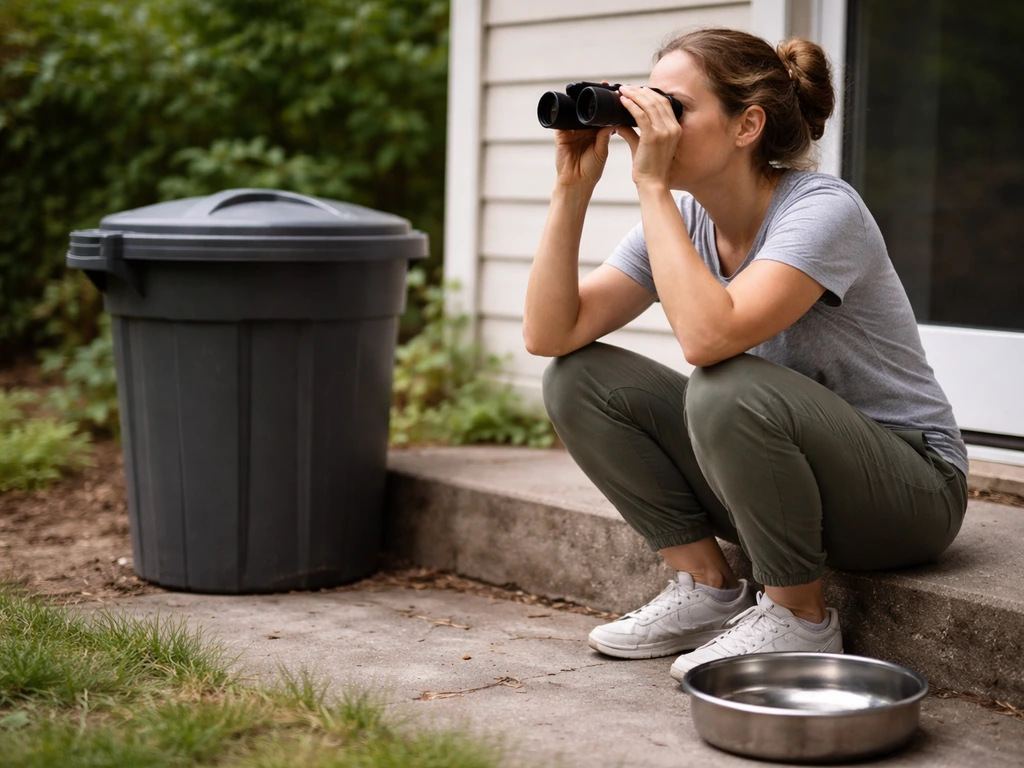
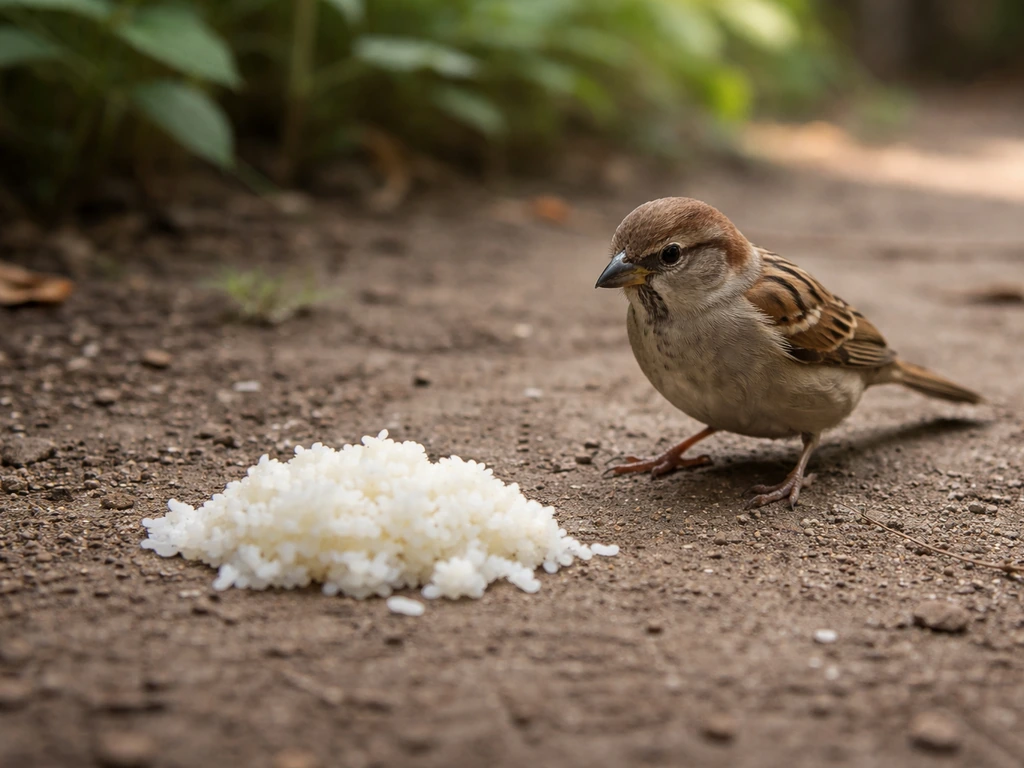
If you watched a bird eat plain, unseasoned rice (cooked or uncooked), you almost certainly don't need to do anything. Just monitor from a distance. The bird is very likely fine.
If the rice was seasoned, salted, or came from a prepared dish, watch more carefully. Signs that something is wrong include the bird sitting fluffed up and motionless, open-mouth breathing, tail bobbing with each breath, inability to stand, or obvious lethargy. A bird signs reference used by avian care professionals lists open-mouth breathing and tail bobbing while breathing as urgent symptoms that warrant immediate contact with a vet or wildlife rehabilitator.
- Don't try to feed the bird anything further, including water. As noted above, aspiration is a real risk and you can make things worse.
- Observe from a distance for 15 to 30 minutes. A bird that flies away normally is almost certainly fine.
- If the bird is grounded and showing distress signs, contact a local wildlife rehabilitator. The Avian Wildlife Center and organizations like Wings of the Dawn Wildlife Rescue emphasize that birds in distress need professional evaluation, not well-meaning home treatment.
- If it's a pet bird that ate seasoned rice, call your avian vet directly. Don't wait to see if symptoms develop, especially if onion or garlic was in the dish.
- Minimize handling. Maine's Department of Inland Fisheries and Wildlife and other state agencies consistently advise that unnecessary handling of wildlife causes additional stress and can worsen outcomes.
- If you do need to contain a distressed wild bird temporarily while waiting for rehab guidance, place it in a ventilated box in a quiet, dark, warm space. Don't attempt to give it food or liquids without professional instruction.
Keeping your feeding area safe from spoilage and toxins
Whether you're offering rice, seed, or anything else, feeder hygiene matters more than most people realize. The Minnesota DNR warns that in wet weather, mold and bacteria can form on wet birdseed quickly, and this applies to any grain you put out, including rice. Wet rice left in a feeder or on the ground becomes a contamination risk faster than dry seed does.
Project FeederWatch from Cornell Lab recommends discarding your cleaning solution if black mold is visible, and UNH Extension advises wearing gloves and washing your hands thoroughly after handling feeders. These aren't overcautious suggestions: mold and bacteria in feeders can spread disease among bird populations and even create risks for the humans handling them.
A few practical habits make a real difference. Only put out as much food as birds will eat in a day or two, especially with moist foods like cooked rice. Clean feeders regularly (hummingbird feeders need attention every few days; seed feeders at minimum every one to two weeks, more often in humid or rainy weather).
UNH Extension also recommends placing feeders appropriately and maintaining them by periodically washing or disinfecting with an appropriate solution, and raking the ground to help prevent fungi growth Clean feeders regularly. Remove any wet or clumped seed before it has a chance to mold.
And keep in mind that a Cornell Lab-affiliated ornithologist specifically discourages leaving excess food piles on the ground, where contamination risk is highest.
Salt and seasonings deserve a separate callout here. Best practice guidance for bird feeding flags salty and processed foods as items to avoid, and this extends to anything you might toss out from the dinner table. Even food that seems innocuous to us, like pasta sauce, rice pilaf, or flavored crackers, can carry sodium levels that are genuinely harmful to birds. Plain, simple, and fresh is the rule.
The bottom line on rice and birds
Plain cooked rice is not dangerous to birds, and uncooked rice won't make them explode either. The explosion myth has no evidence behind it and has been dismissed by every serious source that's addressed it. If you want a deeper look at how birds handle rice specifically, whether a bird can eat rice covers the topic in more detail, and if you're thinking about intentionally offering it, feeding birds rice as a deliberate choice is worth reading before you start. The real risks are the ones that apply to almost any food you put near birds: seasoning, salt, spoilage, and contamination. Get those right, and the birds at your feeder will do just fine.
FAQ
If I see a bird eat rice, should I remove the rest of the pile right away?
If it is plain and dry, you can usually leave it, but remove or clean up any clumped or wet rice to reduce mold and bacteria. In hot or humid weather, stale wet rice can become a contamination source faster than dry seed.
Does cooked rice differ from raw rice in safety for birds?
Cooked plain rice is generally easier for many backyard birds to manage, but smaller species can still choke if large clumps stick together. Break up or spoon small amounts, and avoid any rice that has cooled uncovered in a contaminated area.
What if the rice was seasoned with butter or oil, not just salt?
Even if salt is not obvious, butter and oils add fat that can upset digestion and increase the chance of spoilage if left out. If the rice was from a dinner plate or takeaway, treat it as higher risk than plain rice and avoid repeating it.
Is brown rice safer than white rice for birds?
Both are typically acceptable when plain and unseasoned, but brown rice can spoil more quickly when wet because its outer components can degrade faster. The bigger safety factor is seasoning and feeder hygiene, not the rice color.
Can rice be used to attract birds, like during breeding or winter?
Rice can be an occasional supplement, but it should not replace a balanced, species-appropriate diet. For attracting and supporting birds in winter or breeding season, focus on higher value foods like quality seed mixes, suet where appropriate, and clean water rather than relying on rice.
What symptoms would suggest a rice-related problem versus normal overeating?
Normal foraging can look like fluffed posture briefly, but persistent fluffed and motionless behavior, open-mouth breathing, tail bobbing with breathing, inability to stand, or sudden lethargy are red flags. If symptoms last more than a short time or worsen, contact an avian vet or wildlife rehabilitator.
Should I offer water or wet food to a bird that just ate rice?
Do not put liquids directly into the bird’s mouth. Instead, keep the bird at a safe distance, and let it drink naturally if it wants. If the bird seems to be struggling to breathe, seek professional help right away.
What should I do if rice was thrown near a feeder and now looks moldy?
Remove all moldy rice immediately and discard it. Clean the surrounding area because spores and bacteria can spread, then scrub and dry the feeder components before refilling.
Will feeding rice to pet birds like parakeets or finches be different from feeding wild birds?
Yes. Pet birds have different dietary needs and tighter risk tolerances, especially with salt, additives, and portion size. Use only plain, bird-safe foods in appropriate quantities, and follow your bird species guidance rather than treating all birds the same.
Is rice ever a good alternative when I do not have birdseed?
It can be a short-term option if it is plain and fresh, but it is still low on nutrients compared with many recommended feeder foods. If you want a safer emergency approach, offer clean seed or suet appropriate for your local species, and always remove leftovers quickly.