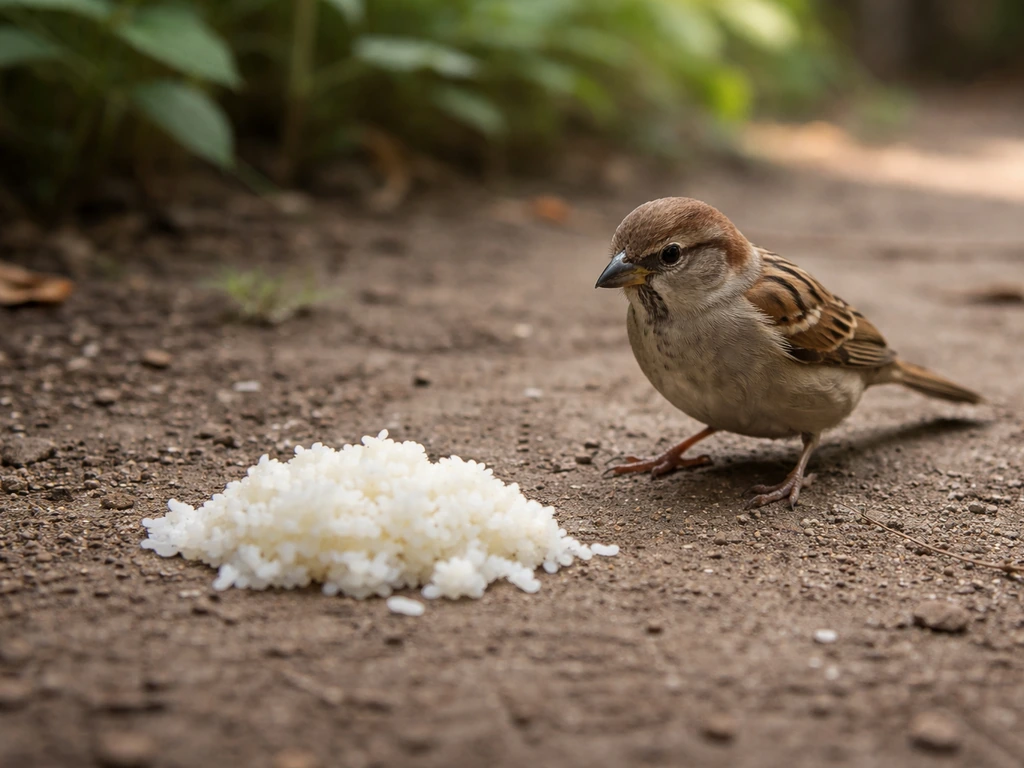
Yes, birds can eat rice, and it is safe for them. Plain cooked rice is accepted and recommended by major wildlife organizations including the RSPCA and RSPB, and uncooked rice is not the death trap that the old wedding-myth suggests. The real concerns are not about rice itself but about what gets added to it: salt, butter, oil, spices, and seasonings that have no place in a bird's diet. Get those out of the picture, and rice becomes a reasonable, energy-rich food to offer backyard birds.
Can a Bird Eat Rice? Safety, Risks, and Better Options

Maya Henderson
3 Apr 2026
Cooked vs. Uncooked Rice: Which One Is Actually Safe?
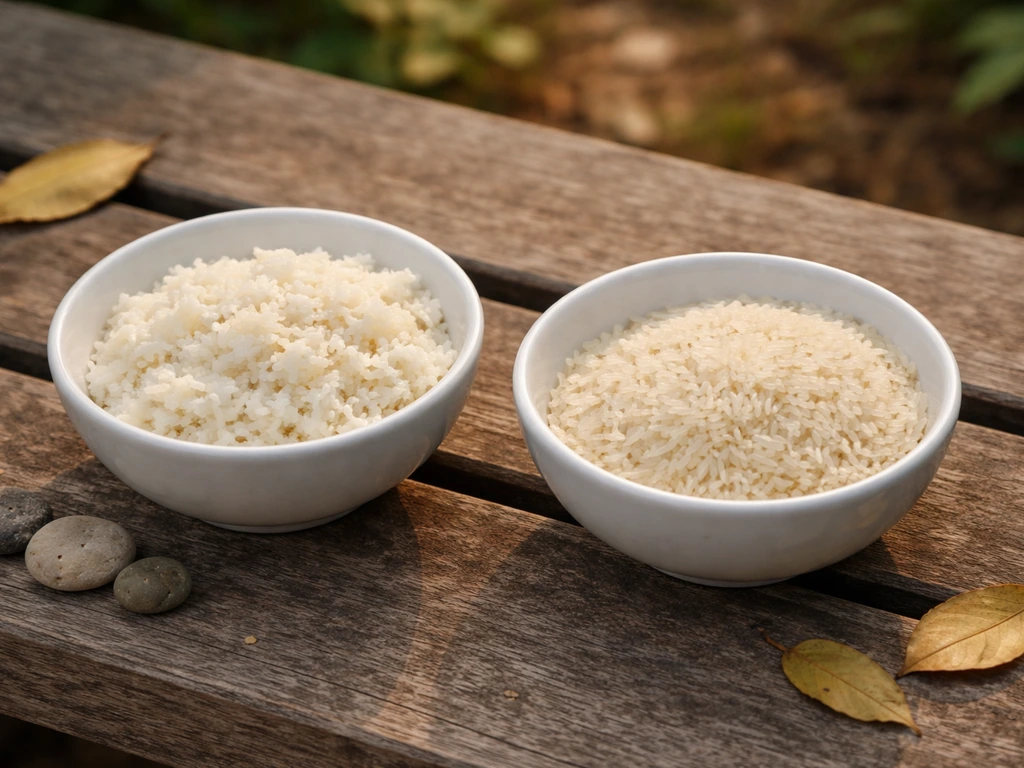
Cooked rice is the safer and more practical choice for feeding garden birds. It is soft, easy to swallow, and readily accepted by a wide range of species. The RSPCA explicitly lists plain cooked rice as an acceptable food scrap for garden birds, and the RSPB includes it in their recommended bird-cafe menu. If you have leftover plain boiled or steamed rice with nothing added, it is genuinely fine to put out.
Uncooked rice gets a bad reputation thanks to a persistent myth that it swells inside a bird's stomach and kills them. That is not what happens. Project FeederWatch and the Canadian Wildlife Federation have both addressed this directly, and the Cornell Lab has definitively stated there is no scientific basis for the swelling-and-dying claim. Many bird species eat uncooked rice in the wild as part of their normal diet, particularly in rice-growing regions. The grain does not expand to a dangerous size in a bird's digestive system. So while the idea that a bird will explode if it eats rice makes for dramatic wedding-planning advice, it simply is not supported by evidence.
That said, the RSPB's guidance leans toward recommending cooked rice rather than uncooked as a general practice. Cooked rice is softer, less likely to cause any difficulty for smaller birds, and easier to digest. If you are choosing between the two, go with plain cooked rice. Uncooked is not dangerous, but cooked is more consistently helpful.
How to Prepare Rice for Birds (and What to Skip)
The preparation rules are simple, but they matter a lot. Birds cannot handle the additions that make rice taste good to us. Here is what to keep in mind before you put anything out.
- Plain and unseasoned only: no salt, no butter, no oil, no garlic, no onion, no spices of any kind
- Cooked rice should be cooled to room temperature before offering it, not hot or steaming
- Small portions work best: a tablespoon or two scattered on the ground or in a tray feeder is plenty to start
- Do not put out seasoned takeout rice, fried rice, rice pilaf, or any restaurant or packet leftovers
- Avoid rice that has been sitting out in your kitchen for more than a day; bacterial growth happens fast in cooked grains
Salt is the biggest hazard in prepared rice. Even small amounts can disrupt a bird's electrolyte balance and cause serious harm over time. This is not unique to rice: it applies to any food you offer. The moment a dish has been salted or seasoned, it is off the table for birds. The same logic that applies when you decide to feed a bird rice also applies to any other grain or kitchen scrap: plain is always safer.
Which Birds Will Actually Eat Rice?
Not every bird that visits your yard will be interested in rice. Seed-specialist birds like goldfinches or pine siskins are likely to ignore it entirely. The birds most likely to pick at rice are ground-feeding species and omnivores that are comfortable with varied food sources.
- House sparrows and house finches will eat cooked or uncooked rice scattered on the ground or in a low tray
- Pigeons and doves are enthusiastic about grains, including rice, and will reliably clean up whatever is offered
- Starlings and blackbirds are opportunistic feeders and will eat cooked rice readily, especially when mixed with other scraps
- Crows and jays are smart scavengers and will investigate rice, particularly in larger pieces
- Waterfowl like ducks and geese will eat rice, though bread and similar offerings are a much more common (and problematic) habit at ponds
At feeders, rice is best offered in a flat tray or scattered on the ground rather than placed in a tube feeder. Most birds that eat rice prefer to forage at ground level. If you scatter it on grass or a paved surface, you will get a more natural feeding interaction and can monitor how quickly it is being consumed.
Real Health Risks to Know About
Choking and Digestive Upset
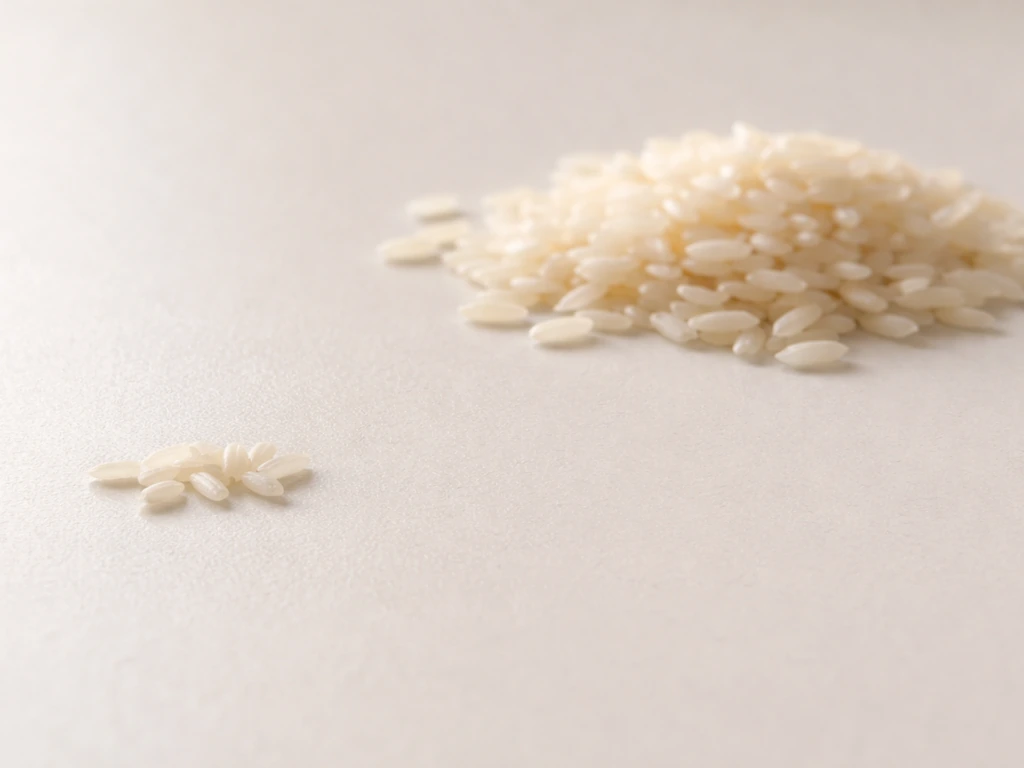
Rice grains, particularly uncooked ones, could theoretically be difficult for very small birds like wrens or warblers. In practice, this is rarely reported, but if you are offering rice to small species, sticking with soft cooked rice reduces any risk. Overfeeding cooked rice can also lead to loose droppings in birds, since the high water content and carbohydrate load is not the most nutritionally balanced food source. Think of it as a supplement, not a staple.
Salt, Butter, and Seasonings
Seasonings are a genuine hazard. Salt, garlic, onion, and many common spices are harmful to birds at even modest doses. Butter and cooking oils add fats that can smear on feathers, reducing their insulating and waterproofing ability. Never offer any rice that has been cooked with stock, bouillon, or commercial seasoning packets. These often contain high sodium levels and additives that are toxic to small animals.
The Swelling Myth Is Not a Real Risk
Rice toxicity from swelling in the crop or stomach is not a documented cause of bird death. Popular Science reported the Cornell Lab's conclusion that this myth has no scientific basis, and wildlife groups in North America have confirmed the same through research. Do not let this myth stop you from offering rice, but do not let debunking the myth make you sloppy about preparation either. The actual risks are salt, spoilage, and poor hygiene, not the grain itself.
Mold and Spoilage Are the Real Danger
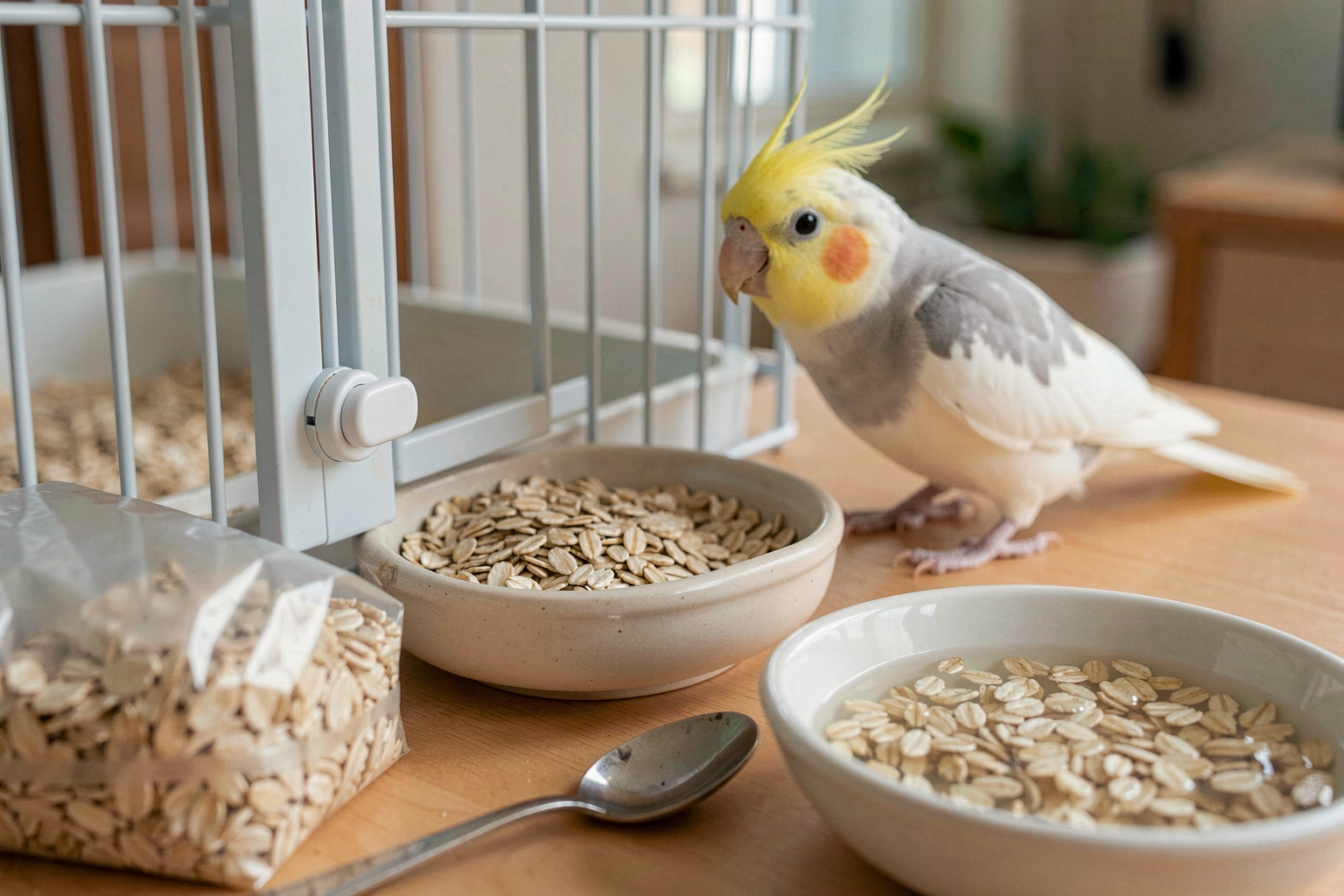
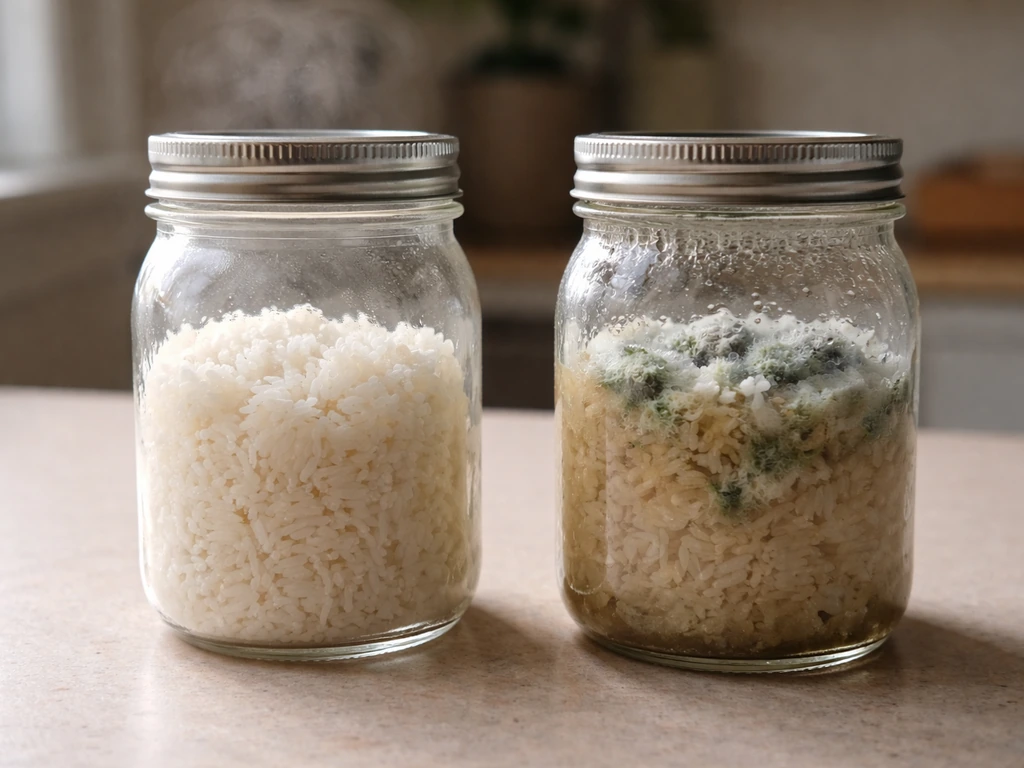
Cooked rice spoils quickly, especially in warm or wet weather. Moldy or fermented rice can cause serious illness and should never be offered. If rice has been sitting out for more than a couple of hours in hot weather, remove it. This is probably the most practical and overlooked hazard in backyard feeding. The RSPB advises following blank" rel="noopener noreferrer">safe feeding and hygiene practices to help prevent disease when feeding birds in your garden. The same rule applies to any grain you offer, including when you consider feeding birds oats or similar carbohydrate-rich foods.
Cooked vs. Uncooked Rice: A Quick Comparison
| Factor | Cooked Plain Rice | Uncooked Rice |
|---|---|---|
| Safety for birds | Yes, recommended by RSPCA and RSPB | Yes, not harmful; myth of swelling is debunked |
| Ease of eating | Soft, easy to swallow for most species | Harder texture; fine for most birds, trickier for small ones |
| Spoilage risk | Spoils within hours in warm weather | Much lower spoilage risk; can be stored dry |
| Nutritional value | Energy-dense carbohydrates | Similar carbohydrate content, slightly less digestible |
| Preparation required | Must be plain, cooled, unsalted | Offer as-is; no cooking needed |
| Best for | Ground-feeding birds, omnivores, larger species | Pigeons, doves, sparrows, waterfowl |
Recommendation: go with plain cooked rice if you have it on hand and are offering it immediately. Use uncooked rice if you want something you can scatter and leave without worrying about rapid spoilage. Either way, plain is non-negotiable.
Safer Alternatives, Smart Storage, and When to Get Help
Better Everyday Options for Backyard Feeding
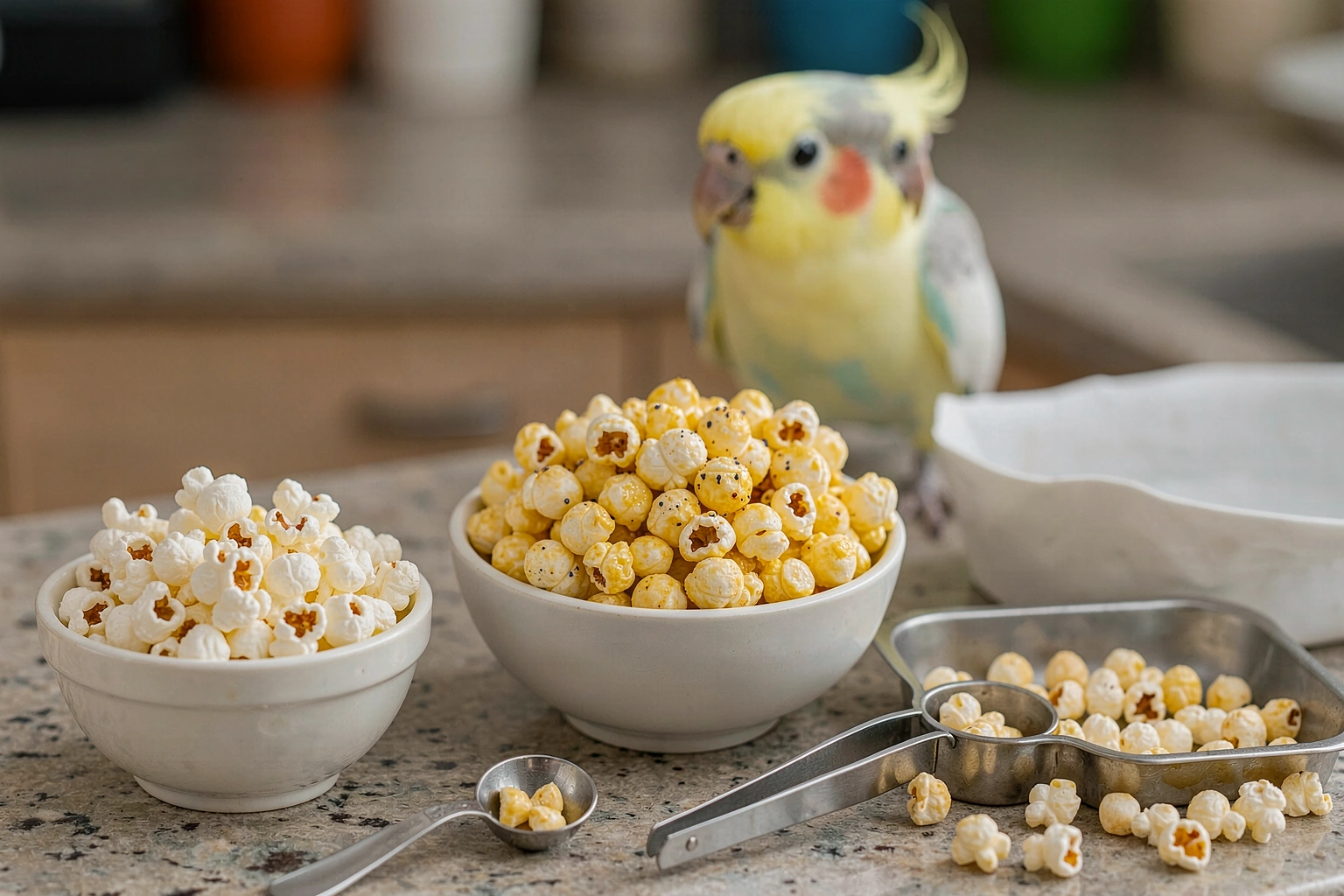
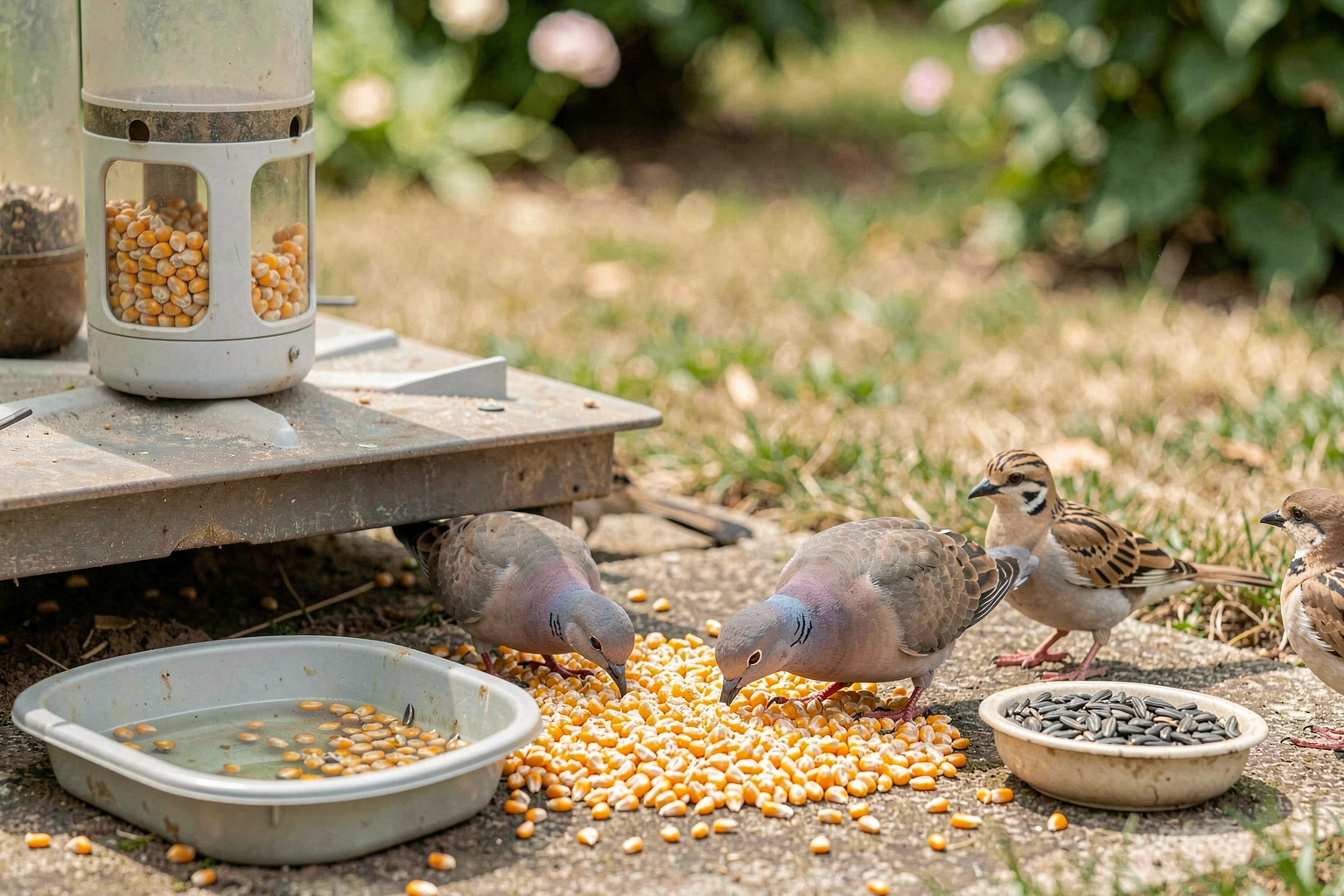
Rice is fine as an occasional offering, but it is not the most nutritious thing you can put out. If you want to give birds a consistent, balanced food source, black oil sunflower seeds, nyjer (thistle) seed, and suet are far better everyday options. Corn is another grain that many ground-feeding birds accept readily, and if you are curious about the details, how birds handle corn follows similar rules to rice: plain and unsalted is the baseline. Popcorn comes up often too, and the short version is that birds and popcorn have the same caveat: plain only, no butter or salt, and only as a treat.
Storing Grains to Prevent Spoilage
Any grain you keep for bird feeding, including rice, should be stored in a sealed, airtight container in a cool, dry location. Moisture is the main enemy. Once cooked rice has been prepared, it should go in the fridge and be used within one to two days or discarded. Uncooked rice stored properly can last months without spoiling, which makes it a more practical pantry option for bird feeding than keeping cooked portions on hand.
When to Stop Feeding and Get a Bird Help
If you notice a bird acting strange after visiting your feeding area, take it seriously. Signs that a bird needs intervention include inability to stand, an abnormal head position, a drooping wing, visible breathing difficulty, or lameness. These are the indicators flagged by Tufts Wildlife Clinic and the Wisconsin Humane Society as signals that a bird is in distress and needs professional care. Do not try to treat a sick or injured wild bird yourself. Best Friends Animal Society recommends contacting a licensed wildlife rehabilitator, who has the training and legal authority to care for wild birds properly.
If you need to contain a bird temporarily before transferring it to a rehabilitator, the DFW Wildlife Coalition advises keeping it in a quiet, dark place in a ventilated box, away from pets and children. Minimizing stress is the priority. Do not offer food or water to an injured bird unless a rehabilitator specifically instructs you to do so.
In terms of stopping regular feeding: if you are seeing spoiled food regularly, attracting pest species, or noticing birds becoming lethargic or ill after visiting your feeders, scale back or pause feeding. Clean feeders and feeding areas with a diluted bleach solution, let everything dry fully, and assess whether your setup is promoting hygiene or undermining it. A feeder that is cleaned and managed well does real good. One that is ignored becomes a hazard.
FAQ
Can a bird eat leftover cooked rice that has been reheated or cooled down?
Yes, but only if it was plain and kept safely. Refrigerate cooked rice promptly, reheat only if it was stored properly, and discard it if it smells sour or looks clumpy or discolored. For feeding, use it soon, ideally within 1 to 2 days after cooking.
Is it okay to feed birds rice if it was cooked with water that had salt in it?
No. Even if the salt amount seems small to you, salted cooking water counts as salt exposure, and birds can be harmed by sodium. If the cooking water was salted, do not offer the rice to birds.
Can I offer rice to birds during winter, when it is cold enough to keep food from spoiling?
Cold weather helps slow spoilage, but it does not eliminate it, especially if snowmelt or rain wets the food. Use less at a time, remove leftovers quickly once they look wet or dirty, and keep the area clean to reduce mold and bacterial growth.
Does brown rice work the same as white rice for birds?
Plain cooked rice is the key. Brown rice is generally fine when plain and fully cooked, but it can be chewier than white rice, so offer it in smaller amounts and prioritize softer, well-cooked grains for small birds.
Will rice attract rats, mice, or other pests?
It can, especially uncooked grains left on the ground or spilled food around feeders. To reduce pest attraction, scatter small amounts, clean up what is not eaten, and avoid using tube feeders that can spill large quantities.
How often should I put rice out, and should it replace sunflower seeds or suet?
Use rice only as an occasional supplement. It is not nutritionally balanced for regular feeding, so keep your main everyday foods as recommended staples like black oil sunflower seeds, nyjer, and suet.
Is rice safe for baby birds (nestlings) if a parent bird eats it?
Do not intentionally feed rice to nestlings. Many nestlings require specific diets and textures provided by their parents, and cooked rice is not a reliable substitute. If you find a nestling that is not being fed, contact a licensed wildlife rehabilitator.
Can I feed birds rice in a tube feeder?
Prefer not. Rice is best in a flat tray or scattered on the ground because most birds forage at ground level and rice can clump, jam, or spill unevenly in tube-style feeders, increasing mess and spoilage risk.
What should I do if I see birds getting loose droppings after eating rice?
Reduce how much and how often you offer it. Overfeeding carbohydrate-rich foods like rice can contribute to looser droppings. Stop rice temporarily, switch back to your more balanced staple foods, and remove any food that becomes soiled or wet.
If a bird won’t eat the rice I put out, should I keep trying different types of rice?
Not necessarily. Many seed-specialist birds will ignore rice. If you want to increase variety for backyard birds, focus on species-appropriate foods like sunflower seeds, nyjer, or suet rather than changing between plain cooked rice and uncooked rice.
Can I mix rice with other ingredients to make it more appealing to birds?
Avoid mixing. Any additives like salt, butter, oils, spices, garlic, onion, or seasoned stock make it unsafe. If you want to offer rice, keep it plain, and offer other safe foods separately.