Yes, you can feed a bird rice, and it is not going to kill them. The old story that uncooked rice swells up inside a bird's stomach and causes it to explode is a myth, debunked thoroughly by Cornell Lab's Project FeederWatch and fact-checkers at Snopes. That said, rice is not the best thing you can offer a bird, and the way you serve it matters more than most people realize. Here is everything you need to know to feed birds safely, whether you are tossing a handful of rice outside right now or setting up a long-term feeding station.
Can You Feed a Bird Rice? Safe Options and What to Do

Maya Henderson
22 Mar 2026
Is rice actually safe for birds?
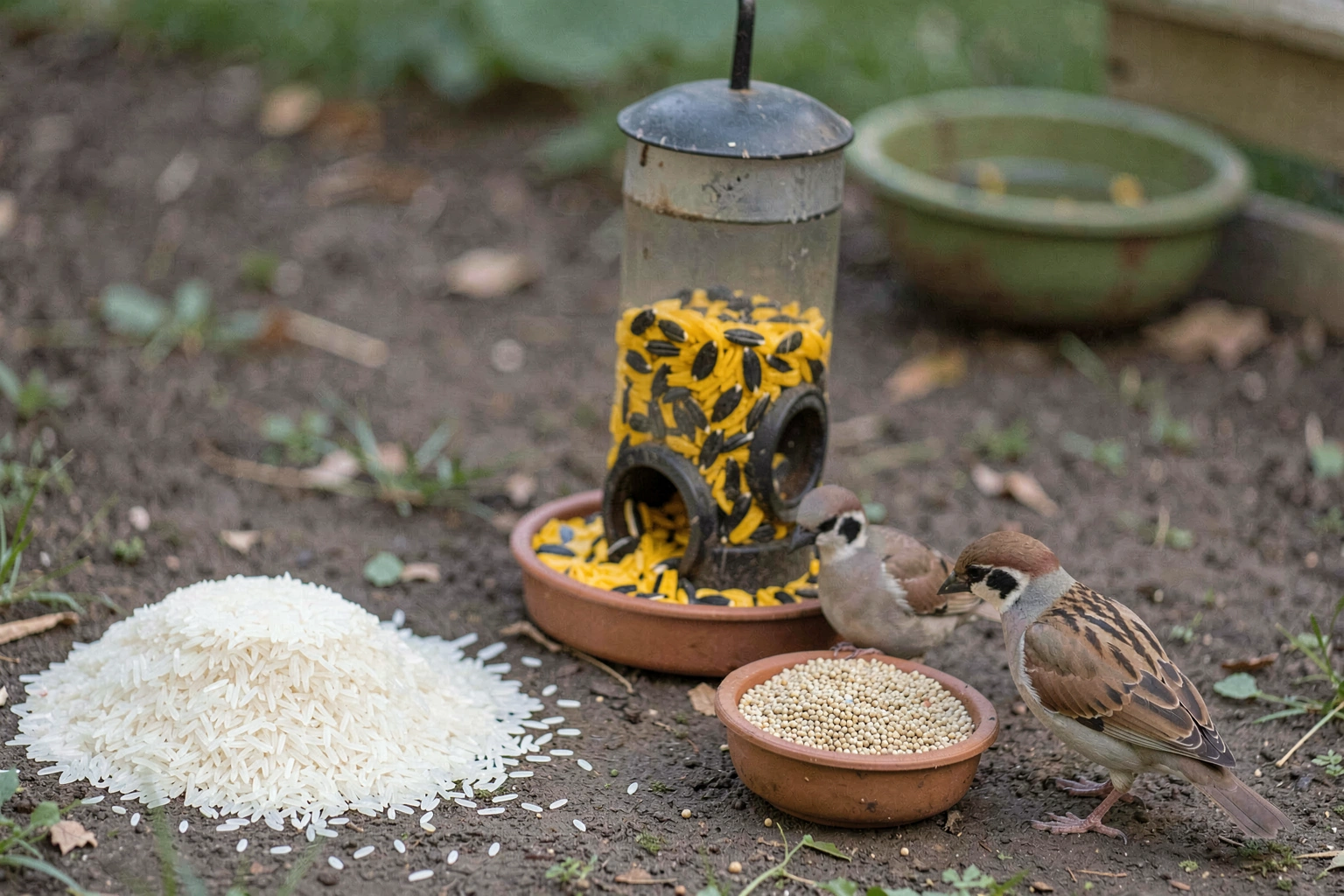
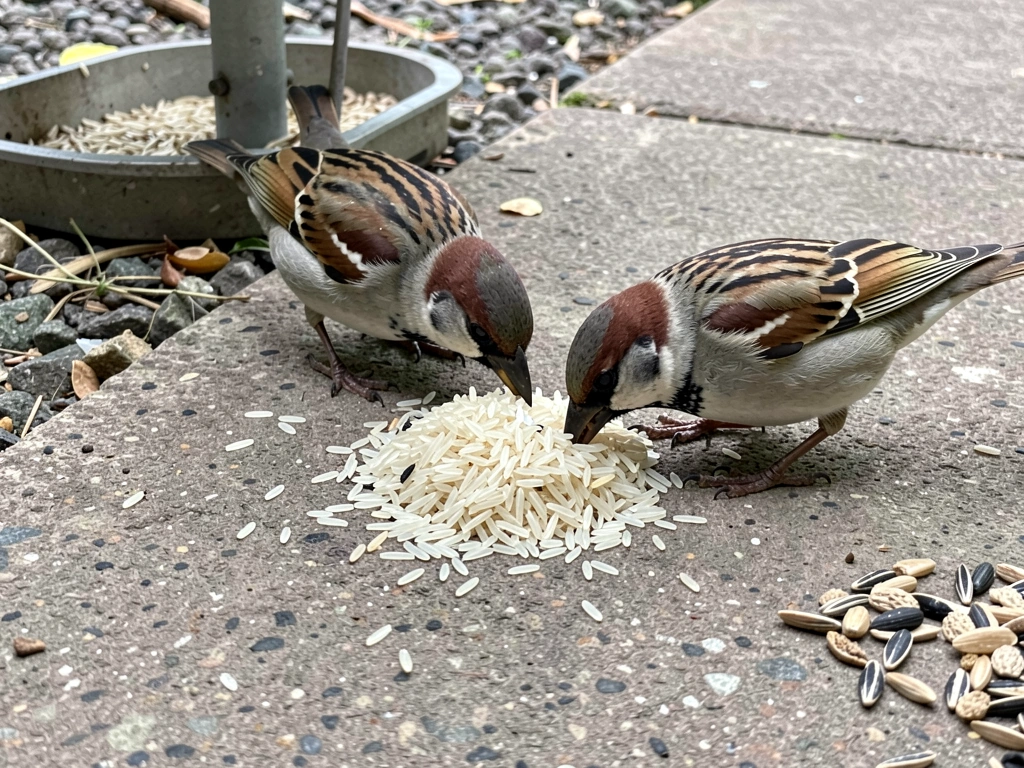
Plain rice, both cooked and uncooked, is not toxic to birds. Wild birds eat grains, seeds, and cereals as a regular part of their diet, and rice is just another grain. The Project FeederWatch directly addresses the uncooked-rice rumor and concludes it is not supported by evidence. Birds have a muscular gizzard designed to grind up hard seeds and grains, so a few grains of dry rice are handled without any drama.
The main risks with rice are practical ones: size, state, and what is mixed with it. Large clumps of sticky cooked rice can be awkward for smaller birds to manage, and rice that has been sitting out and has gone moldy poses a real health risk. Plain, dry, unseasoned rice left in small amounts is the safest version if you are going to offer it at all.
What rice actually does inside a bird
A bird's digestive system is built for processing hard, dry seeds. Uncooked rice passes into the crop (a storage pouch in the throat), gets moistened there, and then moves to the gizzard where it is ground down. The idea that rice dramatically expands inside a bird's body and causes rupture is based on a misunderstanding of how much the grain actually swells relative to the bird's stomach volume. Birds that eat grain regularly, such as sparrows, doves, and pigeons, process dry grains without issue every single day.
The realistic risks are different. A bird trying to swallow an oversized clump of cooked, sticky rice could have difficulty, especially smaller species. Cooked rice that has been left out can spoil and grow bacteria including salmonella, which genuinely can make birds sick. Seasoned or flavored rice, anything with salt, oil, garlic, or onion, is a problem because those additives are harmful to birds. So the rule is simple: plain is fine, seasoned or spoiled is not.
Better foods to offer birds instead
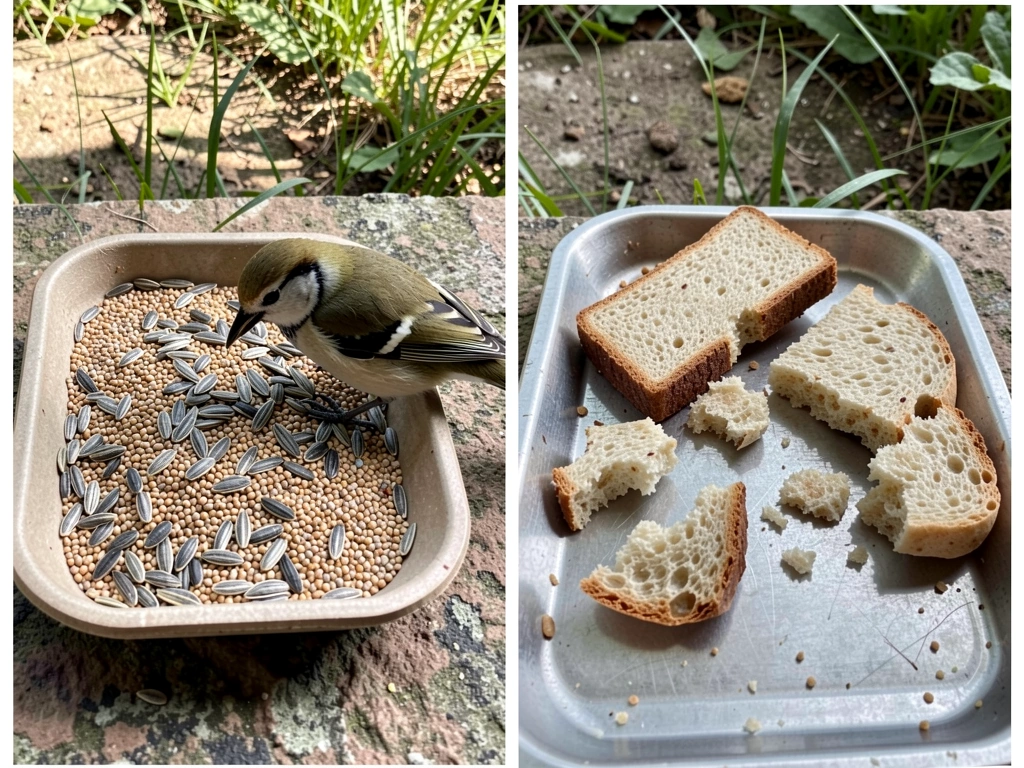
P|Rice gives birds some carbohydrates but not much else. If you want to actually help the birds visiting your yard, there are far more nutritious options that birds prefer and that carry fewer handling risks. Sunflower seeds, millet, and nyjer are the gold standards for most backyard feeders. For ground-feeding birds like sparrows and doves, cracked corn and millet scattered on dry ground work well. Suet cakes are excellent in cooler months for providing fat and energy. Fresh fruit like apple slices or berries attract thrushes and waxwings.
One thing to avoid is bread, crackers, or processed human food. A nearby Audubon chapter makes the point clearly: bread fills birds up without delivering the nutrition they need, and it molds fast, creating a secondary problem at your feeder. Rice is better than bread, but both rank well below species-appropriate seeds and grains.
| Food | Safe for Birds? | Nutritional Value | Notes |
|---|---|---|---|
| Plain uncooked rice | Yes | Low (carbs only) | Small amounts only; no seasoning |
| Plain cooked rice | Yes, with caution | Low | Must be fresh, unseasoned, and in small pieces |
| Sunflower seeds | Yes | High (fat, protein) | Best all-around feeder food |
| Millet (white or red) | Yes | Good | Loved by sparrows, doves, finches |
| Cracked corn | Yes | Moderate | Good for ground feeders; keep dry |
| Suet cakes | Yes | High (fat) | Ideal in fall and winter |
| Bread or crackers | Not recommended | Very low | Molds quickly; displaces real nutrition |
| Seasoned or cooked rice with salt/oil | No | Irrelevant | Additives are harmful; never offer this |
How to feed birds safely, amounts, frequency, and placement
If you are going to offer rice or any grain, the amount matters. A small handful scattered on a dry, flat surface is enough for a typical visit from ground-feeding birds. You do not want large piles sitting out, because uneaten food draws pests and starts to mold as soon as it gets wet from rain or dew. Texas Parks and Wildlife specifically notes that wet feed exposed to morning dew or rain is the fastest route to mold problems.
For placement, ground feeding works well for doves, sparrows, and similar birds. Use a raised platform feeder or scatter food on a clean, dry paved or gravel surface rather than bare soil if possible, so you can see and remove leftover food before it rots. Keep feeding areas away from dense shrubs where cats can hide.
Clean your feeders regularly. The U.S. Fish and Wildlife Service recommends cleaning at least once every two weeks under normal conditions. If you notice cloudy water in a bird bath, black mold anywhere on your feeder, or birds looking lethargic around the feeder, increase cleaning to once a week or more. Audubon recommends a 9-to-1 water-to-bleach solution for scrubbing feeders, followed by a thorough rinse and full air-drying before refilling. Penn State Extension also recommends raking up debris, hulls, and droppings beneath feeders regularly, since that buildup is where bacteria thrive.
- Offer only small amounts at a time, no more than birds will eat in a single visit
- Place food on a clean, dry surface and remove leftovers before nightfall
- Clean feeders every one to two weeks with a bleach solution (9 parts water, 1 part bleach), rinse fully, and let dry
- Rake or sweep under feeders weekly to remove old seed, hulls, and droppings
- Keep food dry; if it gets rained on, remove and replace it
When to stop feeding and get help
Most of the time, birds that eat rice or other grain at a feeder will be completely fine. But there are situations where you should act. If you see a bird sitting puffed up, unable to fly, repeatedly falling over, or sitting on the ground with its eyes closed, something is wrong. A bird that appears to be choking (bobbing its head repeatedly, holding its beak open without vocalizing) needs help immediately. Contact a local wildlife rehabilitator or your state's wildlife agency. Do not try to force-feed water or food to a distressed bird.
If multiple birds at your feeder are showing symptoms at the same time, that points to a feeder contamination problem rather than an individual bird issue. Stop feeding immediately, take the feeder down, clean it thoroughly with a bleach solution, and do not put it back up until it is fully dry. Report clusters of sick or dead birds to your state wildlife agency, as this can indicate a disease outbreak that authorities need to track.
- Single bird sitting puffed, lethargic, or on the ground: contact a wildlife rehabilitator
- Bird appearing to choke or repeatedly gaping: call wildlife rehabilitation help immediately
- Multiple sick birds at one feeder: remove and clean feeder right away, report to wildlife authorities
- Mold visible on food or feeder: stop feeding, clean the feeder before refilling
- Cloudy or slimy water in bird bath: empty, scrub, and refill before more birds drink from it
Myths cleared up and a quick do/don't list
The biggest myth is the exploding bird story, and it is completely false. Uncooked rice does not expand enough inside a bird's digestive system to cause harm. This claim has been circulating since at least the 1980s in the context of wedding rice throws, and ornithologists and fact-checkers alike have found zero evidence supporting it. Birds eat dry grain constantly in the wild. A second myth is that cooked rice is automatically safer because it is soft. It can actually be trickier because it clumps, sticks, and spoils faster than dry rice.
If you are unsure what to feed the birds in your yard, sunflower seeds and white millet will cover the majority of common backyard species without any of the handling complications that come with rice or bread. Those are the practical defaults I keep in my own feeders year-round.
| Do | Don't |
|---|---|
| Offer plain, dry, uncooked rice in small amounts | Add any seasoning, salt, oil, or flavoring to rice |
| Use species-appropriate seeds (sunflower, millet) as your primary feed | Rely on rice as a main food source for birds |
| Clean feeders every one to two weeks with a bleach solution | Let moldy or wet food sit in feeders or on the ground |
| Remove uneaten food before it gets wet or sits overnight | Leave large piles of food out for days at a time |
| Contact a wildlife rehabilitator if a bird shows distress | Try to treat or handle a sick wild bird yourself |
| Rake up debris and droppings under feeders weekly | Ignore buildup beneath the feeder |
| Keep feeding areas in open spots, away from cat-hiding cover | Place feeders right next to dense shrubs or ground cover |
The short answer is: rice will not hurt a bird if it is plain and given in small amounts, but it is not doing them many favors either. If you are wondering about treats like popcorn too, here is what you should know before offering it to backyard birds can bird eat popcorn. Swap it for sunflower seeds or millet and you will attract more birds, cause fewer problems, and feel a lot better about the whole thing. Keep your feeders clean, keep the food dry, and you will have a healthy, busy yard all year long.
FAQ
Can I feed a bird rice that’s cooked in water only (no seasoning), and if so how much?
Yes, but keep it in very small amounts and offer it loosely (not in one sticky lump). Cooked rice dries and spoils faster than dry grain, so discard any leftovers after a few hours in warm weather, and remove clumps so smaller birds are not forced to swallow something oversized.
Is uncooked rice better than cooked rice for birds?
Dry, unseasoned rice is usually the better choice because it is less likely to spoil quickly and does not form sticky clumps. If you do use dry rice, still limit the pile size and keep it dry, since any food that gets rain or heavy dew exposure is at higher mold risk.
What should I do if rain or morning dew soaks the rice on the ground?
Stop feeding it as soon as it gets wet, rake or sweep it up, and clean the area if it’s under feeders. Wet grain can spoil and attract pests, even if it was plain and unseasoned to start with.
Can I use microwave rice or “minute rice” from a box?
Avoid it. These products are often pre-seasoned or contain additives, and even plain versions become sticky and clump when served. If you want a grain option, stick with plain dry types or species-appropriate seeds like millet or sunflower.
Is leftover rice from my dinner okay to use as bird food?
No, not if it had salt, oil, butter, seasonings, garlic, onion, or sauces. Those additives are the main issue with flavored human rice, and they can harm birds even in small amounts.
Will feeding rice attract the wrong animals, like rats or pigeons in large numbers?
It can, because grains are highly attractive to many animals. To reduce pest pressure, use small scatter amounts, avoid leaving piles out overnight, and choose higher-value feeder foods like sunflower seeds or millet that you can portion and replace quickly.
How do I know whether rice on my feeder has gone bad?
Look for visible mold, an unusual smell, wet clumps, or a slimy texture, and do not feed it if it has been sitting through rain or dew. When in doubt, remove it, clean the feeder, and restart with dry food.
If I see one bird acting sick near the rice, should I assume it’s the rice?
Not automatically. Watch for patterns, if only one bird is affected it can be unrelated (injury, a window strike, a separate illness). If multiple birds show symptoms around the same time, treat it as potential feeder contamination and stop feeding, clean thoroughly, and monitor closely.
Can rice replace sunflower seeds or millet for all backyard birds?
Rice is not a great full substitute. It mainly provides carbohydrates, and it can be harder for smaller birds to handle when cooked or clumpy. If you want broad coverage, sunflower seeds and millet generally match more common backyard species with fewer handling and spoilage concerns.
What’s the safest way to offer grain if I’m trying to minimize choking or handling problems?
Offer it in a way that encourages natural pecking, such as scattering dry grain on a clean, dry surface or using a feeder designed for small seed handling. Avoid sticky, clumping food and avoid oversized piles that force birds to swallow large portions at once.
How often should I clean the feeder if I’m feeding rice?
At least on your regular schedule, and more often if you see dampness, droppings buildup, or mold spots. Rice also tends to leave more fine debris and can spoil quickly when it gets wet, so frequent quick checks help prevent bacterial growth.
Next Articles
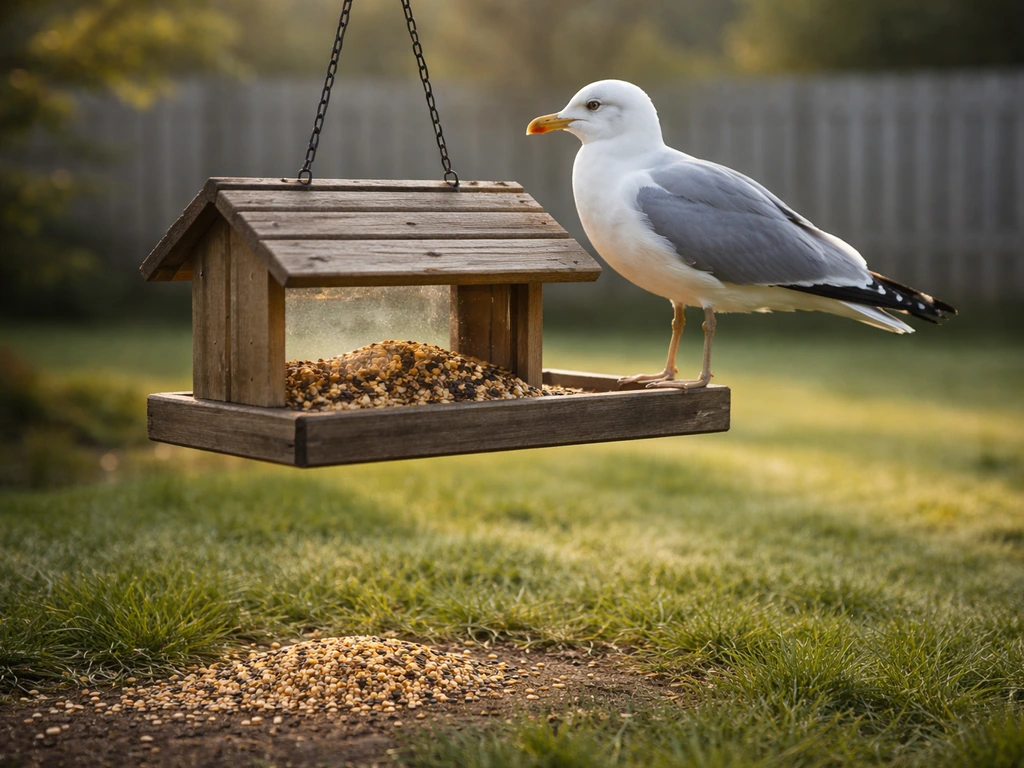
Do Seagulls Eat Bird Seed? How to Stop Them
Yes, seagulls often eat bird seed. Learn why they show up and how to block them while keeping feeding safe.
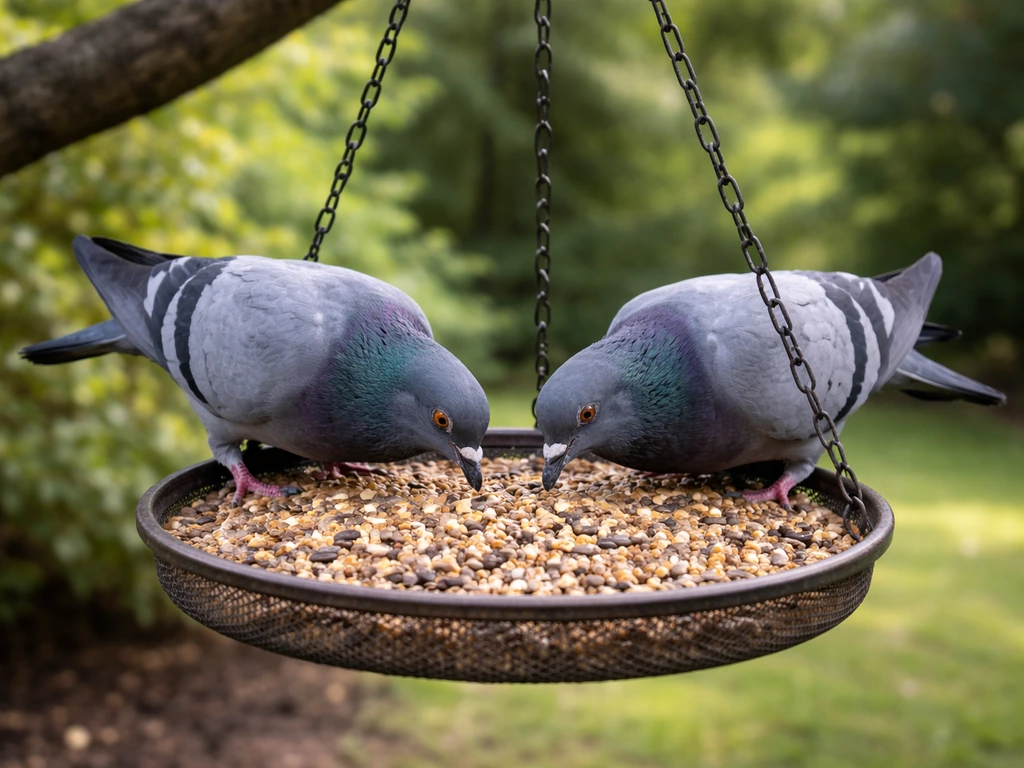
Do Pigeons Eat Bird Seed? Safe Feeding Tips and Risks
Yes, pigeons eat many seeds, but mold and mess make it risky. Learn safe bird seed storage, feeding, and placement.
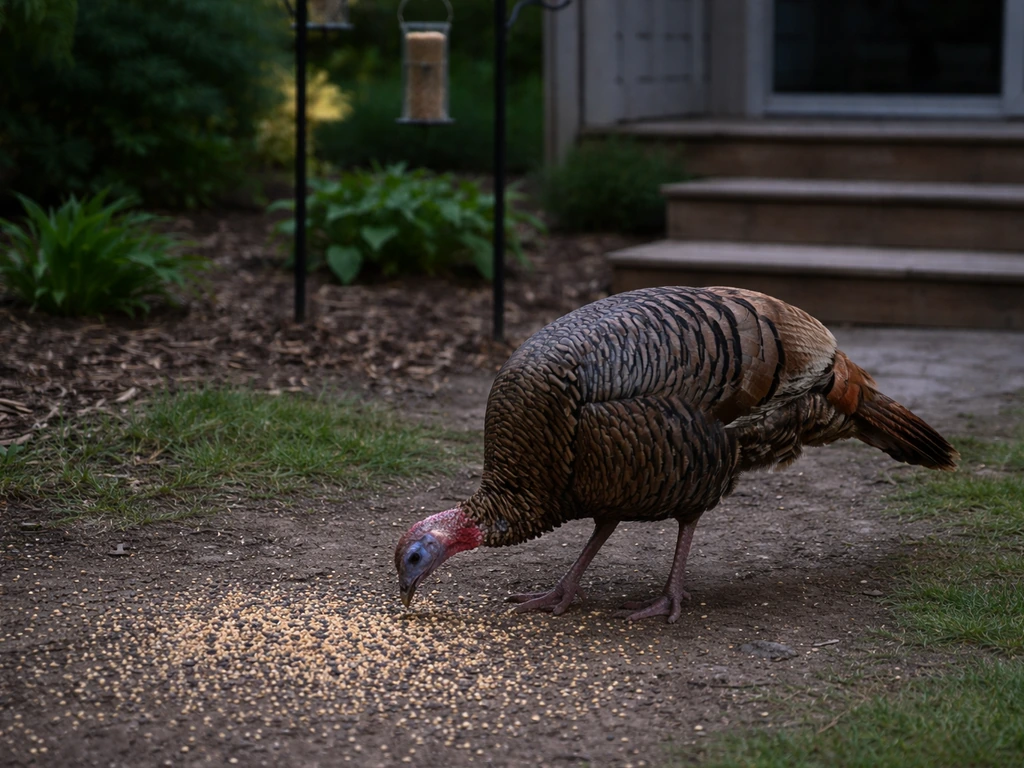
Do Turkeys Eat Bird Seed? What to Do for Safety
Do turkeys eat bird seed? Learn what attracts them, seed ingredients to avoid, and safety steps to stop mold and disease