Yes, most birds can eat corn, but the type of corn, how it's prepared, and how much you offer makes a real difference between a safe treat and a problem. The same idea applies to other snack foods, so you may also be wondering if a can bird eat popcorn is safe for the birds you feed. That said, you might also be wondering, can a bird eat rice, and the answer depends on how it is prepared and served. If you're concerned about whether birds could have an adverse reaction, the main safety factor is how the rice is prepared and served will a bird explode if it eats rice. If you're asking can you feed a bird rice, the safest approach is to use plain, cooked rice in very small amounts and avoid any seasoning can a bird eat rice. Plain, unseasoned corn in the right form is fine for a wide range of backyard species. Corn that's salted, buttered, flavored, or moldy is a different story entirely. Here's exactly what you need to know before putting any corn out at your feeder today.
Can Birds Eat Corn? Safe Feeding Guide by Bird Type

The short answer on feeding corn to birds
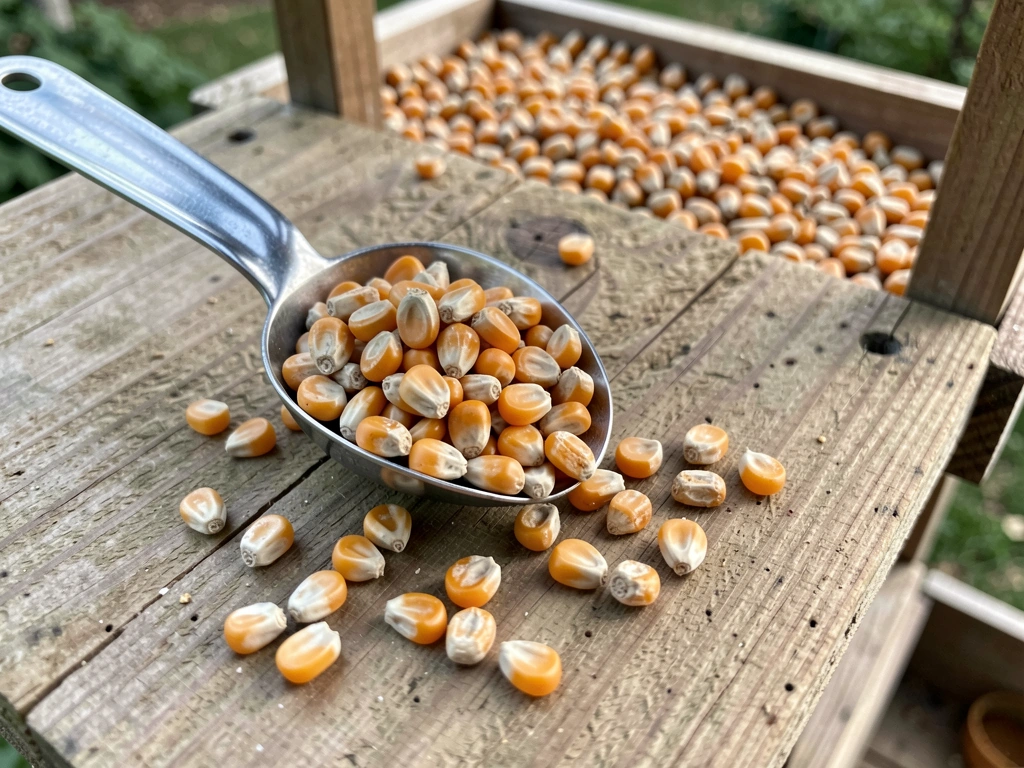
Plain corn is safe for most common backyard birds when it's offered in the right form and in reasonable amounts. The best options are dried cracked corn or plain fresh/frozen corn kernels with no salt, butter, or additives. Whole dried kernels can be a choking hazard for smaller birds, so cracked corn is almost always the smarter choice. Canned corn is only acceptable if it's the low-sodium or no-salt-added variety, rinsed thoroughly before serving. Corn should be a supplement to a varied diet, not the main event.
Which birds eat corn (and which need limits)
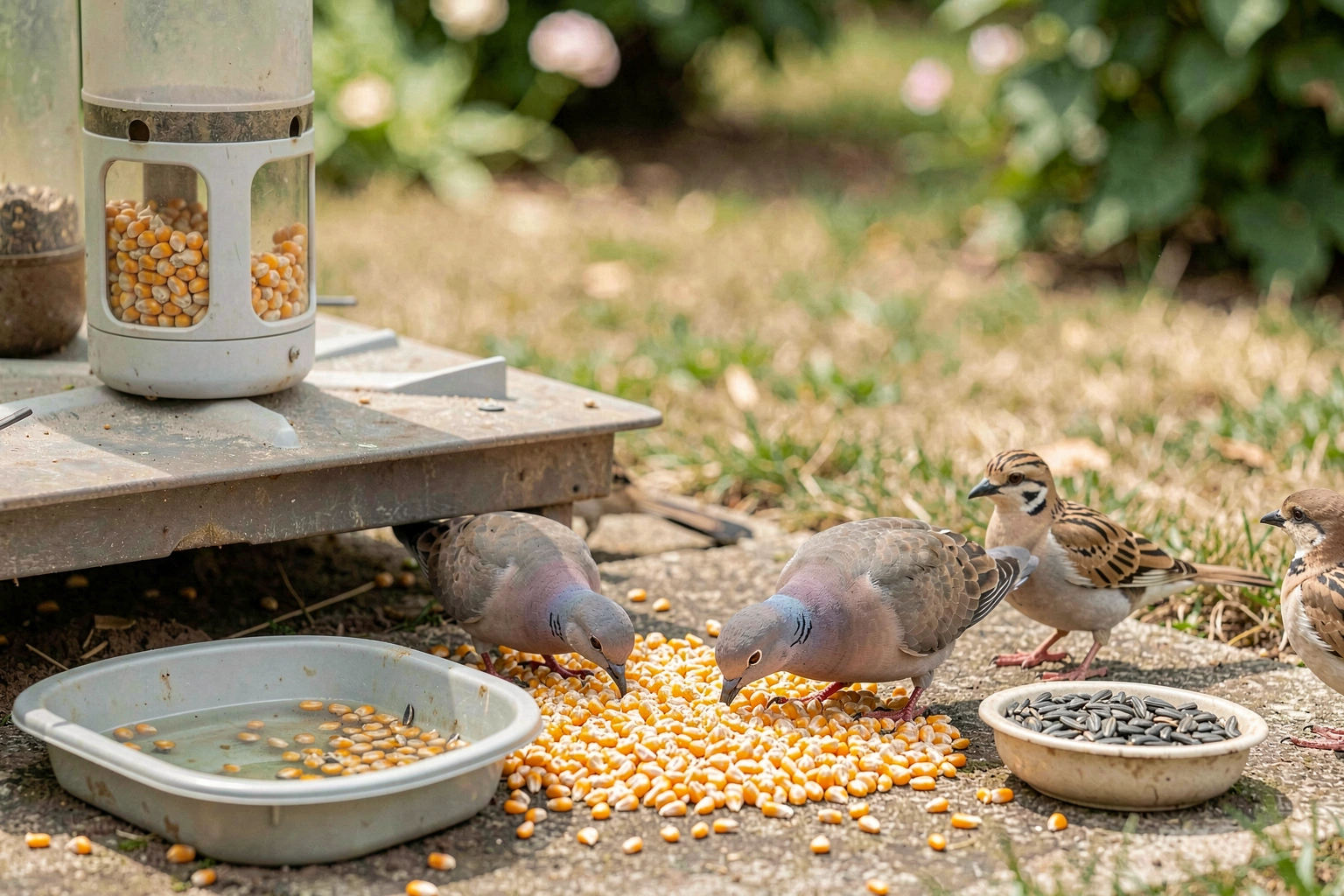
A lot of the birds that readily eat corn are ground feeders. According to feeding guides from K-State Research and Extension and Mother Earth News, finely cracked corn attracts cardinals, mourning doves, dark-eyed juncos, and several sparrow species. These birds naturally forage at or near the ground, so they're well suited to picking up corn scattered on a platform feeder or directly on the ground.
Larger birds like crows, jays, and pigeons will also eat corn readily, including whole dried kernels. Waterfowl such as ducks and geese eat corn in the wild as part of their seasonal diet, and corn is often included in wildlife supplemental feeding programs for them. Wild turkeys and pheasants are also enthusiastic about cracked corn at ground-level feeders.
The birds that need limits or extra caution with corn are small songbirds like finches, chickadees, and warblers. These species do better with seeds and insects as their primary foods. Corn doesn't offer them much nutritional value relative to their energy needs, and whole kernels pose a real choking risk. For these birds, corn should be rare if offered at all. Pet birds like parakeets, cockatiels, and parrots can have small amounts of plain cooked corn as an occasional treat, but check with your avian vet for species-specific guidance since nutritional needs vary widely.
How to prepare corn safely for birds
Preparation matters more than most people expect. The wrong form of corn creates real hazards, and the right form is genuinely easy to offer. Here's how to do it safely:
- Use dried cracked corn for ground feeders and platform feeders. It's widely available at feed stores and wild bird supply shops. Fine cracked corn works best for smaller birds.
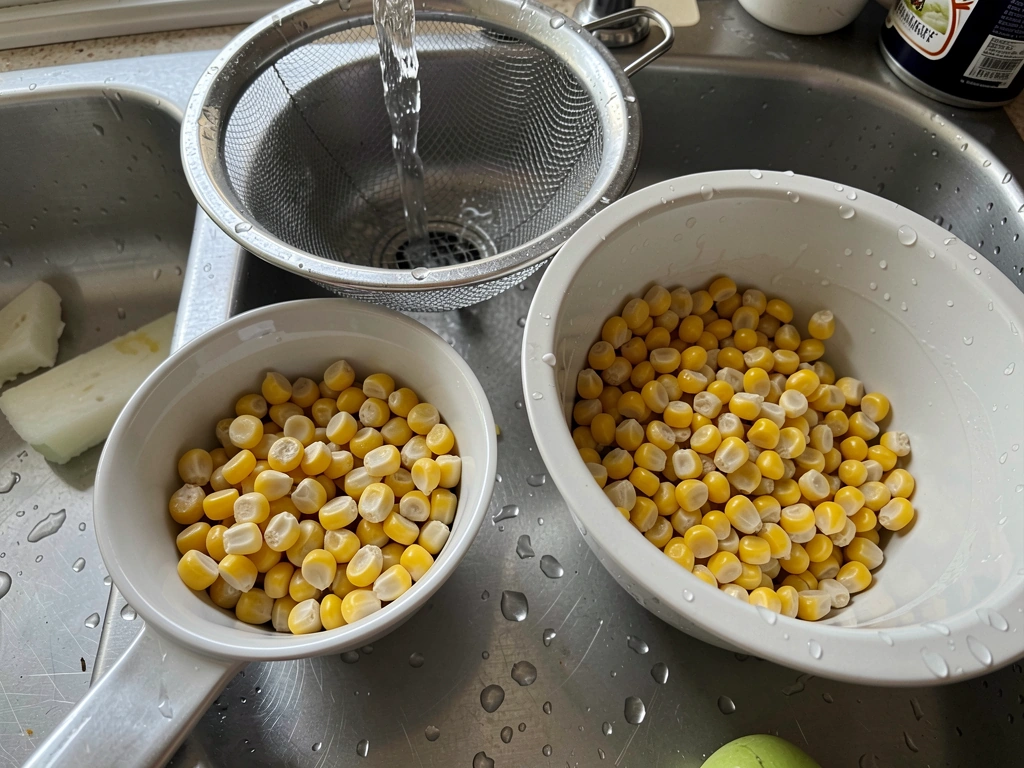
- If using fresh or frozen corn, thaw it completely (no cooking needed for wild birds) and offer plain kernels with no seasoning whatsoever. You can cut larger kernels in half for smaller birds.
- If using canned corn, choose no-salt-added or low-sodium varieties only, and rinse the kernels thoroughly under cold water before serving to remove any residual sodium or preservatives.
- Never offer corn that has been cooked with butter, oil, salt, garlic, or any other seasoning. This applies to microwave popcorn, flavored corn chips, and anything from a human meal.
- Skip popcorn entirely. Even plain air-popped popcorn is too salty for birds by most standards, and the texture and size can cause issues. If you're curious about popcorn specifically, that topic deserves its own careful look.
- For pet birds, lightly steamed or boiled plain corn on the cob (cooled to room temperature) is fine as an occasional enrichment food. Remove any uneaten pieces within a couple of hours.
How much corn to offer and how often
Think of corn as a supplemental food, not a staple. For wild backyard birds, a small handful of cracked corn scattered on a platform feeder or the ground every other day is plenty. If you're feeding a large mixed flock that includes doves, sparrows, and juncos, you can increase that slightly, but watch how quickly it's being consumed. Food that sits for more than a day or two in wet or humid weather is a mold risk and should be removed.
For a single pet bird, a few kernels of plain corn two or three times a week is a reasonable treat amount. It shouldn't make up more than about 10 percent of their daily food intake. If corn is displacing seeds, pellets, or other nutritionally complete foods in their diet, pull back on the amount.
Avoid filling a dedicated feeder entirely with corn. Corn on its own draws a lot of non-target visitors, including squirrels, raccoons, and house sparrows, and it can crowd out the birds you actually want to attract. K-State extension notes that cracked corn, while useful, tends to draw more "non-invited guests" compared with higher-quality seeds. Mix it with other offerings or use it sparingly on the side.
Real dangers: mold, choking, and pesticides
The biggest safety concern with corn for birds isn't the corn itself, it's what happens to corn when it gets wet and sits out. Texas Parks and Wildlife has documented that corn is one of the crops most often affected by aflatoxin, a toxic mold that develops when grain gets damp and isn't dried properly. Aflatoxin is seriously harmful to birds, and the risk increases significantly in humid climates or after rain. If you live somewhere that gets frequent moisture, check your feeder corn daily. Any corn that looks discolored, clumped, or smells musty should go straight in the trash.
Choking is the second major concern. Whole dried corn kernels are dense and hard, and for smaller birds they're genuinely difficult to manage. Always use cracked corn for wild bird feeders rather than whole dried kernels unless you're specifically targeting larger birds like crows, jays, or ducks.
Pesticide residue is worth thinking about too, especially if you're sourcing corn from agricultural areas or using field corn not intended for feeding purposes. Where possible, use corn labeled as bird-safe or from a reputable wild bird supply source. If you're buying bulk corn from a feed store, ask whether it's been treated with pesticides or fungicides. Untreated, food-grade corn is the safest option.
One more thing: corn alone is not a nutritionally complete food for birds. It's high in carbohydrates and low in the protein, fat, and micronutrients that birds need for feather health, reproduction, and energy. Offering it as a treat or one component of a varied feeding setup is fine. Making it the centerpiece of your feeding station is not.
Better alternatives if corn isn't the right fit
If you're feeding a mixed backyard flock and want to offer something more nutritionally balanced than corn, here's how the common options stack up:
| Food | Best for | Nutritional value | Notes |
|---|---|---|---|
| Cracked corn | Doves, sparrows, juncos, jays | Low-moderate (mostly carbs) | Good ground feeder option; mold risk in wet weather |
| Black oil sunflower seeds | Most backyard songbirds | High (fat, protein) | Top choice for a wide variety of species |
| White millet | Sparrows, finches, doves | Moderate | Less mess than corn; preferred by many small birds |
| Nyjer (thistle) seed | Finches, siskins | High (fat) | Requires a specialized feeder |
| Plain oats (rolled) | Robins, thrushes, ground feeders | Moderate | Best offered dry or lightly moistened; no instant oats |
| Safflower seeds | Cardinals, chickadees | High (fat, protein) | Squirrels tend to avoid it |
Black oil sunflower seeds are the single best all-purpose feeder food for most North American backyard birds. If you're only going to stock one thing, make it that. White millet is the second-best option for ground feeders, and it doesn't carry the mold risk that corn does in wet conditions. Corn works well as a supplemental scatter food when you want to attract doves and sparrows specifically, or when you're trying to keep ground feeders away from your main seed feeder. If you're thinking about other grains like oats or oats, those are worth exploring in their own right as occasional additions to a varied feeding plan.
When to stop offering corn and what to do next
Stop offering corn immediately if you notice any of the following:
- The corn looks clumped, discolored, or smells musty or sour. This is a sign of mold, possibly aflatoxin, and it needs to go in the trash right away.
- A bird appears lethargic, is sitting fluffed up on the ground, or is having trouble eating or moving after feeding. Remove the food, clean the feeder, and contact a local wildlife rehabilitator.
- You're seeing a large influx of pest birds (house sparrows, starlings) or rodents being drawn to the feeder area. Corn is particularly attractive to these animals, so switch to a less accessible food like safflower or nyjer.
- The feeder hasn't been cleaned recently. Corn residue and moisture create the perfect environment for bacterial growth. Clean your feeder with a diluted bleach solution (one part bleach to nine parts water) every one to two weeks.
If you've been using corn as a main feeder food and want to transition to something better, do it gradually. Keep offering a small amount of cracked corn while introducing sunflower seeds or millet alongside it. Birds are creatures of habit, and an abrupt switch can cause them to abandon the feeder temporarily. Over about a week, reduce the corn and increase the higher-quality seed until you've made the full transition.
The bottom line: corn is a fine occasional treat for most backyard birds, especially ground feeders like doves, sparrows, and juncos, as long as it's plain, unseasoned, cracked rather than whole, and kept dry and fresh. Use it as a small part of a varied feeding setup, check it daily in wet weather, and pair it with higher-quality seeds for a genuinely bird-friendly feeder station.
FAQ
Can birds eat corn if it has been cooked, like boiled or roasted corn on the cob?
Cooked corn is usually fine only if it is plain, with no salt, butter, oils, or seasonings. For wild birds, remove the kernels and offer a small amount, prefer fresh kernels over corn-on-the-cob since cob pieces can be harder for smaller birds to handle. For pet birds, cooked corn can be an occasional treat, but keep it away from their main balanced diet and confirm portion guidance with an avian vet.
Is popcorn safe to feed birds, can bird eat corn in the form of popcorn?
Plain, air-popped popcorn without salt, butter, or flavorings is the closest safe substitute, in very small quantities. Avoid microwave popcorn and any buttery or salted varieties. Also note that popped pieces can trap moisture and attract mold if left out, so remove uneaten popcorn quickly, especially in humid weather.
How do I tell if the corn is unsafe because of mold or aflatoxin risk?
Discard corn at the first sign of discoloration, clumping, or any musty smell, even if it still looks mostly normal. If corn gets damp from rain or condensation, treat it as spoiled. In humid areas, a daily check matters because mold risk rises before you might notice visible spoilage.
Can I use corn I buy as animal feed or field corn instead of bird feed?
It can be risky because some field or bulk feed may be treated with fungicides or pesticides and not be intended for direct wildlife consumption. If you use it anyway, choose untreated or food-grade corn when possible, and ask the retailer whether any treatments were applied. If the packaging does not clearly state it is safe for feeding, avoid using it outdoors.
What is the safest feeder setup for corn to reduce problems with pests and crowding?
Use a small platform section or scatter corn in a limited area rather than filling a whole feeder with corn. This reduces draw for non-target animals like squirrels and raccoons. Mix corn with higher-value seed nearby, so birds have a reason to stay while you minimize pest hotspots.
How often can I offer corn without upsetting a bird’s diet?
For wild birds, treat corn as a supplement, offering a small amount every other day or less depending on how quickly it disappears. For pet birds, keep corn to a few kernels 2 to 3 times per week, and ensure it stays under about 10 percent of the bird’s daily intake. If you notice birds preferring corn over complete pellets or seed blends, cut back immediately.
Will corn cause diarrhea or illness in birds?
Corn itself is not the usual cause, but spoiled or damp corn is. Moldy or aflatoxin-contaminated corn can make birds seriously ill, and wet corn left out for too long is the most common route to trouble. Also, sudden overfeeding of a carb-heavy treat can cause loose droppings in some birds, so keep quantities small and fresh.
My feeder gets wet from rain, can I still leave corn out?
Not for long. If corn becomes wet or stays out beyond a day or two in humid conditions, remove it. Even if it does not look dramatically spoiled, damp grain is where aflatoxin risk increases, so err on the side of throwing it out and refilling with dry portions.
Can small songbirds eat corn, and should I ever offer it to finches or chickadees?
They can peck at corn, but it is generally not recommended as a regular offering. Small birds face a higher choking risk with whole kernels and corn usually does not match their protein and nutrient needs. If you try it at all, use tiny amounts of cracked corn and treat it as rare compared with seeds and insects.
Are there any corn forms I should avoid entirely for wild birds?
Avoid salted, buttered, sugary, or flavored corn, and never feed any corn that is moldy or smells musty. Also avoid whole dried kernels for most backyard feeders since they are dense and more likely to cause handling or choking issues for smaller species.
How do I transition birds away from corn if I want better nutrition?
Switch gradually over about a week. Keep a smaller amount of cracked corn available while you add black oil sunflower seeds or millet alongside it. Increase the higher-quality food as birds begin using it, then stop corn once it is clearly no longer necessary at the feeder.