Spicy bird seed is unlikely to kill your backyard birds, but it can irritate their mouths, eyes, and digestive tracts, and some birds will simply stop visiting your feeder if the mix is strong enough. Whether it actually hurts them depends on what's in the mix, how concentrated the capsaicin is, and which species are eating it. The safest move: switch to a plain, species-appropriate seed blend and clean your feeder today. Many birders ask whether birds like spicy bird seed, but the safer bet is to use plain, species-appropriate mixes and keep the feeder clean do birds like spicy bird seed.
Does Spicy Bird Seed Hurt Birds? Safe Answer and Fix

Maya Henderson
4 May 2026
What's actually in spicy bird seed
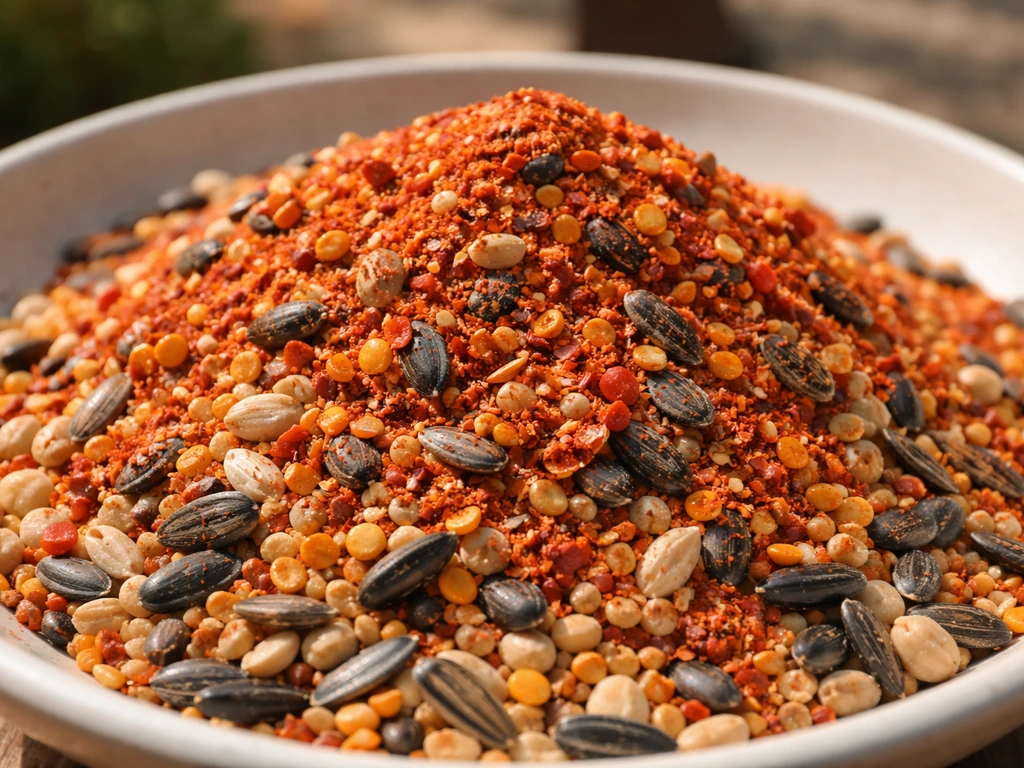
Most spicy bird seed products are coated or blended with one of a few things: dried cayenne pepper, chili flakes or powder, capsaicin concentrate, or a commercial hot-pepper oil blend. Some are sold specifically as squirrel-deterrent mixes, where the whole marketing point is that mammals hate the heat but birds supposedly don't notice it. Others are homemade blends where someone has shaken cayenne or crushed red pepper into their seed tray.
The active ingredient doing the work in all of these is capsaicin, the chemical compound that causes the burning sensation in hot peppers. It's also the same ingredient used in some wildlife and pest repellent products, and it's specifically designed to irritate sensitive tissues on contact. That's worth keeping in mind when you're sprinkling it into a feeder that birds are pressing their faces into.
Does spice actually harm birds? The real risks
Here's the claim you've probably heard: birds can't taste capsaicin, so spicy seed is totally fine for them. That's partly true and partly oversimplified. Birds do have a version of the TRPV1 receptor (the protein that detects capsaicin in mammals), but it differs at the molecular level, which is why most birds don't experience the same intense burning sensation mammals do. A peer-reviewed study on PMC reports that a single amino-acid change in the TRPV1 receptor explains why capsaicin sensitivity differs between birds and mammals A single TRPV1 amino acid controls species sensitivity to capsaicin. Research has shown that a single amino acid variation in the TRPV1 receptor is responsible for this difference in sensitivity between birds and mammals.
However, "can't taste it" doesn't mean "completely unaffected." Capsaicin can still irritate mucous membranes in the mouth, throat, eyes, and digestive tract on contact. So if you are wondering whether birds smell bird seed, the bigger factor is irritation from what is in the mix, especially if it gets onto the beak, eyes, or nostrils mucous membranes in the mouth, throat, eyes, and digestive tract. It can cause topical aggravation even without the full pain response mammals experience. And more recent research, including reporting by Audubon, has raised real questions about whether the assumption that birds are fully insensitive to capsaicin is as settled as it's been marketed. The short version: we know birds aren't as affected as mammals, but the idea that spicy seed is totally harmless to birds is not fully proven.
The most realistic harms to watch for are:
- Eye and mucous membrane irritation if capsaicin dust or oil contacts the eyes directly (especially likely with powdered or heavily coated seed)
- Mouth and throat irritation, particularly with high-concentration capsaicin products
- Mild digestive tract irritation if large amounts are ingested (from mouth to the rest of the GI tract)
- Reduced feeding or feeder abandonment if birds detect discomfort and associate it with your feeder
- Dehydration risk if birds are consuming less seed and therefore less water-rich food from your station
The bigger concern with commercial spicy mixes is what else might be in them. Some products designed to repel squirrels or other pests contain additional additives, oils, or preservatives that aren't tested for bird safety. If the mix isn't specifically formulated and labeled for birds, you don't always know what you're putting in the feeder.
How different birds actually respond to spicy seed
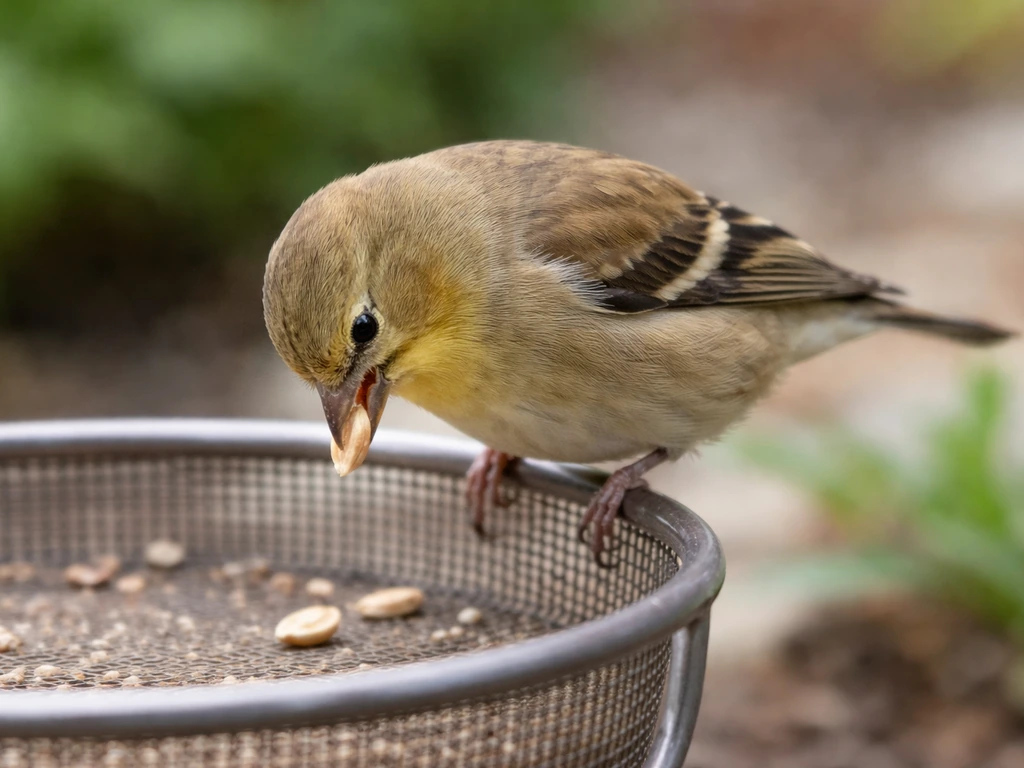
Not every bird at your feeder is going to react the same way, and how the seed is presented matters a lot.
Seed-clinging birds: finches, chickadees, nuthatches
These birds tend to pick up individual seeds, crack them open, and eat the interior. If the capsaicin is only coating the outside of the seed, they may be exposed to less of it than ground feeders who are pecking through a dusty mix. That said, the coating still contacts their beaks and tongue on the way in. Finches in particular have been studied in the context of spicy seed and generally continue feeding, but individual birds may reduce visits if they experience any irritation.
Ground feeders: sparrows, doves, towhees, juncos
Ground feeders scratch through seed piles and often forage in dusty or mixed debris. This means they're more likely to get capsaicin dust near their eyes and nostrils, which is where real irritation risk is highest. Capsaicin contacting eye tissue causes severe irritation fast, even in animals that don't feel the heat the way we do.
Woodpeckers and suet-block visitors
Woodpeckers are commonly cited as species that are undeterred by spicy suet or seed, and in most real-world observations, that tracks. They seem to continue feeding with minimal behavioral change. Still, capsaicin-laced suet pressed directly against their tongue and palate is more concentrated contact than a seed coating.
The behavioral bottom line: most common feeder birds won't flee from spicy seed immediately, but that doesn't mean they're unaffected. If your feeder traffic drops noticeably after switching to a hot-pepper mix, the birds are telling you something.
When to stop feeding spicy seed immediately
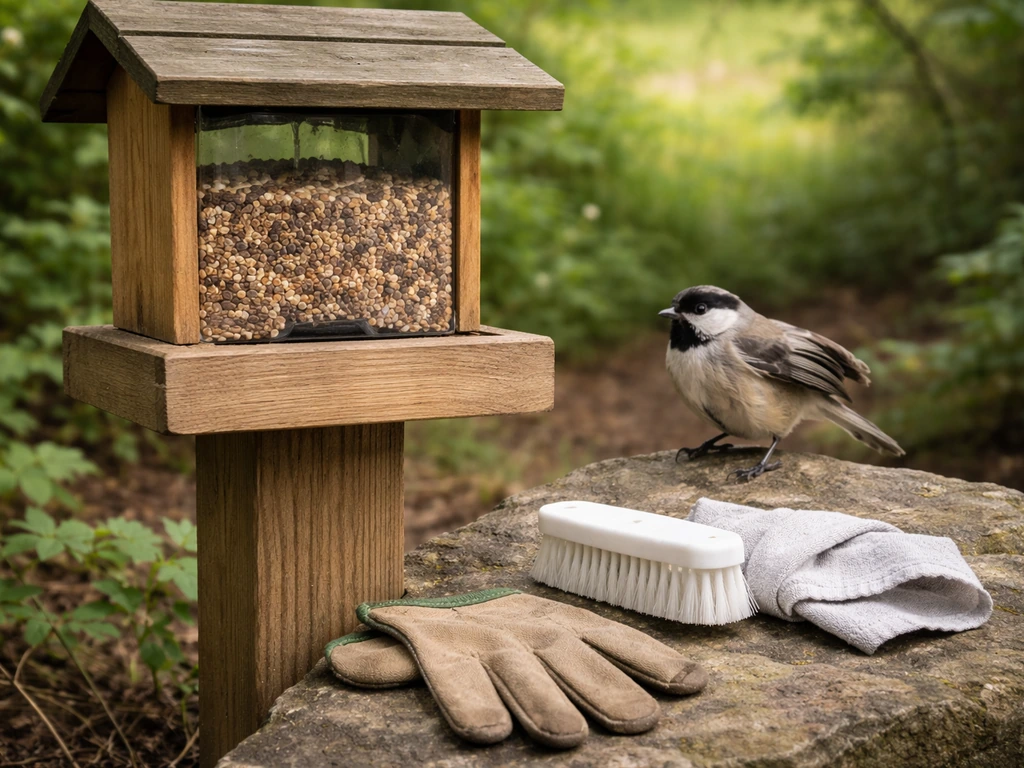
Some situations call for pulling the spicy seed now, not later. Stop feeding and clean your feeder if you notice any of the following:
- A bird is visibly distressed near the feeder: shaking its head repeatedly, rubbing its face on a branch, holding one eye closed, or sitting fluffed up and lethargic
- You find a bird on the ground near the feeder that appears disoriented or unable to fly
- The spicy seed has gotten wet and clumped into a paste (wet capsaicin is more concentrated and more likely to contact eyes/skin)
- The mix smells off, looks moldy, or has been sitting in the feeder through heat and rain
- Your mix contains unknown additives, oils, or ingredients not listed on the label
- Bird traffic has dropped sharply and hasn't recovered after a few days
Moldy or spoiled seed is a serious hazard independent of the spice, and wet spicy seed sitting in a feeder is a combination you don't want. Aspergillosis (a fungal lung infection) is a real risk to birds from moldy seed, and a capsaicin-soaked wet clump can become a contact irritant far more potent than the dry product.
What to do today: switch, clean, and watch
- Remove the spicy seed from your feeder now. Don't wait until the tray is empty.
- Dispose of any remaining spicy mix in a sealed bag. Don't leave it on the ground where ground feeders, pets, or wildlife can access it.
- Clean your feeder thoroughly with a 10% bleach solution (1 part bleach to 9 parts water), rinse completely, and let it dry fully before refilling. Capsaicin oil can linger on feeder surfaces and continue to contact birds even after the seed is gone.
- Check the label of your current mix. If it lists capsaicin concentrate, hot pepper oil, or unnamed preservatives, don't use it again. If it's a commercial squirrel-deterrent product, read whether it's specifically labeled safe for birds.
- Refill with a straightforward seed blend matched to your local birds: black-oil sunflower seed is the most universally accepted option for most North American feeder species.
- Watch the feeder for the next 48 hours. Healthy birds should return within a day or two once the mix is gone and the feeder is clean.
- If you saw a bird that seemed distressed, monitor the area. If the bird is still on the ground or showing symptoms after a few hours, contact a local wildlife rehabilitator. Don't try to hand-feed or give water by force.
Pets and backyard wildlife at the feeder
This is where spicy bird seed goes from a minor bird concern to a more serious one. Dogs and cats that nose around under feeders or lick up spilled seed will feel the capsaicin the way mammals always do: intensely. A dog that sniffs a pile of cayenne-dusted seed can experience nasal irritation, coughing, and eye pain almost immediately. Cats that paw at fallen seed and then groom themselves are exposed through both contact and ingestion.
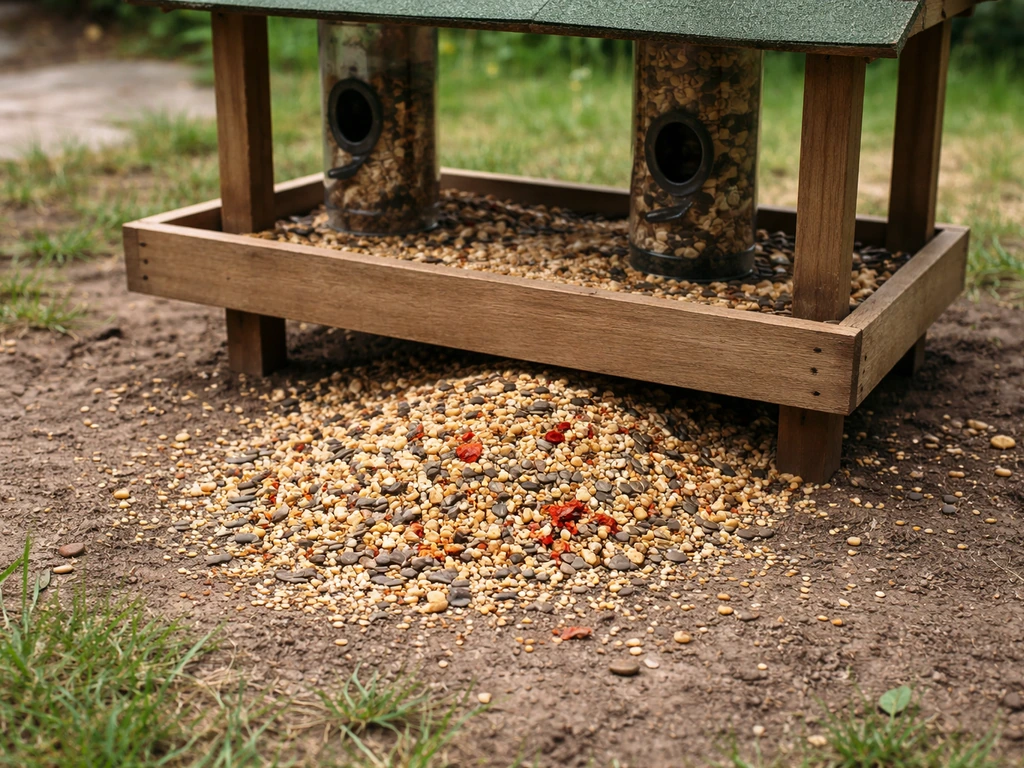
Squirrels and other small mammals foraging under the feeder are, of course, the intended targets of most squirrel-deterrent spicy mixes, but this also means rabbits, chipmunks, and even deer may be affected. If you're in an area with ground-foraging birds like quail or pheasant, those birds are working right where the spilled capsaicin accumulates, putting them at higher contact risk than birds eating from an elevated feeder.
If you have pets that access your yard, spicy seed on the ground is a real hazard. Clean up spilled seed regularly, and consider a seed tray or catcher under your feeder to reduce ground accumulation regardless of what seed you're using.
Safer alternatives and better ways to deter squirrels
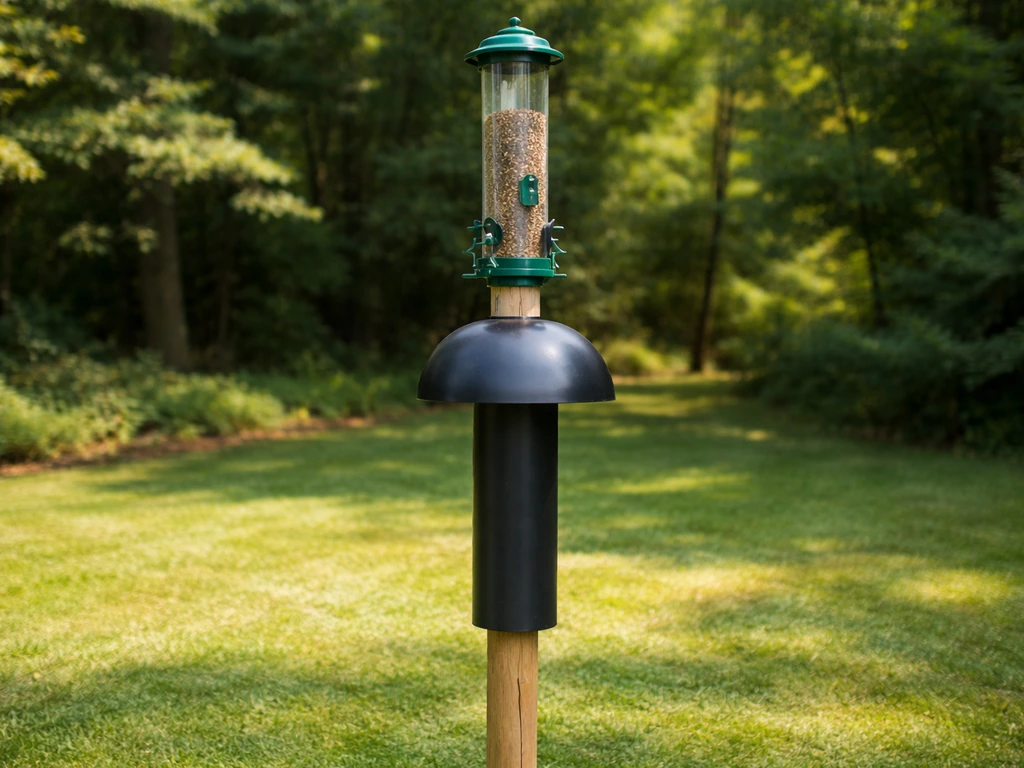
If your goal with spicy seed was to keep squirrels out of the feeder, there are better approaches that don't involve adding an irritant to the food supply.
- Use a baffle: a dome or tube-shaped squirrel baffle on the feeder pole is the most effective physical deterrent and doesn't affect any animal's health
- Switch to a weight-sensitive feeder that closes access ports when anything heavier than a typical songbird lands on it
- Position the feeder away from jump-off points: at least 10 feet from trees, fences, or structures squirrels can launch from
- Offer safflower seed instead of sunflower: many squirrels dislike safflower, while birds like cardinals, chickadees, and finches readily eat it
- Avoid loose millet or cracked corn on the ground if squirrels are your primary problem, since those seeds are what attract them most
For your birds, the safest standard seed choices are black-oil sunflower seed, safflower, nyjer (thistle) for finches, and plain suet cakes without additives for woodpeckers and nuthatches. Avoid mixes with artificial colors, added salt, or unnamed flavor coatings. Keep feeders dry and clean them every one to two weeks, or immediately after rain soaks the seed. Some backyard bird watchers also recommend disinfecting feeders with a 10% bleach solution (1 part bleach to 9 parts water) based on firsthand experiences shared in a birding discussion on Reddit blank" rel="noopener noreferrer">Reddit r/birding thread. To disinfect and clean feeders, Michigan Audubon recommends using a bleach solution made of 9 parts water to 1 part bleach blank" rel="noopener noreferrer">bleach solution of 9 parts water to 1 part bleach. Spoiled or moldy seed is a bigger documented threat to feeder birds than capsaicin in most backyard situations.
Whether birds can fully taste spice is still an open question in ornithology, and it's worth staying curious about it. If you have wondered why bird seed can end up tasting like grape to you or your pets, that usually points to the specific flavor or additive in the mix, not the birds’ ability to taste capsaicin why does bird stop taste like grape. Research also examines whether birds can taste capsaicin Whether birds can fully taste spice. Even if birds cannot fully taste capsaicin the way mammals do, it can still irritate their mouth and eyes, so the safest approach is to avoid spicy mixes at the feeder Whether birds can fully taste spice. What's clear is that capsaicin is a real irritant to mucous membranes and eyes in almost all vertebrates, that the risks to mammals and pets at your feeder are not minor, and that plain, well-maintained seed in a clean feeder is always the safer, simpler choice.
FAQ
If birds swallow spicy bird seed, is that more dangerous than just touching it?
Swallowing can be risky mainly when spicy mixes become wet or dusty. Dry coating contact is usually less severe than capsaicin mixed into ground debris, because that increases contact with beaks, eyes, and nostrils. If the seed clumps from rain or is left damp, treat it as a higher-risk situation due to both irritation and possible mold.
How can I tell if spicy seed is irritating birds at my feeder?
Look for a drop in visit frequency right after you switch mixes, plus hesitation, head-shaking, watery eyes, or repeated face wiping. The most practical signal is behavioral, traffic drops are often the first clue. Also check whether birds are avoiding the exact feeding area where capsaicin dust accumulates.
Do finches, ground-feeding birds (sparrows, doves, juncos), and woodpeckers have different risks?
Yes. Ground-feeders are more exposed because they scratch through piles and dust, which can deliver capsaicin to eyes and nostrils. Some finches may keep feeding even with spicy mixes, especially when the capsaicin is mostly coating intact seeds. Woodpeckers often seem less deterred, but contact can still be more concentrated with suet that’s pressed against the tongue.
What about using spicy bird seed in a suet feeder versus a hopper or platform feeder?
Contact intensity is usually higher with suet. If capsaicin is blended or coated into suet, it stays directly on the tongue and palate rather than mostly contacting the beak exterior. Hopper and tray feeders spread exposure differently, but damp or dusty conditions can change the risk level quickly.
Does a small amount of cayenne sprinkled on top matter, or only strong mixes?
Even a “small” homemade sprinkle can matter because it creates uneven hotspots. Ground-feeders and birds feeding from the lowest layer get more exposure when capsaicin settles. If you want to try deterrents, it’s safer to use non-food placement methods rather than mixing irritants into the feed.
Can spicy bird seed harm birds if the feeder is only lightly soiled or not cleaned often?
It can, especially if old seed buildup gets damp. Residue mixes with spilled seed and debris under the feeder, creating a dust and contact zone that keeps re-exposing birds. Cleaning is also important because mold or spoilage is a serious hazard regardless of spice.
Is moldy or wet spicy seed more dangerous than dry spicy seed?
Yes. Wet, clumped seed increases both fungal risk and direct irritation. Aspergillosis from moldy seed is well known as a feeder hazard, and a capsaicin-soaked wet mass is more likely to cause acute irritation than the dry product.
What should I do if I already put out spicy seed and birds stop coming?
Pull the feeder, dump and discard remaining seed, and clean all feeding surfaces with warm water and a brush (then let it fully dry). Replace with a plain, species-appropriate seed blend once you have a dry feeder again. If you notice any spoiled or damp seed, remove it immediately rather than waiting.
How do I reduce the risk to birds if I still want to deter squirrels?
Use deterrents that do not add irritants to the food supply. Practical options include squirrel baffles, feeder guards, weight-activated perches, and placing feeders higher with guard systems. If you use a seed catcher to reduce mess, clean it regularly so spilled seed does not build up.
Is spilled spicy seed a bigger problem for birds than the seed in the feeder?
Often yes. Spilled seed concentrates capsaicin on the ground where ground-foraging birds work, and it also creates grooming and inhalation exposure for pets. Using a seed tray or catcher under the feeder and routinely cleaning spilled piles helps reduce the highest-contact exposure zone.
If my pets lick fallen seed, what signs mean I should be concerned?
For dogs and cats, watch for sudden pawing at the face, coughing or gagging, watery eyes, drooling, or pawing the mouth. If exposure is recent or symptoms are significant, contact a veterinarian or poison control promptly, because capsaicin can cause rapid irritation in mammals.
Are there specific ingredients to avoid besides cayenne or chili flakes?
Avoid mixes that include extra oils, preservatives, or unnamed “flavor” or “hot-pepper oil” coatings unless they are clearly labeled as bird-safe. Also avoid any added salt or artificial colors. When a product is not explicitly formulated for bird feeding, you cannot assume the entire ingredient list is safe.