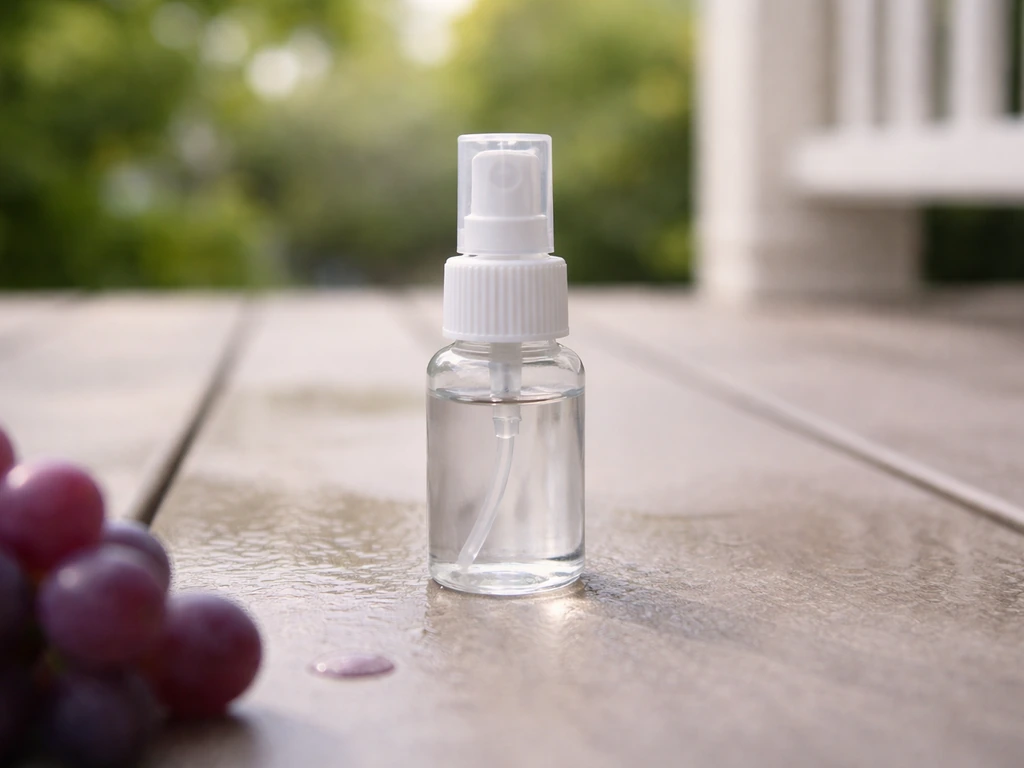
Bird Stop smells and tastes like grape because that is exactly what it is supposed to do. The active ingredient in most Bird Stop formulations is methyl anthranilate (MA), a naturally occurring compound found in Concord grapes that gives them their distinctive "foxy" grape aroma. The Bird Stop methyl anthranilate label also includes required safety language such as “blank" rel="noopener noreferrer">KEEP OUT OF REACH OF CHILDREN.”. Manufacturers use it precisely because birds find that smell and taste aversive, while humans recognize it as a familiar grape scent. So if you are standing near a treated surface and catching a whiff of something that reminds you of grape candy or grape soda, you are not imagining things and nothing has gone wrong. That said, an unusually strong, sour, or off grape smell can be a sign that something has changed, whether from heat, moisture, product age, or cross-contamination from nearby food or drink.
Why Does Bird Stop Taste Like Grape? Quick Troubleshooting

What Bird Stop actually is and how it works
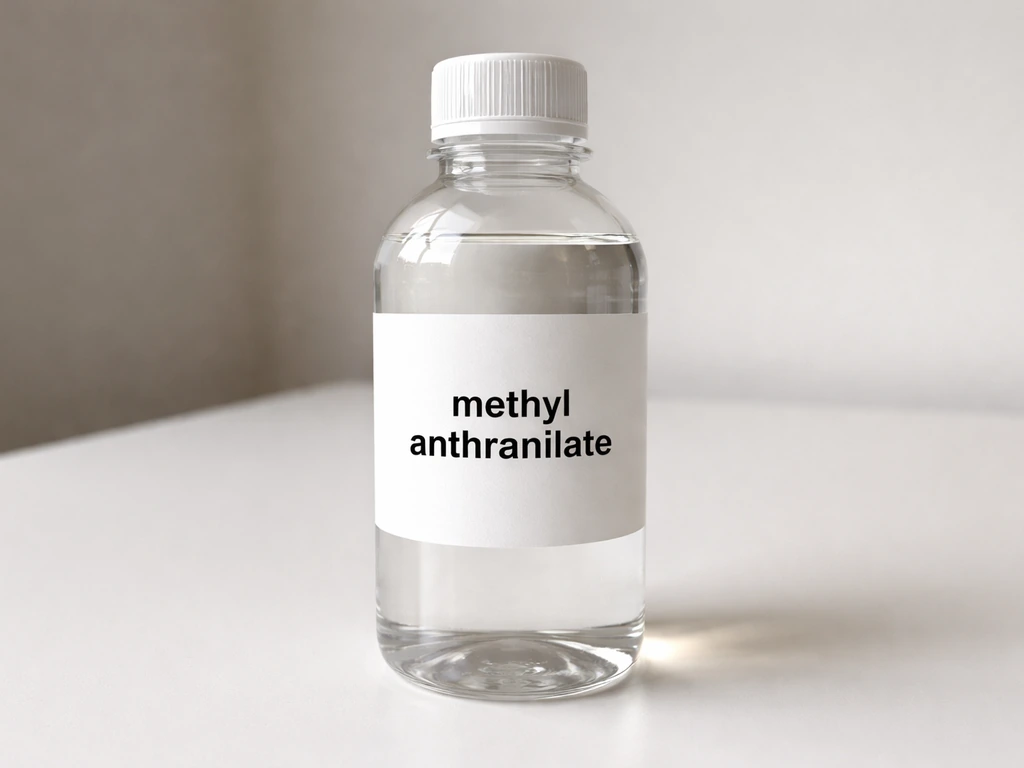
Bird Stop is a liquid bird deterrent sold by several manufacturers, with Bird-X being one of the most widely recognized brands. The core active ingredient across nearly all versions is methyl anthranilate, typically listed on the label as "MA" or by its full chemical name. It works through taste and odor aversion: when birds land on a treated surface and contact or inhale the compound, they experience an irritating sensation similar to what humans feel from very strong menthol, except birds are far more sensitive to MA than we are. Bird-X describes Bird Stop’s methyl anthranilate as a bitter, grape-derived compound that repels birds through taste and smell blank" rel="noopener noreferrer">works through taste and odor aversion. Because birds’ taste and smell systems work differently than ours, you can often judge what is happening based on how strongly birds react to the treated surface taste and odor aversion. Because birds cannot habituate to it the way they can to visual scare devices, the deterrent keeps working as long as the product remains active on the surface.
Methyl anthranilate is classified by the FDA as generally recognized as safe (GRAS) and is actually used as a flavoring agent in human foods, which is why it smells like something you would eat rather than something industrial. The USDA and APHIS both note that MA occurs naturally in grapes, which is why Bird Stop often carries that unmistakable Concord grape character right out of the bottle. Different brands and product lines (sprays, gels, fog-based systems) all rely on the same compound but vary in concentration, carrier ingredients, and application method, so the intensity of the grape smell can differ quite a bit between products.
Why the grape smell can change or get stronger over time
Methyl anthranilate is not a perfectly stable compound in all conditions. Heat and moisture can trigger hydrolysis, a chemical breakdown process that shifts the odor profile. A product that started with a clean grape scent can develop a sharper, more sour, or almost fermented smell if it has been stored in a hot shed, left in direct sun, or repeatedly exposed to rain. That altered smell is not just an annoyance. It can mean the MA concentration has dropped, reducing effectiveness, or that breakdown byproducts have formed, which could be more irritating than the original product.
Oxidation is another factor. Once a container is opened and partially used, air exposure gradually degrades the active ingredient. An older, partly used bottle that has been resealed loosely or stored improperly may smell noticeably different from a freshly opened one. If the grape scent has turned sour, chemical, or vinegary, that is a reasonable signal to check the product's expiration date and storage history before reapplying.
The grape-flavor confusion: residue, nearby food, and feeder mistakes
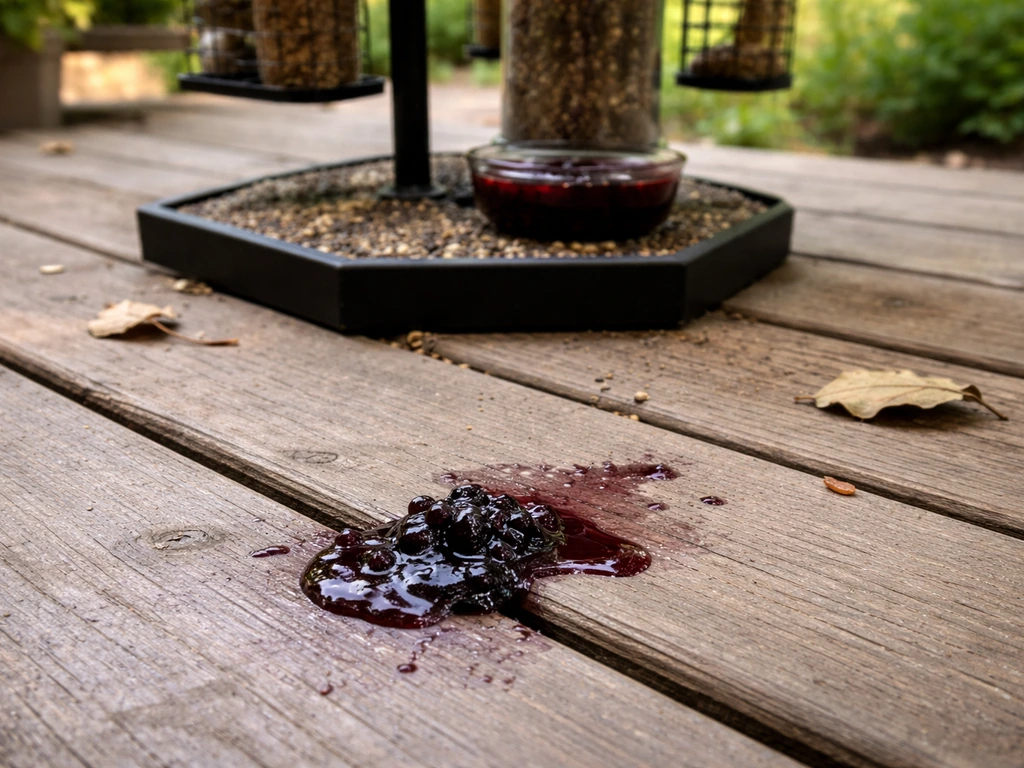
Not every grape smell around a bird feeder or patio comes directly from the Bird Stop product. There are a few other sources that can create the same confusion, and it helps to know which one you are actually dealing with.
- Spilled grape juice, jelly, or fruit near the feeder: Orioles, robins, and other fruit-eating birds are attracted to grape jelly and fresh grapes, which are common supplemental foods. If someone in the household has placed jelly in or near a feeder, that smell will compete with, or be mistaken for, Bird Stop residue.
- Grape-flavored drinks or residue from human use: A patio table, deck railing, or outdoor surface where someone recently set down a grape drink can leave behind enough residue to produce a noticeable scent, especially on a warm day.
- Mold on wet seed or organic material: Certain molds that grow on damp bird seed or decomposing fruit can produce fermented or grape-like volatile compounds. If you are noticing the smell specifically from the feeder tray or seed, mold is a real possibility rather than the deterrent.
- Cross-contamination during application: If Bird Stop was applied near a seed feeder without adequate separation, residue can transfer to seed, feeder surfaces, or the surrounding ground. Birds and pets investigating the area may contact it without anyone realizing it.
It is worth spending two minutes identifying the actual source before assuming the Bird Stop product itself is the issue. Walk the area and check each possible source systematically.
When an odd grape smell becomes a safety concern
Under normal conditions, Bird Stop with methyl anthranilate poses minimal risk to wildlife, pets, or people when applied as directed. The EPA and USDA both note MA's low toxicity profile. But there are specific situations where an unusual smell around a treated area should put you on alert.
- Mold or spoilage in or near the product: If the Bird Stop container itself shows visible mold, unusual discoloration, or clumping (in gel formulations), the product has likely been compromised by moisture intrusion. Applying degraded product can cause unpredictable irritation to birds, pets, and wildlife rather than clean aversion.
- Pets ingesting residue: Dogs in particular are attracted to sweet or grape-like smells. Grapes and grape products are toxic to dogs, and while methyl anthranilate is not the same as eating a grape, a dog that repeatedly licks a treated surface could experience irritation. Keep dogs and cats away from freshly treated areas until the product has fully dried and dispersed.
- Wildlife repeatedly returning to re-taste: If squirrels, raccoons, or other wildlife seem drawn to a treated area rather than repelled, the product may have mixed with something attractive, such as bird seed or a spilled drink. Repeated ingestion of any residue, even a low-toxicity one, is not desirable.
- Chemical irritation from degraded product: Methyl anthranilate breakdown products can be more irritating to mucous membranes than the original compound. If birds or other animals appear to be sneezing, shaking their heads, or showing eye irritation near a treated area, clean the surface and check the product's condition.
- Children and treated surfaces: Young children who touch treated railings, fences, or decking and then put their hands near their mouths could ingest small amounts of residue. The EPA's guidance on pesticide labels specifically recommends keeping children away from treated areas until dry.
Troubleshooting steps you can do right now
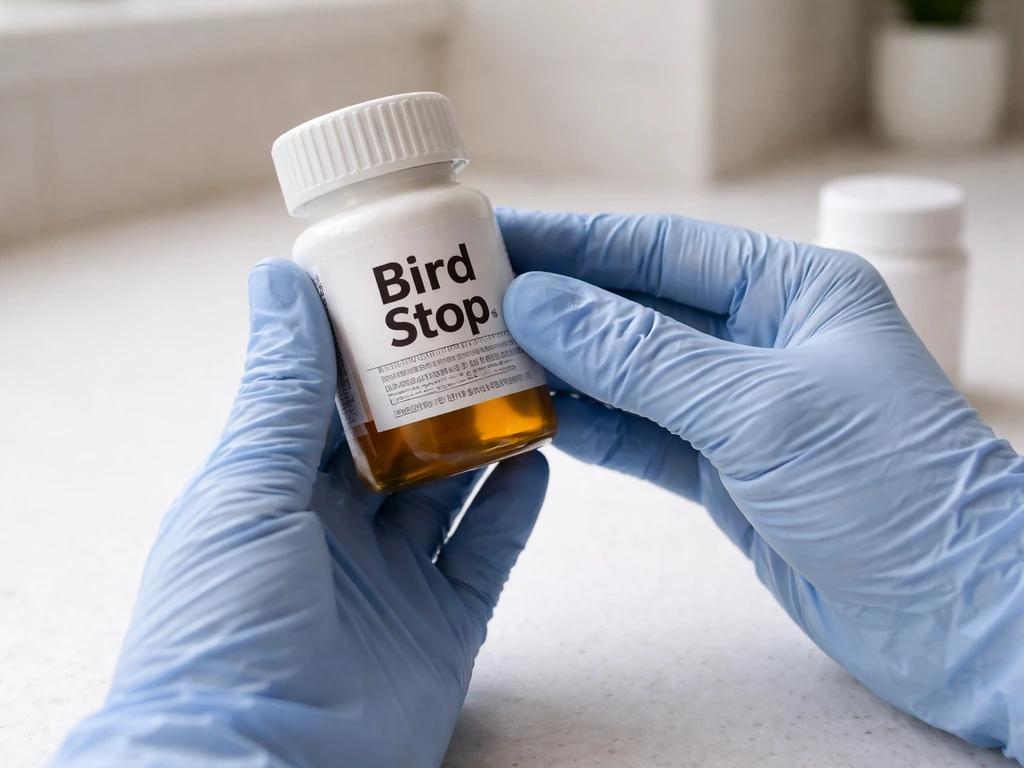
- Check the label and expiration date: Pull out the Bird Stop container and read the label. Confirm methyl anthranilate is listed as the active ingredient. Check the expiration or batch date. If the product is past its use-by date or has been open and stored in a hot or humid location for more than a season, it may be degraded.
- Inspect the product itself: Look at the liquid or gel. Is it the same color and consistency as when you bought it? Unusual cloudiness, separation, or an off smell beyond normal grape aroma are signs of breakdown. In gel form, clumping or discoloration suggests moisture has gotten in.
- Trace the grape smell to its actual source: Walk the treated area and check nearby feeders, tables, and ground surfaces. Rule out spilled grape jelly, fruit, or drinks. If mold is visible anywhere near the smell source, that is your primary issue, not the Bird Stop.
- Remove any cross-contaminated seed or food: If bird seed, pet food, or fruit near the treated area smells grape-like, remove and dispose of it. Do not just cover it with fresh seed.
- Clean the treated surface if the product seems compromised: Use warm water and mild soap to wipe down hard surfaces. Rinse thoroughly. The Bird-X SDS recommends standard cleanup with water for spills and skin contact, so soap and water is sufficient for surface cleaning in most cases.
- Keep pets out of the area until clean and dry: This is the most time-sensitive step if you have a dog or cat that has been investigating the area. Check their paws and muzzle for residue and rinse with water if needed.
- Reapply only with fresh product if necessary: If you cleaned the surface and still need deterrence, reapply from a fresh, properly stored container following the label directions exactly.
Long-term prevention for safer bird feeding and wildlife coexistence
The most common reason Bird Stop starts behaving unpredictably is poor storage and placement. A few consistent habits will prevent most of the problems described above.
Store the product properly
Keep Bird Stop in its original container, tightly sealed, in a cool, dry, and well-ventilated space away from direct sunlight. A dark cabinet in a climate-controlled area is ideal. Avoid storing it in a garden shed that gets hot in summer or near a water source. Heat and humidity are the two biggest drivers of methyl anthranilate breakdown, so temperature control matters more than most people realize.
Separate deterrents from feeding areas
Bird Stop and bird feeders should not be in close proximity. If you are trying to deter birds from one area (say, a patio railing or garden bed) while simultaneously feeding them at a feeder 10 feet away, you are creating confusion for the birds and risk of cross-contamination for everything in between. Place deterrents at least 20 to 30 feet from active feeders, or use them in spaces where you are not feeding birds at all. This also prevents the grape smell from transferring to seed, which could discourage birds from using the feeder you actually want them to visit.
Keep feeders and treated surfaces clean on a schedule
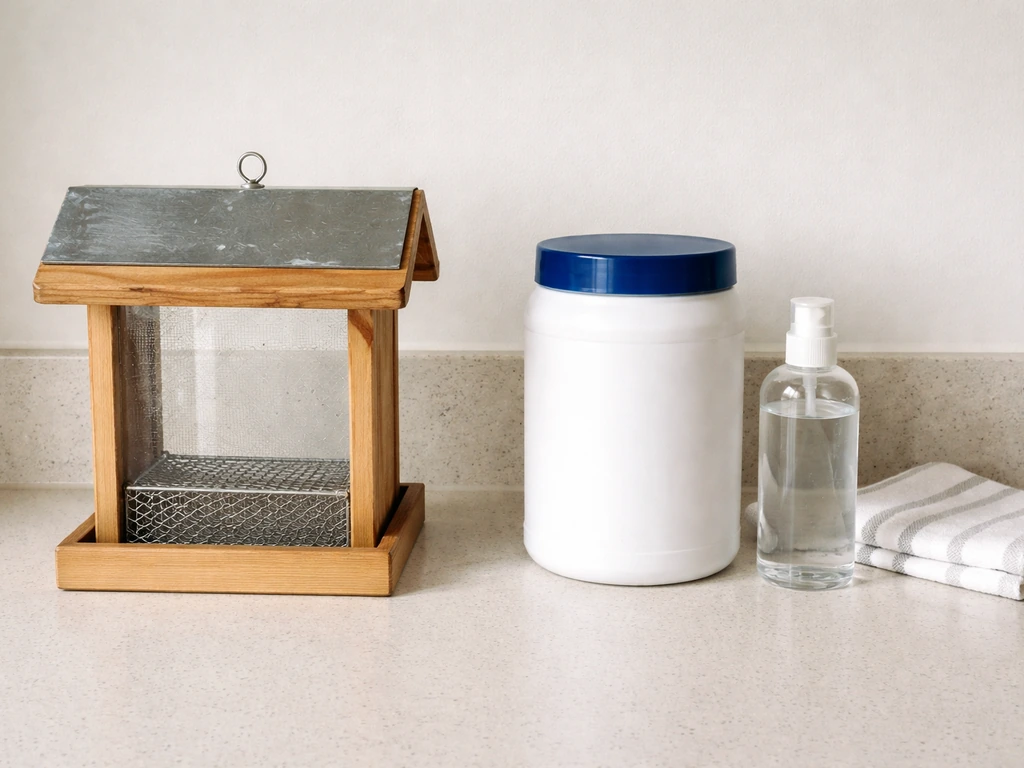
Clean bird feeders every one to two weeks with a 10% bleach solution (one part bleach to nine parts water), rinse completely, and allow to dry fully before refilling. Moldy seed and standing water in feeder trays are the most common source of unexplained odors near feeders, including grape-like fermentation smells. Treated hard surfaces like railings and fences should be inspected monthly and wiped down when the product appears degraded or has been wetted by rain multiple times.
Consider alternative deterrents when taste-based products are not the right fit
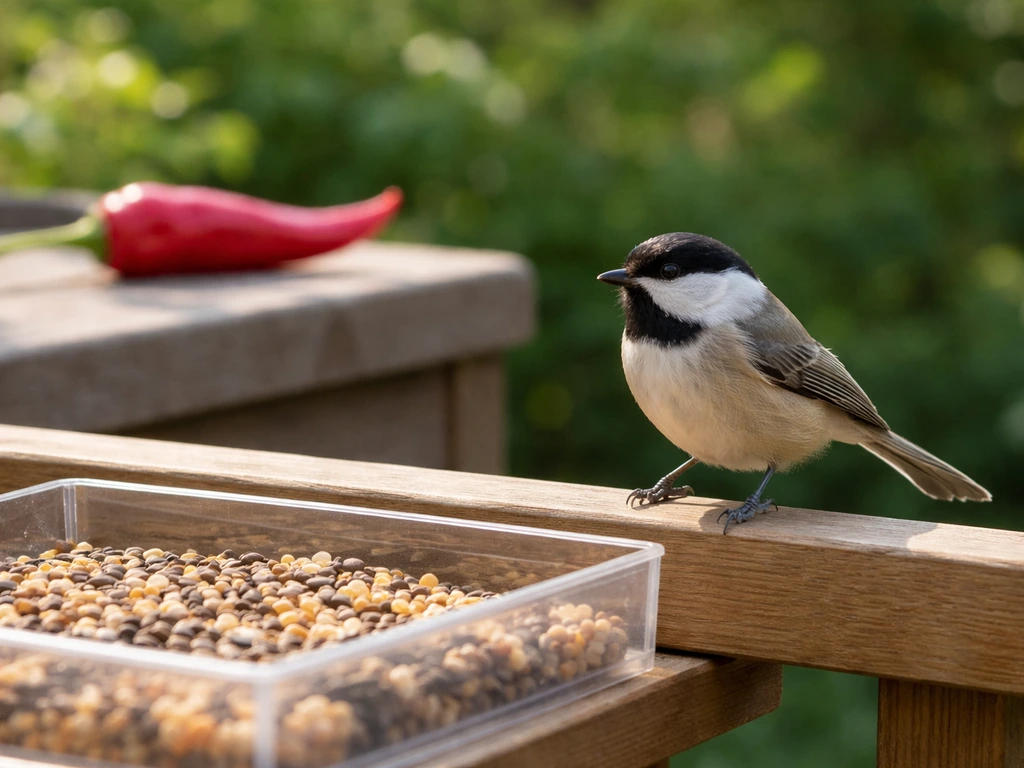
Taste and odor deterrents like Bird Stop work well for flat surfaces, ledges, and wires, but they are not always the most practical choice near active feeding stations or in very wet climates where rain constantly washes the product away. Physical deterrents like bird spikes, mesh, or reflective tape are often better choices for persistent problems around structures. Changing feeder placement, using feeders with species-selective designs, or adjusting the seed mix can reduce unwanted bird congregation without any chemical product at all. If you are curious about how birds experience taste and smell in general, it is worth knowing that birds actually have limited taste perception compared to mammals but are quite sensitive to certain compounds, including methyl anthranilate, which is exactly why it works as a deterrent even though the grape scent seems mild to us. Because taste responses vary by compound, birds can react strongly to spicy or irritating flavors, which is part of why taste-based deterrents work so well. If you are wondering whether birds like spicy bird seed, the same idea applies: birds choose foods based on taste cues, and strong or off-putting flavors can deter them just like MA-based products do do birds like spicy bird seed. Do birds smell bird seed the way we do, or are they drawn more by scent cues from the food itself?
Protect against rain and humidity
If you live somewhere with frequent rain, check product label directions for reapplication intervals after precipitation. Most MA-based liquid deterrents need reapplication after significant rain events. Some gel formulations last longer outdoors, but even those should be inspected after heavy weather. Applying the product under an overhang or covered area where possible will extend its effective life and reduce the chance of moisture-driven breakdown that produces off-odors.
| Situation | What it likely means | What to do |
|---|---|---|
| Fresh Bird Stop smells like grape out of the bottle | Normal. Methyl anthranilate is a grape-derived compound. | Nothing. Product is working as intended. |
| Product smells sour, vinegary, or fermented | Heat or moisture has degraded the MA compound. | Check expiration date, discard if old, replace with fresh product stored properly. |
| Grape smell near feeder but no Bird Stop applied there | Grape jelly, fruit, spilled drink, or mold on damp seed. | Identify and remove the source. Clean feeder and surrounding area. |
| Pets are attracted to treated area | Sweet grape scent is drawing them in before product dries. | Keep pets away until fully dry. Check for residue on pet paws and rinse. |
| Birds seem attracted rather than repelled | Cross-contamination with food, or product has degraded and lost aversion effect. | Clean area, remove any nearby food sources, reapply fresh product. |
| Gel product is clumping or discolored | Moisture has entered the container and compromised the formulation. | Discard the container. Do not apply compromised gel product. |
FAQ
Does the grape smell mean the Bird Stop is still working or has it gone bad?
A normal Concord-grape aroma usually indicates the active methyl anthranilate is still present. If the smell becomes sharply sour, vinegary, fermented, or suddenly much stronger after heat or rain, that points to breakdown or possible contamination, and effectiveness can drop. In that case, consider replacing the bottle rather than just reapplying.
What should I do if birds ignore the treated area even though it smells like grape?
First confirm the deterrent is actually contacting the surfaces birds land on, ledges, wires, or rail caps. Then check coverage and refresh timing, especially after rainfall. If you only applied lightly or the birds can perch on nearby untreated points, they may still succeed. Reposition or add physical barriers at landing spots.
Can cross-contamination make the grape odor stronger or different?
Yes. If the same area was recently treated with other scented products (cleaners, oils, pesticides, or even grape-flavored bait), their residues can blend with MA and change the odor. Also check application tools, rags, and sprayers, if they were reused for other chemicals.
How long after rain should I reapply Bird Stop?
Follow the label reapplication interval for precipitation, because most MA-based liquid deterrents are washed or diluted by significant rain. As a rule of thumb, if you can see droplets have run down the surface or the smell is noticeably weaker, treat it as “time to refresh.” Avoid over-spraying onto feeder areas.
Is it safe for pets or kids if they touch or lick treated surfaces?
When used as directed, MA-based deterrents are low toxicity, but you should still keep pets and kids from licking treated surfaces. Wipe hands after application, and avoid treating places where people regularly put hands or mouth, like outdoor dining tables, and keep treated zones away from pet water bowls.
Why does Bird Stop smell different in a new bottle versus one I opened weeks ago?
Once opened, air exposure can degrade methyl anthranilate over time, and improper storage can speed it up. A bottle kept in a hot, sunny shed or repeatedly exposed to humidity often shifts from clean grape notes to harsher or sour notes. If the scent is off and performance is inconsistent, replace the product.
Could something else near my feeder be causing the grape-like smell?
Yes. Moldy seed, standing water in trays, and fermentation in wet seed can create grape-like or “sour wine” odors that mimic MA. If the smell appears mainly around the feeder or under wet seed, clean the feeder thoroughly, discard damp seed, and inspect for moisture sources.
Does Bird Stop last longer on vertical surfaces or flat ones?
It depends on runoff and contact. Flat horizontal ledges often lose product faster due to pooling and washing, while vertical surfaces may retain it longer, especially under an overhang. In very wet climates, consider gel or gel-like formulations, or switch to non-chemical barriers on hard-to-keep-dry areas.
Will rotating or changing feeders reduce bird problems without changing the deterrent?
Often, yes. If birds are being lured by a nearby feeder, deterrents can become less effective due to constant re-attraction and cross-contamination of the surrounding area. Moving the feeder farther away, using smaller or covered designs, or changing seed type can reduce pressure on the treated zone.
How can I tell whether I should switch from taste deterrents to physical barriers?
If you repeatedly see birds perching on the exact landing spots, returning within minutes, or you have frequent rain that forces constant reapplication, physical deterrents usually work better long-term. Spikes, mesh, or reflective tape can eliminate landing rather than relying on taste aversion that can be diluted by weather.
Is methyl anthranilate the same across all Bird Stop products, and will that affect the smell?
Most MA-based deterrents use methyl anthranilate as the active compound, but concentrations and carriers vary by brand and format (spray, gel, fog). Higher MA concentration or a stronger carrier can make the grape scent more noticeable, while lower concentration products can smell fainter even when they are functioning.
Can Birds Taste Spicy? What Happens at Feeders and Safety Tips
Birds can detect irritant compounds like capsaicin, often avoiding spicy food. Learn safe feeder do's for pets and wildl