Yes, bird feeders can spread disease, and it happens more easily than most people expect. If you are also dealing with bird seed moths, the same cleaning and storage practices that reduce contamination can help keep infestations from spreading. When birds gather at a shared food source, they're essentially doing the same thing people do at a buffet with unwashed hands: swapping pathogens through droppings, saliva, and close contact. The good news is that a consistent cleaning routine and a few setup tweaks can reduce the risk dramatically. The bad news is that a neglected feeder, especially one with wet or moldy seed and heavy fecal buildup, can become a real disease hotspot.
Do Bird Feeders Spread Disease? Risks and What to Do Today

Maya Henderson
24 Apr 2026
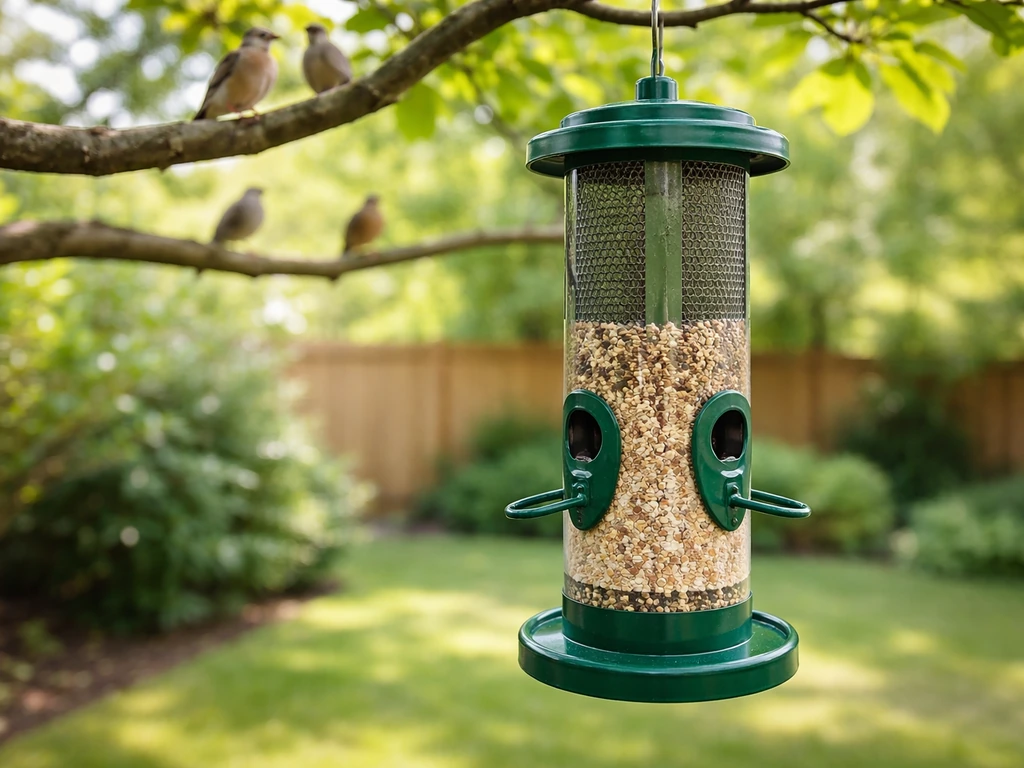
How Bird Feeders Actually Spread Disease
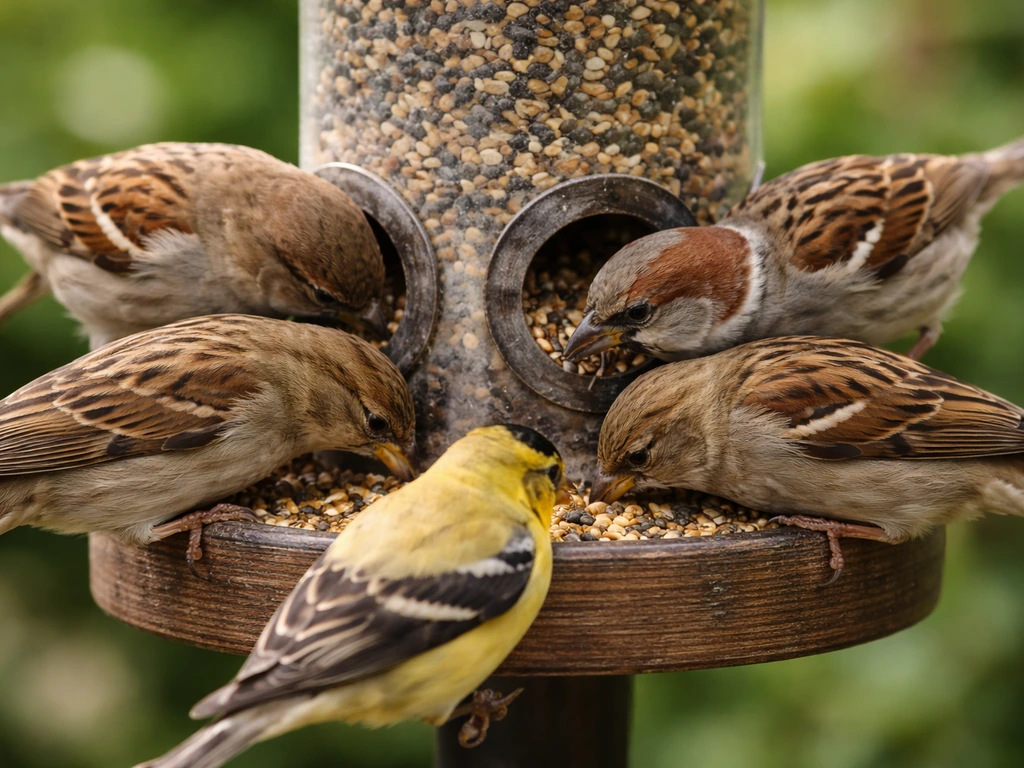
Feeders don't cause disease on their own, but they concentrate birds in one spot, which is exactly what pathogens need to move efficiently from one host to another. Penn State Extension puts it plainly: if a sick bird visits your feeder, communal feeding sites can amplify transmission. That's the core problem. A feeder is basically a meeting point for dozens of individual birds from different locations, and anything one of them is carrying gets deposited on the perches, seed tray, and ground below.
The Main Ways Disease Moves at Feeders
Understanding the actual transmission routes helps you target your prevention efforts. These are the most common ones:
- Droppings on perches, seed trays, and ground: This is the biggest vector. Birds defecate while they feed, and fecal matter carrying pathogens like Salmonella Typhimurium gets mixed directly into the seed other birds eat moments later.
- Contaminated seed: Wet, moldy, or stale seed is a double problem. Mold can directly harm birds, and damp seed creates the perfect low-oxygen environment for bacterial growth. Seed that sits too long without rotation is a risk even before birds touch it.
- Standing or dirty water: A birdbath or water reservoir that isn't changed regularly concentrates bacteria and can transfer pathogens to the bill and eyes of every bird that drinks or bathes.
- Surfaces and feeder materials: Hard-to-clean feeders, especially those with crevices, wooden surfaces, or narrow tubes with buildup, harbor bacteria and fungi long after visible contamination is gone.
- Aerosol dust: Dried droppings and feather dust around a feeder can become airborne when disturbed, which is relevant not just for birds but for anyone cleaning or working near the feeder area.
- Attracting high-density flocks or scavengers: The more birds you attract to a single spot, the higher the exposure risk. Scavengers and ground-feeding species like sparrows and finches that cluster in large numbers are particularly efficient at spreading contact-transmitted pathogens.
Cornell Wildlife Health Lab also notes that avian pox can spread indirectly through contaminated feeders, feed, water, and dust, not just through direct bird-to-bird contact. That indirect route is easy to underestimate.
Diseases Worth Knowing About
You don't need a veterinary degree to protect your backyard birds, but knowing what you're dealing with helps you take it seriously.
| Disease | How It Spreads at Feeders | Signs in Birds |
|---|---|---|
| Salmonellosis (Salmonella Typhimurium) | Fecal contamination of seed and surfaces; direct contact between birds | Lethargy, fluffed feathers, sitting on the ground, sudden death; affected species include siskins, finches, sparrows |
| Avian Pox | Contact with contaminated feeder surfaces, seed, water, and dust; also mosquito transmission | Wart-like growths on unfeathered skin around eyes, bill, feet; crusty lesions |
| Avian Influenza (Bird Flu) | Droppings, saliva, mucus on feeder surfaces and surrounding area | Respiratory distress, neurological symptoms, sudden death in wild birds; primarily a risk during outbreak events |
| Aspergillosis (fungal) | Inhaled mold spores from wet or rotting seed | Respiratory distress, open-mouth breathing, lethargy; moldy seed is the direct source |
| Trichomoniasis (canker) | Shared water sources; regurgitated food contaminating seed | Swollen throat, difficulty swallowing; common in mourning doves and pigeons |
The CDC has documented real-world Salmonella outbreaks directly linked to wild songbird feeders, including a 2020-2021 outbreak of Salmonella Typhimurium that spread to people who handled sick or dead birds or didn't wash their hands after touching feeders. That's not a fringe scenario.
What to Do Right Now If You Suspect Illness
If you're seeing sick or dead birds near your feeder, act the same day. The CDC's guidance is specific: if you find a sick or dead bird in your yard, take down your feeder and birdbath for at least two weeks and clean them before putting them back out. Here's how to handle that safely:
- Stop feeding immediately. Remove the feeder and any standing water sources from the area.
- Put on disposable gloves before touching anything. The CDC specifically recommends gloves for feeder cleaning and contact with droppings.
- Dispose of all remaining seed in the feeder. Don't just refill over old seed.
- Clean the feeder outdoors, not in your kitchen sink. Use a scrub brush to remove all visible debris first.
- Disinfect with a 10 percent bleach solution (roughly 1 part bleach to 9 parts water). The Iowa DNR recommends this mix and advises scrubbing all surfaces thoroughly.
- Rinse completely and allow to dry fully before storing or refilling. A wet feeder reintroduced to service can grow mold and bacteria within days.
- Wash your hands thoroughly with soap and water after the entire process, even if you wore gloves.
- Wait the full two-week pause period before restarting. This gives the local bird population time to disperse and breaks the transmission cycle at that location.
- Clean the ground area below where the feeder hung. Rake up and dispose of accumulated seed husks and droppings.
Don't rush back to feeding. Two weeks feels long, but it's the buffer the CDC recommends for a reason. Restarting too early with a freshly cleaned feeder in an area where sick birds are still present just reintroduces risk.
Best Practices to Prevent Disease Spread Year-Round
Cleaning schedule
Monthly cleaning with a 10 percent bleach solution is the baseline recommended by the Iowa DNR. The CDC also recommends wearing disposable gloves when cleaning bird feeders or bird baths and cleaning them regularly to reduce disease risk from potentially contaminated surfaces Monthly cleaning with a 10 percent bleach solution is the baseline recommended by the Iowa DNR.. During wet weather, high-traffic periods, or visible fecal buildup, clean more frequently, every two weeks is a reasonable escalation. Always wear rubber gloves, clean outside, rinse thoroughly, and let the feeder dry completely before refilling.
Seed choice and rotation
Only put out as much seed as birds will consume in two to three days. Seed that sits longer, especially in humid or rainy conditions, gets wet, clumps, and starts growing mold. If you suspect your bird seed has bugs in it, remove it promptly and clean the feeder thoroughly before refilling.
Moldy seed is a serious risk, and if you're wondering what that looks like in practice, it's worth reviewing what moldy bird seed actually looks like so you can catch it early. Bird seed moths are also attracted to stored seed, so keeping moldy seed out of your feeder can help reduce pest problems too moldy bird seed. Use quality seed without filler grains (like milo or oats) that birds reject and leave to rot.
No-waste blends or hulled seed options reduce debris buildup under the feeder.
Feeder placement
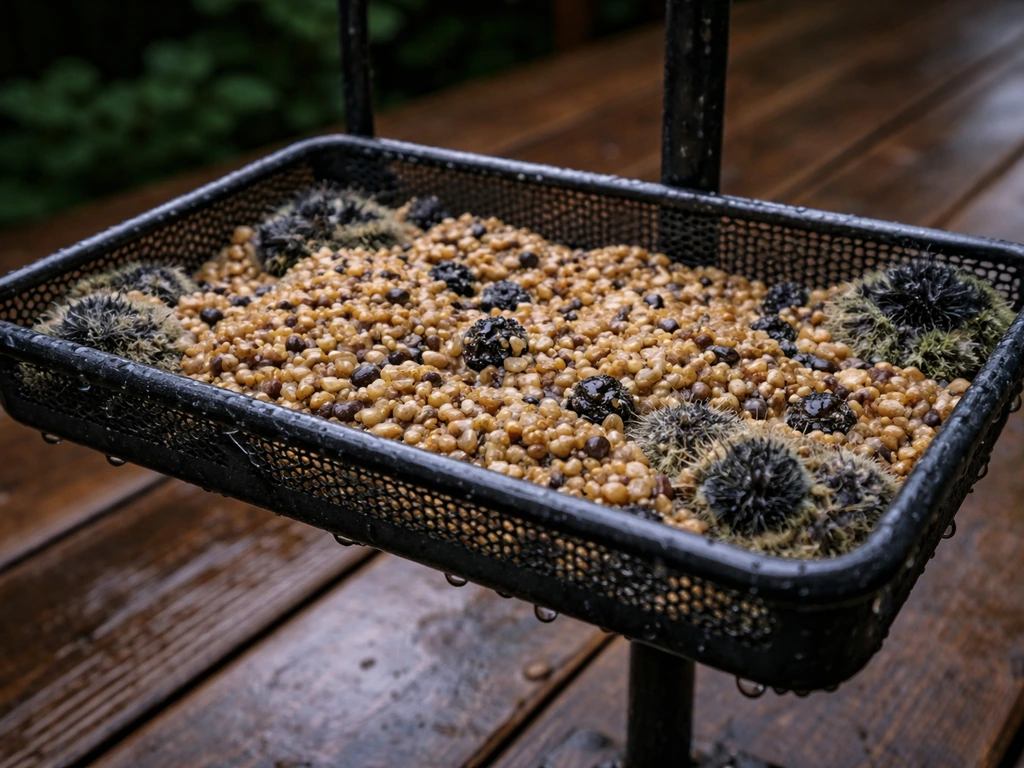
The CDC's research into the 2020-2021 Salmonella outbreak identified shady feeder placement as a risk factor, because shade keeps seed and surfaces damp longer. Place feeders in spots that get morning sun to help dry out any moisture. Avoid placing feeders directly over garden beds or areas where you spend a lot of time. Spread multiple feeders out rather than clustering them, which reduces how many birds are packed into one spot at once.
Feeder and Ground Setup That Lowers Risk
Your feeder design and what's underneath it matter as much as your cleaning routine.
- Choose feeders with drainage holes or trays that shed water. Any feeder that holds pooled water in the seed chamber after rain is going to harbor bacteria faster.
- Use smooth, non-porous feeder materials (metal or hard plastic) over wood when possible. Wood absorbs droppings and moisture and is much harder to fully disinfect.
- Add a baffle below or above the feeder to keep ground animals away from it, which also reduces how much fecal matter gets tracked directly onto the feeder surfaces.
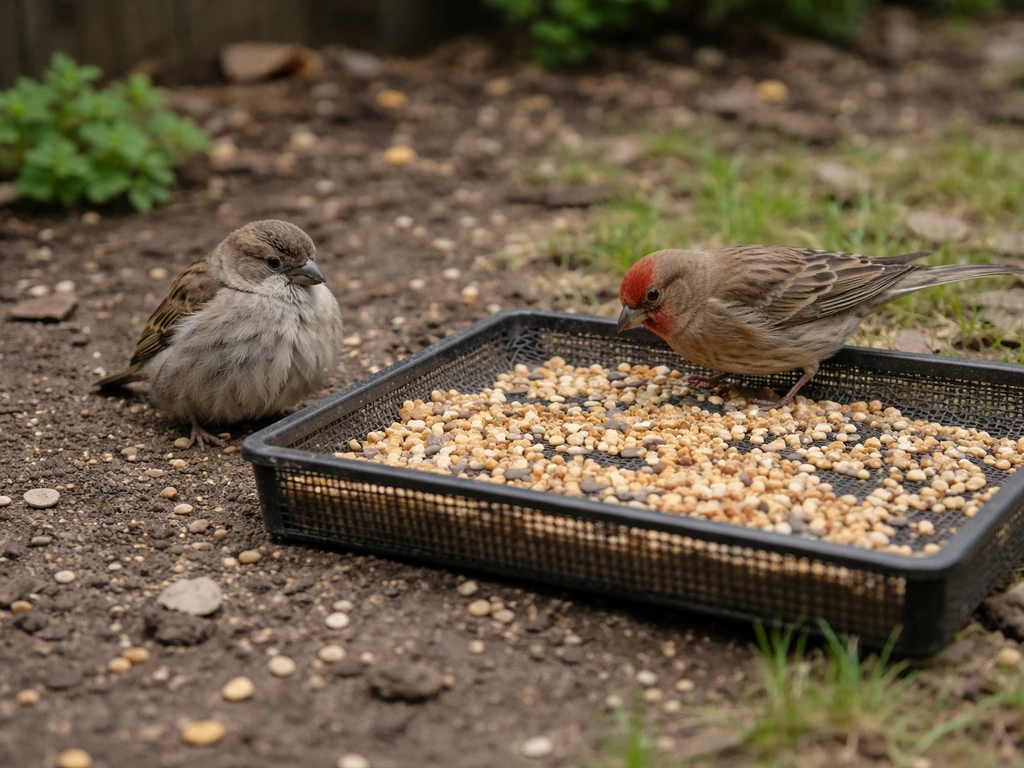
- Lay hardware cloth or gravel under ground-level feeding areas to improve drainage and make cleanup easier. Bare soil under a feeder becomes saturated with droppings and is very difficult to sanitize.
- Clean water sources every two to three days minimum. A quick dump, scrub, and refill is faster than a full disinfection but should be the baseline.
- Rake and dispose of ground debris (seed husks, droppings, fallen seed) at least weekly. This is where the heaviest fecal contamination accumulates.
Keeping Pets and Your Household Safe
The CDC is explicit that Salmonella can spread from birds to pets and to people. If your dog or cat spends time near your feeder, they're at real risk of picking up pathogens from contaminated ground debris, droppings, or even a dead bird they find underneath. Here's how to manage that:
- Keep dogs and cats away from the ground area directly under feeders, especially during heavy use periods or when you notice fecal buildup.
- Don't let pets eat seed that has fallen on the ground. Beyond disease risk, some seed types and additives can cause digestive problems.
- Wash your hands every time you handle a feeder, fill seed, or rake the ground below. Don't bring gloves or contaminated footwear indoors without cleaning them first.
- When cleaning feeders, avoid stirring up dust or dried droppings unnecessarily. The CDC advises that during avian influenza cleanup in particular, you should avoid disturbing feather dust, bird waste, and debris, and that an N95 respirator is appropriate if you can't avoid it.
- Clean your shoes or boots if you've walked through a heavily soiled feeder area before coming inside.
- Children should not handle feeders or feeder cleaning without adult supervision and proper handwashing immediately after.
If you're interested in more detail on the human health side of feeder contact, the question of whether humans can get sick from bird feeders is worth exploring separately, as the transmission routes and precautions for people are a bit more nuanced than what's covered here.
Seasonal and Species-Specific Risks
Winter crowding
Winter is the highest-risk season for feeder-related disease, simply because more birds are competing for fewer food sources. Flocking species like house sparrows, finches, pine siskins, and common redpolls pack feeders tightly. Pine siskins in particular have been repeatedly identified in Salmonella outbreaks at feeders across North America. The combination of cold, damp conditions that encourage mold growth and dense populations using the same surfaces is exactly what drives transmission. Clean more frequently in winter, not less.
Migration surges
During spring and fall migration, birds passing through your yard have come from many different locations and may be carrying pathogens your local population hasn't been exposed to. These surges also dramatically increase feeder traffic over a short window. Consider putting out less seed during peak migration so it gets consumed quickly rather than sitting and accumulating droppings over several days of heavy use.
Ground feeders and flocking species
Mourning doves, sparrows, and pigeons that feed primarily on the ground spend more time in direct contact with accumulated droppings than elevated feeder users do. Trichomoniasis spreads easily through shared water in this group. If you have heavy dove or pigeon activity, focus extra attention on ground cleanup and water dish hygiene. The research from the 2020-2021 Salmonella outbreak also flagged year-round feeding and close feeder proximity as amplifying factors, so if you feed year-round, the monthly cleaning schedule isn't optional.
Summer and humidity
Humid summer conditions accelerate mold growth in seed trays dramatically. Cut your refill quantity in half during warm, wet spells and check feeders every two days. Tube feeders with clumped seed at the bottom ports are a common failure point. If you notice clumping, dump the entire feeder contents, clean it, and let it dry fully before refilling with a smaller amount.
When Feeders Are Safe vs. When They're a Problem
A well-maintained feeder in a good location, with fresh seed, clean water, and monthly disinfection, is genuinely low-risk. The science backs that up. The problem cases are predictable: neglected feeders, overfilling, wet or moldy seed, no ground cleanup, and placing feeders where they stay damp and shaded. If you're doing the basics consistently, feeding backyard birds is a safe, positive activity. If you're not, the feeder itself becomes a disease amplifier. The choice is mostly about routine.
FAQ
Do I have to stop bird feeding forever if disease shows up in my yard?
Not permanently, but you should pause feeding based on what you see. If you spot a sick or dead bird, take down the feeder and birdbath for at least two weeks, then restart only after you have cleaned and the area is no longer showing sick or dead birds. If no illness is evident, you can keep feeding with tightened cleaning and faster seed turnover (for example, less seed per refill so it is consumed within 2 to 3 days).
Can my dog or cat catch disease from bird feeders?
Yes. Bird feeders can increase disease exposure for pets because pathogens can be picked up from contaminated ground debris, droppings, or dead birds beneath the feeder. To reduce risk, keep pets from eating spilled seed, leash dogs near the feeding area, and pick up droppings or dead birds promptly (wear gloves, bag waste, and wash hands after).
Is regular rinsing enough, or do I need to disinfect my bird feeder too?
Feeders should be treated as “dirty surfaces” even if birds look healthy. If you refill frequently but never disinfect, droppings and saliva residues accumulate on perches, trays, and ports, which can support indirect transmission. A practical approach is monthly disinfection plus extra cleaning whenever you see visible fecal buildup, wet seed, or clumping.
Which feeder types are more likely to cause disease risk?
Some feeders are harder to keep clean. Tube feeders with seed clumping at bottom ports are a common failure point in wet weather, and platform feeders with a lot of spilled seed attract more ground-feeding and increase debris. If you have recurring problems, switch to a style you can empty and clean easily, use smaller refill amounts, and clean more often during humid periods.
What should I do differently during wet or humid weather?
Use less seed and clean based on conditions, not only the calendar. During rain, heavy traffic, or humid stretches, reduce your refill quantity and inspect every 2 to 3 days. If seed gets wet, clumps, or you see mold, dump the contents, clean the feeder, and refill only with dry, fresh seed.
If my seed has bugs, is that the same as mold risk, and what should I do?
Seed moth activity does not automatically mean pathogens, but it is a red flag for poor seed storage and increased spoilage risk. If you suspect pests, stop using that seed immediately, remove it, and thoroughly clean the feeder before refilling with fresh storage-safe seed. Keep stored seed dry, sealed, and off the floor to reduce both mold and insects.
How important is cleaning up under the feeder, and what if I don’t have time?
Watch the ground. If you see droppings, wet debris, or spilled seed under the feeder, that increases contact opportunities for ground feeders, pets, and children. A simple routine is to clean the area around the feeder regularly, especially in winter, and avoid letting seed spill accumulate.
Can feeder location make disease spread more likely?
Yes, placement can matter even when you clean consistently. Shade can keep seed and surfaces damp longer, which increases indirect risks like mold growth and pathogen survival. Place feeders where they get morning sun to dry things out, and spread multiple feeders out to reduce crowding at any one point.
Should I change my feeding routine during spring or fall migration?
During migration surges, there can be brief spikes in feeder traffic from birds coming from many places. To reduce risk, put out smaller amounts so the seed is consumed quickly and does not sit with accumulating droppings. Avoid overfilling during these periods even if your birds usually finish fast.
Is disease risk higher if I feed birds year-round?
If you feed year-round, the cleaning “baseline” becomes more important because birds may be present in higher numbers across seasons. Winter and year-round feeding both tend to increase crowding on fewer resources, which can amplify disease transmission. If you see heavy feeder traffic, increase cleaning frequency and reduce refill sizes.
If I find a sick or dead bird, do I need to take down only the feeder or also the birdbath?
When you remove the feeder, include the birdbath too if it is part of your feeding setup. Stopping both contact points reduces pathogen amplification through shared water, and it aligns with the standard recommendation to remove feeder and birdbath for at least two weeks after finding sick or dead birds.