Yes, humans can get sick from bird feeders. It is not common, and most healthy adults who maintain a basic level of hygiene will never have a problem. But the risk is real, and it comes from a handful of specific sources: bird droppings, moldy or wet seed, contaminated feeder surfaces, and the rodents and pets that your feeder setup can attract. If you are reading this because you just handled a crusty, neglected feeder or found yourself elbow-deep in old seed, this guide will tell you exactly what the risks are, what to watch for, and what to do right now.
Can Humans Get Sick From Bird Feeders? Risks and Steps

Maya Henderson
12 Apr 2026
The actual health risks bird feeders pose
Bird feeders concentrate birds in one spot. That also concentrates droppings, feather dust, and respiratory secretions on your feeder, your seed, and the ground beneath it. The most relevant pathogens for people are:
- Salmonella: the most common feeder-associated illness in people. Birds (especially sparrows and finches at crowded feeders) shed Salmonella in their droppings, which then contaminate surfaces and spilled seed. You pick it up via hand-to-mouth contact.
- Campylobacter: another fecal-oral bacterial illness that causes diarrheal disease. The CDC estimates 1.5 million Campylobacter illnesses per year in the U.S., and contaminated backyard environments are a recognized exposure route.
- Psittacosis (Chlamydia psittaci): inhaled from dried bird droppings or secretions. The CDC notes symptoms typically appear within 5 to 14 days after exposure and usually present as an upper respiratory illness with flu-like symptoms.
- Avian influenza (bird flu): a low but real risk during outbreak periods. The CDC advises against stirring up feather dust and dried droppings, since airborne particles from contaminated material are a transmission pathway.
- Aflatoxins and mycotoxins: not an infection but a poisoning risk from moldy seed. Mold on damp or old seed (especially corn and peanuts) can produce toxins that cause nausea, vomiting, and, with heavy repeated exposure, more serious organ effects.
- Histoplasma: a fungal spore found in soil enriched by accumulated bird (and bat) droppings. Breathing in spores when disturbing debris under a long-standing feeder can cause histoplasmosis, a lung infection.
Most healthy adults who briefly touch a feeder and then wash their hands are not in danger. The risk goes up significantly when feeders are neglected for weeks, when seed stays wet, when birds are visibly sick, or when you disturb accumulated debris without any protection. The CDC advises not touching sick or dead birds or their feces or litter without wearing appropriate PPE, and to avoid stirring up dust, waste, or feathers that could disperse the virus into the air disturb accumulated debris without any protection. People who are immunocompromised, pregnant, elderly, or very young should be more cautious and consider having someone else handle cleaning.
Where the illness risk actually comes from
Bird droppings
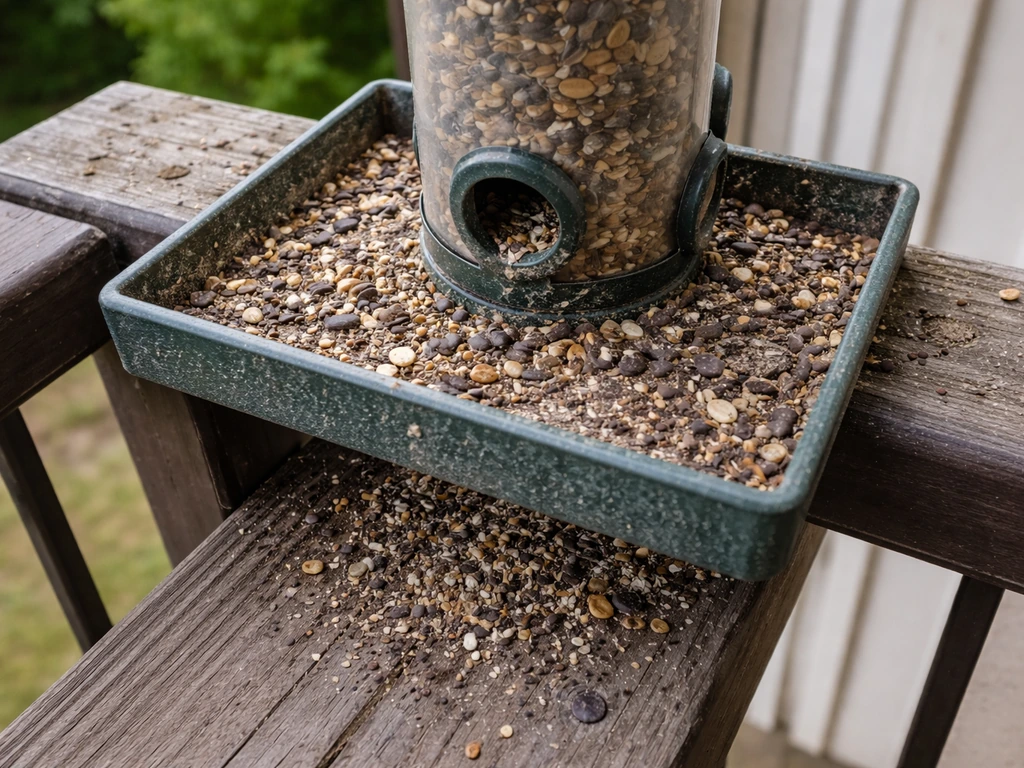
This is the biggest source. A busy feeder can accumulate droppings on the feeder itself, the tray, the pole, and the ground below within days. Salmonella and Campylobacter survive in droppings on hard surfaces for hours to days. Psittacosis comes from breathing dried fecal dust, so the act of scraping off dried waste without a mask puts you at direct respiratory risk. If you want a deeper look at how feeders function as disease vectors, the way bird feeders spread disease is worth understanding before your next cleaning session.
Spoiled and moldy seed
Wet seed molds fast, especially in warm weather. Mold growing on seed is not just unpleasant for birds; it can harbor mycotoxins including aflatoxins, which are toxic to people and pets when ingested or inhaled in quantity. Seed can also develop a sour, fermenting smell without obvious visible mold, meaning the spoilage is internal. Knowing what moldy bird seed looks like will help you catch the problem before it becomes a health hazard rather than after.
Feeder surfaces and debris
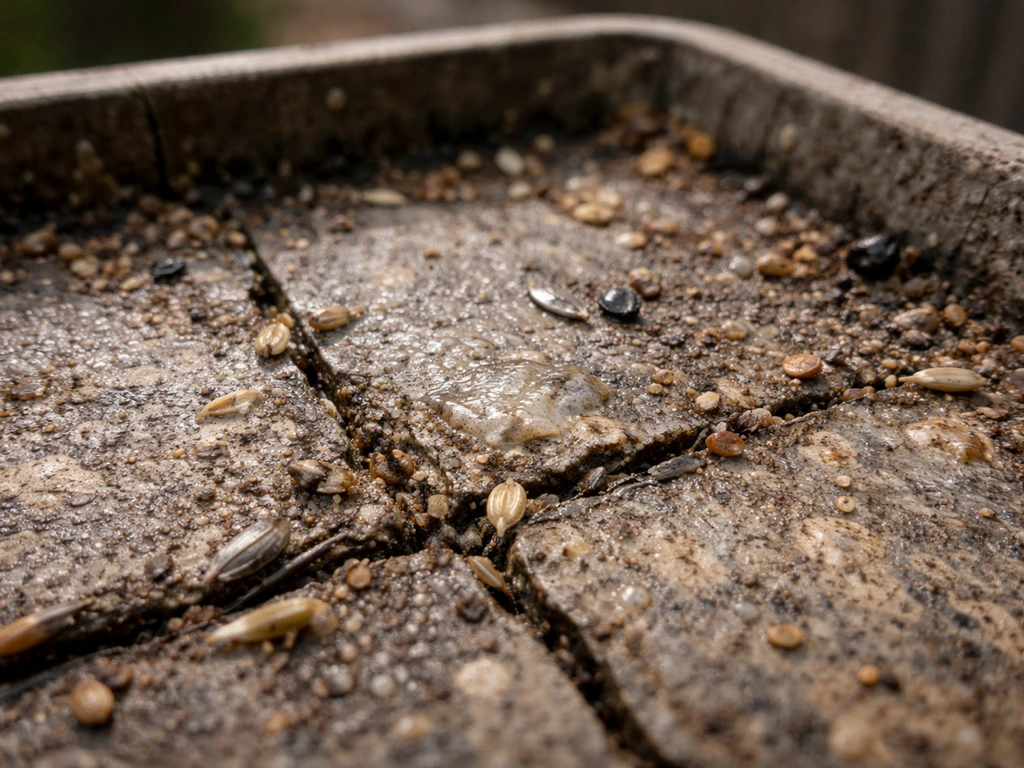
The feeder itself, especially the tray and any cracks or seams, collects a mix of droppings, hulls, saliva, and rotting seed. Bacteria thrive in this environment. Beyond bacteria, feeder debris can also harbor insects. If you have ever opened a bag of older seed and noticed movement, you are likely dealing with a weevil or moth situation. Understanding what to do when your bird seed has bugs in it matters because insect-infested seed is also more likely to be damp and moldy.
Symptoms to watch for after exposure
Knowing the symptom timeline helps you decide whether what you are feeling is related to feeder exposure or just a coincidental cold. Here is how the most likely illnesses present:
| Illness | Typical onset after exposure | Main symptoms | Seek care if... |
|---|---|---|---|
| Salmonella | 6 hours to 3 days | Diarrhea, cramping, fever, nausea | Fever over 102°F, bloody stool, symptoms lasting more than 3 days, or dehydration |
| Campylobacter | 1 to 10 days (usually 2 to 5) | Diarrhea (sometimes bloody), cramps, fever | Same as Salmonella; prolonged or severe symptoms need evaluation |
| Psittacosis | 5 to 14 days | Flu-like illness, dry cough, headache, chest discomfort | Respiratory symptoms worsening, chest pain, or no improvement after a few days |
| Histoplasmosis | 3 to 17 days | Fever, fatigue, dry cough (mild cases often resolve on their own) | Immunocompromised individuals or worsening respiratory symptoms always warrant a doctor visit |
| Aflatoxin exposure | Hours to days (dose-dependent) | Nausea, vomiting, abdominal pain | Any concern about significant ingestion; call Poison Control (1-800-222-1222) in the U.S. |
If you develop any of these symptoms within two weeks of handling a feeder or cleaning up bird debris, mention that exposure to your doctor. Many of these illnesses are clinically indistinguishable from ordinary stomach bugs or colds, so that context matters for diagnosis.
How to clean and handle your feeder safely today
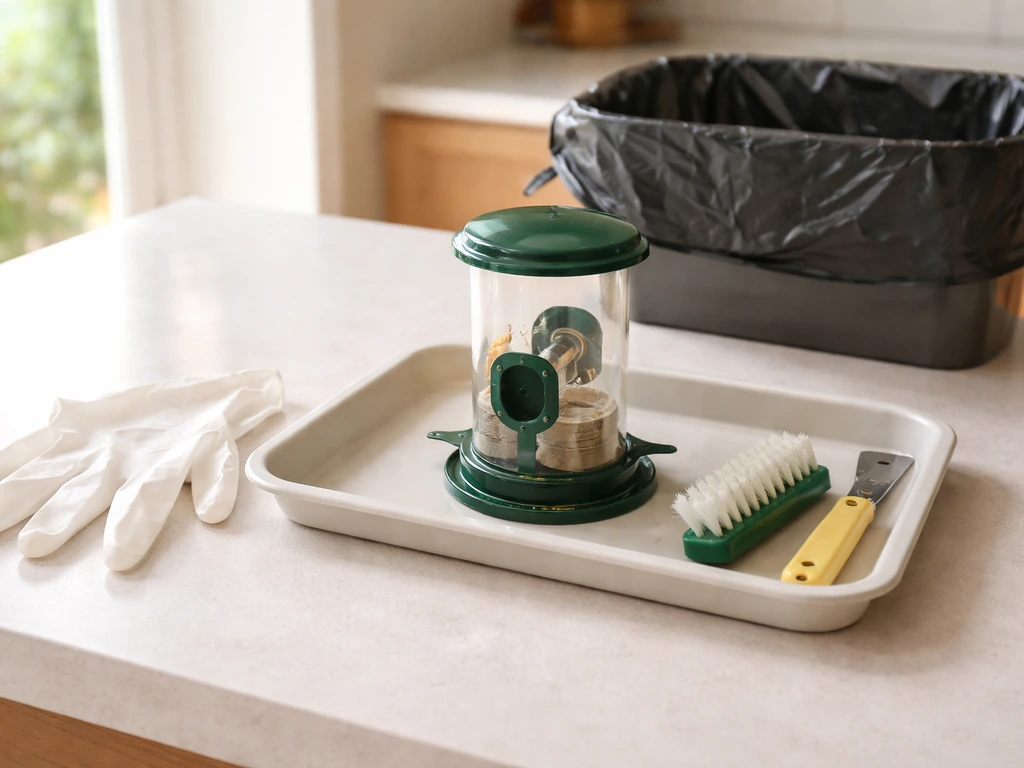
If you need to clean your feeder right now, here is the process that actually reduces risk. All About Birds (Cornell Lab of Ornithology) recommends cleaning bird feeders using a hot dishwasher cycle, or washing by hand with soap and hot water, or using a dilute bleach solution of up to 1 part bleach to 9 parts water reduces risk. Do not skip the prep steps; the protective equipment matters most during the scrubbing phase, when you are disturbing dried waste.
- Put on disposable gloves before touching the feeder. If the feeder is visibly encrusted with droppings or you are working under it where debris has accumulated, add a dust mask (N95 if you have one) to avoid inhaling dried fecal particles.
- Take the feeder outside or to a utility sink, not your kitchen. You do not want runoff from feeder cleaning in a space where food is prepared.
- Do not blow off debris with compressed air or shake it vigorously. The CDC specifically advises against dispersing dust, waste, and feathers into the air during cleaning of contaminated surfaces.
- Scrub all surfaces with soap and warm water until visibly clean. Use a dedicated brush, not one you use for dishes.
- Rinse thoroughly, then apply an EPA-approved disinfectant or a diluted bleach solution (1 part bleach to 9 parts water). Let it sit for the contact time listed on the label.
- Rinse again and allow the feeder to air dry completely before refilling. Moisture left inside the feeder accelerates mold growth.
- Remove your gloves by peeling them inside-out, bag them, and wash your hands thoroughly with soap and water for at least 20 seconds. Do not touch your face until after handwashing.
Clean your feeder at least once every two weeks during warmer months and once a month in winter. If you have had a lot of rain, check the seed more frequently since wet seed molds within days.
Preventing problems going forward
Store seed correctly
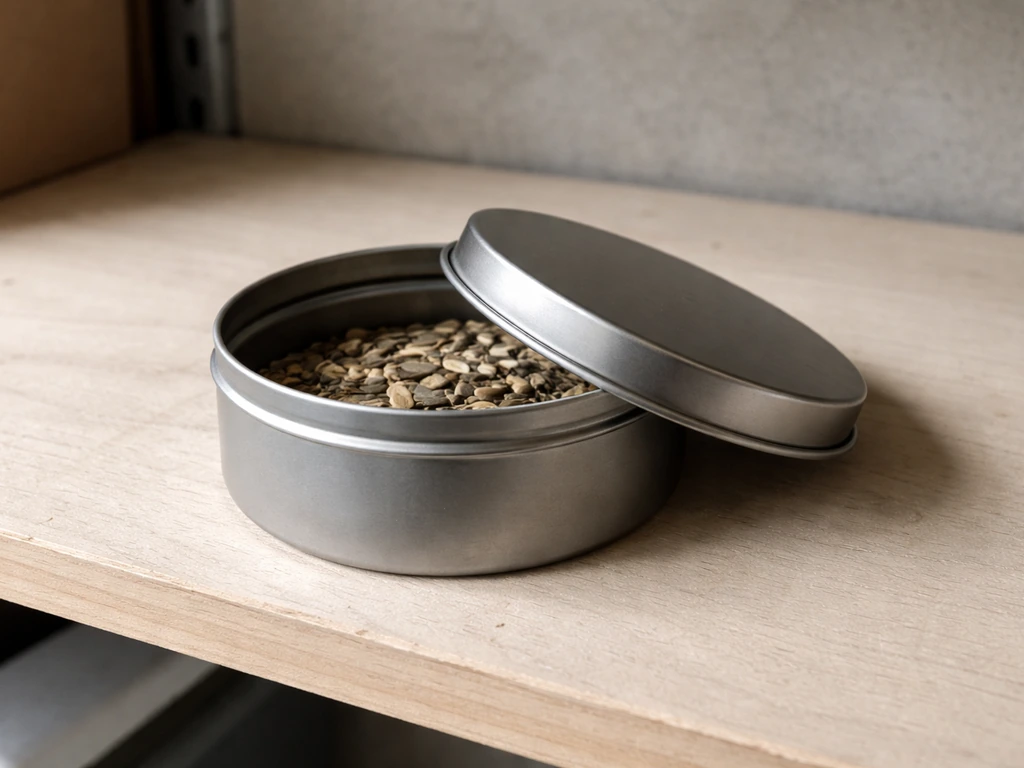
Seed stored in paper bags in a humid garage or shed will absorb moisture and mold. Transfer seed to a sealed metal or hard plastic container with a tight-fitting lid and store it in a cool, dry place. Never mix new seed into old seed that has been sitting open; the old seed can contaminate the fresh supply.
Avoid wet feed in the feeder
Feeders with large open trays and no drainage holes hold rain and dew, which makes seed clump and mold. Tube feeders with small ports and drainage holes at the bottom are much better at keeping seed dry. Avoid filling feeders to the brim in wet weather since what birds do not eat will sit wet for days.
Pick up spilled seed regularly
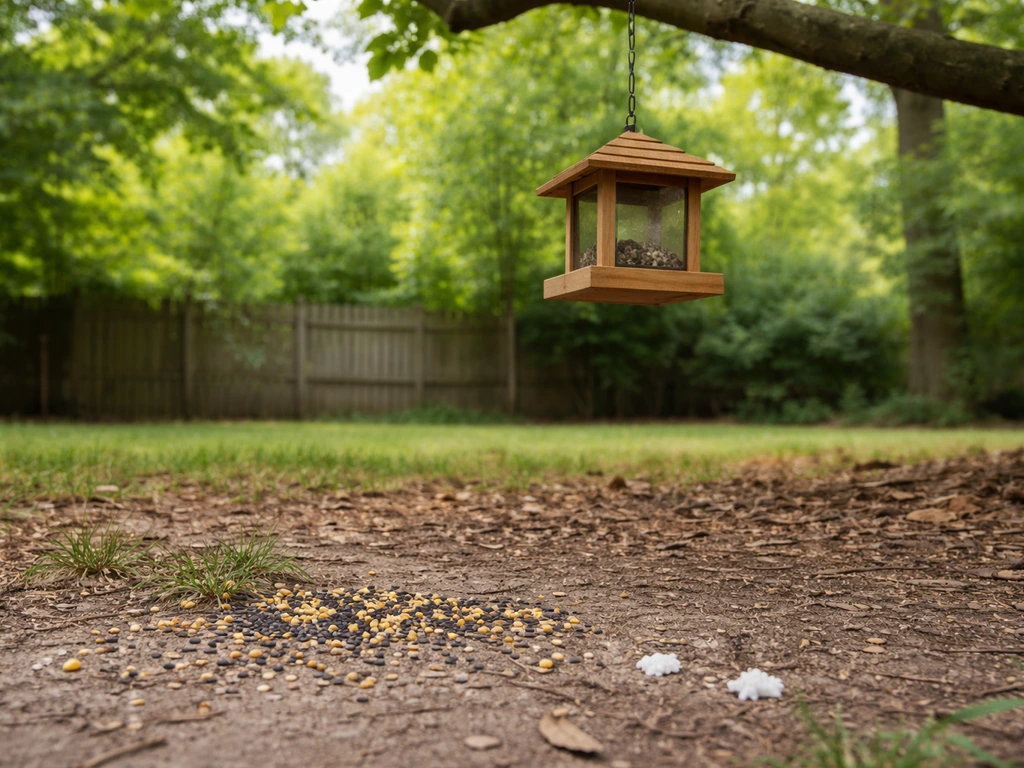
Seed that falls to the ground sits in soil, gets rained on, and molds far faster than seed in a feeder. Rake or sweep the area beneath feeders every week. This also removes old droppings and reduces the smell that attracts rodents.
Watch for insect infestations in stored seed
Insects in your seed supply are a sign that storage conditions need to change. Weevil bugs in bird seed typically indicate the seed was already infested when purchased or has been stored in warm, humid conditions long enough for eggs already in the seed to hatch. Infested seed is also more prone to moisture damage and mold.
Pets, rodents, and how they loop back to your health
Your bird feeder does not only affect you directly. Pets and wildlife drawn to the feeder area create indirect exposure pathways you might not have considered.
Cats and dogs near feeders
Dogs that sniff around the base of a feeder are nosing through a mix of old droppings, rotting hulls, and possibly dead birds. A dog that then licks your hand or face, or comes inside and lies on furniture or bedding, becomes a transfer route for whatever pathogens are on the ground below the feeder. Cats are even more likely to catch and handle sick birds directly. If your dog or cat spends time in the feeder area, wipe their paws before they come inside and be more rigorous about your own hand hygiene after handling them.
Rodents attracted to spilled seed
A feeder with poor seed management attracts mice and rats. Rodents introduce their own pathogens (including Hantavirus, Leptospira, and others) into the same area where you and your pets are already managing bird-related risks. Rodents also contaminate stored seed if they can access it. If you notice gnaw marks on your storage container or droppings in your seed storage area, the seed needs to be discarded and storage upgraded to a gnaw-proof metal container.
Seed moths and pantry crossover
Infested bird seed stored near the house or garage can lead to moths spreading indoors. While this is more of a nuisance than a direct illness risk, it is worth knowing that bird seed moths can eat clothes and dry goods if they migrate inside, adding a household management problem on top of the health-related ones.
When to stop feeding or overhaul your setup
Most of the time, basic hygiene is enough to keep feeding safely. But there are specific situations where you should stop or make significant changes:
- You find moldy seed in the feeder or in your storage container. Discard it immediately. Do not feed moldy seed to birds either, as it harms them too. Replace with fresh dry seed only after a full feeder cleaning.
- You are seeing visibly sick or dead birds near your feeder. Stop filling the feeder, take it down, and contact your state wildlife agency. Outbreaks of Salmonella, Salmonellosis, or avian influenza at feeders sometimes prompt official advisories to take feeders down temporarily.
- You have a rodent problem in the feeder area that you cannot control. Continuing to feed while rodents are active just worsens contamination and attracts more of them. Address the rodent issue first, then resume feeding with tighter seed management.
- A family member has been diagnosed with a feeder-associated illness and has not recovered. Until cleaning is thorough and the source of contamination is identified, pause feeding.
- The feeder area has visible heavy contamination (thick caked droppings, dead birds, infested seed) that has not been addressed in months. Do a full reset: discard all old seed, deep-clean or replace the feeder, rake and treat the ground area below.
Backyard bird feeding is generally safe and enjoyable when you stay on top of basic hygiene. The risks are real but manageable. Clean regularly, store seed properly, keep pets away from contaminated ground, and always wash your hands after any contact with feeders or seed. That combination handles the overwhelming majority of risk, and you can keep your feeders running year-round without putting yourself or your household in danger.
FAQ
Can bird feeder illness happen if I only refill the feeder and don’t clean it for weeks?
Yes, but the likelihood is lower if you avoid disturbing built-up debris. The higher risk comes during cleaning or when you shake out wet clumps or crusty residue, which sends dried fecal dust into the air. If you are overdue for cleaning, wear a mask and gloves for refilling days, and do a full scrub the next time you can.
What should I do if I accidentally get bird droppings on my skin or clothes while feeding birds?
Rinse the skin right away with soap and running water, and change clothing as soon as possible. Launder the items in hot water if the fabric allows, and avoid sitting on furniture or beds before washing, since dried residue can transfer. If you touch your face or eyes before washing, wash again and monitor for GI or respiratory symptoms over the next two weeks.
Is it safer to use a mask or gloves, or are they mainly for people with weak immune systems?
Masks and gloves are most important during the scrubbing phase because disturbing dried waste increases inhalation risk. Even healthy adults can benefit from a disposable mask and nitrile gloves if the feeder has visible crust, heavy droppings, or dry dust. For routine feeding with clean hands, hygiene alone is often sufficient.
How can I tell if the seed is risky without seeing obvious mold?
Watch for a sour, fermenting odor, seed clumping, or a change in texture that suggests moisture penetration even if the surface looks normal. Also check stored seed containers for dampness and condensation, since inner spoilage can occur. If there is any musty smell or clumping, discard the seed rather than trying to dry and reuse it.
Can I get sick from touching the outside of the feeder or the pole after rain?
Rain and dew can make debris and seed residue damp, which increases growth of bacteria and mold in the tray and seams. Touching is lower risk if you wash hands right after, but if the feeder is visibly wet with residue, avoid handling bare-handed, especially if you will touch your face afterward.
Does feeding birds in winter carry less risk than in summer?
Generally yes, since mold tends to develop faster with warmth and humidity, and some microbes survive longer when conditions are favorable. However, droppings still accumulate, and scraping dried waste in any season can be a respiratory hazard. Adjust your cleaning frequency, and treat dusty buildup as high risk regardless of temperature.
What symptoms would make me more suspicious that the feeder exposure was the cause?
GI symptoms like diarrhea, vomiting, fever, or significant stomach cramps starting within about two weeks of feeder cleanup are more suggestive, especially if multiple people were exposed or you were handling crusty debris. Respiratory symptoms such as new coughing or flu-like illness within that same window, particularly after cleaning dust-covered feeders, also warrant mention to a clinician.
Should I clean feeders with bleach, or is dish soap and hot water enough?
Hot water and detergent are usually a solid base, but the key decision is avoiding aerosolizing dried waste and ensuring thorough rinsing and drying afterward. If you use disinfectants, follow the product label carefully and do not mix chemicals. Let the feeder fully dry before refilling so moisture does not stay trapped in seams.
Is it safe to clean the area under the feeder with a leaf blower or by dry sweeping?
Not ideal. Dry sweeping or blowing can raise dried droppings and dust, increasing inhalation risk, especially with larger buildup. Prefer damp methods like wearing gloves and using a damp cloth or wet cleanup (and then disinfecting/sanitizing hands and tools afterward).
What’s the safest way to dispose of old seed and clean out a neglected feeder?
Bag the debris and old seed securely before it is carried through the house. Wash tools with hot water and detergent after disposal, and avoid shaking the bag. If you have to scrape, do it over a protected area and wear a mask so dust does not become airborne.
Can my pets get sick from the feeder area even if I wash my hands?
Yes. Dogs and cats can track contaminated ground into the home or handle sick birds, which can transfer pathogens to their fur and then to people. Wipe paws before they enter, keep pets away from the base of the feeder, and be extra cautious if your pet has contact with rotting seed or droppings.
What should I do if I suspect rodents or they have accessed my seed storage?
Do not just rearrange the container. If there are gnaw marks, droppings near storage, or signs of access, discard the compromised seed and upgrade to a gnaw-proof sealed container. Avoid dry cleanup of droppings, use careful wet methods, and consider contacting pest control if activity is ongoing.
If I feel sick after cleaning, do I need to stop bird feeding immediately?
You should pause cleaning and any handling that increases dust until you have stabilized, and then switch to stricter hygiene and PPE for future sessions. If symptoms are severe, worsening, or include high fever or dehydration, seek medical care promptly, and tell the clinician about feeder exposure within the last two weeks.