Yes, wet bird seed is bad for birds. If you are also wondering about ingredients, does bird seed contain nuts? Once seed gets wet and stays wet for more than a day or two (especially in warm weather), it can grow mold, harbor harmful bacteria, and attract parasites. The most serious risk is aspergillosis, a fungal respiratory disease caused by Aspergillus fumigatus and related molds that thrive in damp, decaying seed. Birds that eat or inhale spores from moldy seed can develop serious lung infections, and outbreaks at a single feeder can kill multiple birds. The good news is that the fix is straightforward: remove the wet seed now, clean the feeder, and restart with dry seed in a weather-protected setup.
Is Wet Bird Seed Bad for Birds? What to Do Now
Maya Henderson
14 May 2026
What wet seed actually does to birds
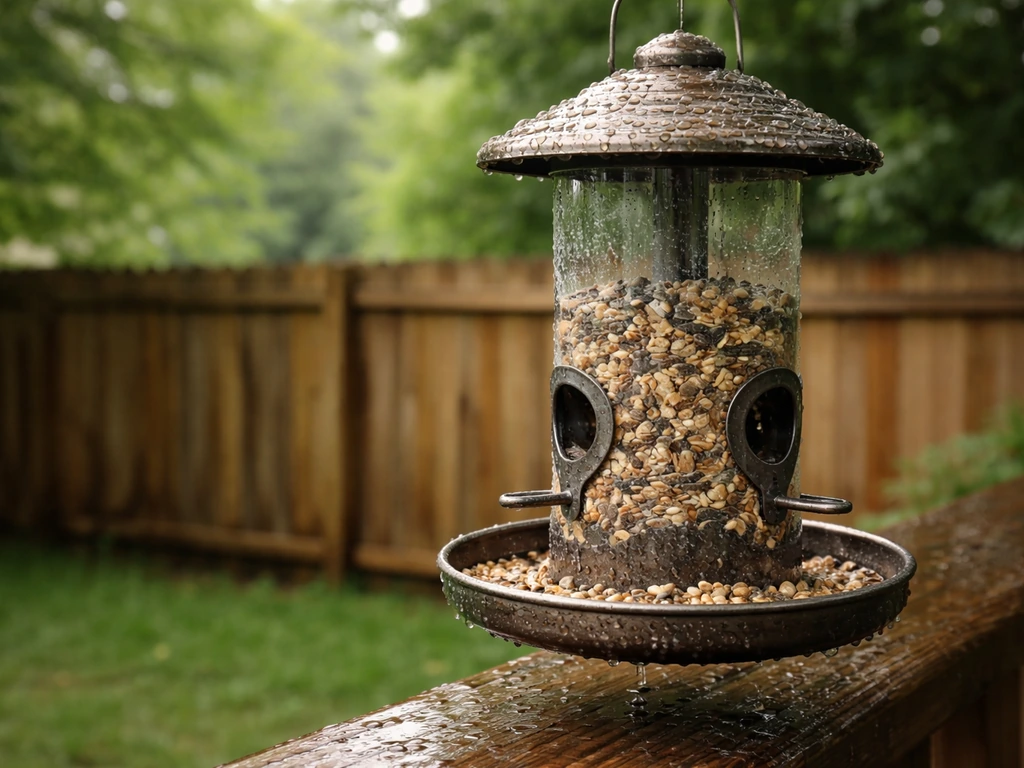
Moisture is the trigger for almost every seed-spoilage problem. Once seed absorbs enough water, the conditions are right for mold and bacteria to multiply fast. Here is what you are actually dealing with when seed gets wet.
Mold and aspergillosis
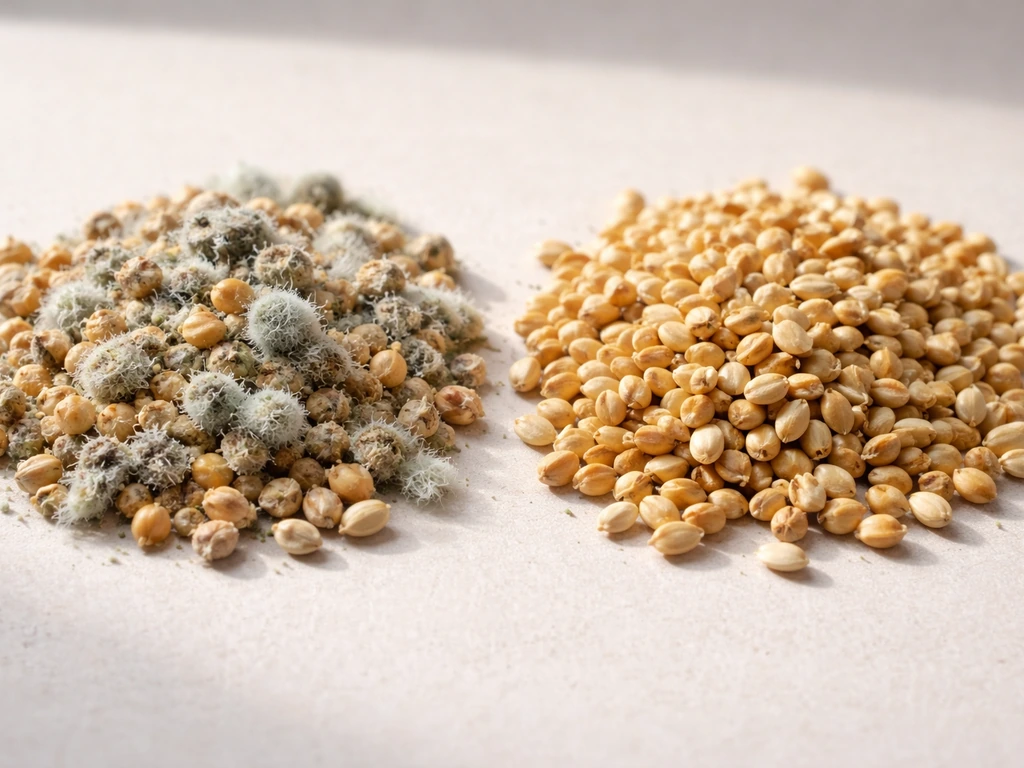
This is the big one. Aspergillus molds grow readily on wet grain and seed, and when birds eat moldy seed or breathe in spores at a contaminated feeder, they can develop aspergillosis. The Michigan DNR specifically links bird deaths to access to moldy food material. California's Wildlife Health Lab notes the disease can appear as a chronic infection in individual birds or as an acute outbreak affecting multiple birds at the same location. Once a feeder becomes a hotspot of fungal spores, every bird that visits is at risk. Pennsylvania's Game Commission puts it plainly: feeder seed must be fresh and free of mold.
Bacteria and salmonella
Wet seed also creates a breeding ground for bacteria, including Salmonella species. Salmonella outbreaks at bird feeders are well-documented and can spread rapidly through a local bird population, particularly among ground-feeding species that forage in damp seed debris under feeders. Infected birds often appear lethargic or fluffed up, and they can contaminate the feeder and surrounding soil for birds that come after them.
Parasites and general rot
Wet seed can also host grain mites and other parasites. Beyond direct health risks, rot simply reduces the nutritional value of seed dramatically. Clumped, soggy seed turns rancid, loses its oils, and can ferment. Birds may eat it out of habit or hunger, but they are getting very little benefit and significant risk.
What to do right now if your seed is wet
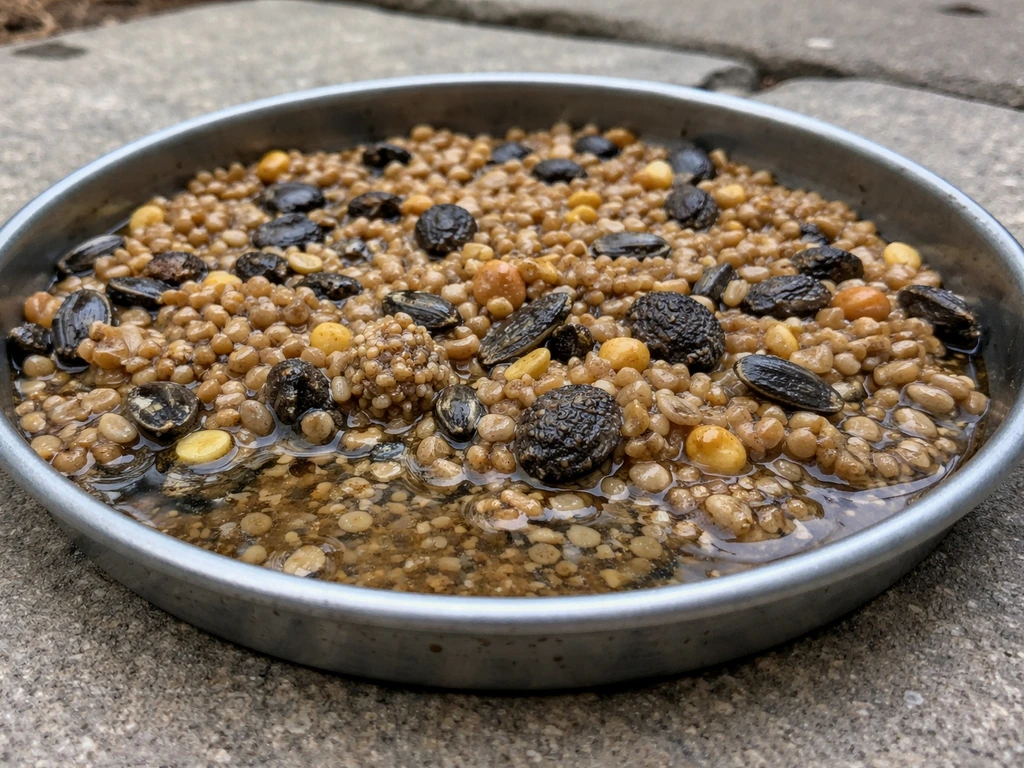
Do not wait on this. The longer wet seed sits, the worse the contamination. Here is the immediate cleanup sequence to follow.
- Take down the feeder immediately and remove all wet or clumped seed. Do not dump it on the ground nearby, because that just moves the problem. Bag it in a sealed plastic bag and put it in the trash.
- Check for visible mold: look for gray, white, or black fuzzy growth and any seed that smells sour, musty, or fermented. If you see or smell it, all of that seed goes in the bag.
- Disassemble the feeder completely. Wash every part with hot water and a 10 percent bleach solution (roughly 1 part bleach to 9 parts water). Scrub out all seed ports, perches, and reservoir areas where wet seed could be packed in.
- Rinse the feeder thoroughly with clean water and let it dry completely in the sun before refilling. Putting fresh seed into a damp feeder defeats the whole point.
- Clean the area under the feeder. Rake up wet seed debris, husks, and droppings from the ground. These can harbor the same mold spores and bacteria. Bag and dispose of that material too.
- Refill only with fresh, dry seed once the feeder is bone dry. Start with a smaller quantity so you can replace it more frequently and avoid buildup.
As for salvaging wet seed: if the seed got wet very recently (within a few hours), is only slightly damp, and shows zero signs of mold or bad smell, you can spread it on a clean dry surface in sunlight to dry it out and then inspect it carefully before using it. But honestly, if there is any doubt, the seed is cheap enough that throwing it out is the right call. The vet bills (or the grief of finding dead birds) cost far more.
Which birds are most at risk from wet seed
Not all birds are equally exposed. The type of feeder and how a species forages makes a big difference in how much contaminated seed they actually consume.
Ground feeders: highest risk
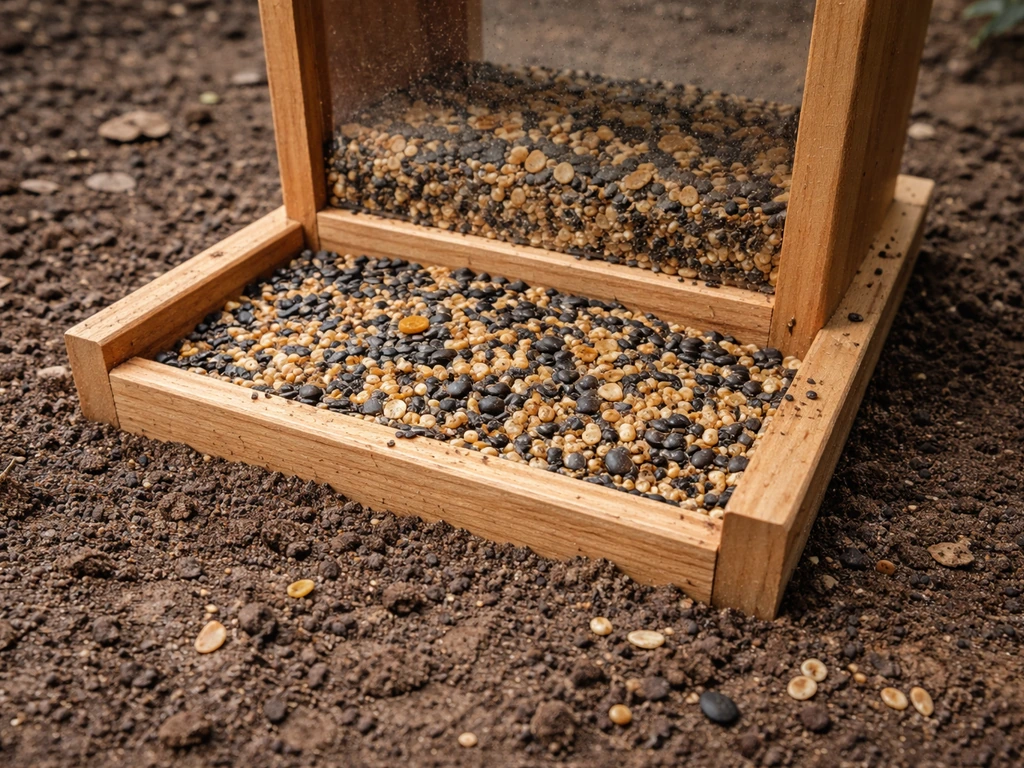
Mourning doves, dark-eyed juncos, white-throated sparrows, towhees, and native sparrows feed predominantly on the ground or on low platform feeders. They forage directly in seed debris and droppings, which means they have the most contact with the wet, contaminated layer that accumulates under and around feeders. These species are among the most commonly affected in feeder-related disease outbreaks, including salmonella and aspergillosis.
Hopper and tube feeder birds: moderate risk
Chickadees, nuthatches, finches, and titmice primarily use hopper or tube feeders and grab individual seeds. Their direct exposure to pooled wet seed is lower, but if the feeder itself is trapping moisture (a common design flaw in cheap plastic hoppers), the seed inside the reservoir can become a dense wet mass. Finches in particular are prone to respiratory infections and are commonly reported in aspergillosis cases.
Suet and nectar feeders: lower risk from wet seed, but not risk-free
Woodpeckers and other suet-eaters are not eating seed directly, so wet seed at a separate feeder is less of a concern for them. However, suet itself can go rancid in warm, wet weather. Similarly, hummingbird nectar ferments quickly when it rains into the feeder, and that is a separate but equally serious contamination issue. Nectar feeders should be emptied, cleaned, and refilled every 2 to 3 days in warm weather, more often if it rains.
Feeder and setup fixes to stop wet seed happening again
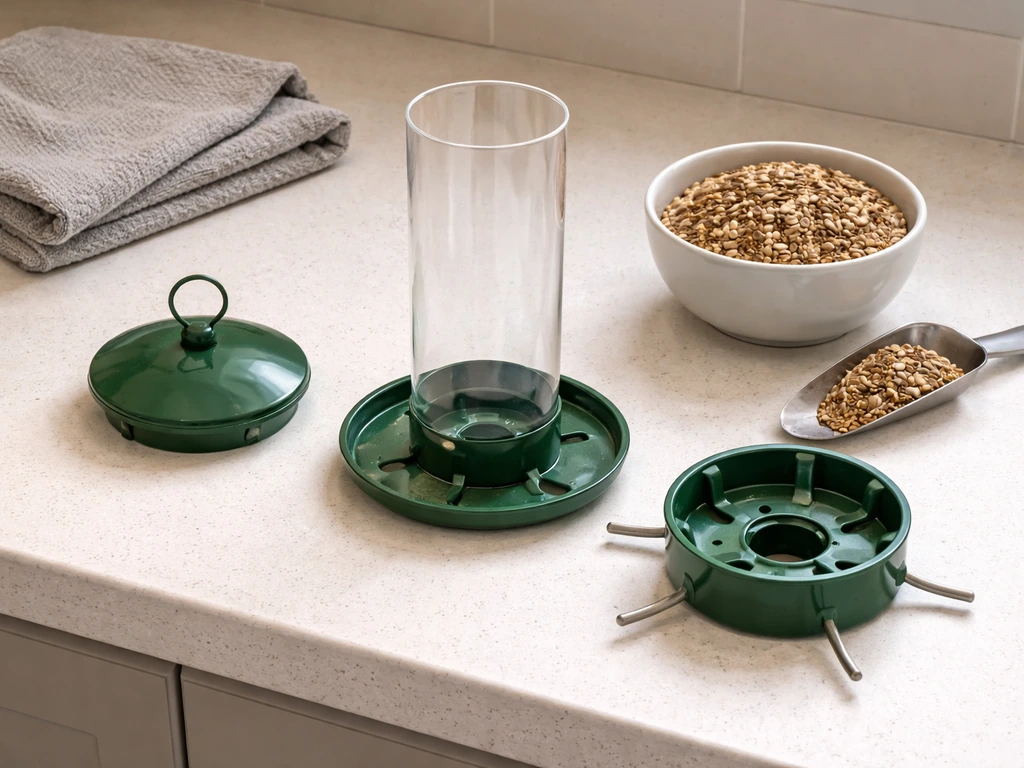
Prevention is much easier than cleanup, and a few simple changes to your feeder setup can eliminate most moisture problems.
Choose the right feeder design
Tube feeders with drainage holes at the base of each port let water escape rather than pool. Look for feeders that have removable bases or drain slots. Avoid wide, open platform feeders without drainage holes, as they collect rain and hold it against the seed. Metal and ceramic feeders with powder-coated or glazed finishes are easier to clean and do not absorb moisture the way cheaper plastic can over time.
Add a weather baffle or feeder cover
A dome-style squirrel baffle mounted above a hanging feeder doubles as a rain cover. Purpose-built feeder roofs or tray covers are available for hopper feeders and keep direct rain off the seed. These are among the cheapest, most effective upgrades you can make.
Placement and environment
Hang feeders under an overhang, in a partially covered area, or under a large tree canopy that breaks rainfall. Avoid placing feeders in low spots where water collects. If you use a ground or platform feeder, put it on a slight slope or a raised surface that drains quickly. Some people add a thin layer of gravel under a ground feeder to prevent seed debris from sitting in mud.
Fill less, fill more often
One of the most overlooked fixes is simply putting less seed out at a time. Fill feeders to about half or two-thirds capacity so seed is turning over in 2 to 4 days rather than sitting for a week or more. In rainy or humid weather, cut that back further. Fresh, dry seed added frequently is much safer than a full hopper that sits through a week of rain. And yes, bird seed can go bad in winter too, especially if it absorbs moisture from snow or rain and sits in damp conditions under the feeder does bird seed go bad in winter.
A quick comparison of feeder types and moisture risk
| Feeder Type | Moisture Risk | Best Fix |
|---|---|---|
| Tube feeder (no drain holes) | High: seed pools at bottom | Replace with drained tube or clean after every rain |
| Tube feeder (with drain holes) | Low | Routine cleaning every 1 to 2 weeks |
| Hopper/house feeder | Medium: depends on roof quality | Add weather cover, reduce fill quantity |
| Open platform/tray feeder | Very high: collects standing water | Add drainage holes, use mesh tray, cover with dome |
| Suet cage feeder | Low for seed, suet can go rancid | Use no-melt suet in warm months |
| Ground scatter feeding | Very high | Avoid entirely in wet weather |
Pets, rats, squirrels, and disease spread
Wet seed problems do not stay isolated to birds. If you have dogs, cats, or other pets spending time outdoors near your feeders, or if you have noticed rats or squirrels around the feeder area, there are additional risks worth knowing about.
Dogs and cats
Dogs are especially likely to sniff around under feeders and eat fallen seed, seed debris, or even dead birds. Moldy seed contains mycotoxins that can cause vomiting, tremors, and in high doses, more serious neurological effects in dogs. If your dog has been eating debris from under a feeder that had moldy seed, contact your vet. Cats hunting near feeders are at low risk from seed itself but can contract salmonella from eating sick or dead birds. Keep cats away from active feeders and dispose of any dead birds you find promptly using gloves.
Rats and mice
Wet, clumped seed on or near the ground is a very effective rat attractant. Rats carry their own diseases, and a rat-infested feeder area creates contamination risks beyond the original seed problem. If you are seeing rodent activity, stop ground-level feeding entirely, switch to a squirrel-proof tube feeder mounted on a pole with a baffle, and clean up all spilled seed from the ground daily.
Squirrels and larger wildlife
Squirrels are generally more resistant to mold-related illness than small songbirds, but they can still carry and spread pathogens from a contaminated feeder to other areas of your yard. Raccoons and opossums visiting overnight feeders will also eat wet seed. These scavengers are more tolerant of spoiled food but can serve as disease reservoirs. The cleaner your feeder area, the less you attract these visitors.
Human health
The New York State DEC notes that birds with aspergillosis do not pose a significant threat to human health. That said, Aspergillus spores in the environment are still something to minimize exposure to. When cleaning out a heavily moldy feeder, wear disposable gloves and consider a dust mask, then wash your hands thoroughly afterward. Do not shake or disturb large amounts of moldy seed in an enclosed space.
When to stop feeding and what to watch for
Sometimes the right move is to take a break from feeding entirely and give your yard a reset. Here are the signs that tell you it is time.
Signs of illness in birds at your feeder
- Birds sitting puffed up on or near the feeder and not flying away when approached
- Labored or audible breathing, open-mouth breathing, or discharge from the nostrils or eyes
- Lethargy, loss of coordination, or inability to fly
- Multiple sick or dead birds appearing in the same location over a short period
- Unusual clustering of birds on the ground under the feeder
If you see any of these signs, take down and clean all feeders immediately. Do not just remove the seed. When multiple birds at one location are showing illness, that is a signal of a potential outbreak situation. Your local wildlife agency or state department of fish and wildlife can advise on whether to report sick bird clusters, especially during known disease events like salmonella outbreaks or avian influenza periods.
How to handle dead birds
Use disposable gloves to pick up and double-bag any dead birds you find near the feeder. Wash your hands thoroughly afterward. Do not compost dead birds. Check your state wildlife agency website, as some ask that you report unusual die-offs for disease monitoring purposes.
When to take a full break from feeding
If you have had repeated mold problems, discovered a disease event, or are dealing with a persistent rat or rodent infestation around your feeders, the most responsible move is to stop feeding for 2 to 4 weeks. This breaks the cycle of birds congregating at a contaminated site, gives you time to deep-clean equipment, and allows infected birds to recover or disperse. When you restart, begin with fresh seed in a fully dried, bleach-cleaned feeder and implement the drainage and cover upgrades described above.
Wet seed is one of the most common and preventable causes of feeder-related bird illness. If you are wondering whether your thistle bird seed go bad, the same rule applies: once it gets wet or starts showing mold or off smells, it is no longer safe to feed. It shares some overlap with the broader question of whether old bird seed can hurt birds, since both situations involve spoilage and mold risk. The core principle is the same in both cases: fresh, dry seed in a clean feeder is the single most important thing you can do to make backyard feeding safe rather than harmful. A little more attention to feeder hygiene and weather protection goes a long way toward keeping your local birds healthy all year.
FAQ
Can I rinse wet bird seed to make it safe again?
Rinsing usually does not solve the problem. Mold and bacteria can have already penetrated the seed, and spores can remain on feeder surfaces and the surrounding area. If the seed is clumped, smells “off,” or stayed wet for more than a short time, it is safer to discard it and restart with fresh dry seed after cleaning the feeder.
What if the feeder only got damp, not fully soaked?
Even damp can be risky if moisture sat long enough for spoilage to start. A good rule is to treat anything that has been wet for a day or two (faster in warm weather) as unsafe. If you see any moldy specks, webbing, gray/green discoloration, or a musty odor, do not try to salvage it.
How long should I wait after cleaning before putting seed back out?
After you remove wet seed and scrub the feeder, let it dry completely before refilling. For heavily contaminated feeders, many people choose to wait until the feeder is fully dry to the touch and the interior has no lingering damp smell, then use fresh dry seed in a weather-protected setup.
Is it okay to save seed from a moldy feeder and use it later elsewhere?
Not if there is any mold, visible clumping, or bad odor. Transferring spoiled seed to another feeder spreads contamination risk to a new location. The safer approach is to discard compromised seed and clean the feeder thoroughly before restarting.
Do I need to stop feeding all birds if one feeder is having problems?
Not necessarily, but you should pause at least the affected feeder immediately. If you replace it with a clean, dry feeder and use a weather-protected design, other feeders can continue safely. If you notice multiple birds sick at the same location, stopping feeding entirely is the safer reset.
What symptoms in birds mean I should remove seed right away?
Remove seed and clean feeders if you see lethargy, fluffed posture, open-mouth breathing, coughing, or birds dying near the feeder. For diseases like aspergillosis or salmonella, clusters at a single site are a warning sign, so act quickly rather than waiting for “normal” behavior to return.
Should I wear a mask or use a dust mask when cleaning moldy seed?
Yes, consider a dust mask, especially if you are dealing with visible mold or dry, dusty seed. Mold spores can become airborne when you pour, brush, or shake seed. Wear gloves, avoid dry sweeping, and wash hands thoroughly afterward.
Is aspergillosis or salmonella a risk to humans from bird feeders?
In general, the major threat is to birds rather than humans, but you should still minimize spore and bacteria exposure. Wear gloves for cleanup, avoid shaking moldy material, and wash hands well after handling feeders or dead birds.
What should I do about dead birds found near a feeder?
Pick up dead birds using disposable gloves and double-bag them, then wash your hands thoroughly. Do not compost them. If there is an unusual die-off or sick clusters, contact your local wildlife agency for guidance on whether to report.
Can pets get sick from wet bird seed or feeder debris?
Yes. Dogs may eat fallen seed and moldy debris and can be affected by mycotoxins present in moldy seed. Cats can be exposed indirectly if they eat sick or dead birds. If a pet has been eating debris from a feeder that had mold, contact your veterinarian.
How can I tell whether wet seed is “just damp” or already spoiled?
Look for moldy growth, clumping, a musty or rancid odor, and a change in texture (sticky, wet mass, or visibly discolored seed). If any of those signs are present, discard it. If it stayed damp only for a few hours and shows no odor or mold, you can consider drying on a clean surface, but careful inspection is essential.
What is the best feeder setup to prevent wet seed without buying new equipment?
If you cannot replace feeders immediately, reduce the “wet reservoir” effect. Use less seed so it turns over every few days, place the feeder under cover or under a larger tree canopy, and avoid low spots where rain collects. These steps often fix the problem faster than simply cleaning.
Should I keep ground-feeding birds coming with a platform or tray feeder if rain is frequent?
If rain is frequent, platform or ground feeding is often the hardest to keep safe because seed debris accumulates. If you continue, use smaller quantities, clean up spilled seed more often, and prioritize drainage and slight elevation. Consider switching to a feeder design that does not hold pooled moisture.
When should I stop feeding for a while instead of just cleaning?
If you have repeated mold problems, you see a persistent rodent issue, or multiple birds are showing illness in the same area, pause feeding for 2 to 4 weeks. This breaks the cycle of birds congregating at a contaminated site, lets equipment fully dry and get deep cleaned, and reduces ongoing exposure.
Next Articles
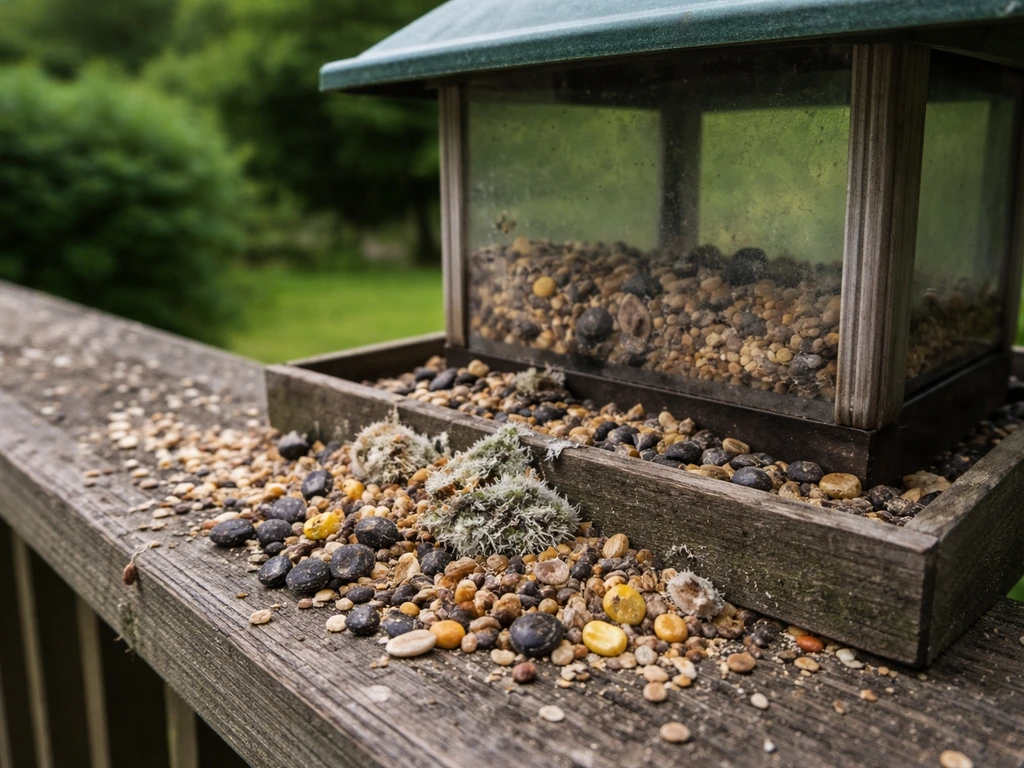
Can Old Bird Seed Hurt Birds? Risks and What to Do
Learn if old bird seed can hurt birds, spot mold and pests, watch symptoms, and safely dispose and prevent repeat issues
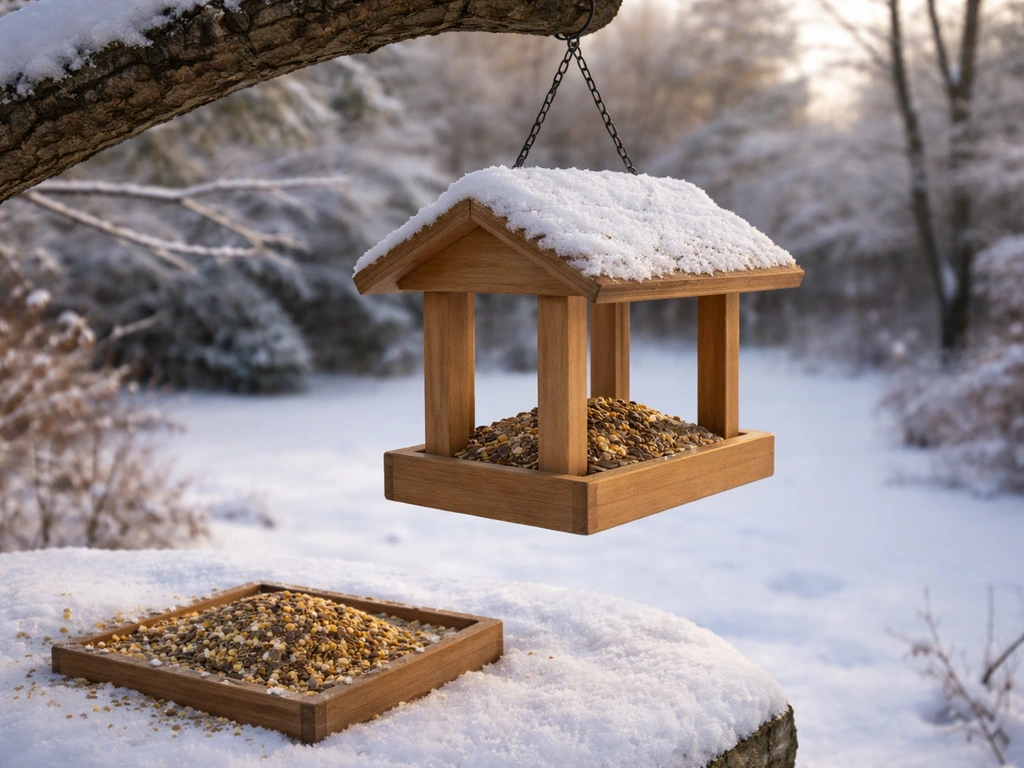
Does Bird Seed Go Bad in Winter? Storage and Safety Tips
Learn if bird seed spoils in winter and how to store, inspect, and discard safely to prevent mold, pests, and rancid fat
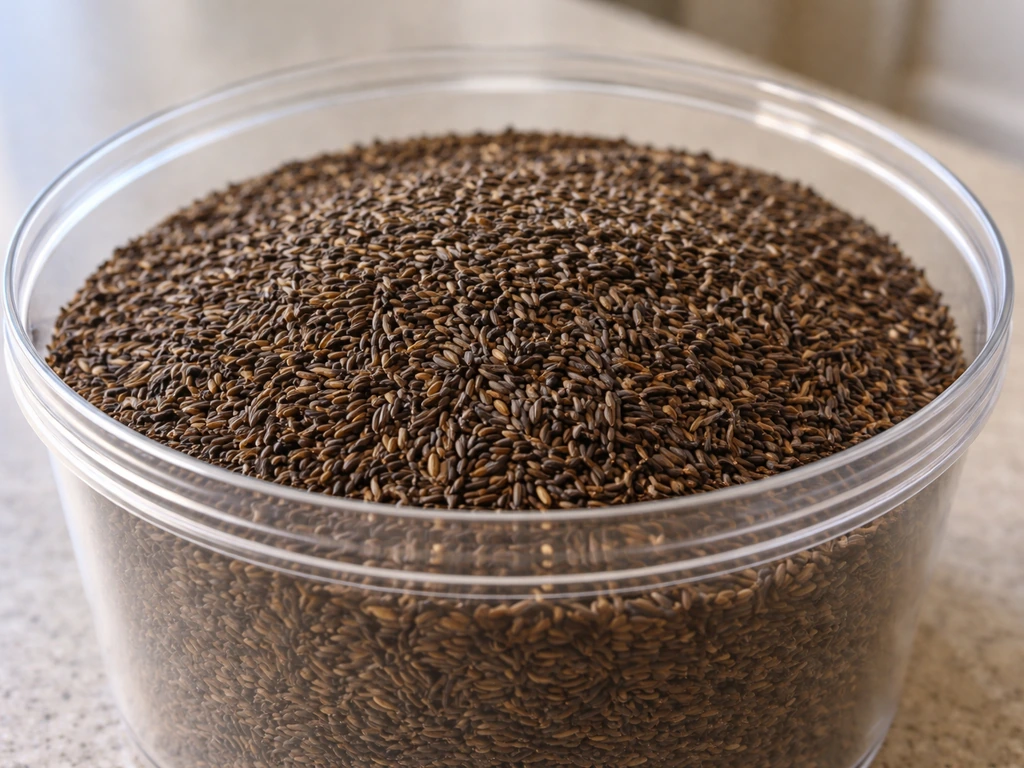
Does Thistle Bird Seed Go Bad? Spoilage, Safety, Storage
Learn if thistle bird seed spoils, how to spot mold, rancid or pest-contaminated seed, and store safely for pets and bir