Yes, bird seed can absolutely go bad in winter, even with freezing temperatures outside. Cold slows down mold and insect activity, but it does not stop spoilage entirely, especially once moisture gets involved. Freeze-thaw cycles, condensation, wet snow, and rain are the real enemies of winter seed, and a feeder that looks fine from a distance can be harboring moldy clumps, rancid fat, or bacteria that can genuinely harm the birds you are trying to help.
Does Bird Seed Go Bad in Winter? Storage and Safety Tips

Maya Henderson
13 May 2026
Does bird seed actually spoil in winter?
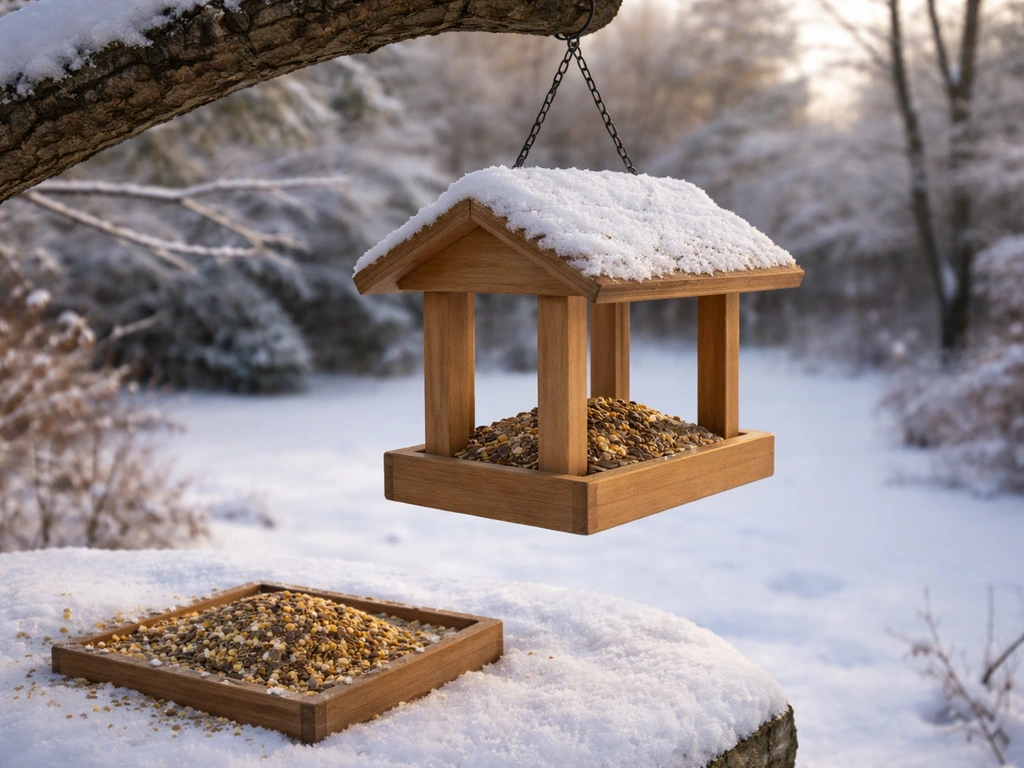
The short version: yes, but the spoilage pathway in winter is different from summer. In warm months, insects and fast mold growth are the main threats. In winter, the biggest culprit is moisture. Snow lands in open feeders, melts slightly during warmer days, then refreezes at night. That repeated wetting and drying is a perfect setup for mold. The Minnesota DNR points out that in wet weather it is common for mold or bacteria to form on wet birdseed both in the feeder and on the ground, and that warning applies in winter just as much as summer.
Cold temperatures do suppress microbial activity while seed stays frozen solid, but the moment temperatures creep above freezing, any moisture present activates mold spores that were simply waiting. Seed stored in a garage or shed is also not automatically safe: temperature swings inside an unheated structure cause condensation inside bags and containers, which introduces exactly the dampness that triggers spoilage.
What 'bad' actually looks like
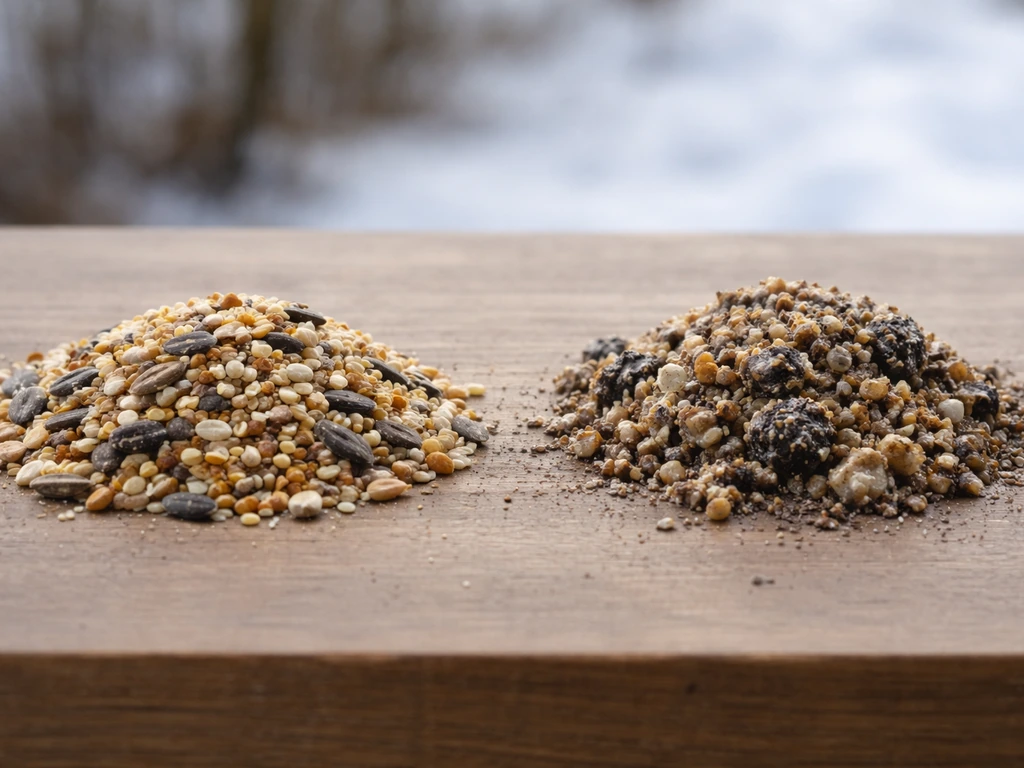
You do not need a lab to tell if seed has turned. A quick look and smell will catch most problems. Here is what to check every time you refill or inspect a feeder.
- Musty or sour smell: the clearest sign of mold. Fresh seed smells nutty or neutral. If it smells like a damp basement, it is compromised.
- Visible mold: fuzzy white, gray, or black growth on seed surfaces or clumped hulls. Black mold on feeder trays is an immediate red flag.
- Caked or clumped seed: individual seeds sticking together in a solid mass means moisture has been present long enough to allow mold growth to start.
- Discoloration: seeds that look darker, greasy-looking, or coated with anything unusual.
- Rancid oil smell: a sharp, paint-thinner-like or sour-fat odor from sunflower or mixed seeds signals the oils in the seed have oxidized. This is especially common in suet and fat-based products left out too long.
- Insect activity or webbing: in milder winters, grain moths or weevils can still work through stored bags; look for fine webbing or tiny insects in your seed bag or container.
- Rodent contamination: droppings, gnaw marks on bags, or tunneling through stored seed indicates contamination that makes the seed unsafe to use.
If you spot any of these signs, the guidance from both Audubon and BirdNet is consistent and clear: empty the feeder, dispose of the questionable seed in the trash (not in your compost pile), and clean the feeder before adding fresh seed. Do not just top off a feeder that has old or suspect seed at the bottom.
How different seed types hold up in cold weather
Black oil sunflower seed
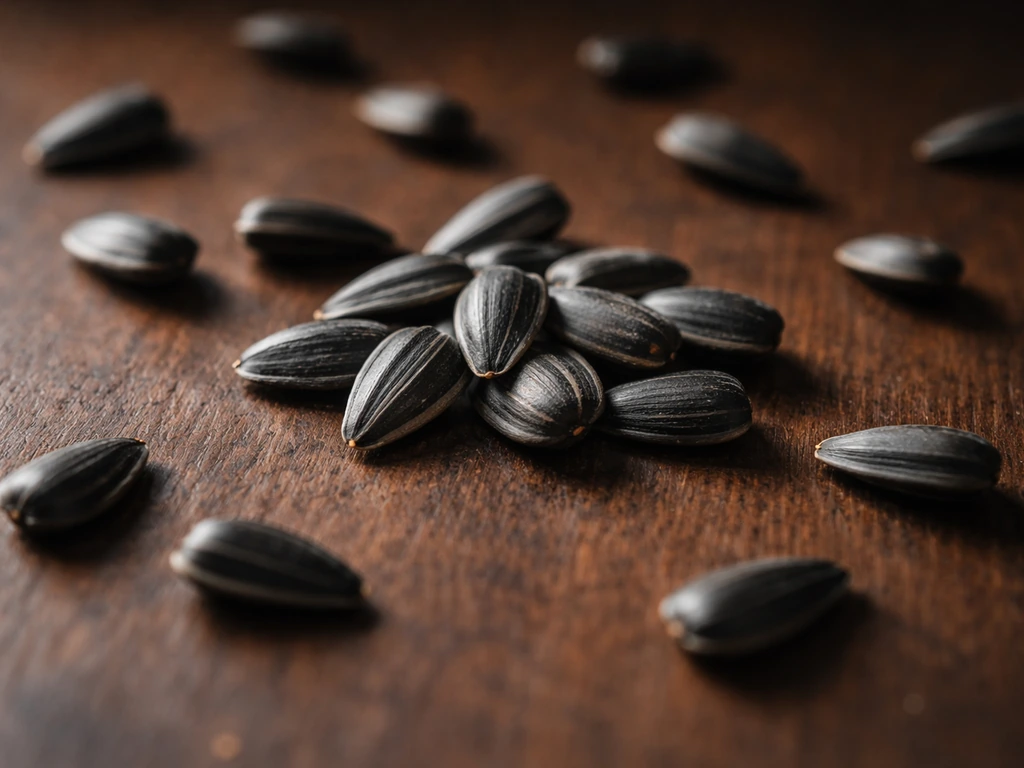
Black oil sunflower is one of the most popular choices and also one of the more forgiving in cold, dry conditions. The oil content is actually protective when the seed stays dry, but that same fat oxidizes quickly when moisture is present. Once sunflower seed starts to smell rancid or looks greasy, the oxidized fats are at minimum unappetizing to birds and at worst potentially harmful. Stored in a dry, sealed container, whole black oil sunflower can last six months to a year without noticeable degradation.
Mixed seed blends
Mixed blends are more variable because they combine seeds with different oil levels, hull thicknesses, and moisture tolerances. Millet, milo, and cracked corn in a mix absorb moisture faster than sunflower and are more prone to rapid mold growth. Some birdseed blends can include ingredients that are processed from nuts or contain nut-based components, so it helps to check the label if you are trying to avoid nuts sunflower and are more prone to rapid mold growth. In winter feeders, wet mix sitting in a tray feeder after a snow event is a classic spoilage scenario. Use tube or covered feeders for mixes when possible, and check more frequently than you would in dry conditions.
Suet and fat-based products
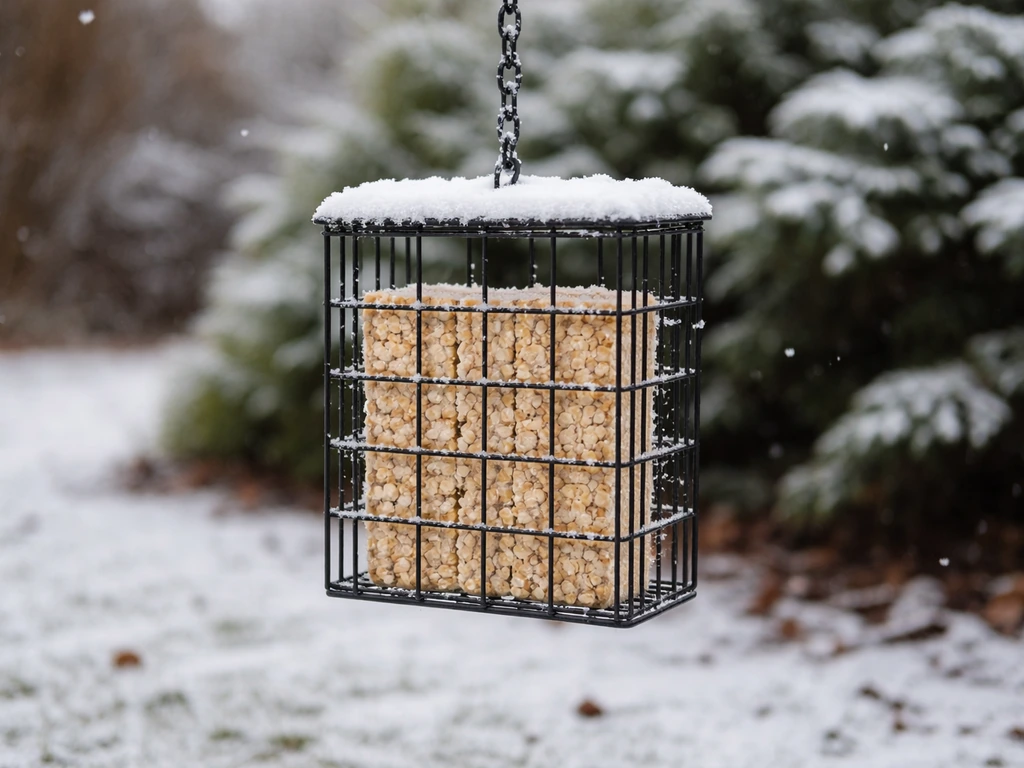
Suet and fat cakes are actually better suited to winter than any other season. The Canadian Wildlife Federation specifically recommends removing suet in warm weather because it goes rancid quickly in heat. In cold weather, suet stays firm and lasts much longer. That said, suet left through a mid-winter warm snap (temperatures above 50°F for several days) can soften, turn greasy, and go rancid faster than you would expect. Rendered suet holds up better than raw fat or soft suet. If your suet cake smells sharp or looks oily and soft after a warm spell, replace it.
Nyjer (thistle) seed
Nyjer has a high oil content and a short shelf life relative to sunflower. It goes stale faster than most seeds even in normal conditions, and in winter feeders the small seed size means it packs down and clumps easily when wet. If birds are suddenly ignoring a thistle feeder that they used to love, stale or moldy seed is a very common reason. This is covered in more depth in our article on whether thistle bird seed goes bad.
Freezing vs moisture: what cold actually does (and does not) prevent
This is the most common misconception about winter seed storage. Freezing does not kill mold spores, it only suspends their activity. The moment seed thaws or gets even slightly damp, those spores resume growing. A feeder that sits outside and gets a dusting of snow, then warms up to 35°F on a sunny afternoon, then refreezes overnight, is going through exactly the kind of freeze-thaw cycle that accelerates moisture damage.
What cold weather genuinely helps with is insect suppression. Grain moths, weevils, and grain beetles are largely inactive below freezing, so seed stored in a cold but dry garage is much less likely to develop an insect infestation than seed stored at room temperature. The critical variable is always dryness, not temperature. Dry and cold is excellent. Cold but damp or wet is still a problem.
How long bird seed stays safe in winter
| Storage situation | Expected safe shelf life | Main risk |
|---|---|---|
| Sealed bag or airtight container, indoors (cool, dry) | 6 to 12 months for sunflower; 2 to 4 months for nyjer/mixed | Minimal if truly dry and sealed |
| Sealed bag, unheated garage or shed (dry, no condensation) | 4 to 6 months for sunflower; 2 to 3 months for mixed | Condensation from temperature swings |
| Open bag in garage or shed | 4 to 8 weeks before moisture and rodent risk grows significantly | Moisture, rodents, insects (in mild spells) |
| In a covered outdoor feeder (dry winter conditions) | Refill every 3 to 7 days; do not let seed sit longer | Moisture, bird droppings, hulls accumulating |
| In an open tray feeder after a snow or rain event | 24 to 48 hours before mold risk becomes real | Rapid mold growth once wet |
| Suet cake, solid and cold outdoors | Several weeks in consistent cold; replace after warm spells above 50°F | Rancidity during warm spells |
Once a bag of seed is opened, its lifespan drops compared to sealed storage regardless of season. The practical rule for winter: buy smaller quantities more frequently rather than storing a large bag for months. A 10-pound bag used within four to six weeks is better than a 40-pound bag that sits open through the whole winter.
What to do with questionable seed: salvage vs discard
The general decision tree is straightforward. If you are questioning whether seed is okay, it usually is not, and the cost of replacing seed is far lower than the risk of harming the birds or attracting rodents and other wildlife to contaminated food.
- Smell the seed first. Musty, sour, or sharp rancid smell means discard the entire batch.
- Check for visible mold, clumping, or discoloration. Any of these means the batch goes in the trash.
- If the seed looks and smells fine but got briefly damp (e.g., caught in the edge of a quick rain), spread it on a dry surface in a warm indoor space and let it dry completely before using. This only works for seed that is not already compromised.
- Never return questionable seed to a clean feeder. The mold spores transfer immediately.
- Dispose of bad seed in a sealed bag in the trash, not in compost and not on the ground, where it can harm ground-feeding birds and wildlife.
Cleaning a contaminated feeder
After discarding bad seed, the feeder itself needs disinfection before you refill it. Empty everything out, including hulls and debris from the tray. Scrub the feeder with a 9-to-1 water-to-bleach solution (9 parts water, 1 part bleach), which is the ratio recommended by Project FeederWatch, Audubon, and the National Wildlife Health Center. Soak for about 15 minutes, scrub all surfaces including corners and perches, then rinse thoroughly and let the feeder dry completely before adding new seed. A damp feeder will immediately start wetting fresh seed.
Under normal conditions, clean feeders on a two-week cycle through winter. After any rain, snow, or wet event that soaks seed in the feeder, inspect and clean sooner. Catch trays and feeder bases accumulate droppings and hulls that carry disease-causing bacteria even when the seed above looks fine, so do not skip those surfaces.
Keeping birds, pets, and backyard wildlife safe this winter
Risks to birds from bad seed
Moldy seed is not just unappetizing, it is genuinely harmful. If you are also worried about whether can old bird seed hurt birds, the respiratory risk from mold and the digestive issues from rancid fats are the main concerns described next. Fungal spores (such as Aspergillus) found in moldy birdseed are associated with respiratory disease in birds. Rancid fat in seed mixes or suet coats feathers and is hard for birds to digest. Beyond individual harm, crowded feeders with contaminated food are a disease transmission point: illnesses like Mycoplasmosis spread through contaminated droppings and moldy food shared by many birds visiting the same feeder. Birds that sense seed quality is poor will often stop visiting feeders, which is actually a protective behavior, but if you see a sudden drop in feeder traffic in mid-winter, old or bad seed is one of the first things to check.
Risks to dogs, cats, and other wildlife
Dogs are often the pet most at risk around feeders, because they investigate spilled seed and fallen suet on the ground. Moldy seed contains mycotoxins that can cause serious illness in dogs, including tremors and seizures in significant exposures. If you have dogs with access to your yard, manage spilled seed cleanup carefully and do not leave moldy or suspect seed where a dog can reach it. Cats face lower direct seed risk but can pick up parasites from wildlife that visits feeders.
Squirrels, raccoons, and rodents are drawn to bird feeders year-round, but in winter, when other food is scarce, the pressure intensifies. Contaminated seed on the ground attracts rodents, which then contaminate surrounding seed further. Keeping the ground under feeders clean by raking up spilled seed once or twice a month (more often in wet conditions) reduces this cycle significantly, which is a step K-State Extension specifically calls out as part of managing feeder problems.
Practical steps you can take right now
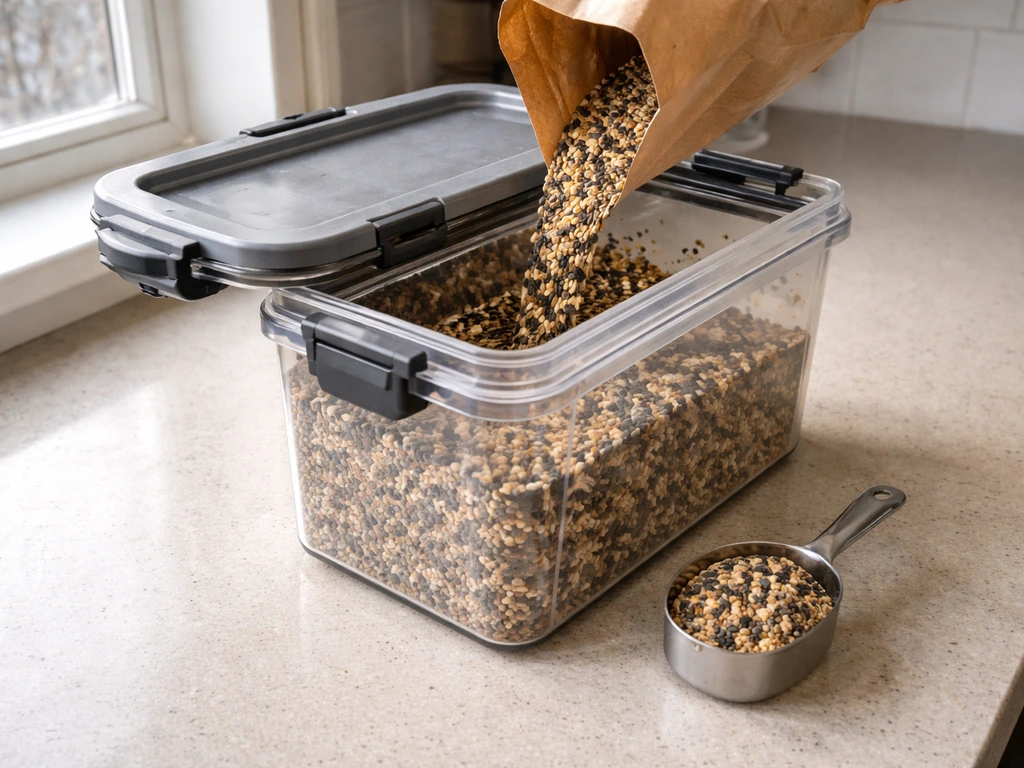
- Store seed in a hard-sided, airtight container (metal or thick plastic) rather than the original paper or thin plastic bag, which rodents and moisture breach easily.
- Keep stored seed off the ground to prevent moisture wicking up from concrete or soil.
- Use tube feeders or covered feeders in winter to limit how much snow and rain reaches the seed directly.
- Refill feeders in smaller amounts more frequently: a tube that empties in two or three days stays fresher than one that sits for two weeks.
- Inspect feeders every time you refill: smell the remaining seed, look at the tray, and wipe out any wet or caked material before adding fresh seed.
- After any heavy snow or rain event, check whether seed got wet and replace it if it did.
- When temperatures rise above freezing for several days in a row (a mid-winter thaw), treat feeder conditions more like spring: increase cleaning frequency and watch suet for signs of softening.
- If you notice birds stopping at your feeder and leaving without eating, that is a signal to check seed quality before assuming the birds have moved on.
- If you find mold or sick birds near your feeder, stop feeding temporarily, dispose of all seed, and disinfect everything before resuming.
The broader concern about what happens when birds actually eat bad seed is worth reading about separately, since the harm pathways go beyond just mold. And if you are wondering whether wet seed on its own (even without visible mold) is a problem, that is a distinct issue with its own guidance. Wet bird seed can also lead to mold or bacteria growth, which is why it may be bad for birds even if you do not see obvious spoilage right away wet seed on its own. Winter feeding done right is genuinely good for birds, but the margin for error with moisture and storage is smaller than most people expect.
FAQ
Can I keep using bird seed that got a little snow on it?
Only if it stayed completely dry. A light dusting of snow that melts and refreezes can still create moisture pockets inside the feeder or on clumps, so treat seed that spent time in a wet, slushy feeder tray as suspect even if it looks “mostly fine.” When in doubt, discard and clean the feeder before refilling.
If my bird seed is moldy, will freezing it kill the problem?
No, freezing does not reliably make moldy seed safe. Mold spores can pause in cold conditions, then restart growth once the seed thaws or warms enough to release moisture. Freezer storage is better for preventing insects in dry seed, not for “reviving” questionable seed.
Is it okay to compost bird seed that went bad in winter?
Do not compost it, especially if you see mold, a sour or rancid odor, or greasy fat. The article recommends discarding questionable seed in the trash, because mold and bacteria risk does not disappear in composting and can attract more wildlife.
Does an opened bag of bird seed go bad faster than a sealed one in winter?
Opened seed should be handled as higher risk than sealed seed. Once a bag is opened, humidity and temperature swings can introduce moisture, and lifespan drops regardless of season. A practical approach is smaller purchase sizes and faster turnover, especially for blends.
What if the seed looks okay but birds suddenly stop eating it, could it still be bad?
If the only issue is that the seed is stale but looks dry and clean, the risk is usually lower, but “stale” can overlap with rancid fat in high-oil seeds. Smell test matters: if it smells oily, sour, or rancid, replace it. If you notice birds suddenly avoiding one feeder, stale or oxidized seed is a common cause.
Are covered feeders always safer in winter, or can they still cause spoilage?
Partially covered feeders often trap moisture and can worsen freeze-thaw damage, even if the roof blocks some snow. In winter, covered or tube feeders can help for blends, but they still need frequent checks, and you should remove seed clumps after wet events rather than trying to stir or redistribute them.
Can I just top off the feeder if only some of the seed seems questionable?
If you refill without cleaning, old contamination at the bottom can keep wetting new seed and spread moldy spores or bacteria. The guidance is to empty the feeder, dispose of suspect seed, then clean and dry the feeder thoroughly before adding fresh seed.
How often should I clean my feeder in winter when it is dry versus after storms?
For normal winter conditions, aim for a two-week cleaning cycle, but clean sooner after any rain, thaw, or snow that soaks seed in the feeder. Also clean beneath and in catch trays because debris and droppings build up there even when the seed above looks fine.
What is the safest way to handle spilled seed in winter if I have dogs?
Yes, dogs can be seriously affected if they ingest spilled seed or moldy suet on the ground. Keep suspect seed and fallen suet out of reach, and rake up spilled seed more often in wet conditions to break the spread of contamination and reduce pet exposure.
What feeder type is best for mixed seed blends during winter?
Tube or covered feeders are generally better for mixed blends because they reduce exposure to falling snow and reduce sitting water in the tray. Even so, blends with millet, milo, or cracked corn are more moisture-sensitive, so inspect more frequently than you would for whole sunflower.
How do I tell the difference between mold spoilage and rancid fats in winter seed?
Avoid feeding if the seed smells rancid or looks greasy, especially for sunflower oil-based mixes and suet. Even without visible mold, oxidized fats can be hard for birds to digest and can make seed unappealing, which can reduce feeder traffic and stall your winter feeding efforts.
Citations
Moldy birdseed and unclean feeders can cause birds to become sick, and in wet weather it’s common for mold or bacteria to form on wet birdseed either in the feeder or on the ground.
https://www.dnr.state.mn.us/birdfeeding/cleaning.html
Minnesota DNR recommends cleaning a bird feeder using a solution of 2 ounces of bleach with 1 gallon of water, then scrubbing the entire surface.
https://www.dnr.state.mn.us/birdfeeding/cleaning.html
Project FeederWatch advises cleaning seed feeders about once every two weeks, and more often during heavy use or warm/damp conditions; they also note birds can become ill from leftover bits of seeds/hulls that have become moldy and from droppings accumulated on feeder trays.
https://feederwatch.org/learn/feeding-birds/safe-feeding-environment/
Project FeederWatch instructs: if you see any sign of cloudy water or black mold, discard the solution and clean the feeder immediately.
https://feederwatch.org/learn/feeding-birds/safe-feeding-environment/
Bird feeders should be cleaned every two weeks with a diluted bleach solution (or washed in a dishwasher with sufficiently hot water), and it’s important to clean catch trays because contaminated droppings/hulls can spread disease.
https://feederwatch.org/feeding-birds-faq/
K-State Research & Extension advises cleaning up spilled seed: “Once or twice a season, clean up the spilled seed” and notes moldy feeds are a problem (discussed in the context of feeder problems).
https://hnr.k-state.edu/extension/horticulture-resource-center/publications/publications/wildlife/Problems%20at%20the%20Bird%20Feeder.pdf
A widely recommended disinfection ratio across bird-feeding guidance is 1 part bleach to 9 parts water (i.e., ~10% bleach solution), and Audubon describes soaking feeders in a bleach solution of 1:9 for about 15 minutes before rinsing thoroughly.
https://www.audubon.org/new-york/news/keeping-your-feeder-birds-safe-winter
Audubon adds that if there are signs of illness or mold, start by emptying the feeder and disposing of excess seed in the trash; they also reiterate the importance of disinfecting feeders to prevent cross-contamination of illnesses birds share at feeders.
https://www.audubon.org/new-york/news/keeping-your-feeder-birds-safe-winter
Bird feeders bring disease risk because birds can contract diseases from droppings and moldy food; cleaning frequency guidance commonly includes a 9-to-1 water-to-bleach solution (9 parts water, 1 part bleach).
https://www.lowes.com/n/how-to/bird-feeder-cleaning
PetMD states bird feeders can spread disease (e.g., Mycoplasmosis) and recommends cleaning feeders using a solution of nine parts water to one part bleach.
https://www.petmd.com/bird/how-clean-bird-feeder
Avian Investigations (California Department of Fish and Wildlife Wildlife Health Lab) notes fungal spores are associated with soil, decaying vegetation, moldy birdseed, and agricultural waste grains (relevant to why moldy seed is a concern).
https://wildlife.ca.gov/Conservation/Laboratories/Wildlife-Health/Avian-Investigations
Canadian Wildlife Federation recommends removing old suet from feeders in warm weather to prevent it from going rancid.
https://cwf-fcf.org/en/explore/wild-about-birds/at-home/tips.html
Garden Wildlife Health’s best-practice guidance states that “soft fats or cooking oils” can become rancid and should be avoided/managed; it also lists fat-based foods (fat balls/bars/cakes/suet pellets) as winter options.
https://www.gardenwildlifehealth.org/wp-content/uploads/sites/12/2021/04/Feeding-Garden-Birds-Best-Practice-Guidance.pdf
Project FeederWatch emphasizes preventing rodents from getting to seed (rodent access increases contamination pathways and risk around feeders).
https://feederwatch.org/feeding-birds-faq/
Minnesota DNR notes that birds can become sick from moldy birdseed/unclean feeders and that in wet weather it is common for mold or bacteria to form on wet birdseed on feeder surfaces or on the ground; it also recommends keeping feed dry and scraping out old seed/hulls from around feeders.
https://www.dnr.state.mn.us/birdfeeding/cleaning.html
Audubon notes the National Wildlife Health Center recommends cleaning feeders with a solution of nine parts water to one part bleach (disinfection ratio).
https://www.audubon.org/news/3-ways-keep-your-feeder-disease-free-birds
BirdNet’s (wild bird feeder fact sheet) guidance states: if seed in your feeder becomes wet, empty it into the trash and clean your feeder before refilling.
https://birdnet.org/wp-content/uploads/2026/02/Bird-Feeder-Fact-Sheet.pdf
BirdNet’s (wild bird feeder fact sheet) guidance also recommends preparing a “10% bleach solution (1 part bleach to 9 parts water)” as part of cleaning/disinfection instructions.
https://birdnet.org/wp-content/uploads/2026/02/Bird-Feeder-Fact-Sheet.pdf
Next Articles
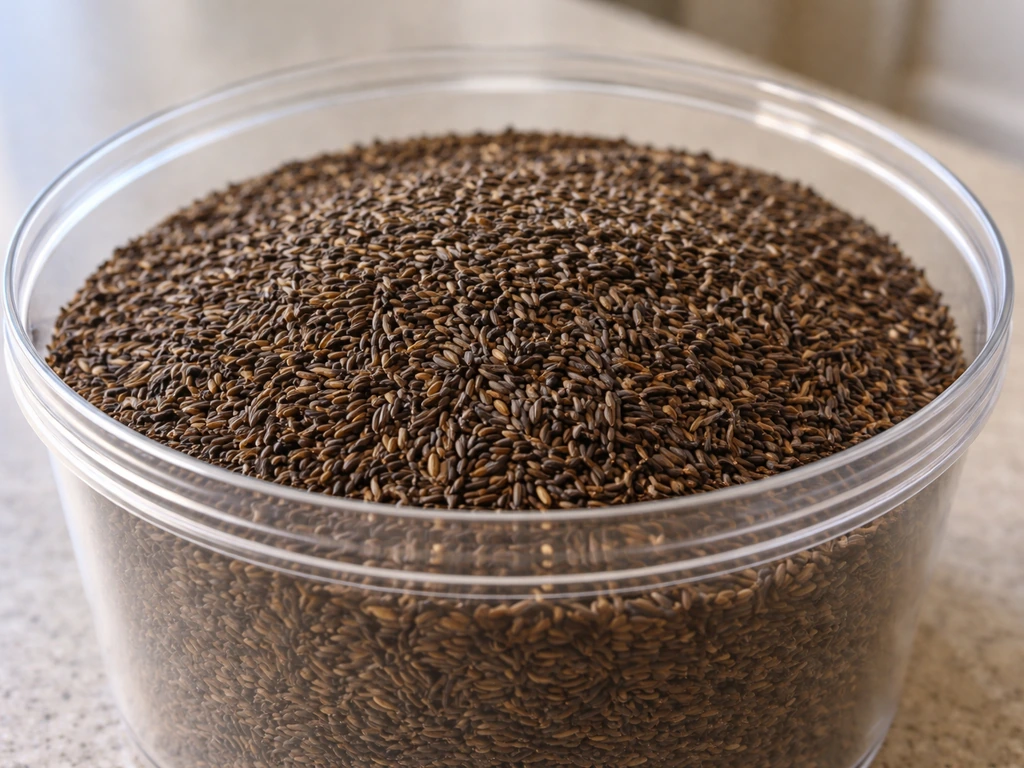
Does Thistle Bird Seed Go Bad? Spoilage, Safety, Storage
Learn if thistle bird seed spoils, how to spot mold, rancid or pest-contaminated seed, and store safely for pets and bir
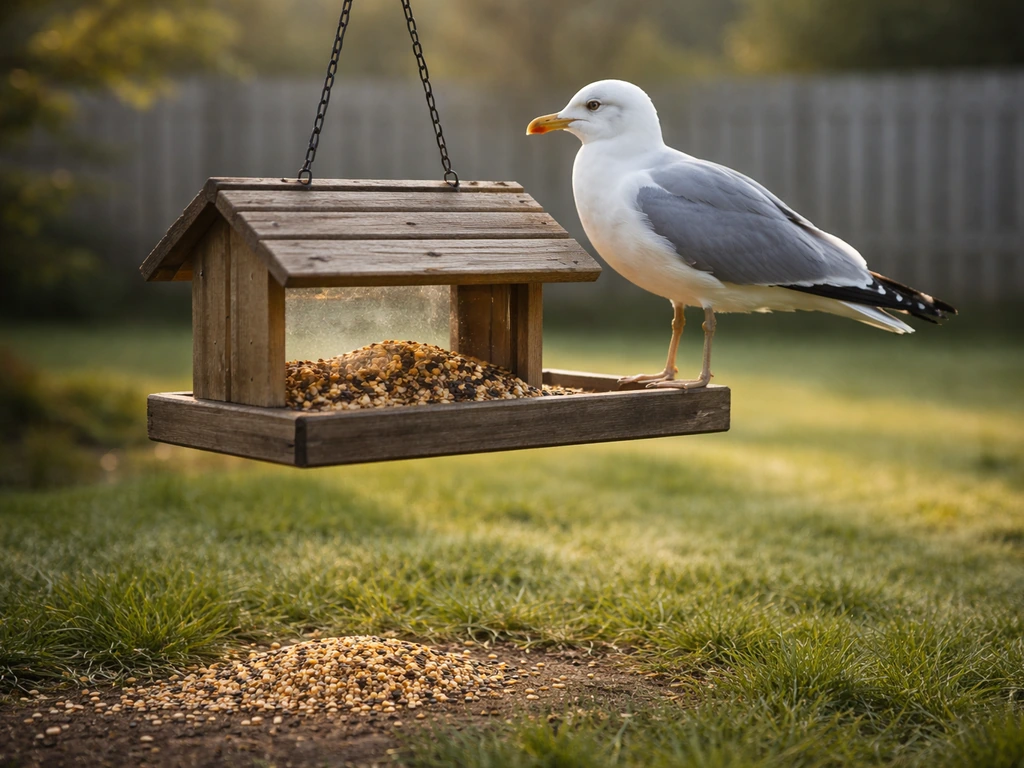
Do Seagulls Eat Bird Seed? How to Stop Them
Yes, seagulls often eat bird seed. Learn why they show up and how to block them while keeping feeding safe.
Do Pigeons Eat Bird Seed? Safe Feeding Tips and Risks
Yes, pigeons eat many seeds, but mold and mess make it risky. Learn safe bird seed storage, feeding, and placement.