Yes, thistle bird seed (sold as nyjer or Nyjer) absolutely goes bad. Because it contains roughly 40% oil, it can turn rancid when exposed to heat or oxygen, and it can grow mold quickly if it gets damp. Rancid or moldy nyjer loses the nutritional value that makes it attractive to finches in the first place, and contaminated seed can make birds seriously ill. If your finches have suddenly stopped visiting a feeder that used to be busy, stale or spoiled nyjer is often the reason.
Does Thistle Bird Seed Go Bad? Spoilage, Safety, Storage

Maya Henderson
6 May 2026
What thistle seed actually is and why it spoils
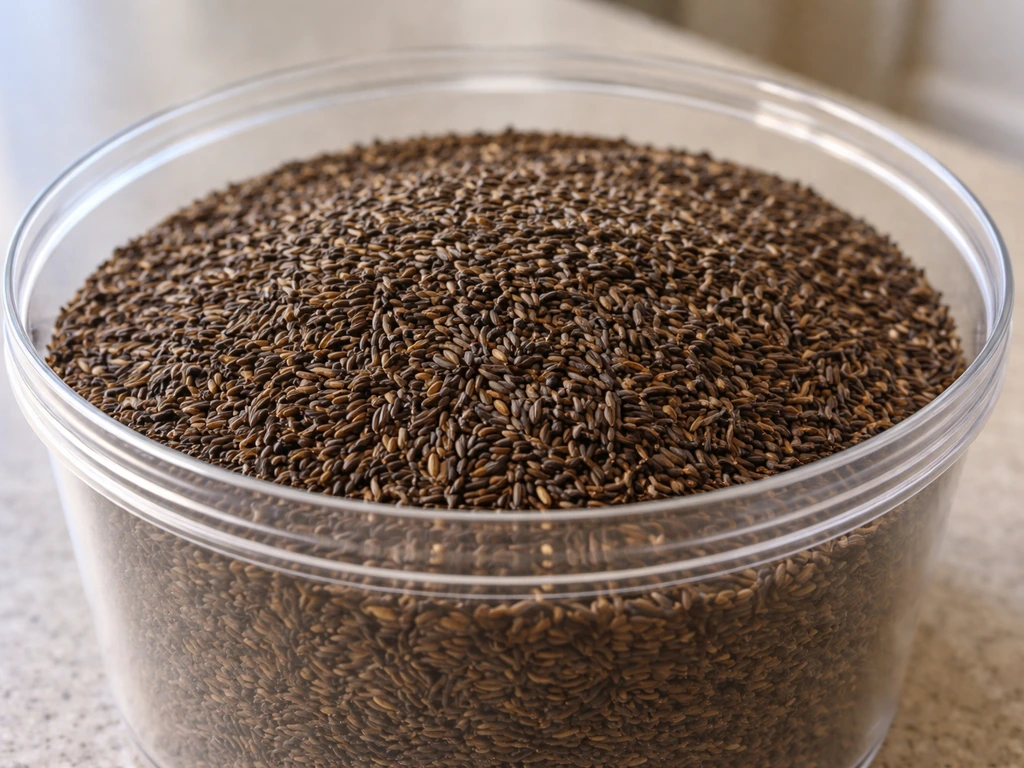
Despite the common name "thistle seed," nyjer is not derived from North American thistle plants. It comes from Guizotia abyssinica, an oil-rich plant native to Ethiopia and India, and it's imported as a registered product. That high oil content (comparable to black oil sunflower seed) is exactly what makes finches love it, but oil goes rancid, and that makes spoilage a real concern in a way that's different from, say, millet or cracked corn.
There are three main spoilage pathways to know about. First, rancidity: exposure to heat, direct sunlight, or oxygen degrades the oils over time, making the seed unpalatable and nutritionally poor. Second, mold and fungal growth: moisture from rain, humidity, condensation, or a leaky feeder cap creates the perfect environment for mold spores to colonize the seed mass. Third, insect infestation: small moths and weevils can work their way into stored seed, leaving behind webbing, frass, and eggs that contaminate the whole batch. Because nyjer requires special feeders with very small ports, seed can sit in the tube for a long time between refills, which makes moisture and debris buildup a genuine problem in real-world feeder conditions.
How to tell if your nyjer seed has gone bad
You don't need a lab test. The signs are usually obvious if you know what to look for. Fresh nyjer has a faint, slightly nutty aroma. Once it's gone off, your nose will tell you before your eyes do.
- Smell: A musty, sour, or rancid odor is the clearest warning sign. If it smells off, it is off, regardless of how it looks.
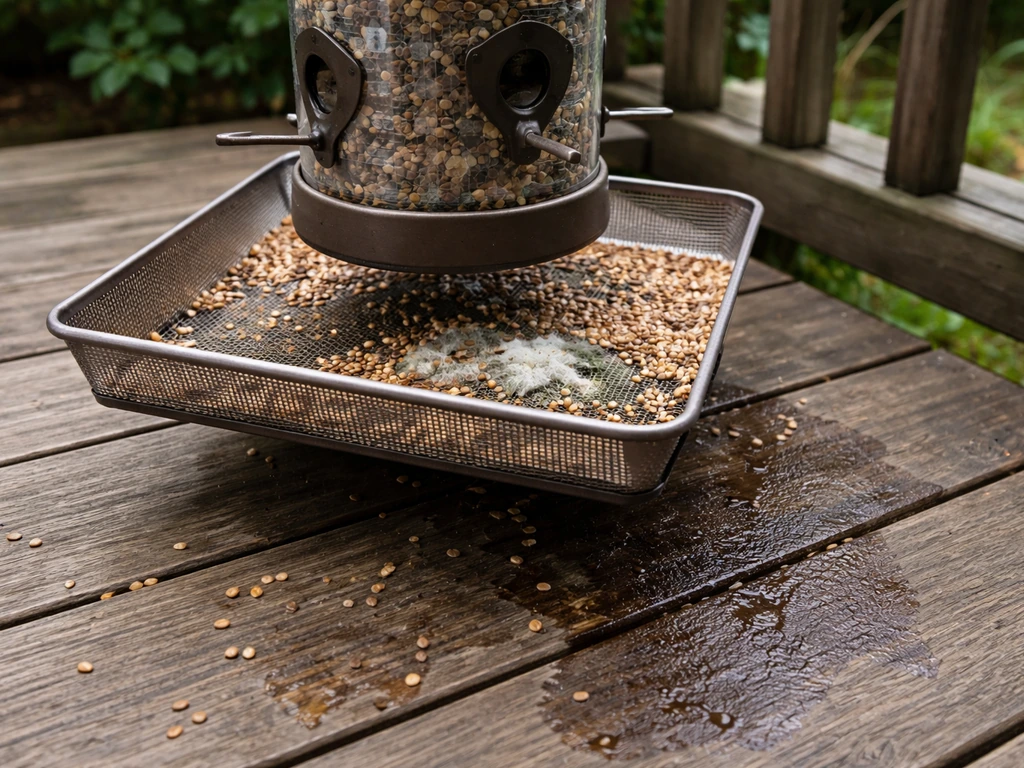
- Mold: Visible grey, blue, green, or black fuzzy patches anywhere in the seed mass or feeder tube mean the batch is done.
- Discoloration: Healthy nyjer is small, thin, and black. Seed that looks faded, grey, or has patches of unusual color has likely degraded.
- Clumping: Dry nyjer flows freely. If the seed clumps, sticks together, or has a moist or pasty texture, moisture has gotten in and mold is likely following close behind.
- Webbing or insects: Fine threads of webbing, tiny larvae, or visible bugs in the seed are signs of an insect infestation. Discard the entire batch.
- Birds ignoring it: This is a soft signal, but finches are excellent judges of seed quality. If goldfinches or siskins that regularly visit suddenly stop using a feeder, check the seed quality before assuming a bird-behavior reason.
Health risks to birds and other wildlife
Feeding moldy nyjer to birds is genuinely dangerous, not just a waste of money. The main concern is aspergillosis, a respiratory disease caused by Aspergillus fungal spores. Mass. gov also emphasizes that captive birds can become infected by inhaling Aspergillus spores found in moldy feed or bedding, which is why prevention matters when treatment can be difficult [captiv e birds can become infected by inhaling spores in moldy feed or bedding](https://www.
mass. gov/info-details/aspergillosis). Birds at feeders inhale spores from moldy seed, moldy hulls, and accumulated droppings, and the infection can be acute or chronic. Symptoms in birds include lethargy, loss of appetite, labored breathing or gasping, diarrhea, and rapid loss of condition.
Younger birds are especially vulnerable. Multiple state wildlife agencies, including Pennsylvania and Michigan, specifically call out [birdfeeders as a potential aspergillosis exposure source](https://www. pa. gov/agencies/pgc/wildlife/wildlife-health/wildlife-diseases/aspergillosis.
html) and recommend keeping seed fresh and mold-free.
Wildlife that forages around your feeders faces the same risk. Squirrels, chipmunks, doves, and sparrows that pick up dropped or spilled nyjer from the ground can ingest moldy or rancid seed. Ground-level seed also sits in damp conditions longer, accelerating mold growth. Raking up and disposing of spilled seed under feeders is part of responsible feeder management, not just tidiness.
Is old nyjer seed a risk for your pets or for you?
If you have dogs or cats that spend time in the yard, this matters to you. Pets that mouth, lick, or eat dropped nyjer seed are at risk if that seed is moldy. Mold on grain-based products (including bird seed) can produce mycotoxins, including aflatoxins. The FDA lists aflatoxin poisoning symptoms in pets as sluggishness, loss of appetite, vomiting, diarrhea, jaundice, and unusual bruising or bleeding. If you suspect your pet has eaten a meaningful amount of moldy seed, stop access immediately and call your vet, especially if they show any of those symptoms.
For people handling old or visibly moldy seed, the risk is mainly from inhaling spores when you disturb a clumpy, moldy batch. Aspergillus spores can affect people with weakened immune systems or respiratory conditions more seriously. Wear gloves when handling suspect seed, do it outdoors and away from your face, and wash your hands thoroughly afterward. Don't shake a moldy feeder near your face or in an enclosed space. It's a simple precaution that costs nothing.
How to store nyjer seed so it stays fresh
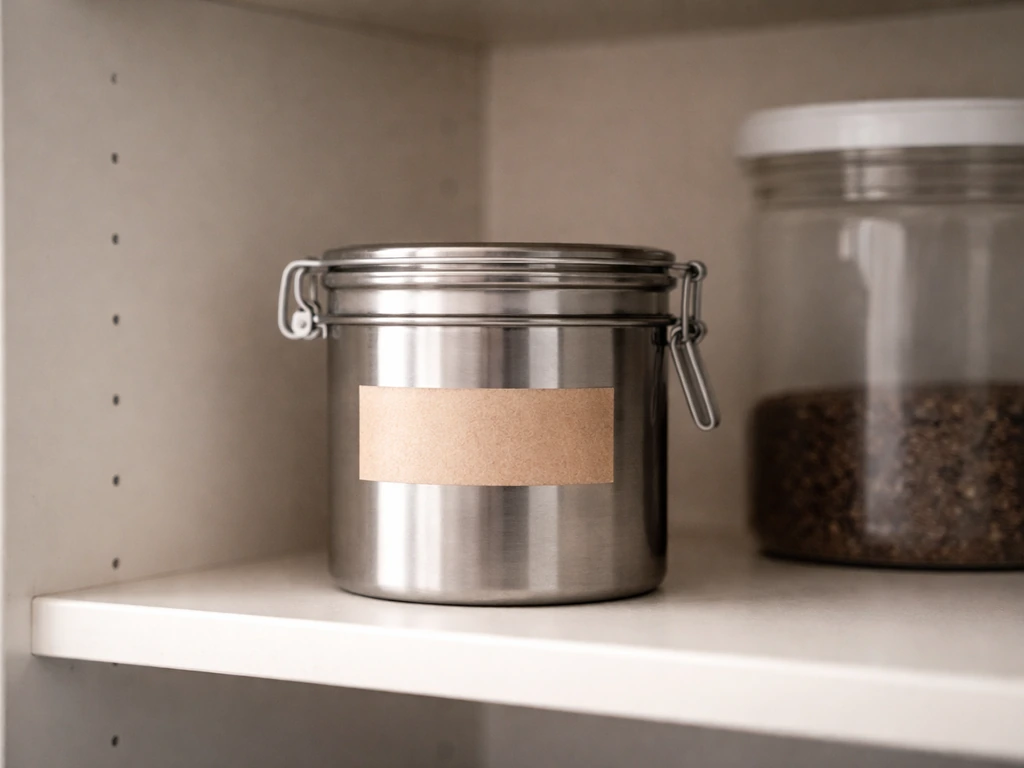
Good storage is where most spoilage problems are prevented. The basics are simple: keep it dry, cool, and sealed. On Reddit’s r/birding, people also swap practical, anecdotal expectations about how long thistle or nyjer seed remains usable based on how it’s stored and handled keep it dry, cool, and sealed. Here's what that looks like in practice.
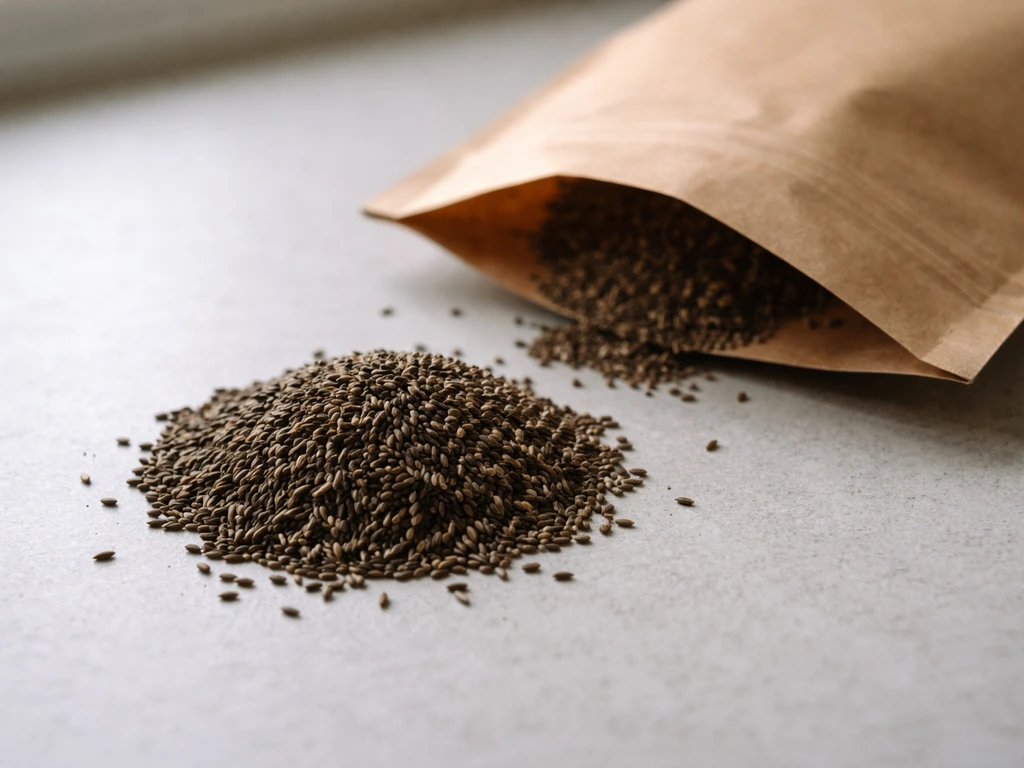
- Use an airtight container: A sealed plastic bin, metal canister, or locking-lid bucket keeps out moisture and insects far better than the original paper or thin plastic bag.
- Store in a cool, dry location: A garage corner, basement shelf, or pantry works well. Avoid sheds that heat up in summer, direct sunlight, or anywhere that experiences humidity swings.
- Buy in smaller quantities: Because nyjer is oil-rich, it has a shorter shelf life than harder seeds. Buying what you can use in four to six weeks reduces the chance of rancidity creeping in.
- Rotate your stock: Use older seed first, and don't pour a fresh bag on top of old seed in the same container. Dump any remaining seed, inspect, and refill.
- Watch for humidity: In hot, humid months, even a sealed container can develop moisture inside if seed is poured in slightly warm or if the container is opened repeatedly. A small moisture-absorbing packet in the container can help.
- Keep pests out: If you've had insect infestations, make sure your container seals completely and inspect new bags before storing. Freezing a new bag of nyjer for 48 hours before putting it in storage can kill any moth eggs already present.
Throw it out or keep feeding? A practical checklist
When in doubt, throw it out. That's the baseline rule from every wildlife health source I've come across. Bad seed is not just unhelpful, it can actively cause illness in the birds you're trying to feed. If you have wet bird seed, treat it the same way and stop feeding it until it dries or you replace it. But here's a more specific checklist to help you make the call.
| What you observe | What it means | Action |
|---|---|---|
| Musty, sour, or rancid smell | Rancid oils or mold, even if not yet visible | Discard the entire batch |
| Visible mold (any color) | Active fungal contamination | Discard immediately, clean feeder before refilling |
| Clumping or moist texture | Moisture has entered, mold likely developing | Discard and inspect feeder for leaks |
| Webbing, larvae, or bugs in seed | Insect infestation | Discard entire batch, check storage container |
| Faded, grey, or unusual color | Seed degradation, possible rancidity | Discard if also smells off; inspect closely if no odor |
| Looks and smells fine, birds ignoring it | Possible early rancidity that birds detect before you do | Try a fresh small batch; if birds return, replace the old supply |
| Looks and smells fine, birds eating it | Seed is likely still good | Keep feeding, but check the storage conditions and age of the supply |
| Stored more than 6–8 weeks in warm conditions | High rancidity risk even without obvious signs | Replace with a fresh bag as a precaution |
The "looks fine but smells off" scenario is worth special attention. A musty or rancid smell means discard it, full stop. Mold can be present before it's visible to the naked eye, and the smell is a reliable early indicator. Don't keep feeding seed that fails the sniff test.
Cleaning your feeders and stopping the cycle
Throwing out bad seed and refilling with fresh nyjer into a dirty feeder is a quick way to spoil the new batch too. Mold spores and biofilm cling to feeder surfaces and restart contamination almost immediately. Cleaning the feeder is not optional when you've had spoiled seed.
- Empty the feeder completely and dispose of all remaining seed.
- Take the feeder apart as much as possible to reach all surfaces, especially around ports and the base.
- Scrub all parts with warm soapy water using a brush. For nyjer feeders, a bottle brush works well for tubes.
- Rinse thoroughly to remove all soap residue.
- Disinfect by soaking the feeder parts in a solution of 1 part bleach to 9 parts water for 10 minutes (or soak in a weak vinegar solution for about an hour if you prefer).
- Rinse again, completely and thoroughly. Any bleach residue left in the feeder is harmful to birds.
- Allow the feeder to dry completely, ideally in sunlight, before refilling. Putting seed into a damp feeder restarts the moisture problem.
- Clean the ground below the feeder. Rake up spilled seed, hulls, and droppings and bag them for disposal. This removes mold spores and discourages wildlife from scavenging contaminated residue.
Project FeederWatch recommends cleaning seed feeders roughly every two weeks under normal conditions, and more often during warm, damp weather when mold grows faster. For nyjer specifically, the small ports and tube design mean moisture and seed debris can accumulate out of sight, so a regular cleaning schedule matters more than it might seem. After a mold incident, bump that schedule up for a few weeks until you're confident the feeder environment is stable.
If you've had repeated spoilage problems, it's worth looking at feeder placement too. Covered or tube-style feeders that shield the ports from rain help a lot. Tray feeders without a cover are particularly prone to moisture exposure and mold because rain hits the seed directly. In winter, moisture and temperature swings can still let bird seed go bad, so check it and refresh it as needed. Moving a feeder to a more sheltered spot or switching feeder style can solve a recurring spoilage problem faster than any cleaning routine alone.
Getting on top of nyjer spoilage also connects to a few related concerns worth keeping in mind: wet seed in any feeder type creates the same mold risks, and old or contaminated bird seed of any variety can pose health risks to the birds visiting your yard. You may also be wondering, does bird seed contain nuts, since some blends can include nut ingredients or nut-based oils. Keeping seed fresh, feeders clean, and spilled seed off the ground covers most of what responsible backyard feeding requires.
FAQ
How long does thistle (nyjer) bird seed stay good once I open the bag?
Opened nyjer typically stays usable longer than most seed blends if it is kept sealed and dry, but oil rancidity can progress even without visible spoilage. If you are not sure, use the smell test first (musty or strongly rancid means discard), then check for any clumping or insect activity, especially if the bag sat in a warm garage or shed.
Can nyjer go bad even if it looks normal and there is no visible mold?
Yes. Small amounts of mold can be present before they are obvious, and oil can become rancid without any visual change. A musty or paint-like odor is a key early warning, and any change in bird behavior (fewer visits, birds hesitating at the feeder) is another practical signal to stop feeding.
Is it safe to run spoiled-looking nyjer through my feeder again after drying it?
No, not reliably. Drying only removes surface moisture, mold spores and spoilage byproducts can still remain, and the feeder can be contaminated. The safer approach is to discard suspect seed, clean the feeder thoroughly, and only refill with fresh seed after the cleaning is done.
What should I do with seed that got wet from rain or snow?
Stop feeding that seed, empty it from the feeder, and discard anything that smelled musty or clumped. Let the feeder dry completely and remove debris from inside the tube or port area, then refill with dry nyjer. If you want to save any portion, only consider it if it completely dries and passes the smell test, but replacement is usually the better risk decision.
How can I tell insect-infested nyjer, before it spreads to the whole bag?
Look for fine webbing, tiny holes, frass (dusty debris), egg casings, or moths/weevils you can see near the feeder or bag opening. If you find any of these, discard the affected portion and check the surrounding feeder and storage container, since insects can move quickly and contaminate fresh seed.
My feeder smells like old seed or mold, even after I throw out the bag. Do I still need to clean it?
Yes. Spores and oily residue can cling to surfaces and seed ports, then seed debris can trap moisture later. Clean the feeder, including the hard-to-reach tube interior and any mesh or baffle parts, and let it fully dry before refilling.
How often should I clean a nyjer tube feeder if I do not see any mold?
A good baseline is about every two weeks under normal weather, but increase frequency in warm, humid conditions or during rainy stretches. Nyjer’s small ports and long time between refills make it easier for debris and moisture to build up out of sight, so “no visible mold” is not the only trigger.
Does storing nyjer in a garage or shed increase spoilage risk?
It can, especially if temperatures swing or humidity rises. Heat accelerates oil rancidity and moisture accelerates mold, so a cool, dry, sealed storage spot inside the home or a climate-controlled area is safer than a frequently warmed or damp space.
Should I wash my hands or wear gloves when handling suspect nyjer?
Yes, gloves are a practical precaution if the seed looks clumpy or moldy. Handle it outdoors if possible, avoid breathing dust while removing it, and wash hands thoroughly afterward. This is especially important for people with asthma, COPD, or weakened immune systems.
Is spilled nyjer on the ground always a problem?
It is more risky if it stays on the ground in damp conditions. Spilled seed attracts foragers and sits longer where humidity is higher, which can speed mold growth. Rake it up and dispose of it, then consider repositioning the feeder to reduce runoff and ground accumulation.
Can rancid nyjer make birds sick, or is it mainly a loss of food quality?
Rancid seed is mainly about reduced palatability and lower nutritional value, but it becomes a health concern when it is also moldy or contaminated. The article’s bigger respiratory risk comes from Aspergillus exposure from moldy material and spores, so prioritize discarding anything with a musty odor or visible dampness.
What about pets, if my cat or dog eats a small amount of spilled nyjer?
If it was likely dry and not musty, the risk may be lower, but you still should not assume it is harmless. If you suspect mold (smell, clumping, or visible growth) and your pet ate a noticeable amount, contact your veterinarian, and watch for GI signs and unusual bleeding or bruising.
Can I mix old nyjer with new nyjer to avoid waste?
Not recommended. Mixing can spread rancidity, insect contamination, or mold spores into the fresh portion. If any batch fails the sniff test or shows contamination signs, discard it and refill with a clean feeder plus new seed.
Does feeder type change how quickly nyjer spoils?
Yes. Tube and covered feeders that shield ports from rain generally reduce moisture exposure. Tray feeders without coverage are more prone to rain hitting seed directly, and nyjer’s small-port design can hide debris buildup, so whichever type you use, inspect and clean more often if weather is wet.