Yes, old bird seed can absolutely hurt birds, but the real danger is not age alone. It is what happens to seed when it gets damp, sits in a warm feeder, or is stored badly. Wet bird seed can also promote mold and contamination, which can make birds sick is wet bird seed bad for birds. Seed that has gone moldy can expose birds to fungal spores and mycotoxins that cause serious illness, and in some cases there is no effective treatment once a bird is infected. Seed that is simply old but still dry, clean, and odor-free is mostly just less nutritious, not dangerous. The dividing line is moisture and contamination, not the date on the bag.
Can Old Bird Seed Hurt Birds? Risks and What to Do
Maya Henderson
13 May 2026
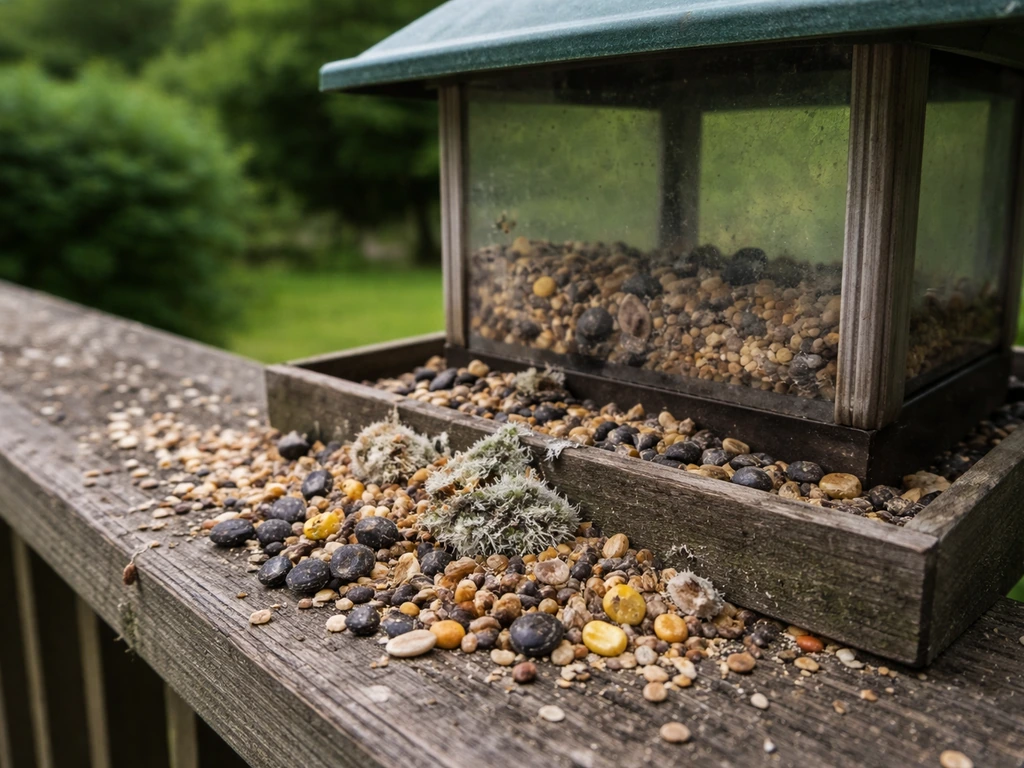
How old or moldy bird seed harms birds
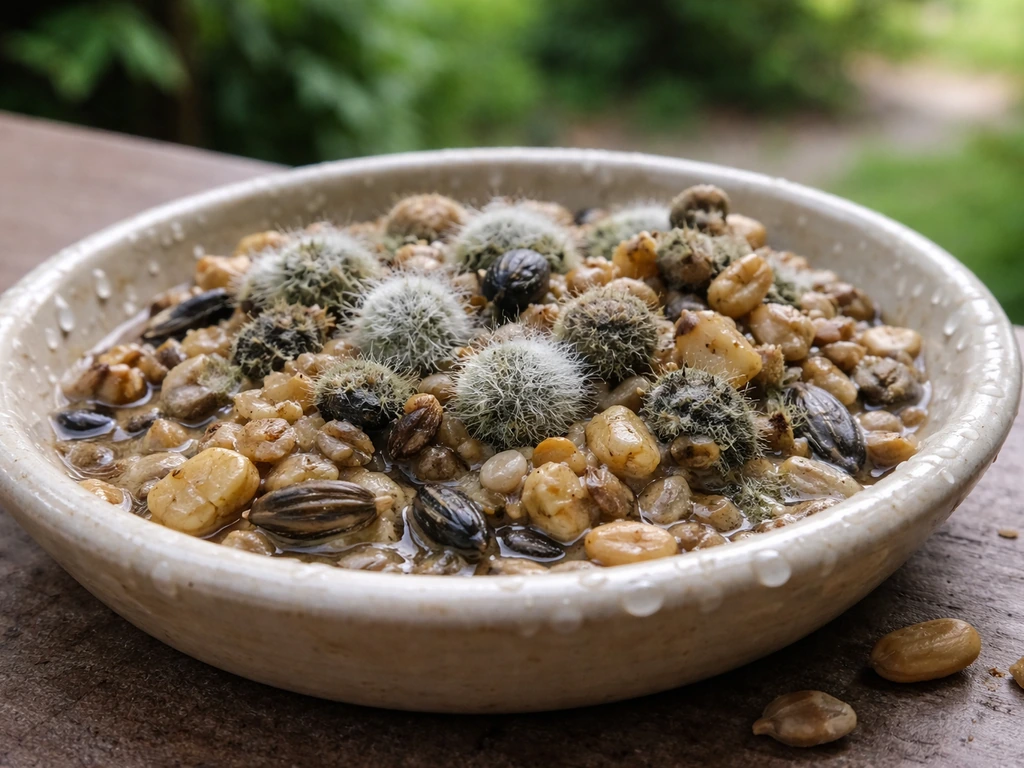
The biggest threat from bad seed is a fungal disease called aspergillosis, caused by Aspergillus and related mold species. When seed gets damp and warm, these molds grow and release microscopic spores. Birds inhale the spores while foraging, and the spores lodge in their respiratory tract and air sacs. Aspergillosis is primarily a respiratory disease, and because birds have a uniquely efficient but fragile respiratory system, it hits them hard. Wildlife health authorities are blunt about this: once a bird is infected, there is no reliable treatment, which makes prevention the only real strategy. Michigan DNR notes that aspergillosis can cause chronic, debilitating signs such as dyspnea, gasping, inappetence, emaciation, increased thirst, pyrexia, diarrhea, somnolence, and neurologic involvement, and that there is no effective treatment once infected no reliable treatment, which makes prevention the only real strategy.
A second chemical hazard comes from mycotoxins, specifically aflatoxins produced by Aspergillus flavus as it colonizes grain. Research shows aflatoxin production ramps up significantly blank" rel="noopener noreferrer">when seed moisture content climbs above roughly 16 percent and temperatures sit between about 25 and 32 degrees Celsius. That is exactly the scenario inside a warm feeder during summer rain or inside a poorly sealed storage bag. Even small amounts of aflatoxin can cause toxic effects within two to three hours of ingestion, and the effects can persist for days. For wild birds eating contaminated seed repeatedly, this kind of low-level chronic exposure is genuinely damaging.
Beyond mold and mycotoxins, old seed that has been sitting in a wet feeder or on the ground gets colonized by bacteria as well. Clumped, rotting seed is a different hazard from dry-but-stale seed, and treating them the same way is a mistake. Wet seed is the emergency; stale-but-dry seed is just a quality issue.
Key risks packed into a batch of bad seed
It helps to think of spoiled seed as having four overlapping risk layers, each compounding the others.
- Mold and fungal spores: Aspergillus species thrive once moisture content exceeds about 12 to 16 percent. The spores are invisible to the naked eye and stay dangerous even after moldy-looking seed has dried out. Warm, humid conditions (roughly 85 percent relative humidity) dramatically accelerate growth.
- Mycotoxins (aflatoxins): These are chemical byproducts of mold metabolism. They accumulate in grain, do not break down when the seed dries, and cause liver damage, immune suppression, and neurological effects in birds and other animals that ingest them.
- Bacteria: Wet seed ferments and supports harmful bacterial colonies. Ground-level seed soaked by rain is especially prone to this, and birds that forage on the ground (doves, juncos, sparrows, towhees) face the most direct exposure.
- Insect infestation and rodent contamination: Old or improperly stored seed attracts grain moths, weevils, and rodents. Rodent urine and droppings deposited in or near seed add a separate pathogen risk. Scattered seed on the ground is documented to attract rats, which then contaminate the feeding area further.
- Nutritional degradation: Fats in sunflower seeds, peanuts, and suet go rancid over time. Rancid fat has an unpleasant smell, and while it is less acutely toxic than mold, it reduces the energy value birds get from the seed and can cause digestive upset.
Signs a bird may have eaten bad seed
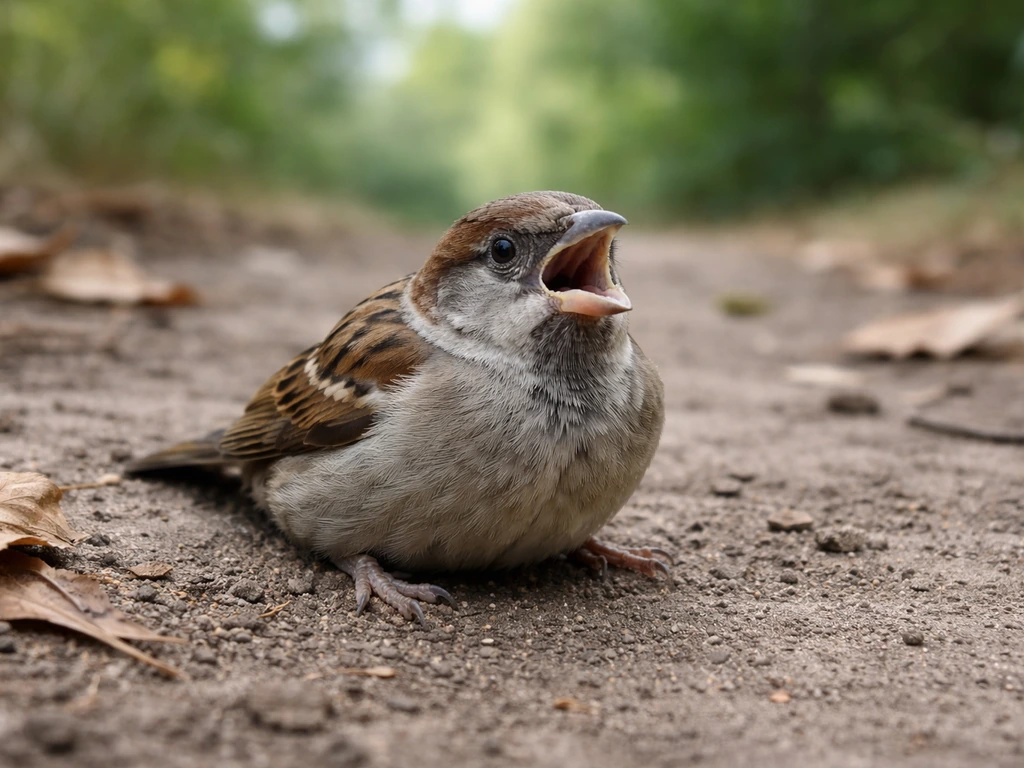
Wild birds mask illness instinctively because looking sick makes them a target for predators. By the time you notice something is wrong, the bird is often seriously ill. The signs to watch for split into respiratory and systemic categories.
| Type of sign | What to look for |
|---|---|
| Respiratory | Open-mouth breathing, gasping, labored breathing, tail bobbing with each breath, audible clicking or wheezing |
| Behavioral | Lethargy, sitting on the ground or low branches, fluffed feathers, reluctance to fly when approached |
| Digestive | Diarrhea or abnormal droppings, refusal to eat at a feeder the bird normally visits |
| Neurological (severe) | Head tilt, stumbling, loss of balance, circling (indicates disseminated infection) |
| Physical appearance | Emaciation visible through breast muscle, sunken eyes, unkempt plumage |
If you see multiple birds showing these signs around the same feeder at the same time, that is a strong indicator the feeder or its seed is the source. Remove the feeder and its contents immediately, and follow the U.S. Fish and Wildlife Service's guidance to keep the feeder down until the birds have dispersed and recovered.
How to tell if your seed is actually safe right now
The inspection takes about two minutes and covers four things: look, smell, feel, and check for pests.
- Look at it closely: Safe seed is dry, flows freely, and has no visible white, gray, green, or black fuzz on the seeds or the bag interior. Any fuzzy coating means mold, and that batch is done.
- Smell it: Fresh seed smells neutral to mildly nutty. Sour, musty, fermented, or rancid odors are red flags. Trust your nose. If it smells off, it is off.
- Feel it: Pinch a handful. It should feel dry and granular. Clumped or sticky seed means moisture has gotten in. Even if there is no visible mold yet, clumped seed is on its way there.
- Check for pests: Webbing inside the bag (grain moth larvae), small beetles or weevils moving through the seed, or any sign of rodent activity (droppings, chewed packaging) means the batch is contaminated and should not go in a feeder.
- Consider where it has been stored: Seed kept in a sealed, airtight container in a cool dry space can stay good for up to a year. Seed that has been sitting in an open bag in a hot garage or damp shed since last winter is suspect even if it passes the visual check.
The key distinction to make is storage conditions versus age. A six-month-old bag of black oil sunflower seed that has been in a sealed bucket in a cool basement is almost certainly fine. A two-week-old bag left open in a humid shed after a rainy week could already be a problem. Age is a rough proxy, but moisture and heat are the actual drivers.
What to do right now if you suspect your seed is bad
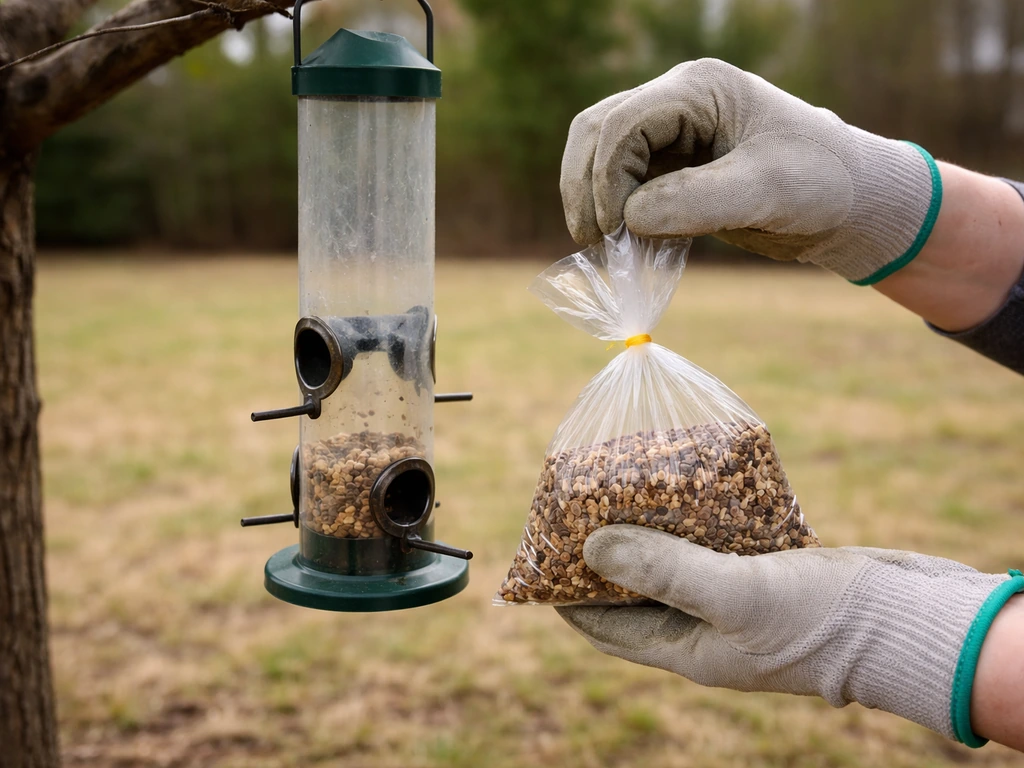
- Stop filling the feeder immediately. Do not add fresh seed on top of questionable seed.
- Remove all seed from the feeder. Dump it into a sealed bag for disposal. Do not compost moldy seed, as the spores will spread.
- Clear the ground underneath the feeder. Moldy seed on the ground is just as dangerous as seed in the feeder, particularly for ground-feeding birds. Sweep or rake it up and bag it.
- Refresh the bird bath or nearby water source. Fresh water helps birds that may have already been exposed, and clean water reduces disease spread between birds.
- Leave the feeder empty for at least a day or two while you clean it properly before reloading.
- Monitor the birds in your yard for the next several days. If you see sick birds, keep the feeder down until you no longer see signs of illness.
Cleaning the feeder and fixing your setup to prevent this again
Project FeederWatch and Penn State Extension both recommend cleaning feeders about every two weeks as a baseline, and more often during warm or wet conditions. That schedule sounds like a lot until you realize how quickly seed hulls, bird droppings, and moisture can build up into a contamination layer on feeder trays and inside tube ports.
- Disassemble the feeder fully. Remove all moving parts, trays, and perches so you can reach every surface.
- Scrub with a 10 percent bleach solution (roughly one part bleach to nine parts water) or use a commercial feeder cleaner. Pay attention to corners and crevices where mold hides.
- Rinse thoroughly and allow to air-dry completely before refilling. A damp feeder will contaminate fresh seed within days.
- Rake or clear the ground under the feeder weekly. Hulls and spilled seed on the ground are a major mold and pest risk, especially after rain.
- Choose feeder designs that minimize moisture: tube feeders with drainage holes, feeders with roofs, and feeders without large flat trays that collect standing water.
- Store replacement seed in a sealed, airtight hard-sided container (metal or heavy plastic) off the floor in a cool, dry location. Label it with the purchase date. Plan to use seed within a few months of purchase to stay well inside its usable window.
One practical change that makes a real difference is buying seed in smaller quantities more often rather than buying a large bag and storing it for months. It reduces the storage risk and ensures the seed in your feeder is genuinely fresh. This is especially relevant for nyjer (thistle) seed, which has a shorter usable life and tends to go off faster, and for any seed stored through winter when temperature swings can drive condensation inside containers. In winter, bird seed can still go bad if it gets damp from wet feeders, snowmelt, or condensation in storage containers go bad in winter. Thistle bird seed can also go bad faster when it is exposed to moisture or stored too warmly, so use the same mold and smell checks before refilling your feeder.
Species-specific notes and the spillover risk to pets and wildlife
Which birds face the highest risk
Aspergillosis affects a wide range of bird species, but ground-feeding birds are disproportionately exposed because they forage directly on spilled and often wet seed. Mourning doves, dark-eyed juncos, white-throated sparrows, and towhees spend most of their feeding time on the ground under feeders. If the ground layer is moldy, these birds are eating from it constantly. Young birds and any bird that is already stressed or immune-compromised face a higher risk of progressing from exposure to active infection. Raptors and corvids that visit feeders as predators or scavengers can also pick up contaminated seed indirectly by eating sick birds.
Dogs, cats, and other pets near the feeder
This is worth taking seriously. Dogs in particular will eat seed off the ground without hesitation, and moldy seed that is dangerous to birds is dangerous to dogs too. The FDA documents aflatoxin poisoning in pets as causing sluggishness, loss of appetite, vomiting, jaundice, and diarrhea. Symptoms can be nonspecific, which means you might not immediately connect your dog's illness to what it found under the bird feeder. If you have a dog that roams the yard where a feeder is, keeping the ground under the feeder clean is not optional. Cats are less likely to eat seed but can be exposed to bird mites and other parasites around feeding stations.
Urban wildlife and scavengers
Squirrels, raccoons, opossums, and rats are all drawn to bird feeders and spilled seed. Rats in particular are documented hazards around feeding stations: their urine and droppings contaminate the feeding area and create secondary risks for birds and humans. If you are seeing rodents at or under your feeder regularly, that is a signal to switch to no-waste seed mixes (pre-hulled), use baffled feeders that limit ground spillage, and step up your ground cleanup routine. The moldy seed that poses a risk to birds is the same seed that attracts and potentially sickens the wildlife foraging around your yard.
Quick comparison: unsafe seed vs. seed that is just getting old
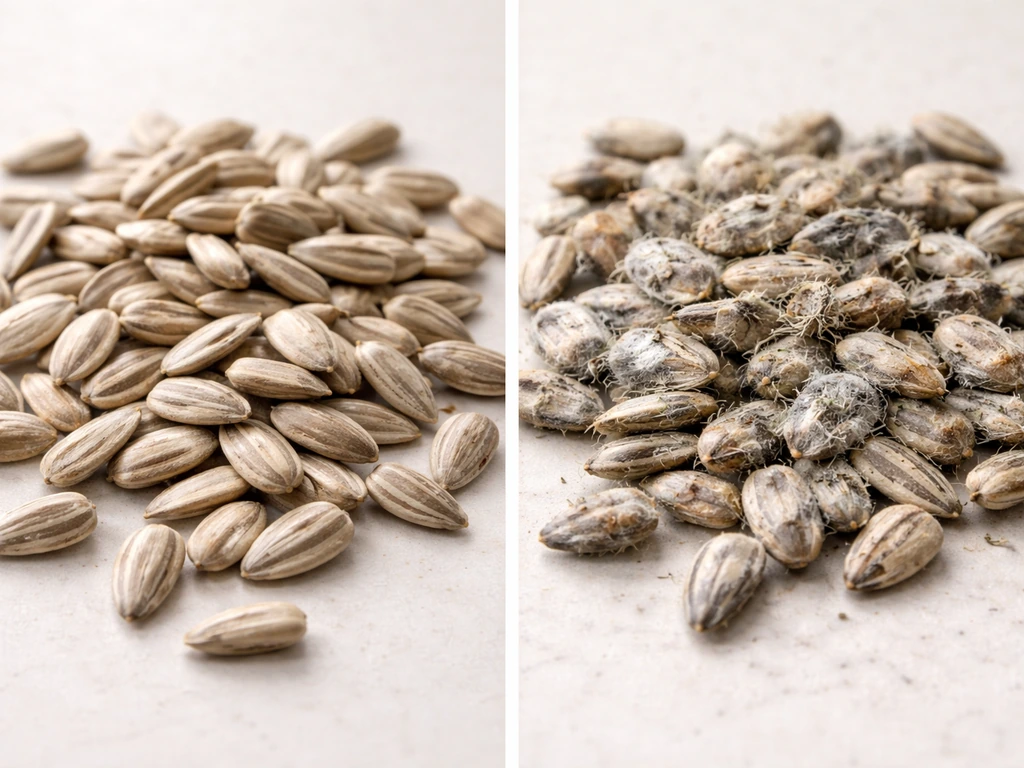
| Characteristic | Stale but likely safe | Unsafe, do not feed |
|---|---|---|
| Appearance | Normal color, no fuzz or discoloration | Visible mold (white, gray, green, black), discolored patches |
| Smell | Neutral or slightly flat | Musty, sour, rancid, or fermented odor |
| Texture | Dry, flows freely | Clumped, sticky, or wet |
| Pests | None visible | Webbing, insects, or rodent evidence |
| Storage history | Sealed container, cool dry location | Open bag, humid shed, warm garage, extended exposure to moisture |
| Recommended action | Use soon, check birds' response | Dispose of in sealed bag, do not compost, clean feeder before reloading |
The bottom line is straightforward: if the seed passes the look, smell, and feel test and has been stored reasonably, it is probably fine to use even if it is a few months old. If it fails any one of those checks, get rid of it. The cost of a new bag of seed is trivial compared to the harm bad seed can do, and there is genuinely no treatment to fall back on once a bird develops aspergillosis. Many bird seed products also contain ingredients like sunflower or millet, and the nuts question is separate from the mold and toxin risks discussed here bird seed contain nuts.
FAQ
How can I tell if old bird seed is still safe when it looks dry?
Do the full look, smell, and feel check. Dry but safe seed usually stays free of clumps, has no musty or sour odor, and the hulls feel crisp, not tacky. If you see any visible fuzz, gray or green spotting, or seed that feels sticky or damp under the top layer, treat it as contaminated even if the bag or feeder cover looks intact.
Does “expiration date” on the bag matter for whether seed can hurt birds?
Not much by itself. The date is a rough quality guide, but the actual risk comes from moisture, warmth, and contamination. A fresh-looking bag that got humid or sat in a warm shed can be risky well before the printed date, while an older bag that stayed sealed and cool is usually fine.
Can I salvage seed by baking it in the oven or microwaving it?
Generally no. Heat might not reliably inactivate molds and mycotoxins, and it can also make seed unsafe for birds if heating concentrates residues. The practical rule is discard seed that smells musty, has clumps, or shows mold, then clean the feeder and dry the area before refilling.
What should I do if birds show breathing trouble after using a feeder?
Remove the feeder and all remaining seed right away, then keep the area quiet and prevent other birds from continuing to feed there. Monitor from a distance and contact a local wildlife rehabilitator or wildlife agency for guidance, especially if multiple birds appear ill at the same time.
Is it safe to keep using the feeder but just throw away a few moldy clumps?
Usually not. Mold can be present beyond what you see, and spores can spread through the container or across the tray. Replace the entire contents, then clean and fully dry the feeder before refilling.
Do different types of seed go bad faster in storage?
Yes. Seeds like nyjer (thistle) and other oilier blends can lose quality sooner and are more sensitive to warmth and moisture. Even if they seem only “stale,” still rely on smell and feel, because moisture-related spoilage is what drives mold and toxin risk.
What’s the safest way to store seed to prevent mold?
Store seed in sealed containers rather than open bags, keep it in a cool, dry area, and avoid bringing it into warm spaces where condensation can form. If the storage area is humid, buy smaller quantities so you reduce the time seed sits exposed to variable conditions.
How often should I clean feeders if the weather is hot and rainy?
Use a shorter interval than the usual every-two-weeks baseline. In warm or wet conditions, clean and inspect more often because moisture and seed hull buildup can create contamination layers quickly, especially inside tube ports and on tray edges.
Can contaminated bird seed hurt pets or livestock?
Yes. Dogs are most at risk because they may eat spilled seed. Moldy seed that can sicken birds can also be dangerous to pets, and aflatoxin symptoms can be nonspecific, so call a veterinarian promptly if your pet eats seed that looks moldy or smells bad.
Do birds get sick only from feeder seed, or can spilled seed under the feeder be the main problem?
Spilled ground seed is often the biggest exposure route. Ground-feeding species can be exposed continuously, and rain or sprinkler water can make spilled seed damp, which accelerates mold growth and spore exposure.
If I remove the feeder, how long should I wait before putting a clean one back out?
Wait until you no longer see symptoms and the birds have dispersed, then reintroduce only after the feeder and area are cleaned and dry. In outbreaks, wildlife guidance often emphasizes keeping the feeder down until recovery is underway, since birds keep re-exposing themselves to the same contaminated location.
What if the seed fails only one test, like it has a faint odor?
Treat any musty, sour, or damp odor as a fail, even if the seed looks mostly okay. Odor is a strong signal of microbial activity, and that same condition is what enables molds that produce spores and potentially mycotoxins.
Next Article
Does Bird Seed Go Bad in Winter? Storage and Safety Tips
Learn if bird seed spoils in winter and how to store, inspect, and discard safely to prevent mold, pests, and rancid fat