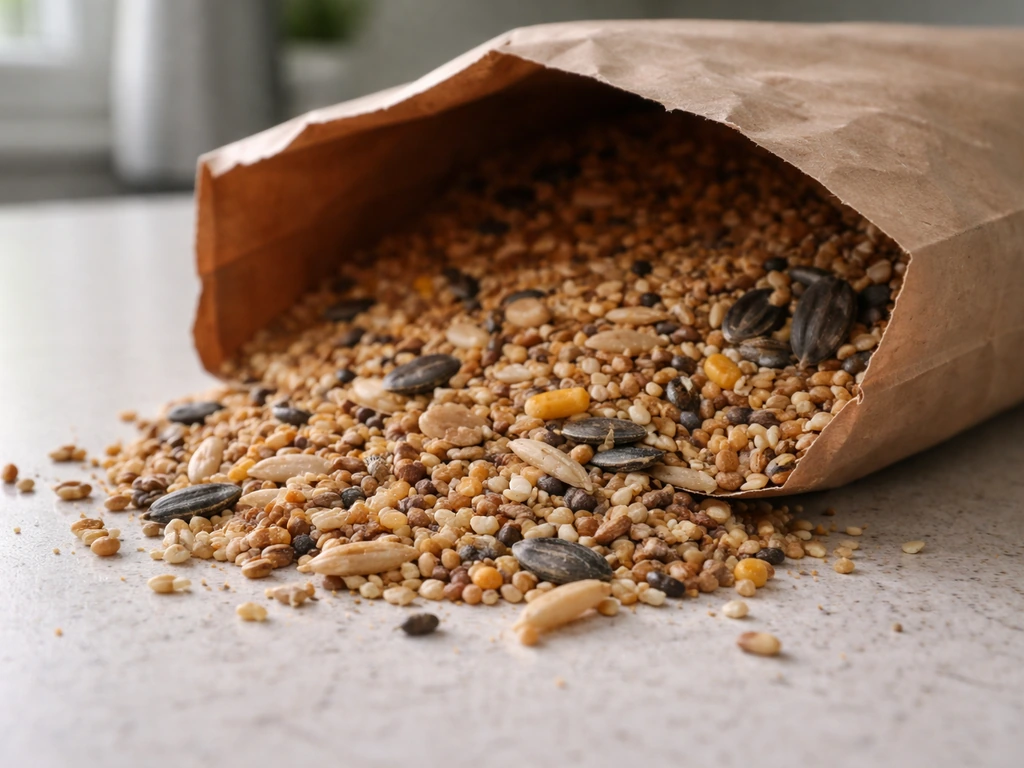
Moths get into bird seed because the seed was already carrying eggs or tiny larvae when you bought it, or because adult moths found their way to your storage area and laid eggs there. The most common culprit is the Indian meal moth (Plodia interpunctella), a small pantry pest that treats bird seed exactly like any other stored grain. Once eggs hatch, which can happen in as little as 2 days in warm weather, the larvae burrow into seeds and feed, and the whole cycle from egg to adult moth can complete in roughly 27 to 30 days under warm conditions. That means a mild infestation can turn into a serious one within a single month.
Why Are There Moths in My Bird Seed? Causes and Fixes

Maya Henderson
5 May 2026
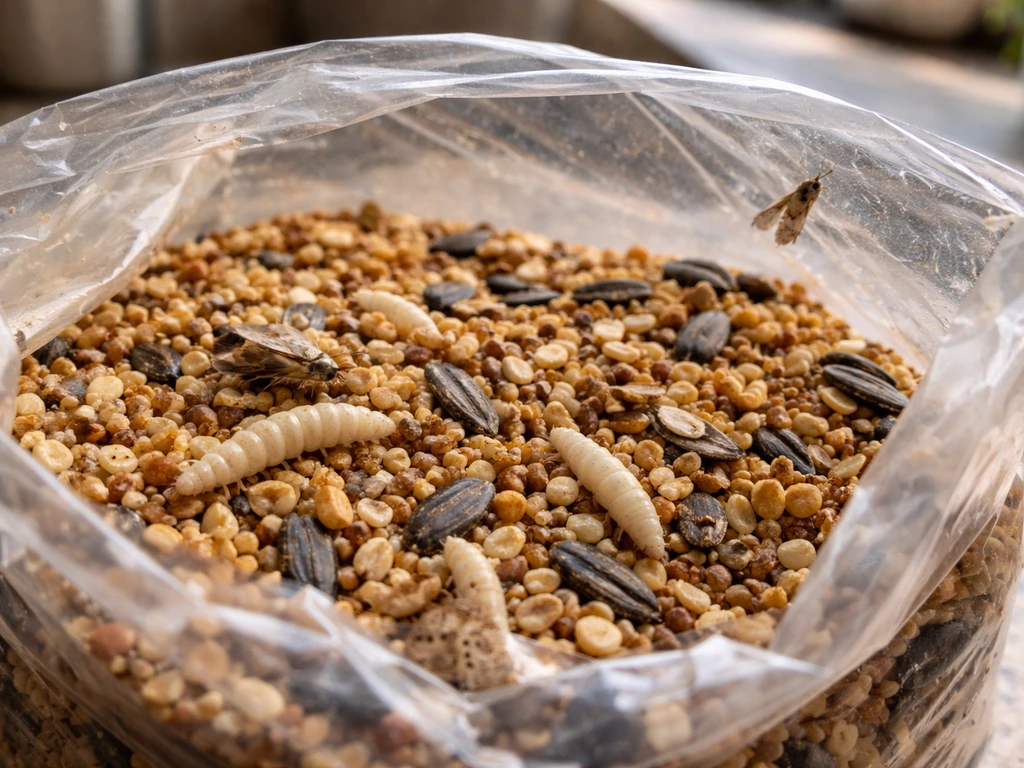
How moths end up in your bird seed in the first place
The infestation usually starts at one of three points: the processing facility, the store shelf, or your own storage area. Grain facilities and warehouses are warm, dry, and full of exactly what Indian meal moths need to breed. Eggs or early-stage larvae can be present in the seed before the bag is even sealed, which is why you can open a brand-new bag and already find webbing inside. Eggs are tiny (under 0.5mm) and nearly impossible to spot visually, so there's no way to tell by looking at an intact bag.
Once the seed is in your possession, warmth and humidity dramatically accelerate things. At 25°C (about 77°F), larvae pupate and adults emerge in as little as 8 to 11 days after pupation. At 30°C (86°F), that drops to 7 to 8 days. A garage, shed, or warm pantry in late spring or summer is basically ideal moth habitat. Old seed sitting in a partially open bag is even more vulnerable because the bag isn't keeping anything out, and any moisture that gets in softens the seed and encourages mold alongside the infestation. Poor rotation, buying more than you use in a few weeks, and storing seed directly on the floor where moisture collects all make things worse.
Identify the culprit: moths vs weevils vs other pantry insects
Not every bug you find in bird seed is a moth. Knowing what you're actually dealing with determines what steps to take, so it's worth spending a minute to identify what you're seeing before you act.
| Insect | What you see | Key sign |
|---|---|---|
| Indian meal moth (adult) | Small, bi-colored wings: bronze/copper near the tip, pale gray at the base; about 8–10mm wingspan | Fluttering in the storage area or near lights at night |
| Indian meal moth (larva) | Small white or cream-colored worm, about 12mm when fully grown, often with a pinkish or greenish tint | Webbing inside seed, worm-like movement, holes in packaging |
| Grain/seed weevil | Tiny dark brown beetle (2–4mm) with a distinctive long snout | Hollow seeds, small round exit holes in individual seeds, no webbing |
| Flour beetle | Flat, reddish-brown beetle, about 3–4mm, no snout | Fine dusty residue, musty smell, found in cracked grain and flour |
| Pantry/Mediterranean flour moth | Pale gray wings with faint markings, similar size to Indian meal moth | Webbing and silken tubes in seed; slightly different wing pattern than Indian meal moth |
If you're seeing small white worms and webbing, you almost certainly have Indian meal moth larvae. If you need help confirming the culprit visually, see what bird seed moths look like so you can compare size, color, and webbing. If you're seeing tiny beetles with a snout, those are weevils, a completely different pest requiring different disposal steps but the same storage fixes. If you're seeing tiny beetles with a snout, those are weevils, a completely different pest requiring different disposal steps but the same storage fixes bugs in bird seed. Webbing is the biggest visual clue that points specifically to moths rather than beetles. If you're not sure whether it's moths, weevils, or something else entirely, that question is covered in more detail in the related article on bugs in bird seed.
Signs your seed is contaminated
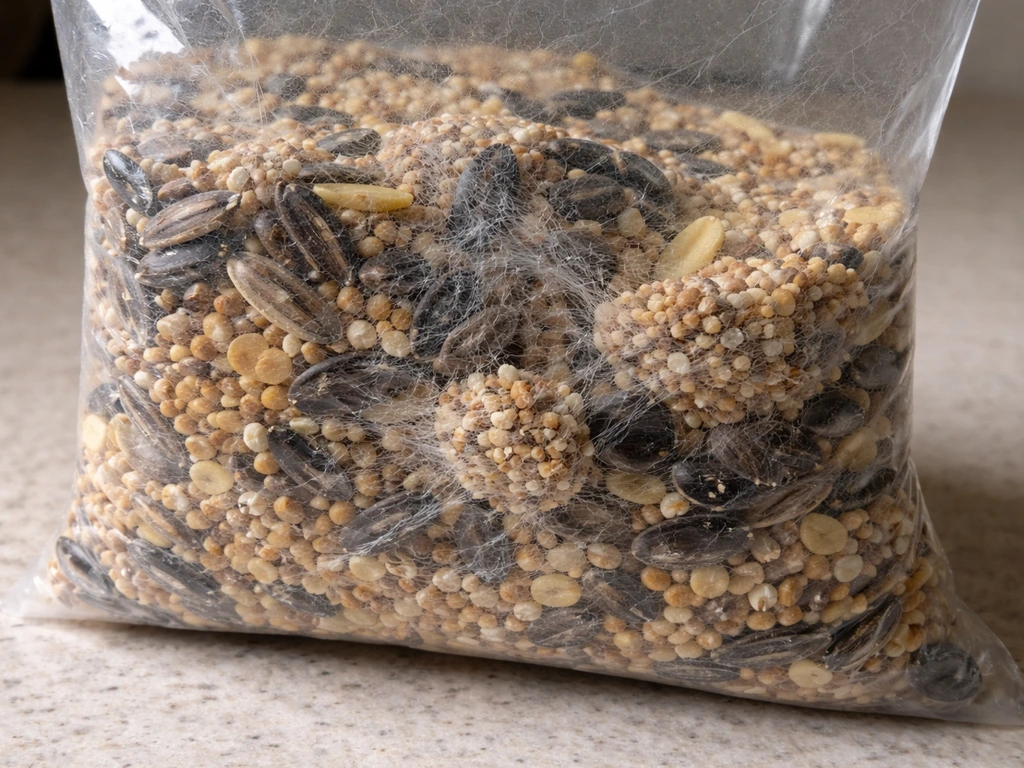
You don't always see live insects first. Often the seed itself tells you something is wrong before you spot a moth or larva. Here's what to look for:
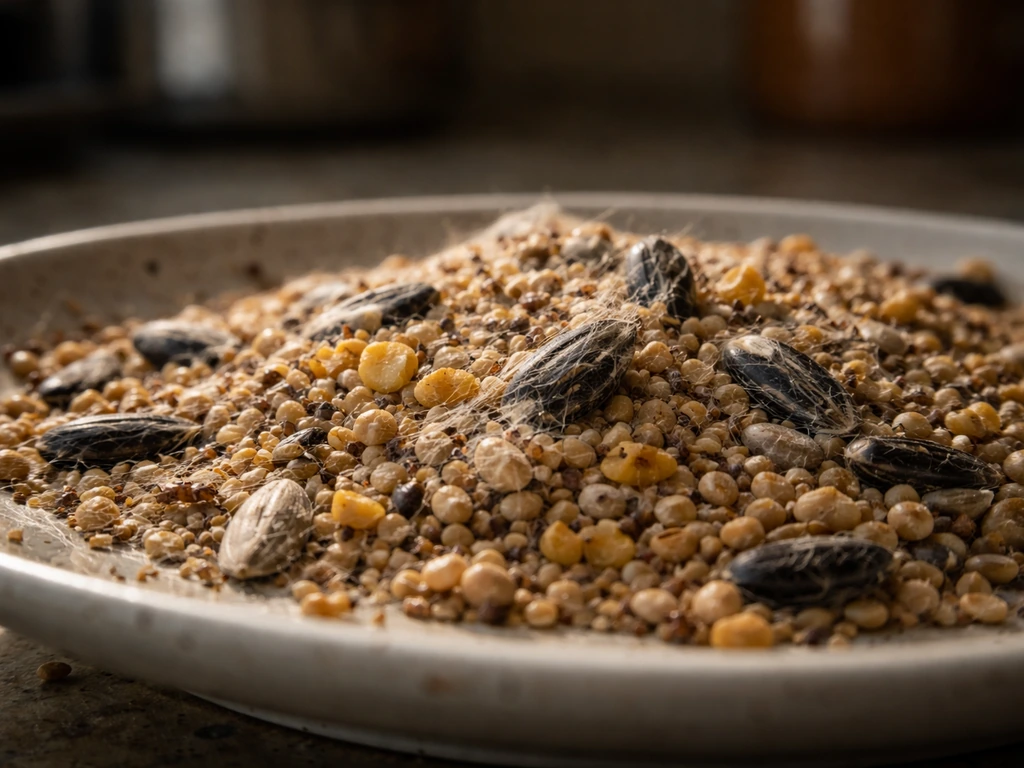
- Webbing: fine, silky threads inside the bag or clinging to seeds, often matting them together into clusters
- Clumping: seeds stuck together in dense masses even though they aren't wet, caused by larval silk and frass
- Small holes: tiny entry or exit holes bored into individual seeds or into the packaging itself
- Frass: a powdery residue or tiny dark pellets mixed in with the seed, which is insect waste
- Cast skins: thin, papery husks left behind as larvae molt through growth stages
- Unusual dust or flour-like buildup at the bottom of the bag or container
- Mold or off smell: a musty or sour odor, especially if the seed has also been exposed to moisture
Even one of these signs is enough to treat the seed as infested. You don't need to find live larvae or adults to take action. The webbing and clumping in particular are reliable indicators that larvae have been feeding, and by that point the population is already well established.
What to do today: quarantine, discard, and stop feeding
Move quickly. The longer infested seed sits, the more moths emerge and spread to other food sources, including your pantry. Here's the immediate action plan:
- Stop filling your feeders right now. Don't add more seed to a feeder that may already have larvae in it, and don't bring infested seed closer to your home or into your house.
- Seal the infested bag or container in a heavy-duty garbage bag immediately. Double-bag it if you can.
- Take it outside to your outdoor trash bin, not your kitchen trash. This keeps any emerging adults from spreading into your home.
- Check all other seed bags, even unopened ones, for signs of webbing, holes in the bag, or clumping. Any suspect bag gets the same treatment.
- If you found the seed inside your home (garage, pantry, basement), scan the surrounding area for adult moths or webbing on nearby shelves and boxes. Moths can travel 50 feet or more from their original food source.
- Temporarily stop filling outdoor feeders until you've cleaned them and sourced fresh seed. Birds will be fine for a few days, and stopping feeding prevents you from spreading larvae to the feeder environment.
Don't compost infested seed. The larvae survive composting conditions and can easily spread. Outdoor trash disposal in a sealed bag is the safest option.
Clean feeders, tools, and storage containers (step by step)
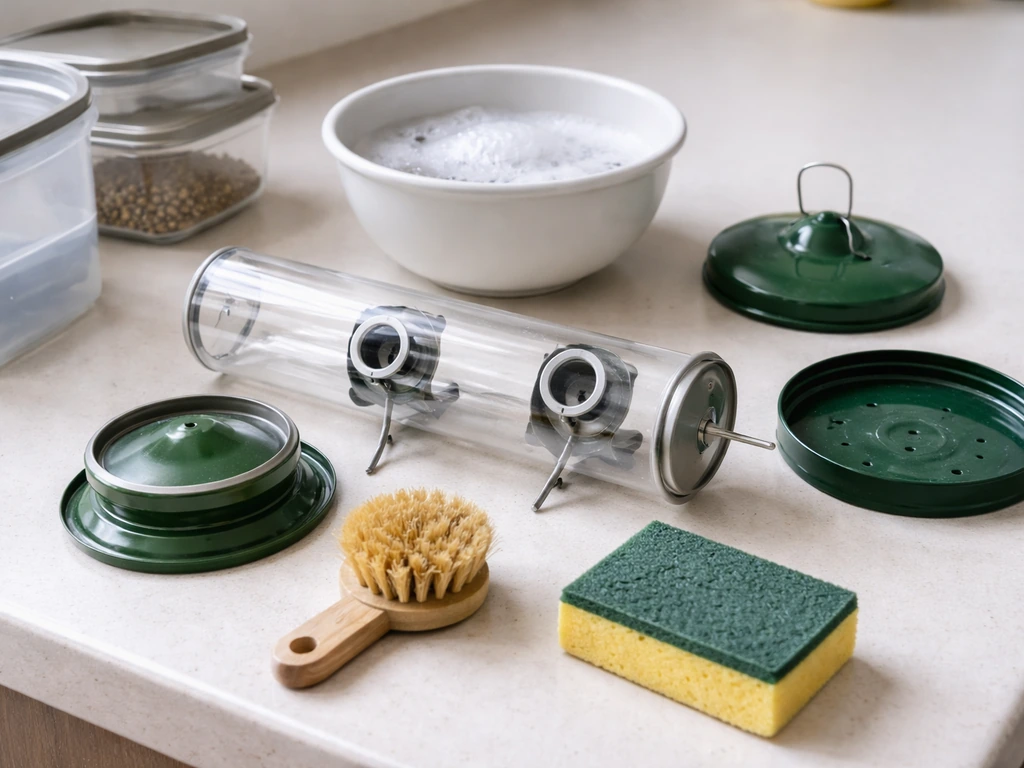
Once the infested seed is gone, you need to clean everything it touched before you add fresh seed. Larvae and eggs can survive in the crevices of feeders and the corners of storage bins, and skipping this step means you'll be back here in a month.
- Empty the feeder completely. Tip out all remaining seed and shake the feeder over a trash bag to dislodge anything stuck.
- Disassemble the feeder as much as possible. Remove perches, tray inserts, and any removable ports.
- Scrub all surfaces with hot water and a stiff brush. Use a solution of 1 part white vinegar to 9 parts water, or a dilute bleach solution (1 part bleach to 9 parts water). Both kill bacteria and help remove organic residue that attracts insects.
- Pay special attention to corners, seams, and drainage holes where larvae and cocoons can hide.
- Rinse thoroughly with clean water and allow to air dry completely before refilling. A damp feeder creates the moisture conditions that make infestations worse.
- For storage bins and scoops, wash with the same hot water and vinegar or bleach solution, rinse, and dry fully before adding new seed.
- Wipe down the shelf or surface where you store seed with the same solution.
- Inspect the area for cocoons attached to the underside of shelves or in wall corners. These look like small, papery silk cases. Remove and dispose of any you find.
Check your home for the source
Indian meal moths don't stay put. If you found moths in your bird seed, there's a real chance they've already moved into adjacent food storage, especially if the seed is kept in or near your kitchen, pantry, or garage shelving that also holds pet food, pasta, rice, flour, or cereals. Adult moths can fly through small gaps and lay eggs in a wide range of dry goods.
Go through your pantry methodically. Pull everything out of the affected area and inspect each item: look for webbing inside boxes, small holes in packaging, clumping in grains, or moths hiding in folds of paper packaging. Pay special attention to older items that have been sitting for months, opened bags of flour or cornmeal, dried pet food, and spice packets. Any item showing signs of infestation gets the same double-bag-and-outdoor-trash treatment.
After clearing suspect items, wipe the entire pantry shelf surface with your vinegar or dilute bleach solution, including the undersides of shelves and any cracks along the back wall. The Virginia Department of Health recommends preparing a diluted bleach solution at a 1:10 ratio (1 part bleach to 9 parts water) for disinfection, and preparing it daily for use dilute bleach solution. If you find a significant presence in your pantry, consider pheromone-based Indian meal moth traps. These use a scent lure to catch adult males, which helps break the breeding cycle. They aren't a standalone fix, but they're a useful monitoring tool to tell you whether you've gotten ahead of the problem or whether moths are still active.
Are birds or pets at risk? Safe feeding and handling guidance
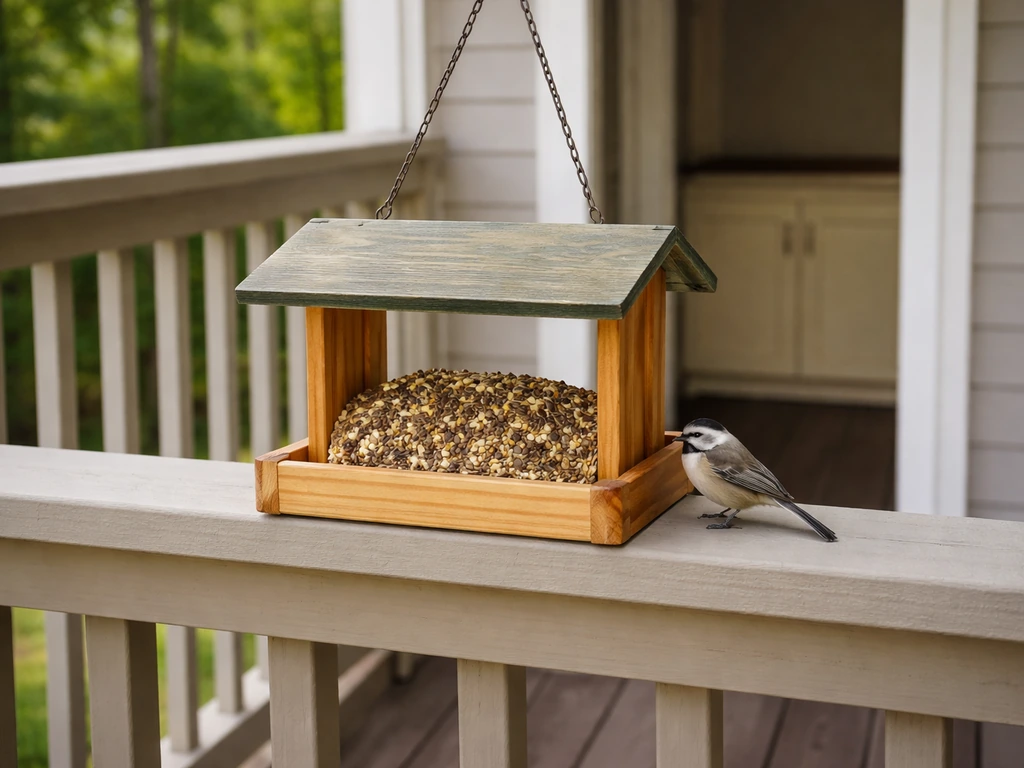
The moths and larvae themselves aren't toxic to birds. In fact, wild birds readily eat insects, and many species would happily snack on a moth larva given the chance. The real risk from an infested bag of bird seed is secondary: mold. When larvae feed and produce frass, and when clumped seed retains moisture, conditions become ideal for mold and mycotoxin growth. Moldy bird seed can cause digestive problems and respiratory irritation in birds, and it's particularly hard on smaller songbirds. Any seed that smells musty or shows discoloration alongside the infestation signs should be discarded entirely, not salvaged.
For dogs and cats, the concern is similar. Moths and larvae aren't poisonous, but a pet eating large amounts of heavily infested, mold-contaminated seed could develop gastrointestinal upset. Keep infested seed away from pets during disposal, and wash your hands after handling contaminated bags. If your dog or cat has eaten a significant amount of infested seed and is showing vomiting, lethargy, or loss of appetite, contact your vet. The insects themselves aren't the emergency, but mold contamination can be.
While you're pausing feeding to clean up, birds in your yard will manage fine. Most backyard birds have multiple foraging routes and won't go hungry for the few days it takes you to clean and restock safely. When you do restart feeding, use fresh, clean seed from a newly cleaned feeder, and you're genuinely helping them rather than exposing them to contaminated food.
Prevention: buying, storing, and rotating seed the right way
Preventing re-infestation comes down to a few consistent habits. None of them are complicated, but skipping even one creates an opening.
Buy smart
- Buy seed in quantities you'll use within 4 to 6 weeks. Larger bags seem economical but are a liability if you don't move through them quickly.
- Check bags for small holes or tears before buying, which can indicate pest entry or prior infestation.
- Buy from stores with high turnover rather than letting bags sit on a shelf for months.
- When you get home, freeze new seed for 4 to 7 days before storing it. Freezing kills any eggs or larvae already present in the bag. Let it come to room temperature before storage to avoid condensation.
Store correctly
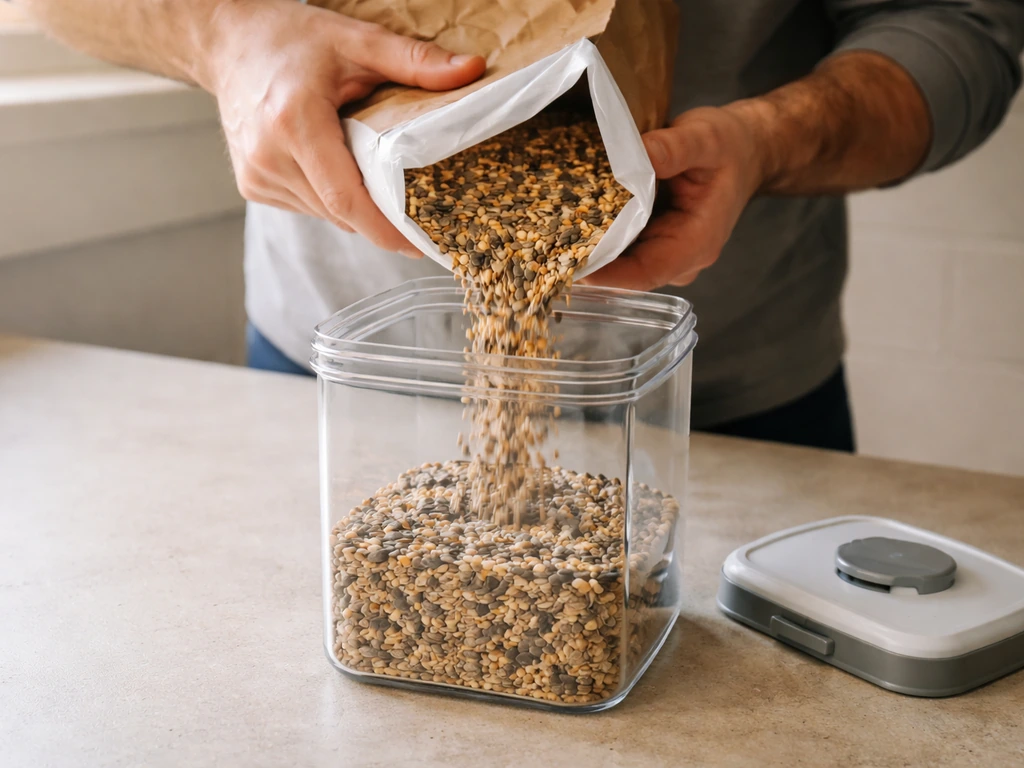
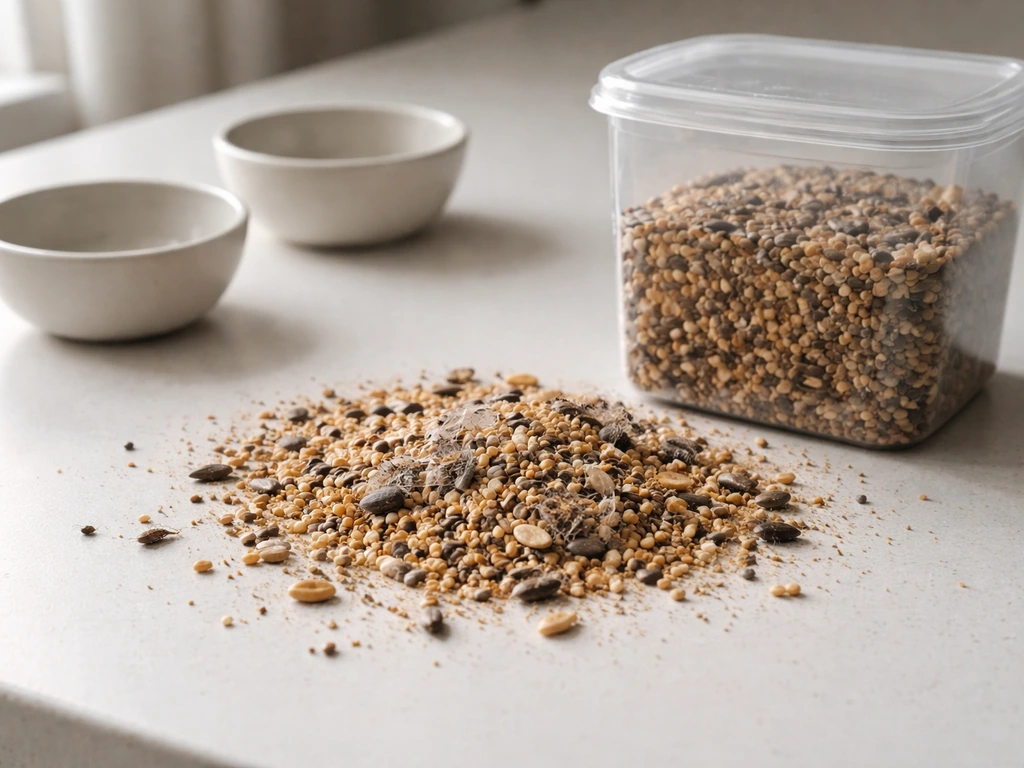
- Transfer seed from paper or thin plastic bags into a hard-sided, airtight container with a secure lid. Moths can chew through or squeeze into surprisingly small gaps in soft packaging.
- Store in a cool, dry location. A temperature consistently below 60°F dramatically slows moth development. A basement that stays cool year-round is better than a garage that heats up in summer.
- Keep seed off the floor. Elevating storage containers reduces moisture exposure and keeps things easier to inspect.
- Label containers with the purchase date so you know how long you've had a batch.
- Never pour new seed on top of old seed. Empty and clean the container first.
Maintain an ongoing routine
- Inspect your seed storage area every time you refill feeders. A quick look takes 30 seconds and catches problems early.
- Clean feeders fully every 2 weeks during warm months, and monthly in cooler weather.
- Rotate stock: use older seed first before opening a new bag.
- If moths keep coming back despite proper storage, consider pheromone traps in the storage area as an early-warning system and population check.
Why they keep coming back
If you've cleaned everything and still keep finding moths, the most common reason is that you haven't found the original source. The infestation may have started in your pantry or another food storage area rather than in the bird seed itself. Moths also leave cocoons in extremely hard-to-spot locations: deep in wall cracks, under shelving lips, inside cardboard boxes stored nearby. Any cocoon left behind produces more adults. Go back through the home inspection steps methodically, and consider placing pheromone traps to track where adults are most active. That will point you to where the population is still living.
The other common reason for recurrence is reintroducing infested seed from the same supplier. If freezing new seed before storage doesn't fit your routine, at minimum inspect the bag carefully before storing it and move it into an airtight container immediately. Leaving seed in its original paper bag on any shelf for more than a few days is consistently where the problem restarts.
FAQ
Is it safe to keep feeding birds if I see just a few moths or small patches of webbing?
Generally no. Even if it looks minor, webbing and clumping mean larvae feeding has already begun. Bird health risk is mainly from mold, so the safest move is to stop using that specific bag and discard it, then restart with fresh seed after the feeder and nearby storage are cleaned.
How can I tell if the “worms” are moth larvae or something else without tearing up the whole bag?
Focus on the pattern. Moth larvae are usually associated with silk webbing inside or between seeds, and you may see tiny seed fragments plus clumps. If there is no webbing and the “bugs” look like beetles with a snout (weevils), treat it differently. If you can, shine a flashlight through the bag seam and check corners and folds, not the center.
What’s the best way to clean my bird feeder if it’s a wooden or porous feeder?
For porous surfaces, dry brushing and scrubbing matter. After removing all seed residue, wash thoroughly with hot soapy water, rinse well, then disinfect and let it fully dry before refilling. Porous areas can hold cocoons, so if you keep finding moths, consider replacing heavily webbed parts like worn wooden perches or cracked seed trays.
Can I salvage the “unaffected” portion of a bag if I only see moths in one area?
Usually no. Adult moths and larvae can be present beyond the visible spot, and mold risk can develop wherever moisture and frass accumulated. If there’s any webbing, frass, clumping, or musty odor, discard the entire bag and don’t try to sift or separate it.
What should I do with the feeder and storage bin contents if the bag sat near other dry foods?
Treat adjacent items as suspect. Remove everything from the same shelf zone, inspect packaging for small holes or webbing, and check open items like flour, cornmeal, dried pet food, and cereal. Anything showing signs gets sealed in a trash bag and removed outdoors, then you wipe the shelf and any nearby cracks.
Does freezing new bird seed before storage actually prevent moths from coming back?
Freezing helps if the incoming seed already contains eggs or early larvae, but it’s not a substitute for airtight storage afterward. Move seed into an airtight container immediately after purchase or after freezing, and keep it off the floor away from humid areas like garages or windowed rooms.
How do pheromone traps fit into the plan, and where should I place them?
Use traps to monitor adult activity, especially in a pantry or storage room. Place them where moths would be moving, typically along the inside of the affected shelving area, not inside the feeder itself. If traps keep catching adults after cleanup, you likely missed a breeding source and should re-check wall cracks, under shelves, and nearby dry goods.
If I already cleaned once and keep finding moths, what’s the most common thing I missed?
The original hidden source. Cocoons can remain in hard-to-see areas like deep shelf cracks, under shelving lips, inside corners behind bins, and in cardboard boxes stored nearby. Also check any “often ignored” items like pet food and grain-based foods stored in the same room, since adults can spread to those first.
Is composting really unsafe for infested seed, and what’s a safer disposal alternative?
Composting can allow larvae to survive depending on conditions, which risks spreading the problem. The safer approach is to seal the infested seed in a trash bag and dispose of it outdoors promptly, then wash hands and wipe any surfaces the bag contacted.
My birds eat insects naturally, so are the moths actually dangerous to them?
The insects themselves aren’t toxic, the main danger comes from secondary mold and possible mycotoxin growth when seed clumps and larvae produce frass. If the seed smells musty, shows discoloration, or is visibly clumped with webbing, discard it rather than relying on the fact that birds may eat moths outdoors.