Bugs in bird seed are almost always Indian meal moth larvae, grain beetles, or weevils. On their own, these insects are not toxic to birds, and in most cases the seed is still usable for your feeder as long as it is dry, smells normal, and shows no mold.
Bugs in Bird Seed Safe to Eat? Risks and What to Do

Maya Henderson
29 Apr 2026
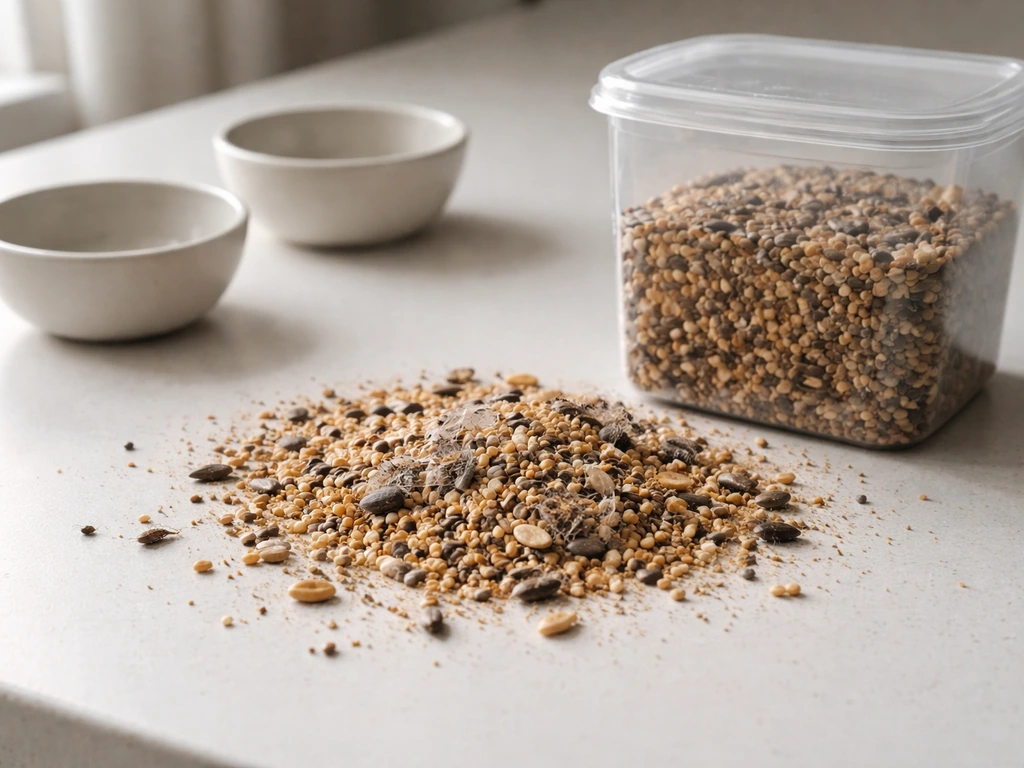
The seed is not safe for humans to eat, and the real danger in any infested batch is not the insects themselves but the mold and mycotoxins that can grow when seed gets damp. blank" rel="noopener noreferrer">The FDA describes mycotoxins as toxins produced by fungi that can grow on food during production and storage, with growth depending in part on environmental conditions like temperature and humidity.
Your first job is to figure out whether the batch is simply buggy or whether it is also wet, clumped, or musty, because that distinction drives every decision after it.
What those bugs actually are and how they got in there
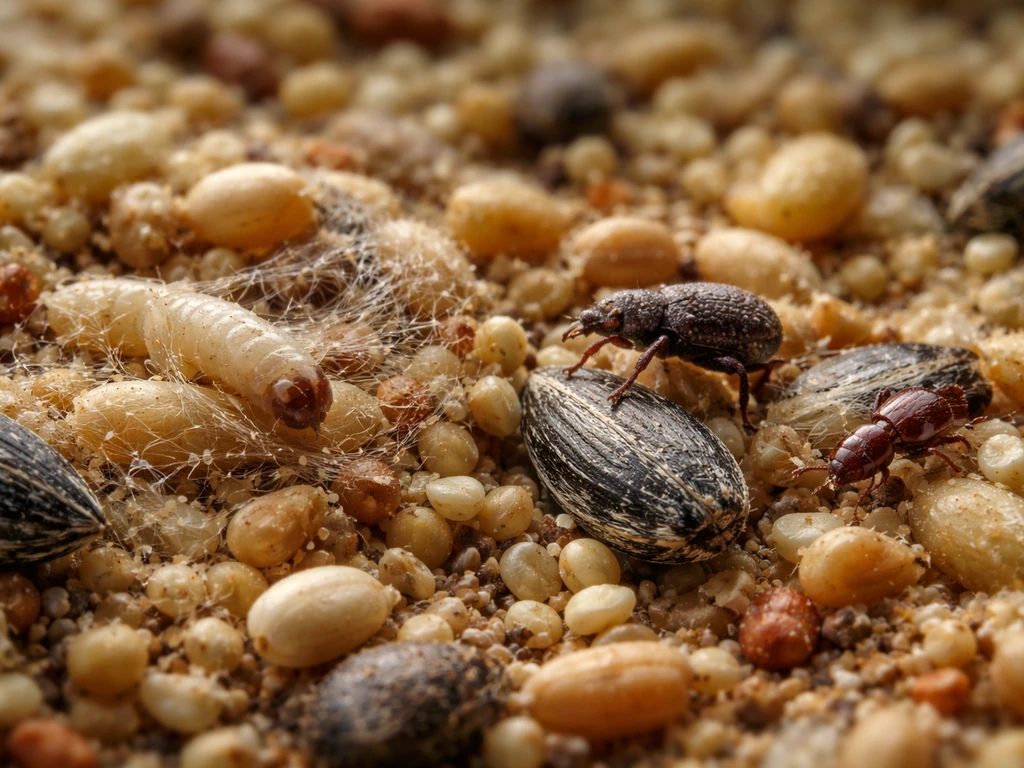
The three most common culprits in stored bird seed are Indian meal moths (Plodia interpunctella), grain beetles (including sawtoothed and merchant grain beetles), and weevils (granary or rice weevil types). If your goal is to pinpoint what you are seeing when you find moths in bird seed, the next section breaks down the common causes and what to check first Indian meal moths.
Indian meal moth larvae look like small, pale "white worms" crawling through the seed, and they leave behind silky webbing that mats the seed together into clumps. Grain beetles are tiny, flat, reddish-brown insects that scatter quickly when you disturb the seed. Weevils are easy to identify by their elongated snout; the adults are stout, dark beetles about 1/8 inch long.
Most of the time, these pests arrived with the seed before you ever bought it. Eggs can be laid in processing facilities, warehouses, or store shelves, and they hatch once the seed sits somewhere warm. A bag stored in a warm garage or pantry can go from clean to noticeably infested within a few weeks because the full lifecycle from egg to adult can complete in under a month in warm conditions. The infestation is not a sign that you did something wrong, but it is a sign that storage conditions need tightening going forward.
Fast safety decision: keep it or toss it
Run through this checklist before doing anything else. It covers the situations where you need to act fast versus where you have more flexibility.
| What you observe | Verdict | Action |
|---|---|---|
| Live insects or larvae, seed is dry and smells normal | Generally okay for birds | Remove insects, inspect closely, feed soon |
| Silky webbing only, no odor, no clumping | Likely okay for birds | Shake out webbing, use promptly or freeze then use |
| Musty or sour smell | Do not use | Discard the entire batch |
| Clumped, damp, or sticky seed | Do not use | Discard; mold risk is high |
| Visible gray, green, or black mold | Do not use | Discard immediately |
| Seed near rodent droppings or urine staining | Do not use | Discard; disease risk |
| Large numbers of insects plus any of the above | Do not use | Discard |
The key dividing line is moisture. Dry, odorless seed with a modest number of insects is very different from damp, clumped seed with a musty smell. The second scenario carries a real risk of mycotoxins, which are fungal toxins that form when stored grains get wet or are improperly dried. You cannot see mycotoxins, and you cannot fix them by removing the mold. If there is any doubt about the moisture status of the batch, discard it.
Risks for humans handling infested seed
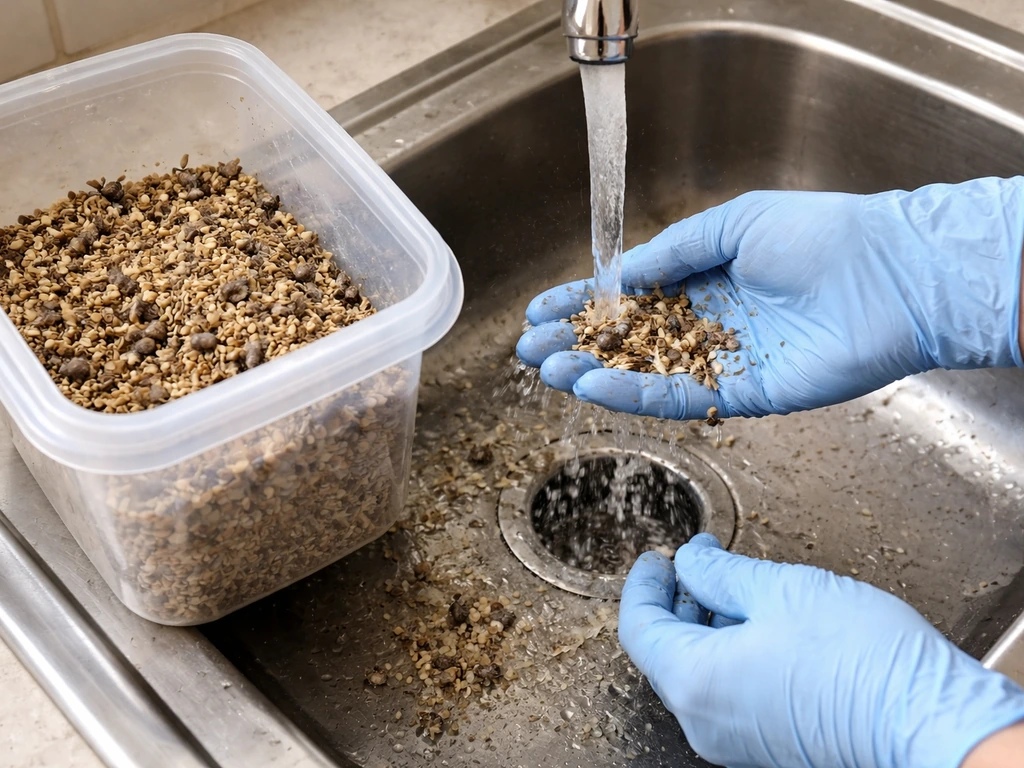
Bird seed with bugs is not intended for human consumption, but the handling risks are worth knowing. Some people develop allergic reactions to insect fragments, including the tiny hairs (setae) on moth larvae, especially with repeated exposure. If you have known allergies to shellfish or other arthropods, handle infested seed with gloves and avoid inhaling dust when you pour or shake it. The bigger concern is mold.
Any batch that has taken on moisture can harbor mold species that produce mycotoxins, and the FDA notes that mold contamination in grains is particularly likely when grain is stored with excess moisture. The USDA adds that moldy food can carry invisible bacteria alongside the visible mold. Neither you nor a food-safe recipe can "cook out" mycotoxin contamination, so infested-and-damp seed should never be repurposed for human food.
For routine handling of dry, buggy seed, wear gloves, wash your hands thoroughly afterward, and avoid touching your eyes or face. Keep infested seed away from any pantry area where human food is stored, because Indian meal moths will happily migrate to pasta, flour, dried fruit, and nuts. A sealed plastic bag between the infested bird seed and the rest of your kitchen is not enough; get it outside quickly.
What about your birds, dogs, and cats
Birds at the feeder
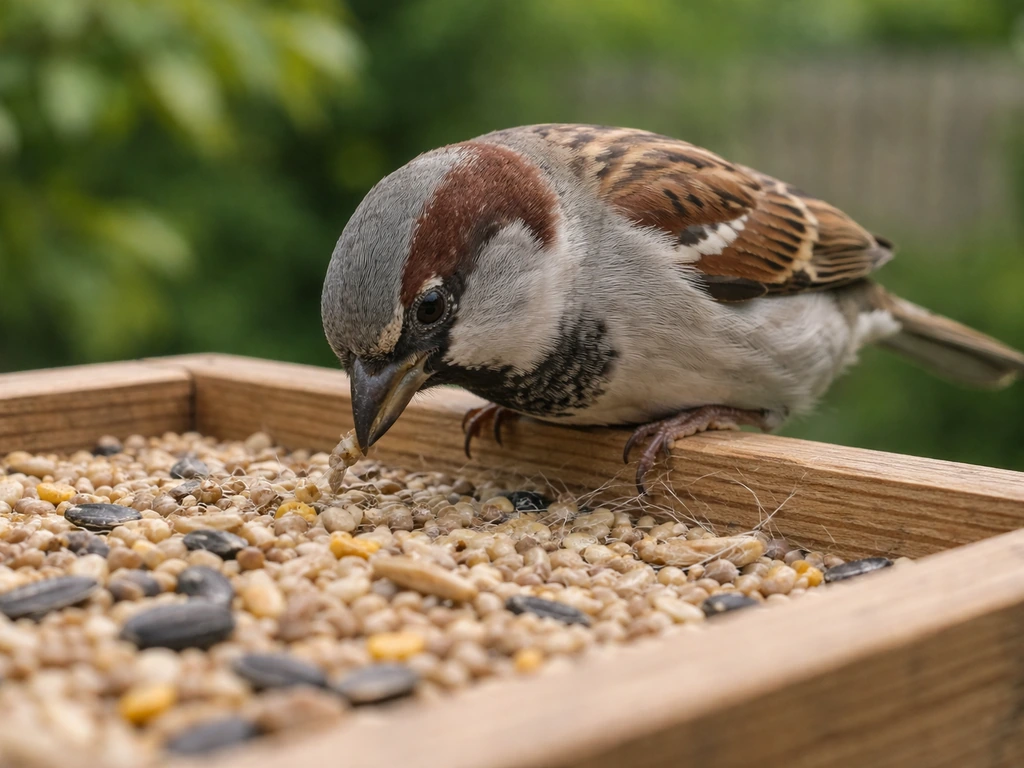
Birds routinely eat insects, so finding a few live larvae in otherwise clean, dry seed is not a crisis for them. The birds may actually prefer it. The hard line is mold. The British Columbia government's wildlife health guidance states it plainly: do not give moldy or damp seed to birds.
Moldy seed can cause aspergillosis, a respiratory fungal infection that is serious and often fatal in wild birds. Project FeederWatch echoes this, noting that moldy and spoiled food is unhealthy for birds and recommending feeders be cleaned roughly every two weeks, more often in warm or wet weather.
If you have been feeding from a batch that turned out to be damp or moldy, empty the feeder, clean it before refilling, and monitor for any birds acting lethargic or fluffed up near the feeder.
Dogs and cats
Dogs especially will investigate and eat spilled or fallen bird seed. A small amount of clean bird seed is unlikely to harm a healthy dog, but moldy seed is a different story. The AKC notes that old or damp bird seed can breed mold and aflatoxin, and the Pet Poison Helpline flags moldy food as a genuine risk for pets. If your dog ate a significant amount of seed from a batch you now suspect was moldy, watch for vomiting, diarrhea, lethargy, or loss of appetite, and contact your vet if symptoms appear. Keep fallen seed around feeders swept up, and store all bird seed where pets cannot access it.
How to inspect a batch properly
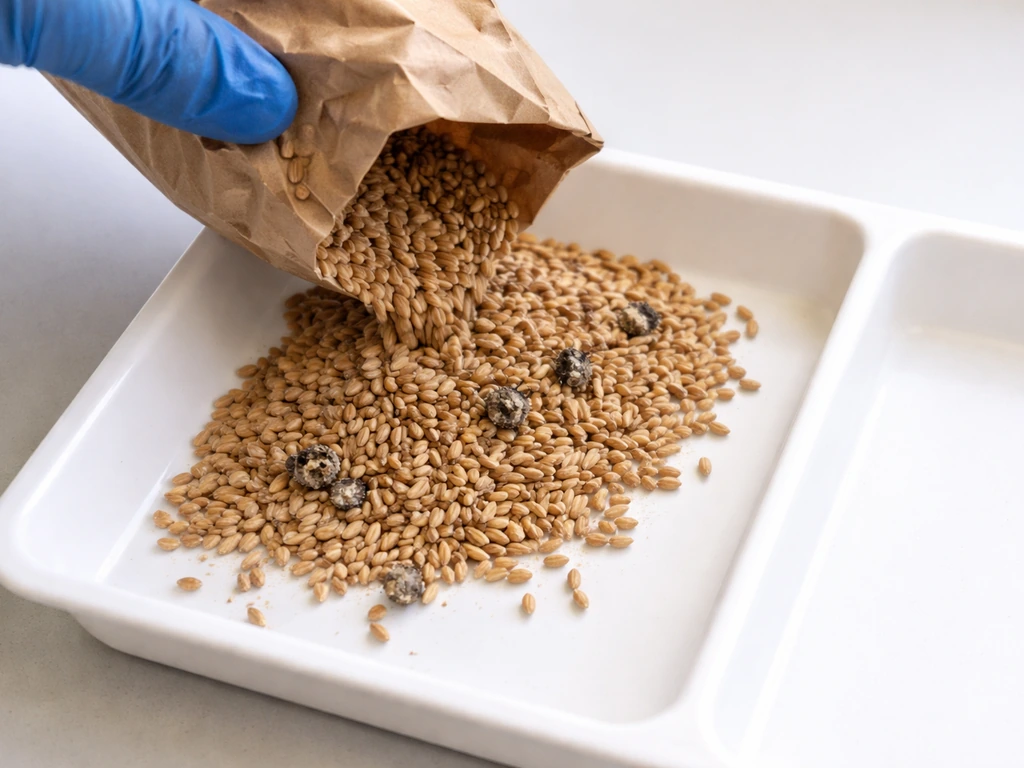
Do not just glance at the top of the bag. A proper inspection takes about three minutes and covers these steps:
- Smell the bag first, before you open it. A healthy batch smells faintly nutty or neutral. A musty, sour, or "old grain" smell means mold is already present. Stop here and discard.
- Open the bag and look at the surface. Check for webbing (thin, silky threads matting the seeds together), clumping, or unusual color changes. Webbing means Indian meal moth larvae are or were present.
- Shake or stir a cup of seed into a white bowl or plate in good light. Small, fast-moving insects (grain beetles) will scatter; larvae will be visible as pale worms up to about half an inch long; weevil-damaged kernels will look hollowed out or have visible exit holes.
- Pinch a small sample and check for moisture. Seeds should feel dry and separate easily. Any stickiness, softness, or clumping means moisture got in.
- Check the bottom of the bag or container. Insect frass (fine, powdery waste) and shed skins collect at the bottom and are a sign of a heavier infestation than the surface suggests.
- Look for any gray, green, black, or white powdery coating on individual seeds. This is mold and the batch should be discarded.
The difference between a simple infestation and a spoilage problem comes down almost entirely to moisture and smell. Live insects in dry, odorless seed are a nuisance. Clumped, wet, or foul-smelling seed is a health hazard regardless of whether insects are present.
What to do right now: disposal, cleaning, and replacing the seed
If you are discarding the batch
- Seal the bag or container tightly inside a heavy garbage bag.
- Tie it closed and take it directly to an outdoor trash bin, not an indoor can. This prevents moths from escaping into your pantry.
- Empty and inspect any container the seed was stored in before reusing it. Wipe it out with a dry cloth and let it air out.
- Inspect nearby stored foods. Indian meal moths will move to cereal, nuts, pasta, dried herbs, and pet food. Check everything in the same cabinet or area.
If the seed is dry and you want to save it
If inspection confirms the seed is dry, odorless, and the infestation is modest (mostly webbing, a few larvae), you have two options. You can freeze the entire batch at 0°F for at least 4 days, which kills live insects and most larvae. Note that freezing does not reliably kill all eggs, and a second freeze cycle may be needed; once thawed, use the seed promptly. Alternatively, spread the seed thinly on a baking sheet and heat it in an oven at 120°F for one hour, which kills larvae and eggs in the batch. After either treatment, sift or shake out any dead insects and webbing before using the seed.
Cleaning the feeder before refilling
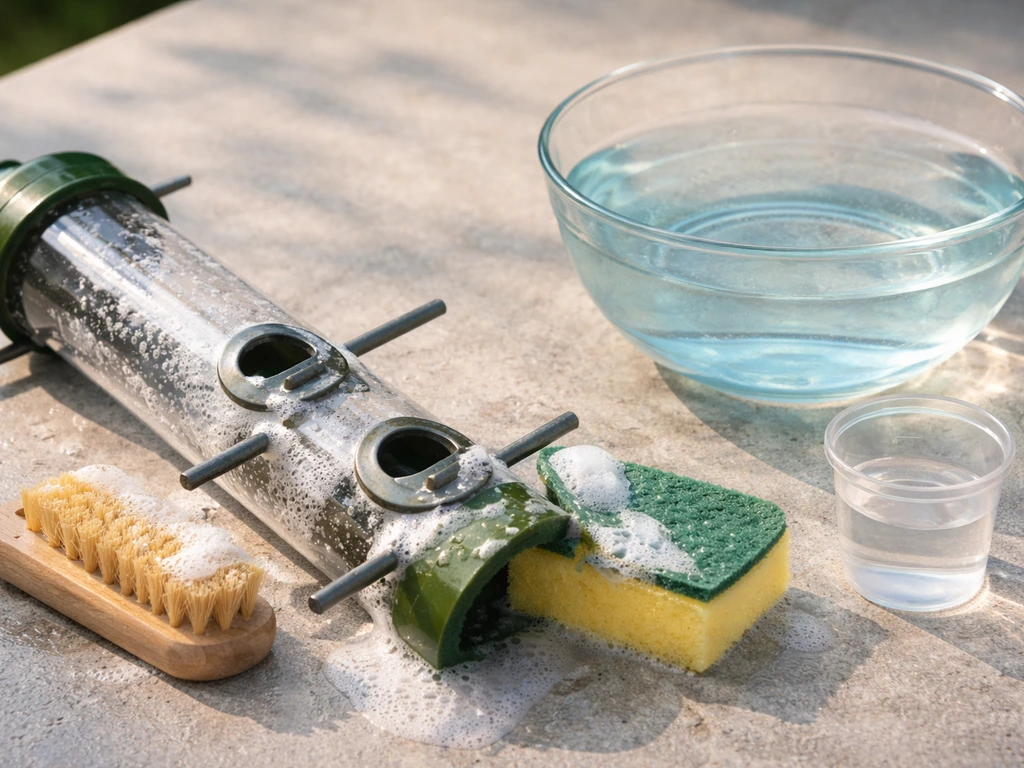
Before you put any new seed in, clean the feeder. The Cornell Lab of Ornithology (All About Birds) and Clemson Extension both recommend a 10% bleach solution: 1 part bleach to 9 parts water. Disassemble the feeder as much as possible, scrub away any old seed, debris, and feces with a stiff brush, then soak all surfaces in the bleach solution for a full 10 minutes. Rinse thoroughly with clean water, and let the feeder air dry completely before refilling. A wet feeder is the fastest way to restart a mold problem. Clean feeders every two weeks during normal conditions and weekly during warm, humid weather.
Preventing this from happening again
Storage containers and moisture control
The single most effective change you can make is switching to an airtight container. Heavy-duty plastic bins or glass containers with tight-fitting lids prevent both insects from entering and moisture from building up. UF/IFAS specifically calls out bird seed as a commonly overlooked infestation site and recommends keeping it sealed. A garage or shed that gets warm and humid in summer is not an ideal spot; a cool, dry location is much better. Never store bird seed directly on a concrete floor, which wicks moisture into bags.
Buying and rotating stock
Buy smaller quantities more frequently rather than stockpiling. A 50-pound bag sitting in a garage for four months is an invitation for infestation and moisture problems. Try to use through a bag within 4 to 6 weeks, especially in warm months. Always check the bag for damage before buying; a hole or torn corner in a store bag is enough for pests to enter or humidity to affect the seed.
Best practices by seed type
Not all seeds carry equal risk. Sunflower seeds (black oil and striped) have a harder shell that offers some protection, but they still need dry storage. Millet and milo are fine-grained and clump quickly when damp, so inspect these more carefully. Nyjer (thisnis) seed is tiny, goes rancid and moldy faster than most, and should ideally be replaced every 3 to 4 weeks and stored in a cool place. Mixed seed blends that include dried fruit or peanut pieces are highest risk for mold and should be used within 2 to 3 weeks of opening. Whole peanuts or peanut pieces in the shell or out should be treated almost like a perishable, especially in summer.
Feeder hygiene as ongoing prevention
A dirty feeder accelerates every problem described in this article. Old hulls and wet clumps left in the feeder tray create a perfect environment for mold and attract new insect activity. Clean feeders every two weeks as a baseline, and after any rain event that allowed water into the seed chamber. Use feeders with drainage holes if possible, and shake or dump out any damp seed after wet weather rather than leaving it to clump. If you notice webbing inside the feeder itself, that means the infestation has moved from the stored bag into the feeder, and you need to clean the feeder before refilling even if the new seed is clean.
Understanding why bugs appear in bird seed in the first place, whether it is Indian meal moths laying eggs before the bag ever reached you, or moisture creeping into a stored container, makes it a lot easier to deal with calmly. The practical bottom line: bugs alone are not a disaster, but mold and dampness are. Inspect every batch, keep everything dry, clean your feeder regularly, and you will avoid most of the problems described here.
FAQ
Can I sample a few bites to see if the bugs make bird seed safe for humans?
Taste is not a reliable safety test. Even if the seed looks fine, you cannot detect mycotoxins with smell or by cooking later. If the batch was damp, clumped, or musty, discard it rather than “trying a little.”
If I freeze or heat the seed, does that make moldy or damp bird seed safe to eat?
Freezing or oven-heating only addresses live insects, larvae, and many eggs. It does not reverse mycotoxins formed when seed gets damp, so do the treatments only when the seed is dry and odorless (or near-odorless) with no musty smell.
What should I do if I am not sure whether my bird seed is truly dry?
If you suspect moisture but cannot confirm, treat it as unsafe. The practical check is clumps that hold together, any musty or sour odor, and visible webbing or frass mixed with dampness. When in doubt, discard the whole batch.
Why does “only checking the top of the bag” lead to mistakes?
Don’t rely on “no insects seen” at the top of the bag. Eggs can be present without obvious activity, and moisture can affect seed unevenly. Break the bag seal, inspect throughout, then use a thin spread on a tray to check texture and odor.
If I am allergic, how should I handle buggy bird seed safely?
Gloves are mainly for reducing skin contact with insect debris and larvae hairs. For anyone with allergies, also avoid creating dust when pouring or shaking, and wear eye protection if you tend to splash particles. Handwashing afterward is still necessary.
My dog ate some bird seed, how do I know if it is an emergency?
For pets, the key distinction is mold risk. Clean, dry seed is usually a minor issue in small amounts, but if the seed was damp, musty, or moldy, keep your dog away and contact your veterinarian if a significant amount was eaten or if vomiting or lethargy appears.
My bird seed has webbing and clumps, can I still rescue it?
Heavily webbed or clumped seed is a strong sign moisture and infestation progressed in the same batch. In that case, you should prioritize discarding rather than rescuing, because clumping often correlates with the condition that enables fungal toxins.
After insect-killing treatment, how should I store the seed and what prep should I do before refilling?
If you treat a dry, buggy batch with freezing or heating, sift out dead insects and webbing before refilling, then store the remaining seed in an airtight container. Do not store it in the original bag, since the bag can reintroduce moisture and moths.
Will Indian meal moths spread from my bird seed into my kitchen pantry?
Yes, certain foods can attract infestations even if you do not see insects yet. Clean up any spilled seed near pantry shelves, and store flours, pasta, nuts, and dried fruit in sealed containers to reduce moth movement from seed into household dry goods.
The feeder seems clean, but I found webbing inside it. Does that change what I should do?
When you treat the seed for insects, you still need to verify the feeder is dry and clean before refilling. If webbing appears inside the feeder after a bag issue, clean and disinfect the feeder fully, because that indicates the infestation moved into the feeder system.
Where is the safest place to store bird seed if I live in a humid climate?
Use a cool, dry indoor storage spot and keep seed off concrete. Warm, humid garages and sheds can let the lifecycle speed up and also increase moisture absorption through bags or containers, even when the bag is intact.
Can I wait days after thawing before using treated bird seed?
If the seed is dry but infested, you can freeze or heat it as described, then use promptly after thawing to avoid re-infestation. If the seed ever smells musty or looks damp at any point, do not proceed with reuse.
Are there any common mistakes when using a bleach solution to clean a feeder?
Bleach solution can damage some feeder materials or leave residue if not rinsed and fully dried. Disassemble the feeder, soak the parts for the full recommended time, rinse thoroughly, and air-dry completely before refilling to prevent restarting any mold growth.