If you've opened a bag of bird seed and found it crawling with insects, the first thing to do is not panic. If you want to prevent it from happening again, the next step is to identify which type of pest is involved and why the conditions in your storage or bag let them survive found it crawling with insects. Most common bird seed bugs are a storage pest problem, not a sign the seed is automatically ruined. The USDA APHIS Hungry Pests guidance notes that stored-product pests can hitchhike through packaging and commodities, so be careful when moving agricultural products that may carry pests into new locations blank" rel="noopener noreferrer">stored-product pests can hitchhike through packaging or commodities. Whether you can still use it depends on two things: what kind of bugs you're dealing with and whether the seed shows signs of spoilage like mold, clumping, or a sour smell. This guide walks you through identifying what you're seeing, cleaning up safely, and making a clear call on whether to feed it, trash it, or salvage part of the batch.
Bird Seed Infested With Bugs: Identify, Clean Up, and Prevent

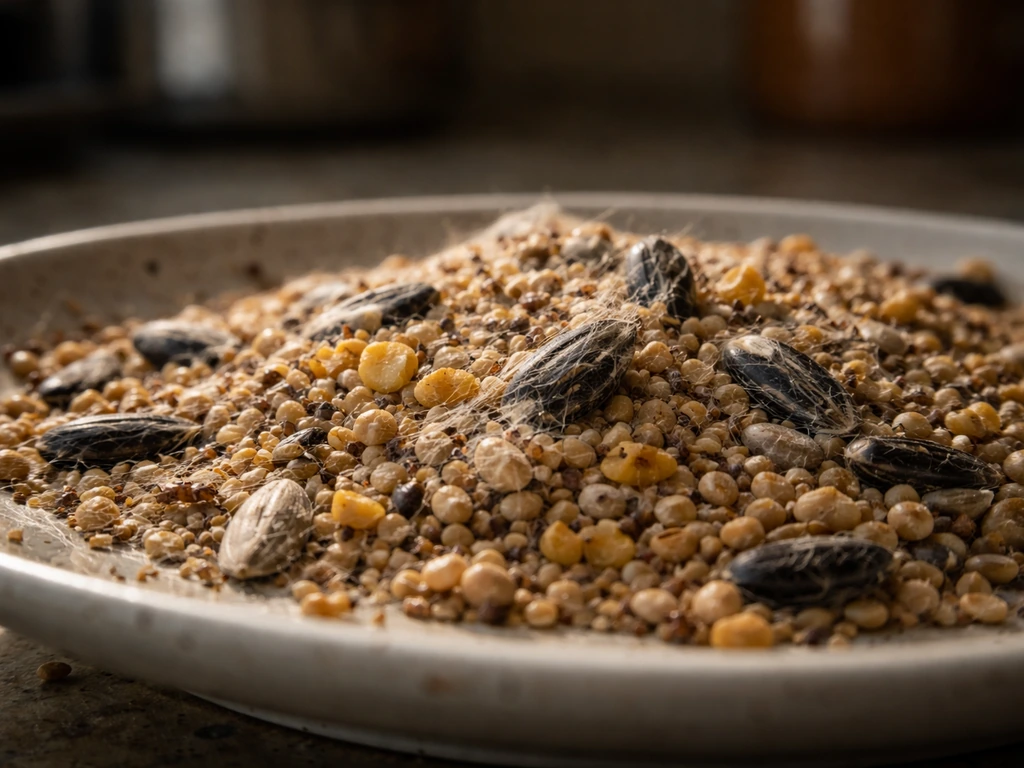
How to Confirm What's Living in Your Seed
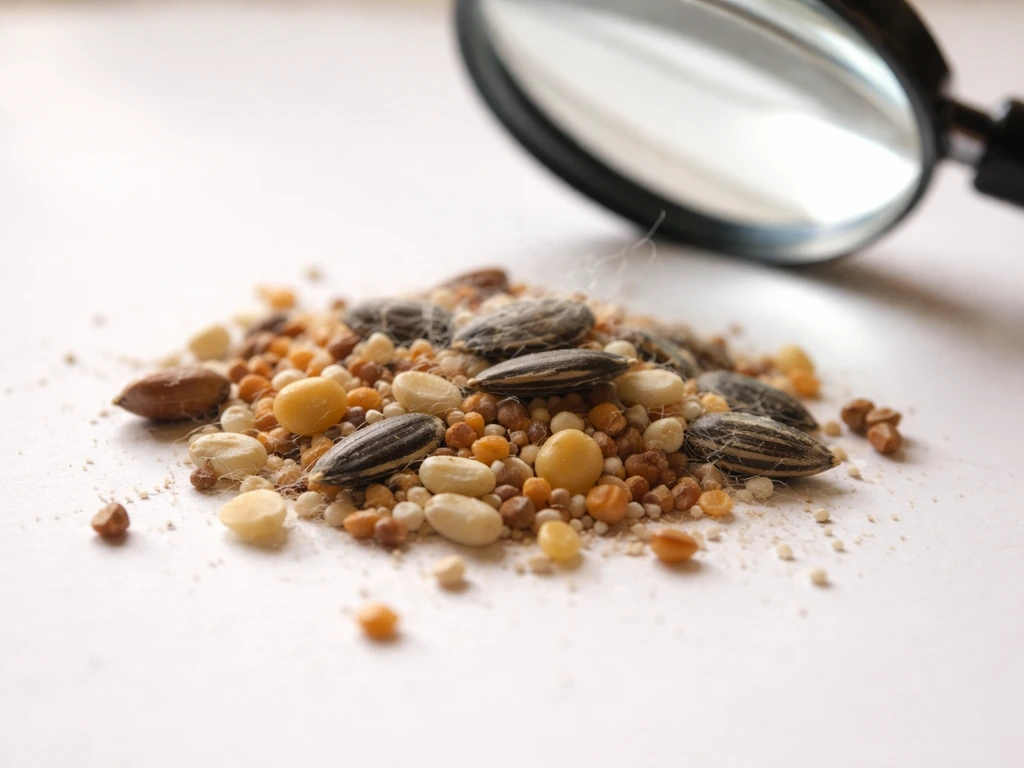
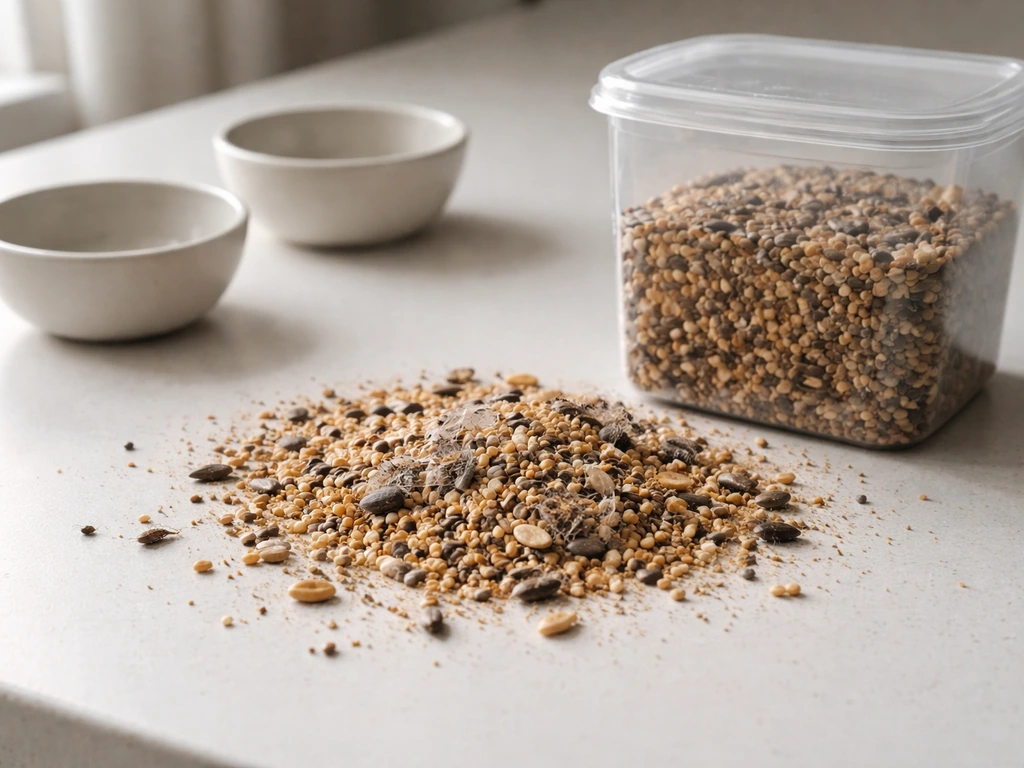
Before you do anything else, get a good look at what you're actually dealing with. Pour a small amount of seed onto a white plate or piece of paper in good light. You're looking for movement, size, shape, and whether the insects are in the seed or on it. This matters because stored grain pests fall into two groups: internal feeders (like weevils, which live and develop inside individual kernels) and external feeders (like grain beetles and moth larvae, which feed on the seed surface or cluster on top). Internal feeders are harder to spot and harder to eliminate because larvae are hidden inside the kernel.
Check for webbing or silk threads woven through the seed. That's a strong sign of Indian meal moths or another stored-product moth, whose larvae spin silk as they feed. Look at the seed itself: does it look chewed, hollow, or stuck together? Hollow or punctured seeds point to weevils. Clumped seeds with a musty smell suggest moisture has gotten in, which both attracts pests and encourages mold. Finally, note whether bugs are only in the bag or also inside your feeder. Spread matters a lot for your cleanup plan.
Common Bug Types and Where They Come From
A handful of insects account for the vast majority of bird seed infestations. Knowing which one you're dealing with tells you how bad the situation is and how quickly it can spread.
| Bug Type | What to Look For | Where They Come From | How Fast They Spread |
|---|---|---|---|
| Seed/grain weevils | Tiny reddish-brown beetles, often found inside hollowed seeds | Usually already in the seed at purchase or storage facility | Moderate; larvae develop inside kernels over weeks |
| Indian meal moth larvae | Small cream-colored caterpillars, silk webbing in seed | Eggs laid in seed before or after purchase; attracted to warm storage | Fast; adults fly and infest new containers quickly |
| Saw-toothed grain beetle | Flat, brown, fast-moving beetles about 2-3mm long | Comes in with the seed bag; thrives in warm, humid storage | Fast; full life cycle in roughly 3-4 months under ideal conditions |
| Ants | Black or reddish clusters, usually around feeder base or spilled seed | Attracted from outside by accessible seed | Depends on proximity of colony; can be rapid |
| Flour/grain mites | Barely visible white or gray dust that moves | Moisture in storage triggers rapid population growth | Very fast once humidity is present |
Most of these pests arrive either already present in the seed when you buy it (weevils frequently come in at the warehouse or processing stage) or they find the seed in your storage area. Warm temperatures, high humidity, and open or thin plastic bags are the perfect conditions for any of them to explode in population. If your storage space is a garage, shed, or basement that gets humid in warm months, that's almost always the root cause.
Immediate Cleanup Steps to Protect Birds and Pets
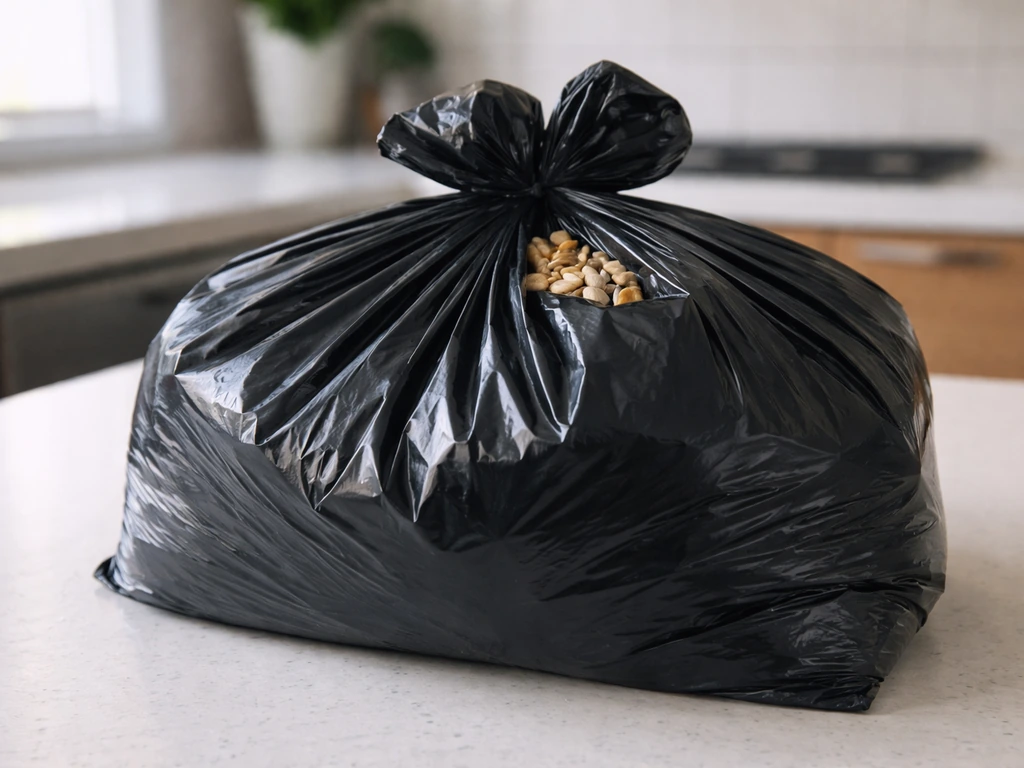
Move quickly here. Delay gives any live adults a chance to fly to other containers, lay eggs, and expand the infestation into pantry items if your storage is near your kitchen. Here's what to do right now:
- Seal the infested bag or container in a heavy-duty trash bag immediately. Do not leave it open on a shelf or in the garage while you figure out next steps.
- Remove the bag from the house or storage area entirely. Place it in an outdoor trash bin with a lid.
- Empty your feeder completely. Shake out all seed, including from crevices and perch holes.
- Wash the feeder with hot water and a 10% bleach solution (1 part bleach to 9 parts water), scrubbing all surfaces. Rinse thoroughly and let it air-dry completely before refilling. A damp feeder is an invitation for mold and re-infestation.
- Wipe down the storage shelf, bin, or container with the same bleach solution. Check nearby bags or boxes of seed or grain for signs of pests before returning them.
- If you use a seed tray or catch tray under your feeder, empty and wash it the same way. Spilled seed on the ground should be raked up and removed.
- If pets (dogs, cats) have access to the storage area or feeder area, block that access during cleanup to prevent them from eating contaminated seed or inhaling dust.
How to Stop the Infestation from Coming Back
Storage is where most infestations start
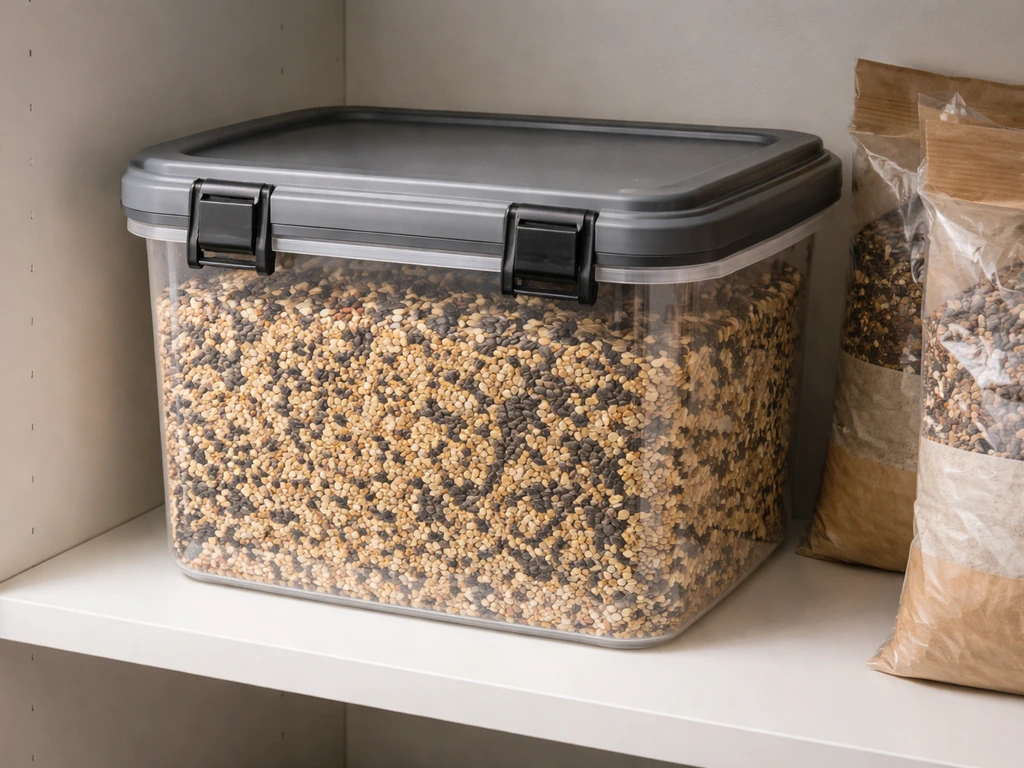
The single most effective thing you can do is move seed into a hard-sided, airtight container immediately after purchase. Metal trash cans with locking lids work extremely well and are resistant to both pests and rodents. Heavy-duty plastic bins with gasket seals are a good second option. The original paper or thin plastic bag the seed comes in is not adequate for long-term storage because insects can chew through it and moisture gets in. Store seed in a cool, dry place, ideally below 70°F (21°C). The cooler and drier the environment, the more you slow pest reproduction.
Feeder hygiene
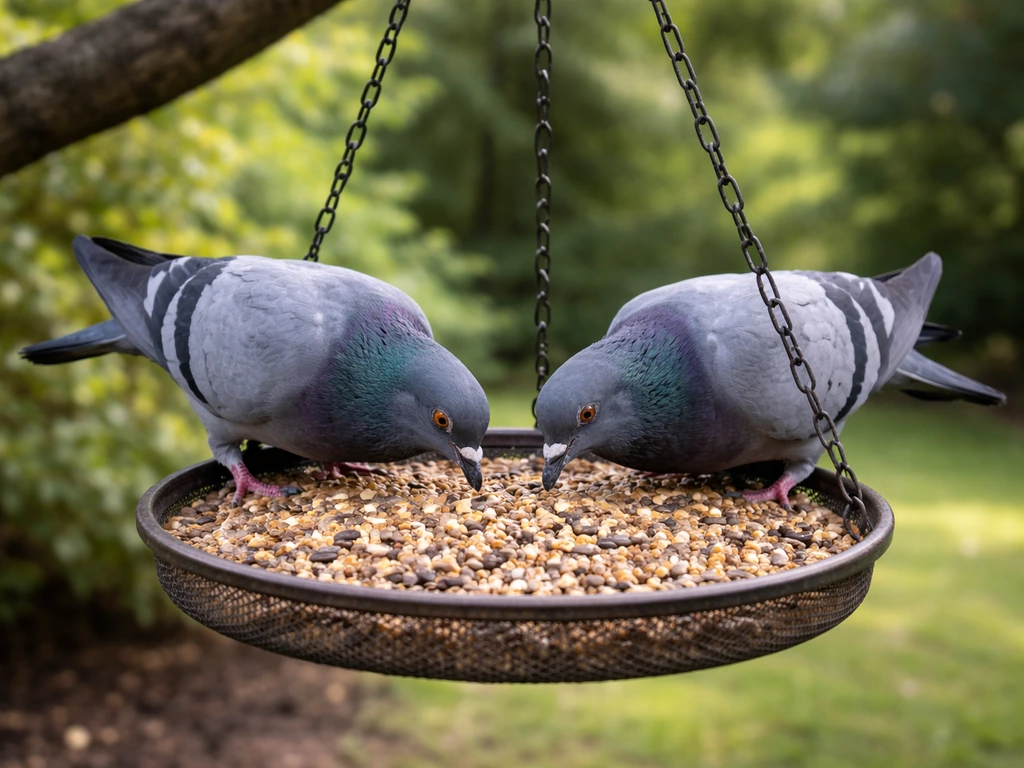
A dirty feeder is a breeding ground. Aim to clean your feeder at least once every two weeks, and more often in hot, humid weather. After washing and rinsing, always let it dry fully before adding new seed. Even a small amount of residual moisture can cause the seed to clump and create the exact conditions mold and insects need. Tube feeders are notorious for retaining moisture at the bottom, so check for clumping there regularly. If you're using a ground or platform feeder, reduce the amount of seed you put out so it's consumed quickly and doesn't sit.
Choosing better seed
Buy seed from high-turnover stores where stock doesn't sit in a warehouse for months. Check the bag before you buy: it should feel dry, not sticky or clumped, and shouldn't have any visible webbing inside. Smaller bags mean fresher seed and less time for pests to develop. Mixes with a lot of milo, millet, or cracked corn tend to attract more pests than hulled sunflower chips or straight nyjer (thistle) seed, partly because whole kernels with intact hulls give weevils more to work with.
Can You Still Use Infested Seed, or Should You Toss It?
This is the key decision, and the answer depends on what you find when you inspect the seed carefully. Here's how to think through it:
- Light bug presence, no mold, no bad smell, seed looks intact: You can often continue using the seed for outdoor birds. Many birds will actually eat the insects along with the seed. Spread only what birds will consume in a day or two and monitor closely.
- Heavy infestation with webbing, larvae, or large numbers of live insects: The seed quality has likely deteriorated significantly. Discard it. The cost of replacement is much lower than the risk of spreading the infestation.
- Moldy, clumped, or foul-smelling seed regardless of bugs: Discard it without question. Mold in bird seed can produce mycotoxins (aflatoxins in particular) that are harmful or fatal to birds, and moldy seed is the bigger threat here, not the insects themselves.
- Seed that is dry and smells normal but has dead insects: Still usable outdoors, though many people choose to discard it for peace of mind. At minimum, sift out visible debris before filling the feeder.
If you're on the fence, the simplest rule is: if the seed smells off or looks damaged, trash it. If it smells normal and the bugs are limited, it's likely safe for backyard birds. Never bring heavily infested seed indoors to sort through it, and never put it in a compost pile near your home, as that can attract rodents.
Health Risks: What Infested Seed Can Do to Birds, Pets, and You
For wild birds
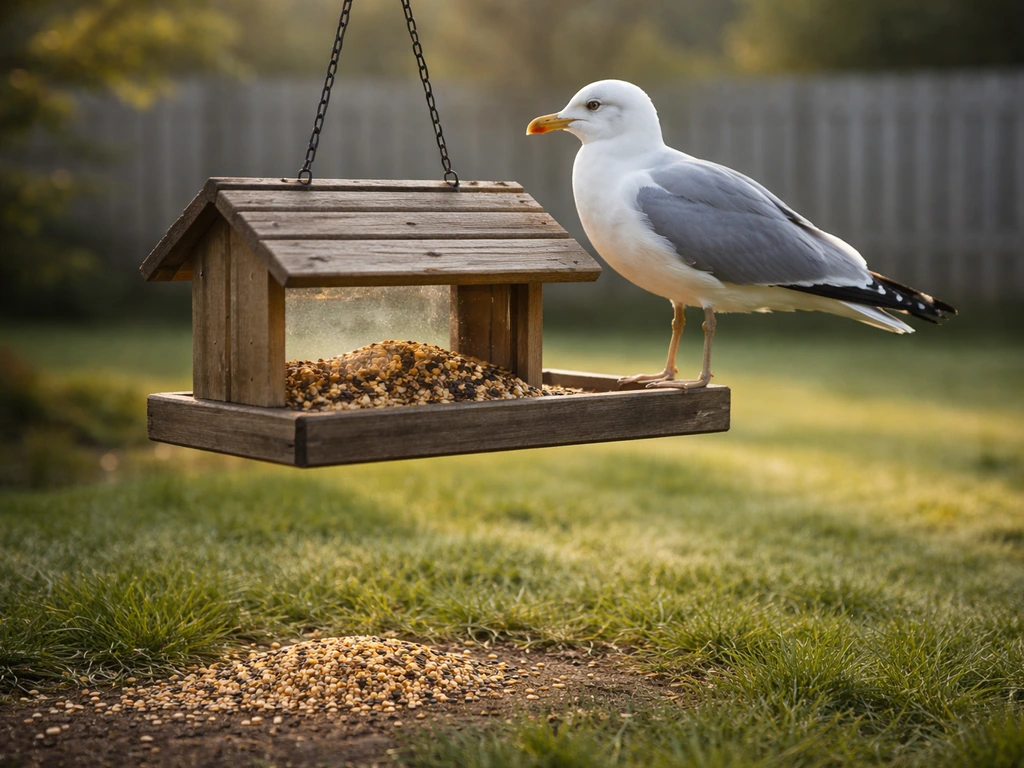
Insects themselves are not a direct threat to most wild birds. In fact, many species actively seek out insects as protein. What will harm birds is moldy seed. Aflatoxins produced by Aspergillus mold are particularly dangerous and can cause liver damage and death in birds. Birds will often abandon a feeder that has bad seed, which is actually a useful early warning signal. If your usual visitors suddenly stop coming, check the seed immediately. A heavily infested feeder with wet, clumped, or contaminated seed is something birds learn to avoid.
For dogs and cats
Pets that get into infested bird seed face a few risks. Eating seed contaminated with mold or mycotoxins can cause vomiting, diarrhea, or neurological symptoms in dogs and cats. Even without mold, a dog that eats a large quantity of insect-ridden seed may experience digestive upset. The insects themselves are rarely toxic, but the secondary contamination (mold, bacteria, insect frass) can cause problems. Keep storage containers secured and feeders positioned where pets can't easily access fallen seed. If your pet eats a significant amount of questionable seed and shows symptoms, contact your vet.
For humans handling infested seed
Handling infested seed isn't dangerous for most people if basic hygiene is followed, but there are some things to watch for. Some people develop skin irritation or mild allergic reactions from contact with grain mites or insect frass. Inhaling dust from heavily infested seed can trigger respiratory irritation, especially in people with asthma or mold allergies. When handling or cleaning up infested seed, wear gloves and consider a dust mask if the seed is visibly dusty or moldy. Wash your hands thoroughly afterward. Don't handle infested seed near your kitchen or any food storage areas.
A Simple Prevention Routine to Keep Bugs Out Long-Term
Prevention really comes down to consistent habits. Here's a routine that works without being complicated:
- Buy small quantities of seed every 2-4 weeks rather than stocking up. Fresh seed is the best defense against stored grain pests.
- Transfer seed to an airtight, hard-sided container immediately after purchase. Label it with the purchase date.
- Inspect seed every time you refill the feeder. Takes 10 seconds: look, smell, feel. If something seems off, investigate before adding it to the feeder.
- Clean feeders every two weeks with hot water and a diluted bleach solution. Always dry completely before refilling.
- Remove spilled seed from the ground under feeders at least once a week. Fallen seed is a pest magnet and also attracts rodents.
- During hot, humid months (typically June through September in most of the US), consider reducing seed quantity or temporarily switching to sealed suet cakes, which are far less susceptible to insect infestation.
- Check your storage area for signs of moisture, especially after rain or in summer. Use a small dehumidifier in enclosed storage spaces if humidity is an ongoing problem.
- Inspect any new bag of seed at the store before buying: feel for clumping through the bag and look for any webbing or movement visible through the packaging.
If moths are a recurring issue specifically, that's worth understanding in more detail since Indian meal moths behave differently from beetles and weevils and require a slightly different approach to control. Similarly, if you're unsure whether what you're seeing in your seed is actually bugs or just debris, getting clearer on what the insects look like at different life stages can help you respond proportionately rather than throwing out good seed unnecessarily. The important thing is that you caught it, and a clean feeder with fresh, properly stored seed is all it takes to get back on track.
FAQ
Can birds still eat bird seed infested with bugs if it smells okay?
Yes, you should treat heavily infested seed as unsafe to feed, even if birds seem otherwise healthy. A practical rule is to discard any bag that shows wet clumping, visible mold, or a musty or sour odor, because mold risk (including mycotoxins) matters more than the insects themselves.
Is it safe to salvage part of a batch if only some kernels look affected?
If you only see a few insects and the rest of the seed is dry and normal, you can salvage by removing the bugs and then storing the remaining seed in an airtight container. Avoid trying to “sort” by hand indoors, especially if there is dust, webbing, or silk, because that can spread pests and expose you to mold or grain mite debris.
Will freezing or heating bird seed kill the bugs so I can keep it?
Don’t freeze, bake, or microwave seed as a first response. Pest control from heat treatments is unpredictable for mixed seed and can also damage seed quality, while eggs or internal feeders may survive uneven heating. The safer approach is discard moldy or damaged seed, then replace and correct storage conditions with airtight, cool, dry containment.
If I don’t see larvae, could my seed still be infested?
Yes, insect eggs can already be present even when you do not see adults. That is why switching from an open or thin bag to a hard-sided airtight container right away is critical, otherwise adults can fly out, lay eggs, and quickly repopulate nearby stored food and feeders.
How does location of the bugs (in-seed vs on-seed vs bag corners) change what to do?
If the bugs are mostly on top of the seed or clustered near the bag opening, it often points to external feeders (and in some cases moth larvae and silk). If seeds look punctured, hollow, or you suspect internal feeding, the infestation is usually harder to fix, and discarding is the more reliable option than trying to clean.
Why might my plate test show few insects even though the seed is still a problem?
A flat, white plate test is good for quick triage, but it can miss internal feeders that stay hidden inside kernels. If you see little movement yet suspect weevils, check by spreading seed, then look for punctured shells, hollow kernels, or a slight dust-like residue, and inspect again after a few hours.
What’s the safest cleaning routine for feeders after an infestation?
For cleaning, remove leftover seed first, then wash the feeder parts with warm soapy water, rinse well, and let everything dry completely before refilling. Tube feeders need extra attention at the bottom where moisture collects. Wiping alone is not enough when clumping or webbing was present.
How do I prevent reinfestation after cleaning the feeder?
Yes. Reinfestation can happen when a nearby seed source keeps pests alive, even if you cleaned the feeder. Check the seed container seals, the bag storage spot, spilled seed around the feeder area, and any other bird food in the same room.
Is it dangerous to handle the infested seed during cleanup?
Be careful with cleanup if you see webbing, silk threads, or dusty clumps, because you may be handling grain mite frass, mold spores, or moth larval debris. Gloves help for skin protection, and a dust mask can reduce respiratory irritation, especially if you have asthma or mold allergies.
What risks does bug-infested seed pose to dogs and cats?
Pets can be affected mainly through secondary contamination. If you suspect mold or mycotoxins (wet clumps, musty smell, or visible mold), keep pets away from fallen seed and discarded material. If a pet eats a significant amount and shows vomiting, diarrhea, or neurological signs, contact your veterinarian promptly.
Should I take it personally if birds stop coming to the feeder after I notice bugs?
If birds suddenly stop visiting, check the feeder immediately because it can be a useful early warning. Also remove old seed, inspect for wet clumping or moldy odor, and do not refill until you clean and dry the feeder thoroughly.
How can I tell whether I’m seeing bugs or just seed debris?
If there is only debris with no movement and no webbing or silk, it may not be a true infestation. Movement, consistent pest shapes across kernels, and silk threads are stronger indicators than random bits. When in doubt, use the smell check, dryness check, and store a small amount in an airtight container to see if activity resumes.
Is composting infested bird seed okay?
Yes, but only if the discarded seed is fully removed from the household area. Do not compost near the home or leave it outdoors where rodents can access it. A better step is double-bagging and trashing to prevent attracting pests to your yard and storage area.