Introduction
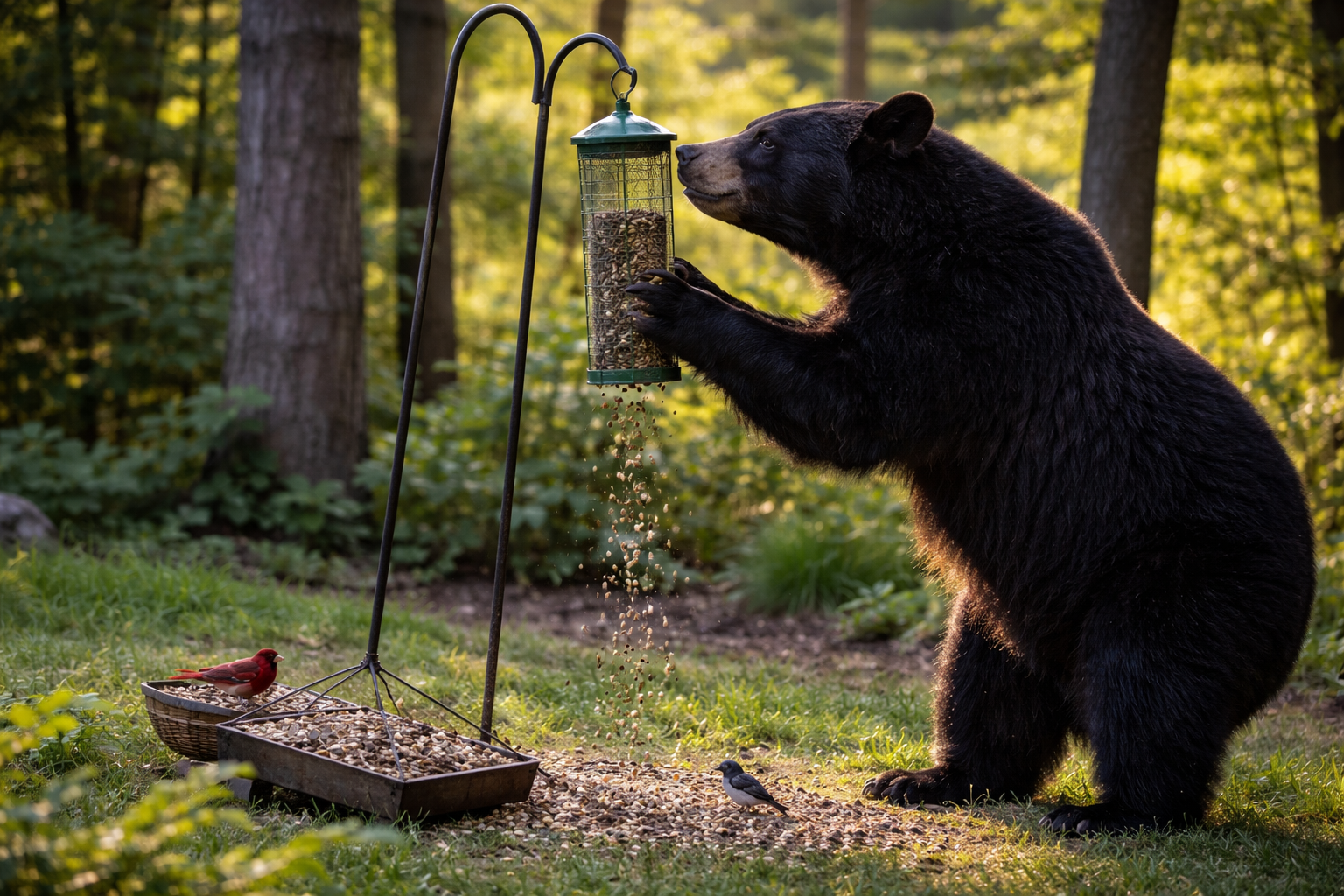
Backyard bird feeding can be a joyful pastime for gardens and urban spaces, offering seasonal color, music, and observation opportunities. At the same time, it introduces the chance of attracting rats or other pests if attractants are present. This guide provides an evidence-informed framework to assess risk, make practical changes, and consider safer alternatives. It emphasizes a balanced approach that respects bird welfare and homeowner hygiene without demonizing wildlife or pests. Readers will find concrete steps, checklists, and a decision path that can be tailored to property layout, climate, and local wildlife.
Quick executive answer
There is a connection between bird seed and rat attraction when seed becomes accessible or spills go unmanaged. The risk is not inevitable and can be substantially reduced with deliberate feeder choices, thoughtful placement, disciplined maintenance, and selective use of alternatives. If you see active rodent problems or repeated spills that persist after improvements, pause or redesign feeding; otherwise, adopt a risk-reduction plan and monitor results. This approach aligns with guidance from leading extension services, which emphasize access control, cleanliness, and storage as central to reducing attractants while keeping birds at the feeder.
The science in plain terms
Rats locate food by following scent trails and using learned routes that lead to sources of calories. They are opportunistic and can exploit small shortcuts, seed spilled on the ground, seed shells, or unsecured compartments, and will also use shelter and nearby water as part of their home range. Bird feeding sites that provide easy access, consistent spills, and proximity to buildings or dense vegetation tend to create higher attractant loads. Cleanliness and accessibility matter as much as the seed type itself. Extension guidance shows that the presence of seed waste and easy entry points can elevate risk even when the overall amount of seed being offered is modest.
What really attracts rats to feeders
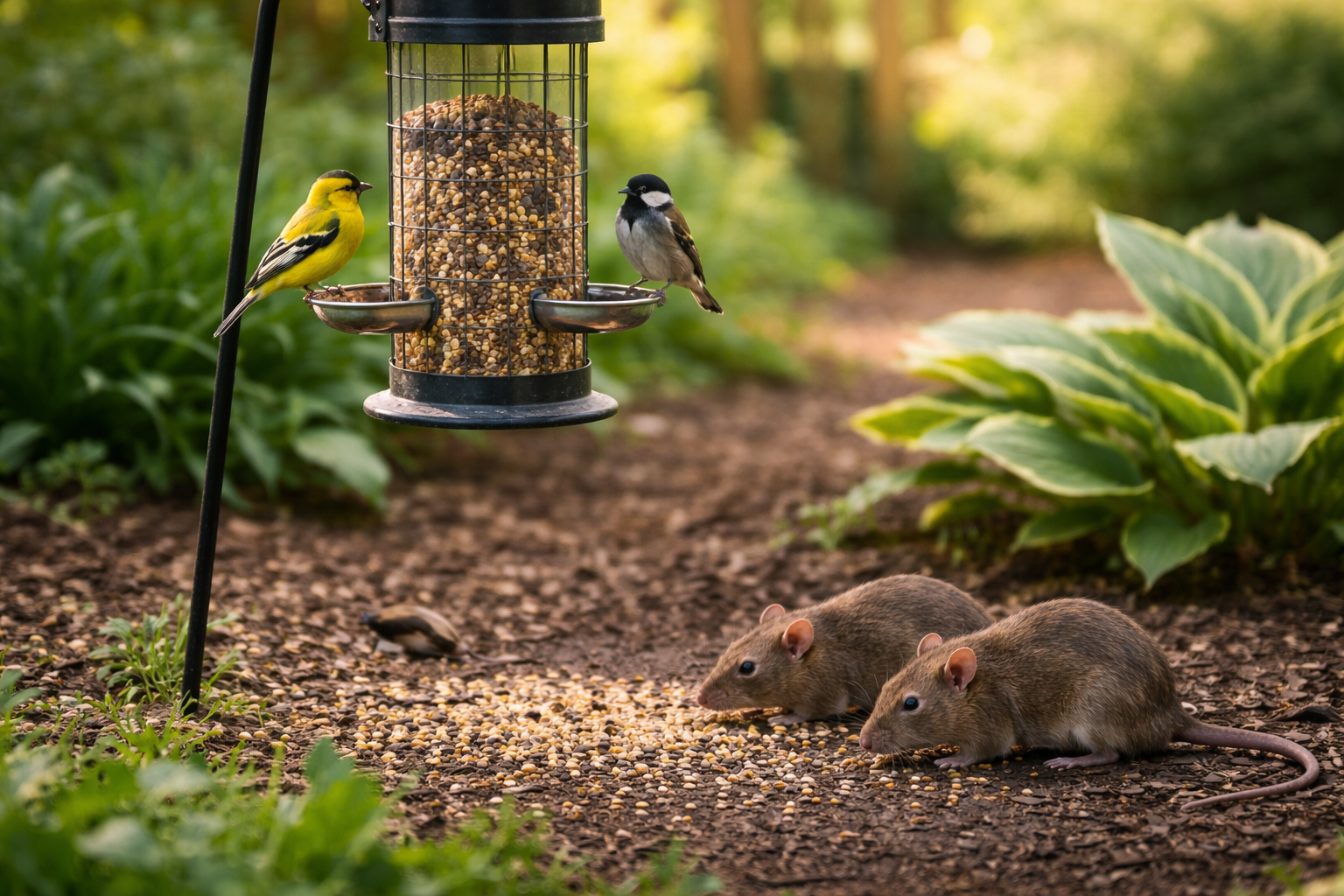
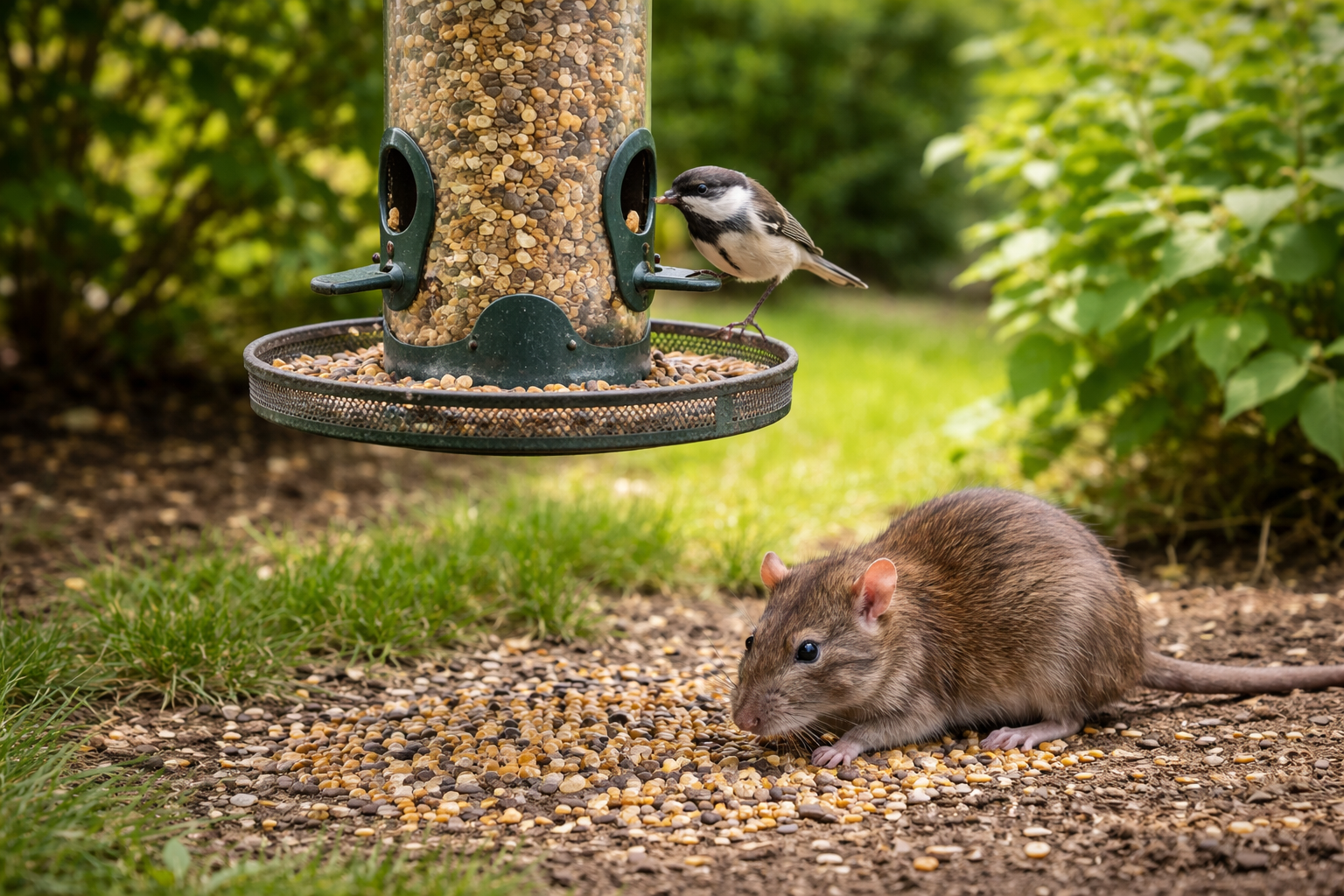
Access is the primary driver. Feeders that allow easy entry or overflow, spilled seed on the ground, and incomplete cleaning create a breadcrumb trail that rats follow. Waste in seed trays, shells and husks, and scattered scraps near the feeding zone increase the food payoff. Shelter also matters; feeders placed near vegetation, fences, or structures offer reliable harborage. Water sources near feeding stations can further entice rodents into the area. Finally, proximity to the house or other buildings reduces the footprint rats must cover, amplifying risk if an infestation exists.
Seed types, waste patterns, and impact on risk
Home feeders typically use a mix of seeds such as hulled sunflower, mixed seeds, millet, and millet-based blends. Seed waste patterns depend on seed size, shelling tendency, and feeding behavior of birds. Shells and husks can accumulate under and around feeders, creating ongoing food opportunities for opportunistic rodents. Not all seed types are equally attractive in every setting, but in general, any seed that spills and remains accessible increases risk. The most protective practice is to minimize waste and to choose feeder designs that separate birds from spilled seed as quickly as possible, while maintaining attractive options for the intended birds.
Practical prevention toolkit
Feeder design options
Not all feeders offer the same level of access control. Enclosed hopper feeders and gravity-fed designs reduce spill and limit ground access compared with open platforms. Tube feeders with tight seed access and perching that discourages gnaw-friendly points can lower risk. In contrast, open tables, platforms with exposed seed, and feeders without secure seals tend to produce more waste. The key is to choose designs that discourage ground-level scatter and make it harder for rodents to reach seed while remaining inviting to birds.
Placement and surroundings
Place feeders away from building walls and dense vegetation where rodents are likely to harbor. Position feeders on stable, open ground and consider mounting them on a stand or pole that places the feeding zone well away from potential harborage. Ensure there is a clean gap between feeding areas and any garden debris, compost piles, or birdseed storage areas to reduce harborages and spill accumulations.
Maintenance and break-in routines
Establish a routine that includes daily quick checks for spills and bird waste, a weekly deep-clean of feeders, and a monthly inspection for wear or damage that could create access points. Clear any spilled seed promptly and sweep the area beneath feeders. Regularly inspect and repair or replace damaged feeder components to maintain rodent-resistance features. A simple rule of thumb is to remove or reduce what rodents could use as cover or a food-source after every feeding session.
Seed storage and sanitation
Store seed in sealed, rodent-resistant containers in a cool, dry location. Use containers with tight-fitting lids and sturdy construction, and keep them off the ground and away from feeder storage. Clean and sanitize feeding areas periodically to remove odors and residues that attract rodents. Maintain a routine that treats seed storage as part of the feeding system, not as a separate chore.
Quick-start prevention table
| Item | What to check | Frequency | Status | Notes | Pass/Fail | Store notes |
|---|
Comparison of feeder options
| Option | Pros for risk reduction | Cons | Best use scenario | How to verify |
|---|---|---|---|---|
| Enclosed hopper feeder | Reduces access and spills, easy cleaning | Might be less appealing to some bird species | Year-round use in pest-prone areas | Ensure seals are intact and feed is not exposed |
| Gravity-fed/covered trays | Minimizes ground spills, keeps seed off the ground | Requires sturdy mounting, can still leak if damaged | High-traffic gardens with moderate pest pressure | Check for seed buildup at the base |
| Open platform or tube with gaps | Easy to feed and clean for some birds | Highest risk for ground spill and ground access | Regions with low rodent pressure | Add ground barriers and frequent cleaning |
| Suet or non-seed options | Not seed-based, reduces seed attractants | Seasonal, may not fit all bird diets | During high rodent pressure or in extreme seasons | Confirm suet blocks are stored properly |
The reasoning behind the options
Not all feeders are equally risky. Enclosed options limit access and reduce waste, while open designs can welcome spills unless managed aggressively. The best approach is to blend feeder choice with placement and sanitation that together reduce attractants, rather than relying on a single solution. If rodent pressure is high in a given yard, non-seed options and tighter schedules may offer a practical compromise while still supporting bird activity.
Seasonal and regional considerations
Winter feeding often concentrates birds and can increase the attractiveness of feeding sites if seeds persist in cold conditions. In warmer months, insectivores and seed-eaters may behave differently, and rainfall can influence seed spoilage and odor. Regional variation in rodent populations, housing density, and landscaping means homeowners should tailor practices to local conditions and adapt using a monitoring-based approach rather than static rules.
Alternatives and compromises
Non-seed options such as suet blocks, mealworms, fruit, and nectar can provide bird support with different risk profiles. Timed feeding, where feeders are placed for a defined period and then removed for a portion of the day, can help limit constant attractants and give homeowners a routine to manage. For some yards, combining reduced-seed feeding with higher-quality non-seed foods offers a practical balance between enjoyment and pest management.
When to pause feeding
If there is an active rodent outbreak, evidence of infestation, or a significant increase in gnawing near the home, pause feeding and implement enhanced sanitation and maintenance until the issue is under control. In cases of persistent contamination or repeated seed-spill problems that do not respond to improvements in design and placement, reducing or stopping feeding for a period may be the most prudent option.
Decision path and quick guidance
- Start with a risk check: Are there signs of rodents in the area or recent rodent sightings near the yard and feeder? If yes, intensify prevention measures and consider pausing feeding until the risk is reduced. If no signs are apparent, proceed.
- Assess the feeder and storage setup: Is the feeder enclosed and difficult for rodents to access? Is seed stored in sealed containers off the ground? If both answers are yes, you are minimizing risk; otherwise implement changes.
- Review maintenance routines: Are spills cleaned promptly each day, and feeders cleaned on a regular schedule? If not, adopt a routine and monitor results.
- Consider alternatives: If rodent pressure remains high, trial non-seed options or timed feeding to reduce persistent attractants.
Seasonal and regional guidance at a glance
In temperate urban and suburban settings, practice flexibility. Winter is a time for heightened vigilance due to closer proximity of birds and potential seed accumulation, while summer may require more frequent ground-cleaning and water management to discourage harborages. Landscape choices that reduce shelter for rodents, such as clearing dense ground cover and managing compost, complement feeder-focused measures. Readers should treat this as an adaptive plan, adjusting to local rodent activity and climate patterns while keeping bird welfare central.
Final takeaways
Bird feeding can be enjoyed with minimal rodent risk when attractants are controlled through a combination of careful feeder design, strategic placement, disciplined sanitation, and thoughtful use of alternatives. The core message is practical risk reduction rather than elimination. Start with secure storage and access control, maintain cleanliness, and tailor the setup to your yard. Regular monitoring and willingness to adjust practices in response to rodent activity are the best guarantees of continuing to enjoy backyard birds without turning your space into a rodent-friendly environment.
When to revisit and adjust
As seasons change and the garden evolves, re-evaluate feeder types, storage strategies, and cleaning routines. Small, consistent improvements over time yield durable results and preserve bird-watching joy while protecting home health and pest control goals.