Lead
Backyard bird feeding can brighten a yard and support local wildlife, but in bear country it also intersects with public safety. In parts of North America where black bears roam and brown bear ranges exist, easy access to food can shape bear movements, visit frequency, and eventual habituation. This guide translates wildlife biology and field guidance into practical steps homeowners can take to enjoy bird watching while reducing conflicts with bears. The emphasis is safety first, with clear checks and routines homeowners can adopt seasonally and year-round.
Bear biology and behavior basics relevant to backyard feeding
Common bear species in North America
Black bears are the most widespread in the continent, while grizzly bears occupy more limited ranges in the West and Alaska. These species differ in size, foraging patterns, and habituation risk, but both respond to concentrated food sources. Understanding that bears are opportunistic omnivores helps explain why bird feeders can be attractive when other foods are scarce or when feeders are poorly managed.
Diet, foraging patterns, and food detection
Bears seek high-energy foods and will travel to reliable food sources. They use strongly scented foods and easy-to-access calories to fuel daily activity, reproduction, and fat reserves. Seasonal shifts in natural foods influence how aggressively they investigate anthropogenic attractants, with spring and summer commonly corresponding to heightened activity around human-provided calories. Bears detect food from a distance and exploit predictable feeders, especially when trails or cover edges connect feeding sites to cover and cover-to-yard transitions.
How bird seed and feeders can attract bears
Mechanisms at work
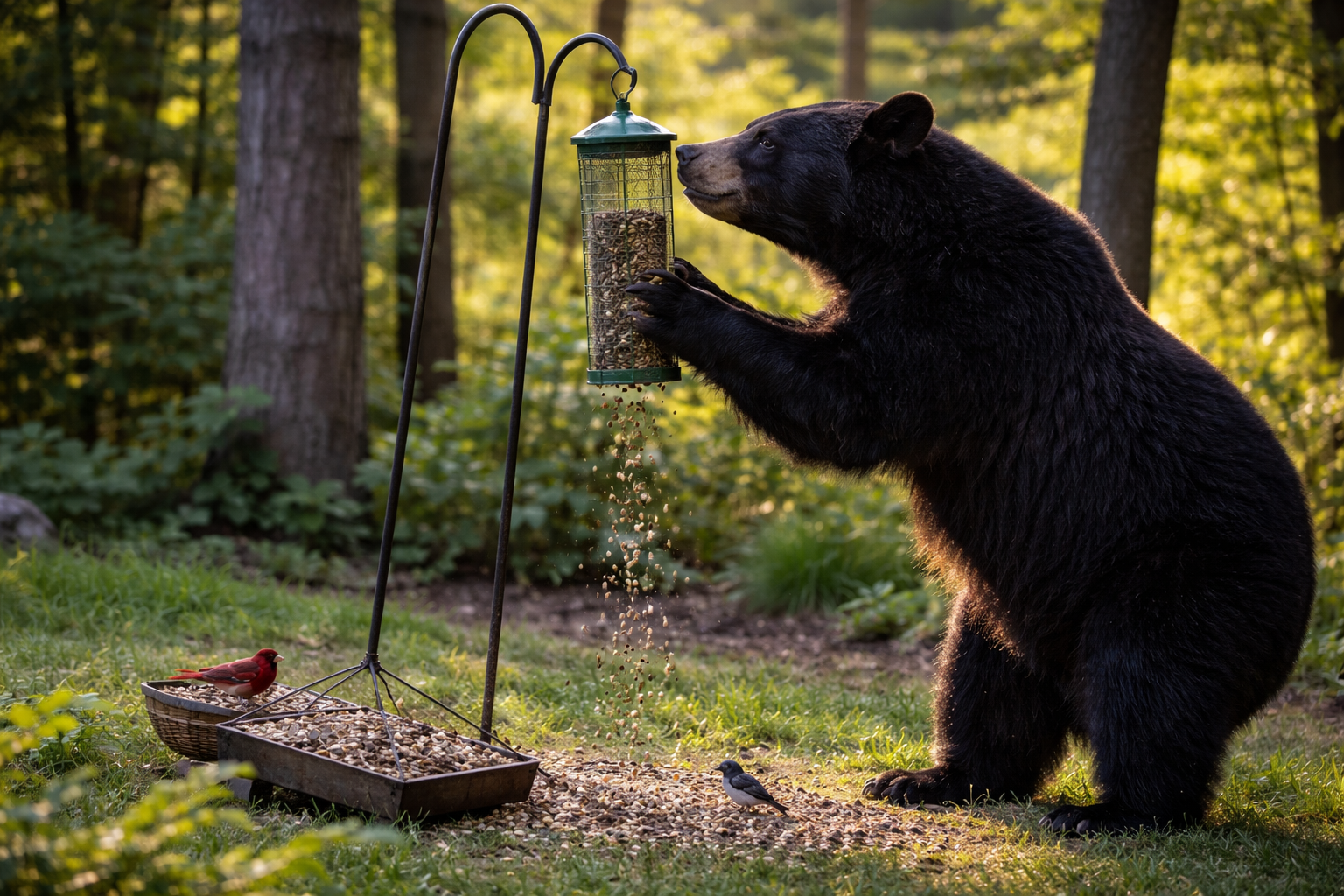
The attractiveness of bird feeders to bears hinges on calories, odors, accessibility, and the way seed spills accumulate. High-fat items deliver dense energy, odors travel from seed stores and feeders, and ease of access due to feeder design can shorten a bear’s path from discovery to consumption. Spills and leftover seed on the ground create an ongoing attractant, especially when feeders sit near edges of cover or at ground level. Cumulative attractants from multiple feeders and proximity to habitat edges can amplify risk.
Proximity to cover and access patterns
Feeders placed near hedges, trees, or other cover can act as an inviting corridor for bears seeking concealment while approaching a food source. Accessibility matters; bears will prefer feeders that are easy to reach or that have accessible feeding ports, especially if there is little distance from a bear’s typical travel routes. Effective management reduces both the likelihood that a bear finds a feeder and the amount of time a bear spends at a feeding site.
<!-- Mechanisms at work: quick-reference table to improve clarity -->
Seed-type by seed-type risk and handling considerations
Seed types and relative risk
- Sunflower seeds: High energy content makes them attractive, especially if spilled or left exposed. Shelled seeds often create scattered kernels that attract ground-foraging bears.
- Mixed seeds: Blends can include fillers with lower energy value but still attract bears if spilled or left on the ground; the complexity of blends may increase cleanup needs.
- Nyjer (thistle): Small, high-energy seeds that are valuable to small birds but can still attract bears if spilled or accessible; careful feeder design minimizes ground spill.
- Suet: Very high energy and strong odors; bears can be drawn to suet stations, particularly in cold months when natural foods are scarce.
- Peanuts: Fat-rich and appealing when nuts are accessible; whole or pieces can be attractive and potentially spill-prone if feeders aren’t bear-safe.
- Corn and oats: Lower fat content but still energy-dense; typically less attractive than seeds or suet but can contribute to an attractant when other foods are scarce.
- Seed blends: The overall risk depends on the blend composition and spill management; mixtures can complicate storage and cleanup.
Storage and feeder considerations
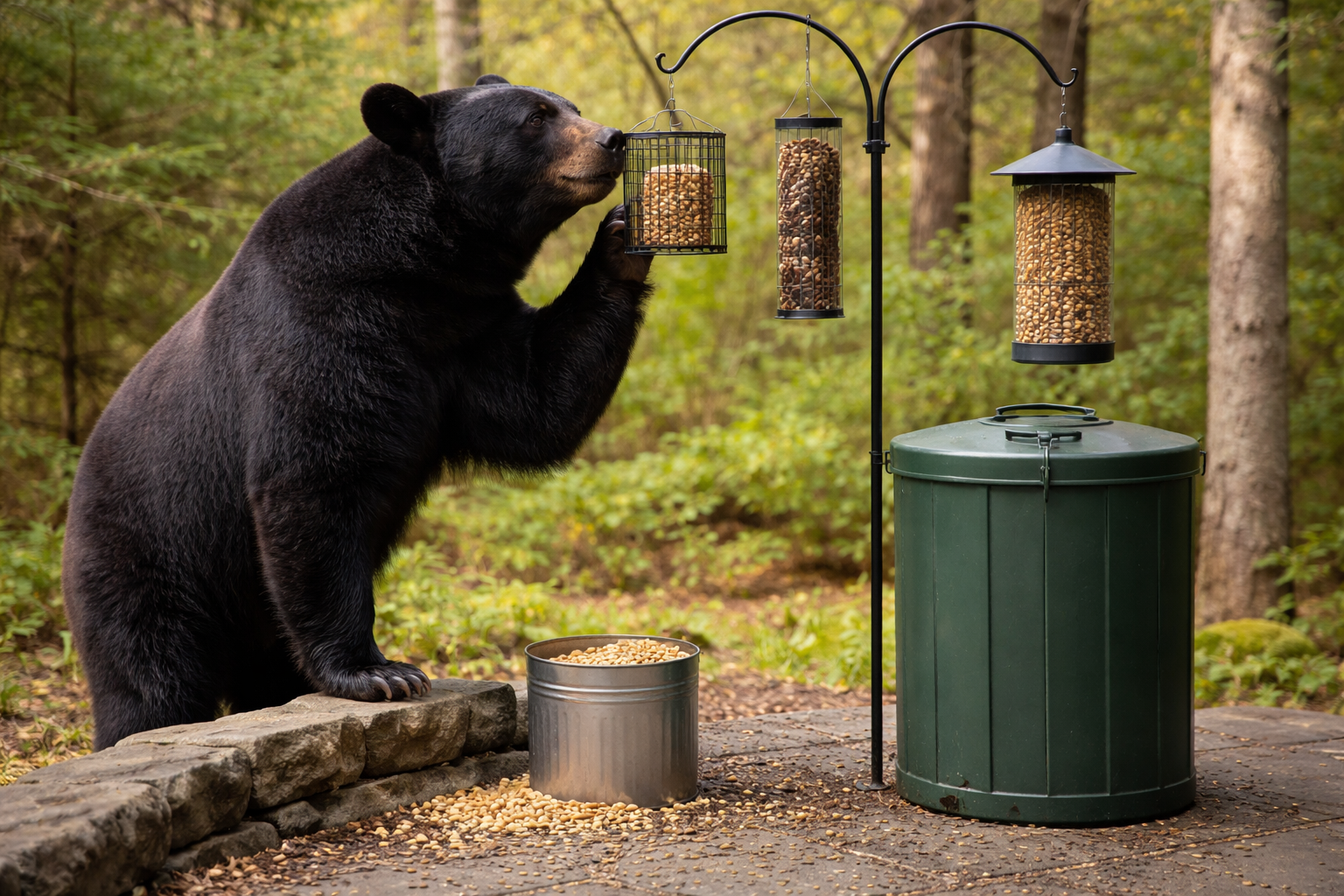
Choose seed and feeder configurations that reduce spill and ground access. Bear-resistant feeders and containers protect seed during off hours, while cleaning up spills promptly prevents accumulation of attractants. When possible, store seed in bear-proof containers and keep feeders elevated or distanced from edges where bears may enter the yard.
What to avoid in bear country
Avoid feeding setups that maximize accessibility and spill risk, such as ground feeding, unsecured seed storage outdoors, and feeders placed directly against cover or along likely bear travel routes. Regular sanitation and prompt cleanup of spilled seed are essential.
Geographic and seasonal considerations
Regional risk patterns
Risk varies by region and local bear populations. In areas with higher bear densities or frequent spring and summer activity, the likelihood of bear encounters increases. Local regulations may also shape what is permitted or recommended for feeding and deterrence.
Seasonal dynamics
Spring and early summer often see bears increasing activity as natural foods become scarce and energy demands rise after hibernation. Fall can bring increased foraging as bears prepare for denning. In winter bear activity typically slows, but in some areas feeding may still attract bears if food remains accessible.
Safety protocols and best practices for homeowners
Feeders and placement strategies
- Use bear-resistant feeders or protective enclosures designed to deter chewing and ripping by bears.
- Place feeders away from property edges, away from dense cover, and at elevated heights when feasible to reduce access from the ground.
- Angle or orient feeders to minimize spill paths toward brush or potential denning sites.
Sanitation routines
- Clean up all spilled seed daily to prevent persistent attractants.
- Regularly wash feeder components with soap and water to remove odors and residues.
- Schedule seasonal feeder checks to ensure seals and closures remain intact.
Timing and seasonal adjustments
- Adjust feeding practices seasonally to minimize attractants during peak bear activity. In high-risk areas, consider reduced feeding during spring and summer or temporary removal of feeders if bears are known to be active nearby.
- When bears are active in the area, prioritize nonfeeding wildlife viewing strategies such as native plantings and water features to support birds without attracting bears.
Seed storage solutions
- Store seed in bear-proof containers or indoor storage when not in use.
- Keep seed storage containers sealed and away from feeder access points and bear entryways to the yard.
Alternatives and complementary strategies
Native plantings and habitat enhancements
Plant native species that support local birds while offering shelter and nectar sources. A well-designed landscape can sustain bird populations with less reliance on supplemental feeding.
Water features and viewing options
Water features can attract birds without creating strong food incentives for bears if managed properly. Regular maintenance reduces standing water that could attract other wildlife and pests.
Balancing feeding with wildlife compatibility
Ongoing feeding can be compatible with bear country when combined with resistive measures, sanitation, and discipline around storage. Consider the local bear activity and regulations when deciding whether to continue feeding year-round.
What to do if a bear visits or becomes habituated
Immediate safety steps
Do not run, scream, or corner the bear. Speak calmly, back away slowly, and give the bear an escape route. Do not feed or approach the bear, even if it seems curious.
Documentation and reporting
If a bear visits or shows signs of habituation, document the encounter and contact local wildlife authorities or extension services for guidance. The goal is to protect public safety and discourage further attractants in the area.
When to remove feeders entirely
If a bear becomes habituated or poses a safety risk, temporarily or permanently remove feeding sites and secure seed storage until authorities advise otherwise. Habituation can escalate risk for people and pets and may require active deterrence or removal of attractants.
Seasonal calendar and maintenance plan
Pre-season prep
- Inspect and upgrade bear-resistant feeders and seed storage,
- Clean and sanitize feeding areas and remove residual seed from the ground,
- Assess surrounding landscape for attractants such as fallen fruit or accessible garbage.
Mid-season monitoring
- Check for signs of bear activity near feeders or along travel routes,
- Clean spills promptly and adjust feeder placement as needed,
- Review local regulations and any seasonal restrictions for feeding.
Post-season cleanup
- Remove or store feeders and seed to reduce attractants during bear-off seasons,
- Clean and store equipment properly, and plan for next year’s adjustments based on observed bear activity.
Myth busting and common questions
Myth: Bears will only visit if I feed them.
Reality: Bears are attracted by reliable food sources, whether or not feeding is intentional. Spilled seeds, access to stored seed, and proximity to cover can draw bears even when feeders are not actively used.
Myth: If a bear visits once, I should keep feeding to avert further problems.
Reality: A single visit can lead to habituation and ongoing risk. The safest approach is to remove attractants and follow local guidance for deterrence and wildlife safety.
Myth: Any bird seed will attract bears equally.
Reality: Attractiveness depends on caloric density, odor, accessibility, and spill patterns. High-fat seeds and easy access raise risk more than lower-fat options, and careful storage is crucial.
Legal and ethical considerations
Local regulations may govern bird feeding and wildlife interactions. Maintaining bear safety, minimizing habituation, and following humane guidelines helps protect both people and wildlife. Ethical considerations emphasize avoiding practices that increase conflict and prioritizing public safety and wildlife welfare.
Resources and quick-reference tools
Bear safety guidance and feeding best practices are most effectively informed by wildlife agencies and university extensions. Practical tools include bear-safe feeders, secure storage containers, and maintenance checklists tailored to local bear activity and regulations.
What to do next
- Assess your yard for attractants beyond feeders and address storage and sanitation first.
- If bears are present nearby, implement bear-resistant feeders, move feeders away from cover, and clean up spills daily.
- When in doubt about local regulations or best practices, consult local wildlife agencies or extension services for region-specific guidance.