Introduction
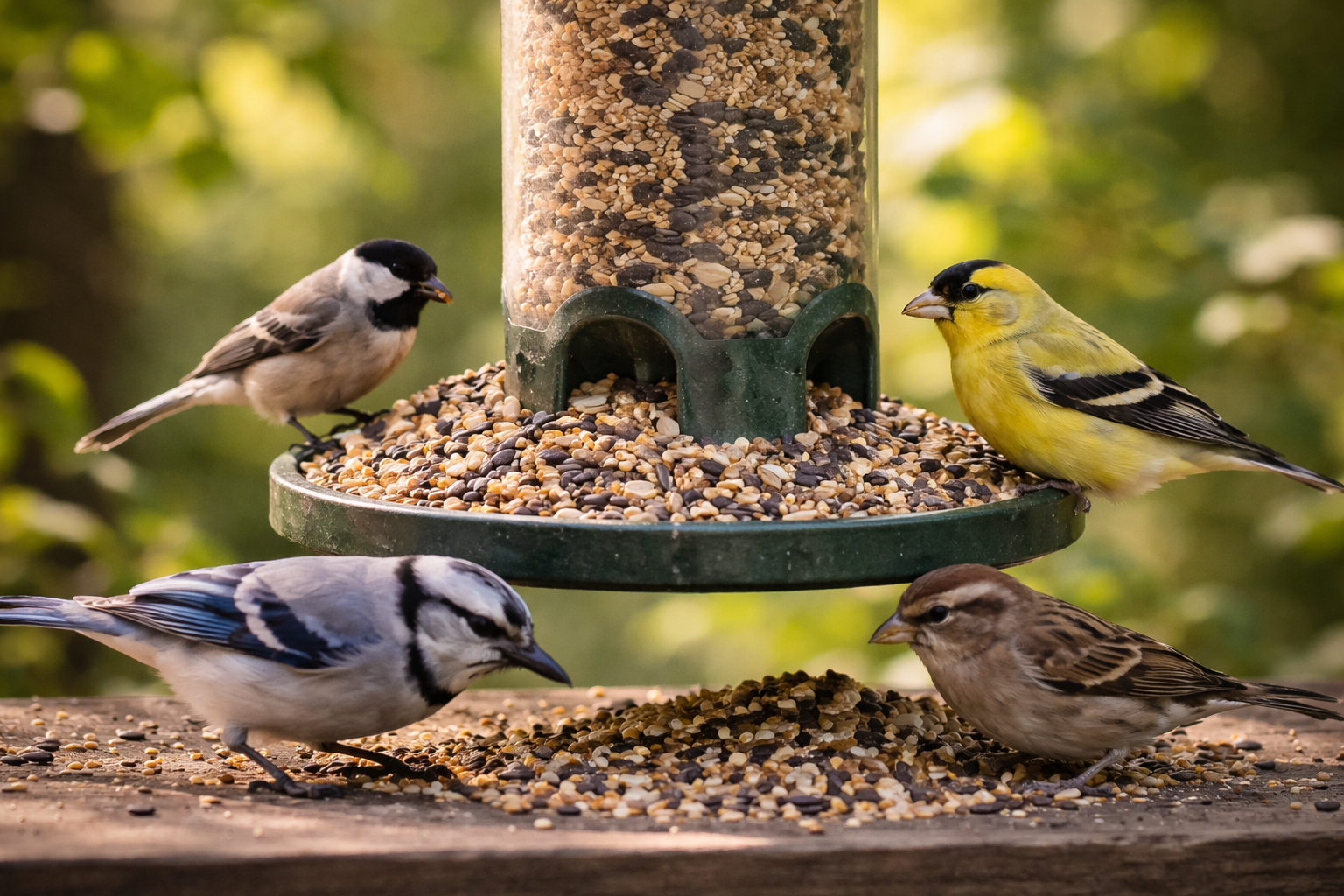
For backyard bird lovers, seed is a reliable energy source that can attract a diversity of species, from chickadees and finches to sparrows and jays. The core question is deceptively simple: can birds eat too much bird seed? The answer depends on context: species, life stage, season, feeder design, and seed quality all shape how birds use offered foods. Seed-based feeding can support bird health when practiced thoughtfully, but energy-dense seeds paired with prolonged access at soggy, dirty feeders or with spoiled seed can create waste, obesity, and disease risk. This guide explains why seeds matter for energy but are not a complete diet, outlines how to choose seed wisely, and provides practical steps to prevent overfeeding, reduce waste, and keep birds healthier in your yard.
Nutrition basics: seeds as energy, not a complete menu
Seeds are energy dense, largely because fats provide most of their calories. This makes them attractive to birds, especially during cold weather or demanding life stages such as breeding and molt. Yet seeds deliver limited amounts of important nutrients such as certain amino acids, calcium, and vitamins that birds obtain from a broader diet in the wild, including insects, larvae, and fruit. Because energy needs fluctuate with season and activity, relying on seeds alone can leave gaps in protein, micronutrients, and hydration. In practical terms, seeds should be treated as reliable fuel that supports activity and body condition, while a healthy backyard bird diet also includes opportunities for natural foraging and, where possible, insects or alternative protein sources during breeding and molt.
Seed types and quality: what to offer and what to avoid
Common seed types vary in energy density, digestibility, and appeal for different species:
- Black oil sunflower seeds are widely favored and energy-dense, benefiting many songbirds.
- Nyjer (thistle) seeds are tiny and highly efficient for small finches but attract fewer larger species.
- Safflower seeds are compatible with some seed-eating birds and can be preferred by cardinals and blue jays in certain regions.
- White proso millet appeals to ground-feeding species such as sparrows and doves but may be less attractive to others.
- Cracked corn is inexpensive and often used as a filler, but it is lower in nutrient density and can spoil quickly in warm weather if not managed.
- Mixed seed blends often include filler seeds such as white millet, red millet, or cracked corn. While they can attract a broad audience, blends with high filler content tend to produce more waste and less efficient energy use for target species.
Seed quality matters as much as seed type. Moldy or damp seed increases the risk of aflatoxins and other toxins. Pesticide residues, pests, or damaged seeds reduce health benefits and can introduce disease into your feeding area. Best practices include purchasing fresh seed from reputable sources, storing it in a cool, dry, airtight container, and rotating stock to minimize age-related spoilage. Before refilling, inspect seed for musty odors or visible mold, and discard any seed that looks damp or clumped. Clean feeders regularly to prevent mold and disease buildup, and keep feeding areas dry to reduce mold growth.
Seed types at a glance
| Seed Type | Energy density (qual) | Target species notes | Practical tips |
|---|---|---|---|
| Black oil sunflower | High | Broad songbirds | Easy to store; monitor for waste |
| Nyjer (thistle) | Very high for small finches | Goldfinches and small finches | Use nyjer-specific feeders; keep seed dry |
| Safflower | High | Many seed-eaters; variable regionally | Good for cardinals/blue jays in some areas |
| White proso millet | Moderate | Ground-feeding birds (sparrows, doves) | Attracts ground feeders; use on trays if possible |
| Cracked corn | Moderate to low | Some ground-feeders; mixed flocks | Use sparingly; can spoil quickly |
| Mixed seed blends | Variable | Broad audience | Check for high filler content; favor energy-dense components |
Seed quality matters as much as seed type. Moldy or damp seed increases the risk of aflatoxins and other toxins. Pesticide residues, pests, or damaged seeds reduce health benefits and can introduce disease into your feeding area. Best practices include purchasing fresh seed from reputable sources, storing it in a cool, dry, airtight container, and rotating stock to minimize age-related spoilage. Before refilling, inspect seed for musty odors or visible mold, and discard any seed that looks damp or clumped. Clean feeders regularly to prevent mold and disease buildup, and keep feeding areas dry to reduce mold growth.
How much is too much: guidance by context
The right amount of seed depends on species, season, and local food availability. In winter, high-fat seeds can be a critical energy source when natural foods are scarce, but even then seeds should be offered in measured portions rather than all-day access. A few practical principles help: start with moderate portions, avoid refilling to overflowing, and observe how birds use the feeder. If seed is consumed within a day or two but a lot is wasted on the ground, it indicates over-supply or poor feeder placement. If birds appear to linger, over-rely on the feeder, or show signs of obesity in late winter, reduce portions and increase foraging opportunities elsewhere in the garden. When breeding or molting, protein and calcium needs rise. In those life stages, supplementing with appropriately timed, protein-rich foods (such as insects where feasible or a varied diet) can help balance a seed-heavy plan. Seasonal changes matter: winter feeding emphasizes energy density and reliability, while spring and summer benefit from encouraging natural foraging and reducing long-term seed dependence. Regularly rotate seed types to maintain interest and to avoid consuming one nutrient profile exclusively. Observational cues you can use include changes in body condition, plumage brightness, weight, and the rate of seed waste. If birds are finishing seed quickly with little waste, you may be providing too little or too much of a given type for your local species; adjust accordingly. If waste piles accumulate or ground cover becomes bare beneath the feeder, your setup may be inefficient or too generous for the observed activity.
Feeding management: what a practical plan looks like
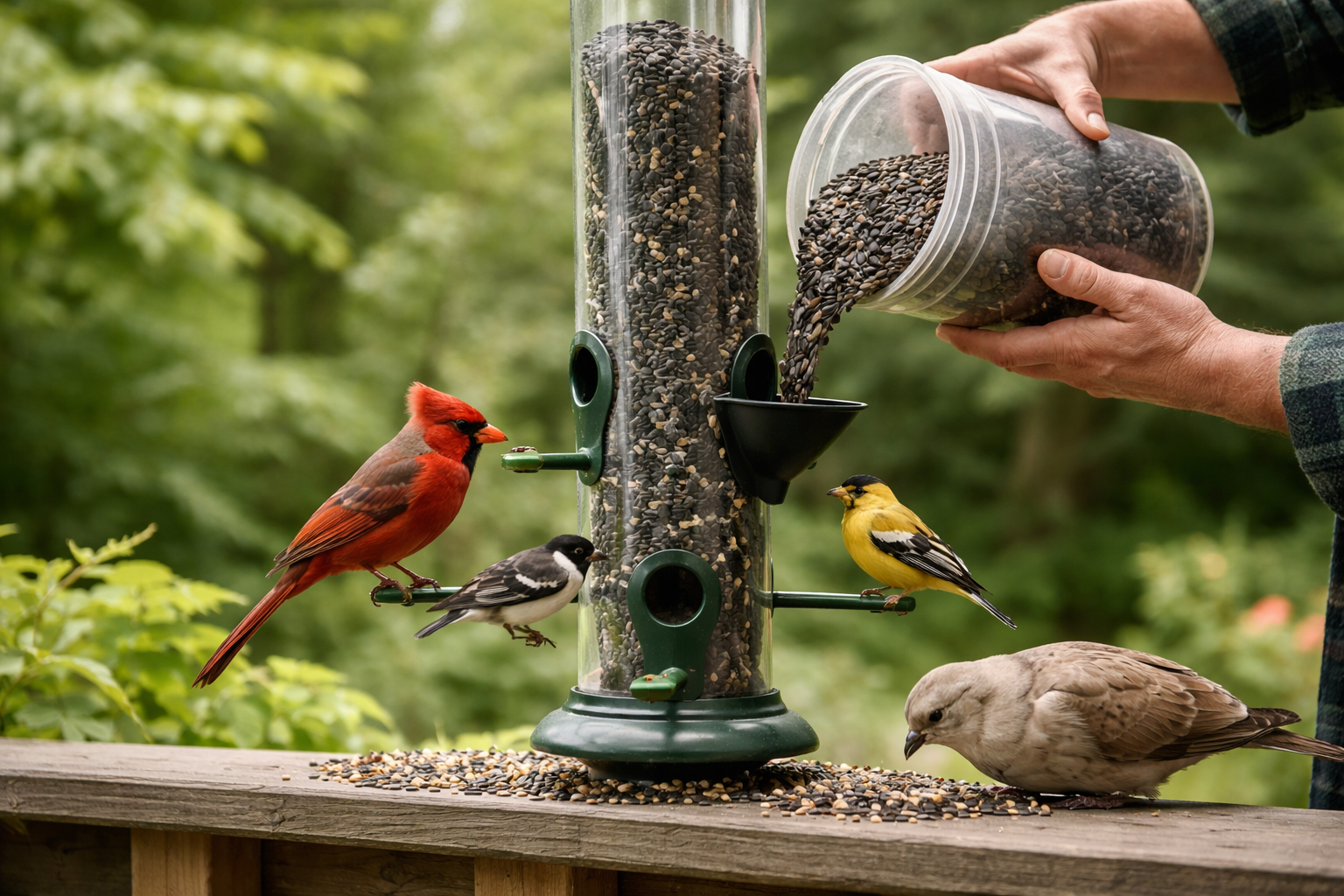
A practical plan harmonizes seed choice, portion control, feeder design, and hygiene. Start with a starter mix focused on a couple of seed types that attract your frequent visitors, such as black oil sunflower and nyjer, then rotate in safflower or millet to diversify species and curb waste. Place feeders where birds feel safe from predators, ideally in a sheltered location with a clear flight path and a water source nearby.
Key practices
- Portion and rotate: offer small, measured amounts, then rotate seed types every week or two to encourage natural foraging and reduce dependence on a single energy source.
- Clean and dry: clean feeders at least weekly in dry weather and more often in damp periods. Let feeders dry completely before refilling.
- Store smart: keep seed in airtight containers in a cool, dry place. Use only fresh stock and rotate stock so older seed is used first.
- Minimize waste: use feeders that reduce spill, such as tray or hopper styles, and position feeders to minimize seed dropping onto the ground where it can attract pests or mold.
- Hydration: provide fresh water for drinking and bathing, which is especially important when seeds are the main energy source and natural water is scarce.
Seasonal adjustments provide a clear path to maximize benefits while reducing risk. In winter, keep a reliable core of energy-dense seed available, but avoid stuffing feeders to the brim in warm spells when seed can be spoiled quickly. In spring and summer, gradually reduce reliance on energy-dense seeds and focus on varied foods and foraging opportunities, while continuing to offer a consistent water source and clean feeders.
A seasonal focus table
| Season | Focus | Core seeds | Feeding notes |
|---|---|---|---|
| Winter | Reliable energy | Black oil sunflower, nyjer | Refill daily; keep water; avoid mold; monitor warmth |
| Spring | Encourage foraging | Safflower, millet | Introduce variety; reduce long-term seed dependence |
| Summer | Insect-based nutrition | Mixed seeds sparingly; insects when available | Maintain water; keep feeders clean; watch for heat/mold |
| Fall | Prep for migration | Core seeds plus backups | Plan rotations to diversify fuels as natural foods shift |
A starter plan and seasonal adjustments
For a typical backyard with common species such as chickadees, finches, sparrows, cardinals, and nuthatches, a practical starter plan might look like this:
- Seed mix: a core of black oil sunflower plus nyjer for goldfinches and other small finches, with safflower as a backup option for other species.
- Feed frequency: refill once daily in winter, with a mid-day check to replace any seed that has spoiled or scattered. In spring, taper refills to daily or every other day as natural food becomes more available.
- Maintenance: clean feeders weekly; deeper clean every 4, 6 weeks; store seed in airtight containers and discard any seed that smells off or shows mold.
- Water: provide a constant, clean water source, especially in winter when natural water can be scarce.
Seasonal calendar: In winter, emphasize energy-dense seeds and reliability. In early spring, introduce variety and begin scaling back to avoid over-dependence. In late spring and summer, prioritize foraging opportunities and insect-based nutrition when possible, while keeping water accessible and feeders clean. Monitor for disease risks during warm, humid periods and pause feeding if you notice signs of illness in birds in your neighborhood.
Do this now: quick practical checklist
| Step | Action | Timing / Notes |
|---|---|---|
| 1 | Choose a core seed set (for example black oil sunflower and nyjer) and rotate another seed type weekly. | Immediate; start today |
| 2 | Refill in moderate portions and prevent all-day access on a single feeder. | Ongoing; adjust as needed |
| 3 | Inspect seed for mold or dampness and discard spoiled stock. | Before refilling |
| 4 | Clean feeders weekly and dry completely before refilling. | Ongoing |
| 5 | Store seed in airtight containers in a cool, dry place and rotate stock regularly. | Ongoing |
| 6 | Provide fresh water daily and locate feeders for safety and easy access. | Ongoing |
| 7 | Observe birds for signs of overfeeding or health changes and adjust as needed. | Ongoing |
If you want to go deeper, there is a broader resource library on seed nutrition, feeder hygiene, and region-specific feeding guidance that can help tailor these practices to your yard and the birds you see most often.
Special considerations: health, disease, and when to pause feeding
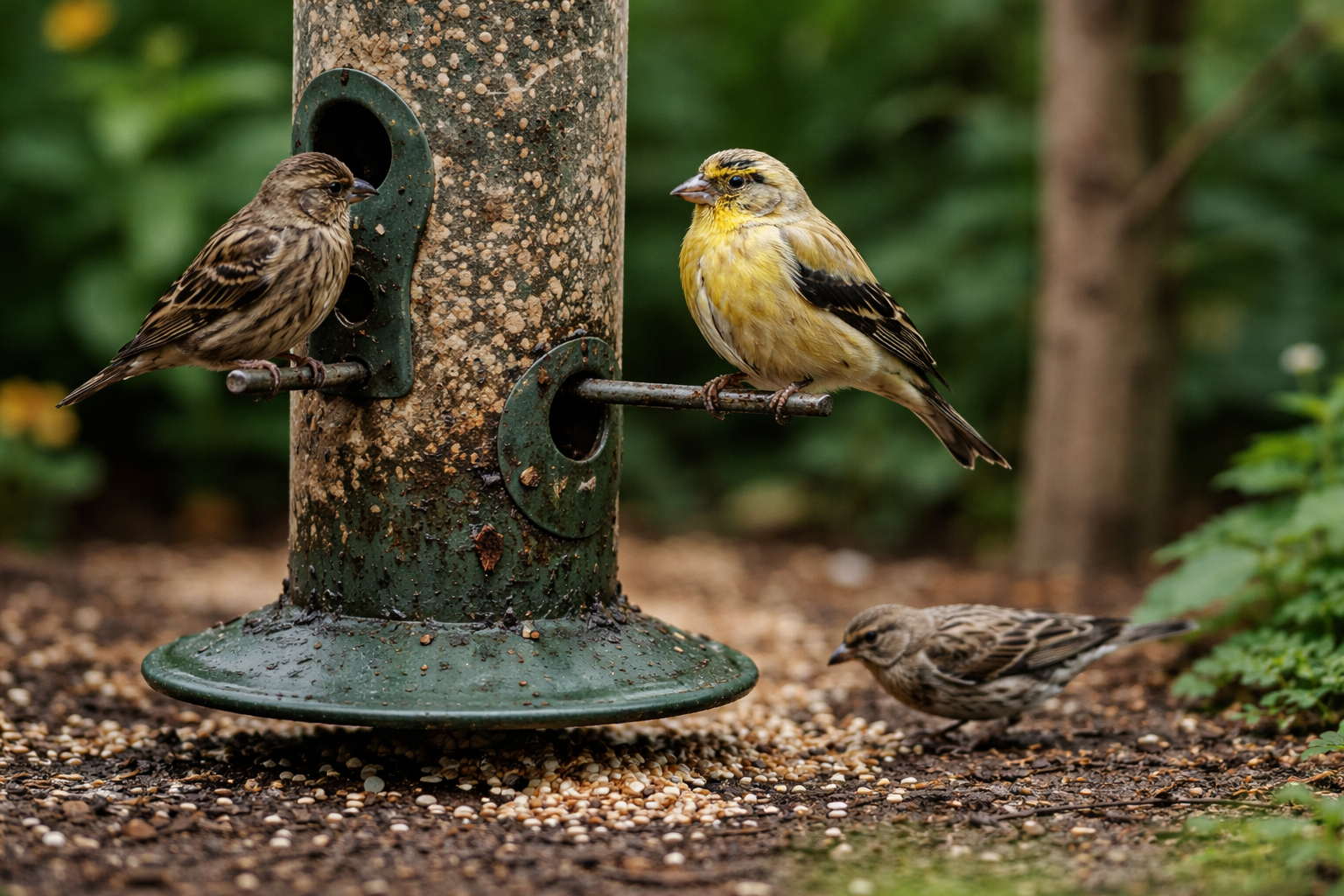
Bird feeders can influence disease transmission when hygiene lapses occur. Regular cleaning, timely seed rotation, and prompt removal of moldy or damp seed help keep disease risk low. Overcrowding at feeders can stress birds and increase contact rates, potentially accelerating disease spread. When local disease events or drought reduce natural food diversity, careful, limited supplementation can help, but the moment there are signs of illness, a pause in feeding while you clean feeders, remove suspect seed, and seek guidance from local wildlife authorities is prudent.
If you are unsure about regional feeding practices, consult your local extension service for area-specific guidance. They can provide tailored recommendations based on local bird populations, seasonal food availability, and disease risks.
Quick-start guidance you can implement now
- Start with a core two-seed plan: black oil sunflower and nyjer. Add safflower if needed for broader species coverage.
- Refuel in small, frequent amounts and avoid letting seed sit in the feeder beyond 24 to 48 hours in warm conditions.
- Inspect seed before filling for mold or musty smells; discard suspect batches.
- Clean feeders with soap and water, rinse thoroughly, and allow to dry fully before refilling.
- Offer fresh water daily and provide a safe, accessible feeding site free from nearby predators.
- Observe your birds and adjust portions, seed types, and feeding frequency to balance energy needs with natural foraging opportunities.
What to watch and when to adjust
Look for changes in body condition, plumage brightness, and consistency of droppings as indicators of nutrition and health. If unusual illness, weight gain, or increased disease signs appear, pause feeding and consult a local wildlife extension or veterinarian. In drought or poor crop years, a temporary reduction in seed quantity can encourage birds to broaden foraging, while maintaining a water source for thirst and cooling.
Do this now: quick practical checklist (conclusion)
- Choose a core seed set (for example black oil sunflower and nyjer) and rotate another seed type weekly.
- Refill in moderate portions and prevent all-day access on a single feeder.
- Inspect seed for mold or dampness and discard spoiled stock.
- Clean feeders weekly and dry completely before refilling.
- Store seed in airtight containers in a cool, dry place and rotate stock regularly.
- Provide fresh water daily and locate feeders for safety and easy access.
- Observe birds for signs of overfeeding or health changes and adjust as needed.
If you want to go deeper, there is a broader resource library on seed nutrition, feeder hygiene, and region-specific feeding guidance that can help tailor these practices to your yard and the birds you see most often.
Frequently Asked Questions
Additional FAQs (to be included if space permits):
A: Provide seed in moderation, observe birds’ feeding behavior, and avoid all-day access on one feeder; mix in variety and allow for natural foraging as weather and local food sources allow.
A: Yes. Moldy foods can cause illness; inspect seed regularly, store properly, and discard stale or damp seed; clean feeders often and let them dry completely before refilling.
A: Persistent weight gain, unusual lethargy, droppings with abnormal color or texture, or disease outbreaks in your yard should prompt a pause and consultation with a local wildlife extension or veterinarian.
- Q: How much seed should I put out for my backyard birds?
- Q: Can a bird get sick from moldy seed or spoiled suet?
- Q: What are signs that I should reduce or stop feeding for a while?
Notes on FAQ content: ensure factual accuracy by validating each answer against the cited authorities. Use the exact formatting shown above for the primary two questions; the extra FAQs should follow same Q/A structure and tone.
Editorial and practical considerations
- The article should weave practical, actionable steps with short, digestible explanations of why those steps work, supported by credible sources.
- Include cautions about region-specific variations (e.g., seed preferences or seasonal dynamics differ by location) and advise readers to consult local extension services for area-specific guidance.
- End with a concise, repeatable do-this-now checklist and a link to a longer, deeper resource library for readers who want to dive deeper.